
What Changed in the New SR-2050 Analyzer Release?


The new SR-2050 analyzer release brings meaningful upgrades for teams comparing a fixed gas analyzer, portable gas analyzer, or industrial gas analyzer for modern process control. From stronger performance than the SR-2030P analyzer to broader application in flue gas analyzer, emission gas analyzer, and gas monitoring system projects, this update matters to operators, engineers, buyers, and decision-makers seeking a more reliable thermal conductivity analyzer or custom gas analyzer solution.
What matters most in the SR-2050 analyzer release?
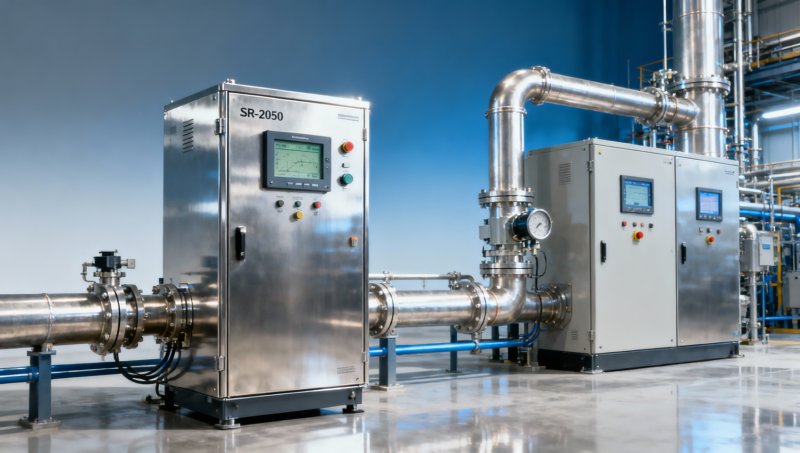
For most B2B buyers, a new analyzer release only matters when it reduces risk in real projects. The SR-2050 analyzer release is important because it targets three practical concerns at the same time: measurement stability, deployment flexibility, and easier integration into a gas monitoring system. In instrumentation projects across manufacturing, energy, environmental monitoring, and automation control, these three points often decide whether a specification passes technical review or stalls at the procurement stage.
Compared with older generation equipment, users now expect an industrial gas analyzer to support faster commissioning, more stable long-cycle operation, and simpler maintenance planning. In many plants, a fixed gas analyzer is required to run continuously for 24/7 duty, while a portable gas analyzer is used for verification, spot checks, or temporary troubleshooting. A release like the SR-2050 becomes relevant when it can serve both process reliability and lifecycle cost control without forcing a complete redesign of the monitoring architecture.
The instrumentation industry supports digital transformation by turning process conditions into measurable, actionable data. In that context, a thermal conductivity analyzer or emission gas analyzer is no longer just a standalone device. It is part of a broader decision chain involving operators, quality teams, EHS managers, project engineers, procurement staff, finance reviewers, and distributors. Each group evaluates a different issue within the same 2–4 week assessment window: technical fit, compliance expectations, service burden, training effort, and budget predictability.
That is why the new release should be reviewed not as a simple product update, but as a solution revision. Buyers need to ask what changed in detection performance, how the unit behaves in variable ambient conditions, and whether it improves implementation in flue gas analyzer, custom gas analyzer, or online process monitoring projects. These questions are more valuable than generic claims about being newer or faster.
- Operators usually focus on response consistency, interface clarity, and maintenance intervals that fit weekly or monthly inspection plans.
- Technical evaluators look at gas compatibility, analyzer principle fit, integration signals, and installation constraints within skid, cabinet, or line-mounted layouts.
- Procurement and finance teams compare total cost across 3 major layers: upfront purchase, commissioning support, and ongoing consumables or service.
- Project leaders and distributors need a release that can be documented, quoted, and implemented without causing avoidable redesign delays.
Why this release is relevant across multiple industrial settings
A gas analyzer upgrade becomes commercially significant when it applies across more than one niche. The SR-2050 release is relevant because the same core value can support combustion-related flue gas analyzer tasks, process composition monitoring, emission gas analyzer checks, and selected thermal conductivity analyzer applications. This broad utility matters in mixed industrial portfolios where one organization may manage boilers, lab verification points, process lines, and environmental reporting obligations at the same time.
In practical terms, broader fit can shorten selection cycles by 7–15 days because teams do not need to compare as many fragmented device categories. It also helps distributors and project integrators standardize quotations, spare planning, and operator training across several account types. For companies managing multi-site modernization, that kind of standardization can be more valuable than a single headline specification.
How does SR-2050 compare with SR-2030P and other analyzer choices?
Many searchers are not just asking what changed; they are really asking whether the SR-2050 is a better fit than the SR-2030P analyzer or an alternative fixed gas analyzer, portable gas analyzer, or custom gas analyzer. The right comparison should focus on selection logic, not marketing language. In industrial instrumentation, a newer release is only better if it lowers operational uncertainty in the intended duty cycle.
The SR-2030P analyzer may still remain suitable for certain legacy workflows, temporary measurement tasks, or lower-complexity applications. However, when a project demands more integration with industrial automation systems, tighter maintenance planning, or more robust online deployment, the SR-2050 release becomes the more strategic option. This is especially true in upgrades planned over 1–3 project phases, where compatibility with future expansion matters as much as current process conditions.
The comparison below summarizes the practical decision factors that most technical and commercial teams review first. Instead of assuming one unit replaces all others, it shows where each analyzer category tends to fit within process monitoring, emissions work, and field verification tasks.
This table does not assume every project should migrate immediately. Instead, it clarifies that the SR-2050 release is more compelling where measurement continuity, broader application coverage, and integration readiness are valued. For a plant with 3 key goals—stable process control, cleaner data handoff, and lower maintenance disruption—the newer release usually deserves closer technical evaluation.
Fixed gas analyzer vs portable gas analyzer in the new release context
One common mistake is to compare a fixed gas analyzer and portable gas analyzer as if they solve the same task. They do not. Fixed units are generally selected for continuous process oversight, while portable units support spot verification, temporary diagnosis, or field balancing work. The SR-2050 release matters most when your project leans toward permanent installation, continuous signal output, and repeatable monitoring over long operating hours.
Portable analyzers still have a place. They are useful during maintenance shutdowns, route inspections every week or every quarter, and startup troubleshooting. But if the main concern is stable online composition analysis, emissions observation, or process control feedback, the industrial gas analyzer path usually creates more value than relying on handheld verification alone.
A quick decision checklist
- Choose a fixed gas analyzer when the point must be monitored continuously over 8-hour, 12-hour, or 24/7 operating cycles.
- Choose a portable gas analyzer when the requirement is validation, maintenance support, or temporary testing rather than permanent control input.
- Choose a custom gas analyzer when sample conditions, gas matrix, or integration demands exceed standard installation assumptions.
Which applications benefit most from the new release?
The strongest value of the SR-2050 analyzer release appears in applications where process conditions are continuous, accountability is high, and interruption is expensive. This includes industrial manufacturing lines, combustion systems, power and energy facilities, environmental monitoring points, process skids, and automation-linked production cells. In these environments, a gas analyzer is expected to do more than produce a reading. It must support control logic, safety review, quality assurance, and audit-ready maintenance records.
For a flue gas analyzer role, the new release is relevant where operators need stable readings through regular operating fluctuations rather than occasional field checks. For an emission gas analyzer role, the focus shifts toward dependable monitoring routines, maintenance traceability, and easier alignment with site-level compliance practices. For a thermal conductivity analyzer role, buyers often care most about analyzer principle suitability, gas composition behavior, and whether the design can support a repeatable process window over weeks or months.
The next table shows where a modern industrial gas analyzer like the SR-2050 typically creates value and what each stakeholder group should verify before approval. This is often the fastest way to align technical, commercial, and project teams in a single review meeting.
The practical takeaway is simple: the new release is most valuable where continuity, traceability, and integration matter. If your requirement is only occasional measurement, the investment case may be weaker. But if your process depends on analyzer data every shift, every day, or every production cycle, the SR-2050 deserves serious review.
What different teams should look for
Operators should confirm the interface, alarm behavior, and daily check routine. A complicated analyzer can increase training time from 1 shift to several shifts if menus, maintenance prompts, or calibration steps are unclear. Technical teams should focus on sample conditions, response expectations, and integration details. Procurement should request a complete scope list, including accessories, startup support, and recommended spare parts, so the final quotation reflects the actual project rather than a base unit only.
For managers and finance reviewers, the key question is whether the release reduces avoidable downtime, repeat service visits, or fragmented purchasing across multiple analyzer models. A standardized platform can often improve internal control even when the initial unit price is not the lowest line item.
What should buyers evaluate before selecting SR-2050?
A strong analyzer purchase decision starts with clear technical boundaries. Too many teams ask for a quote before they define the gas composition, installation environment, expected duty cycle, and data output requirement. With a release like the SR-2050, selection quality improves significantly when buyers review 5 key checkpoints before commercial comparison: application purpose, analyzer principle fit, sample condition, integration method, and maintenance expectation.
This matters because the same industrial gas analyzer can perform very differently depending on whether it is used for a lab-adjacent verification point, a cabinet-mounted online analyzer, a thermal conductivity analyzer duty, or an emissions-related process. Incomplete input data often causes the biggest delays, sometimes extending the quotation and confirmation cycle by 7–10 working days.
The table below can be used by procurement teams, technical evaluators, and project leaders as a practical pre-order worksheet. It helps prevent common gaps that later create redesigns, scope changes, or site acceptance issues.
If buyers complete these definitions early, the chance of a cleaner approval process increases. It also helps distributors and suppliers prepare a more realistic proposal, especially when the analyzer is part of a 3-stage project involving design review, commissioning, and post-startup support.
Common procurement risks and how to avoid them
The most common error is selecting by headline price without confirming the full installation scope. Another is treating all gas analyzers as interchangeable, even when the process objective is continuous monitoring rather than occasional testing. A third mistake is ignoring service access, which can turn a compact installation into a maintenance problem after only a few months of operation.
- Confirm whether the quotation includes startup guidance, recommended consumables, and documentation needed for handover.
- Ask for the expected delivery window, which in many instrumentation projects can vary from 2–4 weeks for standard scope to longer for customized configurations.
- Check whether operators will need 1 session or multiple sessions of training, especially if the analyzer will be used across shifts.
- Review routine service frequency such as weekly checks, monthly validation, or quarterly preventive maintenance.
Compliance and documentation considerations
While requirements differ by site and industry, buyers should still confirm general documentation expectations early. In gas monitoring system projects, that may include wiring details, operating manuals, calibration guidance, inspection records, and any applicable conformity documents. In regulated environments, project teams often also align the analyzer package with internal quality procedures, EHS review steps, and site acceptance protocols before final release.
This is especially relevant in industries moving toward digitalization and intelligent upgrading. A well-documented analyzer package supports cleaner handover to operations, better asset management, and more consistent maintenance records over 6-month or 12-month operating reviews.
Frequently asked questions before approval
Is the SR-2050 only for large industrial plants?
Not necessarily. It is most relevant where continuous monitoring, integration, and repeatable operation are required, but that can include compact process skids, packaged systems, pilot lines, and specialized laboratory-adjacent setups. The decision is less about plant size and more about whether the analyzer must support stable operation over repeated cycles, scheduled maintenance, and system-level data use.
If the task is occasional testing only, a portable gas analyzer may still be sufficient. If the analyzer is expected to feed decisions every shift or to support automated control logic, a fixed gas analyzer such as the SR-2050 is usually the better fit.
How should teams choose between a standard and custom gas analyzer solution?
Start with the process conditions. A standard configuration can work well when gas composition, sample quality, installation method, and output needs fall within normal industrial expectations. A custom gas analyzer solution becomes more appropriate when there are non-standard sample handling requirements, unusual environmental conditions, enclosure constraints, or specific automation interfaces.
In practice, if 3 or more project variables are outside the normal scope—such as temperature condition, gas matrix complexity, and control system interface—it is usually worth discussing customization early rather than modifying the site repeatedly later.
What is a reasonable review timeline before issuing a purchase order?
For a standard industrial gas analyzer project, internal review often takes 1–2 weeks if process data, utility details, and approval responsibilities are already clear. If the analyzer is part of a broader gas monitoring system, includes custom engineering, or requires multi-department approval, 2–4 weeks is a more realistic planning window.
A faster process is possible when the buyer prepares a complete requirement list from the start. That should include gas conditions, installation point, signal needs, maintenance expectations, and any compliance documents needed for final acceptance.
What do operators and quality teams usually overlook?
They often focus on measurement output but overlook service access, training burden, and routine verification planning. An analyzer that fits technically can still create friction if filters, sample paths, or service points are difficult to reach. This becomes obvious after 30–90 days of operation, when preventive maintenance starts to matter more than first-day installation.
Quality and safety teams should also confirm how readings will be recorded, reviewed, and acted on. A reliable analyzer is only valuable if the site has a practical process for checking alarms, documenting interventions, and linking results to operational decisions.
Why choose us for SR-2050 evaluation and project support?
Choosing the right analyzer release is not only about comparing model names. It requires matching measurement objectives, process conditions, integration needs, and budget logic across several stakeholders. We support that decision with a structured approach built for the instrumentation industry, where measurement reliability, engineering coordination, and lifecycle planning all affect project success.
If you are reviewing the SR-2050 analyzer, we can help you clarify the points that usually slow approvals: fixed gas analyzer versus portable gas analyzer selection, SR-2050 versus SR-2030P analyzer fit, flue gas analyzer and emission gas analyzer application judgment, thermal conductivity analyzer suitability, and whether a custom gas analyzer configuration is necessary. This is especially useful for teams balancing technical risk, delivery timing, and internal budget controls.
You can contact us to discuss 6 practical topics before purchase: parameter confirmation, application matching, integration method, expected delivery cycle, documentation scope, and quotation structure. If your project involves phased implementation, we can also support early-stage selection review so the analyzer aligns with commissioning, training, and maintenance planning from day one.
For distributors, EPC teams, OEMs, and end users, a focused technical-commercial discussion can shorten the decision cycle and reduce rework. If you already have process conditions, sample details, or a target installation timeline, send them for review. That makes it easier to recommend the right SR-2050 configuration, identify whether customization is needed, and prepare a more accurate proposal for your gas monitoring system project.
Recommended for You
 C2H5OH Concentration Analyzer: Key Checks Before Import OrdersC2H5OH concentration analyzer import guide: check specs, calibration, compliance, and supplier support before ordering to reduce risk and choose the right analyzer with confidence.
 2026 Market Trends for C4H10 Concentration Analyzers in Process IndustriesC4H10 concentration analyzer market trends for 2026: discover how smarter, connected analyzers help process industries improve safety, compliance, uptime, and ROI.
 Common Safety Gaps When Using a C6H6 Concentration AnalyzerC6H6 concentration analyzer safety gaps can distort readings and delay hazard response. Learn the most common risks, practical fixes, and smarter deployment tips across industrial, lab, and environmental use.
 C7H8 Concentration Analyzer Price Trends in 2026: What Shapes CostC7H8 concentration analyzer price trends in 2026 depend on sensors, compliance, calibration, integration, and service. See what really shapes total cost before you approve a budget.
 How to Choose a C8H10 Concentration Analyzer for Stable VOC MonitoringC8H10 concentration analyzer selection guide for stable VOC monitoring. Learn how to compare performance, technology, drift, and application fit for reliable results.
 Guangdong Launches 3-Year Service Trade Plan to Boost Instrument Exports via AI and HarmonyOSGuangdong's 3-year service trade plan boosts instrument exports via AI optimization & HarmonyOS—key for ASEAN/Latin America market access. Act now.
 China-Pakistan MOU Opens Faster Certification Path for Instruments in South AsiaChina-Pakistan MOU accelerates instrument certification in South Asia—faster CCC acceptance, mutual lab recognition & Islamabad testing hub for pressure gauges, flow meters, environmental monitors.
 Gold Futures Surge 1.1%; Overseas Orders for Precious Metals Analyzers Rise 35%Gold futures surge 1.1% — driving 35% rise in overseas orders for precious metals analyzers like XRF & ICP-MS. Discover key market impacts & compliance insights.
 《中华人民共和国矿产资源法实施条例》6月15日施行,矿产分析仪出口标准升级矿产分析仪出口标准升级!《中华人民共和国矿产资源法实施条例》6月15日正式施行,助力企业合规出海、抢占全球矿产检测新机遇。
 特朗普称美伊‘基本谈成’霍尔木兹通航协议,能源监测设备出口波动预警Energy monitoring equipment export volatility warning amid Trump’s 'nearly finalized' US-Iran Strait of Hormuz navigation deal—key insights for exporters and energy sector stakeholders.
,国产存储测试设备订单窗口打开") 长鑫科技科创板IPO上会(5月27日),国产存储测试设备订单窗口打开Changxin Technology's STAR Market IPO on May 27 opens a key window for domestic memory testing equipment orders—discover growth opportunities now!
长鑫科技科创板IPO上会(5月27日),国产存储测试设备订单窗口打开Changxin Technology's STAR Market IPO on May 27 opens a key window for domestic memory testing equipment orders—discover growth opportunities now! 墨西哥拟对中国轻型车及零部件加征关税至50%,车载检测设备出口承压Mexican tariff hike to 50% on Chinese light vehicles & parts pressures exports of automotive testing equipment—key insights and mitigation strategies.
 美SEC紧急叫停‘代币化美股’计划,全球AI算力设备出口融资环境趋稳AI算力设备出口融资环境趋稳!美SEC紧急叫停‘代币化美股’计划,释放监管明确信号,利好全球合规科技投融资布局。速看深度解析。
 EU Industrial Accelerator Act Enforces 70% Local Sourcing for InstrumentsEU Industrial Accelerator Act enforces 70% local sourcing for instruments—key implications for exporters, suppliers & integrators. Act now.
 China Imposes Full Export Ban on Dual-Use Items to Japanese Military End UsersChina's dual-use export ban to Japanese military users takes effect Jan 6, 2026—impacting rare earth, semiconductor & precision manufacturing supply chains. Act now.
 Where C3H8 Concentration Analyzers Fit in 2026 Industrial Emissions MonitoringC3H8 concentration analyzer solutions are reshaping 2026 industrial emissions monitoring with better compliance, safer propane control, and smarter efficiency insights. Learn where they fit.
 B2H6 Concentration Analyzer Import and Export Updates for 2026 Compliance PlanningB2H6 concentration analyzer import and export updates for 2026: explore compliance risks, documentation priorities, and planning tips to reduce delays and support smarter cross-border decisions.
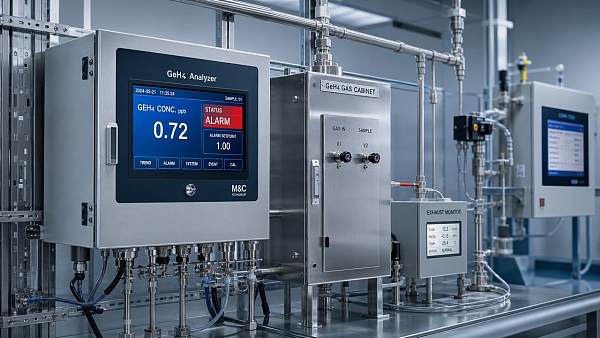
 GeH4 Concentration Analyzer Safety Risks and Detection Limits in Semiconductor UseGeH4 concentration analyzer safety risks, alarm strategy, and detection limits for semiconductor use. Learn how to reduce exposure risk, improve process stability, and choose the right monitoring solution.
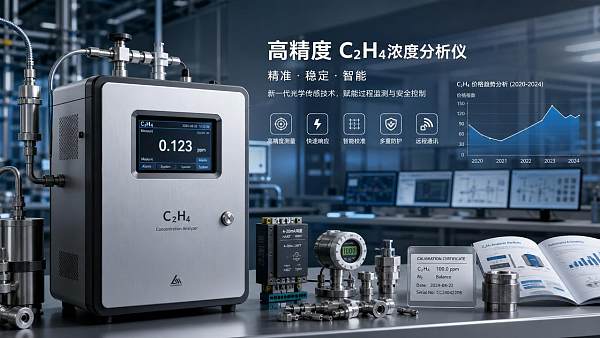
 C2H4 Concentration Analyzer Price Trends in 2026: What Is Driving Cost ChangesC2H4 concentration analyzer price trends in 2026 explained: discover key cost drivers, procurement risks, and smart buying tips to balance budget, compliance, and long-term value.
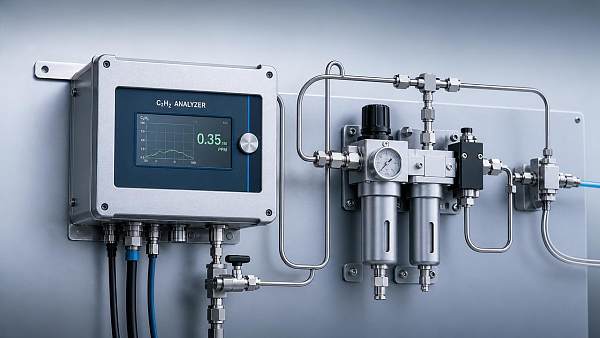
 How to Compare C2H2 Concentration Analyzer Accuracy in Industrial Gas MonitoringC2H2 concentration analyzer accuracy matters beyond the datasheet. Learn how to compare drift, calibration, interference, and field reliability for safer industrial gas monitoring.
![]() SiH4 Concentration Analyzer Import Rules to Watch in 2026SiH4 concentration analyzer import rules are tightening in 2026. Learn the key documents, compliance checks, and procurement tips to avoid delays and speed project delivery.
SiH4 Concentration Analyzer Import Rules to Watch in 2026SiH4 concentration analyzer import rules are tightening in 2026. Learn the key documents, compliance checks, and procurement tips to avoid delays and speed project delivery. HF Concentration Analyzer Demand Shifts Across Key IndustriesHF concentration analyzer demand is shifting across chemical, refining, environmental, and advanced manufacturing sectors—learn what drives safer control, compliance, and precision upgrades.
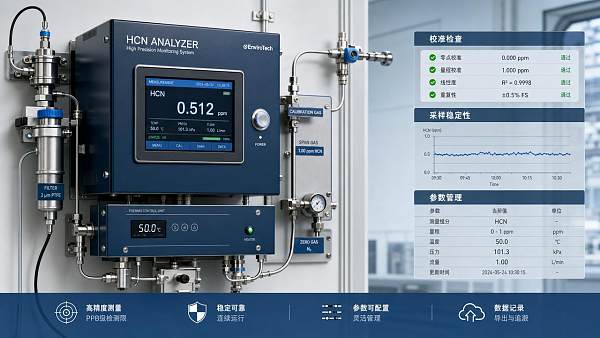
 Common HCN Concentration Analyzer Mistakes in Daily OperationHCN concentration analyzer daily mistakes can quietly damage accuracy and uptime. Learn common errors, practical checks, and smart operating tips to improve reliability.
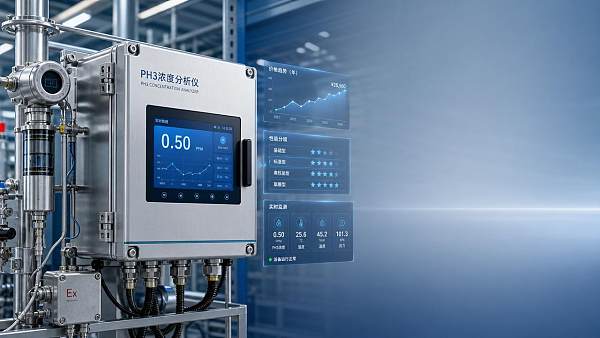
 PH3 Concentration Analyzer Price Trends in 2026PH3 concentration analyzer price trends in 2026 reveal what really drives cost, compliance, and performance. Explore key buying factors to compare quotes smarter and reduce total ownership risk.
 How to Choose an AsH3 Concentration Analyzer for Trace Gas SafetyAsH3 concentration analyzer selection starts with the right application context. Learn how to compare response, interference, integration, and lifecycle fit for safer trace gas monitoring.
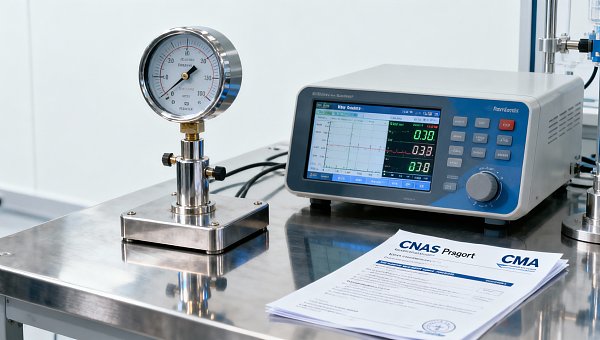
 Released") China's Business Environment Report (2026) ReleasedChina's Business Environment Report (2026) reveals 92% digital CMA/CNAS coverage—cutting export test report time to 15 days. Boost CE, UKCA & UL certification for pressure gauges, thermostats & analyzers.
China's Business Environment Report (2026) ReleasedChina's Business Environment Report (2026) reveals 92% digital CMA/CNAS coverage—cutting export test report time to 15 days. Boost CE, UKCA & UL certification for pressure gauges, thermostats & analyzers. US MMA Tank Incident Triggers Regional Safety UpgradesUS MMA tank incident sparks urgent demand for VOCs monitoring, toxic gas modeling & intrinsically safe transmitters across LATAM and SEA.
 NDRC Expands Energy-Saving and Carbon-Reduction Oversight to Dyeing, Chemical Fibers, and PapermakingNDRC expands energy-saving & carbon-reduction oversight to dyeing, chemical fibers, and papermaking—boosting demand for COD/NH₃-N analyzers, VOCs monitors, and CEMS systems.
 MIIT Sets 2026 Energy-Saving Inspection Targets for High-Energy ChemicalsMIIT Sets 2026 Energy-Saving Inspection Targets for High-Energy Chemicals—urgent demand surges for certified pH meters, gas analyzers & explosion-proof controllers.
 MOFCOM: FDI in China Down 10.3% Jan–Apr 2026, but Manufacturing Up 12.1%FDI in China fell 10.3% Jan–Apr 2026—but manufacturing FDI surged 12.1%, led by high-tech sectors. Discover what this means for precision metrology, sensors & calibration providers.
 PBOC Conducts 600-Billion-Yuan MLF Operation, Boosting RMB Stability for Testing Equipment ExportsPBOC's 600-billion-yuan MLF operation boosts RMB stability—key for NDT equipment exporters using LC/DA terms. Reduce FX risk, optimize hedging & improve cash flow planning now.
 EU Steel Strategy Upgrade: CBAM Expansion to Machinery & InstrumentsEU Steel Strategy Upgrade expands CBAM to machinery & instruments (HS 84/90) — LCA data mandatory from 1 July 2026. Act now to avoid delays & ensure compliance.



Search Categories
Search Categories
Latest Article
- C2H5OH Concentration Analyzer: Key Checks Before Import OrdersC2H5OH concentration analyzer import guide: check specs, calibration, compliance, and supplier support before ordering to reduce risk and choose the right analyzer with confidence.Posted by:
- 2026 Market Trends for C4H10 Concentration Analyzers in Process IndustriesC4H10 concentration analyzer market trends for 2026: discover how smarter, connected analyzers help process industries improve safety, compliance, uptime, and ROI.Posted by:
- Common Safety Gaps When Using a C6H6 Concentration AnalyzerC6H6 concentration analyzer safety gaps can distort readings and delay hazard response. Learn the most common risks, practical fixes, and smarter deployment tips across industrial, lab, and environmental use.Posted by:
Please give us a message
