
Industrial Analysis Equipment Price Shifts to Watch in 2026


Industrial analysis equipment prices are expected to see notable shifts in 2026 as supply chains, component costs, regulatory demands, and digital adoption continue to reshape the market. For business evaluators, understanding these pricing movements is essential for smarter budgeting, supplier selection, and long-term investment planning. This article explores the key cost drivers behind industrial analysis equipment and highlights the market signals worth watching in the year ahead.
Understanding what industrial analysis equipment includes
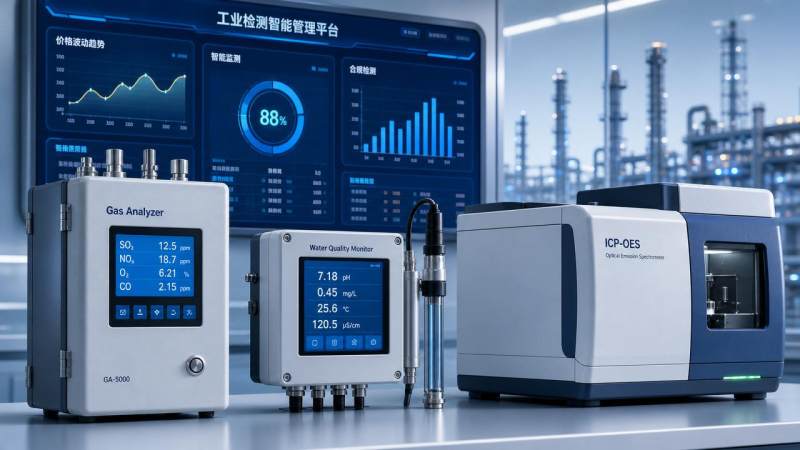
Industrial analysis equipment is a broad category covering instruments used to measure, test, monitor, and interpret physical or chemical conditions in industrial and laboratory environments. In practical terms, this includes gas analyzers, liquid analyzers, spectrometers, emission monitors, water quality testing systems, process analyzers, calibration tools, and online monitoring devices connected to automated control systems. Because these products support quality assurance, environmental compliance, energy efficiency, process safety, and digital production management, their pricing rarely moves in isolation. Instead, price shifts reflect changes across manufacturing, electronics, regulation, software, and service demand.
For business evaluators, the importance of industrial analysis equipment goes beyond list price. Total cost often includes installation, software integration, calibration, maintenance contracts, spare parts, data connectivity, operator training, and compliance documentation. A modest increase in equipment price can therefore have a larger downstream budget effect, especially in energy, environmental monitoring, pharmaceuticals, food processing, chemicals, and advanced manufacturing settings. In 2026, the most useful market view will be one that links equipment pricing to operational value rather than treating it as a simple procurement line item.
Why 2026 deserves close attention
The market for industrial analysis equipment is entering 2026 with several overlapping pressures. Global supply chains have improved compared with earlier disruption periods, but they remain vulnerable to semiconductor concentration, shipping volatility, and geopolitical trade adjustments. At the same time, end users are demanding more intelligent instruments with remote diagnostics, higher accuracy, lower energy consumption, and stronger cybersecurity features. These expectations raise the average technology content of each device, which can support higher selling prices even when raw material inflation softens.
Another reason 2026 matters is that many industries are moving from pilot-stage digitalization into scaled deployment. When factories, utilities, and laboratories expand from a few connected analyzers to wider monitoring networks, vendor pricing structures often change. Buyers may encounter more software licensing, bundled service packages, cloud access fees, and analytics subscriptions. As a result, the visible equipment price may not tell the full story. For valuation, budgeting, and investment decisions, business evaluators need a clearer view of which cost elements are becoming embedded in the industrial analysis equipment market.
Core cost drivers likely to shape industrial analysis equipment pricing
Several factors are likely to influence industrial analysis equipment prices in 2026. The first is component complexity. Sensors, optical modules, chips, precision valves, corrosion-resistant materials, and calibration assemblies remain essential to many analyzers. High-performance units designed for continuous industrial online monitoring depend on components that are harder to substitute than standard mechanical parts. Even if commodity material prices stabilize, advanced component costs can still keep equipment prices elevated.
The second driver is compliance. Emissions reporting, workplace safety, water discharge controls, and traceability requirements continue to tighten in many regions. Manufacturers often redesign industrial analysis equipment to meet new standards, update firmware, improve audit trails, and deliver stronger reporting functions. These changes add engineering and certification costs. In regulated sectors, buyers may be willing to pay a premium for equipment that reduces inspection risk or simplifies reporting obligations.
Third, labor and service economics matter more than many buyers expect. Skilled technicians for calibration, commissioning, and after-sales support are in high demand. Suppliers facing rising labor costs may protect margins through higher service fees, bundled maintenance, or premium contracts tied to uptime performance. This is particularly relevant for complex industrial analysis equipment used in continuous process environments where downtime can be expensive.
Fourth, product architecture is changing. Instruments that once sold primarily as standalone hardware are increasingly offered as integrated platforms. Built-in connectivity, edge processing, digital dashboards, and predictive maintenance tools can improve operational value, but they also shift price comparisons. Evaluators will need to distinguish between nominal price increases and functional upgrades that justify higher spending through lower operating cost or reduced compliance exposure.
Industry background and current pricing attention points
The instrumentation sector plays a foundational role across industrial manufacturing, energy and power, environmental monitoring, medical testing, laboratory analysis, construction engineering, and automation control. That broad reach creates an important market dynamic: pricing does not move uniformly across all equipment types. Devices tied closely to environmental compliance, energy transition projects, or process automation upgrades may experience stronger demand than general-purpose laboratory units. Likewise, instruments requiring specialized materials or high-precision detection technologies may remain more exposed to cost inflation than simpler monitoring devices.
In 2026, attention will likely center on whether the market is moving toward selective inflation rather than broad inflation. In other words, some categories of industrial analysis equipment may see flat or mildly rising prices, while others could climb more sharply due to technology content, regulation, or supplier concentration. For business evaluators, this means benchmarking should be product-specific and use-case-specific. Broad averages can easily mislead capital planning.
A practical market overview for business evaluators
The table below outlines how major market influences may affect industrial analysis equipment pricing in 2026 and what evaluators should examine when reviewing budgets or supplier proposals.
Where price movement may be strongest
Not every segment of industrial analysis equipment will move at the same pace. Systems used for continuous emissions monitoring, hazardous gas detection, advanced process chemistry, and real-time water quality management may face stronger pricing pressure because they combine regulation, high uptime requirements, and technical complexity. Instruments supporting clean energy, battery manufacturing, semiconductor fabrication, and precision industrial automation may also command higher prices where accuracy and data reliability are mission critical.
By contrast, categories with broader supplier competition, mature technology, or lower customization may see more stable pricing. Even in those segments, however, value-added software and support packages can raise the effective cost. Evaluators should therefore separate three layers when reviewing industrial analysis equipment: base hardware cost, deployment cost, and recurring operational cost. This layered view provides a more realistic basis for investment decisions and asset valuation.
Business value beyond the price tag
A narrow focus on upfront price can obscure the real economic role of industrial analysis equipment. In many industries, the instrument itself is inexpensive relative to the cost of noncompliance, defective output, process instability, or unplanned shutdowns. For example, a more advanced analyzer may shorten troubleshooting time, reduce material waste, improve process consistency, or support earlier detection of emissions deviations. These outcomes can justify a higher acquisition cost if they improve operating margin or reduce risk exposure.
This is especially relevant for business evaluators involved in capital approval, acquisition due diligence, supplier review, or facility modernization planning. The right assessment framework should ask not only whether industrial analysis equipment is becoming more expensive, but whether the increased cost aligns with measurable performance gains. In 2026, the strongest purchasing and valuation decisions will likely come from organizations that compare price movement with expected business impact.
Typical application categories and evaluation priorities
Because industrial analysis equipment serves many sectors, evaluation methods should reflect the application context. The following categories help clarify where pricing sensitivity and value drivers often differ.
Practical guidance for reviewing 2026 price shifts
A disciplined review process can make industrial analysis equipment pricing easier to interpret. First, segment quotes by equipment role rather than reviewing all instruments as one category. A process gas analyzer, a portable testing unit, and a laboratory spectrometer may face completely different cost dynamics. Second, compare specifications carefully. Higher pricing may reflect stronger enclosure ratings, superior sensor life, better software support, or broader certification coverage. Without this context, apples-to-apples comparisons become unreliable.
Third, convert equipment proposals into total cost scenarios. Include training, consumables, calibration frequency, downtime exposure, spare parts, software renewals, and service response commitments. Fourth, evaluate supplier stability. A lower initial price can lose its advantage if the vendor has inconsistent lead times, weak support capability, or limited local service capacity. Finally, monitor whether suppliers are moving toward subscription-heavy commercial models. For some organizations, recurring fees may be justified by data value; for others, they may reduce long-term cost predictability.
Signals worth monitoring through the year
Business evaluators should track a short list of signals throughout 2026: changes in semiconductor availability, updates to emissions and water standards, vendor announcements about digital platform pricing, labor availability for field service, and regional trade policy developments affecting imported instrumentation. It is also useful to watch whether lead times are shortening or whether suppliers are using faster delivery as a premium service. In the industrial analysis equipment market, timing can influence effective cost almost as much as the published quote.
Another useful signal is the degree of bundling in proposals. When suppliers combine hardware, software, maintenance, and analytics into one package, headline pricing becomes less transparent. Evaluators should request cost breakout where possible and identify which items are optional, which are required for compliance, and which create ongoing obligations after installation.
Conclusion and next-step perspective
The outlook for industrial analysis equipment in 2026 is not simply a story of prices going up or down. It is a story of market segmentation, higher technical expectations, expanding digital functionality, and increasing regulatory relevance. For business evaluators, the most reliable approach is to connect price movement with application value, compliance importance, and lifecycle economics. That perspective is more useful than relying on broad market averages or hardware-only comparisons.
If your organization is planning budgets, reviewing supplier contracts, or evaluating industrial modernization projects, now is the right time to build a structured pricing framework for industrial analysis equipment. A careful review of specifications, service commitments, digital fees, and risk-reduction benefits can turn market uncertainty into better investment judgment and more resilient decision-making in 2026.
Recommended for You
![]() SiH4 Concentration Analyzer Import Rules to Watch in 2026SiH4 concentration analyzer import rules are tightening in 2026. Learn the key documents, compliance checks, and procurement tips to avoid delays and speed project delivery.
SiH4 Concentration Analyzer Import Rules to Watch in 2026SiH4 concentration analyzer import rules are tightening in 2026. Learn the key documents, compliance checks, and procurement tips to avoid delays and speed project delivery. HF Concentration Analyzer Demand Shifts Across Key IndustriesHF concentration analyzer demand is shifting across chemical, refining, environmental, and advanced manufacturing sectors—learn what drives safer control, compliance, and precision upgrades.
 Common HCN Concentration Analyzer Mistakes in Daily OperationHCN concentration analyzer daily mistakes can quietly damage accuracy and uptime. Learn common errors, practical checks, and smart operating tips to improve reliability.
 PH3 Concentration Analyzer Price Trends in 2026PH3 concentration analyzer price trends in 2026 reveal what really drives cost, compliance, and performance. Explore key buying factors to compare quotes smarter and reduce total ownership risk.
 How to Choose an AsH3 Concentration Analyzer for Trace Gas SafetyAsH3 concentration analyzer selection starts with the right application context. Learn how to compare response, interference, integration, and lifecycle fit for safer trace gas monitoring.
 Released") China's Business Environment Report (2026) ReleasedChina's Business Environment Report (2026) reveals 92% digital CMA/CNAS coverage—cutting export test report time to 15 days. Boost CE, UKCA & UL certification for pressure gauges, thermostats & analyzers.
China's Business Environment Report (2026) ReleasedChina's Business Environment Report (2026) reveals 92% digital CMA/CNAS coverage—cutting export test report time to 15 days. Boost CE, UKCA & UL certification for pressure gauges, thermostats & analyzers. US MMA Tank Incident Triggers Regional Safety UpgradesUS MMA tank incident sparks urgent demand for VOCs monitoring, toxic gas modeling & intrinsically safe transmitters across LATAM and SEA.
 NDRC Expands Energy-Saving and Carbon-Reduction Oversight to Dyeing, Chemical Fibers, and PapermakingNDRC expands energy-saving & carbon-reduction oversight to dyeing, chemical fibers, and papermaking—boosting demand for COD/NH₃-N analyzers, VOCs monitors, and CEMS systems.
 MIIT Sets 2026 Energy-Saving Inspection Targets for High-Energy ChemicalsMIIT Sets 2026 Energy-Saving Inspection Targets for High-Energy Chemicals—urgent demand surges for certified pH meters, gas analyzers & explosion-proof controllers.
 MOFCOM: FDI in China Down 10.3% Jan–Apr 2026, but Manufacturing Up 12.1%FDI in China fell 10.3% Jan–Apr 2026—but manufacturing FDI surged 12.1%, led by high-tech sectors. Discover what this means for precision metrology, sensors & calibration providers.
 PBOC Conducts 600-Billion-Yuan MLF Operation, Boosting RMB Stability for Testing Equipment ExportsPBOC's 600-billion-yuan MLF operation boosts RMB stability—key for NDT equipment exporters using LC/DA terms. Reduce FX risk, optimize hedging & improve cash flow planning now.
 EU Steel Strategy Upgrade: CBAM Expansion to Machinery & InstrumentsEU Steel Strategy Upgrade expands CBAM to machinery & instruments (HS 84/90) — LCA data mandatory from 1 July 2026. Act now to avoid delays & ensure compliance.
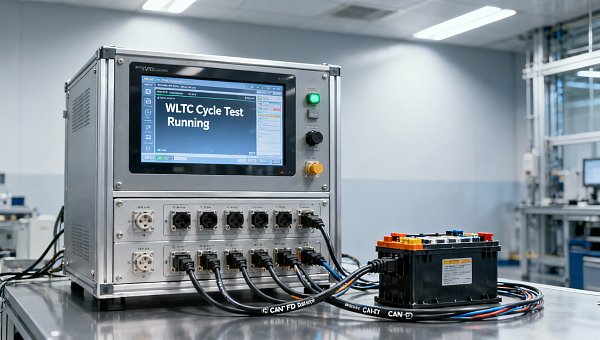
 Global EV Energy Consumption Standard to Take Effect Oct 1, 2026Global EV Energy Consumption Standard (GTR No. 22) takes effect Oct 1, 2026 — learn how it reshapes battery testing, certification & supply chains worldwide.
 WTO Report Shows Strong Global Trade, Easing Export Pressure for Industrial Monitoring DevicesIndustrial monitoring devices exporters benefit as WTO reports 4.2% global trade growth—easing export pressure, improving delivery predictability & cash flow.
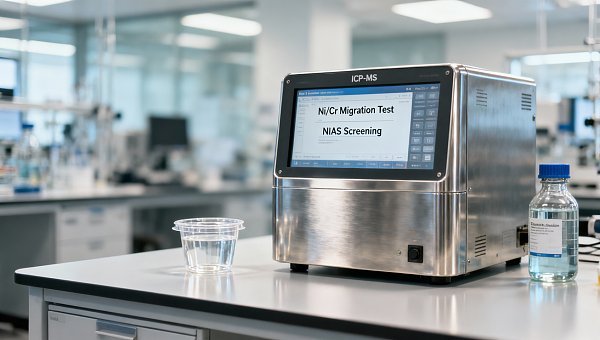
 South Korea MFDS Revises Food Contact Materials StandardsSouth Korea MFDS revises food contact materials standards: new nickel/chromium migration limits & NIAS verification—critical for lab instrument exporters and compliance providers.
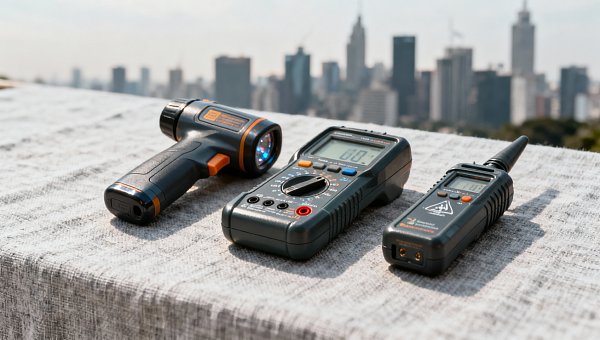
 Brazil to Eliminate Import Duties on Cross-Border E-Commerce Orders Under USD 50Brazil to eliminate import duties on cross-border e-commerce orders under USD 50—key for portable testing instruments exporters targeting Mercado Livre & DIY buyers.
 New AI Agent Guidelines Impact Smart Inspection Device ExportsAI Agent Guidelines impact smart inspection device exports—learn how new China AI safety rules affect EU, US & Middle East market access.
 UPS Freight Rates Increase Effective May 17, 2026UPS freight rates increase effective May 17, 2026—impact FOB pricing for industrial monitoring equipment exporters. Act now to optimize packaging, revise quotes, and secure margins.
 新修订《海商法》施行:卸货港无人提货责任转向托运人,检测设备出口交期风控升级New Maritime Code shifts unclaimed cargo liability to shippers at discharge ports—critical for testing equipment exporters managing delivery timelines and compliance risk.
 China Imposes Zero Tariffs on Lab Analyzers for 20 African NationsChina's zero tariffs on lab analyzers for 20 African nations boost export competitiveness—pH meters, spectrophotometers & more now duty-free from May 2026.
 CA Toxic Chemical Tank Overheating Sparks Explosion Risk, Monitoring Equipment Orders SurgeGas leak detectors, remote temperature warning systems & explosion-proof thermal imagers surge in demand after CA toxic tank overheating incident.
 EU REACH Adds DBDPE to SVHC List, Impacting Brominated Flame Retardant Testing for Export EquipmentDBDPE added to EU REACH SVHC list—impact on brominated flame retardant testing for industrial instruments, sensors & export compliance. Act now.
 Thailand Customs Digital Reform Spurs RFID Equipment DemandRFID equipment demand surges in Thailand as Customs digital reform mandates e-labeling, real-time parcel tracking & API compliance—act now to meet TISI specs and platform rules.
 Lazada Thailand Cuts Import Duties on 528 CategoriesLazada Thailand cuts import duties on 528 categories — including wired headphones & notebooks — lowering costs for Chinese exporters and Thai SMEs via LGS.
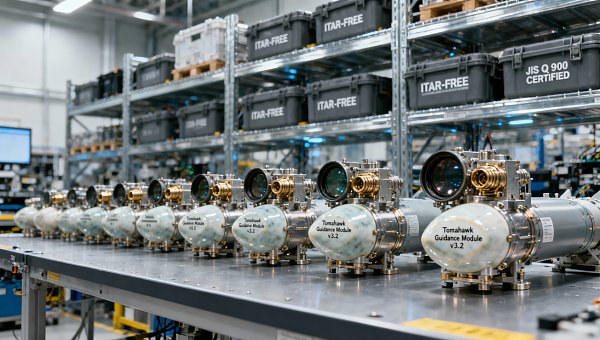
 US Delays 400 Tomahawk Missiles to Japan Amid Iran Inventory ReplenishmentTomahawk missiles delay to Japan sparks urgent demand for alternative guidance, navigation & secure comms suppliers—key opportunity for export-ready defense electronics firms.
 What to Check Before Importing an F2 Concentration Analyzer in 2026F2 concentration analyzer import guide for 2026: learn what to check on compliance, performance, integration, lifecycle cost, and supplier support before you buy.
 SF6 Concentration Analyzer Market Trends for Power and Gas Applications in 2026SF6 concentration analyzer market trends for 2026: explore accuracy, digital integration, emissions control, and buying tips for power and gas applications.
 Common HCl Concentration Analyzer Mistakes That Lead to Unstable ReadingsHCl concentration analyzer unstable readings? Discover the most common installation, calibration, sampling, and maintenance mistakes—and the practical fixes that improve accuracy fast.
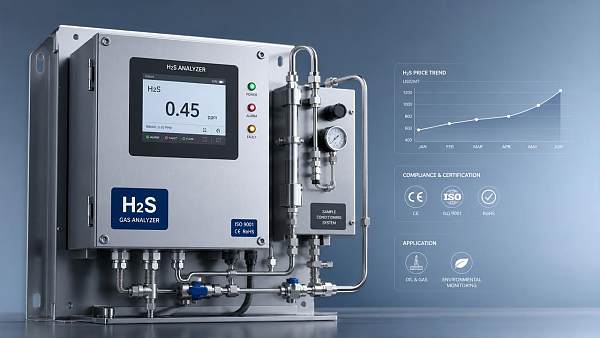
 H2S Concentration Analyzer Price Trends: What’s Driving Costs in 2026H2S concentration analyzer price trends in 2026: discover what drives costs, from sensor technology and compliance to materials and digital features, and make smarter buying decisions.
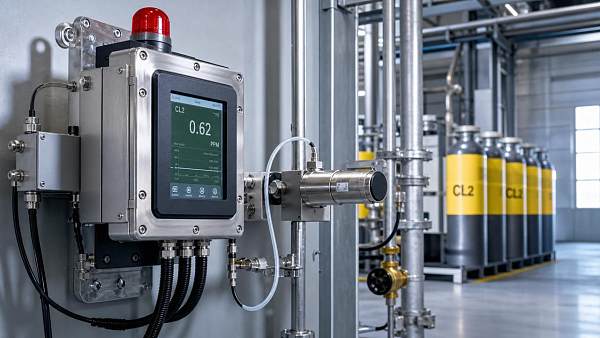
 How to Choose a Cl2 Concentration Analyzer for Process Safety in 2026Cl2 concentration analyzer selection in 2026 starts with process safety. Learn how to match scenarios, improve reliability, avoid costly mistakes, and choose with confidence.
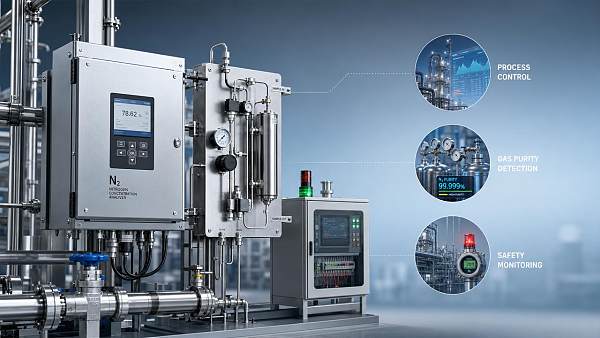
 N2 Concentration Analyzer Cost Factors for Bulk Industrial ProcurementN2 concentration analyzer cost depends on more than unit price. Compare process, purity, and safety applications with total cost logic to source smarter and reduce lifecycle risk.
 Oxygen Concentration Analyzer vs Sensor Systems: Which Fits Continuous UseOxygen concentration analyzer or sensor system? Compare stability, drift, maintenance, and uptime for continuous use to choose the most reliable fit for your process.


Search Categories
Search Categories
Latest Article
- SiH4 Concentration Analyzer Import Rules to Watch in 2026SiH4 concentration analyzer import rules are tightening in 2026. Learn the key documents, compliance checks, and procurement tips to avoid delays and speed project delivery.Posted by:
- HF Concentration Analyzer Demand Shifts Across Key IndustriesHF concentration analyzer demand is shifting across chemical, refining, environmental, and advanced manufacturing sectors—learn what drives safer control, compliance, and precision upgrades.Posted by:
- Common HCN Concentration Analyzer Mistakes in Daily OperationHCN concentration analyzer daily mistakes can quietly damage accuracy and uptime. Learn common errors, practical checks, and smart operating tips to improve reliability.Posted by:
Please give us a message
