
SO2 analyzer maintenance costs are rising in 2026


In 2026, rising SO2 analyzer maintenance costs are forcing users, project managers, and financial decision-makers to rethink lifecycle value across gas monitoring systems. From SO2 analyzer and NOX analyzer performance to the reliability of hydrogen analyzer, NH3 analyzer, CH4 analyzer, CO2 analyzer, CO analyzer, infrared gas analyzer, and oxygen analyzer solutions, understanding cost drivers is becoming essential for safer operations, budget control, and smarter equipment planning.
Why are SO2 analyzer maintenance costs increasing in 2026?

For operators and maintenance teams, the issue is no longer just the purchase price of an SO2 analyzer. The real pressure comes from calibration gas usage, sensor aging, spare parts lead time, shutdown planning, and labor hours. In many industrial and environmental monitoring settings, analyzers run continuously for 24 hours a day and often require inspection every week, monthly verification, and quarterly preventive maintenance.
For project managers and financial approvers, maintenance cost inflation is also linked to broader instrumentation industry trends. More plants are integrating gas analysis into automated control and digital reporting systems. That means analyzer downtime now affects not only emissions compliance or process visibility, but also production scheduling, quality control records, and safety response workflows across 3 to 5 connected subsystems.
Another factor is operating environment. SO2 analyzer systems installed in power, metallurgy, chemical processing, waste treatment, or stack monitoring applications may face high dust load, humidity fluctuation, corrosive gas interference, and temperature swings. Under these conditions, consumables, pumps, filters, tubing, and sample conditioning components often wear faster than expected, especially when routine cleaning is delayed by 2 to 4 weeks.
Distributors and engineering contractors also see the impact in after-sales support. Customers are asking for more predictable lifecycle budgets, shorter service windows, and easier replacement planning. This pushes suppliers to provide better documentation, modular assemblies, and service packages that reduce field intervention time from several hours to a more manageable maintenance window.
The most common cost drivers behind analyzer upkeep
A practical cost review should separate direct maintenance expense from hidden operational loss. Many companies underestimate the second category. A failed sample pump or contaminated optical cell can trigger not only repair cost, but also data gaps, manual inspection rounds, retesting, and delayed approval steps in internal compliance processes.
- Consumables replacement: filters, seals, tubing, desiccants, and calibration gas typically follow weekly, monthly, or quarterly cycles depending on contamination level.
- Sensor or optical path degradation: drift correction may increase when SO2 analyzer or infrared gas analyzer systems operate in humid or particulate-heavy environments.
- Labor and shutdown coordination: maintenance may require 2 technicians, access permits, safety isolation, and process interruption in regulated facilities.
- Spare parts availability: imported modules or specialized components can extend replacement cycles from 7–15 days to several weeks.
When these factors combine, the total cost of ownership becomes more important than the initial quote. This is especially true in applications where SO2 analyzer data supports quality assurance, emissions reporting, combustion control, or safety interlocks.
How do SO2 analyzers compare with other gas analyzer maintenance profiles?
Maintenance planning becomes more accurate when procurement teams compare SO2 analyzer requirements with related instruments such as NOX analyzer, oxygen analyzer, CO analyzer, CO2 analyzer, NH3 analyzer, CH4 analyzer, hydrogen analyzer, and infrared gas analyzer systems. Different technologies respond differently to dust, moisture, corrosive gases, vibration, and warm-up conditions.
For example, a hydrogen analyzer used in process safety may need stricter leak integrity checks, while an oxygen analyzer in combustion optimization may require frequent verification depending on process pressure and sensor type. An SO2 analyzer, especially in stack gas or flue gas applications, often carries a heavier sample conditioning burden. That burden can shift maintenance cost away from the core analyzer and into the upstream handling assembly.
This comparison matters to commercial evaluators and distributors because customers rarely buy a single device in isolation. They assess analyzer families, standardization potential, and spare part overlap. A platform that reduces training from 3 days to 1 day and consolidates common parts can lower long-term service expense across multiple lines.
The table below summarizes common maintenance characteristics by analyzer category in typical industrial and environmental monitoring use. Actual intervals vary by technology, gas matrix, sampling method, and site conditions, but these ranges are useful for shortlist discussions.
The main takeaway is that SO2 analyzer maintenance cost is often system-driven rather than component-driven. Buyers who compare only analyzer head pricing may miss the fact that gas pretreatment, enclosure protection, calibration logistics, and access conditions can define 30% to 50% of annual service effort in demanding applications.
What decision-makers should compare beyond list price
A stronger bid evaluation includes at least 5 dimensions: measurement principle, sample conditioning design, maintenance interval, spare parts standardization, and service response plan. This approach helps finance teams understand why one quote may be lower upfront but more expensive over a 2 to 5 year operating period.
Useful comparison checkpoints
- Can one platform support SO2 analyzer and NOX analyzer integration to reduce training and spare stock complexity?
- Does the analyzer require frequent zero and span gas adjustment, or can it maintain stable operation over longer routine cycles?
- Are field-replaceable modules available, allowing faster restoration within one maintenance shift?
- Can the supplier support documentation for industrial automation, reporting integration, and compliance records?
Which applications create the highest maintenance burden?
Not all SO2 analyzer installations face the same lifecycle cost. In the instrumentation industry, maintenance intensity depends heavily on gas composition, environmental exposure, operating continuity, and how the analyzer connects to broader control architecture. Plants pursuing digital transformation often expect uninterrupted data streams, making even short analyzer outages more expensive than before.
For quality managers and safety officers, the highest-risk cases usually involve unstable sample conditions. High moisture, acidic condensate, particulate matter, and sudden temperature changes can stress both analyzer chambers and sample handling units. In these scenarios, preventive maintenance every 30 days may be justified, while cleaner laboratory or sheltered process applications may tolerate longer intervals.
Project owners should also evaluate whether the analyzer is stand-alone or integrated into a larger emissions, combustion, or process control package. When one SO2 analyzer feeds multiple dashboards, PLC inputs, or reporting systems, each failure event affects more stakeholders. That expands the business impact far beyond a single maintenance ticket.
The following table helps classify maintenance burden by application scenario. It can support early budget planning, service contract design, and spare parts stocking strategy for users, EPC teams, and channel partners.
This scenario view shows why maintenance budget must match application reality. A low-cost analyzer can become expensive if the installation environment requires excessive cleaning, recalibration, or emergency visits. In many cases, better enclosure design, pretreatment quality, and service accessibility save more than a lower initial device price.
Common high-cost mistakes in real projects
Many cost overruns begin at specification stage. Teams may define detection range and communication protocol, but fail to define maintenance access, ambient temperature range, sample dust load, or whether the unit must support 24/7 continuous duty. These omissions make maintenance harder and often increase unplanned intervention frequency within the first 6 to 12 months.
Typical oversights to avoid
- Underestimating the sample pretreatment system when selecting an SO2 analyzer for wet or dirty gas streams.
- Assuming all analyzer technologies follow the same maintenance cycle as an oxygen analyzer or CO2 analyzer.
- Ignoring field service accessibility, especially where ladders, permits, or confined space rules add labor cost.
- Buying without a spare parts map for the first 12 months of operation.
How should buyers evaluate cost, service, and replacement options?
A solid procurement process should combine technical suitability with lifecycle economics. For an SO2 analyzer project, buyers should review not only measurement range and response time, but also maintenance access, calibration method, spare parts list, service training scope, and expected intervention frequency. This is especially important for mixed analyzer systems that also include NOX analyzer, NH3 analyzer, CH4 analyzer, or hydrogen analyzer units.
Commercial evaluators often benefit from a 3-stage approach. First, define the application risk level and required uptime. Second, compare platform architecture and serviceability. Third, estimate 12-month and 24-month maintenance spend using realistic operating conditions rather than best-case assumptions. This method helps avoid approval delays and reduces disagreements between engineering, operations, and finance teams.
Where budgets are tight, replacement strategy also matters. In some projects, upgrading sample conditioning or switching to a more service-friendly infrared gas analyzer platform may deliver better value than repeated repair of an aging SO2 analyzer. In other cases, keeping the analyzer and improving maintenance planning is the smarter route. The right answer depends on process criticality, gas matrix, and downtime cost.
The checklist below can guide specification reviews and quotation comparisons for users, project managers, and channel partners working on industrial automation, environmental monitoring, or process analysis packages.
A practical procurement checklist for 2026
- Confirm 4 core conditions: gas composition, temperature and moisture profile, operating duty cycle, and installation environment.
- Request a maintenance matrix covering weekly, monthly, quarterly, and annual service tasks.
- Check whether spare parts for pumps, filters, valves, and sensors can be delivered within 7–15 days.
- Review communication and integration needs for PLC, DCS, or data logging systems used in quality and compliance workflows.
- Ask whether the platform can align maintenance practice across SO2 analyzer, NOX analyzer, oxygen analyzer, and CO analyzer assets.
If the supplier cannot clearly explain these items, the lowest quote may not be the safest choice. In instrumentation projects, unclear serviceability often becomes a hidden cost that surfaces after commissioning.
When repair is reasonable and when replacement makes more sense
Repair is usually justified when the analyzer still meets process needs, spare parts remain available, and maintenance frequency has not escalated beyond manageable limits. Replacement becomes more attractive when repeated faults affect compliance reporting, when service windows are too long, or when old systems cannot integrate with modern digital monitoring and control environments.
A balanced decision often looks at 3 points: expected service cost over the next 12–24 months, downtime impact per failure event, and whether a newer platform can simplify operation across multiple gas analyzers. This is particularly relevant for distributors and OEM partners managing standardized packages for several projects each year.
FAQ: what do users, finance teams, and project managers ask most?
The following questions reflect common search intent from operations, procurement, safety, and commercial teams. They are useful when building an internal evaluation note or preparing a supplier discussion for an SO2 analyzer upgrade, service contract, or bundled gas analysis project.
How often should an SO2 analyzer be maintained?
In typical industrial duty, a practical schedule includes weekly visual checks, monthly preventive tasks, and quarterly calibration review. Harsh flue gas or corrosive applications may require shorter cycles, especially if filters load quickly or condensate management is difficult. The correct interval should be based on gas quality, operating hours, and how critical the analyzer data is to process or compliance decisions.
What is the biggest hidden cost in SO2 analyzer ownership?
The biggest hidden cost is often not the spare part itself, but the combined effect of downtime, field labor, permit coordination, and data loss. In integrated systems, one analyzer fault may affect trending, alarms, environmental records, and production decisions. That is why lifecycle planning should include both maintenance invoices and process disruption cost.
Can one supplier support multiple analyzer types in the same project?
Yes, and it is often beneficial. Projects that combine SO2 analyzer, NOX analyzer, hydrogen analyzer, NH3 analyzer, CH4 analyzer, CO2 analyzer, CO analyzer, infrared gas analyzer, and oxygen analyzer equipment can reduce training burden and spare parts complexity when platforms share common service logic. This does not remove application differences, but it can simplify operation and support planning.
What should finance approvers request before releasing budget?
Finance teams should ask for a 12-month spare parts estimate, standard maintenance interval, likely field labor assumptions, and expected lead time for critical components. They should also request clarification on whether commissioning, calibration support, operator training, and integration assistance are included. These details improve budget predictability and reduce change-order risk.
Are there standards or compliance points worth checking?
Yes. While requirements differ by region and application, buyers should review applicable emissions monitoring practices, electrical safety expectations, calibration traceability, installation environment ratings, and internal quality documentation needs. In regulated sectors, service records and calibration procedures may matter almost as much as the analyzer hardware itself.
Why choose us for SO2 analyzer selection, maintenance planning, and project support?
In the instrumentation industry, a useful supplier does more than provide a device. The real value comes from linking gas analysis performance with industrial automation, process control, quality assurance, safety management, and long-term service planning. That is especially important when your project includes multiple analyzer types and needs stable operation across manufacturing, energy, environmental monitoring, laboratory, or engineering applications.
We support customers by focusing on the decisions that directly affect cost and uptime: application parameter confirmation, analyzer technology matching, sample conditioning design, spare parts planning, maintenance interval review, and integration requirements. This helps users, project owners, distributors, and financial approvers compare options on practical terms rather than only on initial price.
If you are reviewing SO2 analyzer maintenance costs in 2026, you can contact us to discuss 6 concrete topics: operating conditions, measurement range, analyzer configuration, delivery cycle, service scope, and quotation structure. We can also help assess whether your current SO2 analyzer should be maintained, upgraded, or replaced as part of a broader NOX analyzer, oxygen analyzer, CO analyzer, or infrared gas analyzer package.
For new or ongoing projects, reach out with your gas composition, site conditions, required communication method, compliance expectations, and target delivery window. We can assist with product selection, custom solution discussion, spare parts recommendations for the first 12 months, certification-related questions, sample support feasibility, and budget-oriented quotation communication.
Recommended for You
 C2H5OH Concentration Analyzer: Key Checks Before Import OrdersC2H5OH concentration analyzer import guide: check specs, calibration, compliance, and supplier support before ordering to reduce risk and choose the right analyzer with confidence.
 2026 Market Trends for C4H10 Concentration Analyzers in Process IndustriesC4H10 concentration analyzer market trends for 2026: discover how smarter, connected analyzers help process industries improve safety, compliance, uptime, and ROI.
 Common Safety Gaps When Using a C6H6 Concentration AnalyzerC6H6 concentration analyzer safety gaps can distort readings and delay hazard response. Learn the most common risks, practical fixes, and smarter deployment tips across industrial, lab, and environmental use.
 C7H8 Concentration Analyzer Price Trends in 2026: What Shapes CostC7H8 concentration analyzer price trends in 2026 depend on sensors, compliance, calibration, integration, and service. See what really shapes total cost before you approve a budget.
 How to Choose a C8H10 Concentration Analyzer for Stable VOC MonitoringC8H10 concentration analyzer selection guide for stable VOC monitoring. Learn how to compare performance, technology, drift, and application fit for reliable results.
 Guangdong Launches 3-Year Service Trade Plan to Boost Instrument Exports via AI and HarmonyOSGuangdong's 3-year service trade plan boosts instrument exports via AI optimization & HarmonyOS—key for ASEAN/Latin America market access. Act now.
 China-Pakistan MOU Opens Faster Certification Path for Instruments in South AsiaChina-Pakistan MOU accelerates instrument certification in South Asia—faster CCC acceptance, mutual lab recognition & Islamabad testing hub for pressure gauges, flow meters, environmental monitors.
 Gold Futures Surge 1.1%; Overseas Orders for Precious Metals Analyzers Rise 35%Gold futures surge 1.1% — driving 35% rise in overseas orders for precious metals analyzers like XRF & ICP-MS. Discover key market impacts & compliance insights.
 EU Industrial Accelerator Act Enforces 70% Local Sourcing for InstrumentsEU Industrial Accelerator Act enforces 70% local sourcing for instruments—key implications for exporters, suppliers & integrators. Act now.
 China Imposes Full Export Ban on Dual-Use Items to Japanese Military End UsersChina's dual-use export ban to Japanese military users takes effect Jan 6, 2026—impacting rare earth, semiconductor & precision manufacturing supply chains. Act now.
 Where C3H8 Concentration Analyzers Fit in 2026 Industrial Emissions MonitoringC3H8 concentration analyzer solutions are reshaping 2026 industrial emissions monitoring with better compliance, safer propane control, and smarter efficiency insights. Learn where they fit.
 B2H6 Concentration Analyzer Import and Export Updates for 2026 Compliance PlanningB2H6 concentration analyzer import and export updates for 2026: explore compliance risks, documentation priorities, and planning tips to reduce delays and support smarter cross-border decisions.
 GeH4 Concentration Analyzer Safety Risks and Detection Limits in Semiconductor UseGeH4 concentration analyzer safety risks, alarm strategy, and detection limits for semiconductor use. Learn how to reduce exposure risk, improve process stability, and choose the right monitoring solution.
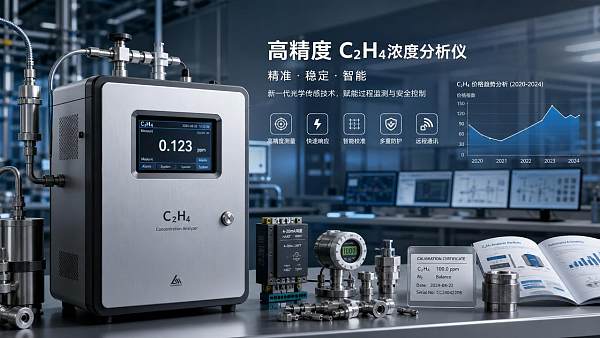
 C2H4 Concentration Analyzer Price Trends in 2026: What Is Driving Cost ChangesC2H4 concentration analyzer price trends in 2026 explained: discover key cost drivers, procurement risks, and smart buying tips to balance budget, compliance, and long-term value.
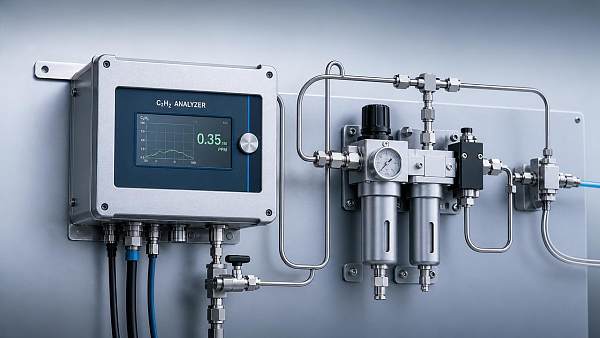
 How to Compare C2H2 Concentration Analyzer Accuracy in Industrial Gas MonitoringC2H2 concentration analyzer accuracy matters beyond the datasheet. Learn how to compare drift, calibration, interference, and field reliability for safer industrial gas monitoring.
![]() SiH4 Concentration Analyzer Import Rules to Watch in 2026SiH4 concentration analyzer import rules are tightening in 2026. Learn the key documents, compliance checks, and procurement tips to avoid delays and speed project delivery.
SiH4 Concentration Analyzer Import Rules to Watch in 2026SiH4 concentration analyzer import rules are tightening in 2026. Learn the key documents, compliance checks, and procurement tips to avoid delays and speed project delivery. HF Concentration Analyzer Demand Shifts Across Key IndustriesHF concentration analyzer demand is shifting across chemical, refining, environmental, and advanced manufacturing sectors—learn what drives safer control, compliance, and precision upgrades.
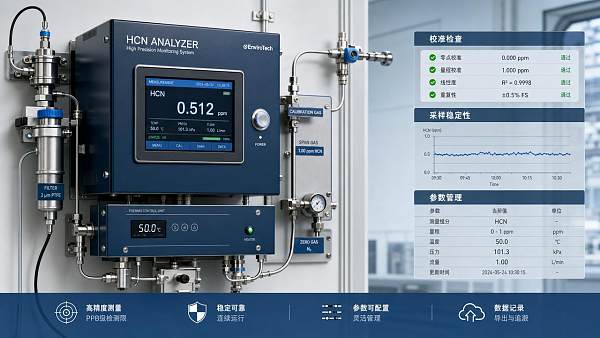
 Common HCN Concentration Analyzer Mistakes in Daily OperationHCN concentration analyzer daily mistakes can quietly damage accuracy and uptime. Learn common errors, practical checks, and smart operating tips to improve reliability.
 PH3 Concentration Analyzer Price Trends in 2026PH3 concentration analyzer price trends in 2026 reveal what really drives cost, compliance, and performance. Explore key buying factors to compare quotes smarter and reduce total ownership risk.
 How to Choose an AsH3 Concentration Analyzer for Trace Gas SafetyAsH3 concentration analyzer selection starts with the right application context. Learn how to compare response, interference, integration, and lifecycle fit for safer trace gas monitoring.
 Released") China's Business Environment Report (2026) ReleasedChina's Business Environment Report (2026) reveals 92% digital CMA/CNAS coverage—cutting export test report time to 15 days. Boost CE, UKCA & UL certification for pressure gauges, thermostats & analyzers.
China's Business Environment Report (2026) ReleasedChina's Business Environment Report (2026) reveals 92% digital CMA/CNAS coverage—cutting export test report time to 15 days. Boost CE, UKCA & UL certification for pressure gauges, thermostats & analyzers. US MMA Tank Incident Triggers Regional Safety UpgradesUS MMA tank incident sparks urgent demand for VOCs monitoring, toxic gas modeling & intrinsically safe transmitters across LATAM and SEA.
 NDRC Expands Energy-Saving and Carbon-Reduction Oversight to Dyeing, Chemical Fibers, and PapermakingNDRC expands energy-saving & carbon-reduction oversight to dyeing, chemical fibers, and papermaking—boosting demand for COD/NH₃-N analyzers, VOCs monitors, and CEMS systems.
 MIIT Sets 2026 Energy-Saving Inspection Targets for High-Energy ChemicalsMIIT Sets 2026 Energy-Saving Inspection Targets for High-Energy Chemicals—urgent demand surges for certified pH meters, gas analyzers & explosion-proof controllers.
 MOFCOM: FDI in China Down 10.3% Jan–Apr 2026, but Manufacturing Up 12.1%FDI in China fell 10.3% Jan–Apr 2026—but manufacturing FDI surged 12.1%, led by high-tech sectors. Discover what this means for precision metrology, sensors & calibration providers.
 PBOC Conducts 600-Billion-Yuan MLF Operation, Boosting RMB Stability for Testing Equipment ExportsPBOC's 600-billion-yuan MLF operation boosts RMB stability—key for NDT equipment exporters using LC/DA terms. Reduce FX risk, optimize hedging & improve cash flow planning now.
 EU Steel Strategy Upgrade: CBAM Expansion to Machinery & InstrumentsEU Steel Strategy Upgrade expands CBAM to machinery & instruments (HS 84/90) — LCA data mandatory from 1 July 2026. Act now to avoid delays & ensure compliance.
 Global EV Energy Consumption Standard to Take Effect Oct 1, 2026Global EV Energy Consumption Standard (GTR No. 22) takes effect Oct 1, 2026 — learn how it reshapes battery testing, certification & supply chains worldwide.
 WTO Report Shows Strong Global Trade, Easing Export Pressure for Industrial Monitoring DevicesIndustrial monitoring devices exporters benefit as WTO reports 4.2% global trade growth—easing export pressure, improving delivery predictability & cash flow.
 South Korea MFDS Revises Food Contact Materials StandardsSouth Korea MFDS revises food contact materials standards: new nickel/chromium migration limits & NIAS verification—critical for lab instrument exporters and compliance providers.
 Brazil to Eliminate Import Duties on Cross-Border E-Commerce Orders Under USD 50Brazil to eliminate import duties on cross-border e-commerce orders under USD 50—key for portable testing instruments exporters targeting Mercado Livre & DIY buyers.
 New AI Agent Guidelines Impact Smart Inspection Device ExportsAI Agent Guidelines impact smart inspection device exports—learn how new China AI safety rules affect EU, US & Middle East market access.



Search Categories
Search Categories
Latest Article
- C2H5OH Concentration Analyzer: Key Checks Before Import OrdersC2H5OH concentration analyzer import guide: check specs, calibration, compliance, and supplier support before ordering to reduce risk and choose the right analyzer with confidence.Posted by:
- 2026 Market Trends for C4H10 Concentration Analyzers in Process IndustriesC4H10 concentration analyzer market trends for 2026: discover how smarter, connected analyzers help process industries improve safety, compliance, uptime, and ROI.Posted by:
- Common Safety Gaps When Using a C6H6 Concentration AnalyzerC6H6 concentration analyzer safety gaps can distort readings and delay hazard response. Learn the most common risks, practical fixes, and smarter deployment tips across industrial, lab, and environmental use.Posted by:
Please give us a message
