
How a Reliable Gas Monitoring System Prevents Compliance Risks and Shutdowns


In industrial environments where precision and safety are paramount, a robust gas monitoring system plays a decisive role in preventing compliance breaches and unexpected shutdowns. Whether deploying an online gas analyzer, fixed gas analyzer, or portable gas analyzer, organizations rely on advanced solutions like the SR-2030P analyzer, SR-2050 analyzer, or thermal conductivity analyzer to ensure accurate detection and regulatory adherence. From flue gas analyzer to emission gas analyzer and custom gas analyzer configurations, these technologies form the foundation of reliable monitoring strategies that enhance operational stability and safeguard compliance.
1. Understanding the Role of Gas Monitoring Systems in Industrial Compliance
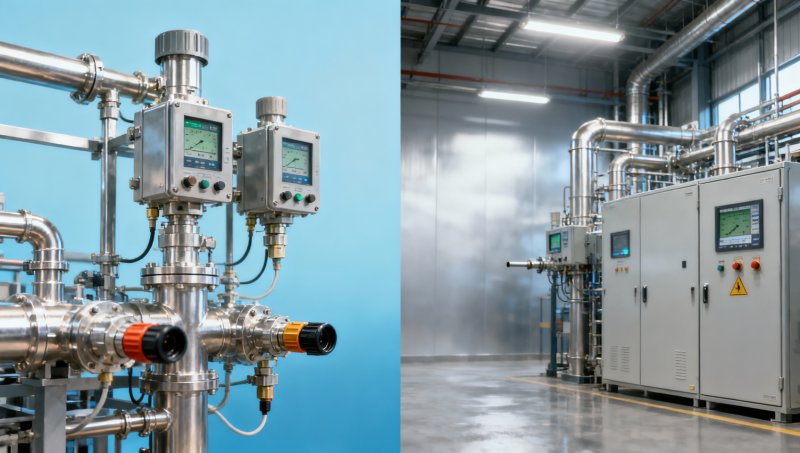
A gas monitoring system is an integrated network of sensors, analyzers, and control software that measures the concentration of specific gases in real-time. In industries such as energy generation, chemical manufacturing, and environmental testing, maintaining gas concentrations within regulatory limits is critical. Most regulations, such as ISO 14001 or EN 15267 standards, set clear thresholds—for instance, SO₂ emissions must often remain below 200 mg/m³ and NOx levels under 150 mg/m³ for medium-sized combustion facilities.
Failure to meet these limits can trigger penalties, mandatory inspections, and even forced shutdowns. In many cases, a downtime of just 2–4 hours can lead to production losses worth tens of thousands of dollars. Reliable gas monitoring systems minimize this risk through continuous measurement and automated calibration cycles, typically every 24 hours, ensuring consistent regulatory compliance without manual intervention.
A well-implemented gas monitoring setup also supports preventive maintenance by identifying early deviations, reducing the likelihood of catastrophic system failures. The data collected over 7–15 days can be analyzed to predict sensor drift or detect exhaust inconsistencies in flue gas analyzer setups, making it an essential component of digitalized industrial control systems.
From a compliance management standpoint, gas monitoring serves two purposes: real-time regulatory assurance and evidence-based data tracking for audit trails. Many companies integrate their analyzers with centralized SCADA or DCS systems to archive at least 6 months of emissions data, aligning with regulatory inspection cycles.
2. Key Application Scenarios and Strategic Benefits
Gas monitoring is essential across several industrial domains, from power plants and refining facilities to laboratories and pharmaceutical manufacturing. Each environment faces distinct challenges—from explosive gas risks in petrochemical plants to precise CO₂ and O₂ ratio control in fermentation or heat treatment processes. The right monitoring system helps detect issues before they escalate.
Common applications include:
- Combustion optimization in boilers and turbines, maintaining O₂ within 3–5% for maximum efficiency.
- Continuous Emissions Monitoring (CEMS) for compliance verification, typically recording intervals at every 60 seconds.
- Safety monitoring in confined spaces or pipelines, triggering alarms at 10–15 ppm for hazardous gases like H₂S.
- Quality assurance in production lines, where sample test accuracy must stay within ±0.5% FS deviation.
The strategic benefits are measurable. Facilities deploying real-time emission gas analyzers often report up to 20% improvement in regulatory audit readiness and a reduction in unplanned outages by 30–40%. This measurable improvement in system uptime directly corresponds to reduced compliance costs and stronger operational reputation.
For industries with tight operational schedules, such as those needing continuous production over 7 days with minimal downtime, reliable monitoring provides an essential safeguard that aligns production efficiency with safety and environmental goals.
3. Technical Comparison of Gas Analyzer Types
Different types of gas analyzers serve distinct purposes, but choosing between them depends on installation mode, gas composition, and accuracy needs. The following comparison highlights typical technical features relevant to instrumentation industry stakeholders.
In most industrial scenarios, online systems are integrated into data networks via Modbus or Ethernet protocols, while portable analyzers are preferred for maintenance and calibration tasks. Choosing the correct type can enhance system availability by up to 15%, particularly when connected to predictive maintenance dashboards.
Technical evaluators should prioritize analyzers with automated zero and span calibration capabilities, temperature compensation between 10 °C–45 °C, and compatibility with ambient humidity levels up to 95% RH. These factors directly affect measurement reliability under variable plant conditions.
Moreover, the inclusion of self-diagnostic functions helps detect sensor drift when deviation exceeds ±1% FS, prompting alerts before measurement integrity is compromised. This functionality is especially critical for hazardous gas zones categorized under ATEX or IECEx certifications.
4. Procurement and Compliance Considerations
When selecting a gas monitoring system, procurement teams must balance technical, regulatory, and budgetary priorities. Key evaluation parameters typically fall across 5 dimensions: measurement accuracy, certification compliance, serviceability, lifecycle cost, and integration flexibility. A structured selection process reduces the risk of post‑installation non‑compliance.
For compliance managers and quality assurance teams, ensuring analyzer certification is non‑negotiable. Systems used for regulatory reporting must conform to recognized standards like USEPA 40 CFR Part 60 and 75 or equivalent EU directives. For medium-to-large facilities, the deployment plan generally runs through 4 phases over 6–8 weeks: requirement definition, technical proposal review, field installation, and acceptance verification.
Additionally, cost-conscious CFOs can assess total ownership cost by factoring in calibration gas usage, typically 2–3 bottles per year, labor intervals of 2 hours monthly, and periodic sensor replacement every 18–24 months.
For distributors and integrators, offering flexible modular architectures or multi‑gas compatibility options can increase procurement attractiveness, particularly in projects exceeding 10 sensor nodes or with centralized data aggregation demands.
5. Common Challenges and Practical FAQ
What are the most frequent causes of false alarms?
False alarms generally arise from sensor contamination, improper calibration, or fluctuating ambient humidity beyond the recommended 30–90% RH. Regular calibration every 3 months and replacing filters at least 2 times per year can minimize this issue.
How long does system installation usually take?
A standard installation for a medium-sized plant (5–10 sampling points) typically takes 10–15 days from mounting to final commissioning, depending on wiring layout and site readiness. Modular assemblies can shorten this period by approximately 25%.
What triggers compliance inspection failures?
The top three reasons include missing calibration certificates, inconsistent data logging intervals exceeding 5 minutes, and unverified analyzer firmware updates. Maintaining synchronized records and adopting centralized log backups every 24 hours ensures audit alignment.
Can portable analyzers replace fixed systems?
Not entirely. Portable analyzers are best suited for spot-check maintenance or mobile inspection tasks. Fixed or online analyzers, however, provide continuous 24×7 monitoring and remote alarm support critical to maintaining compliance integrity in regulated facilities.
6. Why Choose Our Expertise
With deep roots in the instrumentation industry, our team integrates measurement, analysis, and control technologies to support industrial modernization and digital transformation. We deliver analyzer systems compatible with multi‑parameter monitoring—covering pressure, flow, and gas composition—to create a unified compliance assurance platform.
Whether you need assistance confirming sensor parameters, selecting between SR‑2030P or SR‑2050 analyzers, or tailoring analyzer cabinets for specific environmental conditions, our specialists provide end‑to‑end technical and documentation support. Typical response time for parameter confirmation is within 48 hours, with configuration drafting in 3–5 business days.
We also support project teams through each lifecycle stage—from feasibility evaluation to commissioning and periodic verification—ensuring sustained compliance through verifiable performance metrics. To discuss configuration options, delivery timelines between 2–4 weeks, or to request a tailored offer, please reach out to our engineering team for detailed consultation.
Recommended for You
 First Global White Paper on Dynamic Calibration for Humanoid Robot Sensors ReleasedFirst global white paper on dynamic calibration for humanoid robot sensors—key for pressure & 6-axis force/torque accuracy in smart manufacturing and collaborative robotics.
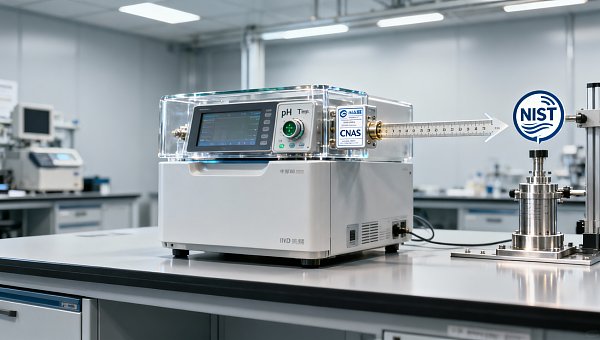
 FDA Updates IVD Import Guidelines: CNAS/NIST Calibration Chain RequiredFDA mandates CNAS/NIST calibration chain for IVD pressure & temperature sensors—key for Chinese exporters. Act now to meet July 2026 deadline.
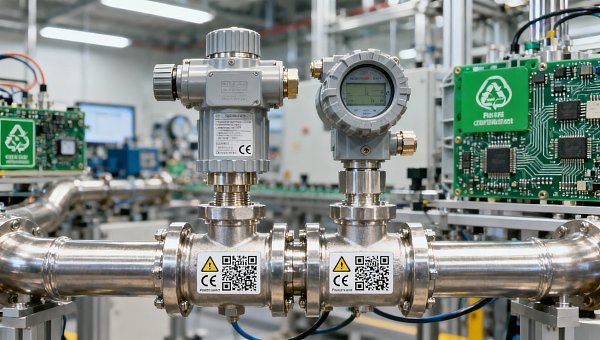
 EU PEF Carbon Database Mandatory Access for Chinese Industrial InstrumentsEU PEF Carbon Database mandatory for Chinese industrial instruments—meet June 15, 2026 deadline to keep CE marking & win EU tenders.
 IEC TC65 Releases Cybersecurity Validation Guide for Industrial InstrumentsIEC TC65 releases cybersecurity validation guide for industrial instruments—key for firmware signing, OT encryption & remote audit compliance. Act now.
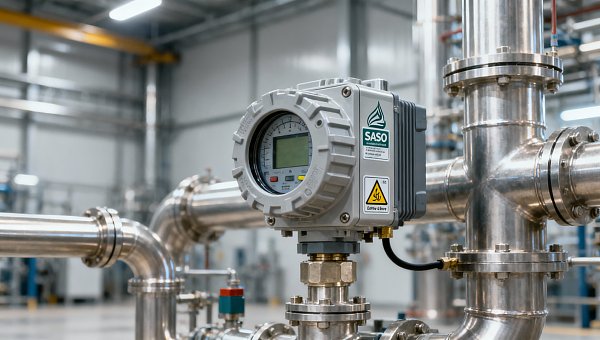
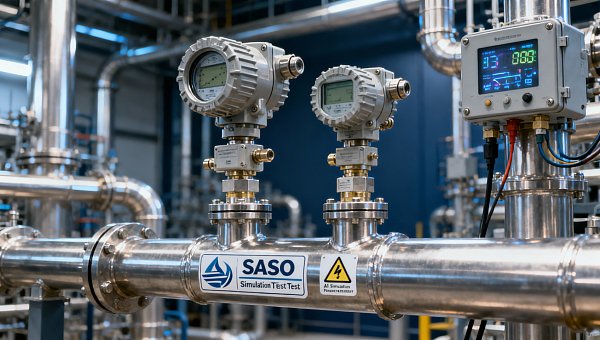
 SASO Introduces AI-Based Energy Efficiency Verification for Industrial TransmittersSASO AI energy efficiency verification now mandatory for industrial transmitters in Saudi Arabia—ensure compliance before June 1, 2026 to avoid customs delays.
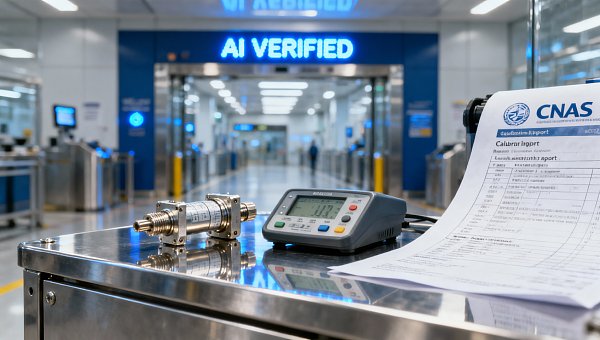
 ASEAN Green Customs Corridor Fully LaunchedASEAN Green Customs Corridor now live: AI-verified CNAS calibration reports slash ASEAN-China customs clearance to under 4 hours — boost precision equipment trade today.
 Process Control Equipment Price Trends Under Energy Cost PressureProcess control equipment price trends are shifting under energy cost pressure. Discover key cost drivers, total ownership factors, and smart sourcing tips to reduce risk and improve ROI.
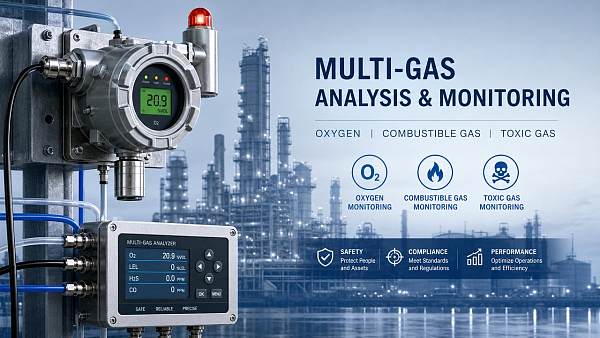
 Multi Gas Analysis in Safety-Critical Areas: What to Check FirstMulti gas analysis starts with risk, not just instruments. Learn what to check first in safety-critical areas to improve compliance, reduce downtime, and protect people and assets.
 Industrial Analyzer Equipment: Common Failures and Maintenance TipsIndustrial analyzer equipment failures can disrupt uptime, compliance, and data accuracy. Discover common faults and practical maintenance tips to improve reliability fast.
 Industrial Measurement System Import Trends and Supply RisksIndustrial measurement system import trends and supply risks explained: learn how distributors can protect margins, reduce delays, and build stronger sourcing resilience.
 Emission Control Equipment Rules Reshaping Industrial DemandEmission control equipment is reshaping industrial investment as stricter rules drive demand for smarter monitoring, lower risk, and compliance-ready systems. Explore what buyers must evaluate now.
 Emission Measurement System Costs in 2026: What Shapes PricingEmission measurement system costs in 2026 depend on accuracy, compliance, installation, integration, and service. Learn what shapes pricing and plan a smarter investment.
 Process Measurement System Upgrades: When Do They Pay Off?Process measurement system upgrades pay off when they cut downtime, improve accuracy, and support compliance. Learn the key signals, ROI factors, and smart upgrade strategies.
 Paramagnetic Gas Measurement: Where It Performs Best in IndustryParamagnetic gas measurement delivers fast, stable oxygen analysis for combustion, emissions, and process control. Discover where it performs best and how it improves efficiency, compliance, and reliability.
 Gas Quality Analyzer Selection: Key Specs That Affect ResultsGas quality analyzer selection starts with the specs that truly impact results. Learn how accuracy, drift, response time, and durability affect safety, compliance, and process performance.
 How to Compare Custom Gas Analysis Options for Complex Process StreamsCustom gas analysis for complex process streams: learn how to compare technologies, sample conditioning, compliance, and maintenance to choose a reliable, application-fit solution.
 First Global White Paper on Humanoid Robot Industrial Calibration ReleasedHumanoid robot industrial calibration: First global white paper released—key for sensor makers, integrators & metrology labs. Learn impact & action steps.
 FDA Updates IVD Import Guidance: CNAS Calibration Chain RequiredFDA mandates CNAS calibration chain with NIST traceability for IVD instruments from China—act now to avoid U.S. import rejection starting July 1, 2026.
 IEC TC65 Releases Cybersecurity Validation Guidance for Industrial InstrumentsIEC TC65 releases cybersecurity validation guidance for industrial instruments—key for exporters, OEMs & integrators targeting EU/NA markets. Act now.
 ASEAN Green Corridor for Measuring Instruments Fully LaunchedASEAN Green Corridor for Measuring Instruments is live—unlock 3.8-hour customs clearance for CNAS-calibrated instruments across all 10 ASEAN nations. Act now!
 PTB Opens Direct VDA/ISO 17025 Report Portal for CNAS LabsPTB opens direct VDA/ISO 17025 report portal for CNAS labs — enabling dual-compliant calibration reports in <72h. Boost automotive audit readiness now!
 Vietnam Enforces Dual CNAS + Vietnamese Language Requirement for Industrial InstrumentsVietnam enforces dual CNAS + Vietnamese language requirement for industrial instruments (HS 9026/9027/9030) — avoid customs rejection. Act now!
 Red Sea Crisis Escalates: Gulf of Aden No-Sail Zone Extended to June 15, 2026Red Sea Crisis escalates: Gulf of Aden no-sail zone extended to June 15, 2026 — impacting industrial instrumentation trade, airfreight costs (+452%), and supply chain resilience between China and the Middle East.
 SASO Mandates AI-Driven Energy Simulation for Industrial Transmitters from June 2026SASO mandates AI-driven energy simulation for industrial transmitters from June 2026 — ensure compliance with NAIEC-certified testing now to avoid delays & rejections.
 BIS Adds 3 High-Precision Process Calibrators to EAR Supplement No. 4BIS Adds 3 High-Precision Process Calibrators to EAR Supplement No. 4—urgent compliance insights for semiconductor, nuclear, and calibration service providers operating with China.
 EU PEF Carbon Footprint Database Mandatory Integration CountdownEU PEF Carbon Footprint Database integration is mandatory for industrial instrument exporters by Jan 2027—act now to secure market access, customs clearance & B2B tenders.
 FDA Updates IVD Import Guidance: CNAS Calibration Traceability to NIST Required for Chinese ManufacturersFDA now requires CNAS calibration traceability to NIST for Chinese IVD manufacturers — critical for 510(k)/De Novo submissions. Act now to avoid RTA delays!
 ASEAN's Green Clearance Corridor Fully LaunchedGreen Clearance Corridor now live: CNAS calibration reports auto-verified for ASEAN customs clearance in under 4 hours — boost your China–ASEAN trade efficiency today!
 First Global Cybersecurity Verification Guide for Industrial Instruments ReleasedFirst global cybersecurity verification guide for industrial instruments launched—featuring a 5-level maturity model & standardized pentest library. Essential for exporters, OEMs, and critical infrastructure suppliers.
 SASO Shortens Energy Labeling for Industrial Transmitters to 7 Days, Adds AI Power Simulation RequirementSASO energy labeling for industrial transmitters now takes just 7 days — but requires AI power simulation. Learn how to comply fast and avoid delays.
 PTB Launches AI Calibration Cloud Platform 2.0PTB AI Calibration Cloud Platform 2.0 launches with CNAS-VDA 5/ISO/IEC 17025 dual-compliance reporting — streamline cross-border calibration for auto suppliers, labs & equipment makers.
 EU Mandates Carbon Footprint Labels on Industrial Instruments from 2027EU mandates carbon footprint labels on industrial instruments from 2027—key for pressure, temperature & flow meter exporters. Act now to ensure PEF compliance and market access.




Search Categories
Search Categories
Latest Article
- First Global White Paper on Dynamic Calibration for Humanoid Robot Sensors ReleasedFirst global white paper on dynamic calibration for humanoid robot sensors—key for pressure & 6-axis force/torque accuracy in smart manufacturing and collaborative robotics.Posted by:
- FDA Updates IVD Import Guidelines: CNAS/NIST Calibration Chain RequiredFDA mandates CNAS/NIST calibration chain for IVD pressure & temperature sensors—key for Chinese exporters. Act now to meet July 2026 deadline.Posted by:
- EU PEF Carbon Database Mandatory Access for Chinese Industrial InstrumentsEU PEF Carbon Database mandatory for Chinese industrial instruments—meet June 15, 2026 deadline to keep CE marking & win EU tenders.Posted by:
Please give us a message
