
Why Regular Calibration Matters Most for Flue Gas Analyzer Performance


Regular calibration is the key to maintaining the accuracy and reliability of your flue gas analyzer, whether it’s an online gas analyzer, fixed gas analyzer, or portable gas analyzer. In modern emission management, ensuring your SR-2030P analyzer, SR-2050 analyzer, or custom gas analyzer operates at peak performance not only safeguards compliance but also optimizes process efficiency. From industrial gas monitoring systems to thermal conductivity analyzers, understanding why calibration matters most can significantly improve long-term measurement stability and operational confidence.
Defining the Role of Calibration in Flue Gas Analysis
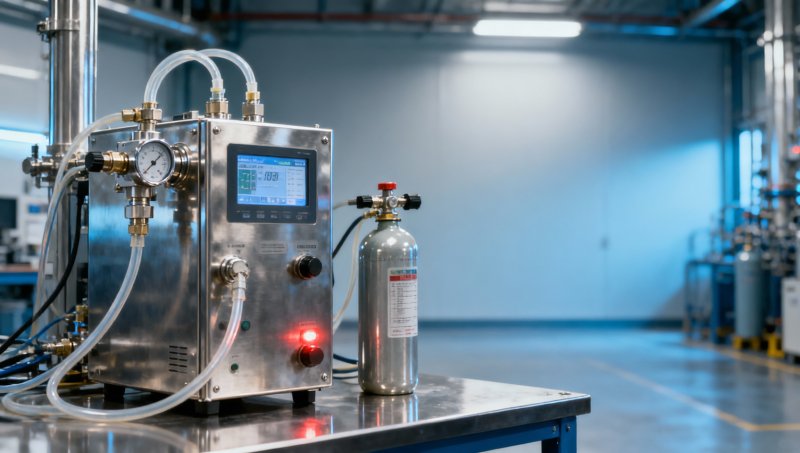
Calibration refers to the process of comparing the measurement values of a gas analyzer with a known reference standard. For flue gas analyzers used in environmental monitoring, combustion optimization, or industrial emission control, this adjustment ensures that readings of O2, CO, CO2, NOx, or SO2 remain within an acceptable accuracy range—typically ±2% of the reading or within ±0.5 ppm, depending on the sensor type.
In practice, calibration frequency varies with usage intensity and environmental factors. Most manufacturers recommend monthly or quarterly calibration, while high-precision sectors such as energy and power generation often adopt a 2–4 week cycle to maintain traceability under ISO/IEC 17025 or EN 15267 standards. Neglecting calibration can result in drift exceeding 5% after 60–90 days, leading to potentially significant compliance risks.
Flue gas analyzers operate under complex temperature and humidity conditions, where sensor degradation, dust, or chemical interference can alter response curves. Regular calibration restores instrument integrity, ensuring stable readings during continuous monitoring sessions exceeding 500 hours and securing the validity of data archived for regulatory audits.
Beyond compliance, consistent calibration supports confidence in decision-making related to process control. For instance, a combustion optimization strategy that relies on CO and O2 differential measurements of ±0.1% can only function effectively when analyzers are properly calibrated. This highlights the technical foundation of calibration as a direct contributor to efficiency and safety outcomes.
Industry Background and Market Demands
The instrumentation industry forms a critical layer of infrastructure supporting industrial automation and digital transformation. Flue gas analyzers, among other emission and composition analyzers, serve key sectors such as petrochemicals, metallurgy, energy, and construction engineering. The shift toward cleaner production and stringent environmental policies has intensified the focus on precision measurement and calibration traceability.
According to typical environmental management schedules, over 70% of industrial facilities conduct annual calibration verification under local environmental authority oversight, while larger plants integrate automated calibration systems with self-check cycles every 24–48 hours. This trend reflects both regulatory evolution and the growing expectation for continuous data reliability.
Rising investment in smart instrumentation has driven integration between analyzers, IoT networks, and data platforms. Calibration histories recorded through digital logs now inform predictive maintenance algorithms, reducing unplanned downtime by up to 25% compared to manual record-keeping methods. This integration makes calibration management not only a maintenance task but a part of broader industrial intelligence.
As industrial manufacturers expand global deployment, differing calibration standards between regions—such as EPA 40 CFR Part 60 in the U.S. and EN 15267 in Europe—require cross-compatible procedures. Ensuring analyzers remain verifiable under multiple jurisdictions enhances export competitiveness and compliance assurance for multinational projects.
Comparing Calibration Methods and Equipment Choices
Calibration can be executed through manual, semi-automatic, or fully automated systems. Each method carries cost and performance implications depending on operational scale, required precision, and available technical staffing. The following table provides a typical comparison for decision-makers planning maintenance or system upgrades.
Semi-automatic and automatic systems deliver consistent precision particularly in continuous emission monitoring (CEMS) applications. Although capital costs may rise by 15–30%, reduced inspection labor and fewer measurement deviations often yield payback within 6–12 months of installation, depending on production scale and data validation requirements.
Procurement and maintenance teams can evaluate analyzer models such as the SR-2030P or SR-2050 based on calibration automation compatibility, gas flow regulation design (1–3 L/min typical), and zero/span balance features. These parameters indicate adaptability to site-specific emission types and sensor technology, including electrochemical or infrared detection.
Routine audits also compare reference gas stability—commonly ±1% concentration tolerance over 12 months—and verify system linearity checks early in every 8-hour operation shift. Integrating these elements into calibration scheduling strengthens data reliability and long-term analyzer ROI.
Procurement Guidelines and Cost Considerations
For decision-makers balancing budget and compliance, calibration planning requires a structured approach. The next table summarizes critical procurement and decision parameters for selecting suitable calibration strategies in flue gas analyzers.
Financial controllers and project managers can derive total cost of ownership (TCO) by factoring calibration gas purchase, technician time (approximately 4–6 hours per month), and certification validation every 12 months. Consistent planning may reduce unscheduled maintenance expenditure by 20–40% over a three-year period compared with intermittent or reactive calibration approaches.
Procurement teams should also assess supplier capabilities such as on-site calibration support, quick gas cylinder turnover (5–7 working days typical), and document traceability under ISO 9001 and ISO/IEC 17025. These elements directly influence data audit readiness and environmental assessment outcomes.
When selecting between analyzers, decision-makers often prioritize total calibration integration. Systems with built-in auto-calibration modules simplify compliance, reducing manual errors and enhancing repeatability during long-term monitoring over periods exceeding 2,000 hours annually.
Common Misconceptions and Best Practices
One common misconception among operators is assuming factory calibration alone ensures accuracy throughout lifecycle operation. However, temperature variations of 10–15°C between installation environments can cause zero drift even within the first 2–3 weeks. Periodic field recalibration aligns the analyzer back to actual site conditions, which differ from test-bench setups.
Another oversight concerns calibration gas selection. Using expired or improperly stored cylinders can deviate concentration by up to ±5%, offsetting even precise instrument algorithms. Best practice dictates verifying gas cylinder expiry and comparing batch certificates during each maintenance cycle.
Technicians are also advised to log all calibration results digitally, maintaining at least 12 consecutive months of history for audit ease. Incorporating automated data synchronization helps cross-reference deviations beyond ±2% and triggers maintenance alerts before out-of-tolerance conditions affect plant reporting accuracy.
Adhering to structured calibration intervals and leveraging traceable standards can extend analyzer service life by 1–2 years while minimizing false alarm frequency during critical process control windows.
Frequently Asked Questions
How often should a flue gas analyzer be calibrated?
Typical industrial settings recommend intervals of 2–4 weeks, adapted to gas composition complexity and sensor sensitivity. Systems under continuous operation or harsh environments (e.g., high sulfur flue gases) may require weekly calibration to maintain ±1% data accuracy.
Which gases are most critical for calibration?
O2, CO, CO2, NOx, and SO2 are primary. For multi-component analyzers, calibration should also include optional reference gases such as CH4 or H2S based on process emissions, maintaining gas mixtures within ±2% certified concentration tolerance.
What documentation is needed after calibration?
A comprehensive calibration certificate listing reference gas composition, analyzer serial number, ambient conditions, and standard traceability (often NIST or ISO standards) should be archived. Keeping these for at least 3 years supports environmental compliance audits.
Can calibration reduce operating costs?
Yes, consistent calibration avoids misoperation that may cause fuel inefficiencies or emission penalties. Plants report cost savings of approximately 10–15% annually in emission-related operational expenses after implementing scheduled calibration programs.
Why Choose Us for Calibration Support
Our team specializes in instrumentation solutions tailored for industrial gas analysis and emission control. We assist engineering and operations departments in developing calibration schedules aligned with ISO/IEC 17025 and local authority standards. Services include reference gas validation, remote diagnostics, and on-site calibration with 24–72 hour response windows, minimizing downtime and ensuring compliance continuity.
By consulting our experts, clients can optimize calibration frequency, confirm analyzer configuration such as SR-2030P or SR-2050 compatibility, and plan long-term maintenance budgeting with predictable lifecycle costs. We also support procurement teams in verifying vendor documentation and integrating calibration data into digital maintenance platforms.
To discuss calibration requirements, parameter confirmation, or custom analyzer configuration, connect with our technical consultants. We can provide reference procedures, compliance checklists, and practical guidance for implementing a 3-step calibration improvement program—assessment, adjustment, and verification—within a 15–20 day deployment window, ensuring your measurement systems remain accurate, compliant, and efficient.
Recommended for You
 First Global White Paper on Dynamic Calibration for Humanoid Robot Sensors ReleasedFirst global white paper on dynamic calibration for humanoid robot sensors—key for pressure & 6-axis force/torque accuracy in smart manufacturing and collaborative robotics.
 FDA Updates IVD Import Guidelines: CNAS/NIST Calibration Chain RequiredFDA mandates CNAS/NIST calibration chain for IVD pressure & temperature sensors—key for Chinese exporters. Act now to meet July 2026 deadline.
 EU PEF Carbon Database Mandatory Access for Chinese Industrial InstrumentsEU PEF Carbon Database mandatory for Chinese industrial instruments—meet June 15, 2026 deadline to keep CE marking & win EU tenders.
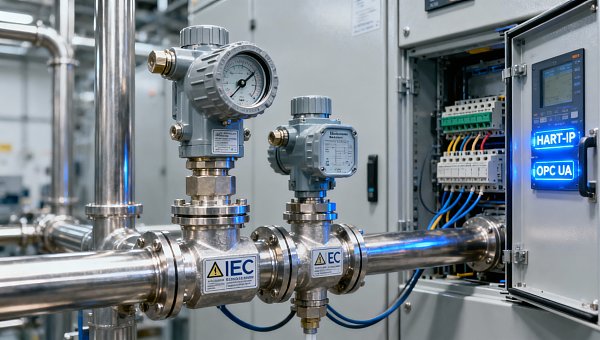
 IEC TC65 Releases Cybersecurity Validation Guide for Industrial InstrumentsIEC TC65 releases cybersecurity validation guide for industrial instruments—key for firmware signing, OT encryption & remote audit compliance. Act now.
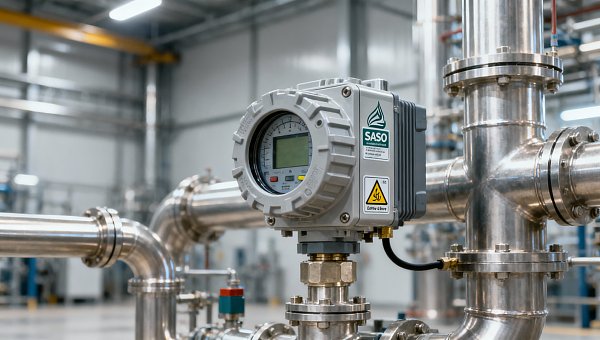
 SASO Introduces AI-Based Energy Efficiency Verification for Industrial TransmittersSASO AI energy efficiency verification now mandatory for industrial transmitters in Saudi Arabia—ensure compliance before June 1, 2026 to avoid customs delays.
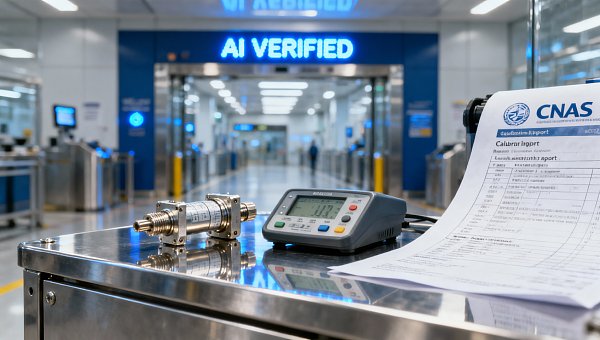
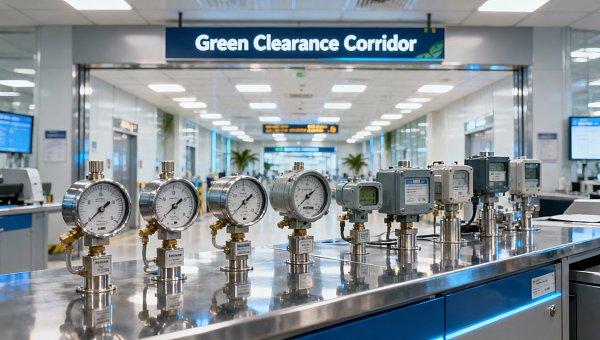
 ASEAN Green Customs Corridor Fully LaunchedASEAN Green Customs Corridor now live: AI-verified CNAS calibration reports slash ASEAN-China customs clearance to under 4 hours — boost precision equipment trade today.
 Process Control Equipment Price Trends Under Energy Cost PressureProcess control equipment price trends are shifting under energy cost pressure. Discover key cost drivers, total ownership factors, and smart sourcing tips to reduce risk and improve ROI.
 Multi Gas Analysis in Safety-Critical Areas: What to Check FirstMulti gas analysis starts with risk, not just instruments. Learn what to check first in safety-critical areas to improve compliance, reduce downtime, and protect people and assets.
 Industrial Analyzer Equipment: Common Failures and Maintenance TipsIndustrial analyzer equipment failures can disrupt uptime, compliance, and data accuracy. Discover common faults and practical maintenance tips to improve reliability fast.
 Industrial Measurement System Import Trends and Supply RisksIndustrial measurement system import trends and supply risks explained: learn how distributors can protect margins, reduce delays, and build stronger sourcing resilience.
 Emission Control Equipment Rules Reshaping Industrial DemandEmission control equipment is reshaping industrial investment as stricter rules drive demand for smarter monitoring, lower risk, and compliance-ready systems. Explore what buyers must evaluate now.
 Emission Measurement System Costs in 2026: What Shapes PricingEmission measurement system costs in 2026 depend on accuracy, compliance, installation, integration, and service. Learn what shapes pricing and plan a smarter investment.
 Process Measurement System Upgrades: When Do They Pay Off?Process measurement system upgrades pay off when they cut downtime, improve accuracy, and support compliance. Learn the key signals, ROI factors, and smart upgrade strategies.
 Paramagnetic Gas Measurement: Where It Performs Best in IndustryParamagnetic gas measurement delivers fast, stable oxygen analysis for combustion, emissions, and process control. Discover where it performs best and how it improves efficiency, compliance, and reliability.
 Gas Quality Analyzer Selection: Key Specs That Affect ResultsGas quality analyzer selection starts with the specs that truly impact results. Learn how accuracy, drift, response time, and durability affect safety, compliance, and process performance.
 How to Compare Custom Gas Analysis Options for Complex Process StreamsCustom gas analysis for complex process streams: learn how to compare technologies, sample conditioning, compliance, and maintenance to choose a reliable, application-fit solution.
 First Global White Paper on Humanoid Robot Industrial Calibration ReleasedHumanoid robot industrial calibration: First global white paper released—key for sensor makers, integrators & metrology labs. Learn impact & action steps.
 FDA Updates IVD Import Guidance: CNAS Calibration Chain RequiredFDA mandates CNAS calibration chain with NIST traceability for IVD instruments from China—act now to avoid U.S. import rejection starting July 1, 2026.
 IEC TC65 Releases Cybersecurity Validation Guidance for Industrial InstrumentsIEC TC65 releases cybersecurity validation guidance for industrial instruments—key for exporters, OEMs & integrators targeting EU/NA markets. Act now.
 ASEAN Green Corridor for Measuring Instruments Fully LaunchedASEAN Green Corridor for Measuring Instruments is live—unlock 3.8-hour customs clearance for CNAS-calibrated instruments across all 10 ASEAN nations. Act now!
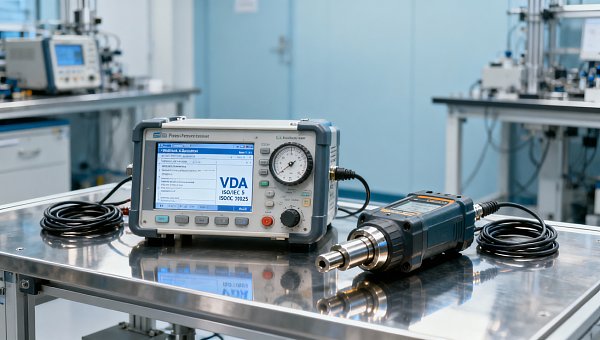
 PTB Opens Direct VDA/ISO 17025 Report Portal for CNAS LabsPTB opens direct VDA/ISO 17025 report portal for CNAS labs — enabling dual-compliant calibration reports in <72h. Boost automotive audit readiness now!
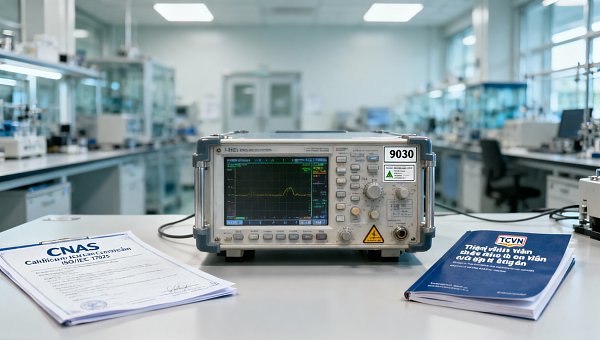
 Vietnam Enforces Dual CNAS + Vietnamese Language Requirement for Industrial InstrumentsVietnam enforces dual CNAS + Vietnamese language requirement for industrial instruments (HS 9026/9027/9030) — avoid customs rejection. Act now!
 Red Sea Crisis Escalates: Gulf of Aden No-Sail Zone Extended to June 15, 2026Red Sea Crisis escalates: Gulf of Aden no-sail zone extended to June 15, 2026 — impacting industrial instrumentation trade, airfreight costs (+452%), and supply chain resilience between China and the Middle East.
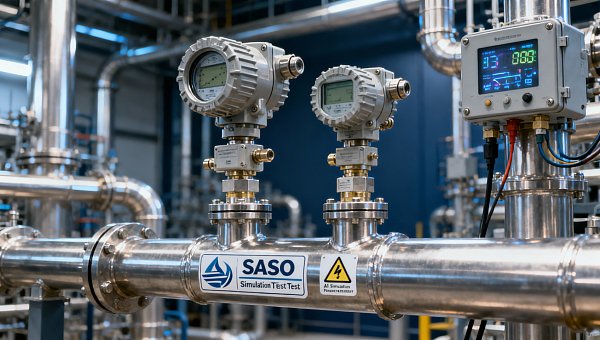
 SASO Mandates AI-Driven Energy Simulation for Industrial Transmitters from June 2026SASO mandates AI-driven energy simulation for industrial transmitters from June 2026 — ensure compliance with NAIEC-certified testing now to avoid delays & rejections.
 BIS Adds 3 High-Precision Process Calibrators to EAR Supplement No. 4BIS Adds 3 High-Precision Process Calibrators to EAR Supplement No. 4—urgent compliance insights for semiconductor, nuclear, and calibration service providers operating with China.
 EU PEF Carbon Footprint Database Mandatory Integration CountdownEU PEF Carbon Footprint Database integration is mandatory for industrial instrument exporters by Jan 2027—act now to secure market access, customs clearance & B2B tenders.
 FDA Updates IVD Import Guidance: CNAS Calibration Traceability to NIST Required for Chinese ManufacturersFDA now requires CNAS calibration traceability to NIST for Chinese IVD manufacturers — critical for 510(k)/De Novo submissions. Act now to avoid RTA delays!
 ASEAN's Green Clearance Corridor Fully LaunchedGreen Clearance Corridor now live: CNAS calibration reports auto-verified for ASEAN customs clearance in under 4 hours — boost your China–ASEAN trade efficiency today!
 First Global Cybersecurity Verification Guide for Industrial Instruments ReleasedFirst global cybersecurity verification guide for industrial instruments launched—featuring a 5-level maturity model & standardized pentest library. Essential for exporters, OEMs, and critical infrastructure suppliers.
 SASO Shortens Energy Labeling for Industrial Transmitters to 7 Days, Adds AI Power Simulation RequirementSASO energy labeling for industrial transmitters now takes just 7 days — but requires AI power simulation. Learn how to comply fast and avoid delays.
 PTB Launches AI Calibration Cloud Platform 2.0PTB AI Calibration Cloud Platform 2.0 launches with CNAS-VDA 5/ISO/IEC 17025 dual-compliance reporting — streamline cross-border calibration for auto suppliers, labs & equipment makers.
 EU Mandates Carbon Footprint Labels on Industrial Instruments from 2027EU mandates carbon footprint labels on industrial instruments from 2027—key for pressure, temperature & flow meter exporters. Act now to ensure PEF compliance and market access.


Search Categories
Search Categories
Latest Article
- First Global White Paper on Dynamic Calibration for Humanoid Robot Sensors ReleasedFirst global white paper on dynamic calibration for humanoid robot sensors—key for pressure & 6-axis force/torque accuracy in smart manufacturing and collaborative robotics.Posted by:
- FDA Updates IVD Import Guidelines: CNAS/NIST Calibration Chain RequiredFDA mandates CNAS/NIST calibration chain for IVD pressure & temperature sensors—key for Chinese exporters. Act now to meet July 2026 deadline.Posted by:
- EU PEF Carbon Database Mandatory Access for Chinese Industrial InstrumentsEU PEF Carbon Database mandatory for Chinese industrial instruments—meet June 15, 2026 deadline to keep CE marking & win EU tenders.Posted by:
Please give us a message
