
Fixed Gas Analyzer Installation Mistakes That Cause Hidden Accuracy Loss


Even the most advanced fixed gas analyzer can suffer hidden accuracy losses if installed incorrectly. Whether you’re managing an online gas analyzer, a flue gas analyzer, or integrating a gas monitoring system for emission analysis, small errors in setup can lead to significant performance degradation. This introduction explores the most common installation mistakes affecting devices like the SR-2030P analyzer, SR-2050 analyzer, and custom gas analyzers, helping you ensure reliable measurements and long-term operational efficiency.
Why Installation Accuracy Matters for Fixed Gas Analyzers
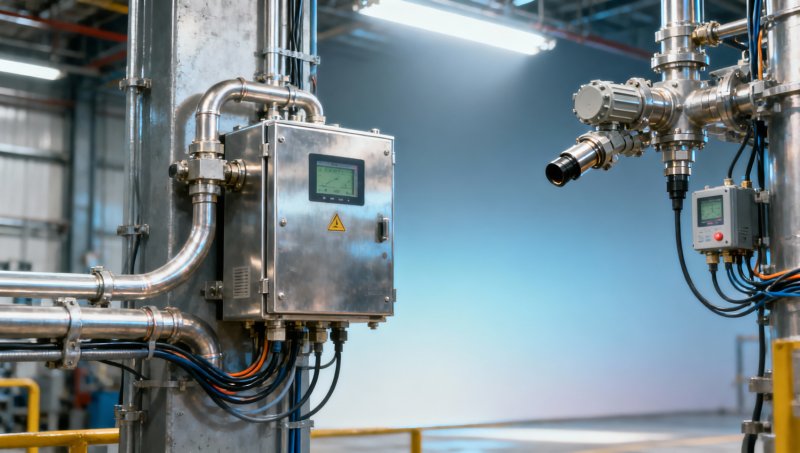
Fixed gas analyzers form the backbone of modern process control, emission monitoring, and safety systems. In industries such as energy, petrochemical, steel smelting, and environmental management, accuracy deviations as small as ±2% can lead to misjudged safety thresholds or compliance issues. Installation, responsible for around 40% of total measurement errors according to field studies, is often underestimated by project teams focused on equipment cost instead of integration quality.
Such instruments rely on precise gas flow, stable temperature, and controlled humidity. Even a 3°C fluctuation or 10% change in sample gas pressure can drift readings noticeably. Therefore, installation isn't simply connecting equipment—it’s designing a stable environment for sustained measurement reliability.
For online analyzers like SR-2050 operating in continuous emission monitoring systems (CEMS), improper sampling line routing or excessive bend angles often cause condensation, leading to delayed response times of 2–5 seconds or worse signal attenuation. These “invisible” losses degrade both short-term responsiveness and long-term calibration stability.
Understanding these mechanics helps technical evaluators and project managers optimize ROI across instrumentation investments—reducing downtime, avoiding regulatory penalties, and enhancing operational transparency across 3–5 year maintenance cycles.
Top Installation Mistakes That Cause Accuracy Loss
Hidden accuracy loss doesn’t arise from a single flaw; rather, it’s the result of several subtle installation oversights. Based on field audits and technical service feedback, the following five issues account for more than 80% of post-installation drift cases within 12 months of commissioning.
1. Incorrect Sample Probe Placement
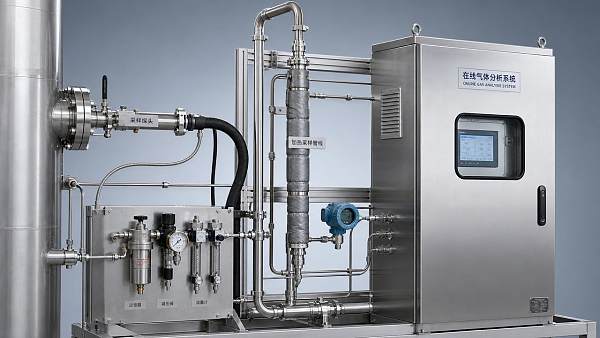
Placing the sampling probe too close to bends or flow disturbances causes inadequate gas mixing. The recommended position is at least 5 pipe diameters downstream and 3 diameters upstream from any bend or valve, ensuring a uniform gas profile. Violating this rule leads to deviation rates up to ±5% for flue gas analyzers operating at 80–200°C.
2. Inadequate Condensate Management
Uncontrolled condensation in sampling lines remains the most frequent cause of drift. Condensate traps or heated lines should maintain sample temperatures above 5°C above dew point. Neglecting this can reduce analyzer lifetime by 20–30% within two years due to corrosive moisture ingress.
3. Electrical Grounding Errors
Improper grounding, especially in high-noise industrial environments, generates unstable baselines. Analyze grounding resistance—values must remain below 1Ω. Deviations beyond this threshold create 1–2 mV signal noise, equivalent to 1–2% reading distortions.
4. Bypass or Flow Regulation Oversights
Missing bypass lines or improper flow control causes stagnant gas in sampling units. Proper design ensures 1–2 L/min circulation for continuous analyzers. Overly slow flow delays detection; excessive flow heightens wear stress on sensors, raising maintenance frequency by 30%.
5. Poor Shielding of Signal and Power Lines
In many facilities, signal cables run parallel to high-current power lines for longer than 10 meters, introducing electromagnetic interference that undermines low-level analog signal accuracy. Proper cable segregation of at least 30 cm and use of shielded pairs effectively cut such interference by 80%.
These issues collectively underscore that installation quality contributes as much to analyzer reliability as the hardware specifications themselves. Addressing them early saves project managers both calibration workload and unexpected compliance downtime.
Checklist and Table for Accurate Installation
To streamline commissioning, technical supervisors can adopt a structured installation checklist focusing on five measurable factors. The table below summarizes key verification items and typical acceptable ranges based on general industrial standards such as ISO 15713 and GB/T 37822.
Implementing this checklist during installation ensures that both commissioning engineers and quality auditors have quantifiable parameters to assess compliance. It reduces troubleshooting time by up to 40% during initial calibration and maintains long-term data integrity for remote monitoring systems operating over 24-hour continuous cycles.
Best Practices for Long-Term Stability
After installation, ensuring system stability over 12–36 months requires proactive maintenance planning. Routine inspection cycles, typically every 3–6 months, focus on critical components like sensors, filters, and flow controllers. A well-maintained analyzer retains ±1% reading stability even under varying humidity between 30–90% RH.
Integration of digital calibration modules, recommended by manufacturers such as SR-2030P series, reduces manual recalibration time by approximately 25%. For multi-point systems, combining remote diagnostics and automatic purging reduces labor inputs across multiple analyzer stations.
Other stability-enhancing measures include:
- Maintaining stable ambient temperatures at 10–40°C.
- Regular gas calibration checks every 90–120 days.
- Evaluating zero and span drift trends monthly and documenting results in cloud-based maintenance logs.
- Replacing filters or sorbents after 1500–2000 operating hours depending on gas composition.
Following these guidelines minimizes downtime and supports quality control teams in ensuring compliance with emission monitoring protocols such as EN 15267 or EPA 40 CFR Part 60, suitable for environmental management systems across power, cement, and chemical applications.
Frequently Asked Questions (FAQ)
How often should fixed gas analyzers be recalibrated?
Recalibration frequency depends on environmental conditions and usage intensity. Most industrial setups recalibrate every 3–6 months, but high-dust environments may require bi-monthly verification to prevent ±2% drift accumulation.
What is the ideal installation environment?
Ensure moderate humidity (40–60% RH), stable room temperature (20–25°C), and low electromagnetic interference zones. When installed outdoors, use IP65-grade enclosures with airflow protection to sustain reading accuracy within ±1% of laboratory-calibrated values.
What are early signs of installation-related drift?
Field technicians can detect installation errors through extended response times (>3 seconds), unstable baselines, or large deviations between duplicate readings. Performing a 5-point verification test quickly identifies possible installation defects.
Why Choose Us for Analyzer Integration Support
Selecting the right analyzer is only half the equation; precise implementation determines its true performance. Our instrumentation specialists provide end-to-end consulting covering parameter confirmation, model selection, site layout review, and post-installation calibration planning. We have assisted more than 200 industrial facilities in upgrading fixed gas analyzers without disrupting continuous operations.
Contact us to discuss your project’s specific conditions—temperature range, gas composition complexity, certification requirements, or data integration challenges. Within 5–7 working days, our technical team can deliver a tailored installation blueprint and cost-effective maintenance proposal aligning with industry compliance frameworks and ISO standards.
Proper installation transforms a standard gas analyzer into a long-term digital asset that drives smarter decisions, regulatory adherence, and measurable cost efficiency in your instrumentation strategy.
Recommended for You
 First Global White Paper on Dynamic Calibration for Humanoid Robot Sensors ReleasedFirst global white paper on dynamic calibration for humanoid robot sensors—key for pressure & 6-axis force/torque accuracy in smart manufacturing and collaborative robotics.
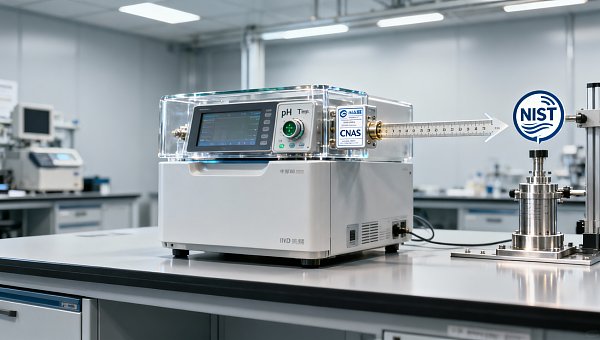
 FDA Updates IVD Import Guidelines: CNAS/NIST Calibration Chain RequiredFDA mandates CNAS/NIST calibration chain for IVD pressure & temperature sensors—key for Chinese exporters. Act now to meet July 2026 deadline.
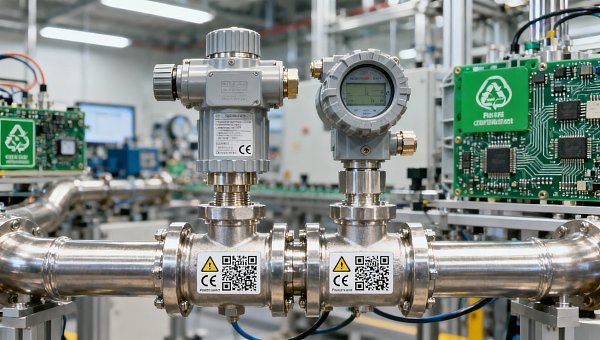
 EU PEF Carbon Database Mandatory Access for Chinese Industrial InstrumentsEU PEF Carbon Database mandatory for Chinese industrial instruments—meet June 15, 2026 deadline to keep CE marking & win EU tenders.
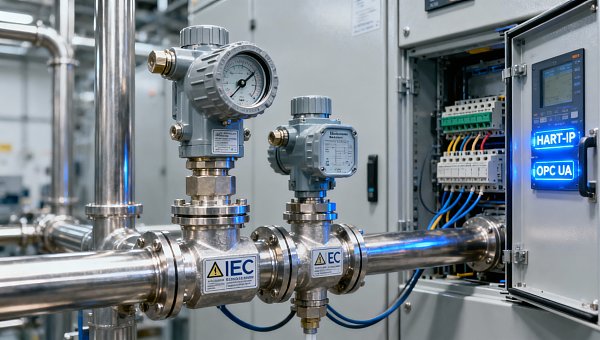
 IEC TC65 Releases Cybersecurity Validation Guide for Industrial InstrumentsIEC TC65 releases cybersecurity validation guide for industrial instruments—key for firmware signing, OT encryption & remote audit compliance. Act now.
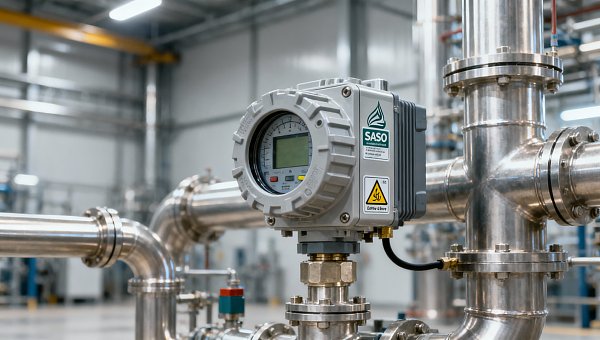
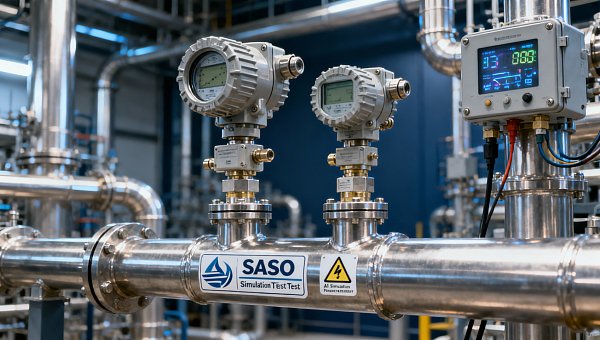
 SASO Introduces AI-Based Energy Efficiency Verification for Industrial TransmittersSASO AI energy efficiency verification now mandatory for industrial transmitters in Saudi Arabia—ensure compliance before June 1, 2026 to avoid customs delays.
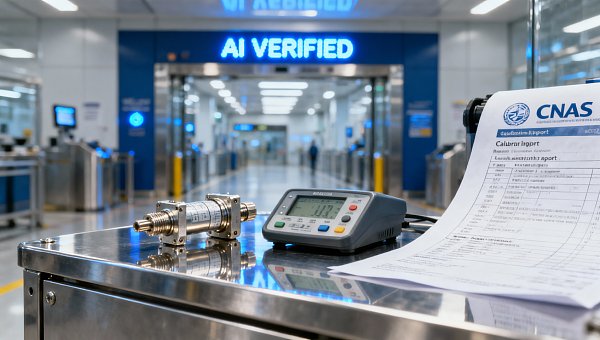
 ASEAN Green Customs Corridor Fully LaunchedASEAN Green Customs Corridor now live: AI-verified CNAS calibration reports slash ASEAN-China customs clearance to under 4 hours — boost precision equipment trade today.
 Process Control Equipment Price Trends Under Energy Cost PressureProcess control equipment price trends are shifting under energy cost pressure. Discover key cost drivers, total ownership factors, and smart sourcing tips to reduce risk and improve ROI.
 Multi Gas Analysis in Safety-Critical Areas: What to Check FirstMulti gas analysis starts with risk, not just instruments. Learn what to check first in safety-critical areas to improve compliance, reduce downtime, and protect people and assets.
 Industrial Analyzer Equipment: Common Failures and Maintenance TipsIndustrial analyzer equipment failures can disrupt uptime, compliance, and data accuracy. Discover common faults and practical maintenance tips to improve reliability fast.
 Industrial Measurement System Import Trends and Supply RisksIndustrial measurement system import trends and supply risks explained: learn how distributors can protect margins, reduce delays, and build stronger sourcing resilience.
 Emission Control Equipment Rules Reshaping Industrial DemandEmission control equipment is reshaping industrial investment as stricter rules drive demand for smarter monitoring, lower risk, and compliance-ready systems. Explore what buyers must evaluate now.
 Emission Measurement System Costs in 2026: What Shapes PricingEmission measurement system costs in 2026 depend on accuracy, compliance, installation, integration, and service. Learn what shapes pricing and plan a smarter investment.
 Process Measurement System Upgrades: When Do They Pay Off?Process measurement system upgrades pay off when they cut downtime, improve accuracy, and support compliance. Learn the key signals, ROI factors, and smart upgrade strategies.
 Paramagnetic Gas Measurement: Where It Performs Best in IndustryParamagnetic gas measurement delivers fast, stable oxygen analysis for combustion, emissions, and process control. Discover where it performs best and how it improves efficiency, compliance, and reliability.
 Gas Quality Analyzer Selection: Key Specs That Affect ResultsGas quality analyzer selection starts with the specs that truly impact results. Learn how accuracy, drift, response time, and durability affect safety, compliance, and process performance.
 How to Compare Custom Gas Analysis Options for Complex Process StreamsCustom gas analysis for complex process streams: learn how to compare technologies, sample conditioning, compliance, and maintenance to choose a reliable, application-fit solution.
 First Global White Paper on Humanoid Robot Industrial Calibration ReleasedHumanoid robot industrial calibration: First global white paper released—key for sensor makers, integrators & metrology labs. Learn impact & action steps.
 FDA Updates IVD Import Guidance: CNAS Calibration Chain RequiredFDA mandates CNAS calibration chain with NIST traceability for IVD instruments from China—act now to avoid U.S. import rejection starting July 1, 2026.
 IEC TC65 Releases Cybersecurity Validation Guidance for Industrial InstrumentsIEC TC65 releases cybersecurity validation guidance for industrial instruments—key for exporters, OEMs & integrators targeting EU/NA markets. Act now.
 ASEAN Green Corridor for Measuring Instruments Fully LaunchedASEAN Green Corridor for Measuring Instruments is live—unlock 3.8-hour customs clearance for CNAS-calibrated instruments across all 10 ASEAN nations. Act now!
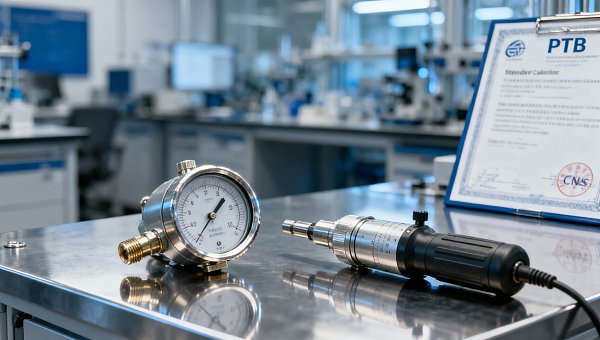
 PTB Opens Direct VDA/ISO 17025 Report Portal for CNAS LabsPTB opens direct VDA/ISO 17025 report portal for CNAS labs — enabling dual-compliant calibration reports in <72h. Boost automotive audit readiness now!
 Vietnam Enforces Dual CNAS + Vietnamese Language Requirement for Industrial InstrumentsVietnam enforces dual CNAS + Vietnamese language requirement for industrial instruments (HS 9026/9027/9030) — avoid customs rejection. Act now!
 Red Sea Crisis Escalates: Gulf of Aden No-Sail Zone Extended to June 15, 2026Red Sea Crisis escalates: Gulf of Aden no-sail zone extended to June 15, 2026 — impacting industrial instrumentation trade, airfreight costs (+452%), and supply chain resilience between China and the Middle East.
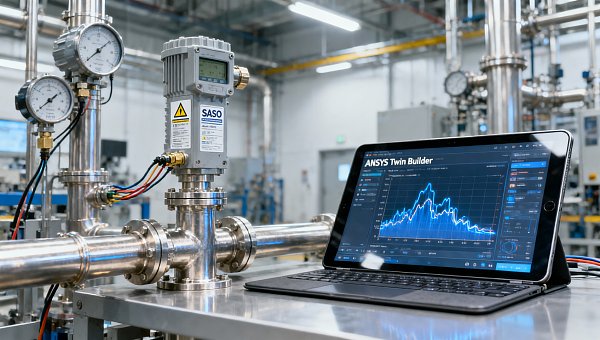
 SASO Mandates AI-Driven Energy Simulation for Industrial Transmitters from June 2026SASO mandates AI-driven energy simulation for industrial transmitters from June 2026 — ensure compliance with NAIEC-certified testing now to avoid delays & rejections.
 BIS Adds 3 High-Precision Process Calibrators to EAR Supplement No. 4BIS Adds 3 High-Precision Process Calibrators to EAR Supplement No. 4—urgent compliance insights for semiconductor, nuclear, and calibration service providers operating with China.
 EU PEF Carbon Footprint Database Mandatory Integration CountdownEU PEF Carbon Footprint Database integration is mandatory for industrial instrument exporters by Jan 2027—act now to secure market access, customs clearance & B2B tenders.
 FDA Updates IVD Import Guidance: CNAS Calibration Traceability to NIST Required for Chinese ManufacturersFDA now requires CNAS calibration traceability to NIST for Chinese IVD manufacturers — critical for 510(k)/De Novo submissions. Act now to avoid RTA delays!
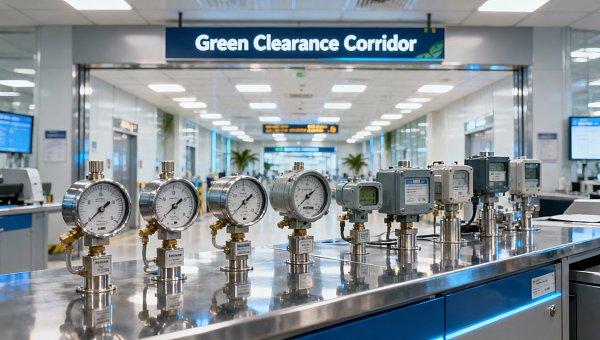
 ASEAN's Green Clearance Corridor Fully LaunchedGreen Clearance Corridor now live: CNAS calibration reports auto-verified for ASEAN customs clearance in under 4 hours — boost your China–ASEAN trade efficiency today!
 First Global Cybersecurity Verification Guide for Industrial Instruments ReleasedFirst global cybersecurity verification guide for industrial instruments launched—featuring a 5-level maturity model & standardized pentest library. Essential for exporters, OEMs, and critical infrastructure suppliers.
 SASO Shortens Energy Labeling for Industrial Transmitters to 7 Days, Adds AI Power Simulation RequirementSASO energy labeling for industrial transmitters now takes just 7 days — but requires AI power simulation. Learn how to comply fast and avoid delays.
 PTB Launches AI Calibration Cloud Platform 2.0PTB AI Calibration Cloud Platform 2.0 launches with CNAS-VDA 5/ISO/IEC 17025 dual-compliance reporting — streamline cross-border calibration for auto suppliers, labs & equipment makers.
 EU Mandates Carbon Footprint Labels on Industrial Instruments from 2027EU mandates carbon footprint labels on industrial instruments from 2027—key for pressure, temperature & flow meter exporters. Act now to ensure PEF compliance and market access.




Search Categories
Search Categories
Latest Article
- First Global White Paper on Dynamic Calibration for Humanoid Robot Sensors ReleasedFirst global white paper on dynamic calibration for humanoid robot sensors—key for pressure & 6-axis force/torque accuracy in smart manufacturing and collaborative robotics.Posted by:
- FDA Updates IVD Import Guidelines: CNAS/NIST Calibration Chain RequiredFDA mandates CNAS/NIST calibration chain for IVD pressure & temperature sensors—key for Chinese exporters. Act now to meet July 2026 deadline.Posted by:
- EU PEF Carbon Database Mandatory Access for Chinese Industrial InstrumentsEU PEF Carbon Database mandatory for Chinese industrial instruments—meet June 15, 2026 deadline to keep CE marking & win EU tenders.Posted by:
Please give us a message
