
How Online Gas Analyzers Are Changing Industrial Safety Monitoring in 2026


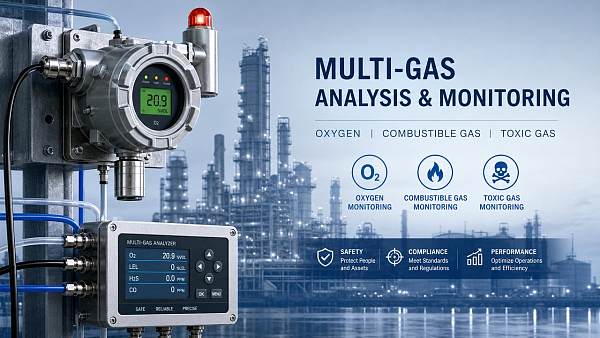
As global industries advance toward smarter and safer operations, online gas analyzers are playing a crucial role in redefining industrial safety monitoring in 2026. From fixed gas analyzer systems to portable and flue gas analyzer solutions, these instruments deliver real-time data accuracy essential for emission control and workplace safety. With innovations like the SR-2030P analyzer, SR-2050 analyzer, and thermal conductivity analyzer, businesses can build a comprehensive gas monitoring system or adopt a custom gas analyzer to meet evolving regulatory and efficiency demands.
1. Definition and Market Evolution of Online Gas Analyzers
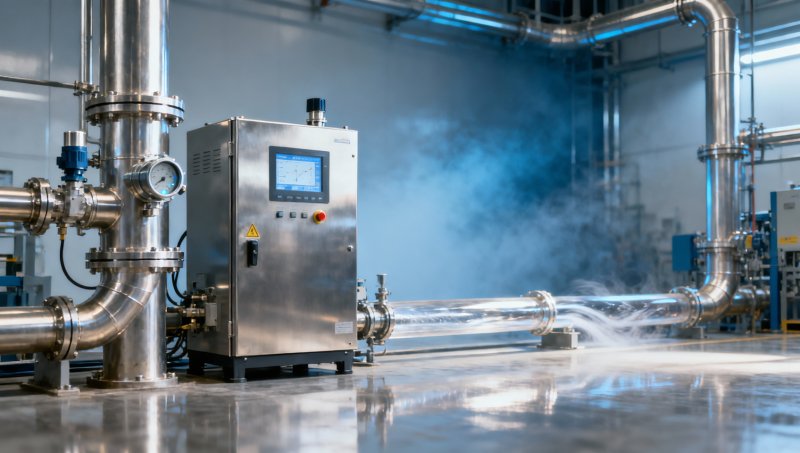
Online gas analyzers are precision instruments designed to continuously measure the concentration of gases in industrial environments. They can detect various compounds such as oxygen, carbon monoxide, methane, and VOCs within ranges typically from 0–100 ppm up to 0–25% volume concentration, depending on the application. In 2026, the market is expected to grow steadily with an annual increase of about 8–10%, mainly driven by stricter safety and environmental policies.
These analyzers apply technologies like infrared absorption, electrochemical sensing, and thermal conductivity to ensure accuracy within ±1–2% of the reading. They can perform 24/7 monitoring with calibration cycles between 6–12 months, enabling cost-effective operation. Industrial plants have moved from manual sampling inspection to fully networked analyzer systems that integrate with SCADA and DCS platforms.
Between 2022 and 2026, instrumentation suppliers are integrating IoT modules, AI-driven fault prediction, and advanced diagnostic functions. The result is a data-driven gas monitoring environment capable of triggering automatic alarms or controlling ventilation systems when gas concentration surpasses predefined thresholds, usually in 2–3 seconds response time.
By combining temperature, pressure, and gas composition analysis in one system, the online gas analyzer has evolved into an intelligent node within the industrial digital transformation chain. It not only reduces incident risks by over 30% but also supports continuous compliance with ISO 14001 and EN 50271 standards.
2. Application Scenarios Across Key Industries in 2026
In industrial manufacturing, energy, and power sectors, real-time gas measurement is essential for emission control and explosion prevention. Online analyzers detect hazardous gases within flue gas, natural gas pipelines, or confined factory spaces. A single unit can monitor up to 6–8 gas components simultaneously, reducing installation space and maintenance frequency.
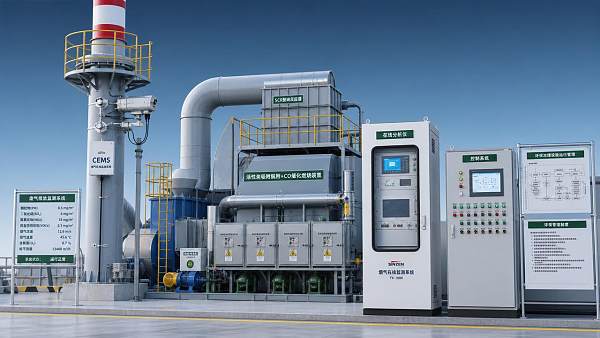
The environmental monitoring field relies heavily on fixed analyzer stations to track long-term air quality data. For example, in power plants, analyzer probes are positioned in flue outlets for continuous NOx and SO₂ measurement, usually every 10 seconds. These readings are transmitted to environmental bureaus via cloud-encoded reports to ensure compliance with air pollution standards.
In laboratory and medical testing segments, portable gas analyzers are employed for controlled testing environments. They assist in verifying safe oxygen levels and detecting trace impurities in gas cylinders. Here, analyzer precision down to 0.1 ppm is often required, and calibration is repeated at intervals of 60–90 days.
Construction and engineering projects also adopt such instruments to ensure confined workspace safety. Handheld analyzers with Bluetooth connectivity allow immediate feedback to site managers, covering data logging for environmental audits performed biweekly or monthly.
3. Comparison Analysis: Fixed vs. Portable Gas Analyzers
Before selecting a gas analyzer, understanding the difference between system types is critical. Fixed analyzers are installed permanently in areas with stable monitoring requirements, while portable ones target flexible, short-term measurements or maintenance checks. The cost typically differs by 20–30%, depending on sensor configuration, sampling system, and housing material.
The following table summarizes their technical and operational distinctions:
From a business point of view, fixed analyzers reduce operational risk in continuous processes like power generation or metallurgy, whereas portable units provide operational flexibility. Project managers often adopt a mixed deployment strategy, achieving up to 25% efficiency improvement in safety inspection cycles.
For system integrators and resellers, stocking both models within a responsive supply chain ensures that customer orders, typically requiring delivery in 2–4 weeks, meet project readiness without delay.
4. Technical Parameters and Standards Compliance
Online gas analyzers adhere to multiple international standards, including ISO 9001 for quality management, CE for European conformity, and EMC directives for electromagnetic compatibility. When evaluating technologies, three key technical indicators are accuracy, stability, and response speed. Optimal systems maintain drift less than ±0.5% per month, under temperature ranges of –10°C to 50°C.
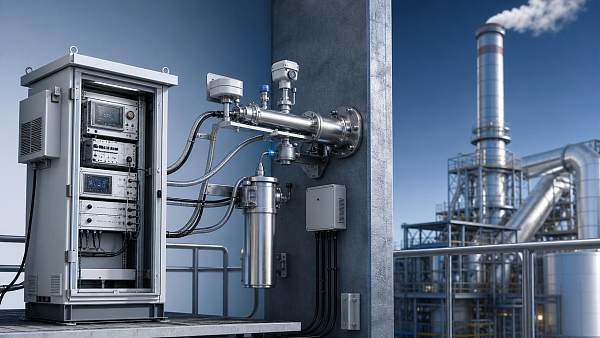
Within instrumentation specifications, analyzer modules often include dual-channel detection and optional NDIR sensors for CO₂ measurement up to 100%. Data output interfaces can include RS485, MODBUS RTU/TCP, and 4–20 mA analog modes, ensuring compatibility with automation systems. The installation process generally involves four steps: site survey, probe layout, communication wiring, and functional validation testing, typically completed in 5–7 days for a medium-scale plant.
Temperature compensation and self-diagnostic functions further increase reliability. For example, SR-2030P analyzers are designed to offer operational uptime above 99.5%, with maintenance intervals every 12 months. Such consistency aligns with modern “zero downtime” frameworks in industrial automation.
The table below presents a summary of typical parameter configurations used across different analyzer models:
Maintaining compliance with these standards protects not only worker safety but also ensures corporate accountability. For quality and safety teams, documented calibration certificates and traceable verification logs are mandatory for audits occurring every 12 months.
5. Procurement Guidance and Cost Evaluation
Enterprise buyers frequently face challenges balancing performance, budget, and installation timelines. To simplify decision-making, procurement teams can follow three main evaluation stages: pre-assessment (2–3 weeks), technical verification (1 week), and bidding comparison (1–2 weeks). Each stage should emphasize the analyzer’s detection range, maintenance requirements, and data communication compatibility.
Key factors affecting the total cost of ownership include sample conditioning systems, calibration gas usage, and daily energy consumption that typically ranges between 20–50W per unit. Over a 5-year operation cycle, smart analyzers with auto-calibration functions reduce downtime costs by nearly 18% compared to conventional models.
Procurement checkpoints should cover the following aspects:
- Verification of required accuracy and signal interface standards
- Assessment of environmental durability between –20°C to 60°C
- Comparison of spare part availability and factory service lead time (usually 7–15 days)
- Review of warranty coverage and post-sale technical support conditions
- Validation of certification compliance such as CE, RoHS, and explosion-proof markings
These systematic procurement and validation steps help decision-makers and auditors justify investments, particularly in sectors with strict audit trails like petrochemicals and pharmaceuticals.
6. FAQ: Common Questions About Online Gas Analyzer Systems
How often should an online gas analyzer be recalibrated?
The calibration cycle depends on sensor type and environmental exposure. Typical industrial analyzers require recalibration every 6–12 months. In high humidity environments or continuous emission monitoring systems, a 3–6 month recalibration regime is recommended for optimal reliability.
What communication protocols are preferred for integration?
Modern analyzers support multiple interfaces such as RS485, MODBUS TCP, and 4–20 mA analog outputs. When integrated into distributed control systems, MODBUS RTU remains a universal standard for real-time feedback with update intervals of 1–5 seconds.
Can one analyzer monitor multiple gases simultaneously?
Yes, multi-channel analyzers are capable of detecting 3–8 gases simultaneously through modular sensor design. Each sensor operates independently but shares a unified digital interface, ensuring consistent data acquisition and reduced cabling complexity.
What are the key selection criteria for hazardous zones?
For areas classified under ATEX Zone 1 or 2, choose analyzers with explosion-proof certification and ingress protection rating above IP65. Such devices should also have temperature-tolerant casings and spark prevention circuits as per IECEx requirements.
7. Why Choose Us for Your 2026 Gas Monitoring Needs
As part of the instrumentation sector, our focus lies in delivering complete measurement, monitoring, and analytical solutions. We help industrial clients from manufacturing, energy, and environmental domains integrate compliant and efficient analyzer systems that align with both safety and digitalization goals.
We offer consultation covering specification matching, custom analyzer configuration, and installation guidance within 2–4 weeks after contract signing. Our support team assists in parameter verification, calibration scheduling, and certification coordination, ensuring clients meet local and international requirements.
If your organization is planning an upgrade to online gas monitoring in 2026, you can reach out for:
- Detailed parameter confirmation and model selection
- Customized gas analysis system design and integration
- Quotation with delivery and maintenance timeline
- Compliance documentation and training support
Our mission is to help enterprises achieve safe, sustainable, and intelligent industrial transformation through dependable online gas analysis technology.
Recommended for You
 First Global White Paper on Dynamic Calibration for Humanoid Robot Sensors ReleasedFirst global white paper on dynamic calibration for humanoid robot sensors—key for pressure & 6-axis force/torque accuracy in smart manufacturing and collaborative robotics.
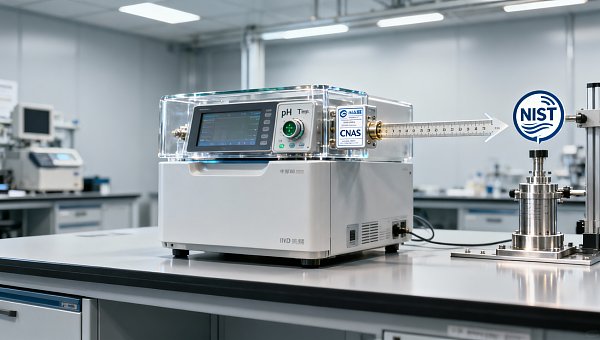
 FDA Updates IVD Import Guidelines: CNAS/NIST Calibration Chain RequiredFDA mandates CNAS/NIST calibration chain for IVD pressure & temperature sensors—key for Chinese exporters. Act now to meet July 2026 deadline.
 EU PEF Carbon Database Mandatory Access for Chinese Industrial InstrumentsEU PEF Carbon Database mandatory for Chinese industrial instruments—meet June 15, 2026 deadline to keep CE marking & win EU tenders.
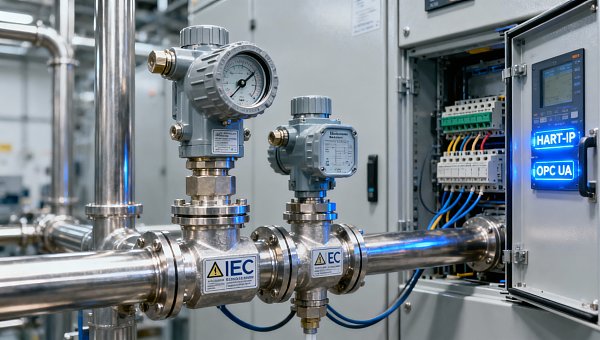
 IEC TC65 Releases Cybersecurity Validation Guide for Industrial InstrumentsIEC TC65 releases cybersecurity validation guide for industrial instruments—key for firmware signing, OT encryption & remote audit compliance. Act now.
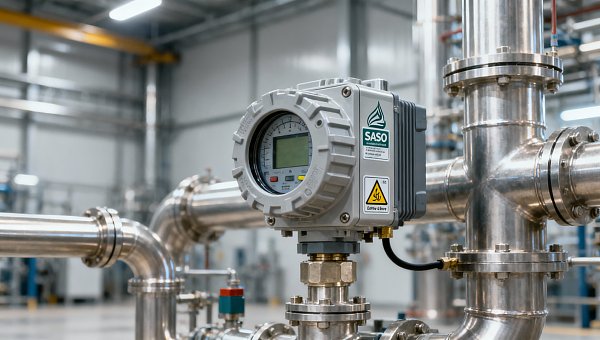
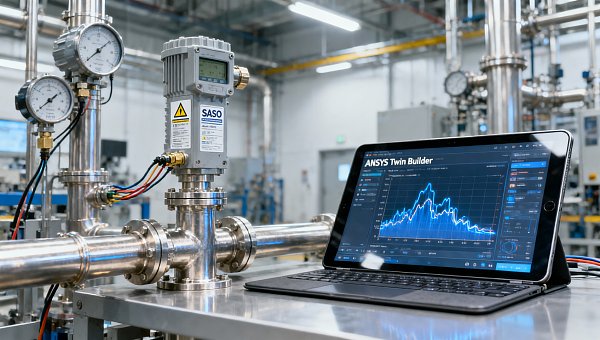
 SASO Introduces AI-Based Energy Efficiency Verification for Industrial TransmittersSASO AI energy efficiency verification now mandatory for industrial transmitters in Saudi Arabia—ensure compliance before June 1, 2026 to avoid customs delays.
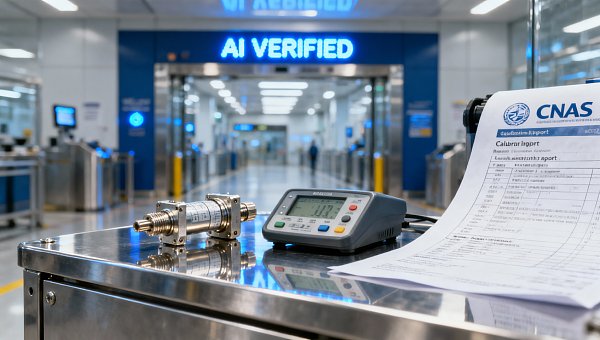
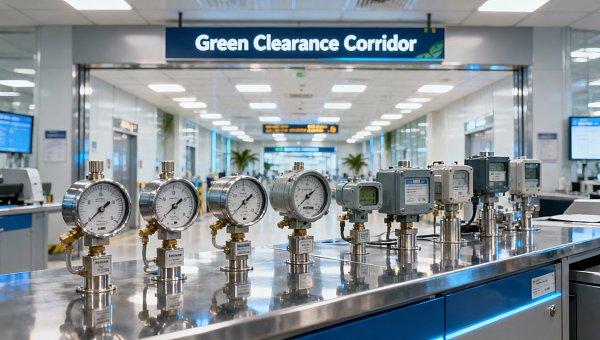
 ASEAN Green Customs Corridor Fully LaunchedASEAN Green Customs Corridor now live: AI-verified CNAS calibration reports slash ASEAN-China customs clearance to under 4 hours — boost precision equipment trade today.
 Process Control Equipment Price Trends Under Energy Cost PressureProcess control equipment price trends are shifting under energy cost pressure. Discover key cost drivers, total ownership factors, and smart sourcing tips to reduce risk and improve ROI.
 Multi Gas Analysis in Safety-Critical Areas: What to Check FirstMulti gas analysis starts with risk, not just instruments. Learn what to check first in safety-critical areas to improve compliance, reduce downtime, and protect people and assets.
 Industrial Analyzer Equipment: Common Failures and Maintenance TipsIndustrial analyzer equipment failures can disrupt uptime, compliance, and data accuracy. Discover common faults and practical maintenance tips to improve reliability fast.
 Industrial Measurement System Import Trends and Supply RisksIndustrial measurement system import trends and supply risks explained: learn how distributors can protect margins, reduce delays, and build stronger sourcing resilience.
 Emission Control Equipment Rules Reshaping Industrial DemandEmission control equipment is reshaping industrial investment as stricter rules drive demand for smarter monitoring, lower risk, and compliance-ready systems. Explore what buyers must evaluate now.
 Emission Measurement System Costs in 2026: What Shapes PricingEmission measurement system costs in 2026 depend on accuracy, compliance, installation, integration, and service. Learn what shapes pricing and plan a smarter investment.
 Process Measurement System Upgrades: When Do They Pay Off?Process measurement system upgrades pay off when they cut downtime, improve accuracy, and support compliance. Learn the key signals, ROI factors, and smart upgrade strategies.
 Paramagnetic Gas Measurement: Where It Performs Best in IndustryParamagnetic gas measurement delivers fast, stable oxygen analysis for combustion, emissions, and process control. Discover where it performs best and how it improves efficiency, compliance, and reliability.
 Gas Quality Analyzer Selection: Key Specs That Affect ResultsGas quality analyzer selection starts with the specs that truly impact results. Learn how accuracy, drift, response time, and durability affect safety, compliance, and process performance.
 How to Compare Custom Gas Analysis Options for Complex Process StreamsCustom gas analysis for complex process streams: learn how to compare technologies, sample conditioning, compliance, and maintenance to choose a reliable, application-fit solution.
 First Global White Paper on Humanoid Robot Industrial Calibration ReleasedHumanoid robot industrial calibration: First global white paper released—key for sensor makers, integrators & metrology labs. Learn impact & action steps.
 FDA Updates IVD Import Guidance: CNAS Calibration Chain RequiredFDA mandates CNAS calibration chain with NIST traceability for IVD instruments from China—act now to avoid U.S. import rejection starting July 1, 2026.
 IEC TC65 Releases Cybersecurity Validation Guidance for Industrial InstrumentsIEC TC65 releases cybersecurity validation guidance for industrial instruments—key for exporters, OEMs & integrators targeting EU/NA markets. Act now.
 ASEAN Green Corridor for Measuring Instruments Fully LaunchedASEAN Green Corridor for Measuring Instruments is live—unlock 3.8-hour customs clearance for CNAS-calibrated instruments across all 10 ASEAN nations. Act now!
 PTB Opens Direct VDA/ISO 17025 Report Portal for CNAS LabsPTB opens direct VDA/ISO 17025 report portal for CNAS labs — enabling dual-compliant calibration reports in <72h. Boost automotive audit readiness now!
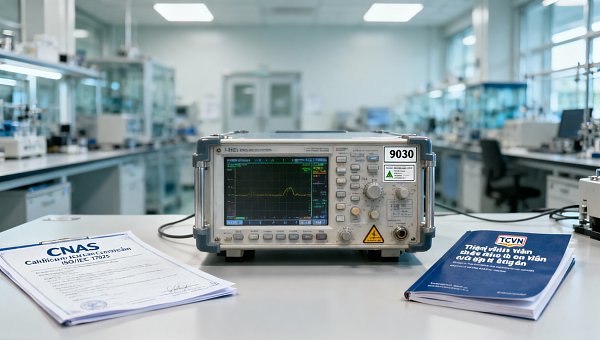
 Vietnam Enforces Dual CNAS + Vietnamese Language Requirement for Industrial InstrumentsVietnam enforces dual CNAS + Vietnamese language requirement for industrial instruments (HS 9026/9027/9030) — avoid customs rejection. Act now!
 Red Sea Crisis Escalates: Gulf of Aden No-Sail Zone Extended to June 15, 2026Red Sea Crisis escalates: Gulf of Aden no-sail zone extended to June 15, 2026 — impacting industrial instrumentation trade, airfreight costs (+452%), and supply chain resilience between China and the Middle East.
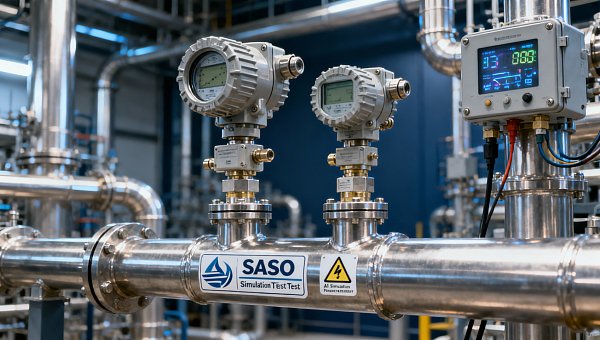
 SASO Mandates AI-Driven Energy Simulation for Industrial Transmitters from June 2026SASO mandates AI-driven energy simulation for industrial transmitters from June 2026 — ensure compliance with NAIEC-certified testing now to avoid delays & rejections.
 BIS Adds 3 High-Precision Process Calibrators to EAR Supplement No. 4BIS Adds 3 High-Precision Process Calibrators to EAR Supplement No. 4—urgent compliance insights for semiconductor, nuclear, and calibration service providers operating with China.
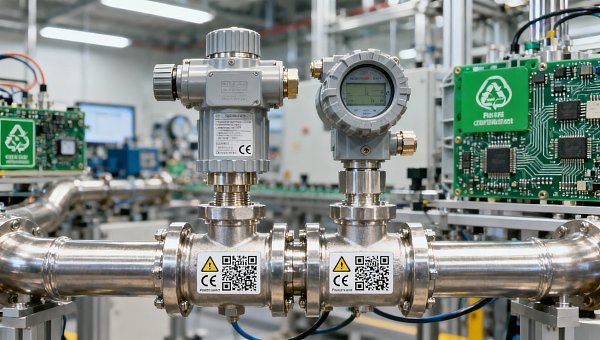
 EU PEF Carbon Footprint Database Mandatory Integration CountdownEU PEF Carbon Footprint Database integration is mandatory for industrial instrument exporters by Jan 2027—act now to secure market access, customs clearance & B2B tenders.
 FDA Updates IVD Import Guidance: CNAS Calibration Traceability to NIST Required for Chinese ManufacturersFDA now requires CNAS calibration traceability to NIST for Chinese IVD manufacturers — critical for 510(k)/De Novo submissions. Act now to avoid RTA delays!
 ASEAN's Green Clearance Corridor Fully LaunchedGreen Clearance Corridor now live: CNAS calibration reports auto-verified for ASEAN customs clearance in under 4 hours — boost your China–ASEAN trade efficiency today!
 First Global Cybersecurity Verification Guide for Industrial Instruments ReleasedFirst global cybersecurity verification guide for industrial instruments launched—featuring a 5-level maturity model & standardized pentest library. Essential for exporters, OEMs, and critical infrastructure suppliers.
 SASO Shortens Energy Labeling for Industrial Transmitters to 7 Days, Adds AI Power Simulation RequirementSASO energy labeling for industrial transmitters now takes just 7 days — but requires AI power simulation. Learn how to comply fast and avoid delays.
 PTB Launches AI Calibration Cloud Platform 2.0PTB AI Calibration Cloud Platform 2.0 launches with CNAS-VDA 5/ISO/IEC 17025 dual-compliance reporting — streamline cross-border calibration for auto suppliers, labs & equipment makers.
 EU Mandates Carbon Footprint Labels on Industrial Instruments from 2027EU mandates carbon footprint labels on industrial instruments from 2027—key for pressure, temperature & flow meter exporters. Act now to ensure PEF compliance and market access.



Search Categories
Search Categories
Latest Article
- First Global White Paper on Dynamic Calibration for Humanoid Robot Sensors ReleasedFirst global white paper on dynamic calibration for humanoid robot sensors—key for pressure & 6-axis force/torque accuracy in smart manufacturing and collaborative robotics.Posted by:
- FDA Updates IVD Import Guidelines: CNAS/NIST Calibration Chain RequiredFDA mandates CNAS/NIST calibration chain for IVD pressure & temperature sensors—key for Chinese exporters. Act now to meet July 2026 deadline.Posted by:
- EU PEF Carbon Database Mandatory Access for Chinese Industrial InstrumentsEU PEF Carbon Database mandatory for Chinese industrial instruments—meet June 15, 2026 deadline to keep CE marking & win EU tenders.Posted by:
Please give us a message
