
How Long Should Industrial Analysis Equipment Last?


How long should industrial analysis equipment last in real operating conditions? For teams managing a safety control analyzer, emission control analyzer, or process monitoring analyzer, service life affects uptime, compliance, and total cost. From gas analysis equipment and gas measurement devices to a complete monitoring system, analyzer system, gas analyzer enclosure, or industrial shelter, durability directly shapes investment value and operational confidence.
In most industrial environments, well-specified industrial analysis equipment should deliver roughly 8 to 15 years of useful service, while some sheltered and well-maintained systems can remain viable even longer. However, the more practical answer is this: lifespan depends less on the nameplate and more on operating conditions, maintenance discipline, calibration stability, spare parts availability, and whether the analyzer remains fit for current compliance and process requirements. For buyers, operators, and decision-makers, the real question is not only “How long will it last?” but also “How long will it stay accurate, supportable, and cost-effective?”
What is a realistic service life for industrial analysis equipment?
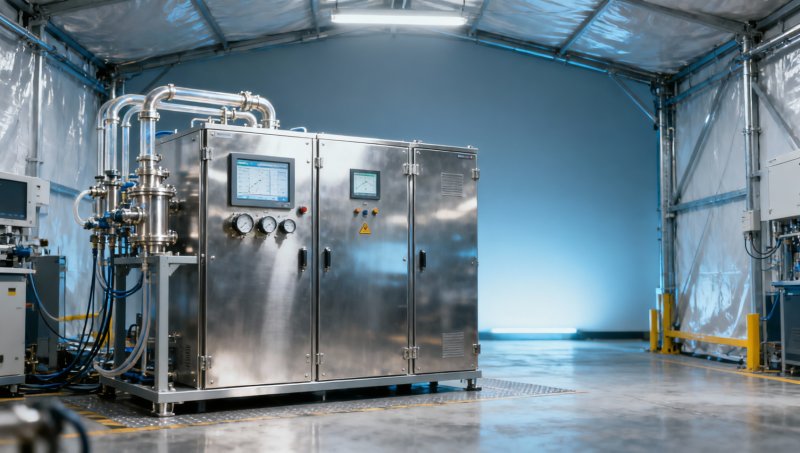
A realistic lifespan varies by application, technology type, and environment, but the following benchmarks are useful for planning:
- General industrial analysis equipment: 8 to 15 years
- Gas analysis equipment in controlled shelters or analyzer houses: 10 to 15+ years
- Harsh-duty outdoor systems without strong environmental protection: 5 to 10 years
- Modular analyzer systems with periodic upgrades: Core infrastructure may last 10 to 20 years, while sensors, sample conditioning components, electronics, and consumables are replaced earlier
This is why many facilities evaluate lifespan at two levels:
- Physical life: how long the unit continues to run
- Economic and functional life: how long it remains accurate, compliant, maintainable, and financially sensible
For example, a gas measurement device may still power on after 10 years, but if spare parts are difficult to source, calibration drift has worsened, or regulatory limits have changed, the equipment may already be at the end of its practical value.
What matters most to buyers, operators, and decision-makers?
Different stakeholders ask different questions, but they usually converge around a few core concerns:
- Operators and maintenance teams want stable performance, easy servicing, low downtime, and predictable calibration behavior.
- Technical evaluators and quality or safety managers want measurement integrity, process fit, and confidence that the analyzer system can support compliance and risk control.
- Procurement and commercial teams want a fair purchase price, manageable lifecycle costs, and supplier support over many years.
- Executives and financial approvers want to know whether the asset will protect production continuity, reduce compliance risk, and justify investment over its useful life.
Because of this, the most valuable way to judge equipment longevity is not simply by vendor claims. It is by examining lifecycle reliability, maintenance demands, total cost of ownership, and the consequences of failure.
What shortens the lifespan of industrial analysis equipment?
Industrial analyzers rarely fail early for only one reason. In most cases, lifespan is reduced by a combination of environmental stress, process conditions, maintenance gaps, and poor system design.
The most common life-reducing factors include:
- Heat, humidity, dust, and corrosive atmospheres that degrade electronics, optics, tubing, seals, and connectors
- Sample contamination from moisture, particulates, condensate, or chemical fouling
- Improper installation such as unstable power supply, vibration, poor ventilation, or unsuitable analyzer enclosure design
- Insufficient preventive maintenance including missed filter changes, late calibration, and ignored warning signs
- Frequent process upsets that expose the analyzer to concentrations or conditions outside design limits
- Obsolescence when critical components, firmware, or service support are no longer available
For many sites, the analyzer itself is not the only issue. The surrounding monitoring system, sample handling layout, shelter climate control, and utility stability often determine whether a unit lasts 7 years or 15 years.
How do analyzer enclosures and shelters affect service life?
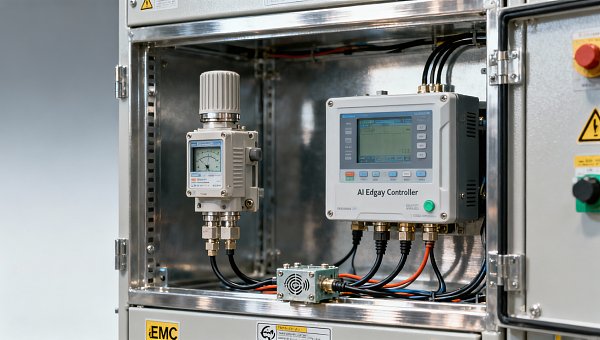
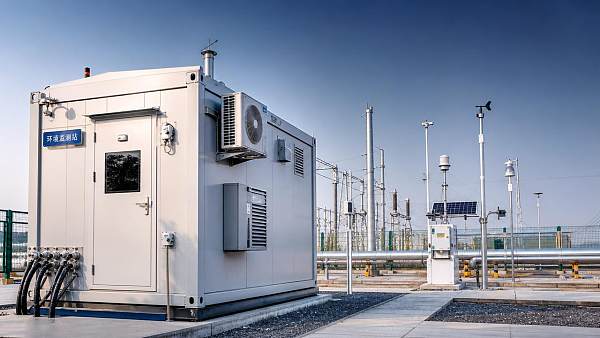
This is one of the most overlooked factors in long-term equipment performance. A high-quality gas analyzer enclosure or industrial shelter can significantly extend system life by protecting sensitive components from weather, temperature swings, corrosive air, and contamination.
In practical terms, a protected installation can improve:
- Electronics reliability through temperature and humidity control
- Calibration stability by reducing environmental fluctuations
- Maintenance efficiency with safer, cleaner, and more organized access
- Component longevity for valves, regulators, pumps, tubing, filters, and analyzers
- Operator safety in hazardous or remote environments
For facilities using emission control analyzers or process monitoring analyzers outdoors, the shelter or enclosure is not an accessory. It is part of the reliability strategy. A robust analyzer house can preserve measurement performance and reduce lifecycle cost, especially in coastal, desert, high-humidity, or chemically aggressive locations.
When is equipment still usable, but no longer a good investment?
This is the question many purchasing teams and financial approvers care about most. Equipment may still operate, but continuing to use it may no longer be wise if one or more of the following is true:
- Maintenance cost keeps rising year after year
- Downtime is affecting production or reporting continuity
- Calibration drift is increasing and operator intervention is frequent
- Spare parts are hard to source or have long lead times
- The analyzer no longer meets current compliance, safety, or process requirements
- The existing monitoring system cannot integrate with newer plant control or data systems
At that stage, the issue is not remaining physical life. It is declining business value. Older equipment can create hidden costs through unplanned shutdowns, poor data quality, failed audits, inefficient labor use, and increased risk exposure.
How should you evaluate expected lifespan before buying?
If you are selecting new industrial analysis equipment, ask questions that reveal lifecycle reality rather than brochure-level specifications.
Key evaluation points include:
- Application fit: Is the analyzer technology suited to your process composition, pressure, temperature, and contamination profile?
- Environmental protection: Does the configuration include the right enclosure, industrial shelter, purge design, or climate control?
- Maintenance burden: What are the calibration intervals, consumables, routine service tasks, and skill requirements?
- Supportability: How long will parts, service, software, and technical support remain available?
- Upgrade path: Can the analyzer system be modernized in stages rather than fully replaced at once?
- Reference life in similar sites: How long has the same configuration lasted in comparable operating environments?
For procurement teams, this approach helps avoid false savings. Low upfront cost can become expensive if the gas analysis equipment requires frequent intervention, replacement parts, or early replacement.
What maintenance practices help equipment last longer?
Even high-quality equipment will underperform without disciplined care. The best-performing sites usually treat analyzer longevity as an operating program, not a one-time purchase outcome.
Useful practices include:
- Following a preventive maintenance schedule instead of reacting only after faults appear
- Keeping sample systems clean, dry, and correctly conditioned
- Monitoring calibration trends to catch drift early
- Maintaining records of failures, service intervals, and recurring issues
- Replacing wear parts before they trigger larger failures
- Training operators to recognize early signs of instability
- Verifying that enclosure HVAC, heaters, purging, and sealing remain effective
These steps do more than extend lifespan. They also improve data confidence, reduce emergency maintenance, and support more accurate budgeting.
Should you repair, upgrade, or replace aging analyzer systems?
A practical decision framework is helpful:
- Repair when the fault is isolated, parts are available, accuracy remains acceptable, and operating costs are still under control
- Upgrade when the base infrastructure such as enclosure, shelter, panel layout, or utilities is still sound, but analyzers, controls, or communications need modernization
- Replace when reliability is poor, maintenance is escalating, compliance risk is growing, or the full monitoring system no longer supports plant needs
In many industrial projects, a staged upgrade delivers the best return. A durable industrial shelter or gas analyzer enclosure may remain in service, while internal analyzers, controls, sample conditioning assemblies, and digital integration are updated for better performance and extended asset value.
Conclusion: how long should industrial analysis equipment last?
In most cases, industrial analysis equipment should last around 8 to 15 years, and sometimes longer in well-protected, well-maintained applications. But the most important measure is not simply how long the equipment survives. It is how long it remains accurate, maintainable, compliant, and economically justified.
For operators, that means focusing on stability and serviceability. For technical evaluators, it means checking application fit and environmental protection. For procurement and finance teams, it means looking beyond purchase price to total lifecycle value. And for plant leaders, it means recognizing that the right analyzer system, monitoring system, gas analysis equipment, and enclosure strategy can protect uptime, compliance, and investment over many years.
If you evaluate lifespan through real operating conditions rather than catalog claims, you will make better decisions about specification, maintenance, upgrade timing, and replacement planning.
Recommended for You
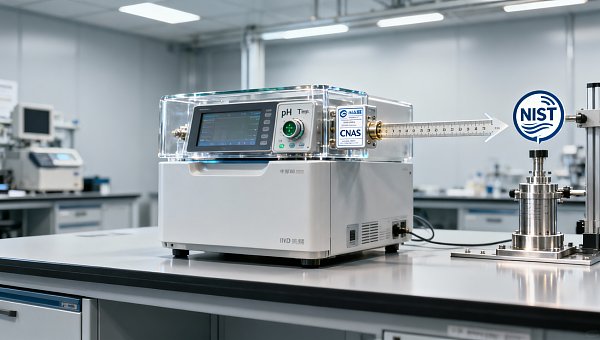
 FDA Updates IVD Import Guidance: CNAS Calibration Traceability to NIST Required for Chinese ManufacturersFDA now requires CNAS calibration traceability to NIST for Chinese IVD manufacturers — critical for 510(k)/De Novo submissions. Act now to avoid RTA delays!
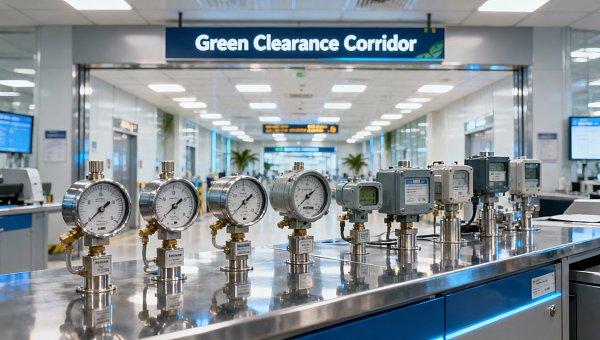
 ASEAN's Green Clearance Corridor Fully LaunchedGreen Clearance Corridor now live: CNAS calibration reports auto-verified for ASEAN customs clearance in under 4 hours — boost your China–ASEAN trade efficiency today!
 First Global Cybersecurity Verification Guide for Industrial Instruments ReleasedFirst global cybersecurity verification guide for industrial instruments launched—featuring a 5-level maturity model & standardized pentest library. Essential for exporters, OEMs, and critical infrastructure suppliers.
 SASO Shortens Energy Labeling for Industrial Transmitters to 7 Days, Adds AI Power Simulation RequirementSASO energy labeling for industrial transmitters now takes just 7 days — but requires AI power simulation. Learn how to comply fast and avoid delays.
 PTB Launches AI Calibration Cloud Platform 2.0PTB AI Calibration Cloud Platform 2.0 launches with CNAS-VDA 5/ISO/IEC 17025 dual-compliance reporting — streamline cross-border calibration for auto suppliers, labs & equipment makers.
 EU Mandates Carbon Footprint Labels on Industrial Instruments from 2027EU mandates carbon footprint labels on industrial instruments from 2027—key for pressure, temperature & flow meter exporters. Act now to ensure PEF compliance and market access.
 Red Sea Crisis Worsens: Gulf of Aden Ban Extends to 3 Weeks, Air Freight Premiums for Industrial Instruments Surge 420%Red Sea crisis deepens: Gulf of Aden ban hits 3 weeks, spiking air freight premiums for industrial instruments by 420%—urgent insights for exporters & EPC contractors.
 Vietnam Enforces CNAS + Vietnamese Dual Requirement for Industrial InstrumentsVietnam Enforces CNAS + Vietnamese Dual Requirement for Industrial Instruments: Key compliance update for exporters, labs & documentation teams ahead of June 2026.
 U.S. BIS Adds 5 High-Precision Pressure/Flow Calibration Sources to EAR ListU.S. BIS adds 5 high-precision pressure/flow calibration sources to EAR list — critical for exporters, instrument makers & supply chain teams. Act now.
 IEC 61508-3:2026 Published: Functional Safety Certification UpgradedIEC 61508-3:2026 is live—discover what the upgraded functional safety certification means for your industrial software, AI diagnostics & global market access.
 FDA Updates IVD Import Guidance: CNAS Calibration Chain Required for China-Made DevicesFDA now requires CNAS calibration chain reports for China-made IVD analyzers—pH, ion & clinical chemistry devices entering via 510(k)/De Novo. Act now to avoid U.S. port rejections.
 EN 61000-6-4:2026 Enters Force: Stricter EMC Requirements for Industrial Field InstrumentsEN 61000-6-4:2026 enforces stricter EMC requirements for industrial field instruments—key for AI edge controllers, sensors & exporters. Act now to ensure CE-EMC compliance by Nov 2026.
 Global Methanol Electric Alliance Launches Cross-Border Energy Efficiency Recognition RoadmapGlobal Methanol Electric Alliance launches cross-border energy efficiency recognition roadmap—key for exporters, cal labs & methanol-instrument manufacturers.
 Red Sea Crisis Escalates: Air Freight Premiums for China–Middle East Industrial Instruments Hit 390%Red Sea Crisis hits industrial instruments: China–Middle East air freight premiums surge 390%. Act now to secure Q3 capacity, avoid delays & optimize LCL alternatives.
 IEC TC65 Mandates Cybersecurity Certification for Industrial Field Instruments from 2027IEC TC65 mandates cybersecurity certification for industrial field instruments by 2027 — pressure, flow & analytical devices must meet IEC 62443-4-2:2026 and display SL1–SL3 labels. Act now to ensure market access.
 SASO Cuts Energy Labeling Turnaround for Industrial Transmitters to 7 Working DaysSASO Energy Labeling now takes just 7 working days for industrial transmitters — faster market access, CNAS reports accepted. Act now!
 PTB Launches CalCloud 2.0 with Direct CNAS Lab IntegrationCalCloud 2.0 now integrates directly with CNAS labs—enabling automated VDA 5 & ISO/IEC 17025 dual-compliant calibration reports for automotive and industrial exporters. Boost compliance efficiency today!
 ASEAN's Green Clearance Corridor for CNAS Calibration Reports LaunchesASEAN's Green Clearance Corridor now verifies CNAS calibration reports via blockchain—cut customs clearance to <48h for flow meters, analyzers & more. Act now!
 Vietnam Mandates CNAS Calibration Certificates & Vietnamese Manuals for Industrial Meters from June 1, 2026CNAS calibration certificates & Vietnamese manuals now mandatory for industrial meters entering Vietnam from June 1, 2026—avoid customs delays and ensure seamless market access.
 U.S. BIS Tightens Export Controls on High-Precision Laser InterferometersU.S. BIS tightens export controls on high-precision laser interferometers—critical for semiconductor metrology & ISO/IEC 17025 calibration. Act now to ensure compliance.
 Paramagnetic Monitor Calibration Tips for Stable OutputParamagnetic monitor calibration tips for stable output: learn how to reduce drift, improve accuracy, cut downtime, and keep oxygen measurement reliable in demanding industrial applications.
 Paramagnetic Measurement in Low-Oxygen Process ControlParamagnetic measurement enables accurate low-oxygen process control with fast response and stable oxygen analysis. Learn how it improves safety, consistency, and system performance.
 Laser Detector Import Risks and Certification DelaysLaser detector import risks can cause costly certification delays, customs issues, and testing setbacks. Learn how to avoid compliance failures before ordering.
 Explosion Proof Detector Demand Under New Safety RulesExplosion proof detector demand is rising under new safety rules. Discover how to compare certified, reliable options that improve compliance, integration, and long-term site safety.
 Laboratory Detector Accuracy Standards You Should CheckLaboratory detector accuracy standards explained: check detection limits, repeatability, drift, and traceability to reduce risk, improve audit readiness, and choose with confidence.
 Custom Measurement Lead Times and Budget PlanningCustom measurement lead times and budgets explained for procurement teams. Learn key cost drivers, planning steps, and supplier tips to reduce delays and buy with confidence.
 Laser Measurement for Leak Detection: Common PitfallsLaser measurement for leak detection can fail due to setup, airflow, and data interpretation errors. Learn the common pitfalls and proven fixes for more accurate, reliable results.
 How to Evaluate a High Accuracy Detector in the FieldHigh accuracy detector evaluation starts with real field performance. Learn how to compare stability, response time, and reliability to choose the right detector with confidence.
 Electrochemical Monitor Lifespan and Replacement CostsElectrochemical monitor lifespan and replacement costs explained for buyers. Learn how sensor life, maintenance, and total ownership cost affect safer, smarter purchasing decisions.
 Thermal Analysis Market Direction in Process IndustriesThermal analysis market direction in process industries: discover trends, applications, and investment insights that improve quality control, reduce risk, and support smarter industrial decisions.
 Monitoring Shelter Design Priorities for Outdoor SitesMonitoring shelter design starts with protection, climate control, and power reliability. Discover how to choose the right outdoor solution for stable data, safer maintenance, and lower lifecycle risk.
 Fixed Measurement Planning for Multi-Point InstallationsFixed measurement planning is essential for multi-point installations. Learn how to improve accuracy, reliability, compliance, and maintenance efficiency across complex industrial systems.
Search Categories
Search Categories
Latest Article
- FDA Updates IVD Import Guidance: CNAS Calibration Traceability to NIST Required for Chinese ManufacturersFDA now requires CNAS calibration traceability to NIST for Chinese IVD manufacturers — critical for 510(k)/De Novo submissions. Act now to avoid RTA delays!Posted by:
- ASEAN's Green Clearance Corridor Fully LaunchedGreen Clearance Corridor now live: CNAS calibration reports auto-verified for ASEAN customs clearance in under 4 hours — boost your China–ASEAN trade efficiency today!Posted by:
- First Global Cybersecurity Verification Guide for Industrial Instruments ReleasedFirst global cybersecurity verification guide for industrial instruments launched—featuring a 5-level maturity model & standardized pentest library. Essential for exporters, OEMs, and critical infrastructure suppliers.Posted by:
Please give us a message
