
Industrial Shelter Imports Face New Compliance Checks


Industrial shelter imports are now under tighter compliance checks, and the practical impact is immediate: longer review cycles, more document scrutiny, and a higher risk of shipment holds if enclosure design, analyzer integration, safety documentation, or certification evidence is incomplete. For buyers of gas analyzer enclosure systems, process monitoring analyzer packages, emission control analyzer units, and broader industrial analysis equipment, the key takeaway is simple: compliance is no longer something to confirm after procurement. It must be built into supplier evaluation, technical review, contract terms, and pre-shipment inspection from the start.
For operators, engineers, procurement teams, project managers, and business decision-makers, this shift matters because a non-compliant shelter does not just create customs delay. It can disrupt commissioning schedules, increase site modification costs, expose safety gaps, and affect the reliability of gas analysis equipment and gas measurement solutions in critical operations. The organizations that respond best are those that treat compliance as a project control issue, not only a legal or paperwork issue.
What the new compliance checks mean for industrial shelter imports
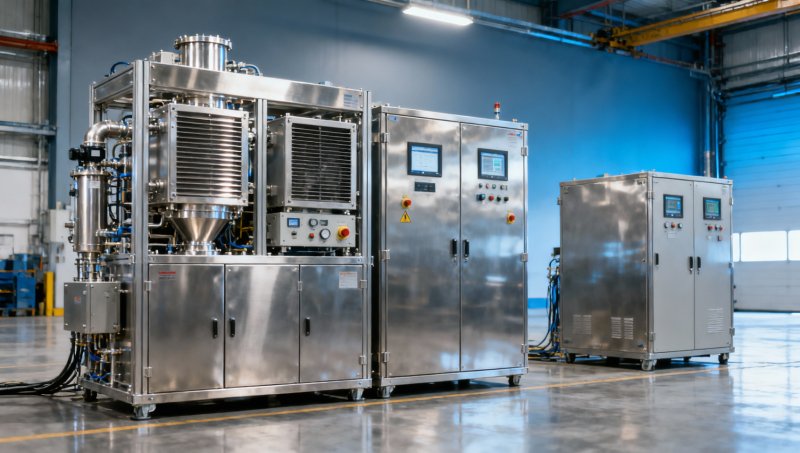
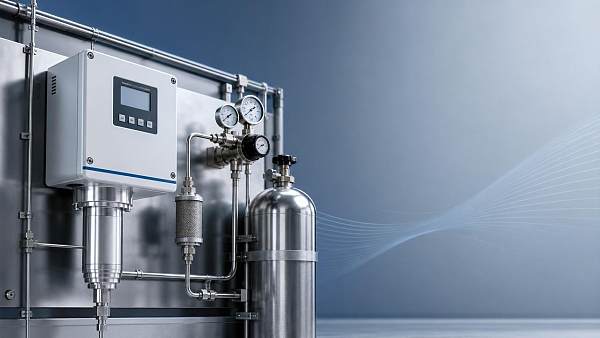
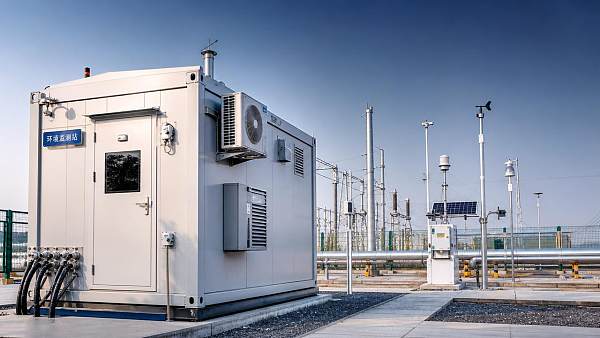
In practice, tighter compliance checks mean imported industrial shelters are being reviewed more closely as complete systems rather than as simple fabricated structures. Authorities, inspectors, customers, and project owners increasingly want proof that the shelter, analyzer system, electrical integration, ventilation, hazardous area protection, fire and gas provisions, and control functions are aligned with applicable standards and project specifications.
This is especially relevant for analyzer houses, gas analyzer enclosure packages, monitoring shelters, and integrated industrial analysis equipment used in:
- emissions monitoring,
- process monitoring analyzer applications,
- safety control analyzer systems,
- environmental monitoring projects,
- power and energy installations,
- chemical and industrial manufacturing plants.
For many importers, the compliance check is no longer limited to material certificates or basic shipping documents. Review may now include enclosure construction details, hazardous area classification alignment, cable and instrument layout, purge or pressurization design, gas detection logic, electrical component approvals, calibration traceability, and FAT records. If any part of the package appears inconsistent, shipment release or project approval can be delayed.
What buyers and project teams are most worried about right now
The real concerns are not abstract. Most target readers are asking practical questions such as:
- Will this shipment be delayed because the analyzer shelter documentation is incomplete?
- Does the supplier understand the required local and project-specific compliance framework?
- Are the gas analysis equipment components certified and correctly integrated?
- Will we face unexpected rework after delivery?
- Could a compliance gap create safety, quality, or insurance risk?
- How can we prevent cost overruns before placing the order?
For procurement teams, the issue is supplier risk. For technical evaluators, it is specification conformity. For safety and quality managers, it is operational integrity. For executives and finance approvers, it is whether the project can avoid avoidable delay, penalty, and lifecycle cost escalation.
This is why the buying decision for industrial shelters is no longer just about price, lead time, or analyzer performance. It is about whether the full package can pass scrutiny without creating downstream project disruption.
Which parts of an analyzer shelter are most likely to trigger compliance problems
Not every issue has the same impact. In most industrial shelter imports, the highest-risk areas are the points where structure, instrumentation, electrical design, and safety engineering intersect.
Common problem areas include:
- Hazardous area compliance: Incorrect component selection, missing certification records, or mismatch between shelter design and site classification.
- Ventilation and pressurization: Inadequate airflow design, missing purge logic, or poor documentation of protection methods.
- Analyzer system integration: Gas analyzer enclosure design may be mechanically sound, but tubing, sample conditioning, wiring, and control logic may not meet project requirements.
- Electrical and control panels: Labeling, grounding, panel segregation, cable routing, and component approvals are frequently reviewed in detail.
- Safety systems: Fire and gas detection, alarms, emergency shutdown logic, and interlocks must be documented and verifiable.
- Material traceability and quality records: Missing certificates, incomplete inspection reports, or weak FAT evidence can slow acceptance.
- Transport and preservation readiness: Even compliant systems can face issues if packaging, corrosion protection, or shipment configuration affects integrity on arrival.
For gas measurement solutions and industrial online monitoring systems, compliance risk often increases when products are highly customized. The more project-specific the shelter, the more important it is to verify not only component compliance but also system-level compatibility.
How to assess whether a supplier is truly compliance-ready
A supplier that says “we are compliant” is not enough. Buyers need evidence that the manufacturer can manage compliance at document level, engineering level, and delivery level.
Useful evaluation points include:
- Standards mapping capability
Can the supplier clearly identify which international, regional, national, and end-user standards apply to the shelter and analyzer package? - Document control discipline
Can they provide complete drawings, datasheets, component certifications, inspection plans, wiring diagrams, and test records in an organized format? - Experience with integrated analyzer systems
Have they delivered analyzer shelters for emission control analyzer, process monitoring analyzer, or safety control analyzer projects with similar complexity? - Factory acceptance testing depth
Do they perform meaningful FATs covering controls, alarms, ventilation, gas detection, analyzer functionality, and communication interfaces? - Change management
How do they control design changes after approval? Small undocumented changes can create large compliance issues later. - Pre-shipment review process
Do they run a formal compliance dossier check before dispatch?
If a supplier cannot answer these questions clearly, the risk is not only technical. It becomes commercial. A lower purchase price can quickly be offset by storage fees, redesign work, delayed commissioning, and site engineering labor.
What procurement, engineering, and quality teams should do before shipment
The most effective response is cross-functional preparation. Compliance problems grow when procurement, technical review, and project execution are handled separately. A better approach is to treat the analyzer shelter as a complete project package.
Before shipment, teams should confirm:
- approved general arrangement drawings,
- instrument and electrical documentation consistency,
- applicable certifications for key components,
- hazardous area and safety design alignment,
- FAT completion and punch list closure,
- shipping release checklist approval,
- spare parts, calibration tools, and O&M manuals readiness,
- import documentation completeness.
For project managers, one of the best controls is a formal pre-shipment compliance gate. No shelter should leave the factory until technical, quality, and commercial reviewers sign off that the package is ready. This reduces the chance that unresolved issues are transferred from factory to site.
For distributors and agents, this step is also important because customer trust depends on predictable delivery and smooth acceptance. In the instrumentation industry, reputation is often shaped less by brochure claims and more by whether systems arrive complete, traceable, and ready for commissioning.
How these checks affect cost, timelines, and business decisions
Stricter compliance checks may appear to add cost at first, but the bigger financial question is where cost is incurred. Paying earlier for proper engineering review, complete documentation, and robust testing is usually far less expensive than paying later for delay and corrective action.
Typical business impacts include:
- Longer procurement cycle: More time may be needed for document review and vendor clarification.
- Higher front-end engineering effort: Better specifications and review processes are now essential.
- Lower rework risk: Early compliance control reduces late-stage modifications.
- Improved project predictability: Clear compliance status supports scheduling and budget control.
- Better operational reliability: Properly reviewed gas analysis equipment and monitoring systems are more likely to perform as intended in service.
For finance approvers and enterprise decision-makers, the right question is not “How do we minimize upfront purchase cost?” but “How do we minimize total landed risk?” In many cases, the best-value supplier is the one that can demonstrate compliance maturity, not simply the lowest quotation.
What a strong compliance-focused sourcing strategy looks like
A strong sourcing strategy for industrial shelters and analyzer systems usually includes five elements:
- Clear technical specification
Define the shelter scope as a complete functional package, including structure, analyzer system, electrical, control, safety, and documentation requirements. - Supplier qualification beyond price
Evaluate engineering capability, documentation quality, prior project references, and certification management. - Milestone-based review
Set formal checkpoints for design approval, FAT, document handover, and shipping release. - Compliance evidence in the contract
Make documentation, testing, approvals, and correction responsibilities contractually visible. - Commissioning readiness planning
Ensure the delivered shelter supports installation, startup, calibration, maintenance, and operator use without hidden gaps.
This approach is especially important in sectors where analyzer houses support environmental compliance, process safety, or production continuity. In those settings, any weakness in industrial analysis equipment readiness can affect both regulatory performance and plant operations.
Conclusion: tighter checks are manageable if compliance is treated as part of project control
Industrial shelter imports are facing tighter compliance checks, but the situation is manageable for organizations that respond early and systematically. The main risk is not the existence of new scrutiny itself. The real risk is continuing to source analyzer shelters, gas analyzer enclosure packages, and gas measurement solutions as if compliance were only a final documentation step.
The smarter path is to evaluate suppliers on compliance capability, verify critical system details before shipment, and align procurement, engineering, quality, and project management around a shared release process. For teams buying emission control analyzer systems, safety control analyzer packages, process monitoring analyzer units, and related industrial analysis equipment, that shift can protect schedule, budget, safety, and long-term operating value.
In short, tighter checks raise the bar, but they also make better buying decisions easier to identify. The suppliers and buyers that prepare well will not only avoid delays. They will build more reliable, more defensible, and more cost-effective projects.
Recommended for You
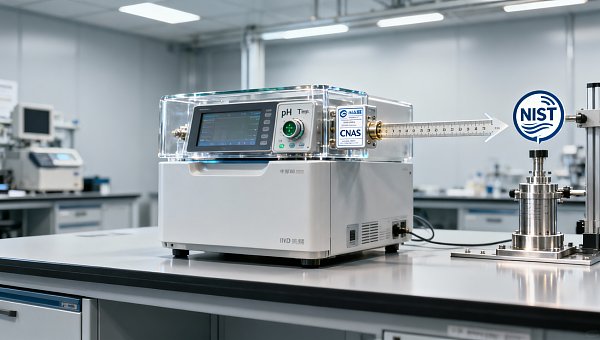
 FDA Updates IVD Import Guidance: CNAS Calibration Traceability to NIST Required for Chinese ManufacturersFDA now requires CNAS calibration traceability to NIST for Chinese IVD manufacturers — critical for 510(k)/De Novo submissions. Act now to avoid RTA delays!
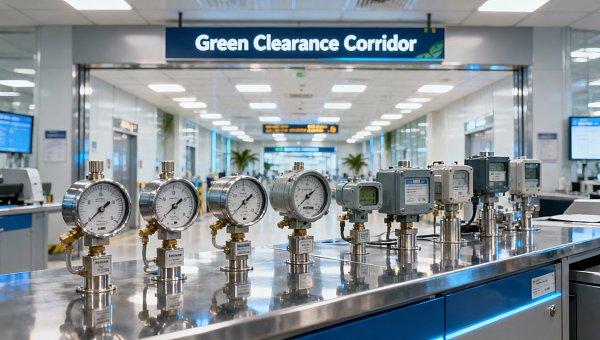
 ASEAN's Green Clearance Corridor Fully LaunchedGreen Clearance Corridor now live: CNAS calibration reports auto-verified for ASEAN customs clearance in under 4 hours — boost your China–ASEAN trade efficiency today!
 First Global Cybersecurity Verification Guide for Industrial Instruments ReleasedFirst global cybersecurity verification guide for industrial instruments launched—featuring a 5-level maturity model & standardized pentest library. Essential for exporters, OEMs, and critical infrastructure suppliers.
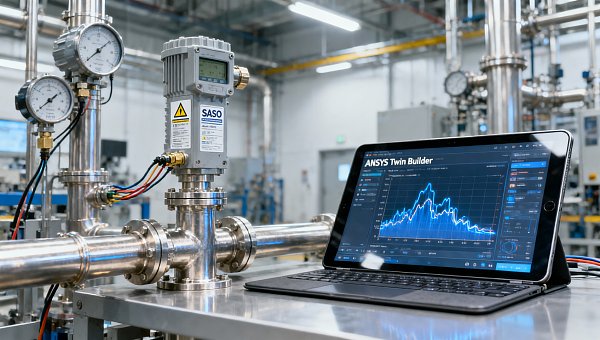
 SASO Shortens Energy Labeling for Industrial Transmitters to 7 Days, Adds AI Power Simulation RequirementSASO energy labeling for industrial transmitters now takes just 7 days — but requires AI power simulation. Learn how to comply fast and avoid delays.
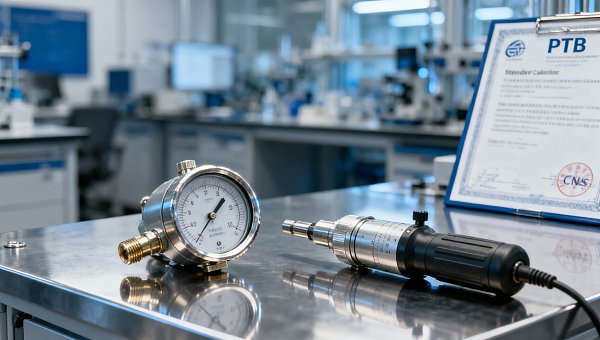
 PTB Launches AI Calibration Cloud Platform 2.0PTB AI Calibration Cloud Platform 2.0 launches with CNAS-VDA 5/ISO/IEC 17025 dual-compliance reporting — streamline cross-border calibration for auto suppliers, labs & equipment makers.
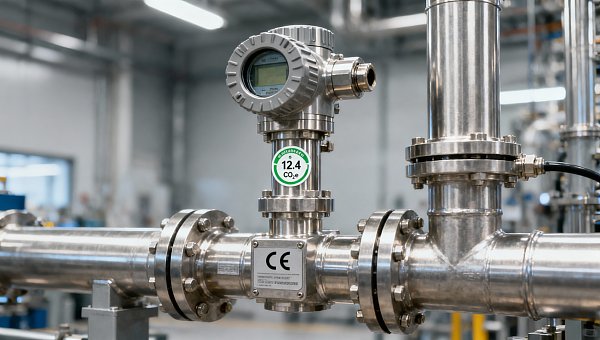
 EU Mandates Carbon Footprint Labels on Industrial Instruments from 2027EU mandates carbon footprint labels on industrial instruments from 2027—key for pressure, temperature & flow meter exporters. Act now to ensure PEF compliance and market access.
 Red Sea Crisis Worsens: Gulf of Aden Ban Extends to 3 Weeks, Air Freight Premiums for Industrial Instruments Surge 420%Red Sea crisis deepens: Gulf of Aden ban hits 3 weeks, spiking air freight premiums for industrial instruments by 420%—urgent insights for exporters & EPC contractors.
 Vietnam Enforces CNAS + Vietnamese Dual Requirement for Industrial InstrumentsVietnam Enforces CNAS + Vietnamese Dual Requirement for Industrial Instruments: Key compliance update for exporters, labs & documentation teams ahead of June 2026.
 U.S. BIS Adds 5 High-Precision Pressure/Flow Calibration Sources to EAR ListU.S. BIS adds 5 high-precision pressure/flow calibration sources to EAR list — critical for exporters, instrument makers & supply chain teams. Act now.
 IEC 61508-3:2026 Published: Functional Safety Certification UpgradedIEC 61508-3:2026 is live—discover what the upgraded functional safety certification means for your industrial software, AI diagnostics & global market access.
 FDA Updates IVD Import Guidance: CNAS Calibration Chain Required for China-Made DevicesFDA now requires CNAS calibration chain reports for China-made IVD analyzers—pH, ion & clinical chemistry devices entering via 510(k)/De Novo. Act now to avoid U.S. port rejections.
 EN 61000-6-4:2026 Enters Force: Stricter EMC Requirements for Industrial Field InstrumentsEN 61000-6-4:2026 enforces stricter EMC requirements for industrial field instruments—key for AI edge controllers, sensors & exporters. Act now to ensure CE-EMC compliance by Nov 2026.
 Global Methanol Electric Alliance Launches Cross-Border Energy Efficiency Recognition RoadmapGlobal Methanol Electric Alliance launches cross-border energy efficiency recognition roadmap—key for exporters, cal labs & methanol-instrument manufacturers.
 Red Sea Crisis Escalates: Air Freight Premiums for China–Middle East Industrial Instruments Hit 390%Red Sea Crisis hits industrial instruments: China–Middle East air freight premiums surge 390%. Act now to secure Q3 capacity, avoid delays & optimize LCL alternatives.
 IEC TC65 Mandates Cybersecurity Certification for Industrial Field Instruments from 2027IEC TC65 mandates cybersecurity certification for industrial field instruments by 2027 — pressure, flow & analytical devices must meet IEC 62443-4-2:2026 and display SL1–SL3 labels. Act now to ensure market access.
 SASO Cuts Energy Labeling Turnaround for Industrial Transmitters to 7 Working DaysSASO Energy Labeling now takes just 7 working days for industrial transmitters — faster market access, CNAS reports accepted. Act now!
 PTB Launches CalCloud 2.0 with Direct CNAS Lab IntegrationCalCloud 2.0 now integrates directly with CNAS labs—enabling automated VDA 5 & ISO/IEC 17025 dual-compliant calibration reports for automotive and industrial exporters. Boost compliance efficiency today!
 ASEAN's Green Clearance Corridor for CNAS Calibration Reports LaunchesASEAN's Green Clearance Corridor now verifies CNAS calibration reports via blockchain—cut customs clearance to <48h for flow meters, analyzers & more. Act now!
 Vietnam Mandates CNAS Calibration Certificates & Vietnamese Manuals for Industrial Meters from June 1, 2026CNAS calibration certificates & Vietnamese manuals now mandatory for industrial meters entering Vietnam from June 1, 2026—avoid customs delays and ensure seamless market access.
 U.S. BIS Tightens Export Controls on High-Precision Laser InterferometersU.S. BIS tightens export controls on high-precision laser interferometers—critical for semiconductor metrology & ISO/IEC 17025 calibration. Act now to ensure compliance.
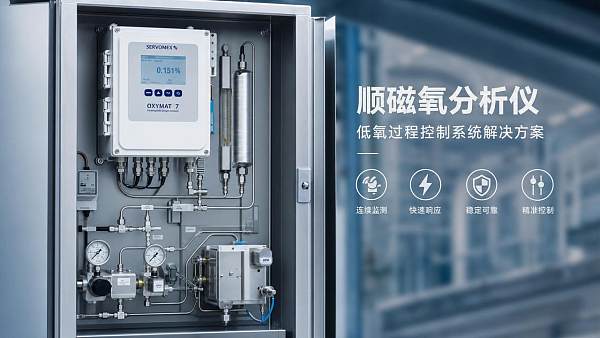
 Paramagnetic Monitor Calibration Tips for Stable OutputParamagnetic monitor calibration tips for stable output: learn how to reduce drift, improve accuracy, cut downtime, and keep oxygen measurement reliable in demanding industrial applications.
 Paramagnetic Measurement in Low-Oxygen Process ControlParamagnetic measurement enables accurate low-oxygen process control with fast response and stable oxygen analysis. Learn how it improves safety, consistency, and system performance.
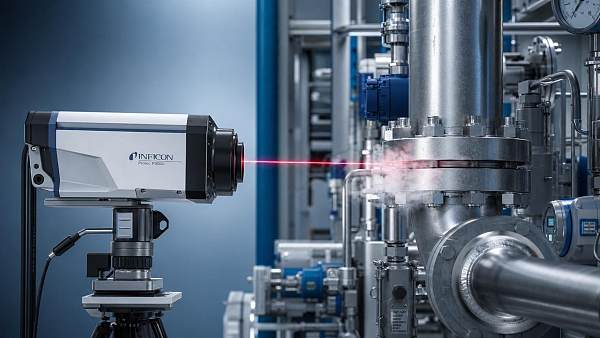
 Laser Detector Import Risks and Certification DelaysLaser detector import risks can cause costly certification delays, customs issues, and testing setbacks. Learn how to avoid compliance failures before ordering.
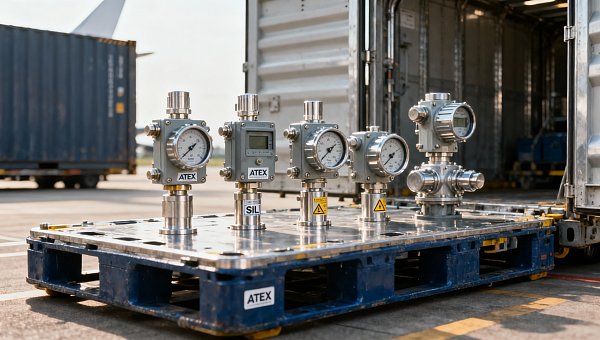
 Explosion Proof Detector Demand Under New Safety RulesExplosion proof detector demand is rising under new safety rules. Discover how to compare certified, reliable options that improve compliance, integration, and long-term site safety.
 Laboratory Detector Accuracy Standards You Should CheckLaboratory detector accuracy standards explained: check detection limits, repeatability, drift, and traceability to reduce risk, improve audit readiness, and choose with confidence.
 Custom Measurement Lead Times and Budget PlanningCustom measurement lead times and budgets explained for procurement teams. Learn key cost drivers, planning steps, and supplier tips to reduce delays and buy with confidence.
 Laser Measurement for Leak Detection: Common PitfallsLaser measurement for leak detection can fail due to setup, airflow, and data interpretation errors. Learn the common pitfalls and proven fixes for more accurate, reliable results.
 How to Evaluate a High Accuracy Detector in the FieldHigh accuracy detector evaluation starts with real field performance. Learn how to compare stability, response time, and reliability to choose the right detector with confidence.
 Electrochemical Monitor Lifespan and Replacement CostsElectrochemical monitor lifespan and replacement costs explained for buyers. Learn how sensor life, maintenance, and total ownership cost affect safer, smarter purchasing decisions.
 Thermal Analysis Market Direction in Process IndustriesThermal analysis market direction in process industries: discover trends, applications, and investment insights that improve quality control, reduce risk, and support smarter industrial decisions.
 Monitoring Shelter Design Priorities for Outdoor SitesMonitoring shelter design starts with protection, climate control, and power reliability. Discover how to choose the right outdoor solution for stable data, safer maintenance, and lower lifecycle risk.
 Fixed Measurement Planning for Multi-Point InstallationsFixed measurement planning is essential for multi-point installations. Learn how to improve accuracy, reliability, compliance, and maintenance efficiency across complex industrial systems.








Search Categories
Search Categories
Latest Article
- FDA Updates IVD Import Guidance: CNAS Calibration Traceability to NIST Required for Chinese ManufacturersFDA now requires CNAS calibration traceability to NIST for Chinese IVD manufacturers — critical for 510(k)/De Novo submissions. Act now to avoid RTA delays!Posted by:
- ASEAN's Green Clearance Corridor Fully LaunchedGreen Clearance Corridor now live: CNAS calibration reports auto-verified for ASEAN customs clearance in under 4 hours — boost your China–ASEAN trade efficiency today!Posted by:
- First Global Cybersecurity Verification Guide for Industrial Instruments ReleasedFirst global cybersecurity verification guide for industrial instruments launched—featuring a 5-level maturity model & standardized pentest library. Essential for exporters, OEMs, and critical infrastructure suppliers.Posted by:
Please give us a message
