
Why Gas Analyzer Enclosure Climate Control Gets Overlooked


When companies invest in a safety control analyzer, emission control analyzer, or process monitoring analyzer, the discussion usually centers on detection range, response time, certification, and software integration. What gets missed is the operating environment inside the enclosure. In practice, poor gas analyzer enclosure climate control is one of the most common hidden causes of unstable readings, avoidable downtime, premature component failure, and rising maintenance cost. For buyers, engineers, operators, and decision-makers, the key point is simple: if enclosure temperature and humidity are not controlled properly, even a high-performance analyzer system can underperform in the field.
For most real-world applications, climate control is not an accessory. It is part of measurement reliability, safety protection, lifecycle cost control, and project success. That is why this topic deserves more attention during design review, procurement evaluation, and operation planning.
Why climate control is overlooked until the analyzer system starts causing problems
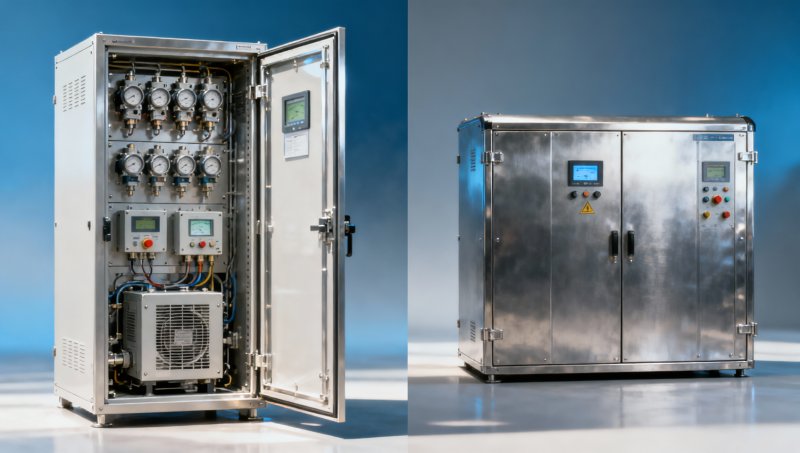
Gas analyzer projects are often evaluated around the analyzer itself rather than the enclosure conditions around it. Teams compare sensor technology, measurement principle, compliance requirements, communication protocols, and cabinet size, but enclosure climate control is sometimes treated as a minor mechanical detail.
There are several reasons this happens:
- The analyzer gets the attention, not the environment. Buyers assume the instrument specification already guarantees performance under site conditions, but many performance values depend on controlled ambient conditions.
- Climate risk is underestimated during project planning. A cabinet may look sealed and robust, yet internal heat load, solar gain, moisture ingress, and seasonal temperature swings can still create unstable operating conditions.
- The cost of climate control is visible, while the cost of poor control is delayed. Adding heaters, vortex coolers, air conditioners, heat exchangers, thermostats, humidistats, insulation, or shelter improvements is a line-item expense. The financial impact of inaccurate measurement, maintenance visits, or early replacement appears later.
- Responsibility is split across teams. Instrument engineers, panel builders, project managers, procurement teams, and end users may each assume someone else has addressed thermal management.
- Sites operate in more severe conditions than expected. Outdoor installation, washdown areas, corrosive atmospheres, desert heat, coastal humidity, winter freeze conditions, and hazardous areas all increase the importance of enclosure climate control.
In short, enclosure climate control gets overlooked because it sits between instrumentation, mechanical design, and facility realities. Yet that “in-between” area often determines whether gas measurement stays stable after commissioning.
What actually goes wrong when enclosure temperature and humidity are not controlled
The consequences are operational, technical, and financial. They are not limited to comfort or cabinet appearance. Poor climate control directly affects analyzer performance and system reliability.
1. Measurement drift and loss of accuracy
Gas analyzers depend on stable internal conditions. Excess heat can affect electronics, optical components, sample conditioning parts, and calibration stability. Low temperatures can slow response, affect pumps and valves, and create condensation risks during warming cycles. When enclosure conditions fluctuate, measured values may drift enough to trigger false alarms, questionable trends, or compliance concerns.
2. Condensation damage
Humidity is often the bigger hidden threat. When warm humid air enters an enclosure and surfaces cool below dew point, condensation can form on terminals, circuit boards, tubing, connectors, and power components. That can lead to corrosion, short circuits, signal noise, and intermittent failures that are difficult to diagnose.
3. Reduced analyzer uptime
Unexpected shutdowns are often traced to overheated electronics, failed cooling units, frozen sample lines, or moisture-related electrical issues. A monitoring system that goes offline at critical times creates operational blind spots and increases service burden.
4. Shorter component life
Fans, displays, power supplies, relays, pumps, seals, sensors, and electronic boards all age faster under thermal stress and moisture exposure. Even when they do not fail immediately, their maintenance interval shortens.
5. Safety and compliance risk
For safety control analyzers and emission monitoring applications, poor enclosure climate control can become much more than a maintenance issue. Unstable or invalid measurements may affect process decisions, environmental reporting, alarm integrity, and incident prevention.
6. Higher total cost of ownership
The initial saving from a simplified shelter design or undersized climate system can be erased quickly by troubleshooting, spare parts, technician callouts, process disruption, recalibration effort, and replacement equipment.
Which readers care about this most, and what questions they are really trying to answer
Different stakeholders approach the same issue from different angles, but their concerns connect quickly once lifecycle risk is made visible.
- Operators and users want stable readings, fewer alarms, easier daily operation, and less downtime.
- Technical evaluators and quality or safety personnel want confidence that the analyzer system will maintain accuracy, repeatability, and compliance under actual site conditions.
- Procurement and commercial reviewers want to know whether climate control options are truly necessary or just added cost.
- Project managers and engineering leaders want to avoid design omissions that become commissioning delays or warranty disputes.
- Business decision-makers and finance approvers want a clear business case: how enclosure climate control protects uptime, asset life, and total project return.
- Distributors and integrators want practical selection guidance so they can recommend the right enclosure solution for each application.
The most common questions behind the search intent are usually these:
- Is enclosure climate control really necessary for this analyzer application?
- What risks are created if we ignore it or choose the lowest-cost option?
- How do we tell what level of cooling, heating, or humidity control is appropriate?
- How can we justify the investment to management or procurement?
- What should be checked before purchase, installation, or retrofit?
How to judge whether your gas analyzer enclosure climate control is adequate
A practical evaluation should focus on actual operating conditions, not only the analyzer brochure. The right question is not “Does the cabinet have cooling?” but “Can the enclosure maintain stable internal conditions under worst-case site conditions?”
Use the following checklist during design or review:
Site environment
- What are the maximum and minimum ambient temperatures?
- Is the enclosure exposed to direct sun?
- What are the humidity levels and condensation risks?
- Is the site coastal, corrosive, dusty, wet, or washdown-intensive?
- Will the analyzer shelter face seasonal extremes or large day-night temperature swings?
Internal heat load
- How much heat is generated by analyzers, controllers, displays, power supplies, pumps, lights, and networking devices?
- Will heat build up during continuous operation?
- Are there peak loads during startup, calibration, or purge cycles?
Moisture control strategy
- How is condensation prevented when ambient conditions change?
- Are heaters, thermostats, anti-condensation measures, or ventilation pathways designed correctly?
- Does the enclosure opening frequency introduce humid air?
Protection level and enclosure design
- Does the IP or NEMA rating match the environment?
- Will ventilation compromise ingress protection?
- Is insulation needed?
- Is the shelter layout causing hot spots?
Maintenance reality
- Can filters, drains, cooling units, and heaters be inspected easily?
- Will maintenance staff know if the climate control system has degraded before analyzer performance is affected?
If these questions do not have clear answers, climate control has probably not been engineered deeply enough.
What good industrial shelter design looks like in analyzer applications
Good industrial shelter design is not about adding the most expensive cooling device. It is about matching enclosure climate control to the operational risk, analyzer sensitivity, and site conditions.
In strong designs, you typically see the following characteristics:
- Thermal planning from the beginning rather than adding cooling or heating after commissioning issues appear.
- Climate control sized for worst-case conditions, including ambient extremes and internal load.
- Humidity and condensation prevention, not only temperature reduction.
- Component layout that avoids local hot spots and supports airflow.
- Sealed and protected enclosure design appropriate for the site environment.
- Monitoring and alarms for enclosure temperature, humidity, or cooling system failure where application risk justifies it.
- Serviceable design so maintenance does not become the weak point.
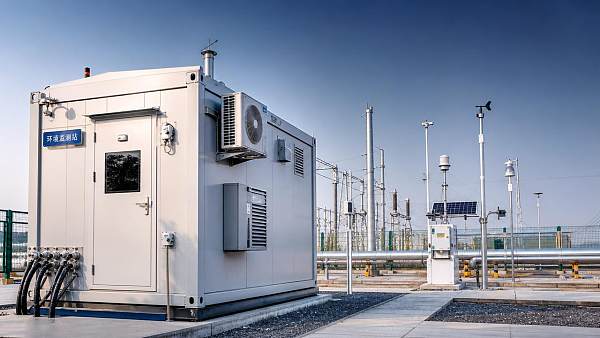
For a gas analysis equipment installation, the enclosure should be considered part of the measurement system, not just a box around it. This is especially true for emissions monitoring, hazardous process analysis, outdoor skids, and remote installations where environmental stress is high and service access is limited.
How to make the business case: cost now versus cost later
For procurement teams, financial approvers, and business leaders, the decision often comes down to whether climate control upgrades are worth the added budget. In most serious analyzer applications, the comparison should be based on lifecycle value rather than purchase price alone.
Upfront investment may include:
- cabinet heaters or cooling units
- heat exchangers or air conditioners
- insulation and weather protection
- temperature and humidity controllers
- improved enclosure materials or shelter design
- monitoring and alarm devices
Costs avoided later may include:
- measurement error investigations
- unplanned field service visits
- premature board, sensor, or power supply replacement
- process interruptions or lost production time
- failed audits, reporting issues, or compliance risk
- shortened analyzer system lifespan
A useful internal framing is this: climate control rarely creates visible value when everything works, but it prevents expensive failure modes that can easily exceed its cost. For many projects, the right enclosure climate strategy is not an upgrade. It is insurance for measurement integrity and asset reliability.
Common mistakes to avoid during specification and procurement
If climate control is often overlooked, it is usually because of a few recurring specification mistakes:
- Assuming ambient temperature alone is enough without accounting for solar gain and internal heat.
- Choosing enclosure cooling without addressing condensation.
- Using generic enclosure ratings without considering actual washdown, dust, salt, or corrosive exposure.
- Undersizing climate equipment to reduce upfront cost.
- Ignoring maintenance access and service interval requirements.
- Separating analyzer selection from shelter and enclosure engineering.
- Not defining acceptable internal operating temperature and humidity ranges.
- Failing to verify performance after installation under real operating conditions.
These errors are avoidable if buyers and engineers review the analyzer system as a complete operating package instead of a standalone instrument inside a cabinet.
Final takeaway for buyers, engineers, and decision-makers
Gas analyzer enclosure climate control gets overlooked because it is less visible than analyzer specifications and often falls between engineering disciplines. But in real industrial use, it has direct impact on accuracy, uptime, safety, maintenance burden, and total ownership cost. If your analyzer system must deliver reliable performance in changing or harsh environments, climate control should be treated as a core design requirement.
The smartest approach is straightforward: evaluate site conditions early, define internal operating limits clearly, match the enclosure climate solution to actual risk, and assess cost over the full lifecycle rather than the initial purchase alone. When that is done well, gas analysis equipment performs more consistently, support costs drop, and the overall monitoring system becomes easier to trust.
Recommended for You
 FDA Updates IVD Import Guidance: CNAS Calibration Traceability to NIST Required for Chinese ManufacturersFDA now requires CNAS calibration traceability to NIST for Chinese IVD manufacturers — critical for 510(k)/De Novo submissions. Act now to avoid RTA delays!
 ASEAN's Green Clearance Corridor Fully LaunchedGreen Clearance Corridor now live: CNAS calibration reports auto-verified for ASEAN customs clearance in under 4 hours — boost your China–ASEAN trade efficiency today!
 First Global Cybersecurity Verification Guide for Industrial Instruments ReleasedFirst global cybersecurity verification guide for industrial instruments launched—featuring a 5-level maturity model & standardized pentest library. Essential for exporters, OEMs, and critical infrastructure suppliers.
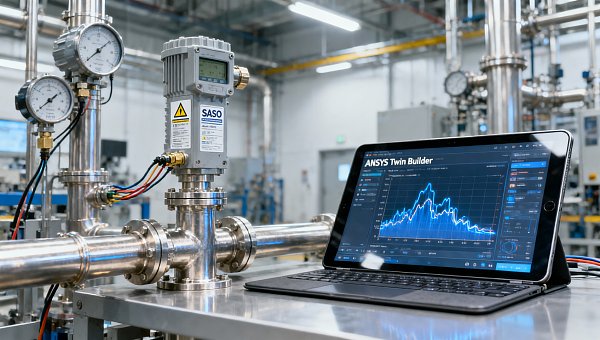
 SASO Shortens Energy Labeling for Industrial Transmitters to 7 Days, Adds AI Power Simulation RequirementSASO energy labeling for industrial transmitters now takes just 7 days — but requires AI power simulation. Learn how to comply fast and avoid delays.
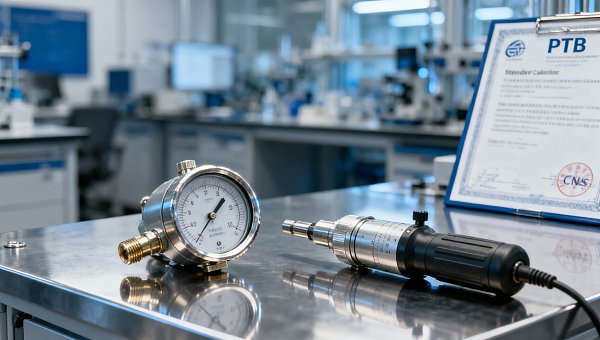
 PTB Launches AI Calibration Cloud Platform 2.0PTB AI Calibration Cloud Platform 2.0 launches with CNAS-VDA 5/ISO/IEC 17025 dual-compliance reporting — streamline cross-border calibration for auto suppliers, labs & equipment makers.
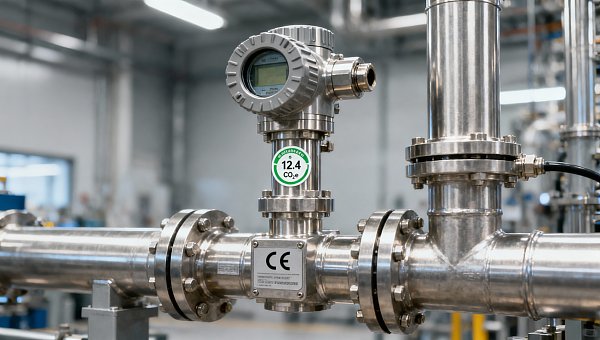
 EU Mandates Carbon Footprint Labels on Industrial Instruments from 2027EU mandates carbon footprint labels on industrial instruments from 2027—key for pressure, temperature & flow meter exporters. Act now to ensure PEF compliance and market access.
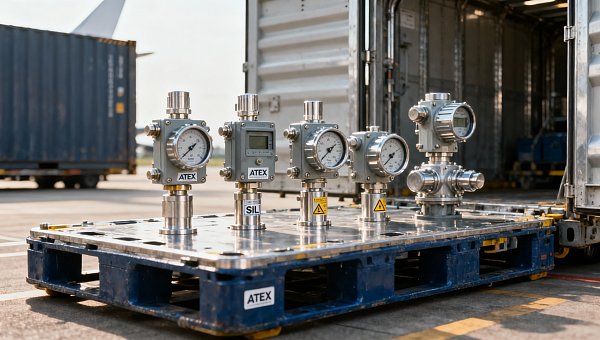
 Red Sea Crisis Worsens: Gulf of Aden Ban Extends to 3 Weeks, Air Freight Premiums for Industrial Instruments Surge 420%Red Sea crisis deepens: Gulf of Aden ban hits 3 weeks, spiking air freight premiums for industrial instruments by 420%—urgent insights for exporters & EPC contractors.
 Vietnam Enforces CNAS + Vietnamese Dual Requirement for Industrial InstrumentsVietnam Enforces CNAS + Vietnamese Dual Requirement for Industrial Instruments: Key compliance update for exporters, labs & documentation teams ahead of June 2026.
 U.S. BIS Adds 5 High-Precision Pressure/Flow Calibration Sources to EAR ListU.S. BIS adds 5 high-precision pressure/flow calibration sources to EAR list — critical for exporters, instrument makers & supply chain teams. Act now.
 IEC 61508-3:2026 Published: Functional Safety Certification UpgradedIEC 61508-3:2026 is live—discover what the upgraded functional safety certification means for your industrial software, AI diagnostics & global market access.
 FDA Updates IVD Import Guidance: CNAS Calibration Chain Required for China-Made DevicesFDA now requires CNAS calibration chain reports for China-made IVD analyzers—pH, ion & clinical chemistry devices entering via 510(k)/De Novo. Act now to avoid U.S. port rejections.
 EN 61000-6-4:2026 Enters Force: Stricter EMC Requirements for Industrial Field InstrumentsEN 61000-6-4:2026 enforces stricter EMC requirements for industrial field instruments—key for AI edge controllers, sensors & exporters. Act now to ensure CE-EMC compliance by Nov 2026.
 Global Methanol Electric Alliance Launches Cross-Border Energy Efficiency Recognition RoadmapGlobal Methanol Electric Alliance launches cross-border energy efficiency recognition roadmap—key for exporters, cal labs & methanol-instrument manufacturers.
 Red Sea Crisis Escalates: Air Freight Premiums for China–Middle East Industrial Instruments Hit 390%Red Sea Crisis hits industrial instruments: China–Middle East air freight premiums surge 390%. Act now to secure Q3 capacity, avoid delays & optimize LCL alternatives.
 IEC TC65 Mandates Cybersecurity Certification for Industrial Field Instruments from 2027IEC TC65 mandates cybersecurity certification for industrial field instruments by 2027 — pressure, flow & analytical devices must meet IEC 62443-4-2:2026 and display SL1–SL3 labels. Act now to ensure market access.
 SASO Cuts Energy Labeling Turnaround for Industrial Transmitters to 7 Working DaysSASO Energy Labeling now takes just 7 working days for industrial transmitters — faster market access, CNAS reports accepted. Act now!
 PTB Launches CalCloud 2.0 with Direct CNAS Lab IntegrationCalCloud 2.0 now integrates directly with CNAS labs—enabling automated VDA 5 & ISO/IEC 17025 dual-compliant calibration reports for automotive and industrial exporters. Boost compliance efficiency today!
 ASEAN's Green Clearance Corridor for CNAS Calibration Reports LaunchesASEAN's Green Clearance Corridor now verifies CNAS calibration reports via blockchain—cut customs clearance to <48h for flow meters, analyzers & more. Act now!
 Vietnam Mandates CNAS Calibration Certificates & Vietnamese Manuals for Industrial Meters from June 1, 2026CNAS calibration certificates & Vietnamese manuals now mandatory for industrial meters entering Vietnam from June 1, 2026—avoid customs delays and ensure seamless market access.
 U.S. BIS Tightens Export Controls on High-Precision Laser InterferometersU.S. BIS tightens export controls on high-precision laser interferometers—critical for semiconductor metrology & ISO/IEC 17025 calibration. Act now to ensure compliance.
 Paramagnetic Monitor Calibration Tips for Stable OutputParamagnetic monitor calibration tips for stable output: learn how to reduce drift, improve accuracy, cut downtime, and keep oxygen measurement reliable in demanding industrial applications.
 Paramagnetic Measurement in Low-Oxygen Process ControlParamagnetic measurement enables accurate low-oxygen process control with fast response and stable oxygen analysis. Learn how it improves safety, consistency, and system performance.
 Laser Detector Import Risks and Certification DelaysLaser detector import risks can cause costly certification delays, customs issues, and testing setbacks. Learn how to avoid compliance failures before ordering.
 Explosion Proof Detector Demand Under New Safety RulesExplosion proof detector demand is rising under new safety rules. Discover how to compare certified, reliable options that improve compliance, integration, and long-term site safety.
 Laboratory Detector Accuracy Standards You Should CheckLaboratory detector accuracy standards explained: check detection limits, repeatability, drift, and traceability to reduce risk, improve audit readiness, and choose with confidence.
 Custom Measurement Lead Times and Budget PlanningCustom measurement lead times and budgets explained for procurement teams. Learn key cost drivers, planning steps, and supplier tips to reduce delays and buy with confidence.
 Laser Measurement for Leak Detection: Common PitfallsLaser measurement for leak detection can fail due to setup, airflow, and data interpretation errors. Learn the common pitfalls and proven fixes for more accurate, reliable results.
 How to Evaluate a High Accuracy Detector in the FieldHigh accuracy detector evaluation starts with real field performance. Learn how to compare stability, response time, and reliability to choose the right detector with confidence.
 Electrochemical Monitor Lifespan and Replacement CostsElectrochemical monitor lifespan and replacement costs explained for buyers. Learn how sensor life, maintenance, and total ownership cost affect safer, smarter purchasing decisions.
 Thermal Analysis Market Direction in Process IndustriesThermal analysis market direction in process industries: discover trends, applications, and investment insights that improve quality control, reduce risk, and support smarter industrial decisions.
 Monitoring Shelter Design Priorities for Outdoor SitesMonitoring shelter design starts with protection, climate control, and power reliability. Discover how to choose the right outdoor solution for stable data, safer maintenance, and lower lifecycle risk.
 Fixed Measurement Planning for Multi-Point InstallationsFixed measurement planning is essential for multi-point installations. Learn how to improve accuracy, reliability, compliance, and maintenance efficiency across complex industrial systems.

Search Categories
Search Categories
Latest Article
- FDA Updates IVD Import Guidance: CNAS Calibration Traceability to NIST Required for Chinese ManufacturersFDA now requires CNAS calibration traceability to NIST for Chinese IVD manufacturers — critical for 510(k)/De Novo submissions. Act now to avoid RTA delays!Posted by:
- ASEAN's Green Clearance Corridor Fully LaunchedGreen Clearance Corridor now live: CNAS calibration reports auto-verified for ASEAN customs clearance in under 4 hours — boost your China–ASEAN trade efficiency today!Posted by:
- First Global Cybersecurity Verification Guide for Industrial Instruments ReleasedFirst global cybersecurity verification guide for industrial instruments launched—featuring a 5-level maturity model & standardized pentest library. Essential for exporters, OEMs, and critical infrastructure suppliers.Posted by:
Please give us a message
