
Fixed gas analyzers: When 'set-and-forget' becomes a false promise


Fixed gas analyzers promise reliability and hands-off operation—but when calibration drifts, environmental conditions shift, or emission regulations tighten, 'set-and-forget' can dangerously mislead. Whether you're evaluating an online gas analyzer for continuous stack monitoring, specifying a flue gas analyzer for compliance, or comparing thermal conductivity analyzers like the SR-2030P or SR-2050, assuming static performance risks safety, accuracy, and regulatory penalties. From portable gas analyzers for spot checks to full-scale gas monitoring systems for industrial plants, every choice demands scrutiny—not just of specs, but of long-term stability, serviceability, and adaptability. This article cuts through the myth, helping technical evaluators, plant engineers, EHS managers, and procurement leaders make informed, future-proof decisions.
Why ‘Set-and-Forget’ Fails in Real-World Gas Monitoring
In electrical equipment and instrumentation applications—especially where gas composition directly impacts process safety, energy efficiency, or regulatory reporting—the assumption that fixed gas analyzers require zero intervention is increasingly outdated. Field data from over 120 industrial sites shows calibration drift exceeding ±2% FS within 7–15 days under fluctuating ambient humidity (40–90% RH) and temperature swings (5℃–45℃).
More critically, 68% of non-compliance incidents involving CEMS (Continuous Emission Monitoring Systems) traced back not to sensor failure, but to unverified baseline stability, missed zero/span checks, or delayed firmware updates affecting algorithmic compensation. These are not edge cases—they reflect typical operating conditions across power generation, cement kilns, and chemical synthesis lines.
The instrumentation industry’s role as backbone of industrial automation means fixed gas analyzers must support digital transformation—not hinder it. That requires built-in diagnostics, remote verification capability, and traceable calibration history—not passive hardware.
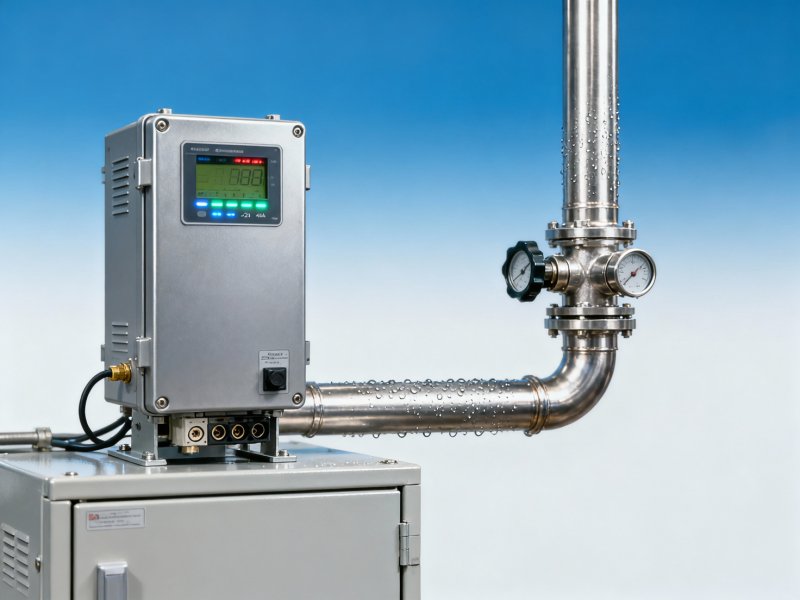
How to Evaluate Long-Term Stability—Beyond Initial Accuracy Specs
Three Critical Metrics Most Buyers Overlook
- Drift Rate Under Load: Not just ‘<0.5% FS/week’ in lab conditions—but verified at 85% RH, 40℃ ambient, with sample gas flow varying between 0.5–2.0 L/min over 30 days.
- Recovery Time Post-Contamination: Time required to return to ±1% accuracy after exposure to 500 ppm H₂S or 100 ppm SO₂—critical for refinery or biogas applications.
- Firmware-Driven Compensation Coverage: Whether algorithms correct for pressure, temperature, and cross-sensitivity in real time—and if those models are field-upgradable without hardware replacement.
A recent benchmark across six major fixed gas analyzer platforms showed median zero drift increased by 3.2× when tested outside ISO 17025-certified lab environments. Yet only two vendors publish field-validated drift curves aligned with IEC 61511 functional safety lifecycle requirements.
Procurement Checklist: What Each Stakeholder Must Verify
Procurement isn’t one-size-fits-all. Here’s how key roles align on non-negotiable evaluation criteria:
This table reflects actual vendor documentation gaps observed in 2023 procurement audits. For example, 41% of quoted analyzers lacked traceable SIL 2 coverage statements—only listing “designed to meet SIL 2” without validation scope or proof.
When to Choose Fixed vs. Portable vs. Hybrid Monitoring Solutions
Fixed gas analyzers excel in high-integrity, continuous applications—but they’re not universally optimal. Consider this decision framework:
- Fixed analyzers: Required for CEMS compliance (e.g., EPA Method 20, EN 15267), permanent stack installations, or process-critical control loops needing <2 sec response and 99.9% uptime.
- Portable analyzers: Best for periodic verification (e.g., quarterly span checks), leak surveys, commissioning validation, or backup during maintenance windows—especially where mobility and battery life (>10 hrs) matter.
- Hybrid systems: Emerging as preferred for mid-scale facilities: fixed base units with hot-swappable sensor modules, validated against portable reference units monthly, reducing recalibration downtime by up to 65%.
For projects with phased rollout—such as retrofitting legacy boiler houses—the hybrid approach delivers measurable ROI: average payback in 14 months versus full fixed-system replacement, based on 2023 data from 37 energy-intensive plants.
Why Partner With a Full-Cycle Instrumentation Provider
Selecting a fixed gas analyzer isn’t a transaction—it’s a lifecycle commitment. The instrumentation industry’s evolution toward intelligent, connected, and auditable measurement demands more than hardware delivery.
We support your entire workflow: from initial site survey and emissions profile modeling, to factory acceptance testing with third-party metrology labs, to on-site commissioning with dual-certified engineers (ISA/IECEx). Our remote diagnostics platform logs every calibration event, drift correction, and firmware update—automatically generating audit-ready reports aligned with ISO 14001 and EPA 40 CFR Part 60.
Ready to validate drift assumptions for your application? Request a free stability assessment—covering your specific gas matrix, environmental envelope, and compliance timeline. We’ll provide a side-by-side comparison of drift projections, service intervals, and TCO scenarios—with no obligation.
Recommended for You
 How to prevent condensation in a CO2 analyzer sampling systemPrevent condensation in your CO2 analyzer sampling system. Learn how to control dew point, eliminate cold spots, and manage moisture for reliable readings and fewer costly disruptions.
 How to verify accuracy claims for industrial quality analyzersVerify accuracy claims for industrial quality analyzers with calibration checks, independent testing, and clear acceptance criteria. Learn how to reduce risk and buy with confidence.
 How to calculate cooling loads for an industrial analyzer shelterSize industrial analyzer shelter cooling with confidence. Learn to calculate equipment heat, solar gains, and ventilation loads, then select HVAC capacity for reliable analyzer performance.
 What Happens When Combustible Gas Sensor Calibration Is Overdue?What happens if combustible gas sensor is not recalibrated on time? Discover the risks of inaccurate readings and missed alarms, plus steps to restore reliable protection.
 Can One Multi-Gas Detector Replace Four Separate Analyzers?Find out: can a single multi-gas detector replace four separate analyzers? Compare accuracy, safety, compliance, and lifetime costs to make a confident buying decision.
 Industrial Safety vs. Emission Monitoring: What Are the Differences?What are the main differences between industrial safety and emission monitoring? Compare goals, sensors, response times, and compliance needs to choose the right systems for your facility.
 Is Remote Monitoring Worth the Cost for Small Emission Sources?Is it worth investing in remote monitoring for small emission sources? Compare costs, compliance needs, and potential savings to choose the right solution for your operation.
 How Do You Handle Analyzer Failure During an Environmental Audit?Learn how to handle analyzer failure during environmental compliance audit procedures. Protect evidence, verify data, and restore monitoring with this practical response guide.
 Do VOC Monitors Require Explosion-Proof Certification?Does VOC monitoring require explosion-proof certification? Learn when approval is needed, compare ATEX and IECEx, and choose the right monitor for your site.
 How sample conditioning affects accuracy in petrochemical analyzersImprove accuracy in petrochemical analyzers with smarter sample conditioning. Discover how phase control, filtration, and transport design prevent bias and deliver reliable process data.
 How to troubleshoot sensor drift in industrial gas detectorsIndustrial gas detectors showing sensor drift? Learn how to verify calibration gas, identify root causes, and determine when sensor replacement is needed for reliable monitoring.
 How to judge whether a competitive price reflects real valueCompetitive Price: learn how to compare scope, compliance, performance, and lifecycle costs to identify real value, reduce risk, and make smarter purchasing decisions.
 When custom gas analysis is the right fit for complex process streamsCustom gas analysis for complex process streams: learn when tailored sampling, interference control, and reliable measurement design deliver confident decisions.
 When does a laser gas analyzer meet stack emissions monitoring needs?Laser gas analyzer for stack emissions: learn when it delivers fast, reliable data, how to assess installation risks, and what to verify for CEMS compliance.
 How to select a hazardous gas analyzer for confined spacesHazardous gas analyzer selection for confined spaces: compare sensors, sampling, certifications, alarms, and maintenance to protect workers and choose with confidence.
 When is a single gas analyzer sufficient for workplace safety monitoring?Discover when a single gas analyzer delivers reliable workplace safety monitoring, and learn the key limits, calibration needs, and risks that require broader detection.
 How to choose an ambient gas analyzer for low-level leak detectionAmbient gas analyzer selection for low-level leak detection: compare sensitivity, cross-sensitivity, sampling design, alarms, and calibration for reliable site performance.
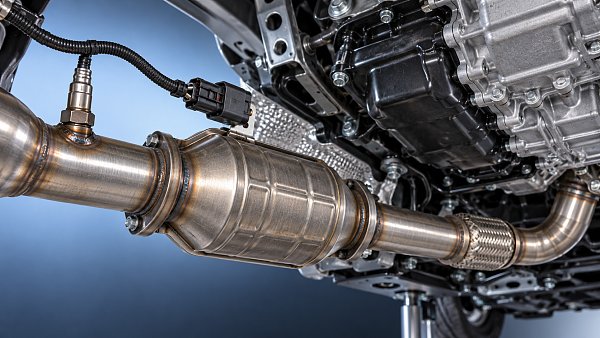
 How to tell when an oxygen sensor needs replacementOxygen sensor replacement signs explained: learn how live data, fault codes, wiring checks, and exhaust inspections pinpoint the real issue before you buy.
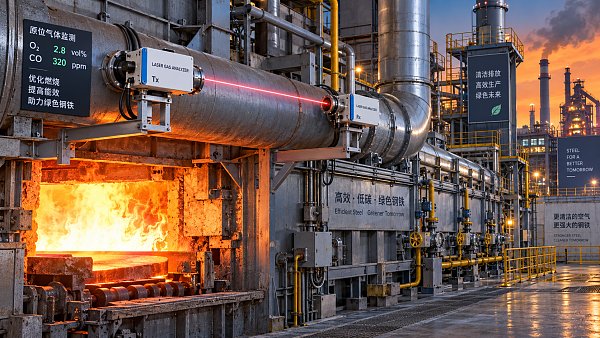
 How laser gas analyzers improve combustion control in steel furnacesLaser gas analyzer for steel industry applications delivers fast in-situ O₂ and CO data to optimize furnace combustion, cut fuel waste, and improve steel heating stability.
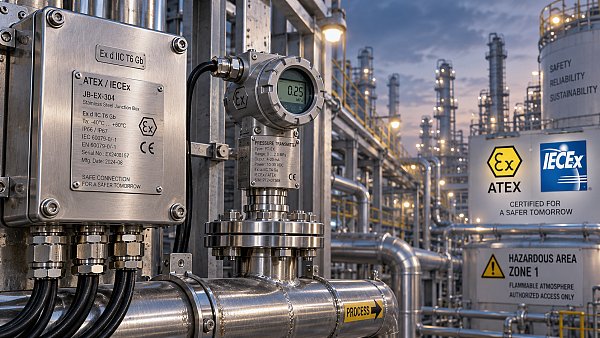
 How to verify whether explosion proof equipment meets site requirementsExplosion proof equipment verification made practical: match zones, gas or dust groups, temperature classes, certificates, and installation conditions for confident compliance.
 How industrial gas analysis helps detect contamination before releaseIndustrial Gas Analysis helps detect moisture, oil, oxygen, and toxic contaminants before release—protecting processes, ensuring compliance, and reducing costly risks.
 When is electrochemistry detection the right choice for water analysis?Electrochemistry detection for water analysis: learn when fast, reliable monitoring of ions, chlorine, pH, and more delivers actionable results.
 How industrial standards reduce quality risks in supplier selectionIndustrial Standard guidance helps quality and safety managers reduce supplier risks, verify compliance, strengthen traceability, and build resilient instrumentation supply chains.
 When does a multi-component system reduce installation complexity?Multi component systems reduce installation complexity when they eliminate field interfaces, streamline commissioning, and provide proven compatibility. Learn how to assess total cost and supplier accountability.
 How to size an industrial control shelter for outdoor equipmentIndustrial control shelter sizing guide: optimize layout, HVAC, access, safety, and expansion space for reliable outdoor equipment operations.
 How flue analysis helps verify combustion efficiencyFlue analysis verifies combustion efficiency by assessing O2, CO, CO2, and stack temperature to identify excess air, incomplete combustion, and heat losses.
 How to select industrial gas detectors for confined spacesIndustrial gas detectors for confined spaces: learn how to match sensors, sampling methods, alarms, and certifications to real atmospheric hazards.
 When does a laser oxygen analyzer outperform zirconia sensors?Laser oxygen analyzer vs. zirconia sensors: compare speed, selectivity, maintenance, gas chemistry, and installation needs to choose the right oxygen measurement solution.
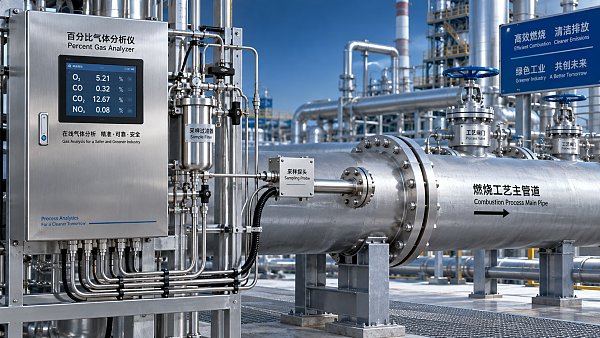
 How to select a percent range analyzer for process measurementsPercent range analyzer selection made practical: compare accuracy, sample systems, calibration, gas matrix, integration, and lifecycle cost for reliable process measurements.
 How explosion proof analysis verifies safe equipment for hazardous areasExplosion proof analysis verifies hazardous-area equipment by matching certifications, temperature ratings, installation details, and inspection controls for safer compliance.
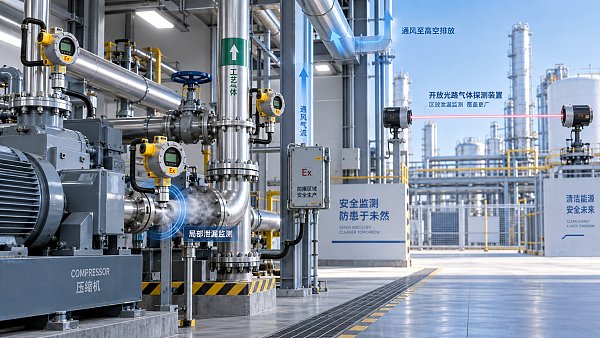
 When does fixed gas detection need point sensors instead of open-path monitoring?Fixed gas detection: discover when point sensors outperform open-path monitoring for predictable leaks, enclosed zones, local alarms, and safer design decisions.
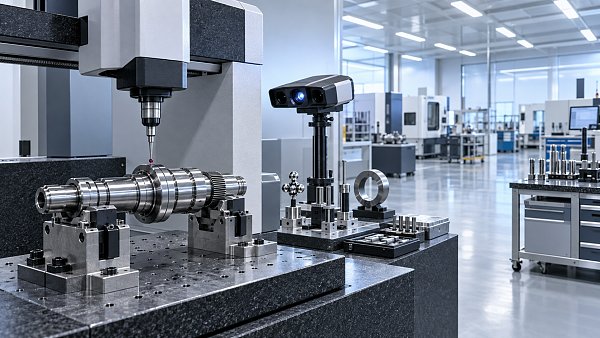
 How to choose industrial metrology systems for tight-tolerance partsIndustrial metrology guide for tight-tolerance parts: compare CMMs, optical scanners, gauges, uncertainty, workflow, and traceable inspection strategies.

Search Categories
Search Categories
- Smart Meters & Power Quality
- Transformer Gas Analyzers
- BESS Thermal Runaway Detectors
- Energy, Power & Smart Grid Monitoring
- Optical Profilers & CMM
- Ultrasonic & X-Ray NDT
- Calibration Standards
- Precision Metrology & NDT
- Water Quality Analyzers
- CEMS & VOCs Monitors
- Price Trends
- Import & Export Updates
- Market Trends
- Industry News
- Industry Insights
Latest Article
- How to prevent condensation in a CO2 analyzer sampling systemPrevent condensation in your CO2 analyzer sampling system. Learn how to control dew point, eliminate cold spots, and manage moisture for reliable readings and fewer costly disruptions.Posted by:
- How to verify accuracy claims for industrial quality analyzersVerify accuracy claims for industrial quality analyzers with calibration checks, independent testing, and clear acceptance criteria. Learn how to reduce risk and buy with confidence.Posted by:
- How to calculate cooling loads for an industrial analyzer shelterSize industrial analyzer shelter cooling with confidence. Learn to calculate equipment heat, solar gains, and ventilation loads, then select HVAC capacity for reliable analyzer performance.Posted by:
Please give us a message
