F2 Concentration Analyzer Selection: Key Safety Specs
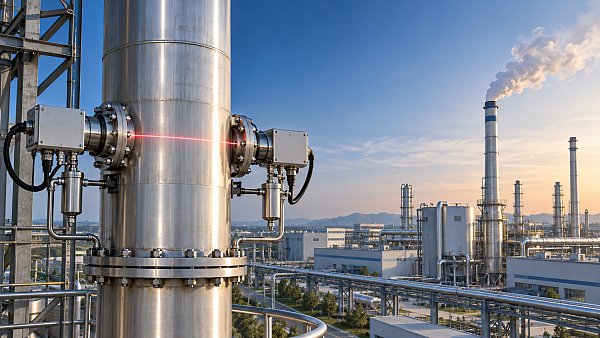
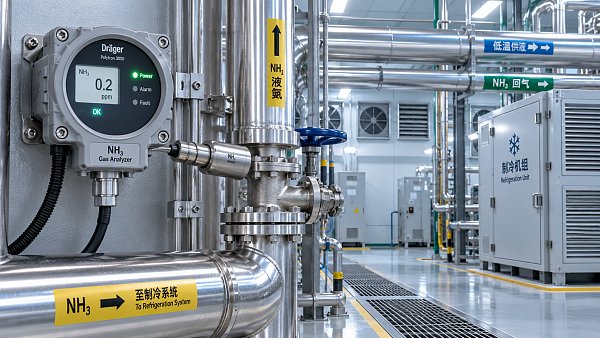
Selecting an F2 concentration analyzer is not just a procurement task—it is a safety-critical engineering decision. For technical evaluators working in process control, laboratory analysis, environmental monitoring, or energy applications, the right analyzer must deliver accurate fluorine gas detection while meeting strict requirements for response time, corrosion resistance, explosion protection, calibration stability, and compliance. This guide highlights the key safety specifications that should shape your evaluation, helping teams reduce operational risk, strengthen monitoring reliability, and make more confident instrumentation decisions.
Safety Decision First: What the Analyzer Must Prove
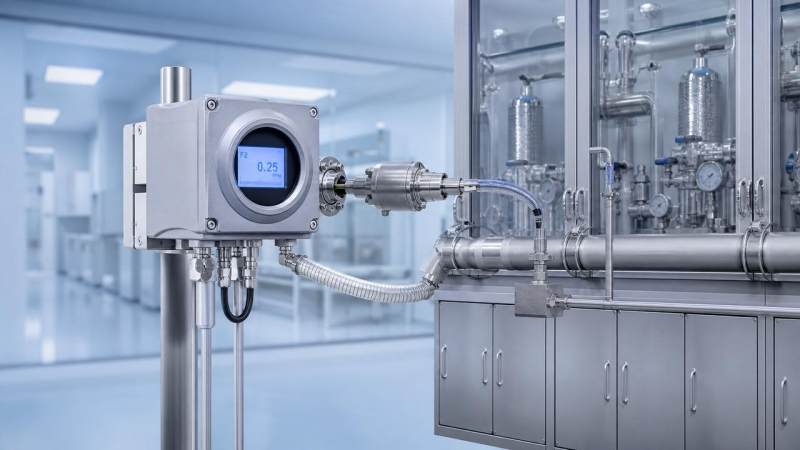
When evaluators search for an F2 concentration analyzer, they usually want more than a product description or generic detection principle.
They need to know whether the instrument can reliably protect personnel, assets, and process continuity under real fluorine exposure conditions.
Fluorine is highly reactive, toxic, and corrosive, so analyzer selection must begin with safety performance rather than price or convenience.
The strongest evaluation approach is to define credible release scenarios, then verify whether each analyzer specification addresses those risks directly.
For most projects, the decisive factors are detection range, response speed, wetted-material compatibility, alarm integrity, environmental robustness, and certification evidence.
Define the Measurement Duty Before Comparing Models
A good specification starts with the application, not the catalog. Fluorine monitoring requirements vary widely between storage, process, exhaust, and laboratory areas.
Technical evaluators should first identify whether the analyzer is used for leak detection, process concentration control, area safety, or emissions verification.
Each duty changes the acceptable range, resolution, sampling method, alarm philosophy, and maintenance burden expected from the selected analyzer.
For low-level safety monitoring, sensitivity and false-alarm control may matter more than broad measurement range or advanced data functions.
For process control, repeatability, sampling stability, and resistance to background gases often become more important than minimum detectable concentration alone.
Documenting the measurement duty also prevents overbuying laboratory-grade capability when a robust fixed safety monitor would deliver better field reliability.
Detection Range, Resolution, and Accuracy Must Match the Hazard
The published range of an F2 concentration analyzer should be checked against operating limits, alarm thresholds, and credible worst-case releases.
An instrument with an impressive upper range may still be unsuitable if it lacks usable resolution near the required alarm point.
Evaluators should request accuracy data across the relevant range, not only at full scale or under clean laboratory conditions.
For safety applications, repeatability and low-end stability are often more valuable than a broad range that sacrifices sensitivity.
Ask whether accuracy specifications include temperature effects, humidity influence, pressure variation, and possible interference from common process gases.
A credible supplier should explain test conditions clearly and provide uncertainty information that supports engineering acceptance, not just marketing confidence.
Response Time Is a Core Safety Specification
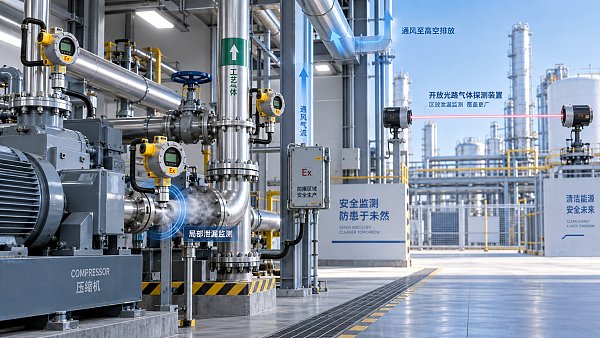
Fast response is critical because fluorine incidents can escalate quickly, especially near gas cabinets, process tools, transfer lines, and exhaust ducts.
Look beyond simple T90 numbers and understand the complete delay from gas arrival to alarm output or control system action.
Sampling line length, pump performance, filter condition, flow rate, and chamber volume can all increase the practical response time.
For extractive systems, the installation design may dominate performance, even when the sensing cell itself responds very quickly.
Evaluators should require response-time validation under realistic sample transport conditions, especially when the analyzer is installed away from the hazard point.
If the analyzer feeds an emergency shutdown system, response time must align with the process hazard analysis and safety instrumented function requirements.
Material Compatibility Determines Long-Term Reliability
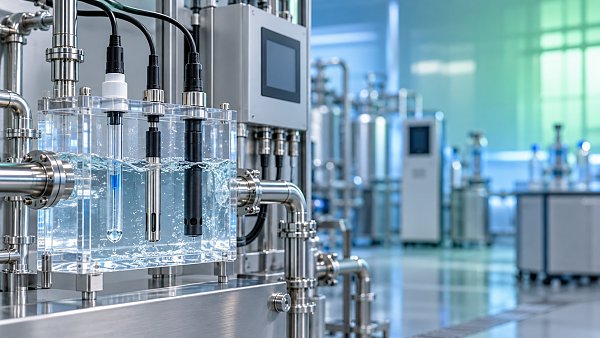
Fluorine attacks many common materials, so wetted parts are among the most important selection criteria for an F2 concentration analyzer.
Compatible materials may include nickel, Monel, passivated stainless steel, PTFE, PFA, or other fluorine-resistant options depending on concentration and conditions.
The correct choice depends on gas purity, moisture content, operating temperature, pressure, and the presence of reactive byproducts.
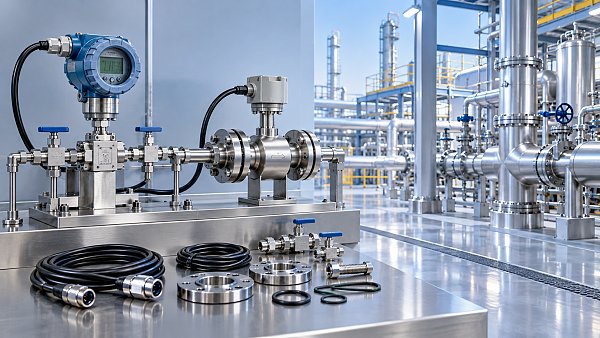
Evaluators should request a complete wetted-material list covering tubing, seals, valves, filters, flow cells, and sensor housings.
Do not accept vague statements such as “corrosion resistant” without understanding the exact material grades and exposure assumptions.
Material failure can cause drift, blockage, leakage, contamination, and unsafe maintenance conditions, even when the sensing principle remains theoretically sound.
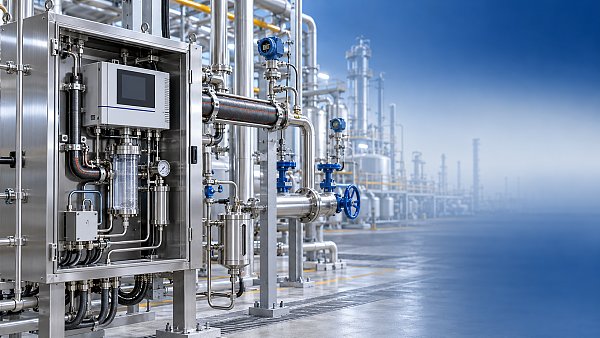
Sampling System Design Can Make or Break Performance
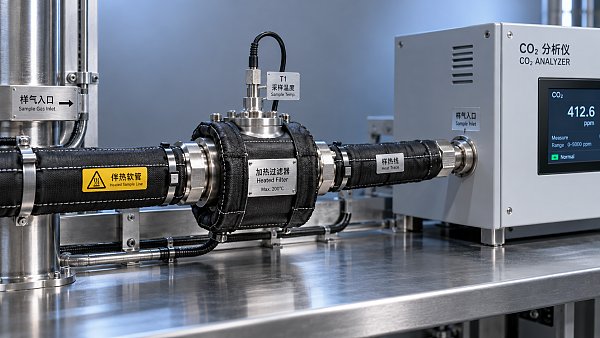
Many analyzer failures are not caused by the sensor, but by poor sample conditioning, unsuitable tubing, or unstable flow control.
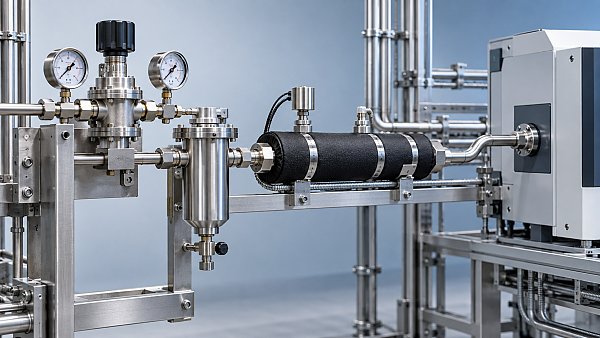
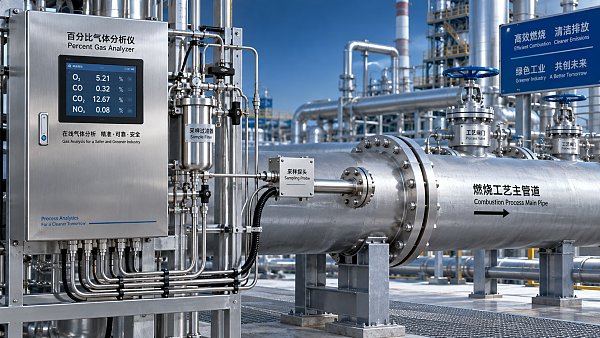
For fluorine service, sampling systems must minimize dead volume, avoid moisture ingress, and prevent reactions that change measured concentration.
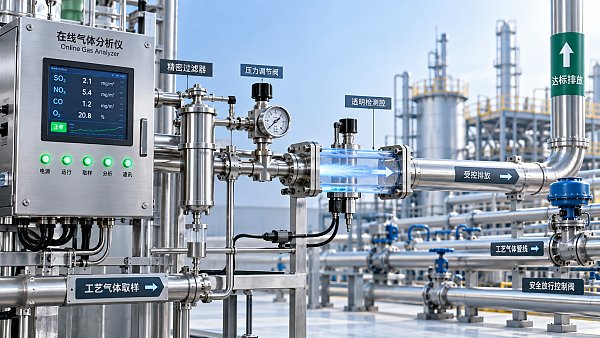
Short, heated, or specially conditioned lines may be needed when condensation, adsorption, or reaction losses could distort readings.
Filters and regulators must be selected carefully because incompatible components can consume fluorine or generate hazardous degradation products.
Flow alarms are valuable because insufficient sample flow can create false safety confidence while the analyzer display appears normal.
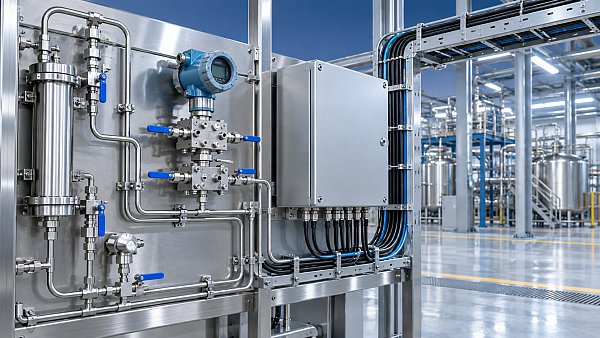
For critical duties, evaluators should review the full sample path as an engineered subsystem, not an accessory bundled after procurement.
Interference Rejection and Cross-Sensitivity Need Evidence
Real installations rarely contain pure fluorine alone. Background gases may include nitrogen, air, oxygen, hydrogen fluoride, chlorine compounds, or process solvents.
An analyzer that performs well in calibration gas may drift or misread when exposed to mixed gases or changing humidity.
Technical evaluators should request cross-sensitivity tables, test methods, and application references involving similar gas matrices.
If hydrogen fluoride may be present, confirm whether the instrument distinguishes F2 from HF or reports combined oxidizing response.
False positives can disrupt operations, while false negatives can create severe safety exposure, so interference behavior must be understood before acceptance.
Where uncertainty remains, site-specific validation or third-party testing may be justified before connecting the analyzer to safety actions.
Alarm Integrity and Output Architecture Matter
A safety monitor is only useful if its alarm outputs are reliable, understandable, and compatible with the site control philosophy.
Evaluate relay outputs, analog signals, digital communications, fault alarms, and diagnostic states as part of the safety specification.
The analyzer should clearly distinguish gas alarm, instrument fault, flow fault, calibration required, and maintenance bypass conditions.
For integration with PLC, DCS, or safety systems, confirm fail-safe behavior during power loss, sensor failure, or communication interruption.
Alarm setpoints should be protected against unauthorized changes, while still allowing controlled adjustment by trained personnel under management procedures.
Data logging and event history can help investigate incidents, prove compliance, and identify recurring process problems before they become dangerous.
Explosion Protection and Electrical Certification Cannot Be Assumed
Fluorine service may exist near hazardous atmospheres, combustible materials, or classified electrical areas, depending on the plant design.
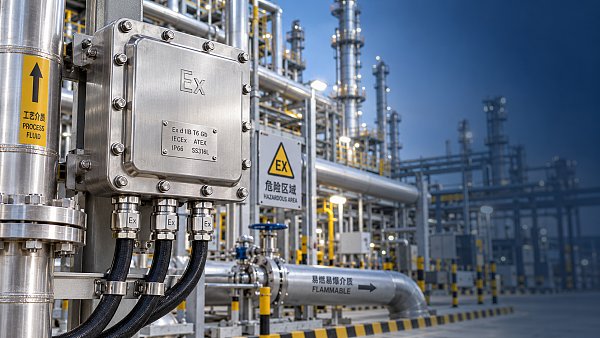
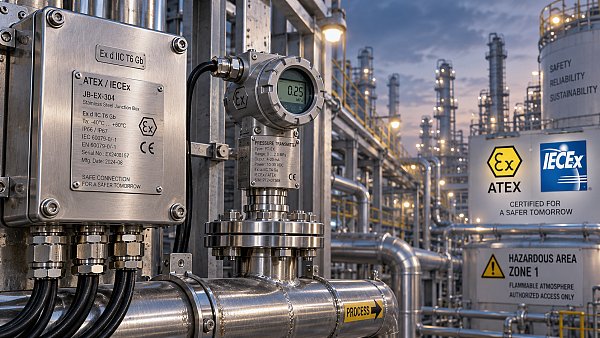
Evaluators must confirm whether the analyzer requires ATEX, IECEx, UL, CSA, or other certification for the installation zone.
Certification should cover the full configuration, including sensor head, transmitter, sampling pump, junction boxes, and accessories when applicable.
Do not assume that a certified enclosure automatically makes the entire analyzer system acceptable for hazardous area use.
Review temperature class, gas group, ingress protection, cable entries, grounding requirements, and permitted installation conditions.
If the analyzer is installed in a safe area with sample extraction from a hazardous area, barrier and venting requirements still matter.
Calibration Stability and Maintenance Burden Affect Real Safety
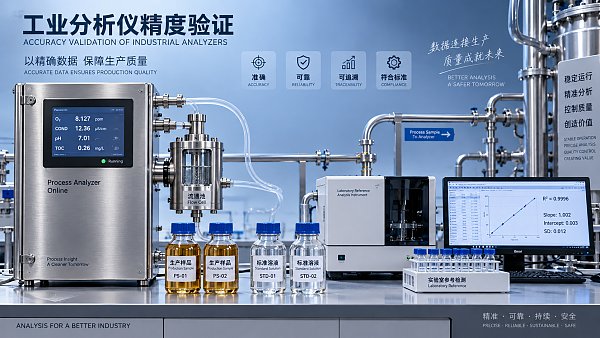
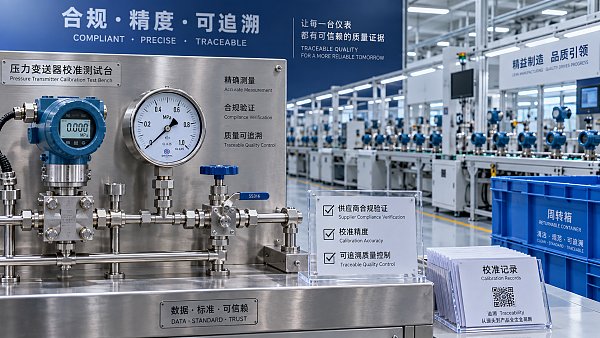
Calibration is not only a metrology issue; it determines whether the analyzer remains trustworthy between scheduled inspections.
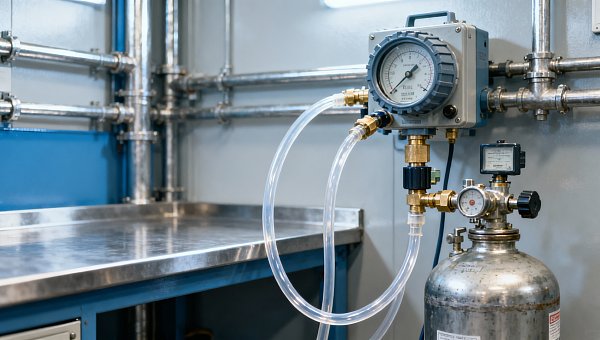
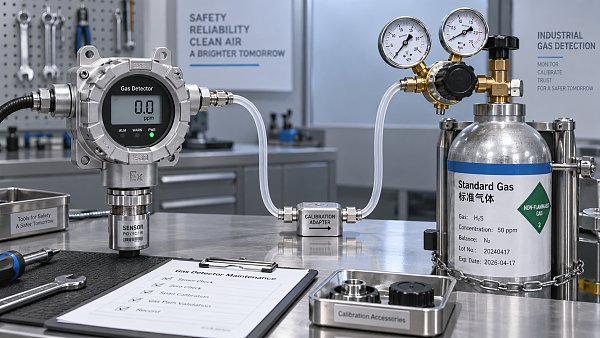
Evaluators should compare recommended calibration intervals, span gas availability, zeroing method, drift data, and expected sensor life.
Because fluorine calibration gases can be difficult and hazardous to handle, simplified procedures may significantly reduce operational risk.
However, convenience should not replace traceability. Calibration practices should align with site quality systems and relevant safety regulations.
Ask whether the analyzer supports bump testing, automatic diagnostics, calibration reminders, and secure records for audit purposes.
A lower-cost analyzer may become expensive if frequent calibration, specialist visits, or premature sensor replacement disrupt operations repeatedly.
Environmental Robustness Should Reflect the Installation
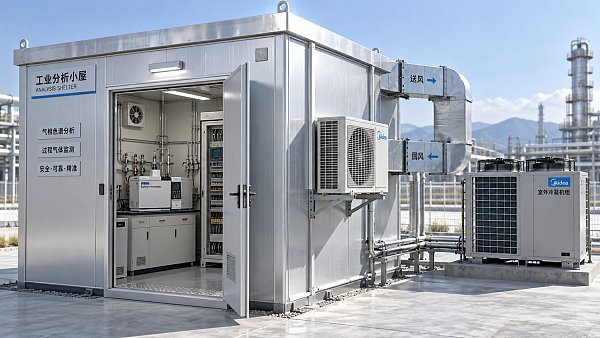
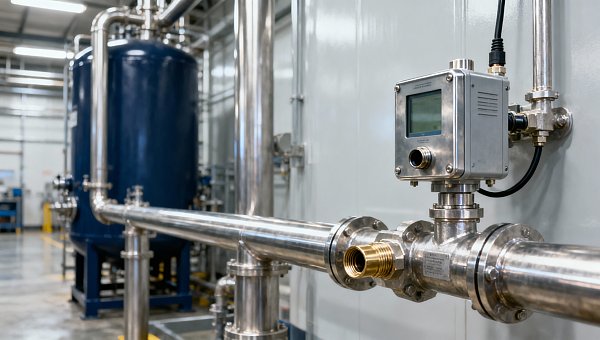
Analyzer specifications must be checked against the real environment, including ambient temperature, humidity, vibration, washdown exposure, dust, and corrosive atmospheres.
Indoor laboratory placement requires different protection than outdoor cylinder storage, semiconductor exhaust monitoring, or chemical plant field installation.
Ingress protection ratings, enclosure materials, display readability, mounting method, and cable protection should be evaluated together.
Temperature compensation is especially important where seasonal variation or equipment heat can influence baseline stability and alarm accuracy.
For remote or unmanned locations, self-diagnostics and communication reliability may be more valuable than advanced local display functions.
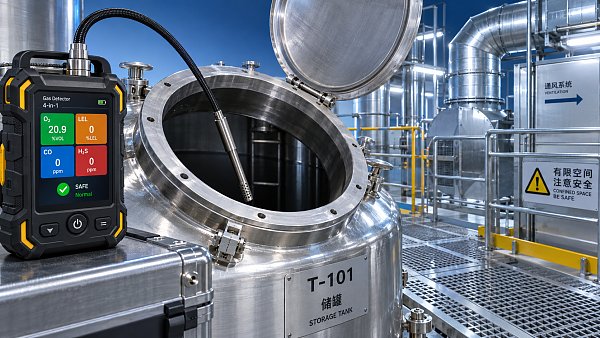
The analyzer should remain maintainable under site conditions, allowing safe filter changes, calibration, and inspection without unnecessary exposure risk.
Compliance Documentation Separates Claims from Confidence
Technical evaluation should end with evidence, not assumptions. Ask suppliers for manuals, certificates, test reports, and application engineering notes.
Relevant documentation may include hazardous-area certificates, calibration traceability, material declarations, EMC compliance, and functional safety information.
For regulated industries, confirm whether the supplier can support validation packages, change control notices, and long-term spare-part availability.
Where ISO/IEC 17025 traceability is required, verify whether calibration certificates come from an accredited laboratory and cover the correct range.
Procurement teams should also evaluate supplier response time, technical competence, regional service coverage, and ability to support incident investigation.
A well-documented F2 concentration analyzer reduces approval friction and gives engineering, safety, and operations teams a shared basis for acceptance.
A Practical Evaluation Checklist for Technical Teams
Start by mapping the hazard scenario, required alarm levels, installation location, sample conditions, and control system interface.
Next, compare detection range, low-end resolution, response time, material compatibility, and interference data against that application profile.
Then review sampling components, alarm outputs, diagnostics, calibration requirements, hazardous-area certification, and maintenance accessibility.
Finally, validate supplier documentation, service capability, reference installations, and lifecycle cost before making a final technical recommendation.
This structured approach helps evaluators avoid selecting an analyzer that looks suitable on paper but fails under actual fluorine service.
It also creates a defensible record for safety reviews, procurement decisions, and future audits after the system is commissioned.
Common Selection Mistakes to Avoid
The most common mistake is focusing on sensor technology while ignoring the sampling path, alarm logic, and installation constraints.
Another frequent error is comparing accuracy specifications without checking whether test conditions match the expected gas matrix.
Some teams underestimate calibration logistics, especially when fluorine span gas handling requires trained personnel and strict procedures.
Others purchase a general gas analyzer without confirming wetted-material compatibility, leading to corrosion, drift, or unsafe leakage risks.
Technical evaluators should also avoid accepting incomplete certification claims that exclude accessories used in the actual installation.
A careful review may take longer during procurement, but it prevents expensive redesign, shutdowns, and safety exposure later.
Conclusion: Select for Verified Risk Reduction
The right F2 concentration analyzer is the one that demonstrably reduces risk in the specific environment where it will operate.
Strong specifications should connect directly to hazard scenarios, not remain isolated figures copied from a datasheet.
For technical evaluators, the priority is clear: verify sensitivity, speed, corrosion resistance, alarm integrity, calibration stability, and compliance evidence.
When these factors are assessed together, analyzer selection becomes a disciplined safety decision rather than a simple equipment comparison.
That discipline supports safer operations, more reliable monitoring, better audit readiness, and stronger confidence in every fluorine-related measurement decision.