
Online Control in Gas Monitoring: Cost and Risk Factors


As gas monitoring becomes a critical layer of industrial safety and operational intelligence, online control is no longer a technical add-on—it is a strategic decision affecting cost, compliance, uptime, and risk exposure. For enterprise decision-makers, understanding the investment drivers behind sensors, analyzers, communication systems, maintenance, and cybersecurity is essential to building reliable monitoring infrastructure. This article examines the key cost and risk factors shaping online gas monitoring projects, helping organizations balance safety assurance, regulatory expectations, and long-term operational value.
Across chemical production, energy storage, environmental monitoring, laboratories, utilities, and smart manufacturing, gas data now influences shutdown logic, ventilation control, emission reporting, and asset protection. A poorly scoped project may look economical at purchase, yet create hidden exposure through false alarms, calibration drift, integration gaps, or delayed incident response.
Why Online Control Changes the Economics of Gas Monitoring
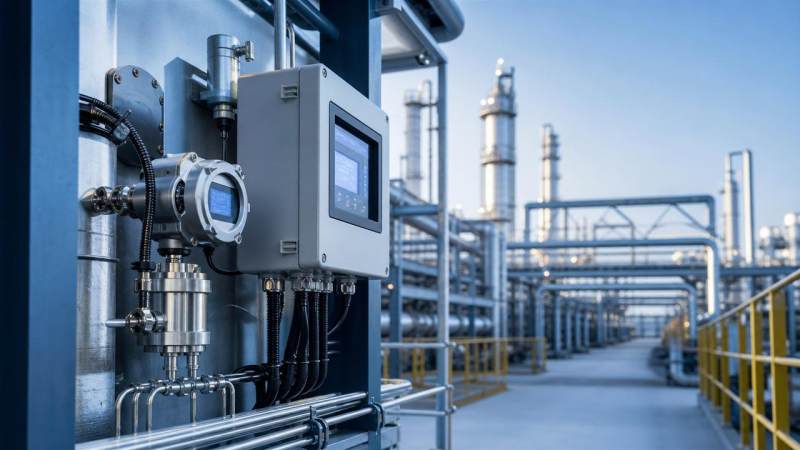
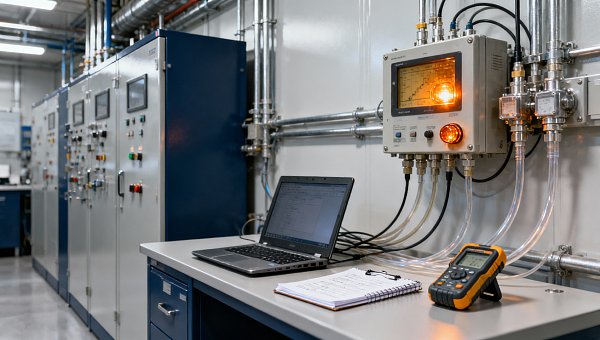
Traditional gas detection often focused on alarms. Modern online control connects continuous measurement with PLC, DCS, SCADA, edge gateways, and enterprise dashboards. This shift turns gas monitoring from isolated safety hardware into a 24/7 decision layer that can trigger actions within seconds.
For enterprise decision-makers, the cost question is not only the price of a detector. A complete online control architecture may include 4–8 categories of investment: sensing elements, sampling systems, analyzer cabinets, communication modules, control logic, software licenses, calibration tools, and service contracts.
From alarm devices to process intelligence
In a refinery, gas readings may influence emergency shutdown sequences. In a battery energy storage site, hydrogen or electrolyte vapor monitoring may support ventilation and thermal risk decisions. In a laboratory, oxygen deficiency monitoring may protect personnel working with nitrogen or argon systems.
Online control becomes valuable when data is accurate enough, timely enough, and trusted enough to support action. Typical response expectations range from under 10 seconds for toxic or combustible gases to several minutes for some process analyzers used in trend monitoring.
The financial logic behind continuous visibility
A single unplanned production stop can cost more than the monitoring system itself in high-value industrial lines. The more complex the plant, the more important it becomes to evaluate lifecycle cost over 5–10 years rather than focusing only on initial procurement.
Decision-makers should ask whether online control reduces manual inspection rounds, improves compliance evidence, shortens incident diagnosis, and lowers insurance or operational risk. These value streams are often invisible in a basic quotation comparison.
- Safety value: faster detection, defined alarm thresholds, and automated response logic.
- Operational value: fewer manual checks, clearer trend data, and better maintenance scheduling.
- Compliance value: auditable records, calibration history, and emission reporting support.
- Procurement value: standardized specifications across multiple plants or regions.
Major Cost Drivers in Online Gas Monitoring Projects
The total cost of online control depends on process risk, gas type, measurement accuracy, installation environment, communication architecture, and service model. A low-risk warehouse and a Zone 1 petrochemical area may require entirely different hardware, certification, and maintenance assumptions.
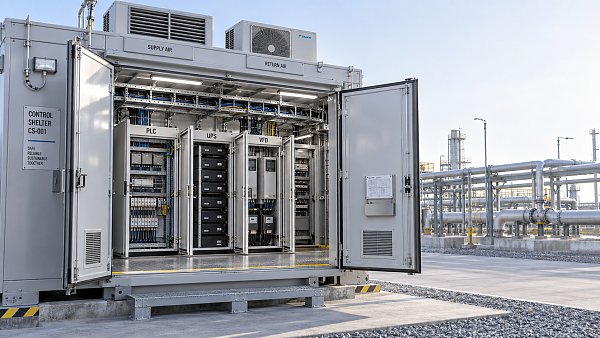
A practical budget should separate capital expenditure from recurring expenditure. Sensors may need replacement every 2–5 years, calibration may be required every 3–6 months, and analyzer shelters may require HVAC, filtration, and power backup.
Hardware selection: sensors, analyzers, and sampling systems
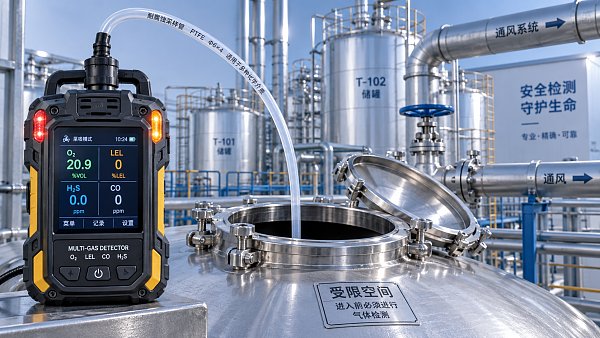
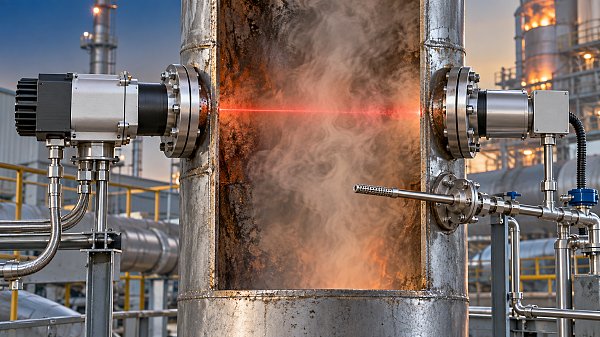
Electrochemical sensors are often selected for toxic gases such as CO, H2S, or NO2. Catalytic bead and infrared sensors are common for combustible gases. Laser, paramagnetic, zirconia, and gas chromatography technologies may be used when higher selectivity or process-grade analysis is required.
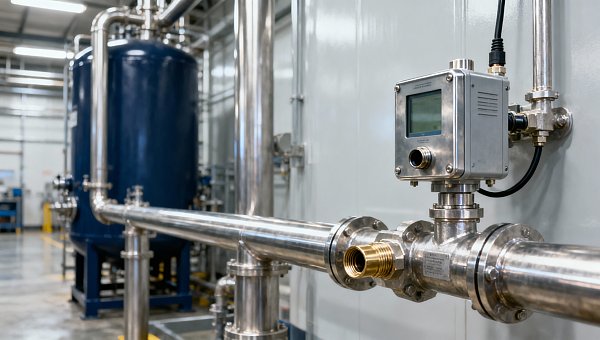
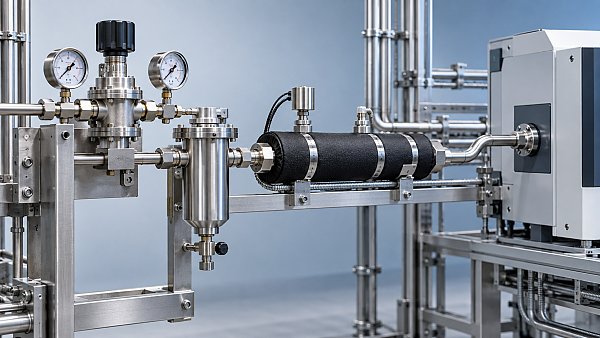
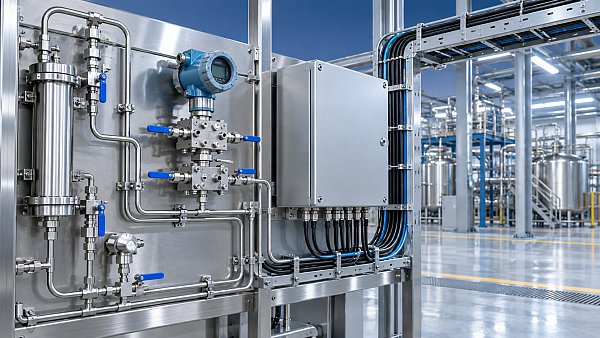
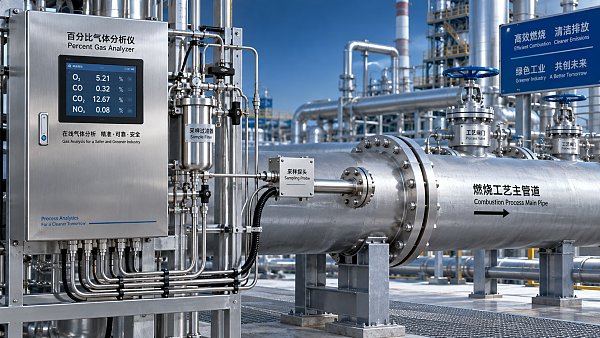
Sampling design can materially affect cost. Heated lines, filters, condensate traps, pumps, and pressure reduction modules may add 20–60% to the instrumentation package, especially in hot, wet, corrosive, or dusty gas streams.
The following table summarizes common investment factors that shape online control project budgets across industrial and environmental applications.
The key conclusion is that low device pricing does not automatically mean low project cost. Online control requires alignment between measurement technology, installation conditions, data systems, and the operating team’s ability to maintain performance over time.
Software, data, and integration costs
Software cost may include alarm configuration, historian storage, dashboard visualization, cloud connectivity, user permission management, and cybersecurity hardening. In multi-site organizations, template-based deployment can reduce engineering duplication by standardizing 3–5 core logic patterns.
Integration should be assessed early. If plant systems use different protocols, gateways may be needed. If safety functions are involved, logic validation, cause-and-effect testing, and management of change procedures can extend commissioning by 1–3 weeks.
Common hidden costs
- Cable routing and conduit work in congested process areas.
- Gas cylinder management for calibration and bump testing.
- Analyzer shelter utilities, including power, air conditioning, and purge air.
- Operator training for alarm acknowledgement and escalation procedures.
- Documentation for audits, acceptance tests, and maintenance records.
Risk Factors Decision-Makers Must Quantify
Risk in online gas monitoring is not limited to gas leakage. It includes false negatives, false positives, sensor poisoning, network failure, poor alarm philosophy, cybersecurity exposure, and unclear ownership between operations, safety, IT, and maintenance teams.
A reliable online control system should define what happens at each alarm stage. Many facilities use at least 2 alarm levels, such as warning and high-high action, with different thresholds, delays, interlocks, and response responsibilities.
Measurement risk: accuracy, drift, and cross-sensitivity
Sensors operate in real environments, not catalog conditions. Temperature swings from -20°C to 50°C, humidity, vibration, solvents, acid gases, or silicone compounds can reduce measurement reliability. Cross-sensitivity may cause one gas to influence the reading of another.
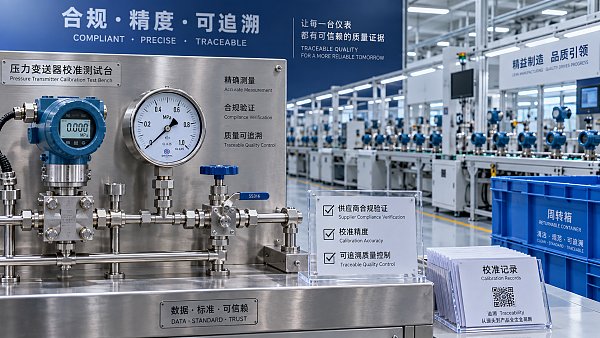
For critical applications, specifications should include accuracy, repeatability, limit of detection, response time, recovery time, operating temperature, ingress protection, and expected sensor life. Calibration evidence should be traceable and suitable for internal or external review.
Control risk: when data triggers action
When online control drives fans, dampers, shutdown valves, alarms, or process interlocks, governance becomes essential. A nuisance alarm may lead operators to bypass a device, while an overly delayed alarm may fail to prevent exposure or equipment damage.
Decision teams should define acceptable alarm delay, voting logic, redundancy, manual override rules, and proof-test intervals. For higher-risk units, 2oo3 voting, dual sensors, or independent safety layers may be evaluated against consequence severity.
The table below links common risk areas with practical mitigation measures for procurement and engineering review.
The most resilient projects treat risk control as a design discipline, not an after-sales adjustment. Procurement, safety, automation, and IT teams should jointly review these factors before commercial comparison begins.
How to Build a Procurement Framework for Online Control
An effective procurement framework translates safety needs into measurable requirements. Instead of asking suppliers for a generic gas detection quotation, buyers should define gases, concentration ranges, response expectations, area classification, data protocols, and maintenance responsibilities.
A practical request for proposal should include at least 6 sections: application background, gas list, measurement points, installation environment, integration requirements, and acceptance criteria. This reduces ambiguity and improves supplier comparability.
Core technical questions before supplier selection
- Which gases must be detected, and what ranges are required: ppm, %LEL, or volume percent?
- Is the system for personnel safety, process optimization, emission monitoring, or all 3 purposes?
- What response time is required: under 10 seconds, 30 seconds, or process-trend level?
- Which communication methods are acceptable: analog, HART, Modbus, Ethernet, or OPC UA?
- What proof testing, calibration, and spare parts strategy is expected over 5 years?
Supplier evaluation beyond unit price
Decision-makers should evaluate engineering support, documentation quality, compatibility with plant standards, lifecycle service capacity, and supply chain resilience. A technically strong supplier should explain limitations, not merely confirm every requirement.
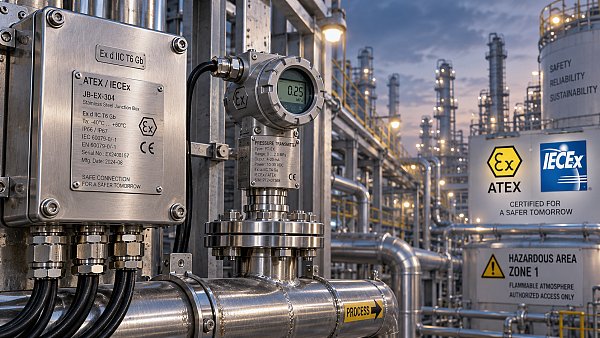
In complex facilities, a 2-stage evaluation works well. First, shortlist suppliers based on technical compliance and references to common standards such as ATEX, IECEx, ISO/IEC 17025 calibration practices, or relevant electrical safety requirements. Second, compare lifecycle economics.
Recommended scoring model
A balanced scoring model may assign 35% to technical fit, 25% to lifecycle cost, 20% to integration capability, 10% to documentation, and 10% to service responsiveness. Weighting can be adjusted for high-risk or multi-site deployment.
For example, a chemical plant may prioritize hazardous-area certification and proof-test support, while an environmental monitoring project may prioritize analyzer stability, data traceability, and regulatory reporting format compatibility.
Implementation, Maintenance, and Long-Term Governance
Even a well-selected system can underperform if implementation is rushed. Online control projects should move through structured phases: site survey, detailed design, factory acceptance, installation, commissioning, operator training, and performance review.
For typical industrial sites, implementation may take 4–12 weeks depending on point count, cabling complexity, shutdown windows, and validation requirements. Analyzer-based systems or multi-area integration may require longer planning.
A 5-step implementation path
- Define risk scenarios, gas sources, ventilation patterns, and monitoring objectives.
- Map detector locations using process knowledge, airflow, access, and maintenance needs.
- Validate online control logic, alarm thresholds, and response actions with stakeholders.
- Commission instruments, verify communications, and document baseline readings.
- Review performance after 30–90 days and adjust alarm settings where justified.
Maintenance planning as a board-level risk control
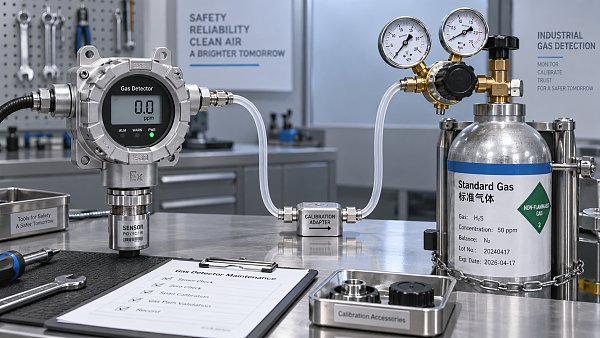
Maintenance is often underestimated because it is operational rather than strategic. Yet a neglected gas monitoring system can create a false sense of security. Calibration gases, filters, pumps, sensor cartridges, and firmware updates should be budgeted from day one.
A common practice is to conduct bump tests monthly or quarterly, perform formal calibration every 3–6 months, and review alarm records every quarter. High-humidity, corrosive, or high-dust environments may require shorter intervals.
Governance checklist for enterprise teams
- Assign ownership for alarm review, calibration records, and spare parts inventory.
- Keep a controlled list of setpoints, logic changes, and bypass authorizations.
- Train operators at least annually on alarm response and evacuation triggers.
- Test backup power and local alarms during planned maintenance windows.
- Review cybersecurity access for remote diagnostics and vendor support.
Common Mistakes and Strategic Recommendations
The most common mistake is treating online control as a hardware purchase rather than an operational system. Another frequent issue is installing detectors where they are convenient, not where gas is likely to accumulate or travel.
Enterprises should also avoid over-standardization. A single detector type rarely fits every environment. Warehouses, compressor stations, wastewater plants, laboratories, and battery rooms may require different sensing principles and alarm strategies.
Questions executives should ask before approval
- Does the proposal show total cost of ownership over 5 years, not only purchase price?
- Are detector locations justified by gas behavior, ventilation, and process conditions?
- Can the system continue local alarming if the network or server fails?
- Are calibration intervals, spare parts, and service response times contractually clear?
- Is there a documented change process for setpoints, bypasses, and software updates?
Where strategic intelligence adds value
Global Instrument Hub supports decision-makers by organizing supplier intelligence, technical comparison points, instrumentation trends, and procurement considerations across process control, environmental monitoring, energy systems, laboratory analysis, and precision measurement.
For online control in gas monitoring, this intelligence helps buyers separate essential specifications from optional features, compare supplier capabilities more objectively, and reduce information asymmetry when sourcing across complex global supply chains.
A strong project balances safety assurance, reliable data, manageable maintenance, and integration readiness. The best purchasing decision is not always the lowest-cost system, but the architecture that remains accurate, auditable, and serviceable throughout its lifecycle.
If your organization is planning an online control project for gas monitoring, clarify the risk scenario first, then build specifications around measurable outcomes. To compare solutions, evaluate suppliers, or refine a procurement roadmap, contact Global Instrument Hub for tailored guidance and learn more solutions.
Recommended for You
 How to prevent condensation in a CO2 analyzer sampling systemPrevent condensation in your CO2 analyzer sampling system. Learn how to control dew point, eliminate cold spots, and manage moisture for reliable readings and fewer costly disruptions.
 How to verify accuracy claims for industrial quality analyzersVerify accuracy claims for industrial quality analyzers with calibration checks, independent testing, and clear acceptance criteria. Learn how to reduce risk and buy with confidence.
 How to calculate cooling loads for an industrial analyzer shelterSize industrial analyzer shelter cooling with confidence. Learn to calculate equipment heat, solar gains, and ventilation loads, then select HVAC capacity for reliable analyzer performance.
 What Happens When Combustible Gas Sensor Calibration Is Overdue?What happens if combustible gas sensor is not recalibrated on time? Discover the risks of inaccurate readings and missed alarms, plus steps to restore reliable protection.
 Can One Multi-Gas Detector Replace Four Separate Analyzers?Find out: can a single multi-gas detector replace four separate analyzers? Compare accuracy, safety, compliance, and lifetime costs to make a confident buying decision.
 Industrial Safety vs. Emission Monitoring: What Are the Differences?What are the main differences between industrial safety and emission monitoring? Compare goals, sensors, response times, and compliance needs to choose the right systems for your facility.
 Is Remote Monitoring Worth the Cost for Small Emission Sources?Is it worth investing in remote monitoring for small emission sources? Compare costs, compliance needs, and potential savings to choose the right solution for your operation.
 How Do You Handle Analyzer Failure During an Environmental Audit?Learn how to handle analyzer failure during environmental compliance audit procedures. Protect evidence, verify data, and restore monitoring with this practical response guide.
 Do VOC Monitors Require Explosion-Proof Certification?Does VOC monitoring require explosion-proof certification? Learn when approval is needed, compare ATEX and IECEx, and choose the right monitor for your site.
 How sample conditioning affects accuracy in petrochemical analyzersImprove accuracy in petrochemical analyzers with smarter sample conditioning. Discover how phase control, filtration, and transport design prevent bias and deliver reliable process data.
 How to troubleshoot sensor drift in industrial gas detectorsIndustrial gas detectors showing sensor drift? Learn how to verify calibration gas, identify root causes, and determine when sensor replacement is needed for reliable monitoring.
 How to judge whether a competitive price reflects real valueCompetitive Price: learn how to compare scope, compliance, performance, and lifecycle costs to identify real value, reduce risk, and make smarter purchasing decisions.
 When custom gas analysis is the right fit for complex process streamsCustom gas analysis for complex process streams: learn when tailored sampling, interference control, and reliable measurement design deliver confident decisions.
 When does a laser gas analyzer meet stack emissions monitoring needs?Laser gas analyzer for stack emissions: learn when it delivers fast, reliable data, how to assess installation risks, and what to verify for CEMS compliance.
 How to select a hazardous gas analyzer for confined spacesHazardous gas analyzer selection for confined spaces: compare sensors, sampling, certifications, alarms, and maintenance to protect workers and choose with confidence.
 When is a single gas analyzer sufficient for workplace safety monitoring?Discover when a single gas analyzer delivers reliable workplace safety monitoring, and learn the key limits, calibration needs, and risks that require broader detection.
 How to choose an ambient gas analyzer for low-level leak detectionAmbient gas analyzer selection for low-level leak detection: compare sensitivity, cross-sensitivity, sampling design, alarms, and calibration for reliable site performance.
 How to tell when an oxygen sensor needs replacementOxygen sensor replacement signs explained: learn how live data, fault codes, wiring checks, and exhaust inspections pinpoint the real issue before you buy.
 How laser gas analyzers improve combustion control in steel furnacesLaser gas analyzer for steel industry applications delivers fast in-situ O₂ and CO data to optimize furnace combustion, cut fuel waste, and improve steel heating stability.
 How to verify whether explosion proof equipment meets site requirementsExplosion proof equipment verification made practical: match zones, gas or dust groups, temperature classes, certificates, and installation conditions for confident compliance.
 How industrial gas analysis helps detect contamination before releaseIndustrial Gas Analysis helps detect moisture, oil, oxygen, and toxic contaminants before release—protecting processes, ensuring compliance, and reducing costly risks.
 When is electrochemistry detection the right choice for water analysis?Electrochemistry detection for water analysis: learn when fast, reliable monitoring of ions, chlorine, pH, and more delivers actionable results.
 How industrial standards reduce quality risks in supplier selectionIndustrial Standard guidance helps quality and safety managers reduce supplier risks, verify compliance, strengthen traceability, and build resilient instrumentation supply chains.
 When does a multi-component system reduce installation complexity?Multi component systems reduce installation complexity when they eliminate field interfaces, streamline commissioning, and provide proven compatibility. Learn how to assess total cost and supplier accountability.
 How to size an industrial control shelter for outdoor equipmentIndustrial control shelter sizing guide: optimize layout, HVAC, access, safety, and expansion space for reliable outdoor equipment operations.
 How flue analysis helps verify combustion efficiencyFlue analysis verifies combustion efficiency by assessing O2, CO, CO2, and stack temperature to identify excess air, incomplete combustion, and heat losses.
 How to select industrial gas detectors for confined spacesIndustrial gas detectors for confined spaces: learn how to match sensors, sampling methods, alarms, and certifications to real atmospheric hazards.
 When does a laser oxygen analyzer outperform zirconia sensors?Laser oxygen analyzer vs. zirconia sensors: compare speed, selectivity, maintenance, gas chemistry, and installation needs to choose the right oxygen measurement solution.
 How to select a percent range analyzer for process measurementsPercent range analyzer selection made practical: compare accuracy, sample systems, calibration, gas matrix, integration, and lifecycle cost for reliable process measurements.
 How explosion proof analysis verifies safe equipment for hazardous areasExplosion proof analysis verifies hazardous-area equipment by matching certifications, temperature ratings, installation details, and inspection controls for safer compliance.
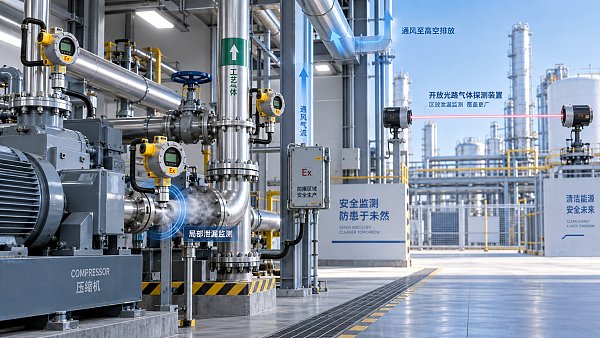
 When does fixed gas detection need point sensors instead of open-path monitoring?Fixed gas detection: discover when point sensors outperform open-path monitoring for predictable leaks, enclosed zones, local alarms, and safer design decisions.
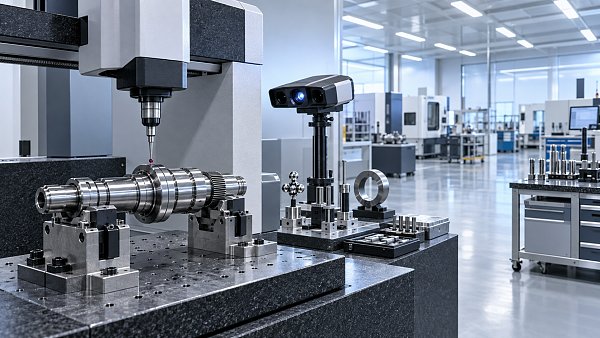
 How to choose industrial metrology systems for tight-tolerance partsIndustrial metrology guide for tight-tolerance parts: compare CMMs, optical scanners, gauges, uncertainty, workflow, and traceable inspection strategies.



Search Categories
Search Categories
- Smart Meters & Power Quality
- Transformer Gas Analyzers
- BESS Thermal Runaway Detectors
- Energy, Power & Smart Grid Monitoring
- Optical Profilers & CMM
- Ultrasonic & X-Ray NDT
- Calibration Standards
- Precision Metrology & NDT
- Water Quality Analyzers
- CEMS & VOCs Monitors
- Price Trends
- Import & Export Updates
- Market Trends
- Industry News
- Industry Insights
Latest Article
- How to prevent condensation in a CO2 analyzer sampling systemPrevent condensation in your CO2 analyzer sampling system. Learn how to control dew point, eliminate cold spots, and manage moisture for reliable readings and fewer costly disruptions.Posted by:
- How to verify accuracy claims for industrial quality analyzersVerify accuracy claims for industrial quality analyzers with calibration checks, independent testing, and clear acceptance criteria. Learn how to reduce risk and buy with confidence.Posted by:
- How to calculate cooling loads for an industrial analyzer shelterSize industrial analyzer shelter cooling with confidence. Learn to calculate equipment heat, solar gains, and ventilation loads, then select HVAC capacity for reliable analyzer performance.Posted by:
Please give us a message
