
Process Testing: Key Methods, Risks, and When to Use Them


Process Testing: Key Methods, Risks, and When to Use Them
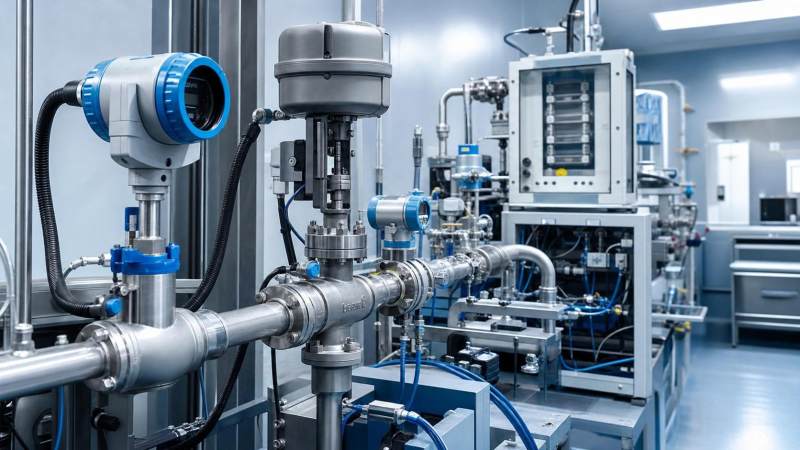
Process testing is essential for technical evaluators who need to verify performance, reduce operational risk, and support reliable decision-making.
From industrial automation to laboratory systems, the right process testing method changes the quality of every downstream decision.
It helps teams confirm whether a process is stable, repeatable, compliant, and ready for scale.
That matters even more now, as Industry 4.0 systems connect sensors, controls, analytics, and operators into one performance chain.
A weak link in that chain can distort data, trigger false alarms, or hide early failure signals.
Good process testing is not only about passing a checklist.
It is about proving that a workflow performs under real operating conditions, not just in ideal settings.
In practice, that includes flow behavior, temperature variation, calibration drift, software logic, sampling quality, and operator response time.
This guide breaks down the main process testing methods, common risks, and the situations where each approach makes sense.
Why process testing matters in technical evaluation
At a basic level, process testing verifies whether a process delivers expected output within defined limits.
Those limits may involve throughput, accuracy, recovery time, contamination control, alarm integrity, or energy efficiency.
For technical review work, process testing also supports supplier comparison and qualification.
Two systems can look similar on paper but behave very differently once variability enters the process.
That is why process testing often reveals issues hidden by static specifications.
It turns assumptions into evidence and helps teams avoid expensive overconfidence.
In regulated environments, process testing also supports traceability and aligns decisions with standards such as ISO/IEC 17025, GMP, or internal validation protocols.
Core process testing methods
There is no single process testing method that fits every system.
The best choice depends on failure consequence, process complexity, data quality, and operating variability.
Functional testing
Functional process testing checks whether each step performs its intended task.
This usually covers input signals, output actions, interlocks, alarms, and sequence logic.
It is often the starting point for automation platforms, analyzers, and integrated skids.
Performance testing
Performance process testing measures how well the process operates under defined loads or conditions.
Typical metrics include cycle time, repeatability, response speed, yield, sensitivity, and drift over time.
This method is critical when vendors claim high efficiency or exceptional precision.
Stress and boundary testing
Stress-based process testing pushes the system near upper or lower operating limits.
It can expose unstable controls, poor thermal management, signal noise, or mechanical fatigue.
Boundary testing is especially useful for hazardous processes and mission-critical monitoring systems.
Validation and compliance testing
Validation-focused process testing checks documented fitness for intended use.
This is common in laboratories, pharma, medical testing, environmental monitoring, and calibration workflows.
The goal is not only technical performance but defensible evidence for audits and qualification reviews.
Regression and change testing
Whenever software, firmware, recipes, or hardware components change, regression process testing becomes necessary.
Small updates can create large downstream effects in tightly coupled systems.
This is one of the most overlooked process testing areas in digitalized operations.
Key risks process testing should uncover
Strong process testing is valuable because it reveals failure modes before they become production or safety events.
The following risks deserve direct attention during evaluation.
- Measurement drift that slowly degrades control quality and hides true process deviation.
- Signal latency that delays alarms, feedback loops, or automated corrective actions.
- Sampling bias caused by poor location, unstable flow, contamination, or inconsistent preparation.
- Control logic conflicts between PLC, DCS, edge devices, and supervisory software.
- Environmental stress from vibration, humidity, EMC exposure, or extreme temperatures.
- Operator dependency, where results rely too much on manual intervention or undocumented workarounds.
- Traceability gaps that weaken audit readiness and undermine result credibility.
From recent project patterns, data integration risk is becoming more visible.
A process can test well locally but fail once MES, historian, cloud analytics, or remote dashboards are connected.
That means process testing should include both the physical process and the surrounding data path.
When to use each process testing approach
Choosing the right process testing strategy depends on the decision you need to support.
In real operations, teams often combine methods instead of relying on only one.
For example, a new analyzer package may need functional process testing during commissioning, then performance and validation testing before routine release.
A practical process testing workflow
A useful process testing plan is specific, measurable, and tied to actual risk.
The sequence below works well across industrial, laboratory, and monitoring environments.
- Define the process objective, critical variables, and acceptance limits.
- Map likely failure points across sensors, controls, software, sampling, and operator interaction.
- Select the process testing method that best matches consequence and complexity.
- Run tests under both normal and edge-case conditions.
- Capture raw data, deviations, root causes, and corrective actions.
- Review repeatability before approving release, scale-up, or supplier qualification.
This process testing workflow keeps decisions anchored to evidence instead of assumptions or sales claims.
It also makes future troubleshooting faster because the baseline is clearly documented.
How better process testing improves procurement and system strategy
Process testing is not just an engineering exercise.
It shapes procurement quality, upgrade timing, maintenance planning, and supplier confidence.
A stronger testing record makes it easier to compare transmitters, analyzers, control platforms, calibration systems, or integrated automation packages.
This matters in sectors where one wrong decision affects uptime, compliance, and operating cost for years.
For organizations working across global supply chains, disciplined process testing also creates a trust signal.
It shows that performance claims are being checked against realistic conditions, not accepted at face value.
That approach aligns closely with how Global Instrument Hub evaluates instrumentation trends, technical risk, and supplier credibility in complex industrial markets.
Final takeaways on process testing
Effective process testing gives technical evaluation real depth.
It shows how a process behaves, where the risk sits, and whether the system is ready for dependable use.
The most reliable decisions usually come from combining functional, performance, stress, validation, and regression process testing where appropriate.
In day-to-day work, the smartest move is simple.
Start with the highest-risk variables, test under realistic conditions, and document what the process actually does.
That is how process testing becomes a practical tool for safer operations, better sourcing decisions, and more confident long-term system planning.
Recommended for You
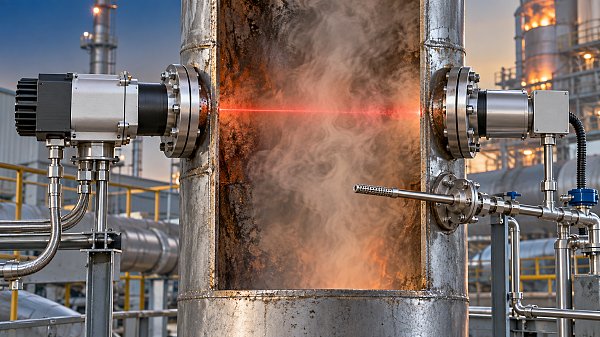
 When does a laser gas analyzer meet stack emissions monitoring needs?Laser gas analyzer for stack emissions: learn when it delivers fast, reliable data, how to assess installation risks, and what to verify for CEMS compliance.
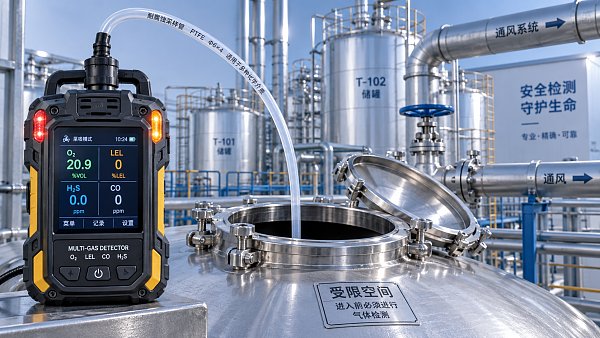
 How to select a hazardous gas analyzer for confined spacesHazardous gas analyzer selection for confined spaces: compare sensors, sampling, certifications, alarms, and maintenance to protect workers and choose with confidence.
 When is a single gas analyzer sufficient for workplace safety monitoring?Discover when a single gas analyzer delivers reliable workplace safety monitoring, and learn the key limits, calibration needs, and risks that require broader detection.
 How to choose an ambient gas analyzer for low-level leak detectionAmbient gas analyzer selection for low-level leak detection: compare sensitivity, cross-sensitivity, sampling design, alarms, and calibration for reliable site performance.
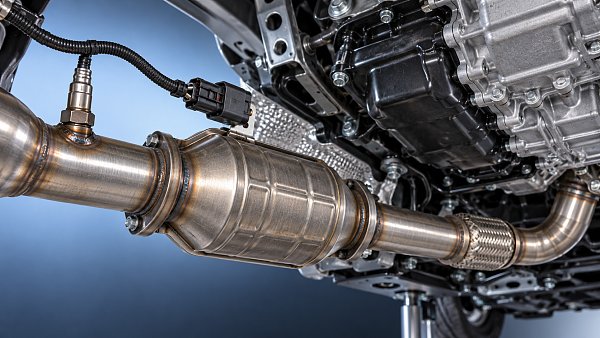
 How to tell when an oxygen sensor needs replacementOxygen sensor replacement signs explained: learn how live data, fault codes, wiring checks, and exhaust inspections pinpoint the real issue before you buy.
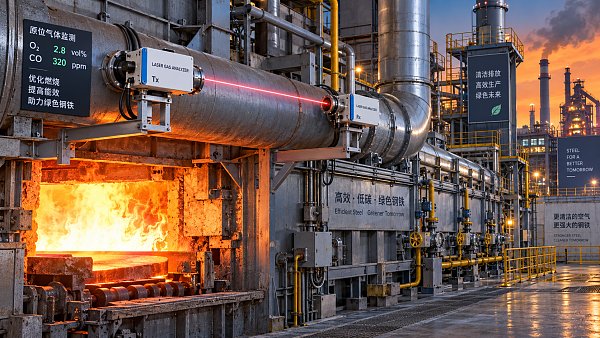
 How laser gas analyzers improve combustion control in steel furnacesLaser gas analyzer for steel industry applications delivers fast in-situ O₂ and CO data to optimize furnace combustion, cut fuel waste, and improve steel heating stability.
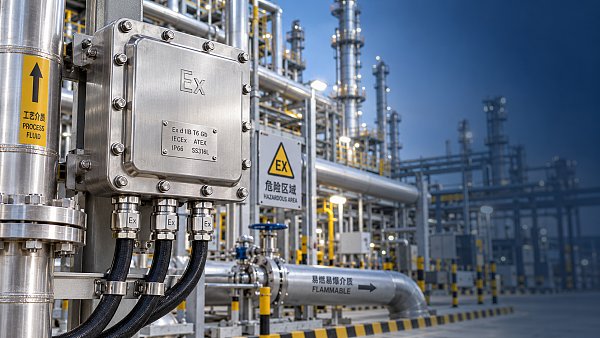
 How to verify whether explosion proof equipment meets site requirementsExplosion proof equipment verification made practical: match zones, gas or dust groups, temperature classes, certificates, and installation conditions for confident compliance.
 How industrial gas analysis helps detect contamination before releaseIndustrial Gas Analysis helps detect moisture, oil, oxygen, and toxic contaminants before release—protecting processes, ensuring compliance, and reducing costly risks.
 When is electrochemistry detection the right choice for water analysis?Electrochemistry detection for water analysis: learn when fast, reliable monitoring of ions, chlorine, pH, and more delivers actionable results.
 How industrial standards reduce quality risks in supplier selectionIndustrial Standard guidance helps quality and safety managers reduce supplier risks, verify compliance, strengthen traceability, and build resilient instrumentation supply chains.
 When does a multi-component system reduce installation complexity?Multi component systems reduce installation complexity when they eliminate field interfaces, streamline commissioning, and provide proven compatibility. Learn how to assess total cost and supplier accountability.
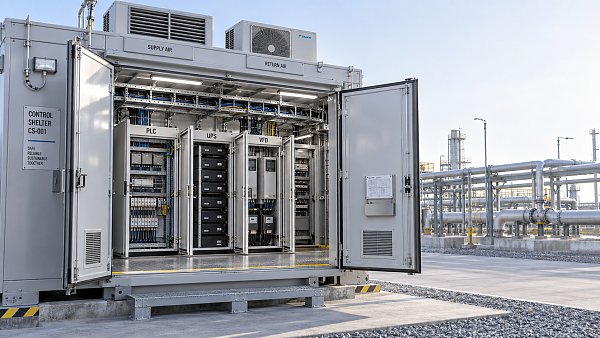
 How to size an industrial control shelter for outdoor equipmentIndustrial control shelter sizing guide: optimize layout, HVAC, access, safety, and expansion space for reliable outdoor equipment operations.
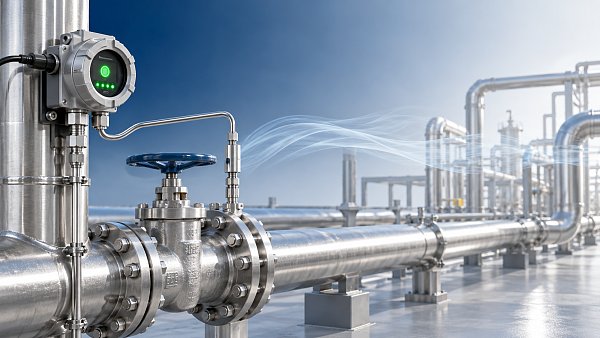
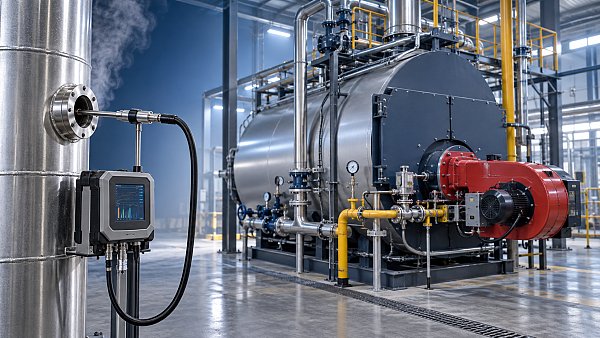
 How flue analysis helps verify combustion efficiencyFlue analysis verifies combustion efficiency by assessing O2, CO, CO2, and stack temperature to identify excess air, incomplete combustion, and heat losses.
 How to select industrial gas detectors for confined spacesIndustrial gas detectors for confined spaces: learn how to match sensors, sampling methods, alarms, and certifications to real atmospheric hazards.
 When does a laser oxygen analyzer outperform zirconia sensors?Laser oxygen analyzer vs. zirconia sensors: compare speed, selectivity, maintenance, gas chemistry, and installation needs to choose the right oxygen measurement solution.
 How to select a percent range analyzer for process measurementsPercent range analyzer selection made practical: compare accuracy, sample systems, calibration, gas matrix, integration, and lifecycle cost for reliable process measurements.
 How explosion proof analysis verifies safe equipment for hazardous areasExplosion proof analysis verifies hazardous-area equipment by matching certifications, temperature ratings, installation details, and inspection controls for safer compliance.
 When does fixed gas detection need point sensors instead of open-path monitoring?Fixed gas detection: discover when point sensors outperform open-path monitoring for predictable leaks, enclosed zones, local alarms, and safer design decisions.
 How to choose industrial metrology systems for tight-tolerance partsIndustrial metrology guide for tight-tolerance parts: compare CMMs, optical scanners, gauges, uncertainty, workflow, and traceable inspection strategies.
 How process metrology reduces measurement variation in productionProcess metrology reduces production measurement variation by improving traceability, uncertainty control, calibration, and reliable quality decisions.
 How to select an industrial monitoring analyzer for harsh environmentsIndustrial monitoring analyzer selection for harsh environments: evaluate sampling, durability, hazardous-area compliance, accuracy, maintenance, and data reliability.
 How calibration intervals affect test and measurement equipment accuracyTest and measurement equipment calibration intervals directly affect accuracy, risk, compliance, and uptime. Learn how to set evidence-based schedules that protect critical decisions.
 When does process gas monitoring need continuous measurement?Process gas monitoring needs continuous measurement when rapid changes threaten safety, quality, compliance, or uptime. Learn how to specify reliable, actionable monitoring systems.
 How to prevent false alarms in power plant instrumentationPower plant instrumentation guide: prevent false alarms with reliable signal checks, smarter alarm settings, mode-based control, and actionable operator responses.
 How fixed gas detectors help prevent leaks in enclosed workspacesFixed gas detectors provide continuous leak monitoring in enclosed workspaces, enabling faster alarms, safer responses, and stronger protection for people and processes.
 How industrial gas analysis helps detect process contamination earlyIndustrial Gas Analysis helps detect oxygen, moisture, and hydrocarbon contamination early, enabling faster fault isolation, safer operations, and stronger process control.
 What drives environmental compliance continuous monitoring setup cost?Environmental compliance continuous monitoring setup cost: uncover hidden expenses, compare bids accurately, and build a reliable, audit-ready system.
 How to select gas analysis equipment for continuous emissions monitoringGas analysis equipment selection guide for reliable continuous emissions monitoring—compare technologies, sampling, calibration, compliance, and maintenance needs.
 What detection limit is needed for NH3 environmental monitoring?High accuracy NH3 analyzer for environmental monitoring: learn how to set the right detection limit, improve sampling reliability, and make defensible decisions.
 How to select a NOX analyzer for power plant emissions complianceNOX analyzer for power plant emissions: learn how to select a compliant, reliable CEMS solution with the right range, sample handling, calibration, and data integrity.
 How to evaluate a laser gas analyzer manufacturer in GermanyLaser gas analyzer manufacturer in Germany: compare accuracy, sample handling, interference control, calibration, and service to select a reliable solution.
 How does a flue gas analyzer maintain accuracy in wet stack gas?Flue gas analyzer accuracy in wet stack gas depends on heated sampling, moisture correction, reliable sensors, and calibration. Explore key selection tips.


Search Categories
Search Categories
- Smart Meters & Power Quality
- Transformer Gas Analyzers
- BESS Thermal Runaway Detectors
- Energy, Power & Smart Grid Monitoring
- Optical Profilers & CMM
- Ultrasonic & X-Ray NDT
- Calibration Standards
- Precision Metrology & NDT
- Water Quality Analyzers
- CEMS & VOCs Monitors
- Price Trends
- Import & Export Updates
- Market Trends
- Industry News
- Industry Insights
Latest Article
- When does a laser gas analyzer meet stack emissions monitoring needs?Laser gas analyzer for stack emissions: learn when it delivers fast, reliable data, how to assess installation risks, and what to verify for CEMS compliance.Posted by:
- How to select a hazardous gas analyzer for confined spacesHazardous gas analyzer selection for confined spaces: compare sensors, sampling, certifications, alarms, and maintenance to protect workers and choose with confidence.Posted by:
- When is a single gas analyzer sufficient for workplace safety monitoring?Discover when a single gas analyzer delivers reliable workplace safety monitoring, and learn the key limits, calibration needs, and risks that require broader detection.Posted by:
Please give us a message
