
Environmental Analysis: Key Methods, Costs, and Common Pitfalls


Environmental Analysis: Key Methods, Costs, and Common Pitfalls
Environmental analysis is often misunderstood because the term covers two very different business activities. In strategy, it can mean scanning market, policy, and operating conditions. In industrial and regulatory practice, it usually refers to the measurement and interpretation of environmental conditions, pollutants, and ecological indicators in air, water, soil, emissions, or waste streams. For companies making capital, procurement, or compliance decisions, the second meaning is the one that carries immediate operational weight. It is not just about taking samples and issuing a report. It is about turning physical conditions into defensible data that can survive regulatory review, insurance scrutiny, internal audits, and engineering decisions.
That distinction matters because many projects fail at the scoping stage. A plant manager may ask for “environmental analysis” when the real need is stack emissions monitoring, wastewater characterization, hazardous substance screening, ambient air assessment, or baseline soil investigation before construction. These are not interchangeable tasks. They use different methods, different instruments, different sample handling rules, and often different legal thresholds. A decision-maker who treats them as one generic service usually gets one of two bad outcomes: overpaying for unnecessary testing, or buying a dataset that cannot answer the business question it was supposed to answer.
At its core, environmental analysis answers three questions. What is present? In what concentration or condition? And is the result reliable enough to act on? The first two sound straightforward; the third is where the real discipline sits. In environmental work, a number is only useful when its sampling path, analytical method, detection limit, calibration status, and quality control all make sense together. A low reported concentration means little if the method detection limit is too high for the regulatory threshold. A clean water result can be misleading if the sample was preserved incorrectly, transported too slowly, or collected from the wrong point in the process.
What environmental analysis usually includes
In practical terms, environmental analysis is a chain rather than a single test. It starts with objective setting, moves into sampling design, continues through laboratory or online measurement, and ends with interpretation against permits, standards, internal limits, or project risks. The technical method depends on the matrix being tested.
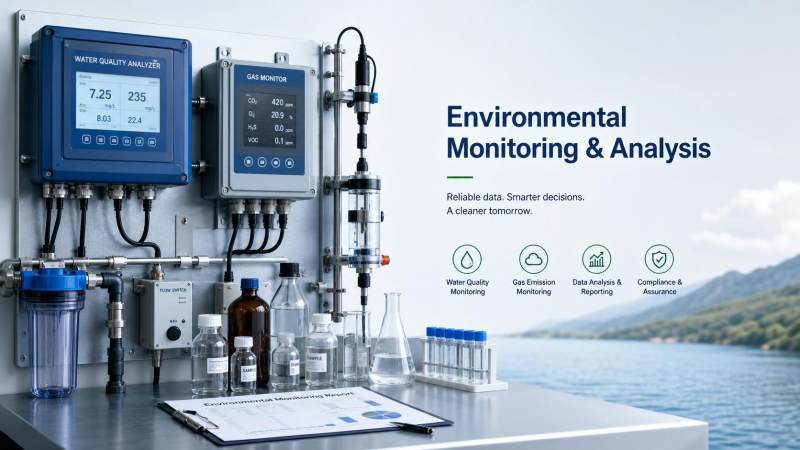
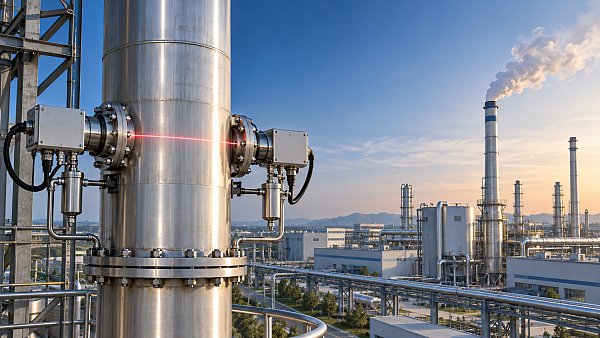
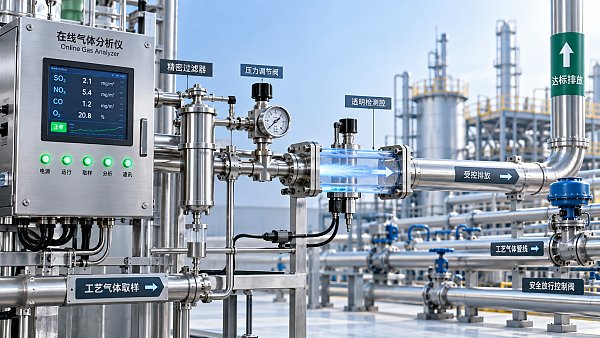
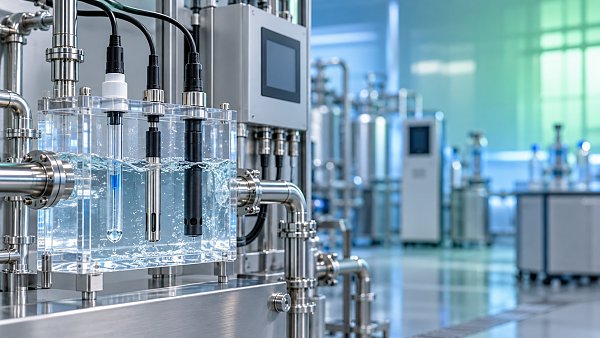
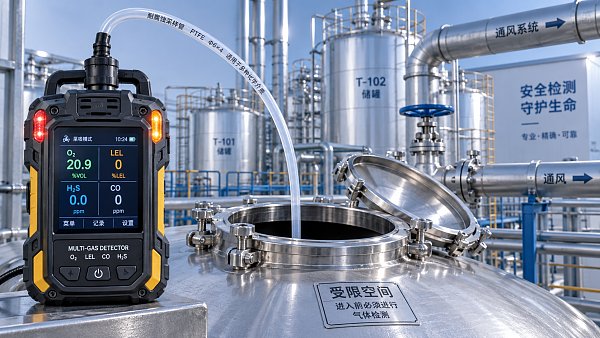
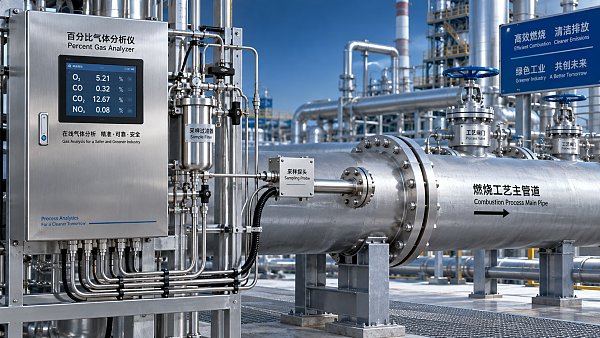
Air analysis may involve particulate matter, sulfur dioxide, nitrogen oxides, volatile organic compounds, greenhouse gases, or specific hazardous air pollutants. Water analysis can cover pH, COD, BOD, TOC, ammonia, heavy metals, conductivity, turbidity, microbiology, and more specialized indicators depending on industry. Soil and sludge investigations often focus on metals, hydrocarbons, persistent contaminants, and leaching behavior. In continuous industrial settings, environmental analysis also extends into CEMS, online water quality analyzers, flow measurement, and integrated process monitoring where the line between environmental compliance and process control becomes thin.
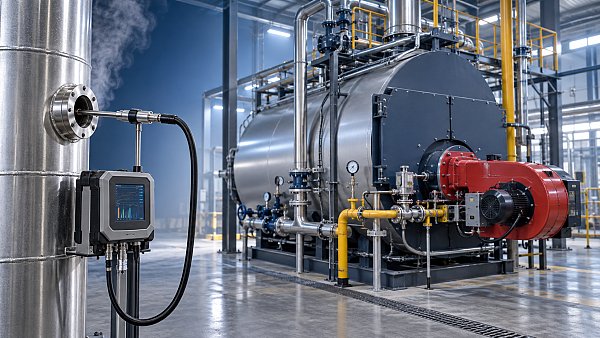
That overlap is easy to underestimate. In many facilities, the best environmental data does not come from a stand-alone compliance campaign. It comes from combining environmental instrumentation with process context: pressure, temperature, flow, load changes, reagent dosing, and maintenance history. If emissions spike, the question is not only whether the stack concentration exceeded a limit, but whether combustion conditions shifted, whether analyzer drift occurred, or whether sample conditioning failed under high moisture conditions.
Method selection is where cost and credibility are decided
The most important choice in environmental analysis is not the brand of instrument. It is method fit. Broadly, companies choose between grab sampling, composite sampling, laboratory analysis, field-portable analysis, and continuous or online monitoring. Each has a place, and each can be misused.
A common mistake is assuming that more frequent data is automatically better data. Real-time monitoring is valuable, but only when the analyzer is suitable for the matrix, the sample conditioning system is stable, and the maintenance burden is understood. The reverse error also happens: relying on periodic lab tests for a process that changes hourly. In that case, excellent laboratory precision still leaves management blind between sample events.
Method selection should also be linked to the decision horizon. If the goal is permit compliance, standardized methods and documented QA/QC are non-negotiable. If the goal is supplier comparison during feasibility work, fast screening with targeted confirmation may be the better economic choice. If the goal is due diligence before acquisition or site redevelopment, detection limits, chain of custody, and historical comparability become central because the data may later support legal or remediation decisions.
What drives cost in environmental analysis
Many buyers ask for the price of environmental analysis as if it were a standard commodity. It is not. Cost is shaped less by the word “analysis” and more by sampling complexity, analyte list, turnaround time, quality requirements, and site conditions.
The biggest cost drivers are usually these:
- Sampling effort: remote sites, hazardous zones, confined spaces, offshore points, and high-temperature or high-pressure systems raise field cost quickly.
- Number and type of parameters: basic pH and conductivity are cheap compared with trace metals, dioxins, speciated VOCs, or microbiological work with tight holding times.
- Detection limit requirements: lower reporting limits often mean more sensitive methods, stricter contamination control, and higher lab cost.
- Turnaround time: expedited results usually carry a premium and may require careful coordination with the laboratory.
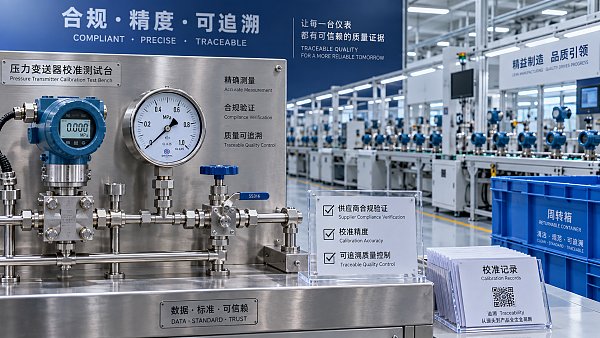
- Compliance and documentation burden: chain of custody, accredited methods, validation packages, and audit-ready reporting add value, but they are not free.
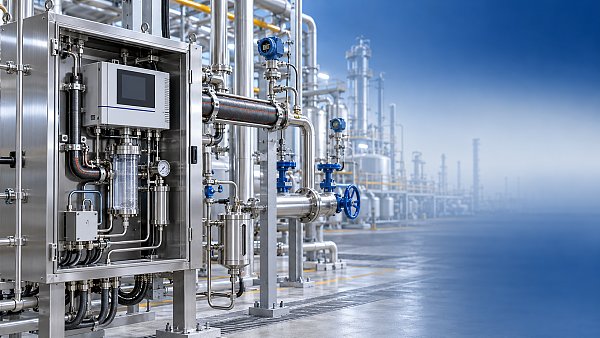
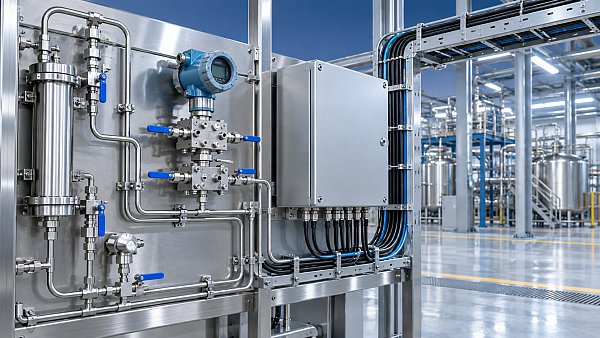
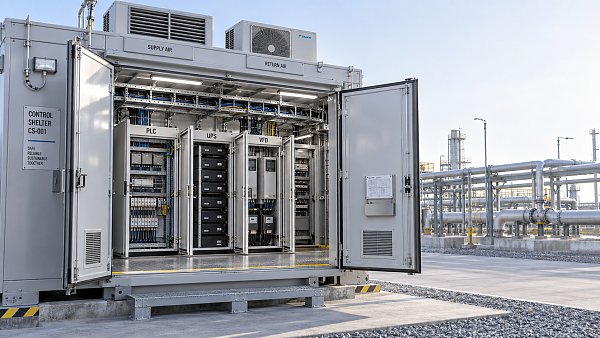
- Monitoring architecture: one-time testing and installed online systems belong to different cost models. The latter includes analyzers, shelters or cabinets, sample handling, calibration gases or standards, software integration, and lifecycle service.
For executives, the useful question is not “What is the cheapest test?” but “What level of certainty is required for this decision?” A procurement comparison, an internal troubleshooting exercise, and a regulator-facing emissions report should not be budgeted the same way. Under-specifying the work often looks economical until a second round of sampling is needed, a permit submission is challenged, or an equipment package is chosen on weak baseline data.
Where projects go wrong
The most frequent pitfall is poor problem framing. Companies ask for an environmental report when what they really need is a decision support package. That package may require trend data, process correlation, seasonal variation, or source identification, not just concentration numbers. A single sampling campaign rarely settles a question that is driven by variable feedstock, weather, production load, or intermittent upsets.
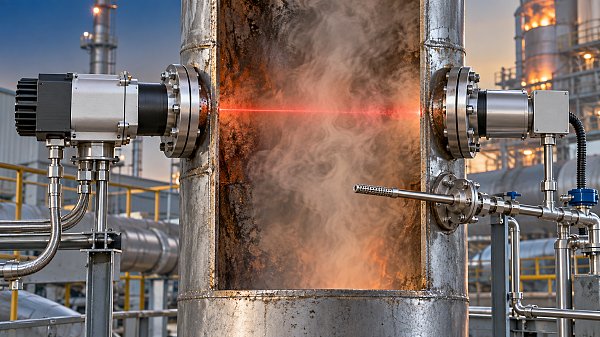
Another recurring problem is treating sampling as routine fieldwork. In reality, sampling is part of the measurement system. For volatile compounds, improper containers or delays can distort results. For metals, contamination during collection can invalidate trace-level findings. For stack testing or online gas monitoring, moisture management, probe placement, and calibration checks are not minor technical details; they directly affect whether the reading represents the true process.
There is also a business-side mistake that shows up in tenders: selecting providers on unit price without examining method scope, accreditation status, instrument suitability, service support, or data review capability. Two proposals may both say “environmental analysis,” while one includes defensible sample design, proper QA/QC, and interpretation, and the other is little more than sample collection plus raw numbers. The apparent savings disappear when the results cannot support engineering action or external reporting.
One more trap is confusing compliance with control. A site may technically meet reporting obligations while still lacking the measurement architecture needed to manage emissions, water quality excursions, or waste instability in real time. Compliance data tells you whether a threshold was crossed. Control-oriented environmental analysis helps explain why it happened and what operating change is likely to prevent recurrence.
How decision-makers should judge an environmental analysis program
A sound program is usually easy to recognize because the scope is explicit. It defines the target analytes, matrix, sampling locations, frequency, method basis, reporting limits, quality controls, and intended use of the data. It also acknowledges its own limits. Good technical teams are usually careful about what the data can prove and what it cannot.
When reviewing a proposal or internal plan, a few questions sharpen the decision quickly. Does the method match the regulatory or operational requirement? Are detection limits comfortably below the action threshold? Is the sampling plan representative of normal and upset conditions? Will the dataset support comparison over time? If online analyzers are proposed, who owns calibration, maintenance, and data validation? If laboratory work is proposed, are holding times, preservation, and chain of custody controlled?
In instrumentation-heavy sectors, these questions are not administrative. They determine whether environmental analysis becomes a trusted layer of industrial intelligence or just another line item in a compliance budget. Companies that get value from it tend to treat it as part of their measurement strategy, alongside process analytics, metrology discipline, and supplier qualification. That is where environmental analysis stops being reactive and starts informing capital planning, operating risk, and procurement quality.
The practical takeaway is simple: define the decision before defining the test. Once that is clear, methods, costs, and data quality requirements become much easier to align. Without that discipline, even technically correct environmental analysis can end up answering the wrong question.
Recommended for You
 How to verify accuracy claims for industrial quality analyzersVerify accuracy claims for industrial quality analyzers with calibration checks, independent testing, and clear acceptance criteria. Learn how to reduce risk and buy with confidence.
 How to calculate cooling loads for an industrial analyzer shelterSize industrial analyzer shelter cooling with confidence. Learn to calculate equipment heat, solar gains, and ventilation loads, then select HVAC capacity for reliable analyzer performance.
 How Do You Handle Analyzer Failure During an Environmental Audit?Learn how to handle analyzer failure during environmental compliance audit procedures. Protect evidence, verify data, and restore monitoring with this practical response guide.
 Do VOC Monitors Require Explosion-Proof Certification?Does VOC monitoring require explosion-proof certification? Learn when approval is needed, compare ATEX and IECEx, and choose the right monitor for your site.
 How sample conditioning affects accuracy in petrochemical analyzersImprove accuracy in petrochemical analyzers with smarter sample conditioning. Discover how phase control, filtration, and transport design prevent bias and deliver reliable process data.
 How to troubleshoot sensor drift in industrial gas detectorsIndustrial gas detectors showing sensor drift? Learn how to verify calibration gas, identify root causes, and determine when sensor replacement is needed for reliable monitoring.
 How to judge whether a competitive price reflects real valueCompetitive Price: learn how to compare scope, compliance, performance, and lifecycle costs to identify real value, reduce risk, and make smarter purchasing decisions.
 When custom gas analysis is the right fit for complex process streamsCustom gas analysis for complex process streams: learn when tailored sampling, interference control, and reliable measurement design deliver confident decisions.
 When does a laser gas analyzer meet stack emissions monitoring needs?Laser gas analyzer for stack emissions: learn when it delivers fast, reliable data, how to assess installation risks, and what to verify for CEMS compliance.
 How to select a hazardous gas analyzer for confined spacesHazardous gas analyzer selection for confined spaces: compare sensors, sampling, certifications, alarms, and maintenance to protect workers and choose with confidence.
 When is a single gas analyzer sufficient for workplace safety monitoring?Discover when a single gas analyzer delivers reliable workplace safety monitoring, and learn the key limits, calibration needs, and risks that require broader detection.
 How to choose an ambient gas analyzer for low-level leak detectionAmbient gas analyzer selection for low-level leak detection: compare sensitivity, cross-sensitivity, sampling design, alarms, and calibration for reliable site performance.
 How to tell when an oxygen sensor needs replacementOxygen sensor replacement signs explained: learn how live data, fault codes, wiring checks, and exhaust inspections pinpoint the real issue before you buy.
 How laser gas analyzers improve combustion control in steel furnacesLaser gas analyzer for steel industry applications delivers fast in-situ O₂ and CO data to optimize furnace combustion, cut fuel waste, and improve steel heating stability.
 How to verify whether explosion proof equipment meets site requirementsExplosion proof equipment verification made practical: match zones, gas or dust groups, temperature classes, certificates, and installation conditions for confident compliance.
 How industrial gas analysis helps detect contamination before releaseIndustrial Gas Analysis helps detect moisture, oil, oxygen, and toxic contaminants before release—protecting processes, ensuring compliance, and reducing costly risks.
 When is electrochemistry detection the right choice for water analysis?Electrochemistry detection for water analysis: learn when fast, reliable monitoring of ions, chlorine, pH, and more delivers actionable results.
 How industrial standards reduce quality risks in supplier selectionIndustrial Standard guidance helps quality and safety managers reduce supplier risks, verify compliance, strengthen traceability, and build resilient instrumentation supply chains.
 When does a multi-component system reduce installation complexity?Multi component systems reduce installation complexity when they eliminate field interfaces, streamline commissioning, and provide proven compatibility. Learn how to assess total cost and supplier accountability.
 How to size an industrial control shelter for outdoor equipmentIndustrial control shelter sizing guide: optimize layout, HVAC, access, safety, and expansion space for reliable outdoor equipment operations.
 How flue analysis helps verify combustion efficiencyFlue analysis verifies combustion efficiency by assessing O2, CO, CO2, and stack temperature to identify excess air, incomplete combustion, and heat losses.
 How to select industrial gas detectors for confined spacesIndustrial gas detectors for confined spaces: learn how to match sensors, sampling methods, alarms, and certifications to real atmospheric hazards.
 When does a laser oxygen analyzer outperform zirconia sensors?Laser oxygen analyzer vs. zirconia sensors: compare speed, selectivity, maintenance, gas chemistry, and installation needs to choose the right oxygen measurement solution.
 How to select a percent range analyzer for process measurementsPercent range analyzer selection made practical: compare accuracy, sample systems, calibration, gas matrix, integration, and lifecycle cost for reliable process measurements.
 How explosion proof analysis verifies safe equipment for hazardous areasExplosion proof analysis verifies hazardous-area equipment by matching certifications, temperature ratings, installation details, and inspection controls for safer compliance.
 When does fixed gas detection need point sensors instead of open-path monitoring?Fixed gas detection: discover when point sensors outperform open-path monitoring for predictable leaks, enclosed zones, local alarms, and safer design decisions.
 How to choose industrial metrology systems for tight-tolerance partsIndustrial metrology guide for tight-tolerance parts: compare CMMs, optical scanners, gauges, uncertainty, workflow, and traceable inspection strategies.
 How process metrology reduces measurement variation in productionProcess metrology reduces production measurement variation by improving traceability, uncertainty control, calibration, and reliable quality decisions.
 How to select an industrial monitoring analyzer for harsh environmentsIndustrial monitoring analyzer selection for harsh environments: evaluate sampling, durability, hazardous-area compliance, accuracy, maintenance, and data reliability.
 How calibration intervals affect test and measurement equipment accuracyTest and measurement equipment calibration intervals directly affect accuracy, risk, compliance, and uptime. Learn how to set evidence-based schedules that protect critical decisions.
 When does process gas monitoring need continuous measurement?Process gas monitoring needs continuous measurement when rapid changes threaten safety, quality, compliance, or uptime. Learn how to specify reliable, actionable monitoring systems.
 How to prevent false alarms in power plant instrumentationPower plant instrumentation guide: prevent false alarms with reliable signal checks, smarter alarm settings, mode-based control, and actionable operator responses.
Search Categories
Search Categories
- Smart Meters & Power Quality
- Transformer Gas Analyzers
- BESS Thermal Runaway Detectors
- Energy, Power & Smart Grid Monitoring
- Optical Profilers & CMM
- Ultrasonic & X-Ray NDT
- Calibration Standards
- Precision Metrology & NDT
- Water Quality Analyzers
- CEMS & VOCs Monitors
- Price Trends
- Import & Export Updates
- Market Trends
- Industry News
- Industry Insights
Latest Article
- How to verify accuracy claims for industrial quality analyzersVerify accuracy claims for industrial quality analyzers with calibration checks, independent testing, and clear acceptance criteria. Learn how to reduce risk and buy with confidence.Posted by:
- How to calculate cooling loads for an industrial analyzer shelterSize industrial analyzer shelter cooling with confidence. Learn to calculate equipment heat, solar gains, and ventilation loads, then select HVAC capacity for reliable analyzer performance.Posted by:
- How Do You Handle Analyzer Failure During an Environmental Audit?Learn how to handle analyzer failure during environmental compliance audit procedures. Protect evidence, verify data, and restore monitoring with this practical response guide.Posted by:
Please give us a message
