
How sample conditioning affects accuracy in petrochemical analyzers


Sample conditioning affects the accuracy of petrochemical analyzers whenever it changes the composition, phase, or timing of the material delivered to the measuring cell. Calibration establishes the instrument’s response to a known sample; it does not establish that a process sample survives extraction and transport unchanged. A stable, repeatable reading can therefore contain a persistent sampling bias.
The measurement requirement must define what is being reported: gas-phase composition, dissolved components in a liquid, total composition after complete vaporization, or concentration on a dry basis. Each requires a different conditioning strategy. Removing liquid droplets is appropriate for some gas measurements, but it destroys representativeness when those droplets contain components included in the intended result.
Accuracy begins with the sampling boundary
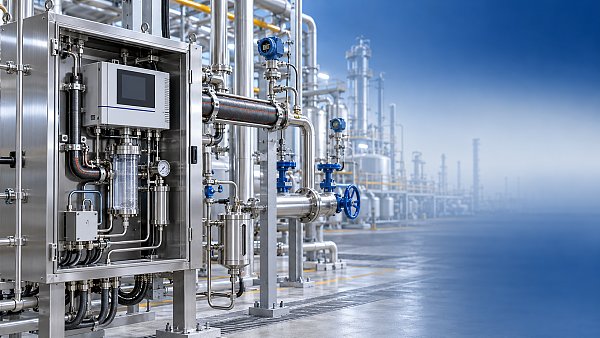
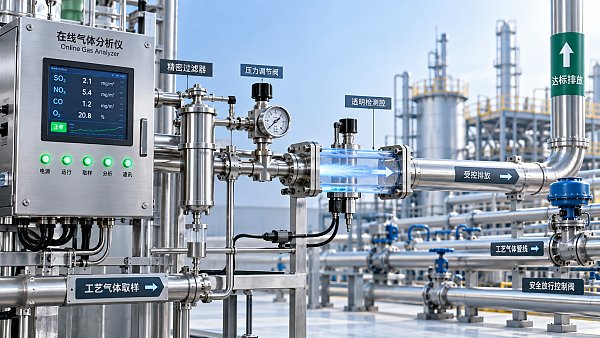
An analyzer specification generally describes performance under stated inlet conditions. The plant measurement includes the extraction point, probe, transport tubing, regulators, filters, valves, and conditioning equipment upstream of that inlet. Errors introduced anywhere along this path remain outside an instrument-only calibration.
The extraction location deserves particular attention in streams containing entrained liquid, solids, or incomplete mixing. A probe near a pipe wall can encounter a different phase distribution from the bulk flow. A sample connection downstream of chemical injection can capture a locally concentrated stream before mixing is complete. Conditioning cannot recover a representative composition from an unrepresentative extraction point.
Three effects need separate treatment. Composition bias changes the reported concentration through selective loss, contamination, or chemical reaction. Transport delay shifts the measurement relative to the process event. Response broadening spreads a sharp composition change over time through mixing and surface interactions. A system can perform well in one respect while failing in another.
Pressure reduction and temperature control must preserve the intended phase
Pressure reduction changes both phase equilibrium and temperature. Many hydrocarbon gases cool during throttling under relevant operating conditions, although the direction and magnitude depend on composition and thermodynamic state. A regulator that remains within its mechanical pressure rating can still produce an outlet cold enough to condense water or hydrocarbons.
Condensation selectively removes components from the flowing gas. Heavier hydrocarbons preferentially enter the liquid phase, leaving the gas delivered to the analyzer depleted in those constituents. Some target compounds also partition into condensed water. Draining this condensate protects the instrument but makes the original gas composition unrecoverable unless the measurement explicitly excludes the removed material.
Liquid sampling presents the reverse problem. If pressure falls below the bubble-point pressure at the local temperature, part of the sample flashes into vapor. The remaining liquid becomes depleted in volatile components, while bubbles can disturb flow control and optical measurements. Keeping a liquid sample pressurized requires consideration of losses across filters, valves, and restrictions throughout the route.
For gas analysis of a liquid feed, intentional vaporization is valid only when the entire representative sample vaporizes and remains vaporized downstream. Partial vaporization creates a fractionated sample. Heat input, liquid delivery rate, pressure, and the least volatile constituents must therefore be evaluated together. A warm vaporizer does not establish complete vaporization if liquid accumulates internally or heavy components condense in the outlet tubing.
The governing criterion is the pressure–temperature path through the complete system. Phase behavior should be assessed for the expected composition range, including startup and process excursions. A temperature setpoint based on one normal composition may provide insufficient margin when moisture or heavy-hydrocarbon content increases.
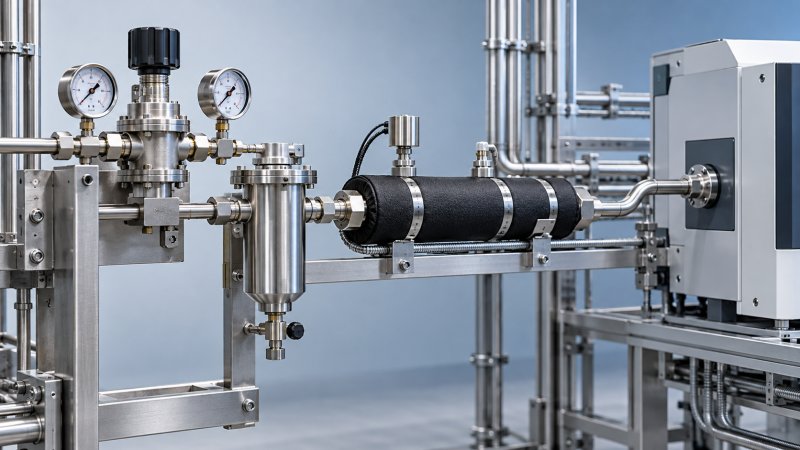
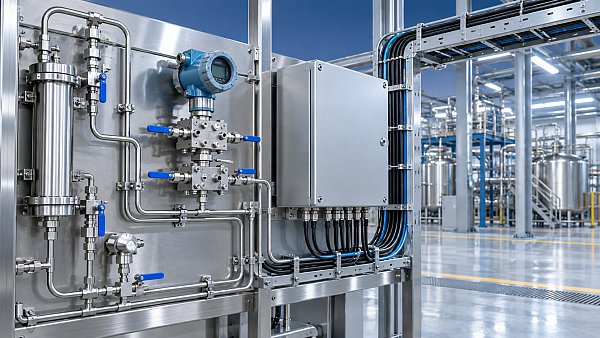
A useful conditioning schematic marks pressure, temperature, and intended phase at the probe, regulator, filter, transport line, and analyzer inlet. This exposes locations where pressure reduction and heat loss occur together, especially regulator outlets, unheated fittings, and enclosure penetrations.
Heating also has limits. Excessive temperature can promote decomposition, polymerization, or surface reactions in susceptible mixtures. The acceptable operating window lies between avoiding unwanted phase separation and preserving chemical stability. Temperature control must cover the wetted path; an enclosure air-temperature reading does not establish the temperature inside every component.
Filtration protects hardware but can remove the measurement
A particulate filter, coalescer, and membrane separator perform different functions. Their suitability depends on which material must reach the analyzer. A coalescer removes entrained liquid droplets, while a membrane’s separation behavior depends on membrane properties, wetting, differential pressure, and sample composition. Treating these devices as interchangeable protective accessories obscures their analytical effects.
Filter media and retained deposits introduce surfaces on which target compounds can adsorb or react. This matters particularly for trace moisture, sulfur species, and other surface-sensitive constituents. A filter that appears satisfactory during a high-concentration challenge can cause substantial relative error near the lower end of the measurement range.
As a filter loads, its pressure drop increases. In a liquid system, that pressure loss can initiate flashing downstream. In a gas system, reduced flow increases transport delay even while the analyzer continues producing plausible readings. Differential pressure and actual sample flow are therefore useful indicators of changing measurement conditions.
Dryers deserve similar scrutiny. Removing water changes the concentration basis and can also remove soluble or adsorbing analytes. A dry-basis result cannot be compared directly with a wet-basis process value without an appropriate conversion. Where the dryer also removes target material, a water correction alone cannot restore the original concentration.
Transport volume controls delay; surfaces control memory
The basic transport estimate is residence time equal to internal volume divided by volumetric flow at the conditions within that volume. Gas flow quoted at reference conditions must be converted before it is used to estimate residence time in a pressurized line. Using reference flow directly can substantially understate delay.
A complete estimate separates sections operating at different pressures and temperatures. Tubing, filter housings, regulator cavities, stream-selection valves, and the analyzer inlet all contribute volume. For a cycling analyzer, the sampling schedule and analysis cycle add further delay between a process change and a reported result.
A fast loop reduces delay by moving sample rapidly past a takeoff supplying the analyzer branch. Its benefit depends on the branch arrangement. A long, low-flow branch can still dominate the response even when the main loop circulates quickly. Return pressure and changing process pressure also influence whether the intended loop flow is maintained.
Small tubing reduces internal volume, but diameter cannot be selected from residence time alone. Excessive restriction creates pressure drop, increases plugging sensitivity, and can destabilize flow. Larger tubing reduces restriction while increasing the sample inventory that must be displaced. The useful balance comes from hydraulic calculations and the required response time.
Surface memory produces behavior that a volume calculation cannot predict. Moisture and other adsorbing compounds can load onto tubing walls and later desorb. The result is a delayed rise, a prolonged falling tail, or different responses to increasing and decreasing concentration. Dead legs and poorly swept cavities add trapped inventory and further extend recovery after stream switching.
A sample-path step test distinguishes these effects more clearly than a steady calibration. The delay before the response begins indicates transport lag; the subsequent rise and settling reveal mixing, instrument response, and surface interactions. Testing both increasing and decreasing concentration exposes memory that a single upward step misses.
Wetted materials, leakage, and vent conditions affect concentration
Material selection requires both chemical compatibility and analytical compatibility. A material may resist corrosion while adsorbing the target compound. Elastomers can absorb hydrocarbons and release them after the sample changes. Some polymer tubing permits permeation that becomes significant for oxygen or moisture measurements at low concentrations.
Stainless steel is widely used for process sampling, but alloy designation alone does not establish suitable behavior for every trace analysis. Surface condition, cleaning, passivation or coating where appropriate, and the full wetted-component inventory determine adsorption and reaction potential. Seals, valve seats, and filter binders deserve the same scrutiny as the tubing.
Leak effects depend on the pressure profile. A sub-atmospheric section can draw in ambient air, increasing measured oxygen or moisture. A pressurized section tends to leak outward, but still changes flow and delivery conditions. Tightness testing establishes integrity; it does not establish freedom from permeation, adsorption, or contamination left by fabrication.
The sample outlet also belongs within the measurement boundary. Variable vent backpressure changes flow through restrictions and can alter pressure in the measuring cell. Pressure-sensitive detectors and concentration calculations then respond to outlet conditions unless control or compensation remains effective. Acceptance conditions should identify both inlet and outlet pressures.
Calibration must exercise the parts capable of creating bias
Calibration gas introduced immediately before the analyzer verifies instrument response while bypassing most sampling losses. Introducing a reference farther upstream exercises more of the conditioning path, but it still does not reproduce every process condition. A dry reference gas will not reveal problems caused by wet hydrocarbon samples, and a gas challenge cannot demonstrate representative liquid extraction.
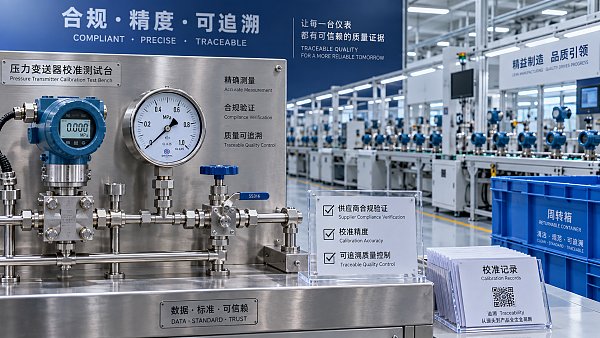
Reference delivery needs its own controls. Regulators, tubing, and flow settings can introduce adsorption or different inlet pressures. If calibration and process samples reach the analyzer under different conditions, the comparison mixes instrument behavior with delivery effects. The challenge concentration, matrix, pressure, and switching arrangement should reflect the mechanism being tested.
Agreement with a laboratory result is useful only when both measurements describe comparable samples. Collection containers, transfer procedures, storage time, and pressure loss can change the laboratory sample before analysis. Process timing must also be aligned with online transport delay and the analyzer’s measurement cycle.
A stable calibration combined with disagreement against process references points toward sampling bias, timing mismatch, or reference-sample changes. A drifting zero after maintenance suggests a different investigation, such as contamination, leakage, or inadequate flushing. These observations narrow the fault location without assuming that every discrepancy originates in the detector.
Acceptance criteria should describe performance across the operating envelope
A meaningful performance specification connects allowable measurement error and response time to the complete sample system. It identifies composition range, process pressure and temperature, expected phase, moisture and particulate loading, ambient conditions, and analyzer inlet limits. Without these boundaries, an accuracy claim lacks the conditions needed to interpret it.
Validation should target the mechanisms most likely to change the sample:
- Phase preservation: establish that the intended phase remains stable through pressure reduction, heat loss, and the expected composition range.
- Challenge recovery at representative concentrations, including the low end where surface losses become proportionally larger.
- A rise-and-fall response test through the installed path reveals transport delay, settling, and carryover between streams.
- Repeat relevant measurements under altered flow, filter loading, or vent pressure where these conditions are expected during service.
Reported results should distinguish analyzer repeatability from full-path recovery and total response time. The acceptance limit must apply to the process quantity being measured, including its wet or dry basis and phase definition. A conditioning system earns confidence when its measured behavior remains within those limits throughout the stated operating envelope.
Recommended for You
 How sample conditioning affects accuracy in petrochemical analyzersImprove accuracy in petrochemical analyzers with smarter sample conditioning. Discover how phase control, filtration, and transport design prevent bias and deliver reliable process data.
 How to troubleshoot sensor drift in industrial gas detectorsIndustrial gas detectors showing sensor drift? Learn how to verify calibration gas, identify root causes, and determine when sensor replacement is needed for reliable monitoring.
 How to judge whether a competitive price reflects real valueCompetitive Price: learn how to compare scope, compliance, performance, and lifecycle costs to identify real value, reduce risk, and make smarter purchasing decisions.
 When custom gas analysis is the right fit for complex process streamsCustom gas analysis for complex process streams: learn when tailored sampling, interference control, and reliable measurement design deliver confident decisions.
 When does a laser gas analyzer meet stack emissions monitoring needs?Laser gas analyzer for stack emissions: learn when it delivers fast, reliable data, how to assess installation risks, and what to verify for CEMS compliance.
 How to select a hazardous gas analyzer for confined spacesHazardous gas analyzer selection for confined spaces: compare sensors, sampling, certifications, alarms, and maintenance to protect workers and choose with confidence.
 When is a single gas analyzer sufficient for workplace safety monitoring?Discover when a single gas analyzer delivers reliable workplace safety monitoring, and learn the key limits, calibration needs, and risks that require broader detection.
 How to choose an ambient gas analyzer for low-level leak detectionAmbient gas analyzer selection for low-level leak detection: compare sensitivity, cross-sensitivity, sampling design, alarms, and calibration for reliable site performance.
 How to tell when an oxygen sensor needs replacementOxygen sensor replacement signs explained: learn how live data, fault codes, wiring checks, and exhaust inspections pinpoint the real issue before you buy.
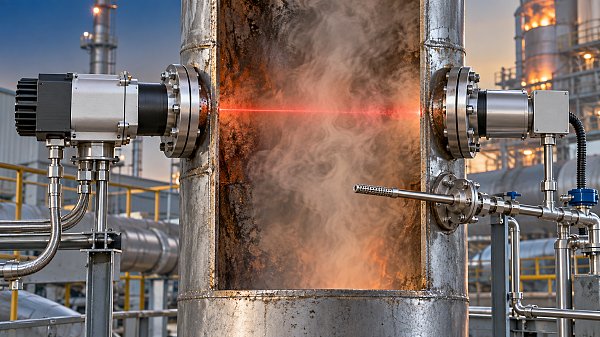
 How laser gas analyzers improve combustion control in steel furnacesLaser gas analyzer for steel industry applications delivers fast in-situ O₂ and CO data to optimize furnace combustion, cut fuel waste, and improve steel heating stability.
 How to verify whether explosion proof equipment meets site requirementsExplosion proof equipment verification made practical: match zones, gas or dust groups, temperature classes, certificates, and installation conditions for confident compliance.
 How industrial gas analysis helps detect contamination before releaseIndustrial Gas Analysis helps detect moisture, oil, oxygen, and toxic contaminants before release—protecting processes, ensuring compliance, and reducing costly risks.
 When is electrochemistry detection the right choice for water analysis?Electrochemistry detection for water analysis: learn when fast, reliable monitoring of ions, chlorine, pH, and more delivers actionable results.
 How industrial standards reduce quality risks in supplier selectionIndustrial Standard guidance helps quality and safety managers reduce supplier risks, verify compliance, strengthen traceability, and build resilient instrumentation supply chains.
 When does a multi-component system reduce installation complexity?Multi component systems reduce installation complexity when they eliminate field interfaces, streamline commissioning, and provide proven compatibility. Learn how to assess total cost and supplier accountability.
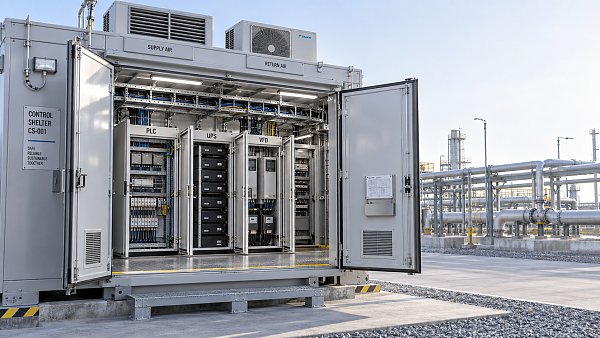
 How to size an industrial control shelter for outdoor equipmentIndustrial control shelter sizing guide: optimize layout, HVAC, access, safety, and expansion space for reliable outdoor equipment operations.
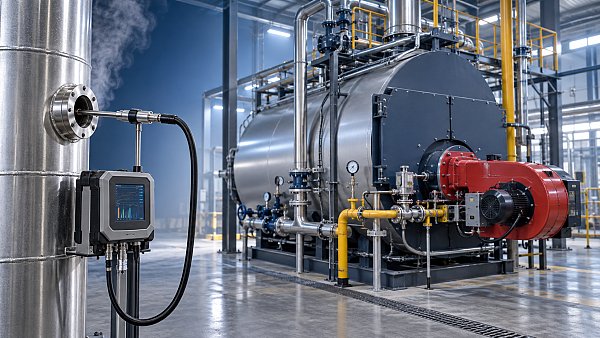
 How flue analysis helps verify combustion efficiencyFlue analysis verifies combustion efficiency by assessing O2, CO, CO2, and stack temperature to identify excess air, incomplete combustion, and heat losses.
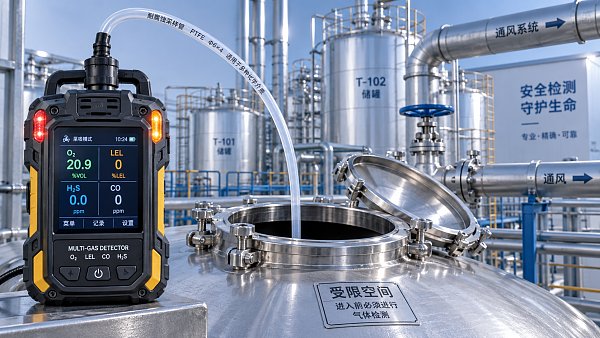
 How to select industrial gas detectors for confined spacesIndustrial gas detectors for confined spaces: learn how to match sensors, sampling methods, alarms, and certifications to real atmospheric hazards.
 When does a laser oxygen analyzer outperform zirconia sensors?Laser oxygen analyzer vs. zirconia sensors: compare speed, selectivity, maintenance, gas chemistry, and installation needs to choose the right oxygen measurement solution.
 How to select a percent range analyzer for process measurementsPercent range analyzer selection made practical: compare accuracy, sample systems, calibration, gas matrix, integration, and lifecycle cost for reliable process measurements.
 How explosion proof analysis verifies safe equipment for hazardous areasExplosion proof analysis verifies hazardous-area equipment by matching certifications, temperature ratings, installation details, and inspection controls for safer compliance.
 When does fixed gas detection need point sensors instead of open-path monitoring?Fixed gas detection: discover when point sensors outperform open-path monitoring for predictable leaks, enclosed zones, local alarms, and safer design decisions.
 How to choose industrial metrology systems for tight-tolerance partsIndustrial metrology guide for tight-tolerance parts: compare CMMs, optical scanners, gauges, uncertainty, workflow, and traceable inspection strategies.
 How process metrology reduces measurement variation in productionProcess metrology reduces production measurement variation by improving traceability, uncertainty control, calibration, and reliable quality decisions.
 How to select an industrial monitoring analyzer for harsh environmentsIndustrial monitoring analyzer selection for harsh environments: evaluate sampling, durability, hazardous-area compliance, accuracy, maintenance, and data reliability.
 How calibration intervals affect test and measurement equipment accuracyTest and measurement equipment calibration intervals directly affect accuracy, risk, compliance, and uptime. Learn how to set evidence-based schedules that protect critical decisions.
 When does process gas monitoring need continuous measurement?Process gas monitoring needs continuous measurement when rapid changes threaten safety, quality, compliance, or uptime. Learn how to specify reliable, actionable monitoring systems.
 How to prevent false alarms in power plant instrumentationPower plant instrumentation guide: prevent false alarms with reliable signal checks, smarter alarm settings, mode-based control, and actionable operator responses.
 How fixed gas detectors help prevent leaks in enclosed workspacesFixed gas detectors provide continuous leak monitoring in enclosed workspaces, enabling faster alarms, safer responses, and stronger protection for people and processes.
 How industrial gas analysis helps detect process contamination earlyIndustrial Gas Analysis helps detect oxygen, moisture, and hydrocarbon contamination early, enabling faster fault isolation, safer operations, and stronger process control.
 What drives environmental compliance continuous monitoring setup cost?Environmental compliance continuous monitoring setup cost: uncover hidden expenses, compare bids accurately, and build a reliable, audit-ready system.
 How to select gas analysis equipment for continuous emissions monitoringGas analysis equipment selection guide for reliable continuous emissions monitoring—compare technologies, sampling, calibration, compliance, and maintenance needs.


Search Categories
Search Categories
- Smart Meters & Power Quality
- Transformer Gas Analyzers
- BESS Thermal Runaway Detectors
- Energy, Power & Smart Grid Monitoring
- Optical Profilers & CMM
- Ultrasonic & X-Ray NDT
- Calibration Standards
- Precision Metrology & NDT
- Water Quality Analyzers
- CEMS & VOCs Monitors
- Price Trends
- Import & Export Updates
- Market Trends
- Industry News
- Industry Insights
Latest Article
- How sample conditioning affects accuracy in petrochemical analyzersImprove accuracy in petrochemical analyzers with smarter sample conditioning. Discover how phase control, filtration, and transport design prevent bias and deliver reliable process data.Posted by:
- How to troubleshoot sensor drift in industrial gas detectorsIndustrial gas detectors showing sensor drift? Learn how to verify calibration gas, identify root causes, and determine when sensor replacement is needed for reliable monitoring.Posted by:
- How to judge whether a competitive price reflects real valueCompetitive Price: learn how to compare scope, compliance, performance, and lifecycle costs to identify real value, reduce risk, and make smarter purchasing decisions.Posted by:
Please give us a message
