Can an air detector identify carbon monoxide indoors?


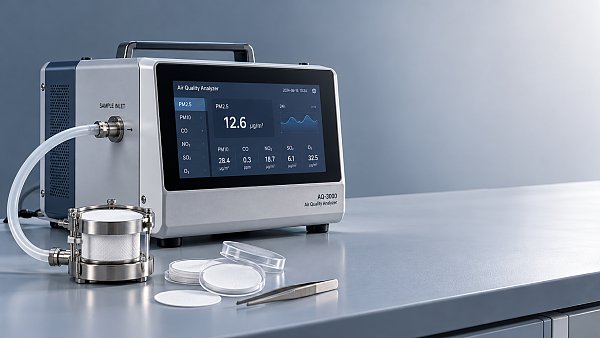
Yes, an air detector can identify carbon monoxide indoors if it contains a sensor designed to measure carbon monoxide, or CO. Many indoor air quality monitors measure other substances instead, so the words “air quality” on a display or package do not establish that CO is being detected.
Carbon monoxide is a colorless, odorless gas produced when fuels burn incompletely. A device that displays CO readings can reveal its presence, but a general air quality monitor does not necessarily provide the same protection as a certified carbon monoxide alarm. Understanding that distinction is important when choosing equipment for a home.
How to tell whether an air detector measures carbon monoxide
Look for carbon monoxide or the chemical symbol CO in the device’s list of measured gases. The specification should identify a CO sensor and describe its measuring range, typically in parts per million, or ppm. A product page that mentions “gas detection” without naming the gas does not provide enough information to establish CO capability.
Pay close attention to the difference between CO and CO₂. Carbon monoxide and carbon dioxide are separate gases with different sources and health effects. A CO₂ sensor is useful for assessing ventilation in occupied spaces, but it cannot be assumed to detect carbon monoxide. Likewise, a monitor that displays only particles, humidity, temperature, or volatile organic compounds does not necessarily measure CO.
Some combination devices include several sensors in one housing. Others use an optional or replaceable CO sensor module. If a product is sold in multiple configurations, the relevant specification is the one for the exact model and sensor package installed. A screen with an unused CO field is not evidence that the sensor is present or functioning.
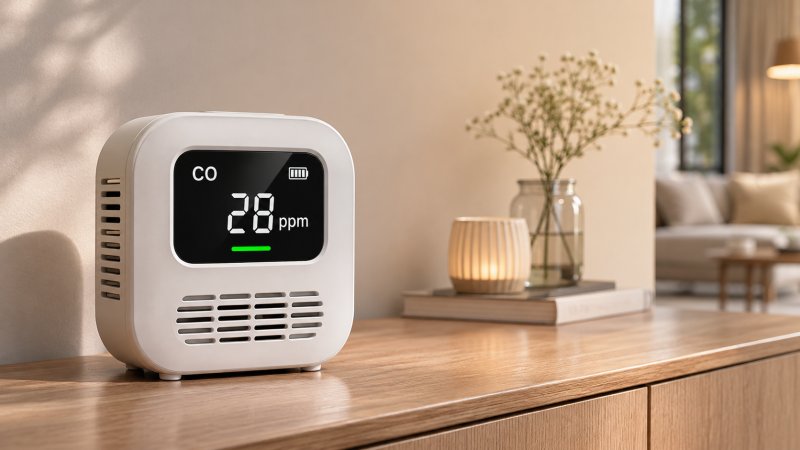
It also helps to distinguish a measured value from a calculated indicator. Some monitors combine several readings into an overall air quality score. A favorable score does not prove that CO is absent, particularly if CO is not one of the inputs. Look for a separately identified CO reading or alarm function.
CO measurement and a carbon monoxide alarm serve different purposes
A CO-capable air detector may show changing concentrations and help reveal patterns, such as a reading that rises when a fuel-burning appliance operates. A dedicated carbon monoxide alarm is designed to alert occupants to hazardous exposure according to its applicable safety standard. Depending on its design, an alarm may consider both concentration and duration rather than sounding immediately at every detectable level.
For household protection, choose a CO alarm independently certified to the relevant residential standard in your region, and install it according to its instructions and local requirements. A numerical display, phone notification, or general “air quality alert” does not by itself establish that a monitor is a suitable replacement.
Some products combine continuous monitoring and a certified alarm in one unit. Verify that the particular model is certified as a carbon monoxide alarm; certification of its electrical safety or wireless features alone does not establish that its CO alarm function meets a residential alarm standard.
Power and alert delivery matter as well. A device that depends on a phone, internet connection, or distant display could leave someone unaware of a warning. Understand whether the alarm sounds locally, how it receives power, and what happens during a power failure. A battery backup is useful only if it is present, working, and maintained as directed.
Where indoor carbon monoxide comes from
Common sources include malfunctioning or poorly vented fuel-burning heaters, furnaces, boilers, water heaters, fireplaces, and cooking appliances. Vehicle exhaust entering from an attached garage is another concern. Portable generators, grills, and other fuel-burning equipment can create dangerous conditions when used indoors or too close to openings through which exhaust can enter.
Carbon monoxide is not restricted to a room with an obvious appliance. It can travel through openings, hallways, or shared spaces. A source does not have to operate continuously to cause a problem: a short period of exhaust intrusion or an intermittent venting fault may create a temporary rise that is missed by a device in another location.
Smelling smoke or exhaust is not a reliable test for CO. Other combustion products may have an odor, while the carbon monoxide itself does not. Conversely, a noticeable cooking smell does not establish that a dangerous CO concentration is present. Measurement and properly installed alarms are needed to distinguish those situations.
Reading a CO number without drawing the wrong conclusion
A ppm display describes the concentration at the sensor at a particular time. Exposure also depends on how long the concentration persists, and people do not all respond in the same way. Headache, dizziness, weakness, nausea, confusion, and unusual fatigue can occur with CO exposure, but these symptoms also have other causes. Serious exposure can lead to loss of consciousness or death.
Do not use a single reading as a personal safety threshold. A low displayed number is not a guarantee that every room is safe or that a source has stopped producing CO. The monitor may be far from the source, the concentration may be changing, or the instrument may not resolve very low concentrations accurately. Some displays round values or show zero below a reporting threshold rather than proving that no CO molecules are present.
A sudden increase deserves attention even if it later falls. Opening a window, switching off an appliance, or a change in airflow can dilute CO near the sensor while the underlying fault remains. If the reading rises during appliance operation, record the time and circumstances when it is safe to do so, and arrange for the appliance and venting to be inspected by a qualified professional.
Sensor specifications add context. The measuring range indicates the span the device is designed to report; accuracy describes the expected uncertainty under specified conditions. Response time affects how quickly a changing concentration appears on the screen. These figures do not tell you everything about alarm performance, especially if the device is intended for monitoring rather than life-safety warning.
Placement changes what a detector can reveal
A sensor reports conditions where it is installed. A detector in a living room cannot reliably describe the concentration inside a bedroom with a closed door, near an appliance, or elsewhere in a multilevel home. Use the alarm manufacturer’s placement instructions and applicable local requirements to determine the number and location of alarms; sleeping areas and each level of a home are common considerations.
Avoid treating height as a simple universal rule. Carbon monoxide mixes with indoor air, and placement guidance varies with the device and its intended use. Follow the specific instructions for wall, ceiling, or plug-in installation. Keep the unit away from locations the manufacturer identifies as unsuitable, such as areas where airflow, humidity, temperature, or nearby combustion could interfere with reliable operation.
Placing an alarm immediately beside a fuel-burning appliance can lead to nuisance alerts or conflict with its instructions. Conversely, placing a single unit in a remote corner can delay detection where people sleep. A monitoring device used to investigate an appliance should not displace the household alarms installed for occupant protection.
Portable monitors introduce a separate issue: moving one through rooms produces a series of local readings, not a simultaneous map of the whole home. Give the sensor the settling time described in its instructions, and remember that a brief reading can miss an intermittent source. Investigating a suspected leak should never require entering a potentially hazardous space.
Sensor care and the limits of a test button
Many CO detectors use electrochemical sensors. These respond to carbon monoxide through a chemical process and have a finite service life. Age, operating conditions, contamination, and other gases can affect performance. Follow the device’s replacement date and maintenance instructions rather than assuming that a working screen means the sensor is still reliable.
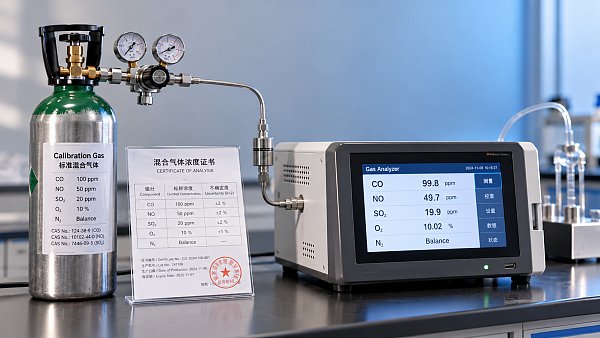
Pressing the test button is useful for confirming the functions specified by the manufacturer, often including the sounder and some internal electronics. It does not necessarily expose the sensor to CO or prove that the entire sensing path is accurate. For instruments that support calibration or a functional gas test, use the specified procedure and suitable equipment; never create CO indoors to test a device.
Clean the exterior as directed and keep vents unobstructed. Paint, dust, sprays, or covers can interfere with the device. Replace batteries when required, respond to fault or end-of-life signals, and replace the unit or sensor when its instructions call for it. A chirp can indicate a battery, fault, or end-of-life condition rather than an active CO alarm, so consult the signal guide—but treat an unfamiliar warning seriously until its meaning is clear.
If a carbon monoxide alarm sounds
Move everyone outside to fresh air immediately and call emergency services or the local fire service from outside. Do not remain indoors to compare readings, search for the source, or ventilate the building. If anyone has symptoms or may have been exposed, tell emergency responders. Do not re-enter until responders say it is safe.
After the immediate danger has passed, have the suspected source and its venting assessed by a qualified professional before the equipment is used again. A reset alarm or a falling monitor reading does not establish that the cause has been corrected.
Recommended for You
 Can an air detector identify carbon monoxide indoors?Can an air detector identify carbon monoxide indoors? Learn which sensors detect CO, how to check device specifications, and why a certified alarm matters.
 How does a paramagnetic gas analyzer measure oxygen?Discover how a paramagnetic gas analyzer measures oxygen, what affects accuracy, and how to choose the right solution for your application.
 How to choose a reliable gas analyzer for low concentrationsChoose a reliable gas analyzer for low concentrations. Compare technologies, sampling, calibration and supplier evidence to make a confident purchase.
 How does cross-sensitivity affect multi gas analysis accuracy?Discover how cross-sensitivity affects multi gas analysis accuracy, and learn how to identify interference, validate compensation, and improve measurement reliability.
 How to choose metrics for sustainable monitoringSustainable Monitoring starts with metrics that drive action. Learn how to define boundaries, assess data quality, and track meaningful improvements.
 How to verify a trusted manufacturer's production capacityTrusted Manufacturer capacity claims need proof. Learn how to verify production plans, bottlenecks, quality records and supply risks before you place an order.
 How to choose an emission controller for an industrial boilerChoose the right emission controller for your industrial boiler. Compare technologies, operating conditions, compliance needs, and costs.
 How to choose composition analyzers for low-concentration measurementsChoose composition analyzers with confidence. Discover how quantification limits, sample handling and matrix effects shape reliable low-concentration measurements.
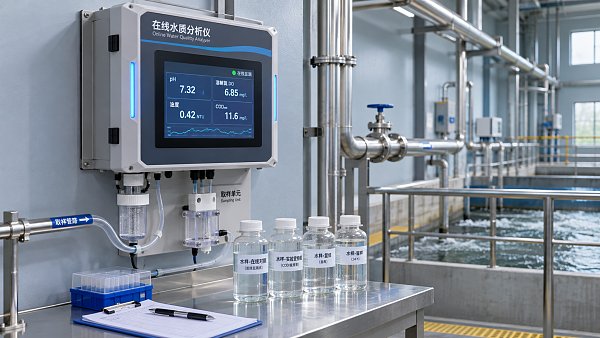
 How does online analysis compare with laboratory testing for water quality monitoring?Online analysis vs. laboratory testing: compare speed, accuracy, costs, and compliance to find the right water quality monitoring strategy.
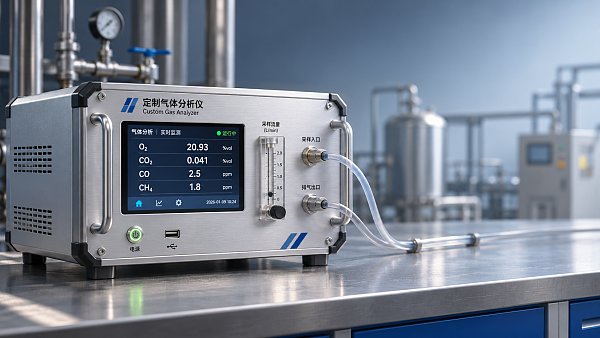
 How to choose the right detection range for a custom gas analyzerChoose the right custom gas analyzer detection range with practical guidance on accuracy, exposure limits, calibration, and supplier evaluation.
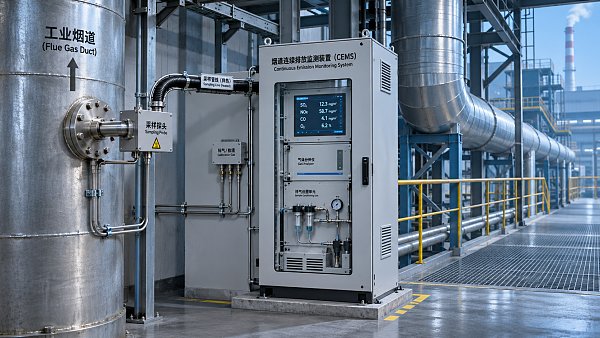
 How does multi component monitoring detect gases in stack emissions?Discover how multi component monitoring detects stack gases, manages interference and supports reliable emissions reporting. Explore key CEMS selection factors.
 How bright should an industrial monitor be for outdoor use?Choosing an outdoor industrial monitor? Learn why 1,000 nits is a starting point and how glare, contrast, and heat affect sunlight readability.
 How does water vapor affect infrared gas analyzers?Infrared gas analyzers can be affected by humidity, condensation and spectral interference. Learn how to protect sample integrity and achieve reliable results.
 How to reduce customer support response timesReduce Customer Support response times with actionable tips for reporting equipment faults, choosing the right channel, and getting expert help faster.
 How to choose a low range analyzer for trace-level measurementsChoose the right low range analyzer for trace-level measurements. Compare detection limits, sampling, calibration and support to make a confident decision.
 How to choose combustible gas detectors for a specific gasChoose combustible gas detectors with confidence. Compare sensor technologies, gas response, calibration, placement, and certification for your application.
 How to choose an air quality analyzer for the pollutants you need to measureChoose an air quality analyzer with confidence. Compare pollutant measurement methods, sampling, accuracy and calibration to find the right fit for your needs.
 How to choose industrial metrology tools for tight tolerancesChoose industrial metrology tools for tight tolerances with confidence. Compare uncertainty, calibration, tool types, and costs to reduce inspection risk.
 How moisture affects fixed analyzer accuracy in stack gas monitoringImprove fixed analyzer accuracy in stack gas monitoring. Discover how moisture causes dilution, interference, and sample loss—and learn practical ways to protect emissions data.
 How does production line speed affect in-line measurement accuracy?Discover how production line speed affects in-line measurement accuracy. Explore sensor response, sampling, and timing to boost throughput without compromising quality.
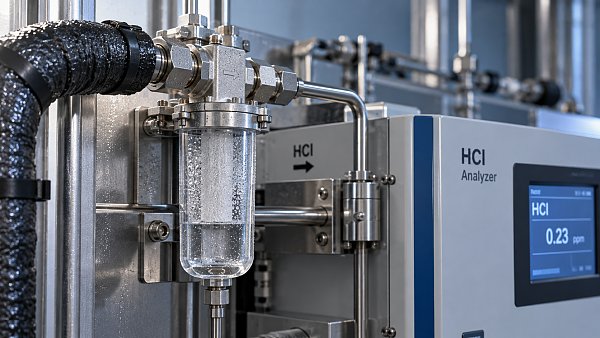
 How condensation affects HCl concentration analyzer accuracyHCl concentration analyzer accuracy can suffer when condensation traps HCl. Learn how to spot sampling losses, prevent low readings, and improve measurement reliability.
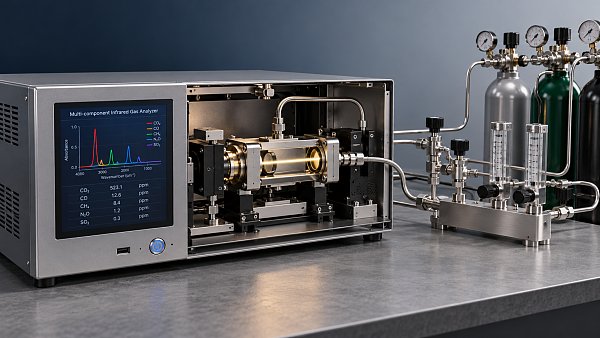
 How does cross-interference affect multi-component gas analyzers?How does cross-interference affect multi component gas analyzers? Explore measurement errors, compensation limits, and validation tips to choose the right system for your process.
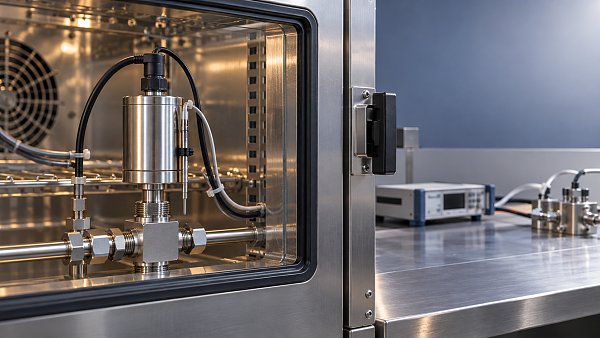
 How does temperature affect high-accuracy sensor performance?Explore how temperature affects high accuracy sensor performance. Learn to reduce thermal drift, evaluate compensation, and select the right sensor for reliable measurements.
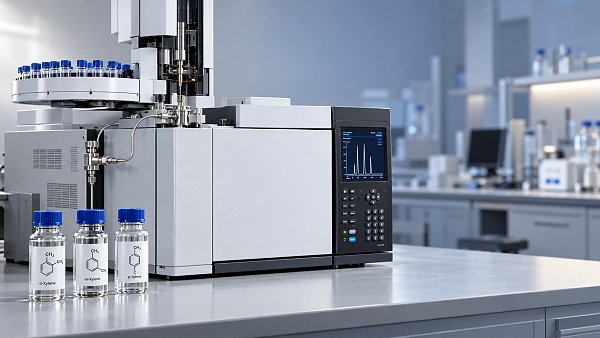
 Can a C4H8O concentration analyzer distinguish between isomers?Can a C4H8O concentration analyzer distinguish isomers? Compare GC, FTIR and MS methods, uncover selectivity limits, and learn what to validate before choosing your instrument.
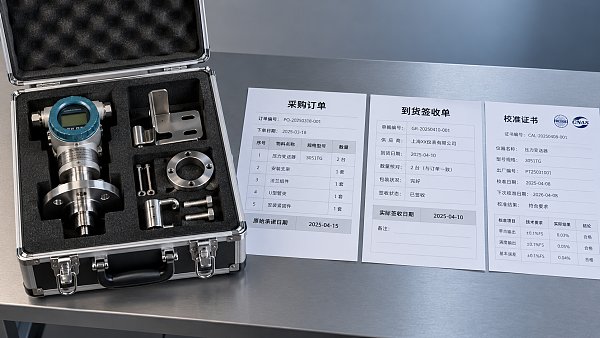
 How to identify a reliable supplier using on-time delivery recordsIdentify a Reliable Supplier by verifying on-time delivery records, original commitments, and complete shipments. Learn practical checks to reduce purchasing risk and protect your project schedule.
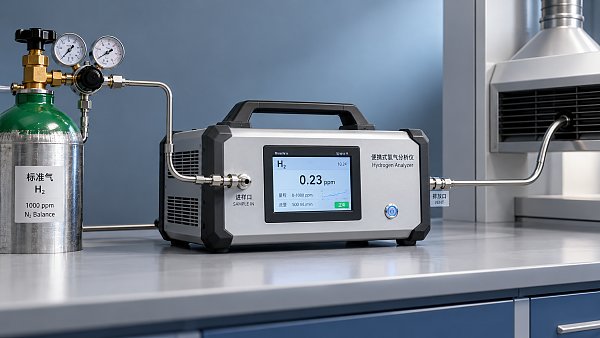
 How sensitive should a portable hydrogen analyzer be for lab use?Choose a portable hydrogen analyzer for laboratory use with the right quantification limit, accuracy, and range. Learn how to verify performance and avoid costly buying mistakes.
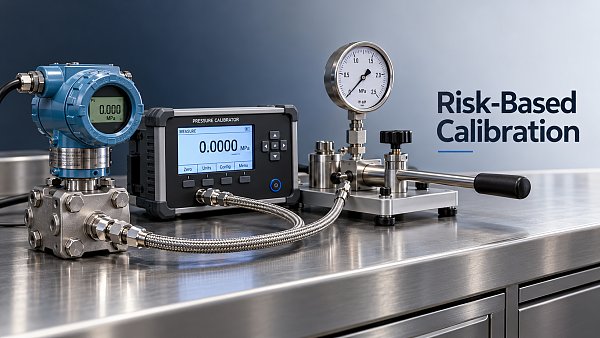
 How to set industrial calibration intervals based on equipment riskSet industrial calibration intervals based on equipment risk, drift, and as-found data. Learn when to shorten or extend schedules to improve reliability and avoid unnecessary costs.
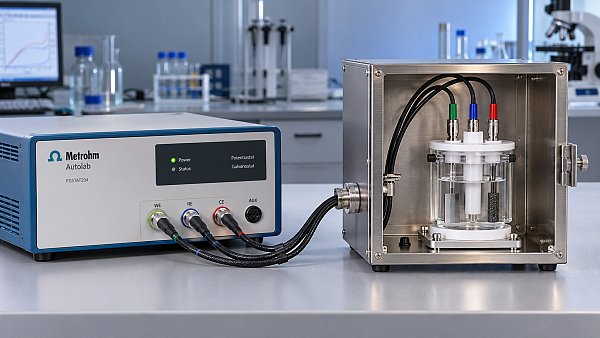
 How to choose electrochemical analyzers for low-current measurementsCompare electrochemical analyzers for precise low-current measurements. Learn how noise, leakage, bandwidth, and real-cell testing help you choose the right instrument.
 What tolerance does a custom gas mixture need for calibration?Choose the right custom gas tolerance for calibration. Learn how blending tolerance, certified uncertainty, and stability affect accuracy—and avoid paying for precision you don’t need.
 How condensation affects stack detector readings in wet flue gasStack detector readings can drift when wet flue gas condenses. Learn how to identify moisture interference, prevent sample losses, and improve emissions monitoring reliability.
 How to prevent condensation in a CO2 analyzer sampling systemPrevent condensation in your CO2 analyzer sampling system. Learn how to control dew point, eliminate cold spots, and manage moisture for reliable readings and fewer costly disruptions.
 How to verify accuracy claims for industrial quality analyzersVerify accuracy claims for industrial quality analyzers with calibration checks, independent testing, and clear acceptance criteria. Learn how to reduce risk and buy with confidence.

Search Categories
Search Categories
- Smart Meters & Power Quality
- Transformer Gas Analyzers
- BESS Thermal Runaway Detectors
- Energy, Power & Smart Grid Monitoring
- Optical Profilers & CMM
- Ultrasonic & X-Ray NDT
- Calibration Standards
- Precision Metrology & NDT
- Water Quality Analyzers
- CEMS & VOCs Monitors
- Price Trends
- Import & Export Updates
- Market Trends
- Industry News
- Industry Insights
Latest Article
- Can an air detector identify carbon monoxide indoors?Can an air detector identify carbon monoxide indoors? Learn which sensors detect CO, how to check device specifications, and why a certified alarm matters.Posted by:
- How does a paramagnetic gas analyzer measure oxygen?Discover how a paramagnetic gas analyzer measures oxygen, what affects accuracy, and how to choose the right solution for your application.Posted by:
- How to choose a reliable gas analyzer for low concentrationsChoose a reliable gas analyzer for low concentrations. Compare technologies, sampling, calibration and supplier evidence to make a confident purchase.Posted by:
Please give us a message