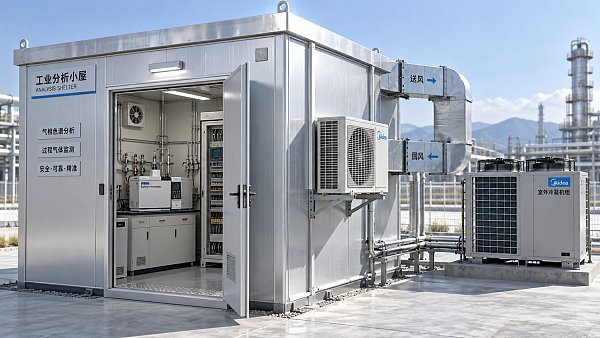
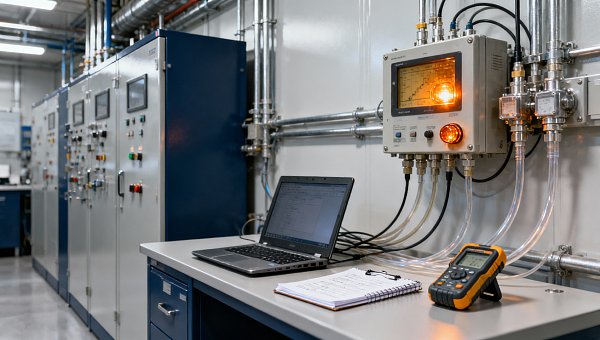
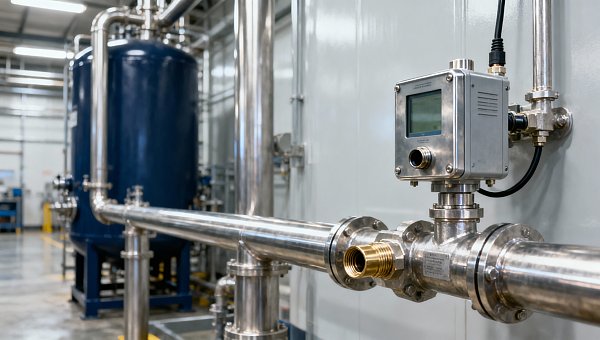
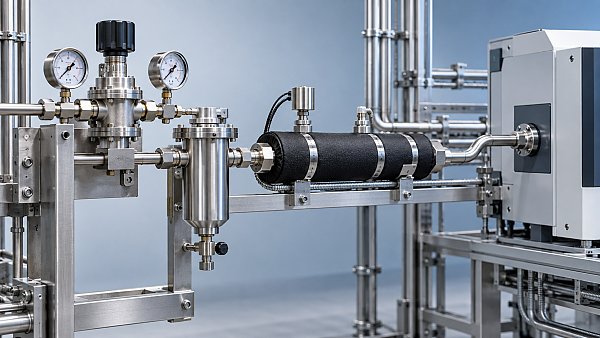
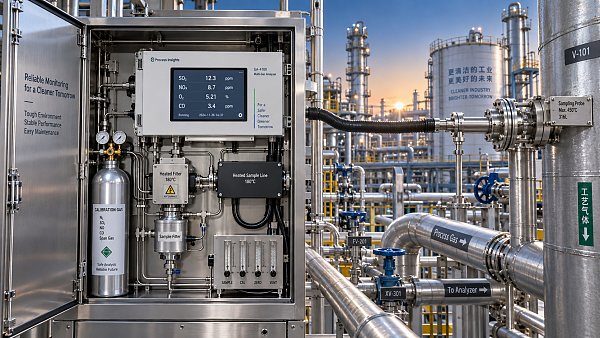
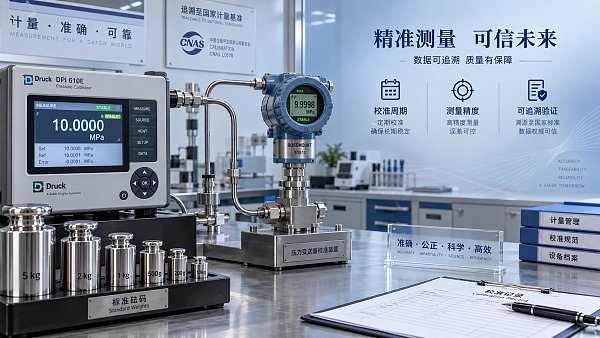
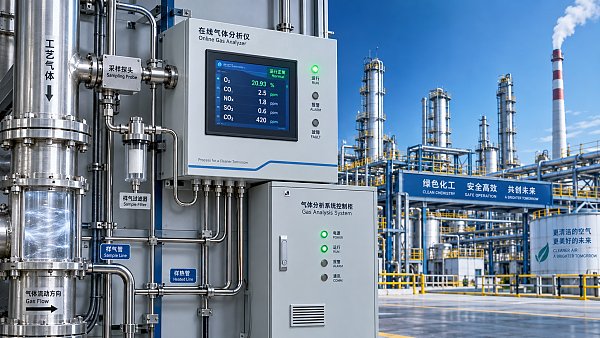
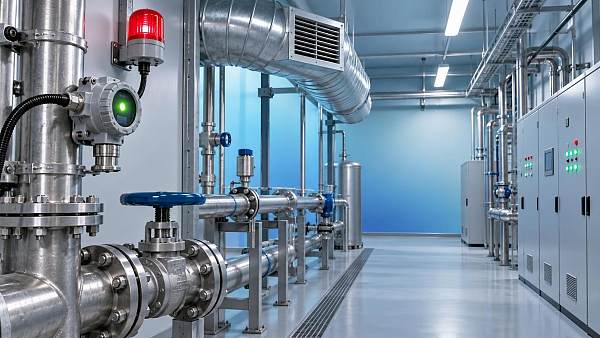
When an analyzer fails during an environmental audit, protect the evidence, assess operational risk, and establish which measurements remain valid before attempting to restore service.
A breakdown does not automatically establish an emissions or discharge violation. However, missing measurements, unreliable results, or an inadequate response can create separate compliance problems.
Knowing how to handle analyzer failure during environmental compliance audit procedures means identifying affected data, preserving diagnostic records, communicating clearly, and using authorized contingency methods.
This guide helps environmental managers, instrumentation engineers, and compliance teams respond to CEMS and online water quality analyzer failures while maintaining a defensible audit trail.
What Should You Do Immediately When the Analyzer Fails?
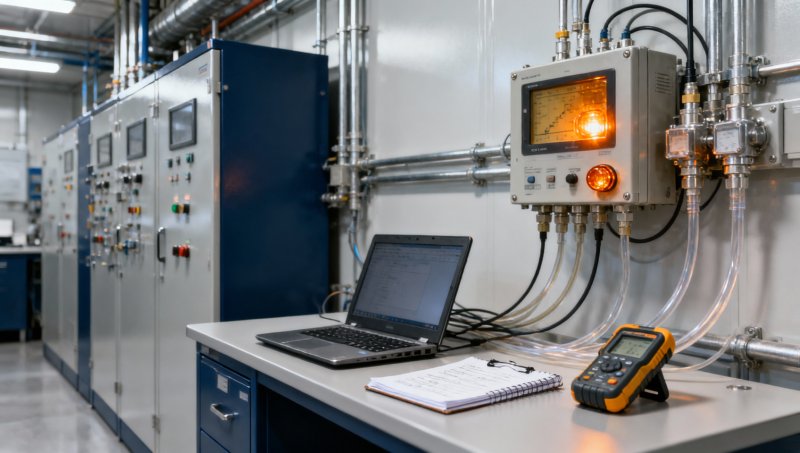
Assign one incident coordinator, typically the environmental manager, to connect operations, maintenance, laboratory personnel, and the audit team. Clear ownership prevents inconsistent decisions and explanations.
Record the detection time, instrument identification, affected monitoring point, displayed alarms, operating conditions, and personnel involved. Distinguish when the fault appeared from when someone discovered it.
Preserve available evidence before resetting equipment. Export raw readings, diagnostic logs, calibration results, configuration records, and historian trends through approved procedures that maintain record integrity.
Evaluate whether the failure affects only compliance monitoring or also process protection. An analyzer supporting safety functions requires coordination with the responsible operations and safety personnel.
Check the permit, monitoring plan, and applicable procedure immediately. These determine whether continued operation, alternative monitoring, reduced production, or shutdown is necessary during the outage.
Tell the auditor what is known, what remains uncertain, and who is investigating. Avoid attributing the problem to calibration drift until supporting evidence exists.
Communicate instrument status to control room personnel and data users. A plausible numeric display must not be mistaken for a verified measurement during troubleshooting.
Does Analyzer Failure Mean the Facility Is Out of Compliance?
Separate three questions: whether emissions or discharge exceeded a limit, whether required monitoring was available, and whether the facility met reporting and response obligations.
These questions can produce different outcomes. A process may remain within limits while an instrument outage creates a monitoring deviation that still requires documentation or notification.
Start with the applicable permit and incorporated monitoring requirements. Identify downtime provisions, data availability criteria, quality assurance requirements, alternative methods, and any specified operating restrictions.
For U.S. air monitoring, requirements under 40 CFR Parts 60, 63, and 75 can differ substantially. State permits may impose additional or different obligations.
For wastewater monitoring, review the discharge permit, required analytical methods, sampling frequencies, and preservation conditions. An online instrument may support operations without determining permit compliance.
Do not assume a universal outage allowance or notification deadline. Requirements depend on the jurisdiction, pollutant, monitoring program, permit conditions, and circumstances of the failure.
Determine whether the visiting team is conducting a regulatory inspection, certification audit, or internal review. Informing an auditor does not replace any required regulatory notification.
Which Measurements Should You Treat as Potentially Invalid?
Build a timeline using the last demonstrated acceptable performance, the first suspicious behavior, fault detection, repair, and successful verification. These milestones establish the investigation boundaries.
The last passing quality check provides an evidence point, but it does not automatically prove every later measurement remained valid until the alarm activated.
Review historical trends for gradual drift, flatlined readings, improbable variability, repeated identical values, or disagreement with operating conditions. Silent degradation may precede a visible failure.
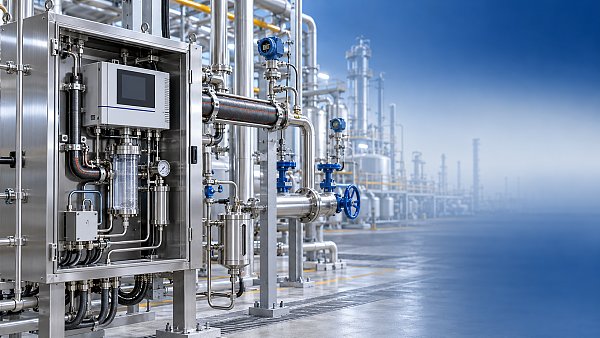
For extractive CEMS, investigate sample line leaks, blocked filters, condensation, failed pumps, and conditioning faults. A functioning analyzer can still receive an unrepresentative gas sample.
For water analyzers, consider fouling, reagent depletion, bubbles, sample flow interruptions, temperature effects, and matrix interference. Stable readings alone do not demonstrate reliable analytical performance.
Compare suspect measurements with independent evidence, such as laboratory results or redundant instruments. Use these comparisons to investigate validity, without automatically replacing required compliance measurements.
Preserve original records and apply documented quality flags through the approved data workflow. Any correction should remain traceable to its justification, author, and timestamp.
State the confidence and limitations of your assessment. If evidence cannot establish a precise failure onset, document that uncertainty instead of selecting a convenient boundary.
What Can You Use While the Primary Analyzer Is Unavailable?
Contingency monitoring must answer two separate questions: can the alternative measure reliably, and does the applicable compliance framework permit its use for this purpose?
A redundant analyzer may provide continuity when its installation, measurement range, quality assurance status, and data handling satisfy the applicable requirements. Confirm these conditions first.
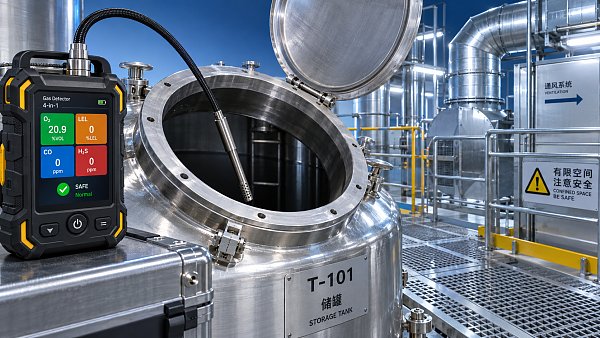
A portable instrument can support diagnosis or operational decisions. It becomes compliance evidence only where the relevant rules or authorized monitoring arrangements allow that use.
For water monitoring, laboratory analysis may provide useful evidence when sampling location, timing, preservation, holding time, and analytical method meet the required conditions for use.
Check laboratory competence and accreditation scope where applicable. ISO/IEC 17025 accreditation supports confidence in specified testing activities, but does not itself authorize a substitute monitoring method.
Continuous gas monitoring and periodic manual testing capture different time patterns. A short test generally cannot demonstrate compliance throughout an entire outage without an applicable provision.
Some programs prescribe missing data substitution procedures. Apply the required method exactly, and clearly distinguish substituted values from measurements in records and reporting systems.
If no permitted alternative exists, follow the applicable operating restrictions and escalation process. Coordinate any necessary production reduction or shutdown with operations under established procedures.
How Should Engineers Troubleshoot Without Losing Audit Evidence?
Use a structured sequence: confirm power and communications, inspect sample delivery, evaluate analyzer diagnostics, then investigate analytical components. This helps isolate faults without unnecessary adjustments.
A missing dashboard value may reflect a communications problem rather than instrument failure. Compare local readings, controller status, data acquisition records, and historian timestamps.
Conversely, a working communications link does not validate the measurement. Confirm that the displayed value updates and that diagnostic status accompanies the recorded reading.
Check sample flow, pressure, temperature, filters, tubing, valves, and conditioning equipment against documented operating limits. Record observations before changing settings or replacing suspect components.
For optical or electrochemical systems, examine contamination, aging components, reference conditions, and manufacturer diagnostics. For reagent systems, check reagent condition, delivery, and analytical sequence completion.
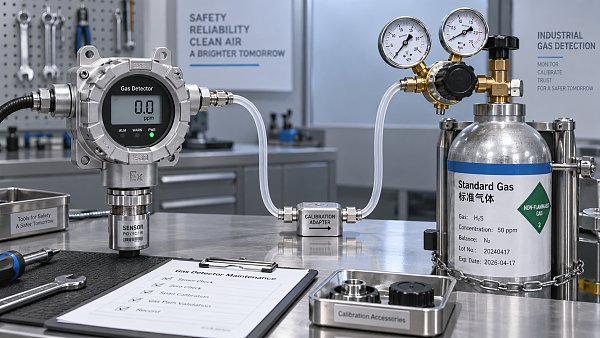
Use suitable reference materials or standards with documented identity, expiry, and traceability. An expired standard or incorrect gas concentration can misdirect diagnosis and invalidate verification.
Make controlled changes and record their effects. Multiple simultaneous adjustments can restore a reading while leaving the actual cause unknown and recurrence risk unresolved.
Follow manufacturer instructions and site safety procedures when opening enclosures or handling calibration gases, reagents, electrical components, and hot samples. Engage specialist support when needed.
What Should You Tell the Auditor and Record in the Incident File?
Provide a concise factual update covering the affected instrument, detection time, potentially affected period, operational status, interim controls, and expected next steps for the investigation.
Explain what evidence supports continued operation or alternative monitoring. Where conclusions remain provisional, identify the information needed to confirm them and assign responsibility for obtaining it.
Keep a single incident record linking diagnostic exports, work orders, calibration certificates, sample records, laboratory reports, and communications. This makes the response easier to reconstruct.
Document the governing requirement behind each significant decision. Referencing the relevant permit condition or procedure is stronger than stating that a practice is standard.
Record notification decisions, recipients, submission times, and any required follow-up. Maintain copies of submitted reports and acknowledgments according to the facility’s applicable retention requirements.
Separate observed facts from engineering interpretations. For example, document a blocked sample filter as an observation and its suspected influence on readings as an assessment.
Avoid promising that every affected result can be recovered. A transparent account of missing evidence is more defensible than unsupported estimates presented as valid measurements.
When Is the Analyzer Ready to Return to Compliance Service?
Repair completion is only the first checkpoint. Release the analyzer after the required performance checks demonstrate that the complete measurement system meets applicable acceptance criteria.
Verify sample delivery, analyzer response, data transmission, timestamps, units, averaging settings, and quality flags. A corrected instrument can still feed incorrectly configured compliance reporting software.
Perform the checks required by the monitoring program and maintenance circumstances. These may include calibration, drift, response, or other performance tests specified for the system.
Major component changes or substantial system modifications may trigger additional testing or recertification under particular programs. Confirm requirements before assuming routine calibration is sufficient.
Record actual results against predefined acceptance limits, including reference material details and test conditions. A statement that the instrument passed is insufficient without supporting evidence.
Keep the repair time, successful verification time, and compliance data reinstatement time distinct. The applicable rules determine when measurements can resume their valid reporting status.
Obtain the designated technical and compliance approvals, then monitor early performance for recurrence. Close temporary controls only after confirming normal monitoring and reporting have resumed.
How Can You Prevent the Same Failure From Disrupting Another Audit?
Translate the investigation into corrective actions that address the cause. Replacing a damaged component will not solve recurring condensation, inadequate maintenance, or unsuitable sample conditioning.
Assign each action an owner, deadline, and effectiveness check. Verify improvement through performance records rather than closing the action solely because maintenance work was completed.
Prioritize resilience spending around compliance consequences, repair lead times, failure frequency, and contingency availability. These factors provide a stronger business case than instrument price alone.
For critical monitoring points, compare spare components, redundant systems, service agreements, and improved diagnostics. Evaluate lifecycle cost alongside data availability and the practicality of permitted alternatives.
Global Instrument Hub’s instrumentation research can support supplier assessment, including service coverage, spare parts availability, documentation quality, and application suitability. Facilities must verify their specific requirements.
Rehearse the response with operations, maintenance, and compliance personnel. A short exercise can reveal missing access permissions, unclear responsibilities, or contingency equipment that is not ready.
What Does a Defensible Response Look Like?
A defensible response connects evidence, technical investigation, and regulatory decisions. It explains what failed, which records were affected, how operations were controlled, and why service resumed.
The immediate priority is to preserve evidence and establish safe, permitted operating conditions. Troubleshooting, data assessment, communication, and contingency monitoring should then progress together under clear ownership.
Successful handling means the facility can substantiate its decisions and identify remaining uncertainty. Restoring a reading matters, but restoring confidence requires verified performance and traceable records.