
How laser gas analyzers improve combustion control in steel furnaces


How Laser Gas Analyzers Improve Combustion Control in Steel Furnaces
Steel furnaces demand precise combustion control to balance productivity, fuel efficiency, refractory life, and emissions compliance. A laser gas analyzer for steel industry applications provides fast, in-situ measurement of oxygen, carbon monoxide, carbon dioxide, and other critical gases, enabling engineers to identify combustion imbalances before they affect furnace performance. This article examines how laser-based gas analysis supports more stable heating, reduced fuel consumption, and data-driven optimization in demanding steelmaking environments.
For technical teams, the key issue is not simply whether an analyzer can detect a gas. It is whether the measurement represents what is actually happening in the furnace, arrives quickly enough to influence control, and remains credible despite heat, dust, vibration, pressure variation, and changing fuel conditions. Those questions determine whether a gas analyzer becomes a useful combustion-control instrument or merely another trend on the historian.
Why furnace combustion is difficult to control from conventional signals alone
Reheating furnaces, walking-beam furnaces, pusher furnaces, annealing lines, ladle-heating systems, and other thermal assets operate under conditions that change continuously. Steel charge temperature, material geometry, production rate, burner firing pattern, furnace pressure, fuel composition, air leakage, and door openings all affect the combustion process. A setting that performs well during a steady production period can become inefficient when throughput shifts or when a zone is partially loaded.
Many furnace control systems rely heavily on fuel flow, combustion-air flow, pressure, temperature, and burner management logic. These are essential signals, but they are indirect. Air-flow measurement can indicate the intended air-to-fuel ratio; it cannot by itself confirm whether excess air, incomplete combustion, or localized reducing conditions are present in the hot flue-gas path. Oxygen trim systems help, yet a single downstream oxygen value can conceal zone-to-zone differences and may respond too slowly to transient conditions.
That gap matters. Excess oxygen generally means that more air than necessary has been heated and discharged through the stack, increasing sensible heat losses. Insufficient oxygen can produce elevated carbon monoxide, unstable flames, unburned fuel risk, and undesirable furnace atmospheres. In steel heating, combustion imbalance can also influence oxidation, scale formation, heat-transfer consistency, and refractory exposure. The correct operating point is therefore rarely a fixed oxygen number copied from a generic guideline. It depends on furnace design, fuel, burner type, zoning strategy, operating load, and process objectives.
What laser-based gas analysis changes
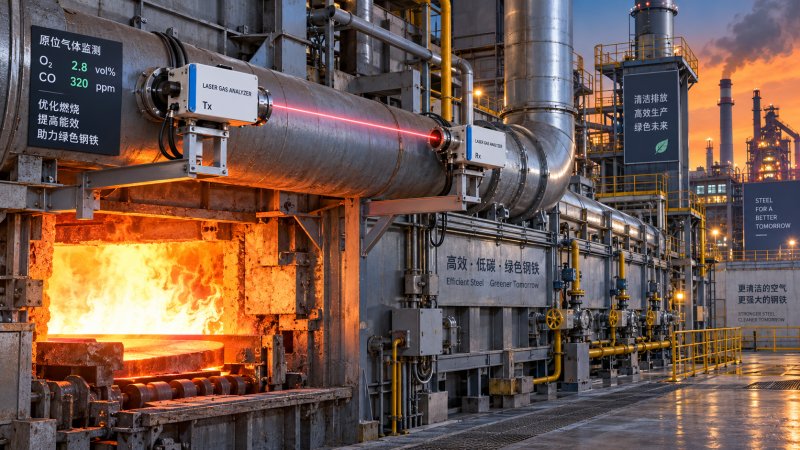
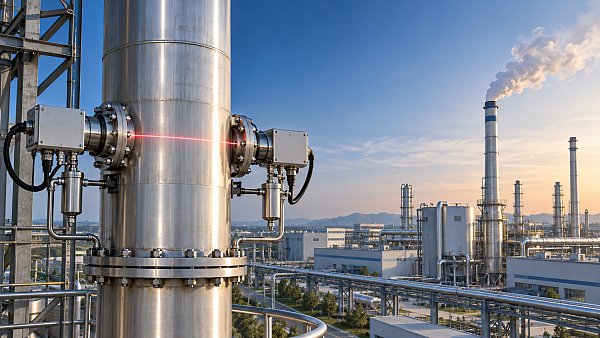
Laser gas analyzers commonly use tunable diode laser absorption spectroscopy, often referred to as TDLAS. A laser is tuned to a specific absorption line associated with a target gas molecule. By measuring how the laser signal is absorbed across a defined optical path, the instrument can determine gas concentration without extracting and conditioning a sample in the conventional sense.
This measurement principle is especially attractive in high-temperature furnace environments because it can be installed across a duct, furnace roof, radiant section, or exhaust channel. Rather than drawing a sample through heated lines, filters, coolers, pumps, and conditioning cabinets, an in-situ system reads directly through the process gas. The result can be a much faster view of combustion behavior, provided that the measurement location and optical arrangement have been engineered properly.
Fast response does not automatically mean better control. It becomes valuable when the signal is connected to a defined operating decision: adjust combustion air, correct a burner-zone bias, detect a fan or damper problem, validate a fuel-changeover strategy, or trigger an investigation into air ingress. A laser gas analyzer for steel industry use should therefore be considered part of a measurement-and-control loop, not as an isolated analytical device.
Reading oxygen and carbon monoxide together
Oxygen is the most familiar combustion indicator, but it should not be interpreted alone. A low oxygen reading may reflect efficient combustion, but it may also signal oxygen-starved operation. Carbon monoxide provides important context because it is associated with incomplete combustion under many furnace conditions. When O2 falls while CO rises, the process may be moving toward a fuel-rich or poorly mixed state. When O2 remains persistently high and CO is low, the furnace may be operating with more excess air than the process requires.
The relationship is not always simple. Gas stratification, air leakage downstream of burners, recirculation patterns, burner staging, and measurement position can all alter the reading. A high oxygen value at the stack may be caused by dilution air rather than by excessive combustion air at the burners. Likewise, a CO excursion measured close to a combustion zone may be transient and local rather than representative of total furnace exhaust. Engineers need to understand the gas path before assigning a control action to a number.
Carbon dioxide can add a further perspective on combustion products and dilution. Water vapor is also relevant in many combustion systems, especially where hydrogen-rich fuels, mixed gases, or humidity-sensitive process conditions are involved. The gas suite should be selected around the control question, not around a desire to measure every possible component. A measurement that cannot be acted upon creates maintenance work without improving furnace decisions.
Where in-situ measurements help most
The strongest use case is often a furnace where operating conditions are variable and the consequences of delayed feedback are material. On a multi-zone reheating furnace, a laser analyzer can help reveal whether the furnace is being controlled as a uniform thermal machine when its zones are actually behaving differently. A discharge end may require a different combustion strategy from a preheating zone. If only a remote stack measurement is available, local deviations can remain hidden until they become large enough to affect overall exhaust composition.
For regenerative or recuperative burner systems, gas analysis can support assessment of air preheat effects, switching cycles, and burner balance. For furnaces using natural gas, coke oven gas, blast furnace gas, mixed fuel gases, or changing fuel blends, direct flue-gas measurement becomes even more useful because theoretical air demand can change with fuel composition. The analyzer does not replace fuel characterization or burner management safeguards, but it can reveal how the actual furnace responds to changing inputs.
Laser measurement is also useful for troubleshooting. Persistent CO may point to a burner issue, but it may equally indicate poor mixing, low available combustion air, a damaged air register, uneven furnace draft, or an operating practice that has drifted over time. The value lies in narrowing the investigation. Instead of adjusting air setpoints repeatedly and hoping for an improvement, teams can correlate gas data with specific events and identify where the process departs from normal behavior.
The measurement location is part of the instrument
A technically strong analyzer installed at the wrong point will produce technically valid but operationally misleading data. This is one of the most common risks in furnace gas-analysis projects. The installation point should be selected after considering gas mixing, temperature, velocity, dust burden, access for maintenance, pressure profile, expected gas concentration, and the intended control action.
An open optical path through a furnace or duct may see a representative average concentration, but the path can also cross regions with different gas composition. A near-wall path can be influenced by cooler boundary layers or leakage. A stack location may be practical and safer to maintain, yet too far downstream to diagnose individual furnace zones. Conversely, a location close to burners can deliver fast information but may be exposed to severe radiant heat, flame interference, dust deposition, and non-uniform gas distribution.
Optical windows and purge arrangements deserve early attention. Scale, particulates, condensable material, and dust can reduce transmission. Purge gas protects optical surfaces, but poorly designed purge flow can disturb the local measurement or create a false dilution effect. Mechanical alignment is equally important: steelwork movement during thermal cycling, vibration from fans, and maintenance access all influence long-term availability. These are not minor installation details; they are central to whether the measurement remains usable after commissioning.
From analyzer signal to practical combustion control
The first stage of implementation should usually be advisory rather than aggressive closed-loop control. Engineers need time to establish a baseline: normal O2 and CO behavior by production condition, expected response after burner adjustments, and the effect of doors, charging, or fuel changes. This period also exposes sensor-location issues and confirms whether the signal is stable enough for automation.
Once the measurement is understood, it can be integrated with the PLC or DCS as a supervised trim signal, alarm input, performance indicator, or optimization variable. The control design should include signal validation, communication-failure behavior, analyzer diagnostics, rate limits, and safe fallback logic. Combustion safety functions must remain governed by the applicable burner-management architecture and site safety requirements. A gas analyzer can inform combustion optimization, but it should not be treated as a substitute for flame detection, purge sequences, interlocks, or safety shutdown systems.
A useful control philosophy often separates short-term corrections from long-term learning. Short-term logic can respond to clear deviations, such as sustained elevated CO or an unexpected oxygen shift. Longer-term review can identify recurring patterns: a specific zone requiring repeated manual correction, excess air increasing after maintenance, or a relationship between production scheduling and combustion instability. This is where historical data has real value. It changes the discussion from “the furnace seems inefficient” to “this event consistently precedes this gas response.”
What to evaluate before selecting a laser gas analyzer for steel industry use
Technical evaluation should begin with the furnace problem, then work backward to the analyzer. A request for oxygen measurement may actually be a need to distinguish excess air from air ingress. A request for CO may be driven by fuel losses, atmosphere quality, safety concerns, or emissions monitoring. These are related but not identical applications, and they can require different measurement positions, ranges, response expectations, and integration approaches.
- Define the target gases and the reason each gas is needed for a decision or control action.
- Map the furnace, ductwork, and pressure zones before choosing an optical path.
- Confirm expected temperature, dust, corrosive constituents, vibration, and access constraints at the installation point.
- Review response-time needs at the full system level, including signal filtering and control-system scan time.
- Specify communications, diagnostics, maintenance access, purge utilities, and spare-part expectations early.
- Check electrical-area classification and local requirements where hazardous-area certification may apply.
It is also sensible to distinguish process optimization from regulatory emissions monitoring. A furnace gas analyzer may provide valuable operational intelligence, but a compliance application can have separate rules for installation, quality assurance, calibration, data handling, and reporting. Whether a particular system is suitable for such use depends on the applicable jurisdiction, permit conditions, and project documentation. That determination should not be assumed from the analyzer technology alone.
A more disciplined path to furnace optimization
Combustion improvement is often presented as a simple air-to-fuel-ratio exercise. In real steel plants, it is a measurement problem, a control problem, and a mechanical-condition problem at the same time. Laser-based gas analysis gives furnace teams a faster and more direct observation of the combustion result. It can expose excess-air operation, incomplete combustion, transient instability, leakage effects, and drift that conventional control signals may not make visible.
The most reliable projects do not start by selecting a model. They start by defining the decision that better gas data must support, then validating the measurement point and integration logic against the furnace’s actual operating behavior. For technical evaluators comparing suppliers and architectures, Global Instrument Hub tracks this intersection of analytical measurement, industrial process control, environmental monitoring, and global instrumentation supply. The practical next step is to assemble a site-specific measurement brief covering furnace type, fuel, target gases, access conditions, control objectives, and any certification or compliance constraints. That brief will reveal whether an in-situ laser solution is the right tool—and where it can genuinely improve combustion control.
Recommended for You
 How to identify a reliable supplier using on-time delivery recordsIdentify a Reliable Supplier by verifying on-time delivery records, original commitments, and complete shipments. Learn practical checks to reduce purchasing risk and protect your project schedule.
 How sensitive should a portable hydrogen analyzer be for lab use?Choose a portable hydrogen analyzer for laboratory use with the right quantification limit, accuracy, and range. Learn how to verify performance and avoid costly buying mistakes.
 How to set industrial calibration intervals based on equipment riskSet industrial calibration intervals based on equipment risk, drift, and as-found data. Learn when to shorten or extend schedules to improve reliability and avoid unnecessary costs.
 How to choose electrochemical analyzers for low-current measurementsCompare electrochemical analyzers for precise low-current measurements. Learn how noise, leakage, bandwidth, and real-cell testing help you choose the right instrument.
 What tolerance does a custom gas mixture need for calibration?Choose the right custom gas tolerance for calibration. Learn how blending tolerance, certified uncertainty, and stability affect accuracy—and avoid paying for precision you don’t need.
 How condensation affects stack detector readings in wet flue gasStack detector readings can drift when wet flue gas condenses. Learn how to identify moisture interference, prevent sample losses, and improve emissions monitoring reliability.
 How to prevent condensation in a CO2 analyzer sampling systemPrevent condensation in your CO2 analyzer sampling system. Learn how to control dew point, eliminate cold spots, and manage moisture for reliable readings and fewer costly disruptions.
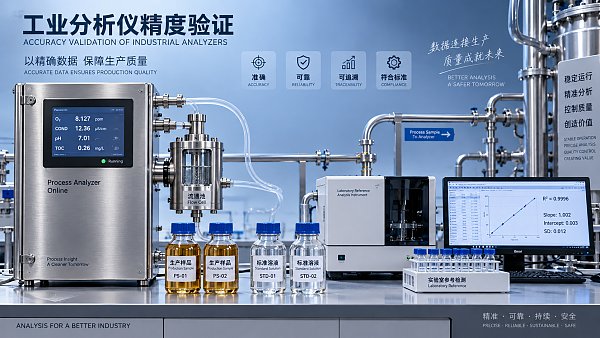
 How to verify accuracy claims for industrial quality analyzersVerify accuracy claims for industrial quality analyzers with calibration checks, independent testing, and clear acceptance criteria. Learn how to reduce risk and buy with confidence.
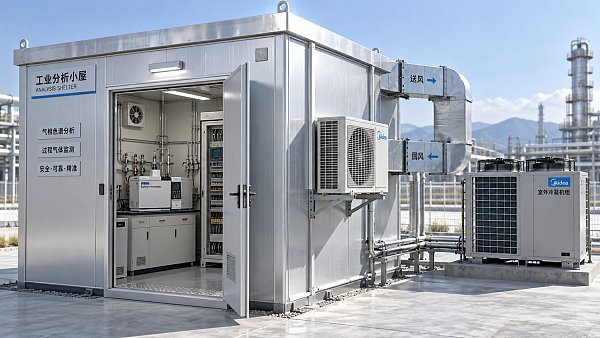
 How to calculate cooling loads for an industrial analyzer shelterSize industrial analyzer shelter cooling with confidence. Learn to calculate equipment heat, solar gains, and ventilation loads, then select HVAC capacity for reliable analyzer performance.
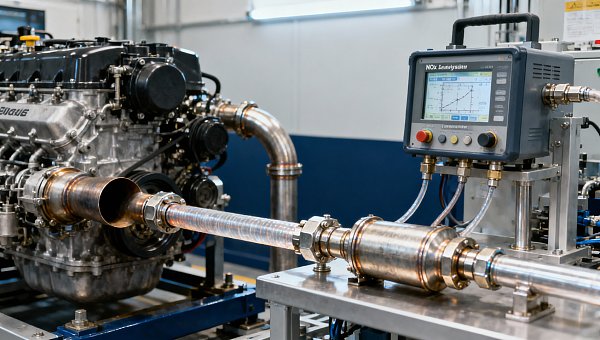
 Diesel Engine NOx Analyzers: Response Time and NO2 Conversion ExplainedChoosing a NOX analyzer for diesel engines? Learn how response time, NO2 conversion, and sampling design affect accuracy—and make a smarter, evidence-based purchase.
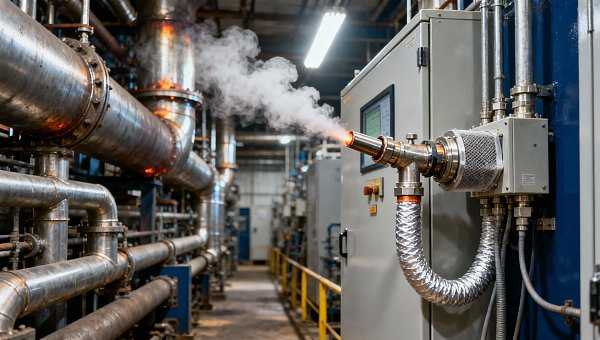
 SO2 Analyzers for Smelter Emissions: Sampling Hot, Dust-Laden Flue GasSelect an SO2 analyzer for smelting industry applications. Discover how to handle hot, dust-laden flue gas, prevent sample losses, and achieve reliable emissions monitoring.
 Unstable CH4 Readings in Biogas Monitoring? Check Moisture and Sample FlowCH4 analyzer for biogas monitoring giving unstable readings? Discover how moisture, sample flow, and pressure checks help pinpoint faults and restore reliable methane measurements.
 Buying a CO2 Analyzer for Brewery Gas Recovery: Costs Beyond the Purchase PriceBuying a CO2 analyzer for brewery applications? Compare sampling, installation, calibration, and downtime costs to uncover hidden expenses and make a smarter gas recovery investment.
 Where to Place CO Analyzers for Effective Parking Garage VentilationOptimize your CO analyzer for parking garage ventilation with practical placement tips. Learn how sensor height, airflow, and zone coverage support timely detection and effective fan control.
 NDIR vs. FTIR Gas Analyzers: Which Fits Your Environmental Research?Find the right infrared gas analyzer for environmental research. Compare NDIR vs. FTIR on sensitivity, gas coverage, sampling needs, and cost to choose confidently for your study.
 Oxygen Analyzers for Diving: Calibration Checks Before Nitrox BlendingUsing an oxygen analyzer for diving applications? Discover essential calibration, sensor, and sampling checks before nitrox blending to support reliable readings.
 How Paramagnetic Oxygen Analyzers Work and Why Sample Pressure MattersLearn how a paramagnetic oxygen analyzer works, why sample pressure affects accuracy, and what to check in compensation and calibration before choosing your system.
 How Much Does a Complete CEMS Integration Project Typically Cost?How much does a complete CEMS integration project typically cost? Explore budget ranges, hidden installation costs, and compliance needs to compare quotes and plan confidently.
 What Is the Typical Response Time for Industrial Air Monitors?What is the typical response time for industrial air monitors? Explore T90, sampling delays, and alarm settings to compare performance and choose the right monitor with confidence.
 Do Regulatory Monitoring Systems Need Third-Party Certification?Do regulatory monitoring systems need third-party certification? Learn when it is required, what certificates prove, and how to verify compliance before buying.
 How Do You Choose Wired or Wireless for Stack Monitoring?Learn how to choose between wired and wireless for stack monitoring. Compare reliability, lifecycle costs, and data recovery to find the right CEMS setup for your site.
 What Happens When Combustible Gas Sensor Calibration Is Overdue?What happens if combustible gas sensor is not recalibrated on time? Discover the risks of inaccurate readings and missed alarms, plus steps to restore reliable protection.
 Can One Multi-Gas Detector Replace Four Separate Analyzers?Find out: can a single multi-gas detector replace four separate analyzers? Compare accuracy, safety, compliance, and lifetime costs to make a confident buying decision.
 Industrial Safety vs. Emission Monitoring: What Are the Differences?What are the main differences between industrial safety and emission monitoring? Compare goals, sensors, response times, and compliance needs to choose the right systems for your facility.
 Is Remote Monitoring Worth the Cost for Small Emission Sources?Is it worth investing in remote monitoring for small emission sources? Compare costs, compliance needs, and potential savings to choose the right solution for your operation.
 How Do You Handle Analyzer Failure During an Environmental Audit?Learn how to handle analyzer failure during environmental compliance audit procedures. Protect evidence, verify data, and restore monitoring with this practical response guide.
 Do VOC Monitors Require Explosion-Proof Certification?Does VOC monitoring require explosion-proof certification? Learn when approval is needed, compare ATEX and IECEx, and choose the right monitor for your site.
 How sample conditioning affects accuracy in petrochemical analyzersImprove accuracy in petrochemical analyzers with smarter sample conditioning. Discover how phase control, filtration, and transport design prevent bias and deliver reliable process data.
 How to troubleshoot sensor drift in industrial gas detectorsIndustrial gas detectors showing sensor drift? Learn how to verify calibration gas, identify root causes, and determine when sensor replacement is needed for reliable monitoring.
 How to judge whether a competitive price reflects real valueCompetitive Price: learn how to compare scope, compliance, performance, and lifecycle costs to identify real value, reduce risk, and make smarter purchasing decisions.
 When custom gas analysis is the right fit for complex process streamsCustom gas analysis for complex process streams: learn when tailored sampling, interference control, and reliable measurement design deliver confident decisions.
 When does a laser gas analyzer meet stack emissions monitoring needs?Laser gas analyzer for stack emissions: learn when it delivers fast, reliable data, how to assess installation risks, and what to verify for CEMS compliance.
Search Categories
Search Categories
- Smart Meters & Power Quality
- Transformer Gas Analyzers
- BESS Thermal Runaway Detectors
- Energy, Power & Smart Grid Monitoring
- Optical Profilers & CMM
- Ultrasonic & X-Ray NDT
- Calibration Standards
- Precision Metrology & NDT
- Water Quality Analyzers
- CEMS & VOCs Monitors
- Price Trends
- Import & Export Updates
- Market Trends
- Industry News
- Industry Insights
Latest Article
- How to identify a reliable supplier using on-time delivery recordsIdentify a Reliable Supplier by verifying on-time delivery records, original commitments, and complete shipments. Learn practical checks to reduce purchasing risk and protect your project schedule.Posted by:
- How sensitive should a portable hydrogen analyzer be for lab use?Choose a portable hydrogen analyzer for laboratory use with the right quantification limit, accuracy, and range. Learn how to verify performance and avoid costly buying mistakes.Posted by:
- How to set industrial calibration intervals based on equipment riskSet industrial calibration intervals based on equipment risk, drift, and as-found data. Learn when to shorten or extend schedules to improve reliability and avoid unnecessary costs.Posted by:
Please give us a message
