
Why combustible gas detection needs regular calibration


[Technical Procurement Intelligence Summary]:For after-sales maintenance teams, reliable combustible gas detection is more than a compliance task. It is a frontline safeguard against leaks, explosions, and downtime.
Sensors drift as they age, absorb contaminants, face humidity, or experience high gas exposure. Regular calibration confirms accurate readings and dependable alarm response.
Why Combustible Gas Detection Needs Regular Calibration
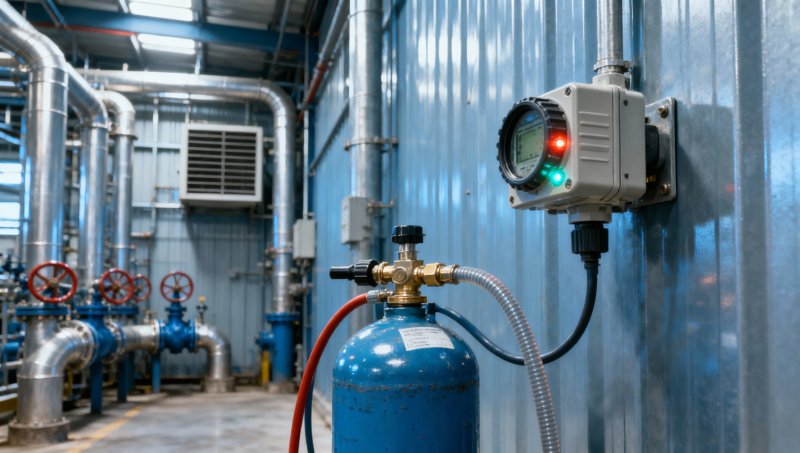
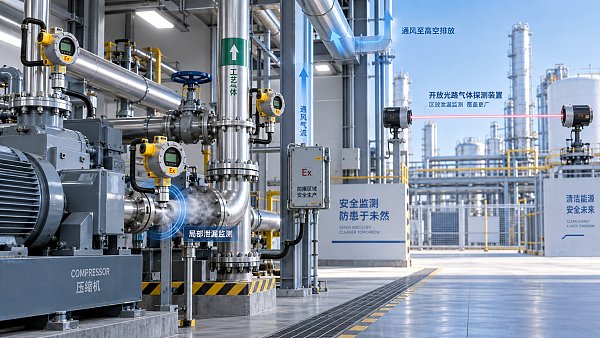
Combustible gas detection protects people, assets, and production environments where flammable vapors or gases may accumulate unnoticed.
A detector is only useful when its sensor response matches real gas concentration. Calibration verifies that relationship under controlled conditions.
Without calibration, combustible gas detection can become a false sense of security. Readings may appear stable while actual risk increases.
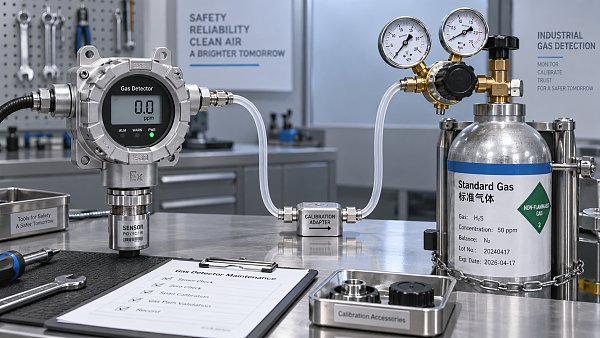
In industrial practice, calibration means exposing a detector to certified test gas. The instrument response is adjusted or verified against known concentration.
This process helps ensure alarms activate near intended thresholds, especially around percentage LEL values used for flammable gas safety.
Sensor Drift and Measurement Reliability
Combustible gas detection depends on sensing technologies such as catalytic bead, infrared, semiconductor, or electrochemical principles.
Each technology has strengths, but none is immune to drift. Physical materials change after months of thermal cycling and chemical exposure.
Catalytic sensors may lose sensitivity when exposed to silicone, sulfur, lead compounds, or heavy hydrocarbons.
Infrared sensors resist poisoning better, but optical paths can be affected by dust, condensate, or window contamination.
For combustible gas detection, even small drift matters. A delayed alarm may allow gas concentration to enter a dangerous range.
Calibration documents whether the sensor still responds correctly. It also reveals devices that need cleaning, repair, or replacement.
Industry Background and Current Risk Signals
Combustible gas detection is used across energy, chemical processing, laboratories, utilities, construction, food production, and general manufacturing.
The risk profile is expanding as facilities add hydrogen systems, battery storage, solvent processes, and compact production lines.
These signals explain why combustible gas detection cannot be treated as a static installation.
A detector commissioned correctly may still need attention after process changes, maintenance shutdowns, or abnormal exposure events.
Business Value of Calibration Discipline
Regular calibration improves confidence in combustible gas detection data. That confidence supports safer decisions during operation and maintenance.
Accurate detectors help reduce false alarms. They also reduce the larger danger of missed alarms during real leak events.
For production continuity, calibrated combustible gas detection supports faster fault isolation. Teams can distinguish sensor error from actual process risk.
Calibration records also create traceability. They show that safety instruments were verified with suitable gas, procedures, and intervals.
In regulated or audited environments, traceable records are not administrative extras. They are evidence of safety management maturity.
- Improves alarm threshold confidence.
- Supports preventive maintenance planning.
- Reduces unnecessary emergency response.
- Strengthens insurance and audit documentation.
- Extends useful life through early fault detection.
Combustible gas detection becomes more valuable when calibration data is reviewed, not merely filed.
Repeated adjustment trends can reveal process contamination, sensor poisoning, poor placement, or unsuitable detector technology.
Typical Applications and Calibration Priorities
Different sites require different calibration strategies. The gas type, environment, risk level, and detector function all matter.
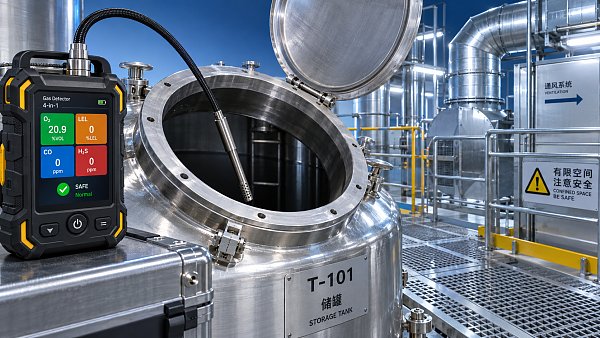
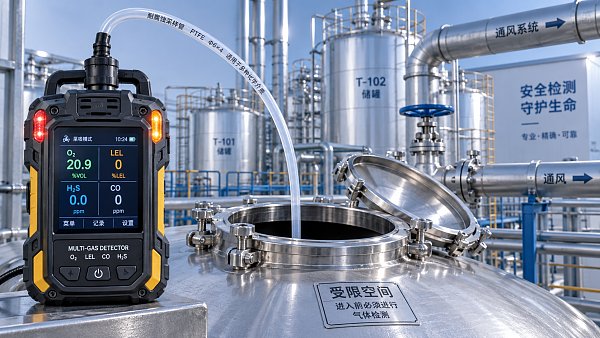
Combustible gas detection in confined spaces deserves special attention. Poor ventilation can make concentration rise quickly.
Portable instruments used before entry need bump testing and calibration aligned with site procedures.
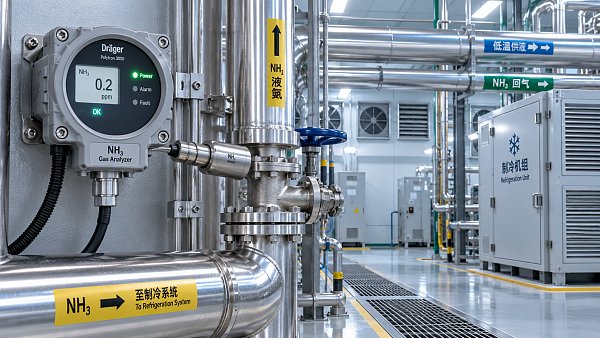
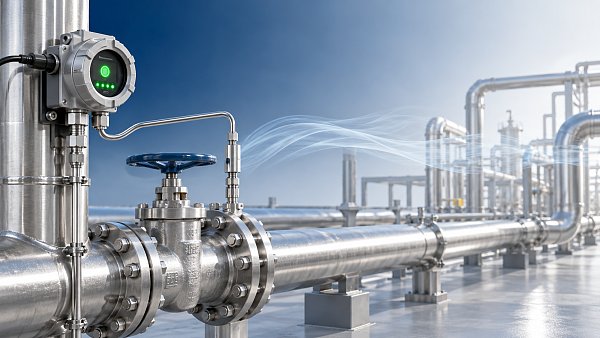
Fixed systems may require proof testing of relays, beacons, horns, and controller logic after sensor calibration.
Calibration Frequency and Key Triggers
There is no universal interval for combustible gas detection calibration. Manufacturer guidance is the starting point, not the whole answer.
Intervals should reflect site risk, gas exposure frequency, environmental severity, and historical calibration stability.
A clean utility room may allow longer intervals than a solvent handling area with frequent vapor release.
Many sites combine scheduled calibration with event-based checks. This approach better protects combustible gas detection performance.
- Calibrate after exposure above alarm range.
- Calibrate after sensor replacement or repair.
- Calibrate after water ingress or heavy contamination.
- Calibrate after process gas composition changes.
- Calibrate when bump tests show weak response.
Bump testing is not the same as full calibration. It confirms response, but does not always adjust measurement accuracy.
Both practices are important. Together, they keep combustible gas detection responsive and trustworthy between major service events.
Practical Calibration Considerations
Good calibration starts with the correct test gas. The gas must match the sensor type and intended measurement purpose.
Certified cylinders should remain within expiration date. Regulators, tubing, and flow rates must follow instrument requirements.
For catalytic combustible gas detection, oxygen availability matters. Catalytic sensors usually require oxygen to support oxidation reaction.
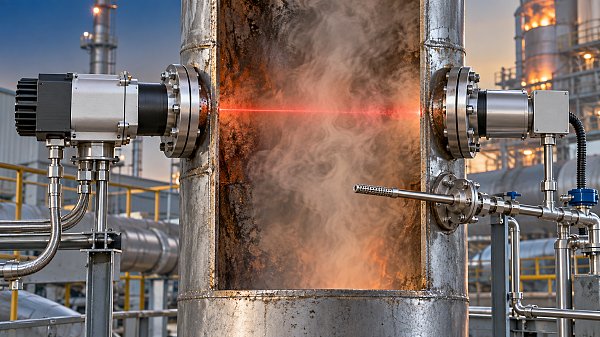
For infrared systems, calibration must consider optical cleanliness, gas path design, and environmental compensation.
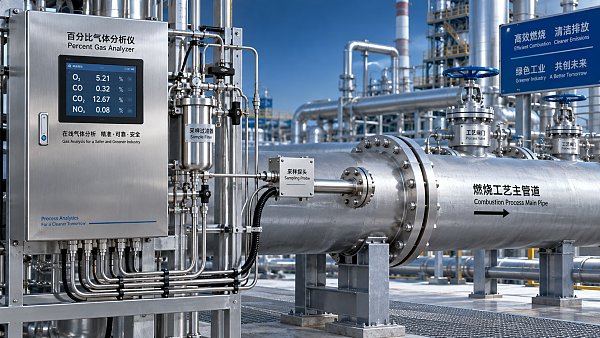
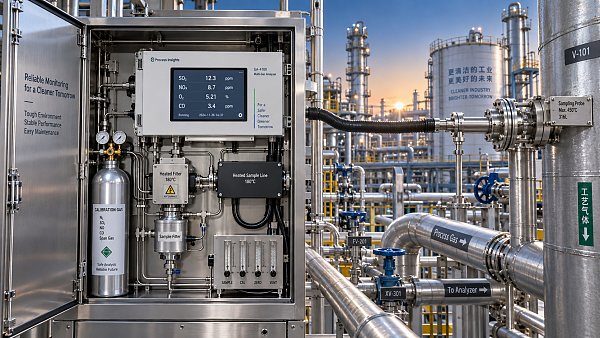
Sampling systems add another layer. Pumps, filters, lines, and condensate traps can delay or dilute gas reaching the sensor.
- Inspect the detector housing and gas inlet.
- Confirm zero gas or clean air conditions.
- Apply certified span gas at specified flow.
- Wait for stable response before adjustment.
- Record as-found and as-left readings.
- Verify alarms, outputs, and control actions.
Recording both as-found and as-left values is essential. It shows how far combustible gas detection had drifted before service.
If repeated drift is large, shortening intervals may not be enough. The detector location or technology may need review.
Common Mistakes That Reduce Protection
Combustible gas detection failures often result from small maintenance errors, not only major equipment defects.
One common mistake is using an unsuitable calibration gas. Methane calibration may not represent heavier hydrocarbons accurately.
Another mistake is ignoring environmental conditions. High humidity, pressure variation, and temperature shifts can influence sensor response.
Blocked sinters, paint overspray, dust caps, or insects can prevent gas from reaching the sensing element.
Some systems are calibrated at the sensor but not checked at the controller. This can leave output scaling errors undiscovered.
- Do not skip zero verification.
- Do not use expired gas cylinders.
- Do not ignore slow response time.
- Do not reset alarms without investigation.
- Do not treat calibration records as paperwork only.
Each mistake weakens combustible gas detection integrity. The result may be unnecessary shutdowns or missed early warnings.
Standards, Traceability, and Data Confidence
Calibration practice should align with relevant safety standards, equipment manuals, and local regulatory expectations.
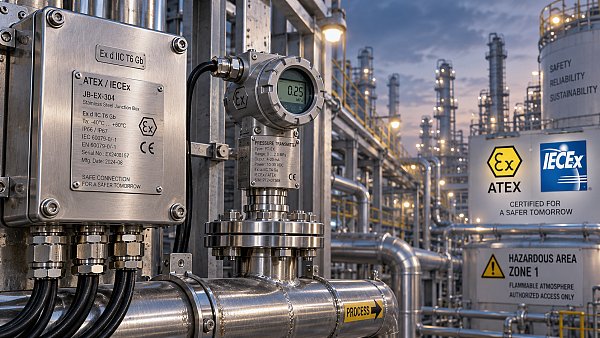
Explosion-proof installations may involve ATEX, IECEx, or national hazardous-area requirements. These influence maintenance access and approved procedures.
Traceable calibration gases support measurement confidence. Certificates should identify concentration, uncertainty, balance gas, batch, and expiry date.
Digital maintenance systems can strengthen combustible gas detection programs by tracking due dates, failures, and drift trends.
Trend analysis moves calibration from routine service to risk intelligence. It reveals where instruments need attention before incidents occur.
This data-driven approach matches modern instrumentation priorities: accurate measurement, reliable control, and verified safety performance.
Action Steps for a Stronger Detection Program
A practical combustible gas detection program should begin with an installed-base review.
List detector locations, sensor technologies, target gases, alarm setpoints, calibration dates, and known environmental challenges.
Then compare actual conditions with manufacturer recommendations and site risk assessments.
High-risk zones should receive closer attention, especially where leaks could reach ignition sources or occupied areas.
- Define calibration intervals by risk category.
- Use certified gases matched to target hazards.
- Train service personnel on each detector type.
- Review drift data after every calibration cycle.
- Investigate repeated failures rather than extending tolerance.
Combustible gas detection should also be reviewed after facility changes. New ventilation, equipment relocation, or process chemistry may alter gas behavior.
Reliable protection depends on measurement truth. Regular calibration keeps combustible gas detection aligned with real conditions and safety expectations.
For deeper instrumentation intelligence, GIH supports evidence-based evaluation of sensors, calibration practices, and global supplier capabilities.
The next step is simple: audit current calibration records, identify weak points, and build a risk-based plan for every detector.
Recommended for You
 How to verify accuracy claims for industrial quality analyzersVerify accuracy claims for industrial quality analyzers with calibration checks, independent testing, and clear acceptance criteria. Learn how to reduce risk and buy with confidence.
 How to calculate cooling loads for an industrial analyzer shelterSize industrial analyzer shelter cooling with confidence. Learn to calculate equipment heat, solar gains, and ventilation loads, then select HVAC capacity for reliable analyzer performance.
 Industrial Safety vs. Emission Monitoring: What Are the Differences?What are the main differences between industrial safety and emission monitoring? Compare goals, sensors, response times, and compliance needs to choose the right systems for your facility.
 Is Remote Monitoring Worth the Cost for Small Emission Sources?Is it worth investing in remote monitoring for small emission sources? Compare costs, compliance needs, and potential savings to choose the right solution for your operation.
 How Do You Handle Analyzer Failure During an Environmental Audit?Learn how to handle analyzer failure during environmental compliance audit procedures. Protect evidence, verify data, and restore monitoring with this practical response guide.
 Do VOC Monitors Require Explosion-Proof Certification?Does VOC monitoring require explosion-proof certification? Learn when approval is needed, compare ATEX and IECEx, and choose the right monitor for your site.
 How sample conditioning affects accuracy in petrochemical analyzersImprove accuracy in petrochemical analyzers with smarter sample conditioning. Discover how phase control, filtration, and transport design prevent bias and deliver reliable process data.
 How to troubleshoot sensor drift in industrial gas detectorsIndustrial gas detectors showing sensor drift? Learn how to verify calibration gas, identify root causes, and determine when sensor replacement is needed for reliable monitoring.
 How to judge whether a competitive price reflects real valueCompetitive Price: learn how to compare scope, compliance, performance, and lifecycle costs to identify real value, reduce risk, and make smarter purchasing decisions.
 When custom gas analysis is the right fit for complex process streamsCustom gas analysis for complex process streams: learn when tailored sampling, interference control, and reliable measurement design deliver confident decisions.
 When does a laser gas analyzer meet stack emissions monitoring needs?Laser gas analyzer for stack emissions: learn when it delivers fast, reliable data, how to assess installation risks, and what to verify for CEMS compliance.
 How to select a hazardous gas analyzer for confined spacesHazardous gas analyzer selection for confined spaces: compare sensors, sampling, certifications, alarms, and maintenance to protect workers and choose with confidence.
 When is a single gas analyzer sufficient for workplace safety monitoring?Discover when a single gas analyzer delivers reliable workplace safety monitoring, and learn the key limits, calibration needs, and risks that require broader detection.
 How to choose an ambient gas analyzer for low-level leak detectionAmbient gas analyzer selection for low-level leak detection: compare sensitivity, cross-sensitivity, sampling design, alarms, and calibration for reliable site performance.
 How to tell when an oxygen sensor needs replacementOxygen sensor replacement signs explained: learn how live data, fault codes, wiring checks, and exhaust inspections pinpoint the real issue before you buy.
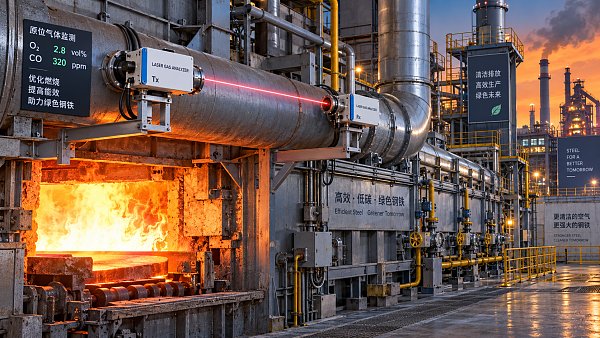
 How laser gas analyzers improve combustion control in steel furnacesLaser gas analyzer for steel industry applications delivers fast in-situ O₂ and CO data to optimize furnace combustion, cut fuel waste, and improve steel heating stability.
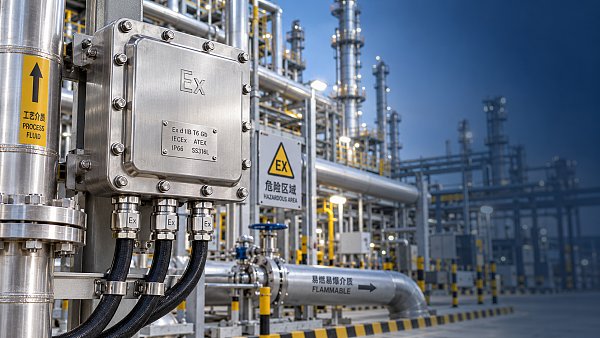
 How to verify whether explosion proof equipment meets site requirementsExplosion proof equipment verification made practical: match zones, gas or dust groups, temperature classes, certificates, and installation conditions for confident compliance.
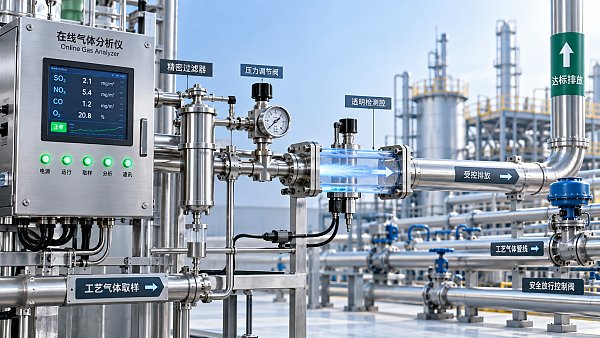
 How industrial gas analysis helps detect contamination before releaseIndustrial Gas Analysis helps detect moisture, oil, oxygen, and toxic contaminants before release—protecting processes, ensuring compliance, and reducing costly risks.
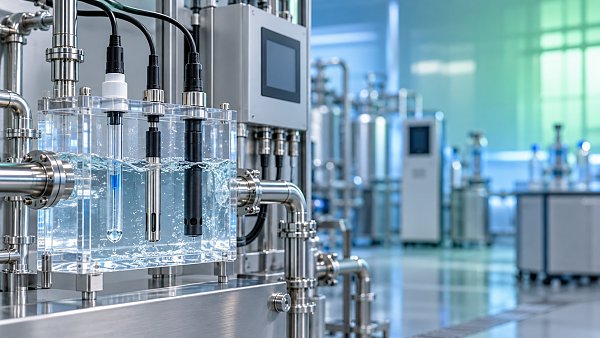
 When is electrochemistry detection the right choice for water analysis?Electrochemistry detection for water analysis: learn when fast, reliable monitoring of ions, chlorine, pH, and more delivers actionable results.
 How industrial standards reduce quality risks in supplier selectionIndustrial Standard guidance helps quality and safety managers reduce supplier risks, verify compliance, strengthen traceability, and build resilient instrumentation supply chains.
 When does a multi-component system reduce installation complexity?Multi component systems reduce installation complexity when they eliminate field interfaces, streamline commissioning, and provide proven compatibility. Learn how to assess total cost and supplier accountability.
 How to size an industrial control shelter for outdoor equipmentIndustrial control shelter sizing guide: optimize layout, HVAC, access, safety, and expansion space for reliable outdoor equipment operations.
 How flue analysis helps verify combustion efficiencyFlue analysis verifies combustion efficiency by assessing O2, CO, CO2, and stack temperature to identify excess air, incomplete combustion, and heat losses.
 How to select industrial gas detectors for confined spacesIndustrial gas detectors for confined spaces: learn how to match sensors, sampling methods, alarms, and certifications to real atmospheric hazards.
 When does a laser oxygen analyzer outperform zirconia sensors?Laser oxygen analyzer vs. zirconia sensors: compare speed, selectivity, maintenance, gas chemistry, and installation needs to choose the right oxygen measurement solution.
 How to select a percent range analyzer for process measurementsPercent range analyzer selection made practical: compare accuracy, sample systems, calibration, gas matrix, integration, and lifecycle cost for reliable process measurements.
 How explosion proof analysis verifies safe equipment for hazardous areasExplosion proof analysis verifies hazardous-area equipment by matching certifications, temperature ratings, installation details, and inspection controls for safer compliance.
 When does fixed gas detection need point sensors instead of open-path monitoring?Fixed gas detection: discover when point sensors outperform open-path monitoring for predictable leaks, enclosed zones, local alarms, and safer design decisions.
 How to choose industrial metrology systems for tight-tolerance partsIndustrial metrology guide for tight-tolerance parts: compare CMMs, optical scanners, gauges, uncertainty, workflow, and traceable inspection strategies.
 How process metrology reduces measurement variation in productionProcess metrology reduces production measurement variation by improving traceability, uncertainty control, calibration, and reliable quality decisions.
 How to select an industrial monitoring analyzer for harsh environmentsIndustrial monitoring analyzer selection for harsh environments: evaluate sampling, durability, hazardous-area compliance, accuracy, maintenance, and data reliability.
 How calibration intervals affect test and measurement equipment accuracyTest and measurement equipment calibration intervals directly affect accuracy, risk, compliance, and uptime. Learn how to set evidence-based schedules that protect critical decisions.
Search Categories
Search Categories
- Smart Meters & Power Quality
- Transformer Gas Analyzers
- BESS Thermal Runaway Detectors
- Energy, Power & Smart Grid Monitoring
- Optical Profilers & CMM
- Ultrasonic & X-Ray NDT
- Calibration Standards
- Precision Metrology & NDT
- Water Quality Analyzers
- CEMS & VOCs Monitors
- Price Trends
- Import & Export Updates
- Market Trends
- Industry News
- Industry Insights
Latest Article
- How to verify accuracy claims for industrial quality analyzersVerify accuracy claims for industrial quality analyzers with calibration checks, independent testing, and clear acceptance criteria. Learn how to reduce risk and buy with confidence.Posted by:
- How to calculate cooling loads for an industrial analyzer shelterSize industrial analyzer shelter cooling with confidence. Learn to calculate equipment heat, solar gains, and ventilation loads, then select HVAC capacity for reliable analyzer performance.Posted by:
- Industrial Safety vs. Emission Monitoring: What Are the Differences?What are the main differences between industrial safety and emission monitoring? Compare goals, sensors, response times, and compliance needs to choose the right systems for your facility.Posted by:
Please give us a message
