
Stack Gas Analyzer Selection Tips for New Compliance Projects


Choosing the right stack gas analyzer is critical for new compliance projects where accuracy, safety, and long-term operating cost all matter. From low range analyzer needs to high temperature analyzer, corrosive gas analyzer, and toxic gas analyzer requirements, the best selection depends on process conditions, regulations, and maintenance goals. This guide helps buyers and engineers compare options for environmental gas analyzer, combustion gas analyzer, and industrial process analyzer applications with confidence.
How should a new compliance project define analyzer requirements first?
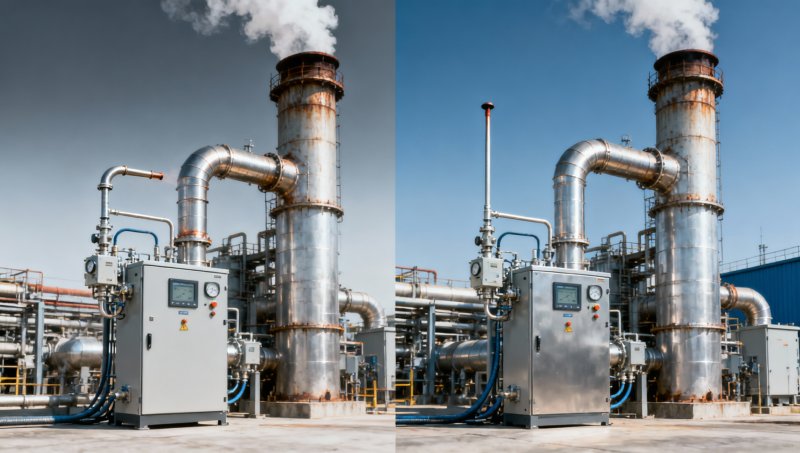
A stack gas analyzer is not selected by gas list alone. In a new compliance project, the first step is to map regulation, process condition, sampling method, and maintenance capacity into one specification set. For most teams, this means aligning 4 core dimensions: target pollutants, measurement range, installation environment, and reporting requirement. Missing even 1 of these usually creates rework during FAT, SAT, or the first 3–6 months of operation.
For information researchers and technical evaluators, the most common mistake is comparing instruments only by brochure accuracy. Real selection starts with process data: stack temperature, moisture, pressure, dust loading, corrosive components, and required uptime. A high temperature analyzer for direct hot-wet measurement faces a very different design challenge than a cold-dry extractive environmental gas analyzer installed after gas conditioning.
Operators and safety managers also need practical clarity. If the gas stream may contain HCl, SO2, NOx, NH3, CO, or trace toxic components, material compatibility and sample path protection become as important as sensor technology. In corrosive gas analyzer and toxic gas analyzer applications, poor sample handling often causes more drift and downtime than the analyzer core itself.
For decision makers and finance approvers, the project question is broader: should the site prioritize low capital cost, lower maintenance hours per month, or stronger audit readiness over a 3–5 year operating cycle? Instrumentation projects in industrial manufacturing, power, environmental monitoring, and automation control work best when procurement considers total lifecycle value rather than purchase price alone.
Start with the 5 key project inputs
- Regulatory scope: determine whether the analyzer supports emissions reporting, process optimization, safety interlock support, or internal environmental audit use.
- Gas matrix: confirm expected gases, cross-interference risks, water vapor level, particulate loading, and any condensable compounds.
- Measurement range: define low range analyzer needs for compliance thresholds and separate them from broader combustion control ranges.
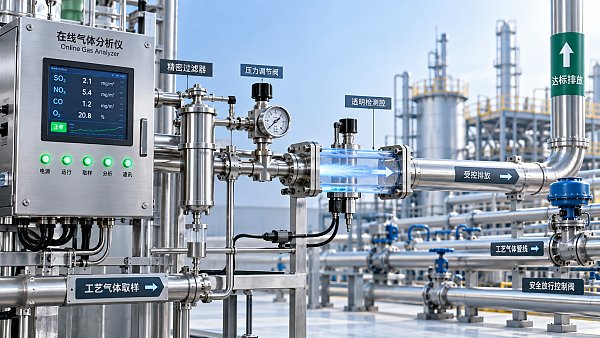
- Installation method: choose in-situ, hot-wet extractive, or cold-dry extractive architecture based on site access and process stability.
- Service model: plan calibration interval, spare part access, and whether internal teams can support weekly, monthly, or quarterly maintenance tasks.
This early definition phase is where the instrumentation industry adds value. Strong suppliers do more than provide equipment; they translate measurement, testing, monitoring, and control experience across energy, industrial process, laboratory analysis, and automation settings into a workable project scope. That reduces specification gaps before bidding begins.
Typical requirement checklist before RFQ
A practical RFQ for a stack gas analyzer should include at least 6 items: gas components, normal and upset concentration range, stack temperature range, pressure condition, moisture level, and required output protocol. Many teams also add enclosure rating, cabinet heating or cooling need, and expected ambient range such as -10°C to 45°C for outdoor analyzer shelters.
When these details are missing, suppliers may quote technically valid but operationally weak solutions. That leads to change orders, extra site work, and calibration instability after commissioning. For project managers, spending 7–10 days refining inputs often saves several weeks later in installation and acceptance.
Which stack gas analyzer architecture fits different process conditions?
Most new compliance projects compare 3 main architectures: in-situ, hot-wet extractive, and cold-dry extractive. The right option depends on whether the priority is direct response speed, protection from condensation, easier maintenance access, or stronger low concentration performance. No single method is ideal for every environmental gas analyzer or industrial process analyzer installation.
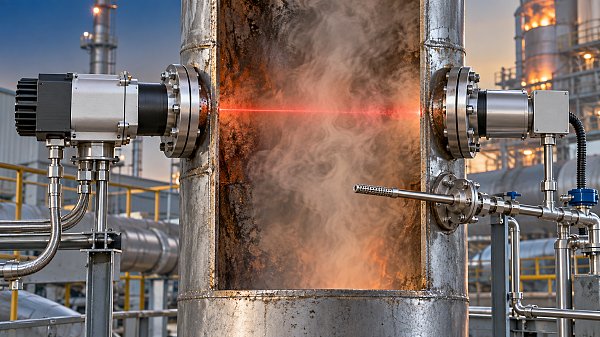
In-situ systems can reduce sample transport delay and simplify sample conditioning hardware. They are often considered where gas temperature is high and direct measurement is feasible. However, heavy dust, high vibration, or limited maintenance platform access can complicate lens cleaning, alignment, and verification routines. In some plants, that means higher service difficulty even if the instrument cabinet is smaller.
Hot-wet extractive systems are commonly selected for high temperature analyzer duties and wet gas streams where maintaining sample temperature above dew point is essential. They help preserve soluble gas components and reduce losses in the sample path. This approach is valuable when the project must measure acid gases or water-soluble species that could bias results in a cold-dry configuration.
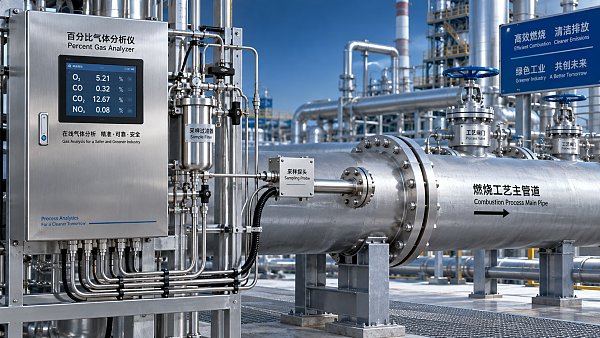
Cold-dry extractive systems remain popular for compliance projects because they can offer stable analyzer conditions, easier shelter-based servicing, and broad compatibility with mature gas measurement modules. They are often effective for combustion gas analyzer applications, but only when the conditioning system is correctly matched to moisture load and target gas chemistry.
Architecture comparison for compliance selection
The table below helps procurement teams compare stack gas analyzer architectures by installation challenge, gas compatibility, maintenance pattern, and typical project fit. It is especially useful when technical teams need to explain tradeoffs to finance and management stakeholders.
In practice, the choice often narrows after a site review. If the project needs low range analyzer performance for compliance while also facing wet corrosive gas, a hot-wet solution may outperform a simpler design. If maintenance access is poor and the gas matrix is less aggressive, a protected in-situ or conditioned extractive design may be easier to keep stable over 12-month operating cycles.
Questions that quickly narrow the choice
- Is the gas stream above dew point throughout sampling, and what happens during startup or upset conditions?
- Will the analyzer measure only common combustion gases, or also corrosive and toxic components that demand special materials?
- Can operators reach the probe or optical path safely every month, or is maintenance access limited to shutdown windows every 8–12 weeks?
- Does the compliance plan require fast response, continuous logging, or periodic validation against a reference method?
These questions matter across the broader instrumentation industry because analyzer selection is tied to control architecture, data acquisition, calibration practice, and digital monitoring strategy. Plants moving toward intelligent upgrading increasingly want analyzers that support both emissions confidence and integration into SCADA, DCS, or plant historian systems.
What technical parameters matter most for low range, corrosive, and toxic gas measurement?
For technical evaluation teams, 5 parameter groups deserve priority: range and detection capability, response time, sample compatibility, drift behavior, and calibration practicality. A low range analyzer for compliance must maintain meaningful performance near reporting thresholds, not only at mid-scale concentrations. That is why span planning and expected normal operating concentration should be reviewed together rather than treated as separate purchase items.
Temperature and chemistry are equally important. A high temperature analyzer exposed to hot, wet gas needs stable heated sampling components or direct process contact materials that tolerate thermal stress. A corrosive gas analyzer may require corrosion-resistant wetted parts and careful condensate management. A toxic gas analyzer also brings sealing, venting, and maintenance safety controls into the specification.
Operations teams should ask how quickly the analyzer stabilizes after calibration, filter replacement, or restart. In many projects, response expectations fall in a practical window of seconds to a few minutes depending on architecture and sample path length. A brochure number by itself is not enough; site tubing length, conditioning volume, and flow stability all influence total system response.
Quality and safety managers should also verify routine checks. A realistic maintenance plan may include daily automated self-checks, weekly visual review, monthly consumable inspection, and quarterly calibration verification. The right analyzer is one the site can maintain consistently without overloading technicians or exposing them to unnecessary risk.
Parameter priorities by analyzer duty
The following table organizes common selection parameters for stack gas analyzer projects. It helps teams distinguish what deserves priority in a compliance analyzer versus a combustion gas analyzer or a more demanding corrosive gas analyzer installation.
This parameter-based approach helps multiple stakeholders. Engineers get a structured evaluation method, operators see the service burden clearly, and finance teams can understand why one option costs more upfront yet reduces hidden maintenance and downtime later. In instrumentation procurement, technical fit and service reality should be reviewed together, not in separate approval stages.
A practical 4-step technical review
- Verify process envelope, including normal, startup, shutdown, and upset conditions.
- Confirm target gases, cross-sensitivity concerns, and sample handling method.
- Evaluate maintenance tasks by frequency, spare parts, and safe access requirements.
- Match analyzer outputs, alarm logic, and data interfaces to plant control systems.
Following these 4 steps usually reveals whether a quoted analyzer is truly fit for a new compliance project or simply technically possible. That distinction is essential when plant modernization and digital transformation depend on reliable continuous measurement rather than occasional manual confirmation.
How do procurement teams compare cost, compliance, and lifecycle risk?
A stack gas analyzer purchase is rarely a single-equipment decision. New compliance projects often include probes, heated lines, sample conditioning, shelter hardware, calibration components, control interfaces, commissioning, training, and spare parts. For budget approval, it helps to divide cost into 3 layers: initial equipment package, installation and commissioning effort, and 1–3 year operating support.
The lowest initial quotation may not be the lowest project cost. If the analyzer requires frequent filter changes, difficult field calibration, or repeated service visits, the operating burden can offset early savings. This is especially true for corrosive gas analyzer and toxic gas analyzer applications, where sample path degradation and safety procedures can raise long-term cost if not designed properly from the start.
Compliance should also be reviewed as a cost factor. A system that struggles to stay stable near low emission limits can create retesting, troubleshooting, and reporting pressure. For project managers and quality teams, this means lifecycle risk should be discussed before PO release, not after installation. A 2–4 week delay in commissioning can affect permits, handover schedules, and contractor coordination.
In the instrumentation industry, value often comes from system-level engineering. Suppliers that understand measurement, calibration, process control, and industrial online monitoring can better align analyzer design with plant operating reality. That is particularly relevant where the analyzer also supports automation data flow and audit documentation.
Procurement comparison matrix for new projects
Use the matrix below to compare bids on more than price. It highlights the evaluation dimensions that matter for stack gas analyzer selection in environmental monitoring, industrial manufacturing, and power-related projects.
A matrix like this helps financial and executive approvers see the difference between “cheapest unit” and “lowest project risk.” It also gives technical evaluators a clear structure for scoring bids. In many cases, the best choice is the system that balances compliance confidence, manageable maintenance, and realistic delivery timing rather than the one with the most aggressive initial price.
Common cost drivers teams overlook
- Sample conditioning complexity, especially where moisture and corrosive gases require heated paths or special materials.
- Field installation work such as platform access, shelter power distribution, and signal integration into existing DCS or PLC systems.
- Validation and training time, which can add several days if operators are unfamiliar with calibration, alarms, and preventive checks.
- Shutdown dependence, because some analyzer installation steps must align with a plant outage window rather than a simple delivery date.
When these drivers are discussed early, project teams can create more realistic schedules and avoid approval friction. That is particularly useful in multi-stakeholder environments where engineering, finance, EHS, quality, and operations must sign off on the same compliance project.
What standards, implementation steps, and common mistakes should buyers review?
Compliance projects vary by region and process, so standards review should be practical rather than generic. Buyers should confirm local emissions rules, plant-specific permit conditions, applicable calibration and quality assurance practices, and any integration requirements for data logging. Internationally, teams often reference common frameworks such as ISO, EN, EPA-related methods, or plant internal procedures, but the final selection must match the actual project jurisdiction.
Implementation works best in 3 stages: specification and design review, installation and commissioning, then validation and routine operation. Each stage should have clear responsibilities. For example, engineering defines measurement duty and interfaces, the supplier confirms analyzer configuration, and operations verify access, utilities, and maintenance readiness before startup. Skipping this division often causes preventable delay.
One frequent mistake is assuming a combustion gas analyzer automatically fits environmental reporting. Another is specifying a low range analyzer without confirming actual normal concentration or upset peaks. A third is underestimating sample system influence in wet, dusty, or corrosive service. In stack gas analyzer projects, many failures come from system mismatch, not analyzer electronics alone.
A disciplined review also protects operator safety. Toxic gas analyzer installations should define venting, leak check practice, calibration handling, and service isolation steps before site acceptance. Even a strong analyzer becomes a weak compliance asset if maintenance cannot be performed safely and repeatably.
A simple implementation flow for project teams
- Confirm regulations, gas list, process envelope, and measurement objective.
- Select analyzer architecture and define accessories, utilities, and interfaces.
- Execute installation, loop checks, calibration setup, and commissioning tests.
- Complete operator training, maintenance planning, and periodic verification schedule.
FAQ for new stack gas analyzer compliance projects
How do I know whether I need a low range analyzer?
If your compliance limit or normal operating concentration sits close to the lower end of the standard analyzer range, a low range analyzer should be considered. Review the expected normal concentration, reporting threshold, and calibration strategy together. This prevents selecting a wide range that technically covers the gas but gives weaker practical resolution near the values that matter most.
When is a high temperature analyzer the better option?
A high temperature analyzer or hot-wet system is usually more suitable when the gas stream is hot, wet, and sensitive to condensation losses. This is common where acid gases or water-soluble components must be preserved. The decision should be based on full process temperature behavior, including startup and upset, not only normal steady-state operation.
What should buyers check for corrosive gas analyzer projects?
Check the entire wetted path, not just the measuring module. Probe materials, heated line construction, fittings, filters, condensate handling, and service procedure all matter. In corrosive applications, one weak component can shorten maintenance intervals from quarterly to monthly and increase data drift.
What is a realistic delivery and startup timeline?
For standard configurations, buyers often plan several weeks for engineering confirmation and production, then additional time for site installation and commissioning. Complex systems with shelters, heated sampling, or custom integration may require a longer cycle. The most accurate timeline comes after utility details, mounting conditions, and documentation scope are confirmed.
Why contact us before finalizing your analyzer shortlist?
If your team is comparing a stack gas analyzer for a new compliance project, early technical clarification can prevent costly revisions later. We support projects across industrial monitoring, environmental applications, process analysis, and automation-oriented instrumentation environments where measurement accuracy must align with real operating conditions.
You can contact us to review 6 practical topics before issuing or finalizing an RFQ: target gas list, low range analyzer suitability, high temperature analyzer configuration, corrosive or toxic gas compatibility, expected delivery window, and maintenance workload. This helps technical evaluators, project managers, and finance approvers work from the same decision basis.
We can also discuss sample handling method, architecture comparison, integration with existing control systems, calibration planning, and spare parts strategy. If your project needs an environmental gas analyzer, combustion gas analyzer, or industrial process analyzer with specific site constraints, a structured pre-selection review is often the fastest way to narrow options.
Send your process conditions, target gases, temperature and moisture information, and any compliance or documentation requirements. From there, the discussion can move directly into parameter confirmation, product selection, customized configuration, lead time planning, certification scope review, sample support if applicable, and quotation communication that reflects the real project rather than a generic catalog match.
Recommended for You
 How to prevent condensation in a CO2 analyzer sampling systemPrevent condensation in your CO2 analyzer sampling system. Learn how to control dew point, eliminate cold spots, and manage moisture for reliable readings and fewer costly disruptions.
 How to verify accuracy claims for industrial quality analyzersVerify accuracy claims for industrial quality analyzers with calibration checks, independent testing, and clear acceptance criteria. Learn how to reduce risk and buy with confidence.
 How to calculate cooling loads for an industrial analyzer shelterSize industrial analyzer shelter cooling with confidence. Learn to calculate equipment heat, solar gains, and ventilation loads, then select HVAC capacity for reliable analyzer performance.
 What Happens When Combustible Gas Sensor Calibration Is Overdue?What happens if combustible gas sensor is not recalibrated on time? Discover the risks of inaccurate readings and missed alarms, plus steps to restore reliable protection.
 Can One Multi-Gas Detector Replace Four Separate Analyzers?Find out: can a single multi-gas detector replace four separate analyzers? Compare accuracy, safety, compliance, and lifetime costs to make a confident buying decision.
 Industrial Safety vs. Emission Monitoring: What Are the Differences?What are the main differences between industrial safety and emission monitoring? Compare goals, sensors, response times, and compliance needs to choose the right systems for your facility.
 Is Remote Monitoring Worth the Cost for Small Emission Sources?Is it worth investing in remote monitoring for small emission sources? Compare costs, compliance needs, and potential savings to choose the right solution for your operation.
 How Do You Handle Analyzer Failure During an Environmental Audit?Learn how to handle analyzer failure during environmental compliance audit procedures. Protect evidence, verify data, and restore monitoring with this practical response guide.
 Do VOC Monitors Require Explosion-Proof Certification?Does VOC monitoring require explosion-proof certification? Learn when approval is needed, compare ATEX and IECEx, and choose the right monitor for your site.
 How sample conditioning affects accuracy in petrochemical analyzersImprove accuracy in petrochemical analyzers with smarter sample conditioning. Discover how phase control, filtration, and transport design prevent bias and deliver reliable process data.
 How to troubleshoot sensor drift in industrial gas detectorsIndustrial gas detectors showing sensor drift? Learn how to verify calibration gas, identify root causes, and determine when sensor replacement is needed for reliable monitoring.
 How to judge whether a competitive price reflects real valueCompetitive Price: learn how to compare scope, compliance, performance, and lifecycle costs to identify real value, reduce risk, and make smarter purchasing decisions.
 When custom gas analysis is the right fit for complex process streamsCustom gas analysis for complex process streams: learn when tailored sampling, interference control, and reliable measurement design deliver confident decisions.
 When does a laser gas analyzer meet stack emissions monitoring needs?Laser gas analyzer for stack emissions: learn when it delivers fast, reliable data, how to assess installation risks, and what to verify for CEMS compliance.
 How to select a hazardous gas analyzer for confined spacesHazardous gas analyzer selection for confined spaces: compare sensors, sampling, certifications, alarms, and maintenance to protect workers and choose with confidence.
 When is a single gas analyzer sufficient for workplace safety monitoring?Discover when a single gas analyzer delivers reliable workplace safety monitoring, and learn the key limits, calibration needs, and risks that require broader detection.
 How to choose an ambient gas analyzer for low-level leak detectionAmbient gas analyzer selection for low-level leak detection: compare sensitivity, cross-sensitivity, sampling design, alarms, and calibration for reliable site performance.
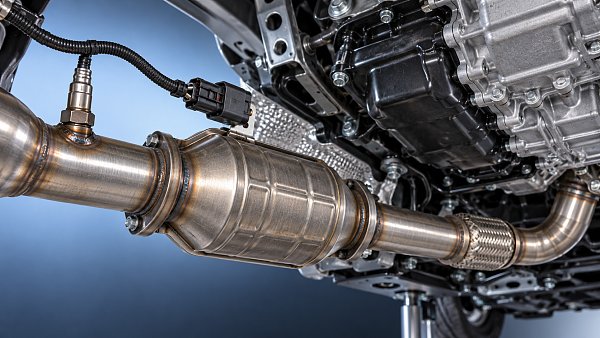
 How to tell when an oxygen sensor needs replacementOxygen sensor replacement signs explained: learn how live data, fault codes, wiring checks, and exhaust inspections pinpoint the real issue before you buy.
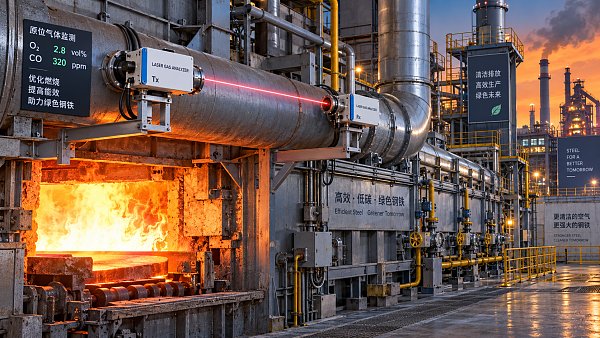
 How laser gas analyzers improve combustion control in steel furnacesLaser gas analyzer for steel industry applications delivers fast in-situ O₂ and CO data to optimize furnace combustion, cut fuel waste, and improve steel heating stability.
 How to verify whether explosion proof equipment meets site requirementsExplosion proof equipment verification made practical: match zones, gas or dust groups, temperature classes, certificates, and installation conditions for confident compliance.
 How industrial gas analysis helps detect contamination before releaseIndustrial Gas Analysis helps detect moisture, oil, oxygen, and toxic contaminants before release—protecting processes, ensuring compliance, and reducing costly risks.
 When is electrochemistry detection the right choice for water analysis?Electrochemistry detection for water analysis: learn when fast, reliable monitoring of ions, chlorine, pH, and more delivers actionable results.
 How industrial standards reduce quality risks in supplier selectionIndustrial Standard guidance helps quality and safety managers reduce supplier risks, verify compliance, strengthen traceability, and build resilient instrumentation supply chains.
 When does a multi-component system reduce installation complexity?Multi component systems reduce installation complexity when they eliminate field interfaces, streamline commissioning, and provide proven compatibility. Learn how to assess total cost and supplier accountability.
 How to size an industrial control shelter for outdoor equipmentIndustrial control shelter sizing guide: optimize layout, HVAC, access, safety, and expansion space for reliable outdoor equipment operations.
 How flue analysis helps verify combustion efficiencyFlue analysis verifies combustion efficiency by assessing O2, CO, CO2, and stack temperature to identify excess air, incomplete combustion, and heat losses.
 How to select industrial gas detectors for confined spacesIndustrial gas detectors for confined spaces: learn how to match sensors, sampling methods, alarms, and certifications to real atmospheric hazards.
 When does a laser oxygen analyzer outperform zirconia sensors?Laser oxygen analyzer vs. zirconia sensors: compare speed, selectivity, maintenance, gas chemistry, and installation needs to choose the right oxygen measurement solution.
 How to select a percent range analyzer for process measurementsPercent range analyzer selection made practical: compare accuracy, sample systems, calibration, gas matrix, integration, and lifecycle cost for reliable process measurements.
 How explosion proof analysis verifies safe equipment for hazardous areasExplosion proof analysis verifies hazardous-area equipment by matching certifications, temperature ratings, installation details, and inspection controls for safer compliance.
 When does fixed gas detection need point sensors instead of open-path monitoring?Fixed gas detection: discover when point sensors outperform open-path monitoring for predictable leaks, enclosed zones, local alarms, and safer design decisions.
 How to choose industrial metrology systems for tight-tolerance partsIndustrial metrology guide for tight-tolerance parts: compare CMMs, optical scanners, gauges, uncertainty, workflow, and traceable inspection strategies.
Search Categories
Search Categories
- Smart Meters & Power Quality
- Transformer Gas Analyzers
- BESS Thermal Runaway Detectors
- Energy, Power & Smart Grid Monitoring
- Optical Profilers & CMM
- Ultrasonic & X-Ray NDT
- Calibration Standards
- Precision Metrology & NDT
- Water Quality Analyzers
- CEMS & VOCs Monitors
- Price Trends
- Import & Export Updates
- Market Trends
- Industry News
- Industry Insights
Latest Article
- How to prevent condensation in a CO2 analyzer sampling systemPrevent condensation in your CO2 analyzer sampling system. Learn how to control dew point, eliminate cold spots, and manage moisture for reliable readings and fewer costly disruptions.Posted by:
- How to verify accuracy claims for industrial quality analyzersVerify accuracy claims for industrial quality analyzers with calibration checks, independent testing, and clear acceptance criteria. Learn how to reduce risk and buy with confidence.Posted by:
- How to calculate cooling loads for an industrial analyzer shelterSize industrial analyzer shelter cooling with confidence. Learn to calculate equipment heat, solar gains, and ventilation loads, then select HVAC capacity for reliable analyzer performance.Posted by:
Please give us a message
