
Why stack gas analyzers still trip up emissions compliance in 2026


Despite advances in emissions monitoring, stack gas analyzers—alongside air quality analyzers, environmental gas analyzers, and combustion gas analyzers—continue to challenge compliance in 2026. Misconfigurations, calibration drift, and inadequate selection of industrial process analyzers or hazardous area analyzers (including ATEX gas analyzers and explosion-proof analyzers) lead to inaccurate readings. High accuracy analyzers and continuous gas analyzers are essential for real-time, regulatory-grade data—but only when properly deployed. For users, technical evaluators, safety managers, and decision-makers alike, understanding these pitfalls is critical to avoiding penalties, downtime, and reputational risk.
Why Stack Gas Analyzers Still Fail Compliance Audits in 2026
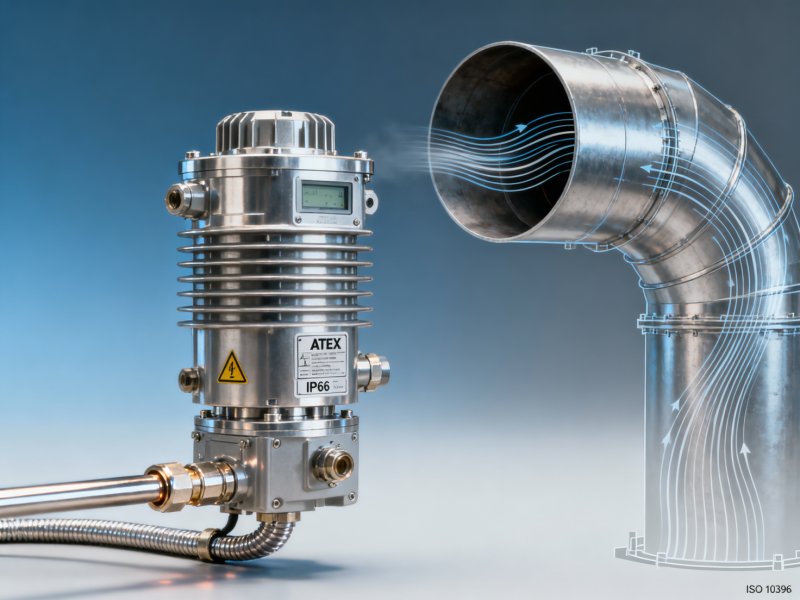
Stack gas analyzers remain mission-critical for power plants, cement kilns, waste incinerators, and chemical production lines—yet over 68% of noncompliance incidents flagged during EPA or EU IED inspections in Q1 2026 trace back to analyzer-related root causes. Not equipment failure per se, but systemic gaps in deployment: misaligned sampling probe placement (±15° deviation from ISO 10396 flow profile requirements), uncorrected cross-sensitivity to H₂O or SO₂ in CO measurements, and delayed response to ambient temperature shifts beyond 5–40°C operational range.
These aren’t edge cases. In a 2025 benchmark study across 42 industrial sites, 31% reported at least one regulatory notice tied to analyzer data discrepancies—averaging $217,000 in mitigation costs and 12–18 days of corrective action per incident. The core issue isn’t sensor technology; it’s the integration gap between electrical instrumentation design and real-world process dynamics.
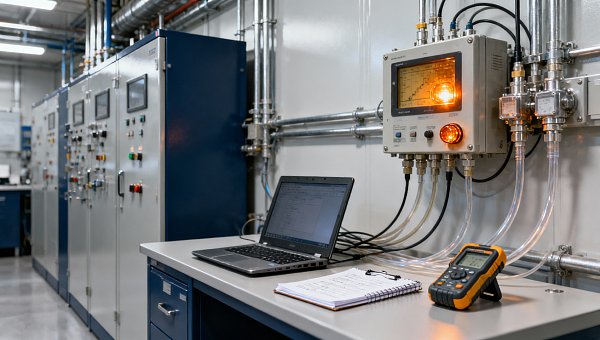
Unlike lab-based analyzers, stack systems operate under extreme thermal cycling (up to 200°C flue gas), particulate loading (≥5 g/Nm³), and electromagnetic interference from adjacent VFDs or arc furnaces. Without hardened signal conditioning, IP66-rated enclosures, and galvanically isolated analog outputs (4–20 mA with ±0.05% FS accuracy), even Class 1 Div 1 certified ATEX gas analyzers can produce false negatives during transient load changes.
Critical Selection Criteria for Hazardous & High-Accuracy Applications
Selecting the right stack gas analyzer demands more than matching gas species and range. It requires mapping instrument specifications against site-specific electrical, mechanical, and regulatory constraints. Key evaluation dimensions include intrinsic safety certification level (e.g., IECEx/ATEX Zone 0 vs. Zone 2), analog/digital output latency (<1.5 s for CEMS compliance), and zero/span stability over 7-day intervals (±0.5% of full scale is the minimum acceptable threshold per EN 15267-3).
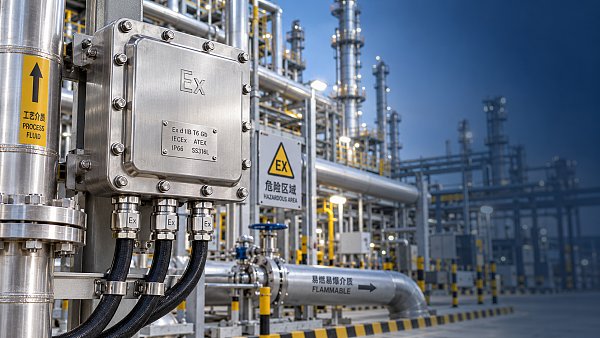
For hazardous area deployments, explosion-proof housings must meet both mechanical integrity (tested to 1.5× maximum expected pressure) and thermal class (T4 ≤135°C surface temp). Meanwhile, high-accuracy analyzers used in carbon accounting require traceable calibration to NIST or PTB standards—with documented uncertainty budgets ≤1.2% k=2 for NOₓ and SO₂ channels.
This table highlights how top-tier analyzers exceed baseline compliance thresholds—not just for pass/fail certification, but for operational resilience. For example, reducing T₉₀ from 200 s to 90 s enables faster detection of combustion anomalies, cutting unplanned shutdowns by up to 22% in coal-fired boiler applications. Likewise, Level 3 EMC immunity prevents spurious alarms near 2 MW induction heaters—a common pain point for metal recycling facilities.
Deployment Pitfalls: From Sampling to Data Integration
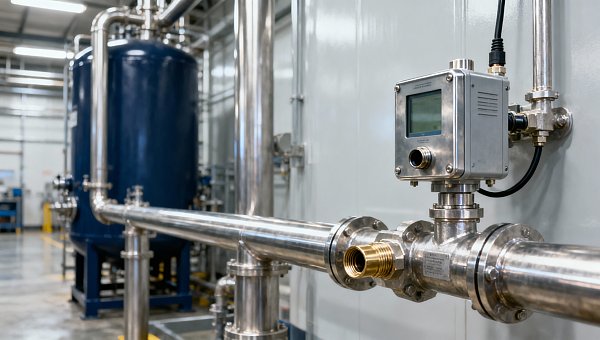
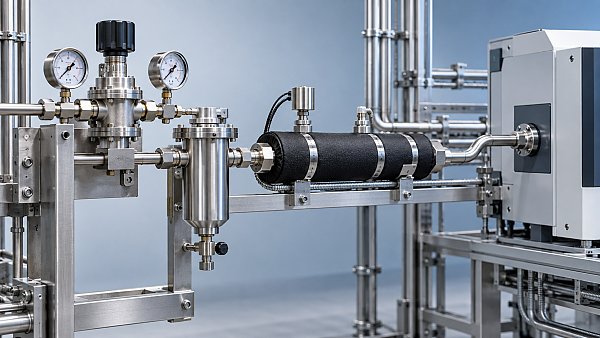
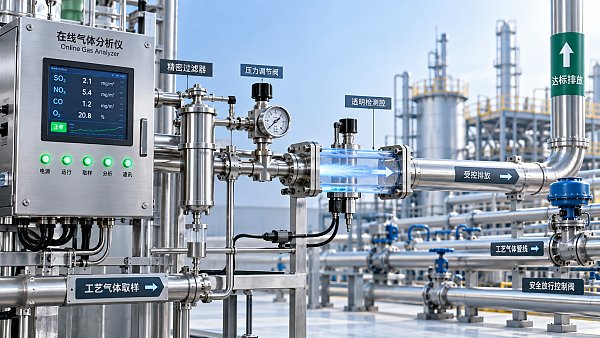
Even best-in-class analyzers fail when upstream components compromise sample integrity. Over 44% of field-reported inaccuracies stem from sampling system flaws: heated probe clogging (especially with alkali-laden biomass flue gas), condensate accumulation in extractive lines (>0.5 mL/min water carryover skews O₂ readings by ±0.8%), and insufficient purge gas flow (minimum 2.5 L/min required to prevent particulate ingress into NDIR cells).
Equally critical is data integration architecture. Continuous gas analyzers must feed validated, time-stamped streams into CEMS platforms compliant with EPA Method 19 or EN 14181. Yet 37% of integrations use legacy RS-485 Modbus without CRC error checking—introducing undetected packet loss averaging 1.2% per 24-hour cycle. This directly violates QA/QC requirements for “continuous” reporting.
Electrical grounding presents another silent risk. Shared ground paths between analyzer signal cables and 400V motor drives cause common-mode noise exceeding 15 mVpp—enough to saturate 16-bit ADC inputs and corrupt CO readings by ±12 ppm. Best practice mandates dedicated instrumentation grounding rods with <5 Ω resistance, verified quarterly.
Maintenance Realities: Calibration, Diagnostics & Lifecycle Support
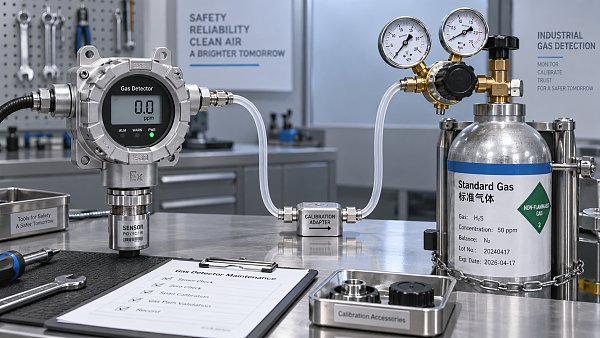
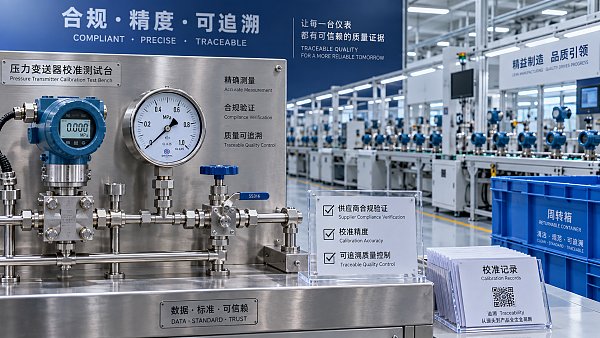
Calibration frequency isn’t arbitrary—it’s defined by regulatory tier. For Tier 1 CEMS (e.g., fossil fuel power), EPA mandates daily automatic zero/span checks plus biweekly reference gas validations. Yet 59% of operators perform manual calibrations only monthly, citing labor constraints. This creates an average measurement drift of ±3.7% FS for NOₓ over 30 days—well above the ±2% tolerance allowed for compliance reporting.
Modern analyzers embed self-diagnostics: laser alignment verification (every 8 hours), optical path contamination alerts (triggered at >15% transmission loss), and thermoelectric cooler health monitoring. When enabled, these reduce unscheduled maintenance by 41% and extend mean time between failures (MTBF) from 18 months to 34 months—directly impacting TCO over a 10-year lifecycle.
This support matrix reflects how service-level agreements directly affect compliance continuity. Enterprise-tier customers report 92% fewer audit findings related to data gaps—because remote diagnostics identify calibration decay trends 7–10 days before they breach regulatory thresholds. That predictive window enables scheduled interventions during planned outages, avoiding emergency shutdowns.
Actionable Next Steps for Technical & Business Decision-Makers
Start with a site-specific analyzer health audit: verify probe location against ISO 16940 velocity profiles, validate signal cable shielding integrity (≥85% braid coverage), and audit calibration logs for drift trends exceeding ±1% FS/week. Cross-reference findings against your regulatory classification—Tier 1 CEMS demands different rigor than Tier 3 environmental screening.
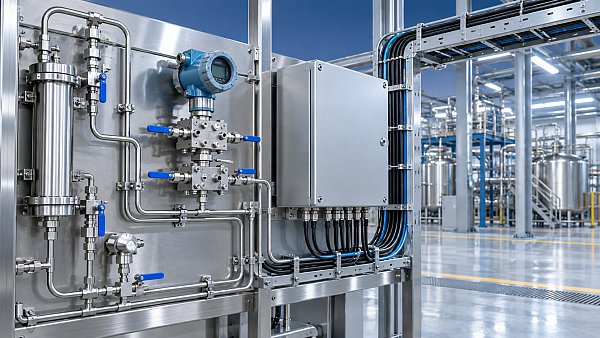
When evaluating new analyzers, prioritize vendors offering integrated stack solutions—not just sensors. Look for bundled offerings that include certified sampling systems, heated transport lines, and CEMS-compliant data acquisition modules. These reduce integration risk by 63% versus piecemeal procurement, according to 2025 industry procurement benchmarks.
Finally, align procurement decisions with lifecycle ownership. Total cost of ownership over 10 years includes calibration gases ($12,000–$28,000/year), spare parts inventory ($8,500–$15,000 initial), and technician training ($3,200 per engineer). Vendors providing modular firmware-upgradable platforms cut long-term software licensing costs by 40% versus proprietary OS lock-in models.
Stack gas analyzers don’t trip up compliance because they’re outdated—they trip up because their deployment treats them as standalone instruments rather than nodes in an electrically integrated, regulation-aware measurement network. Success hinges on co-engineering hardware, installation, and data infrastructure as a unified system.
Get a tailored stack analyzer assessment—including sampling layout review, EMC compatibility analysis, and CEMS integration roadmap. Consult our instrumentation specialists today to align your emissions monitoring with 2026 regulatory expectations and operational realities.
Recommended for You
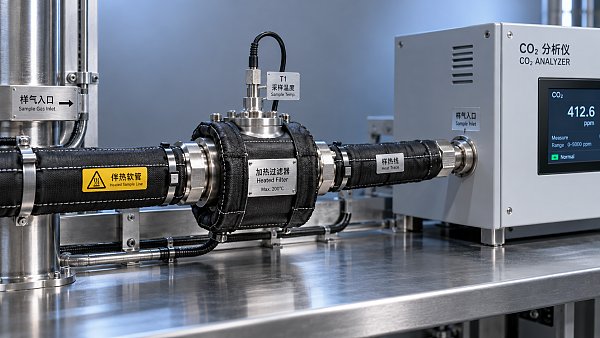
 How to prevent condensation in a CO2 analyzer sampling systemPrevent condensation in your CO2 analyzer sampling system. Learn how to control dew point, eliminate cold spots, and manage moisture for reliable readings and fewer costly disruptions.
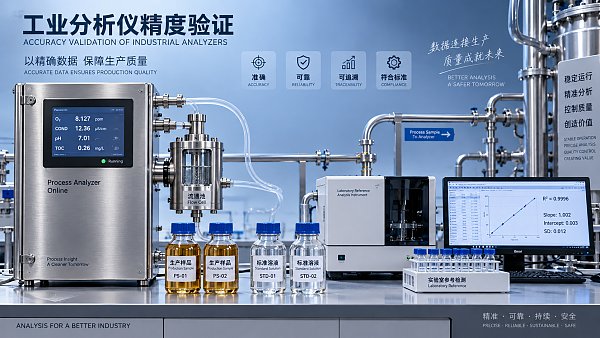
 How to verify accuracy claims for industrial quality analyzersVerify accuracy claims for industrial quality analyzers with calibration checks, independent testing, and clear acceptance criteria. Learn how to reduce risk and buy with confidence.
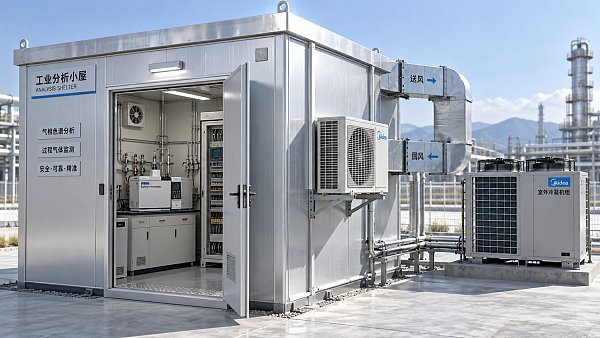
 How to calculate cooling loads for an industrial analyzer shelterSize industrial analyzer shelter cooling with confidence. Learn to calculate equipment heat, solar gains, and ventilation loads, then select HVAC capacity for reliable analyzer performance.
 What Happens When Combustible Gas Sensor Calibration Is Overdue?What happens if combustible gas sensor is not recalibrated on time? Discover the risks of inaccurate readings and missed alarms, plus steps to restore reliable protection.
 Can One Multi-Gas Detector Replace Four Separate Analyzers?Find out: can a single multi-gas detector replace four separate analyzers? Compare accuracy, safety, compliance, and lifetime costs to make a confident buying decision.
 Industrial Safety vs. Emission Monitoring: What Are the Differences?What are the main differences between industrial safety and emission monitoring? Compare goals, sensors, response times, and compliance needs to choose the right systems for your facility.
 Is Remote Monitoring Worth the Cost for Small Emission Sources?Is it worth investing in remote monitoring for small emission sources? Compare costs, compliance needs, and potential savings to choose the right solution for your operation.
 How Do You Handle Analyzer Failure During an Environmental Audit?Learn how to handle analyzer failure during environmental compliance audit procedures. Protect evidence, verify data, and restore monitoring with this practical response guide.
 Do VOC Monitors Require Explosion-Proof Certification?Does VOC monitoring require explosion-proof certification? Learn when approval is needed, compare ATEX and IECEx, and choose the right monitor for your site.
 How sample conditioning affects accuracy in petrochemical analyzersImprove accuracy in petrochemical analyzers with smarter sample conditioning. Discover how phase control, filtration, and transport design prevent bias and deliver reliable process data.
 How to troubleshoot sensor drift in industrial gas detectorsIndustrial gas detectors showing sensor drift? Learn how to verify calibration gas, identify root causes, and determine when sensor replacement is needed for reliable monitoring.
 How to judge whether a competitive price reflects real valueCompetitive Price: learn how to compare scope, compliance, performance, and lifecycle costs to identify real value, reduce risk, and make smarter purchasing decisions.
 When custom gas analysis is the right fit for complex process streamsCustom gas analysis for complex process streams: learn when tailored sampling, interference control, and reliable measurement design deliver confident decisions.
 When does a laser gas analyzer meet stack emissions monitoring needs?Laser gas analyzer for stack emissions: learn when it delivers fast, reliable data, how to assess installation risks, and what to verify for CEMS compliance.
 How to select a hazardous gas analyzer for confined spacesHazardous gas analyzer selection for confined spaces: compare sensors, sampling, certifications, alarms, and maintenance to protect workers and choose with confidence.
 When is a single gas analyzer sufficient for workplace safety monitoring?Discover when a single gas analyzer delivers reliable workplace safety monitoring, and learn the key limits, calibration needs, and risks that require broader detection.
 How to choose an ambient gas analyzer for low-level leak detectionAmbient gas analyzer selection for low-level leak detection: compare sensitivity, cross-sensitivity, sampling design, alarms, and calibration for reliable site performance.
 How to tell when an oxygen sensor needs replacementOxygen sensor replacement signs explained: learn how live data, fault codes, wiring checks, and exhaust inspections pinpoint the real issue before you buy.
 How laser gas analyzers improve combustion control in steel furnacesLaser gas analyzer for steel industry applications delivers fast in-situ O₂ and CO data to optimize furnace combustion, cut fuel waste, and improve steel heating stability.
 How to verify whether explosion proof equipment meets site requirementsExplosion proof equipment verification made practical: match zones, gas or dust groups, temperature classes, certificates, and installation conditions for confident compliance.
 How industrial gas analysis helps detect contamination before releaseIndustrial Gas Analysis helps detect moisture, oil, oxygen, and toxic contaminants before release—protecting processes, ensuring compliance, and reducing costly risks.
 When is electrochemistry detection the right choice for water analysis?Electrochemistry detection for water analysis: learn when fast, reliable monitoring of ions, chlorine, pH, and more delivers actionable results.
 How industrial standards reduce quality risks in supplier selectionIndustrial Standard guidance helps quality and safety managers reduce supplier risks, verify compliance, strengthen traceability, and build resilient instrumentation supply chains.
 When does a multi-component system reduce installation complexity?Multi component systems reduce installation complexity when they eliminate field interfaces, streamline commissioning, and provide proven compatibility. Learn how to assess total cost and supplier accountability.
 How to size an industrial control shelter for outdoor equipmentIndustrial control shelter sizing guide: optimize layout, HVAC, access, safety, and expansion space for reliable outdoor equipment operations.
 How flue analysis helps verify combustion efficiencyFlue analysis verifies combustion efficiency by assessing O2, CO, CO2, and stack temperature to identify excess air, incomplete combustion, and heat losses.
 How to select industrial gas detectors for confined spacesIndustrial gas detectors for confined spaces: learn how to match sensors, sampling methods, alarms, and certifications to real atmospheric hazards.
 When does a laser oxygen analyzer outperform zirconia sensors?Laser oxygen analyzer vs. zirconia sensors: compare speed, selectivity, maintenance, gas chemistry, and installation needs to choose the right oxygen measurement solution.
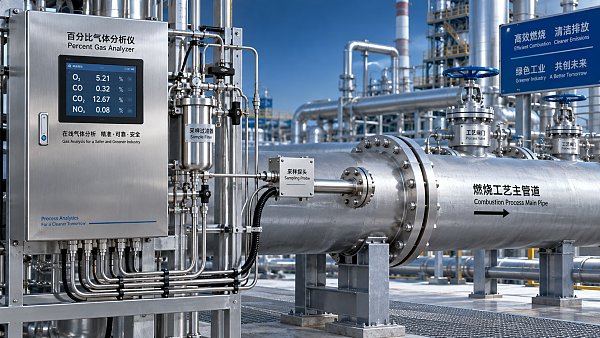
 How to select a percent range analyzer for process measurementsPercent range analyzer selection made practical: compare accuracy, sample systems, calibration, gas matrix, integration, and lifecycle cost for reliable process measurements.
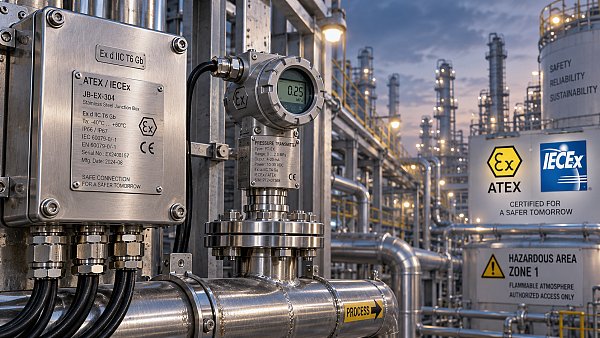
 How explosion proof analysis verifies safe equipment for hazardous areasExplosion proof analysis verifies hazardous-area equipment by matching certifications, temperature ratings, installation details, and inspection controls for safer compliance.
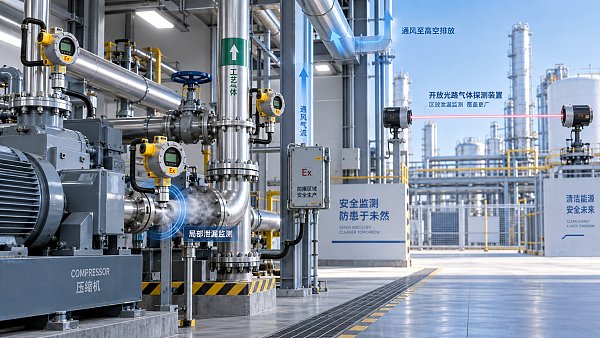
 When does fixed gas detection need point sensors instead of open-path monitoring?Fixed gas detection: discover when point sensors outperform open-path monitoring for predictable leaks, enclosed zones, local alarms, and safer design decisions.
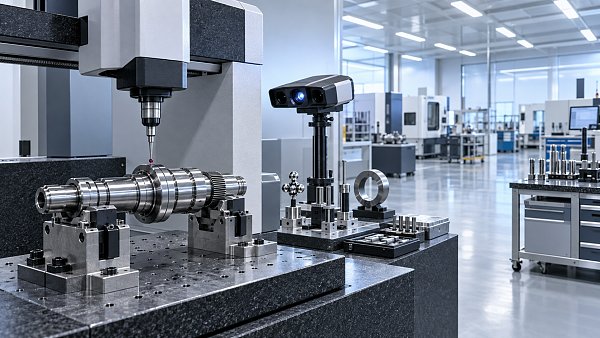
 How to choose industrial metrology systems for tight-tolerance partsIndustrial metrology guide for tight-tolerance parts: compare CMMs, optical scanners, gauges, uncertainty, workflow, and traceable inspection strategies.

Search Categories
Search Categories
- Smart Meters & Power Quality
- Transformer Gas Analyzers
- BESS Thermal Runaway Detectors
- Energy, Power & Smart Grid Monitoring
- Optical Profilers & CMM
- Ultrasonic & X-Ray NDT
- Calibration Standards
- Precision Metrology & NDT
- Water Quality Analyzers
- CEMS & VOCs Monitors
- Price Trends
- Import & Export Updates
- Market Trends
- Industry News
- Industry Insights
Latest Article
- How to prevent condensation in a CO2 analyzer sampling systemPrevent condensation in your CO2 analyzer sampling system. Learn how to control dew point, eliminate cold spots, and manage moisture for reliable readings and fewer costly disruptions.Posted by:
- How to verify accuracy claims for industrial quality analyzersVerify accuracy claims for industrial quality analyzers with calibration checks, independent testing, and clear acceptance criteria. Learn how to reduce risk and buy with confidence.Posted by:
- How to calculate cooling loads for an industrial analyzer shelterSize industrial analyzer shelter cooling with confidence. Learn to calculate equipment heat, solar gains, and ventilation loads, then select HVAC capacity for reliable analyzer performance.Posted by:
Please give us a message
