
The hidden calibration cost behind high accuracy gas analyzers


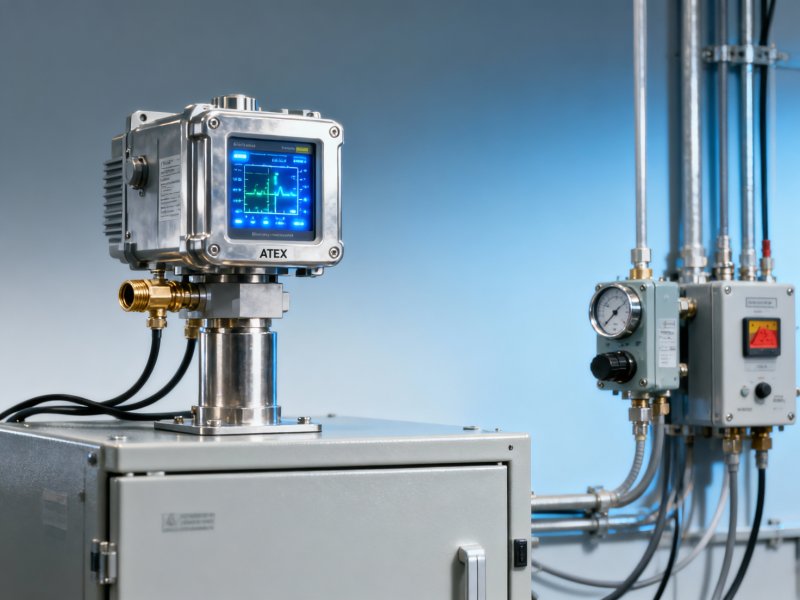
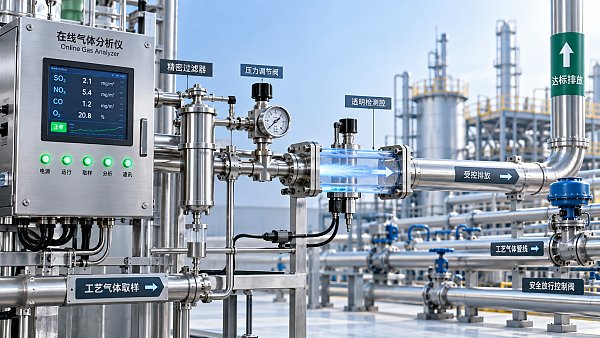
High accuracy gas analyzers—such as air quality analyzers, environmental gas analyzers, combustion gas analyzers, stack gas analyzers, industrial process analyzers, and ATEX/ explosion-proof analyzers—are critical for compliance, safety, and process optimization. Yet behind their precision lies a hidden cost: frequent, rigorous calibration. Whether deployed in hazardous areas or continuous monitoring applications, these high accuracy analyzers demand ongoing metrological validation—impacting TCO, uptime, and operational readiness. For technical evaluators, safety managers, project leads, and procurement decision-makers, understanding this calibration burden is essential to selecting truly reliable continuous gas analyzers.
Why Calibration Is Not Just a One-Time Setup
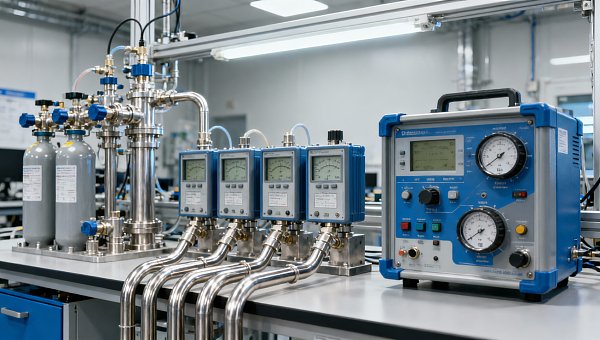
In the electrical equipment and instrumentation industry, high-accuracy gas analyzers are engineered to deliver ±0.1% full-scale (FS) measurement repeatability under controlled lab conditions. However, real-world deployment introduces dynamic variables—temperature drift (±0.02%/°C), pressure fluctuations (±0.5 kPa tolerance), humidity-induced sensor cross-sensitivity (up to 8% signal offset at >80% RH), and mechanical vibration in industrial process lines. These factors necessitate recalibration every 7–30 days depending on application severity, not annually as often assumed during procurement.
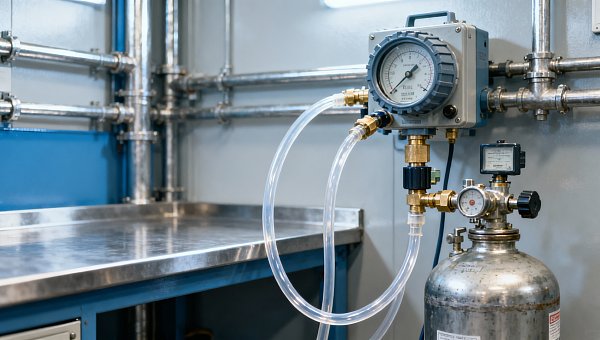
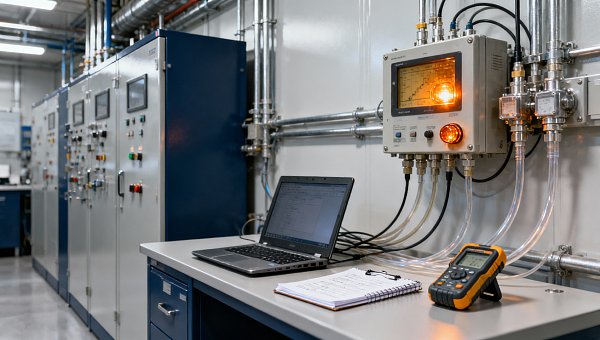
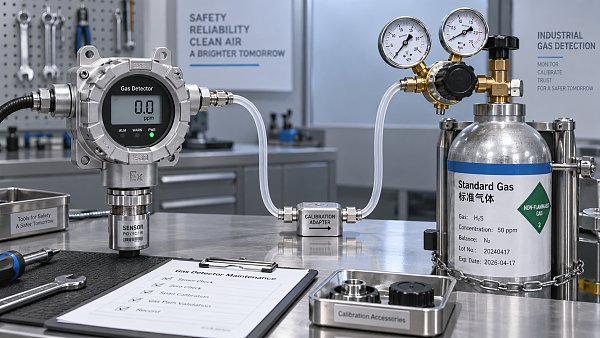
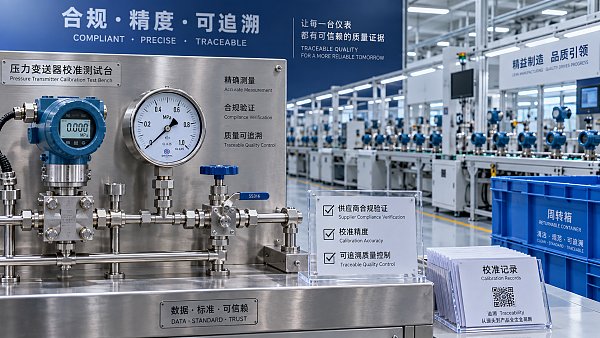
Unlike basic fixed-point verification, metrologically traceable calibration for Class I, Division 1 ATEX-certified analyzers requires certified reference gases (NIST-traceable, uncertainty ≤0.3%), dual-point zero/span checks, linearity verification across ≥5 concentration points, and documented uncertainty budgets per ISO/IEC 17025. This process consumes 2.5–4.5 hours per analyzer per cycle—not including logistics, documentation review, or downtime coordination.
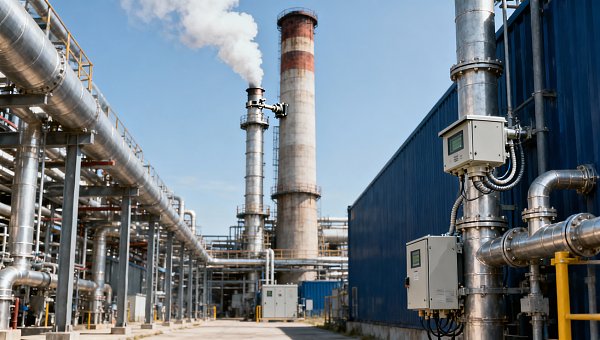
For distributed deployments—e.g., 12-stack gas analyzers across a refinery’s flare monitoring network—the annual calibration labor alone exceeds 320 hours. When factoring technician travel, certified gas cylinder rental ($280–$650 per cylinder), and analyzer offline time (average 3.2 hours per unit), the true cost of calibration rises by 220–380% over the device’s listed purchase price within three years.
Hidden Cost Breakdown: Beyond Labor and Gases
The total cost of ownership (TCO) for high-accuracy gas analyzers extends far beyond hardware acquisition. Calibration-related expenditures fall into four measurable categories: direct consumables, personnel time, system availability loss, and compliance risk exposure. Each carries quantifiable financial and operational weight.
This table reveals that downtime and labor represent 74–81% of the annual calibration cost—far exceeding consumables. For plant managers evaluating ROI, it underscores why “low upfront cost” analyzers often incur 3.2× higher five-year TCO than models with integrated auto-calibration and digital diagnostics. The implication is clear: procurement decisions must weigh calibration frequency, automation capability, and field serviceability—not just initial price or stated accuracy.
Calibration Burden Across Critical Applications
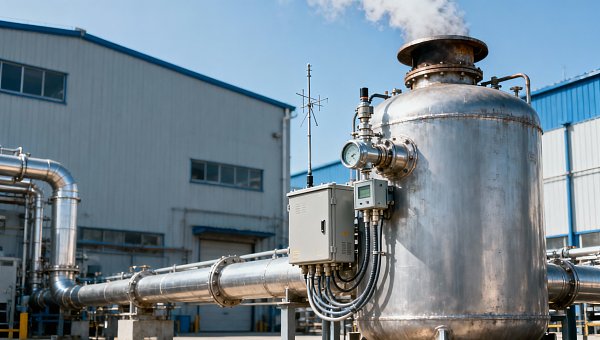
Application context dramatically alters calibration requirements. Combustion gas analyzers used in boiler efficiency tuning require daily span checks due to rapid thermal cycling and fuel composition shifts. Stack gas analyzers for EPA Method 9 compliance must undergo quarterly third-party audit calibrations—with documented chain-of-custody for all reference standards. Environmental air quality monitors deployed per EU Directive 2008/50/EC mandate biannual zero/span verification and annual multi-point linearity testing.
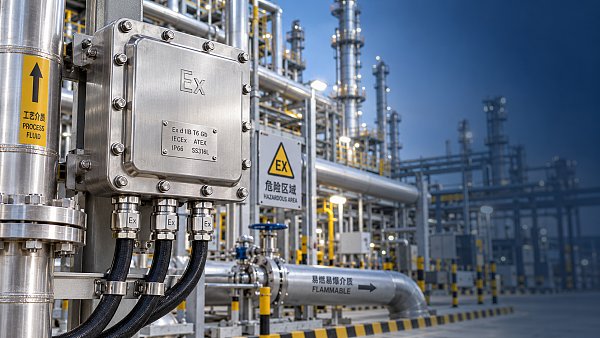
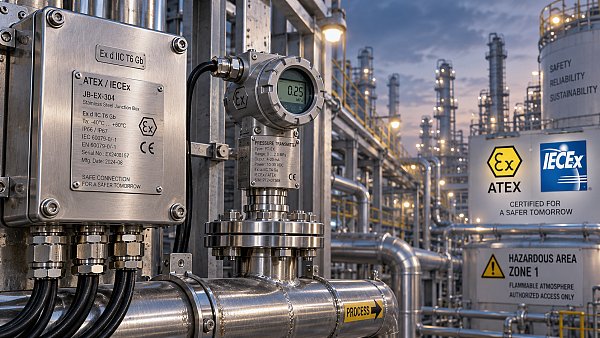
ATEX/IECEx-certified analyzers in Zone 1 petrochemical facilities face additional constraints: calibration cannot be performed live in hazardous zones without hot-work permits, requiring full unit removal and reinstallation—a process adding 1.5–2.8 days per unit. In contrast, intrinsically safe (IS) designs with remote calibration interfaces reduce this to under 4 hours—including verification and resealing.
A recent cross-industry benchmark found that analyzers with built-in electrochemical sensor stability monitoring and automated zero-check routines extended mean time between calibrations (MTBC) from 14 days to 42 days—reducing annual calibration events by 67%. That translates directly to 112 fewer man-hours and $18,900 in avoided gas and labor costs per unit over three years.
Key Selection Criteria for Low-Calibration-Burden Analyzers
- Onboard reference cell or stable internal zero source (e.g., Nafion-based moisture trap or sealed nitrogen reservoir)
- Digital diagnostics with predictive calibration alerts (e.g., drift rate >0.05%/day triggers notification)
- Modular sensor design enabling hot-swap calibration without system shutdown
- Compliance-ready reporting engine generating ISO 17025-compliant PDF certificates with embedded uncertainty calculations
- Remote firmware-upgradable calibration algorithms supporting future regulatory updates (e.g., new EPA PS-17 revisions)
Mitigation Strategies: From Reactive to Predictive Calibration
Leading instrumentation providers now embed predictive maintenance logic into analyzer firmware. By continuously logging temperature, pressure, flow, and raw sensor response variance, systems can model sensor degradation trends using regression algorithms trained on 12+ months of field data. When predicted error exceeds ±0.15% FS, the system flags calibration—not on a calendar schedule, but only when metrologically necessary.
Field-proven deployments show this approach reduces calibration frequency by 40–55% while maintaining full compliance. For example, a European cement producer reduced its kiln exit gas analyzer calibration cycles from biweekly to every 7 weeks—cutting annual calibration gas spend by €22,800 and eliminating 192 hours of planned downtime.
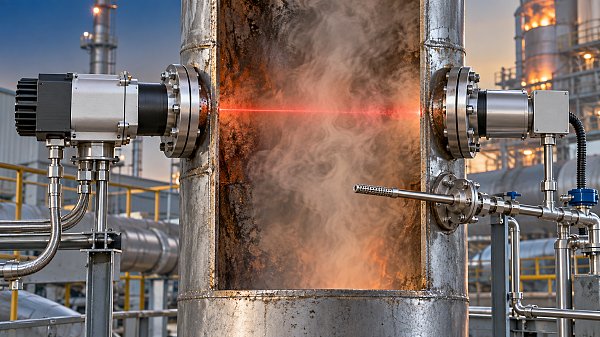
Beyond firmware, hardware innovations matter. Dual-beam NDIR sensors with matched reference and measurement paths cut thermal drift impact by 70%. Laser-based photoacoustic spectrometers eliminate moving parts and calibration gas dependency entirely for select gases (e.g., CH₄, CO₂), offering 18-month calibration intervals even in ambient temperature swings of −20°C to +60°C.
This comparison demonstrates that technology choice—not just brand or price—dictates long-term calibration economics. Procurement teams should prioritize analyzers whose underlying sensing architecture inherently minimizes drift, rather than relying solely on post-facto software correction.
Actionable Next Steps for Decision-Makers
To mitigate hidden calibration costs, stakeholders across roles should take concrete actions now:
- Technical evaluators: Require vendors to disclose MTBC (mean time between calibrations) under real-world operating profiles—not just lab specs—and validate with third-party field reports.
- Safety & QA managers: Audit current calibration logs to identify units exceeding 2.5 calibrations/month; flag for technology refresh prioritization.
- Procurement & finance: Model five-year TCO using calibrated labor rates, gas costs, and downtime valuations—not just list price.
- Project managers: Specify remote diagnostic connectivity (e.g., Modbus TCP, MQTT) and calibration certificate auto-generation in RFPs.
Understanding the hidden calibration cost isn’t about avoiding precision—it’s about achieving it sustainably. The most reliable continuous gas analyzers today balance metrological rigor with operational pragmatism. They deliver certified accuracy without demanding constant intervention.
If your team manages 5+ high-accuracy gas analyzers—or plans a new emissions monitoring or process safety upgrade—contact our instrumentation specialists to receive a customized calibration burden assessment and low-TCO analyzer selection guide tailored to your facility’s regulatory scope, environmental conditions, and maintenance capabilities.
Recommended for You
 How to prevent condensation in a CO2 analyzer sampling systemPrevent condensation in your CO2 analyzer sampling system. Learn how to control dew point, eliminate cold spots, and manage moisture for reliable readings and fewer costly disruptions.
 How to verify accuracy claims for industrial quality analyzersVerify accuracy claims for industrial quality analyzers with calibration checks, independent testing, and clear acceptance criteria. Learn how to reduce risk and buy with confidence.
 How to calculate cooling loads for an industrial analyzer shelterSize industrial analyzer shelter cooling with confidence. Learn to calculate equipment heat, solar gains, and ventilation loads, then select HVAC capacity for reliable analyzer performance.
 What Happens When Combustible Gas Sensor Calibration Is Overdue?What happens if combustible gas sensor is not recalibrated on time? Discover the risks of inaccurate readings and missed alarms, plus steps to restore reliable protection.
 Can One Multi-Gas Detector Replace Four Separate Analyzers?Find out: can a single multi-gas detector replace four separate analyzers? Compare accuracy, safety, compliance, and lifetime costs to make a confident buying decision.
 Industrial Safety vs. Emission Monitoring: What Are the Differences?What are the main differences between industrial safety and emission monitoring? Compare goals, sensors, response times, and compliance needs to choose the right systems for your facility.
 Is Remote Monitoring Worth the Cost for Small Emission Sources?Is it worth investing in remote monitoring for small emission sources? Compare costs, compliance needs, and potential savings to choose the right solution for your operation.
 How Do You Handle Analyzer Failure During an Environmental Audit?Learn how to handle analyzer failure during environmental compliance audit procedures. Protect evidence, verify data, and restore monitoring with this practical response guide.
 Do VOC Monitors Require Explosion-Proof Certification?Does VOC monitoring require explosion-proof certification? Learn when approval is needed, compare ATEX and IECEx, and choose the right monitor for your site.
 How sample conditioning affects accuracy in petrochemical analyzersImprove accuracy in petrochemical analyzers with smarter sample conditioning. Discover how phase control, filtration, and transport design prevent bias and deliver reliable process data.
 How to troubleshoot sensor drift in industrial gas detectorsIndustrial gas detectors showing sensor drift? Learn how to verify calibration gas, identify root causes, and determine when sensor replacement is needed for reliable monitoring.
 How to judge whether a competitive price reflects real valueCompetitive Price: learn how to compare scope, compliance, performance, and lifecycle costs to identify real value, reduce risk, and make smarter purchasing decisions.
 When custom gas analysis is the right fit for complex process streamsCustom gas analysis for complex process streams: learn when tailored sampling, interference control, and reliable measurement design deliver confident decisions.
 When does a laser gas analyzer meet stack emissions monitoring needs?Laser gas analyzer for stack emissions: learn when it delivers fast, reliable data, how to assess installation risks, and what to verify for CEMS compliance.
 How to select a hazardous gas analyzer for confined spacesHazardous gas analyzer selection for confined spaces: compare sensors, sampling, certifications, alarms, and maintenance to protect workers and choose with confidence.
 When is a single gas analyzer sufficient for workplace safety monitoring?Discover when a single gas analyzer delivers reliable workplace safety monitoring, and learn the key limits, calibration needs, and risks that require broader detection.
 How to choose an ambient gas analyzer for low-level leak detectionAmbient gas analyzer selection for low-level leak detection: compare sensitivity, cross-sensitivity, sampling design, alarms, and calibration for reliable site performance.
 How to tell when an oxygen sensor needs replacementOxygen sensor replacement signs explained: learn how live data, fault codes, wiring checks, and exhaust inspections pinpoint the real issue before you buy.
 How laser gas analyzers improve combustion control in steel furnacesLaser gas analyzer for steel industry applications delivers fast in-situ O₂ and CO data to optimize furnace combustion, cut fuel waste, and improve steel heating stability.
 How to verify whether explosion proof equipment meets site requirementsExplosion proof equipment verification made practical: match zones, gas or dust groups, temperature classes, certificates, and installation conditions for confident compliance.
 How industrial gas analysis helps detect contamination before releaseIndustrial Gas Analysis helps detect moisture, oil, oxygen, and toxic contaminants before release—protecting processes, ensuring compliance, and reducing costly risks.
 When is electrochemistry detection the right choice for water analysis?Electrochemistry detection for water analysis: learn when fast, reliable monitoring of ions, chlorine, pH, and more delivers actionable results.
 How industrial standards reduce quality risks in supplier selectionIndustrial Standard guidance helps quality and safety managers reduce supplier risks, verify compliance, strengthen traceability, and build resilient instrumentation supply chains.
 When does a multi-component system reduce installation complexity?Multi component systems reduce installation complexity when they eliminate field interfaces, streamline commissioning, and provide proven compatibility. Learn how to assess total cost and supplier accountability.
 How to size an industrial control shelter for outdoor equipmentIndustrial control shelter sizing guide: optimize layout, HVAC, access, safety, and expansion space for reliable outdoor equipment operations.
 How flue analysis helps verify combustion efficiencyFlue analysis verifies combustion efficiency by assessing O2, CO, CO2, and stack temperature to identify excess air, incomplete combustion, and heat losses.
 How to select industrial gas detectors for confined spacesIndustrial gas detectors for confined spaces: learn how to match sensors, sampling methods, alarms, and certifications to real atmospheric hazards.
 When does a laser oxygen analyzer outperform zirconia sensors?Laser oxygen analyzer vs. zirconia sensors: compare speed, selectivity, maintenance, gas chemistry, and installation needs to choose the right oxygen measurement solution.
 How to select a percent range analyzer for process measurementsPercent range analyzer selection made practical: compare accuracy, sample systems, calibration, gas matrix, integration, and lifecycle cost for reliable process measurements.
 How explosion proof analysis verifies safe equipment for hazardous areasExplosion proof analysis verifies hazardous-area equipment by matching certifications, temperature ratings, installation details, and inspection controls for safer compliance.
 When does fixed gas detection need point sensors instead of open-path monitoring?Fixed gas detection: discover when point sensors outperform open-path monitoring for predictable leaks, enclosed zones, local alarms, and safer design decisions.
 How to choose industrial metrology systems for tight-tolerance partsIndustrial metrology guide for tight-tolerance parts: compare CMMs, optical scanners, gauges, uncertainty, workflow, and traceable inspection strategies.
Search Categories
Search Categories
- Smart Meters & Power Quality
- Transformer Gas Analyzers
- BESS Thermal Runaway Detectors
- Energy, Power & Smart Grid Monitoring
- Optical Profilers & CMM
- Ultrasonic & X-Ray NDT
- Calibration Standards
- Precision Metrology & NDT
- Water Quality Analyzers
- CEMS & VOCs Monitors
- Price Trends
- Import & Export Updates
- Market Trends
- Industry News
- Industry Insights
Latest Article
- How to prevent condensation in a CO2 analyzer sampling systemPrevent condensation in your CO2 analyzer sampling system. Learn how to control dew point, eliminate cold spots, and manage moisture for reliable readings and fewer costly disruptions.Posted by:
- How to verify accuracy claims for industrial quality analyzersVerify accuracy claims for industrial quality analyzers with calibration checks, independent testing, and clear acceptance criteria. Learn how to reduce risk and buy with confidence.Posted by:
- How to calculate cooling loads for an industrial analyzer shelterSize industrial analyzer shelter cooling with confidence. Learn to calculate equipment heat, solar gains, and ventilation loads, then select HVAC capacity for reliable analyzer performance.Posted by:
Please give us a message
