
Industrial Control Instruments: Common Selection Mistakes


Choosing industrial control instruments may seem straightforward, but common selection mistakes can cause inaccurate readings, unstable processes, avoidable downtime, and safety concerns. In complex industrial environments, even a small mismatch between instrument and application can create large operational losses. This guide explains the most frequent errors, answers practical selection questions, and shows how to choose industrial control instruments more accurately for reliable, long-term performance.
What are industrial control instruments, and why does correct selection matter?
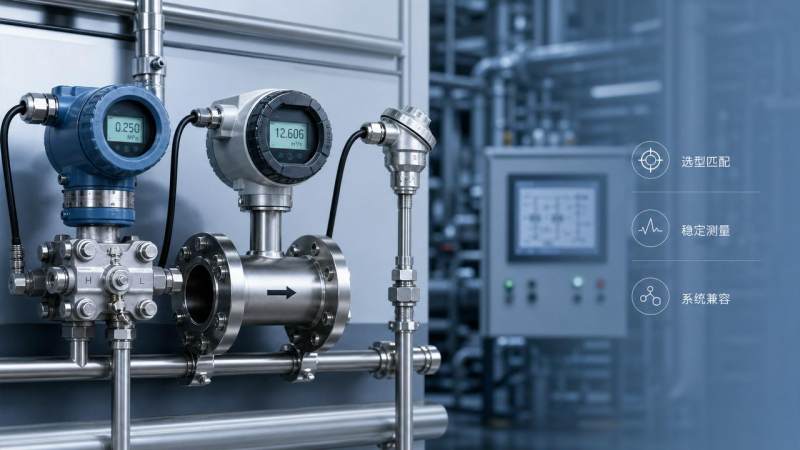
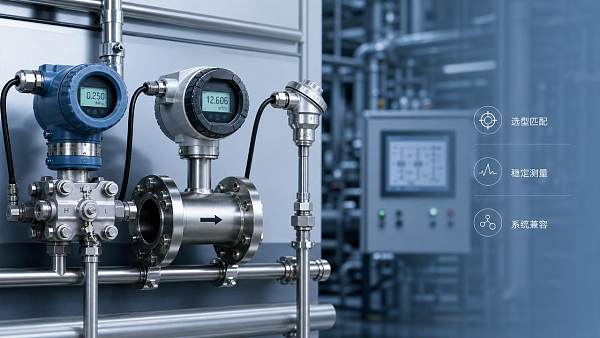
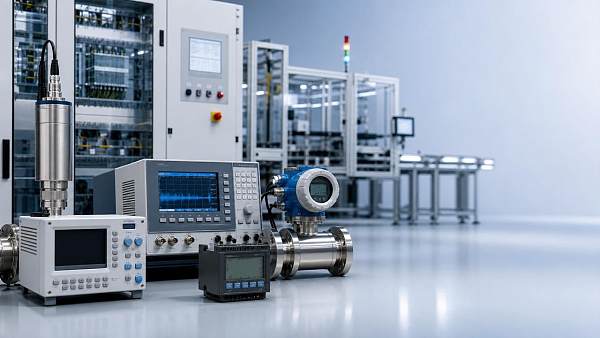
Industrial control instruments are devices used to measure, monitor, analyze, and regulate process conditions. Common examples include pressure transmitters, flowmeters, temperature sensors, level switches, analyzers, and controllers.
They support industrial manufacturing, power generation, water treatment, environmental monitoring, building systems, laboratories, and automated production lines. Their role is not only measurement, but also decision support for process control.
Correct selection matters because industrial control instruments operate under real constraints. These include vibration, humidity, corrosion, pressure surges, electrical noise, and changing media conditions.
When selection is based only on catalog parameters, performance can look acceptable on paper but fail in operation. That gap often creates false alarms, unstable loops, frequent replacement, and calibration drift.
A good selection process considers process conditions, installation method, maintenance access, communication needs, compliance requirements, and total lifecycle cost. Instrument choice should support both current use and future system expansion.
Which common selection mistakes happen most often with industrial control instruments?
Several mistakes appear repeatedly across industries. They are simple in form, but expensive in impact. Recognizing them early can improve instrument reliability and reduce operating risk.
1. Selecting by price first
Low initial cost can hide high lifecycle expense. Cheap industrial control instruments may require more recalibration, more spare parts, and more downtime during service.
2. Ignoring actual process conditions
A sensor may be rated for temperature or pressure, yet still fail with pulsation, steam, slurry, sticky media, or sudden thermal shock. Process details matter more than general ratings.
3. Choosing the wrong measuring range
Oversized range reduces sensitivity. Undersized range causes overload and damage. Industrial control instruments need a range that matches normal operation and occasional peaks.
4. Overlooking compatibility with media
Chemical corrosion, abrasion, and contamination can destroy wetted parts. Material selection for seals, diaphragms, probes, and housings should never be treated as secondary.
5. Forgetting installation constraints
Even high-quality industrial control instruments can produce poor data when mounted in the wrong orientation or at a bad process location. Straight pipe length, immersion depth, and cable routing matter.
6. Ignoring system integration
Signal type, protocol, power supply, hazardous area approval, and controller compatibility must match the automation architecture. Otherwise, commissioning becomes slow and costly.
How do application conditions change the right instrument choice?
The best industrial control instruments are application-specific. The same measurement target may require different technologies depending on process stability, cleanliness, response speed, and operating environment.
For example, flow measurement in clean water differs greatly from flow measurement in viscous fluid or slurry. One technology may offer precision, while another offers durability.
Temperature measurement also varies by use case. Surface measurement, immersion measurement, and fast-response control loops require different sensor designs and installation methods.
In energy and power systems, reliability during temperature swings and electrical interference becomes critical. In environmental monitoring, long-term stability and calibration retention may matter more.
For building engineering and utility systems, ease of maintenance and communication compatibility are often as important as measurement accuracy. In laboratories, traceability and repeatability may take priority.
Before choosing industrial control instruments, define these application variables:
- Measured medium and its chemical properties
- Normal range, peak range, and process fluctuations
- Ambient temperature, dust, moisture, and vibration
- Required response time and control accuracy
- Installation space and access for maintenance
- Communication output and control system needs
How can you compare industrial control instruments beyond basic specifications?
Many selections fail because comparison is too narrow. Accuracy and price are important, but they are only part of the decision.
A better comparison method includes technical fit, operating stability, maintainability, and digital integration. This approach reduces hidden costs after installation.
When comparing industrial control instruments, ask whether the device performs consistently after six months, not only on the first day. Long-term stability is often the true cost driver.
What risks come from poor instrument selection in real operations?
Poor selection affects more than measurement quality. It can disrupt production, weaken energy efficiency, and increase compliance pressure across the whole system.
One major risk is control instability. If industrial control instruments send noisy or delayed signals, controllers may overreact. That can lead to oscillation, waste, and product inconsistency.
Another risk is false confidence. An instrument may appear functional while drifting outside acceptable limits. Decisions based on bad data are often more dangerous than obvious failures.
Safety risk is also significant. In pressure systems, boilers, chemical processes, and enclosed spaces, incorrect readings can delay action during abnormal conditions.
Maintenance burden grows when industrial control instruments foul quickly or require frequent recalibration. Teams then spend more time correcting device issues than improving process performance.
Poor selection can also affect project schedules. Extra adapters, rewiring, software changes, and repeated commissioning tests often appear when compatibility was not checked early.
How can you avoid selection mistakes and choose industrial control instruments more confidently?
A structured selection process is the best defense against avoidable errors. It turns instrument choice from a catalog decision into an engineering decision.
- Define the process clearly, including medium, range, upset conditions, and environmental exposure.
- Match measurement technology to the application, not just the variable being measured.
- Confirm material compatibility for all wetted and exposed parts.
- Check installation limitations before final selection.
- Verify signal output, protocol, and control system integration requirements.
- Review calibration, cleaning, and replacement needs over the full service life.
- Document assumptions and compare alternatives using the same criteria.
It also helps to review previous failures. Historical problems often reveal patterns, such as incorrect range sizing, poor enclosure selection, or media incompatibility.
For modern automation projects, choose industrial control instruments that support future diagnostics, remote monitoring, and data integration when those functions add practical value.
Quick FAQ: what should be checked before buying industrial control instruments?
Selecting industrial control instruments is not only about buying a device. It is about protecting process reliability, data quality, maintenance efficiency, and operational safety.
The most common mistakes are avoidable when selection starts with application reality, not assumptions. Review process details, compare options with practical criteria, and check lifecycle impact before final approval.
If the next project involves pressure, temperature, flow, level, or analytical measurement, build a simple evaluation checklist first. That small step can lead to better industrial control instruments decisions and fewer problems after installation.
Recommended for You
 Industrial Metrology Tools: When Accuracy Impacts OutputIndustrial metrology tools directly shape output, quality, and cost. Learn how accurate measurement reduces scrap, speeds decisions, and improves production performance.
 Process Measurement Devices in Export Compliance UpdatesProcess measurement devices face new export compliance updates that impact classification, documents, lead times, and market access. Learn practical steps to reduce risk and protect growth.
 Quality Control Analyzers Price Shifts in Global SupplyQuality control analyzers prices are shifting with global supply changes. Learn the key cost drivers, compliance risks, and sourcing tips buyers need to reduce total cost.
 Production Line Monitoring: How to Reduce Downtime FastProduction line monitoring helps reduce downtime fast with practical checklists, smarter alarms, and real-time insights. Learn how to improve visibility, response speed, and line reliability.
 Process Optimization Instruments: ROI vs Maintenance CostsProcess optimization instruments: compare ROI, downtime reduction, and accuracy gains against calibration and maintenance costs. Learn how to choose smarter, lower-risk solutions.
 Manufacturing Process Control Trends Shaping 2026 OutputManufacturing process control trends for 2026: explore real-time monitoring, predictive quality, compliance readiness, and smarter automation strategies to boost output and reduce risk.
 Industrial Inspection Devices for Safer Quality ChecksIndustrial inspection devices help deliver safer quality checks by detecting faults early, reducing downtime, and improving compliance across manufacturing, energy, and infrastructure.
 Industrial Control Instruments: Common Selection MistakesIndustrial control instruments selection mistakes can cause downtime, drift, and safety issues. Learn the most common errors and how to choose the right solution with confidence.
 Industrial Monitoring Solutions: Key Cost Factors in 2026Industrial monitoring solutions in 2026 cost far more than hardware alone. Learn the hidden cost drivers, compare vendor proposals wisely, and make smarter ROI-focused investment decisions.
 How to Compare Test and Measurement Equipment for Factory UseTest and measurement equipment for factory use should be compared by real application, not specs alone. Learn how to choose reliable, connected tools that cut downtime and improve control.
 Stack Gas Analyzers: When Maintenance Delays Start Raising RiskStack gas analyzers can look normal while hidden drift raises compliance, efficiency, and reliability risks. Learn the warning signs and smart maintenance checks before delays become costly.
 Industrial Measurement Systems in Export Projects: Key Compliance ChecksIndustrial measurement systems for export projects: learn the key compliance checks for certifications, calibration, safety, and documents to avoid delays and ensure smooth delivery.
 Pharmaceutical Instrumentation Upgrades: What to Evaluate FirstPharmaceutical instrumentation upgrades start with compliance, data integrity, uptime, and ROI. Learn what to evaluate first to reduce risk and make smarter buying decisions.
 Food Processing Analyzers for Compliance and Batch ConsistencyFood processing analyzers help manufacturers improve compliance, reduce batch variation, and verify quality from raw materials to final release with faster, traceable decisions.
 Biogas Analyzers Market Trends: Accuracy, Maintenance, and ROIBiogas analyzers market trends: explore how accuracy, lower maintenance, and stronger ROI help energy and industrial buyers improve gas quality, uptime, and compliance.
 Safety Monitoring Systems: Common Setup Mistakes to AvoidSafety monitoring systems fail fast when setup is wrong. Discover common installation, calibration, and alarm mistakes to avoid for safer operations and more reliable monitoring.
 Industrial Testing Equipment Costs in 2026: What Drives Pricing?Industrial testing equipment costs in 2026 depend on accuracy, compliance, automation, and lifecycle service. Learn what drives pricing and how to reduce total ownership cost.
 Multi-Component Analyzers vs Single-Gas Units: Which Fits Better?Multi-component analyzers vs single-gas units: compare lifecycle cost, compliance, maintenance, and scalability to choose the best fit for safer, smarter industrial projects.
 Petrochemical Analyzers: Key Specs That Affect Safety and UptimePetrochemical analyzers directly affect safety and uptime. Learn which specs—accuracy, response time, compatibility, and maintenance—matter most for reliable plant performance.
 How to Choose Process Monitoring Instruments for Stable Plant PerformanceProcess monitoring instruments are key to stable plant performance. Learn how to choose the right devices for accuracy, compatibility, lower risk, and better efficiency.
 Brazil INMETRO to Require Portuguese UI and Local Units for Industrial Instruments by 2026Brazil INMETRO mandates Portuguese UI & local units (mbar, kPa, °C) for industrial instruments by Dec 2026—key for exporters, integrators & service providers.
 STMicroelectronics 200mm Line Eases Industrial Sensor Chip ShortageSTMicroelectronics 200mm line eases industrial sensor chip shortage — MCUs & signal-conditioning ICs now ship in 12 weeks. Secure allocation today.
 Southeast Asia Manufacturing Re-shoring Accelerates: Vietnam/Indonesia Industrial Instrument Imports Up 37% YoYSoutheast Asia manufacturing re-shoring accelerates: Vietnam & Indonesia industrial instrument imports up 37% YoY — key insights for suppliers, OEMs & procurement teams.
 First Global White Paper on Humanoid Robot Sensor Calibration ReleasedHumanoid robot sensor calibration: First global white paper released—key for ISO/IEC JWG 23 compliance, export readiness & dynamic torque accuracy. Act now.
 SAMR to Upgrade EV Battery Recycling Standard to MandatorySAMR to upgrade EV battery recycling standard GB/T 34015—202X to mandatory by Dec 2026 — critical for exporters, BMS makers & cert labs.
 Saudi SASO Accelerates AI Energy Efficiency Rules for TransmittersSASO AI energy efficiency rules for transmitters take effect 1 June 2026 — mandatory AI simulation, Saudi climate data, and authorized lab validation required. Act now to avoid export delays.
 IEC 63278:2026 Released for Industrial Instrument CybersecurityIEC 63278:2026 is live — the first global standard mandating cybersecurity verification for industrial instruments. Discover compliance impacts, deadlines, and actionable steps for OT/IT convergence.
 Red Sea Crisis Escalates: Gulf of Aden Navigation Ban Extended to June 15, 2026Red Sea Crisis escalates: Gulf of Aden navigation ban extended to June 15, 2026—disrupting industrial instrumentation shipments to the Middle East with 458% air freight spikes and 12–18 day delays.
 US DOE Updates Efficiency Rules for Industrial SensorsUS DOE updates industrial sensor efficiency rules: AI-driven dynamic calibration required by Sept 2026. Ensure AI-Cal Verified compliance now.
 EU Mandates PEF Carbon Footprint Module for Industrial Instruments from June 2026EU mandates PEF carbon footprint module for industrial instruments from June 2026—key for exporters, OEMs & certifiers. Act now to ensure compliance.
 Explosion-Proof Instruments: Compliance Risks Before You OrderExplosion-proof instruments can trigger delays, failed inspections, and safety risks if compliance is overlooked. Learn what to verify before ordering and make safer, smarter purchasing decisions.
 Gas Quality Monitoring Equipment Import Rules to Watch in 2026Gas quality monitoring equipment import rules for 2026 are tightening. Learn the key compliance, certification, and customs risks distributors must manage to avoid delays and protect margins.





Search Categories
Search Categories
Latest Article
- Industrial Metrology Tools: When Accuracy Impacts OutputIndustrial metrology tools directly shape output, quality, and cost. Learn how accurate measurement reduces scrap, speeds decisions, and improves production performance.Posted by:
- Process Measurement Devices in Export Compliance UpdatesProcess measurement devices face new export compliance updates that impact classification, documents, lead times, and market access. Learn practical steps to reduce risk and protect growth.Posted by:
- Quality Control Analyzers Price Shifts in Global SupplyQuality control analyzers prices are shifting with global supply changes. Learn the key cost drivers, compliance risks, and sourcing tips buyers need to reduce total cost.Posted by:
Please give us a message
