
Production Line Monitoring: How to Reduce Downtime Fast


In today’s competitive industrial environment, production line monitoring is no longer optional for project managers and engineering leaders who need to cut downtime fast and keep operations stable. With the right monitoring strategy, teams can detect anomalies earlier, improve response speed, and make smarter decisions based on real-time data. This article explores practical ways to strengthen visibility, reduce costly interruptions, and support more reliable, efficient production performance.
Why production line monitoring needs a checklist approach
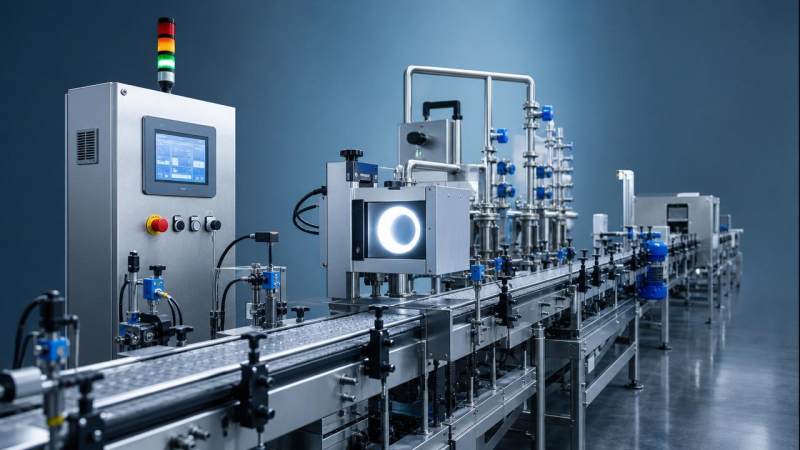
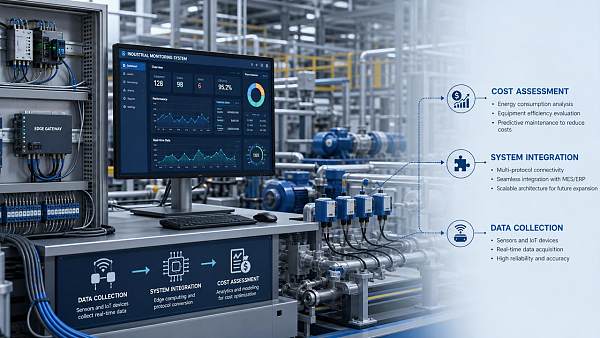
Production line monitoring often fails when visibility is fragmented across sensors, PLCs, operators, and software platforms. A checklist creates consistency across shifts, assets, and sites.
In the instrumentation industry, monitoring depends on trusted measurement, calibration, alarms, and signal quality. If one element is weak, downtime causes become harder to trace.
A structured checklist also supports preventive action. Instead of reacting after a stoppage, teams can verify conditions that usually trigger performance loss, false alarms, or equipment trips.
Core production line monitoring checklist to reduce downtime fast
Use the following checklist to strengthen production line monitoring across industrial manufacturing, utilities, laboratory-connected processes, and automated lines.
- Map every critical asset, including conveyors, drives, pumps, valves, analyzers, power feeds, and control cabinets, so production line monitoring covers the full chain of failure points.
- Verify sensor health daily by checking drift, communication loss, unstable signals, and calibration status before using production line monitoring data for alarms or root cause analysis.
- Set alarm priorities based on downtime impact, safety risk, and process criticality, so operators can respond to meaningful events without alarm flooding.
- Track baseline values for temperature, pressure, flow, vibration, speed, current, and cycle time, then flag deviations early through threshold and trend-based production line monitoring.
- Connect machine status with quality results, because many short stops begin with process instability long before scrap rate, rework, or test failures become obvious.
- Record downtime by cause code, duration, line section, and maintenance response, so production line monitoring improves decision-making instead of producing unused dashboards.
- Review network reliability, power quality, and edge device performance to ensure production line monitoring remains available during transient faults or plant communication delays.
- Integrate visual management tools such as Andon signals, trend charts, and OEE boards, so abnormal conditions are recognized quickly at the line level.
- Define escalation rules for maintenance, automation, instrumentation, and operations teams, reducing the time lost when fault ownership is unclear during critical stoppages.
- Audit response time from alarm to action, because the value of production line monitoring depends not only on detection speed but also on disciplined intervention.
What effective monitoring data should include
- Real-time status of machines, utilities, and supporting instrumentation.
- Historical trends for drift, recurring stops, and degradation patterns.
- Alarm history with timestamps, acknowledgment, and resolution notes.
- Maintenance events linked to asset condition and production impact.
- Quality and throughput indicators correlated with process variables.
How production line monitoring works in different scenarios
Discrete manufacturing lines
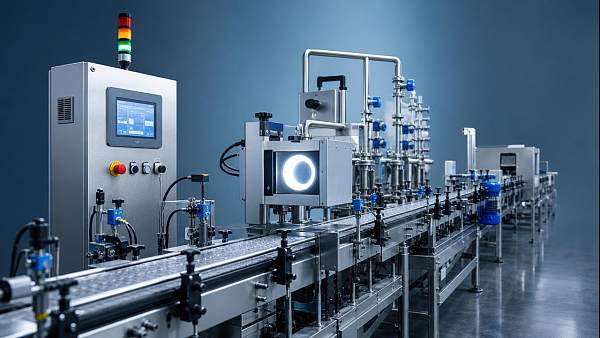
In assembly, packaging, and component handling, short stops often cause the biggest hidden losses. Production line monitoring should capture micro-downtime, cycle variation, jam frequency, and restart behavior.
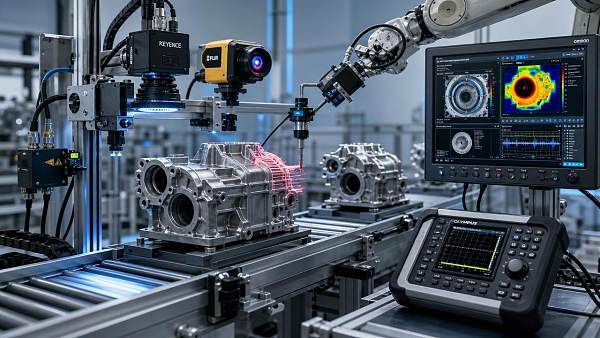
Instrumentation data from photoelectric sensors, torque tools, current meters, encoders, and machine vision systems helps isolate whether the issue is mechanical, electrical, or control-related.
Process industries and continuous operations
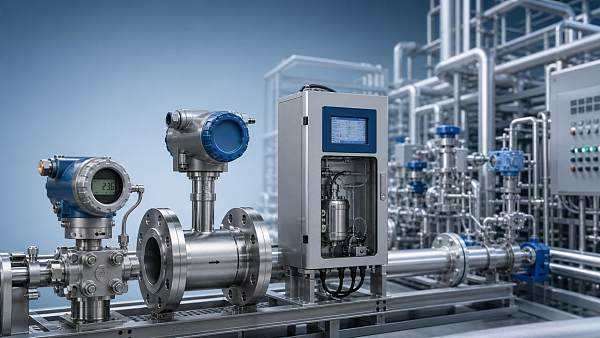
In flow-based production, downtime is often linked to pressure instability, temperature drift, valve sticking, analyzer faults, or utility variation. Production line monitoring must focus on trends, not only event alarms.
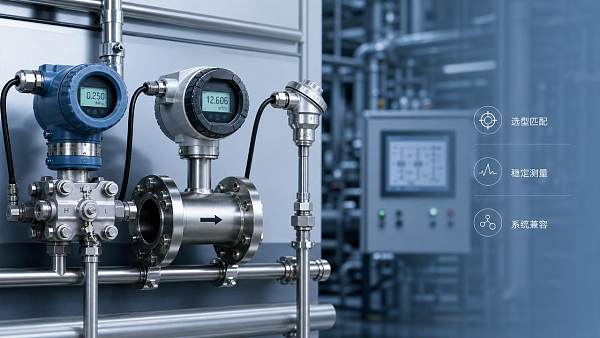
Well-maintained transmitters, flowmeters, and online analyzers provide early warning before throughput drops or product specifications move out of range.
Energy, environmental, and utility-linked systems
Some production interruptions begin outside the core line. Steam pressure, compressed air quality, cooling water flow, emissions equipment, or power disturbances can trigger cascading failures.
Production line monitoring should therefore include supporting infrastructure, especially when the instrumentation industry supplies both process sensors and utility monitoring devices.
Common gaps that weaken production line monitoring
Ignoring sensor accuracy and calibration
A dashboard is only as reliable as its measurement layer. Drifted sensors create false confidence, missed alarms, and poor troubleshooting decisions during downtime events.
Collecting data without response rules
Many sites invest in production line monitoring software but fail to define who responds, how fast they respond, and what evidence confirms the issue is solved.
Overlooking short stops and intermittent faults
Repeated ten-second stops may never trigger formal downtime logs, yet they can destroy throughput. Monitoring must capture these events with timestamp precision and contextual signals.
Separating maintenance data from process data
If work orders, alarm history, and process trends remain isolated, recurring failure modes stay hidden. Cross-linking these records reveals whether intervention actually solved the root cause.
Using too many low-value alarms
Alarm overload delays action. Effective production line monitoring highlights exceptions that matter, instead of training people to ignore flashing screens and repeated notifications.
Practical steps to implement fast downtime reduction
Start with one pilot line and identify the top three downtime causes from the last three months. Build production line monitoring around those losses first.
Then standardize signal naming, alarm rationalization, and downtime coding. This keeps reports comparable and makes trend analysis more useful across departments.
Next, combine instrumentation inspection with control system review. Validate transmitters, I/O status, network paths, and historian timestamps before expanding coverage.
After deployment, review weekly whether alerts led to action, whether actions reduced downtime, and whether new failure patterns emerged. Continuous adjustment is essential.
A simple execution sequence
- Identify the line bottleneck and highest-cost downtime mode.
- Confirm instrumentation quality and data source reliability.
- Configure meaningful thresholds and event logic.
- Define escalation ownership and response windows.
- Review results against downtime, OEE, and quality metrics.
Conclusion and next action
Production line monitoring reduces downtime fastest when it connects accurate instrumentation, useful alarms, clear ownership, and disciplined follow-up. Data alone does not improve uptime.
Use this checklist to assess current visibility, close weak points in measurement and response, and prioritize the assets that stop production most often.
The next practical step is simple: audit one line this week, validate the most critical signals, and compare alarm records with actual stoppages. That is where better production line monitoring begins.
Recommended for You
 Industrial Metrology Tools: When Accuracy Impacts OutputIndustrial metrology tools directly shape output, quality, and cost. Learn how accurate measurement reduces scrap, speeds decisions, and improves production performance.
 Process Measurement Devices in Export Compliance UpdatesProcess measurement devices face new export compliance updates that impact classification, documents, lead times, and market access. Learn practical steps to reduce risk and protect growth.
 Quality Control Analyzers Price Shifts in Global SupplyQuality control analyzers prices are shifting with global supply changes. Learn the key cost drivers, compliance risks, and sourcing tips buyers need to reduce total cost.
 Production Line Monitoring: How to Reduce Downtime FastProduction line monitoring helps reduce downtime fast with practical checklists, smarter alarms, and real-time insights. Learn how to improve visibility, response speed, and line reliability.
 Process Optimization Instruments: ROI vs Maintenance CostsProcess optimization instruments: compare ROI, downtime reduction, and accuracy gains against calibration and maintenance costs. Learn how to choose smarter, lower-risk solutions.
 Manufacturing Process Control Trends Shaping 2026 OutputManufacturing process control trends for 2026: explore real-time monitoring, predictive quality, compliance readiness, and smarter automation strategies to boost output and reduce risk.
 Industrial Inspection Devices for Safer Quality ChecksIndustrial inspection devices help deliver safer quality checks by detecting faults early, reducing downtime, and improving compliance across manufacturing, energy, and infrastructure.
 Industrial Control Instruments: Common Selection MistakesIndustrial control instruments selection mistakes can cause downtime, drift, and safety issues. Learn the most common errors and how to choose the right solution with confidence.
 Industrial Monitoring Solutions: Key Cost Factors in 2026Industrial monitoring solutions in 2026 cost far more than hardware alone. Learn the hidden cost drivers, compare vendor proposals wisely, and make smarter ROI-focused investment decisions.
 How to Compare Test and Measurement Equipment for Factory UseTest and measurement equipment for factory use should be compared by real application, not specs alone. Learn how to choose reliable, connected tools that cut downtime and improve control.
 Stack Gas Analyzers: When Maintenance Delays Start Raising RiskStack gas analyzers can look normal while hidden drift raises compliance, efficiency, and reliability risks. Learn the warning signs and smart maintenance checks before delays become costly.
 Industrial Measurement Systems in Export Projects: Key Compliance ChecksIndustrial measurement systems for export projects: learn the key compliance checks for certifications, calibration, safety, and documents to avoid delays and ensure smooth delivery.
 Pharmaceutical Instrumentation Upgrades: What to Evaluate FirstPharmaceutical instrumentation upgrades start with compliance, data integrity, uptime, and ROI. Learn what to evaluate first to reduce risk and make smarter buying decisions.
 Food Processing Analyzers for Compliance and Batch ConsistencyFood processing analyzers help manufacturers improve compliance, reduce batch variation, and verify quality from raw materials to final release with faster, traceable decisions.
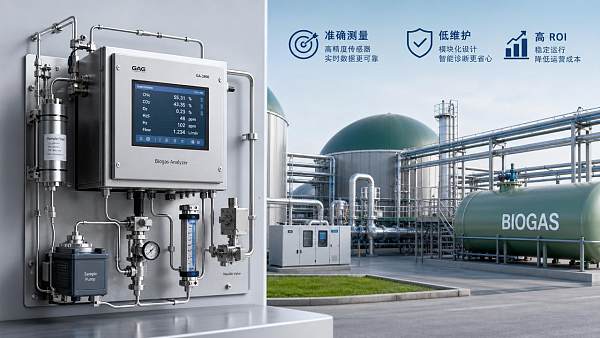
 Biogas Analyzers Market Trends: Accuracy, Maintenance, and ROIBiogas analyzers market trends: explore how accuracy, lower maintenance, and stronger ROI help energy and industrial buyers improve gas quality, uptime, and compliance.
 Safety Monitoring Systems: Common Setup Mistakes to AvoidSafety monitoring systems fail fast when setup is wrong. Discover common installation, calibration, and alarm mistakes to avoid for safer operations and more reliable monitoring.
 Industrial Testing Equipment Costs in 2026: What Drives Pricing?Industrial testing equipment costs in 2026 depend on accuracy, compliance, automation, and lifecycle service. Learn what drives pricing and how to reduce total ownership cost.
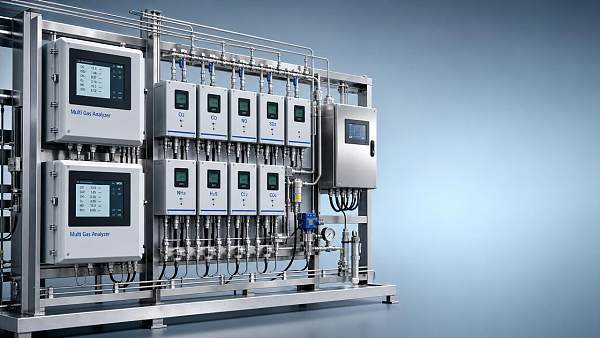
 Multi-Component Analyzers vs Single-Gas Units: Which Fits Better?Multi-component analyzers vs single-gas units: compare lifecycle cost, compliance, maintenance, and scalability to choose the best fit for safer, smarter industrial projects.
 Petrochemical Analyzers: Key Specs That Affect Safety and UptimePetrochemical analyzers directly affect safety and uptime. Learn which specs—accuracy, response time, compatibility, and maintenance—matter most for reliable plant performance.
 How to Choose Process Monitoring Instruments for Stable Plant PerformanceProcess monitoring instruments are key to stable plant performance. Learn how to choose the right devices for accuracy, compatibility, lower risk, and better efficiency.
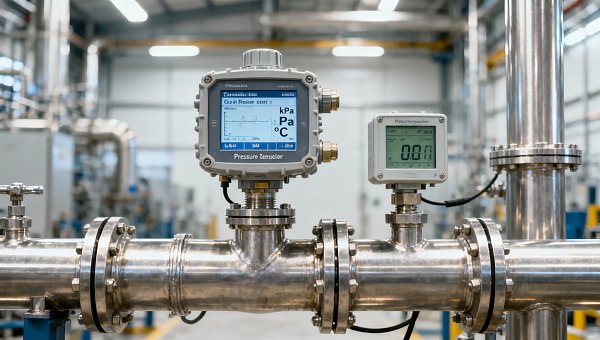
 Brazil INMETRO to Require Portuguese UI and Local Units for Industrial Instruments by 2026Brazil INMETRO mandates Portuguese UI & local units (mbar, kPa, °C) for industrial instruments by Dec 2026—key for exporters, integrators & service providers.
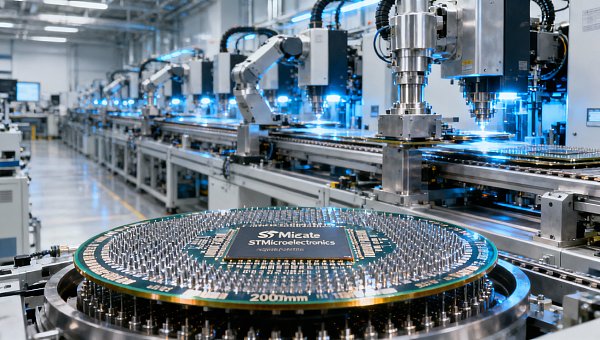
 STMicroelectronics 200mm Line Eases Industrial Sensor Chip ShortageSTMicroelectronics 200mm line eases industrial sensor chip shortage — MCUs & signal-conditioning ICs now ship in 12 weeks. Secure allocation today.
 Southeast Asia Manufacturing Re-shoring Accelerates: Vietnam/Indonesia Industrial Instrument Imports Up 37% YoYSoutheast Asia manufacturing re-shoring accelerates: Vietnam & Indonesia industrial instrument imports up 37% YoY — key insights for suppliers, OEMs & procurement teams.
 First Global White Paper on Humanoid Robot Sensor Calibration ReleasedHumanoid robot sensor calibration: First global white paper released—key for ISO/IEC JWG 23 compliance, export readiness & dynamic torque accuracy. Act now.
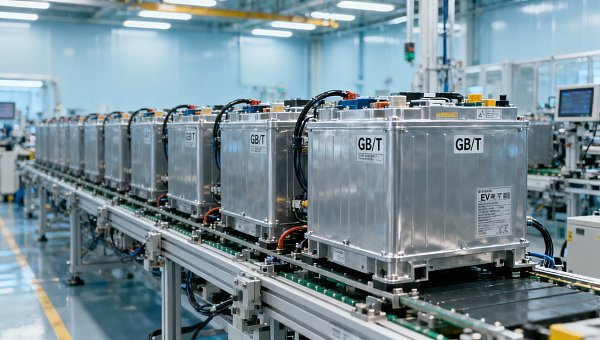
 SAMR to Upgrade EV Battery Recycling Standard to MandatorySAMR to upgrade EV battery recycling standard GB/T 34015—202X to mandatory by Dec 2026 — critical for exporters, BMS makers & cert labs.
 Saudi SASO Accelerates AI Energy Efficiency Rules for TransmittersSASO AI energy efficiency rules for transmitters take effect 1 June 2026 — mandatory AI simulation, Saudi climate data, and authorized lab validation required. Act now to avoid export delays.
 IEC 63278:2026 Released for Industrial Instrument CybersecurityIEC 63278:2026 is live — the first global standard mandating cybersecurity verification for industrial instruments. Discover compliance impacts, deadlines, and actionable steps for OT/IT convergence.
 Red Sea Crisis Escalates: Gulf of Aden Navigation Ban Extended to June 15, 2026Red Sea Crisis escalates: Gulf of Aden navigation ban extended to June 15, 2026—disrupting industrial instrumentation shipments to the Middle East with 458% air freight spikes and 12–18 day delays.
 US DOE Updates Efficiency Rules for Industrial SensorsUS DOE updates industrial sensor efficiency rules: AI-driven dynamic calibration required by Sept 2026. Ensure AI-Cal Verified compliance now.
 EU Mandates PEF Carbon Footprint Module for Industrial Instruments from June 2026EU mandates PEF carbon footprint module for industrial instruments from June 2026—key for exporters, OEMs & certifiers. Act now to ensure compliance.
 Explosion-Proof Instruments: Compliance Risks Before You OrderExplosion-proof instruments can trigger delays, failed inspections, and safety risks if compliance is overlooked. Learn what to verify before ordering and make safer, smarter purchasing decisions.
 Gas Quality Monitoring Equipment Import Rules to Watch in 2026Gas quality monitoring equipment import rules for 2026 are tightening. Learn the key compliance, certification, and customs risks distributors must manage to avoid delays and protect margins.







Search Categories
Search Categories
Latest Article
- Industrial Metrology Tools: When Accuracy Impacts OutputIndustrial metrology tools directly shape output, quality, and cost. Learn how accurate measurement reduces scrap, speeds decisions, and improves production performance.Posted by:
- Process Measurement Devices in Export Compliance UpdatesProcess measurement devices face new export compliance updates that impact classification, documents, lead times, and market access. Learn practical steps to reduce risk and protect growth.Posted by:
- Quality Control Analyzers Price Shifts in Global SupplyQuality control analyzers prices are shifting with global supply changes. Learn the key cost drivers, compliance risks, and sourcing tips buyers need to reduce total cost.Posted by:
Please give us a message
