
Industrial Inspection Devices for Safer Quality Checks


In modern manufacturing and high-risk operating environments, industrial inspection devices support safer quality checks by finding faults before they become failures. They help verify dimensions, surface conditions, internal defects, process stability, and regulatory compliance. Across production, energy, construction, laboratories, and automated systems, these tools reduce waste, downtime, and safety incidents while improving confidence in every inspection result.
What are industrial inspection devices, and why do they matter?
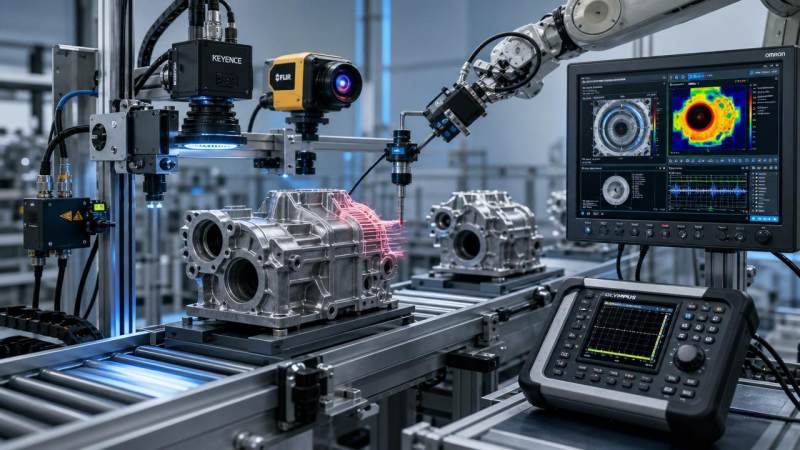
Industrial inspection devices are instruments used to check quality, safety, performance, and compliance in physical assets, materials, and production processes.
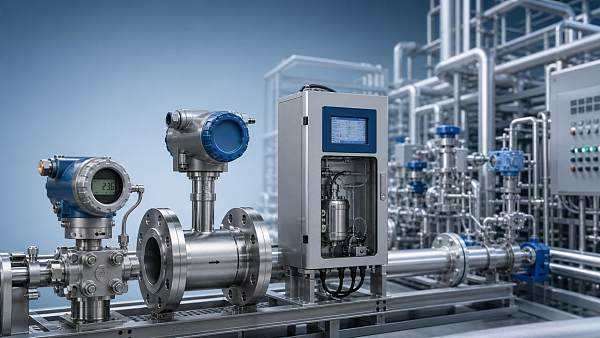
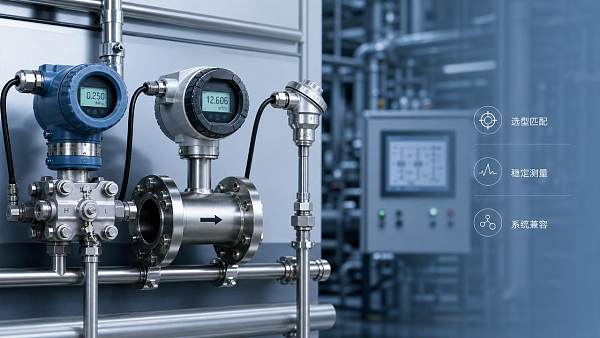
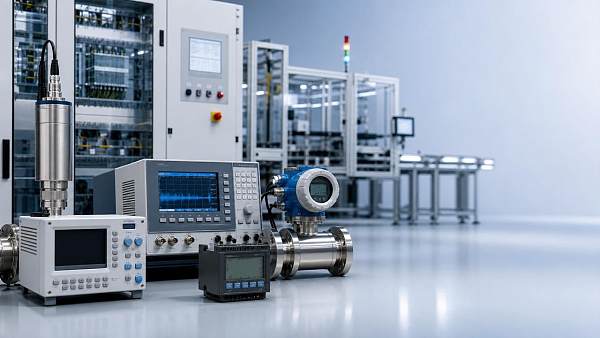
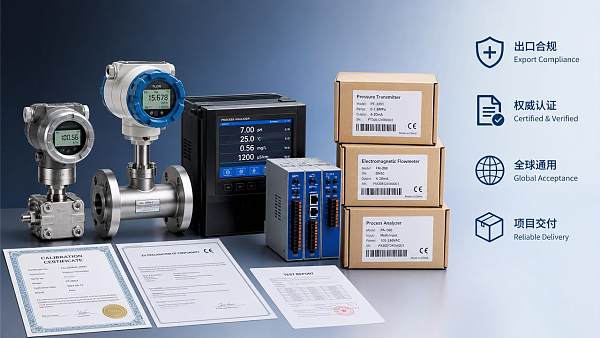
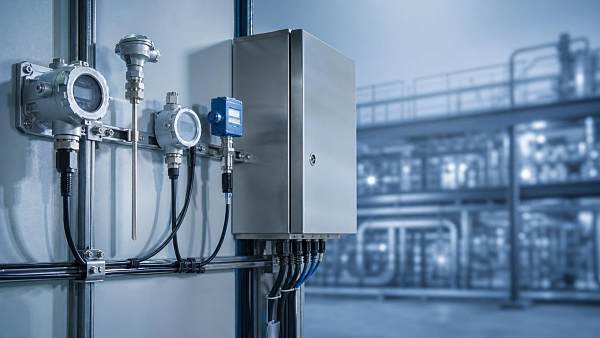
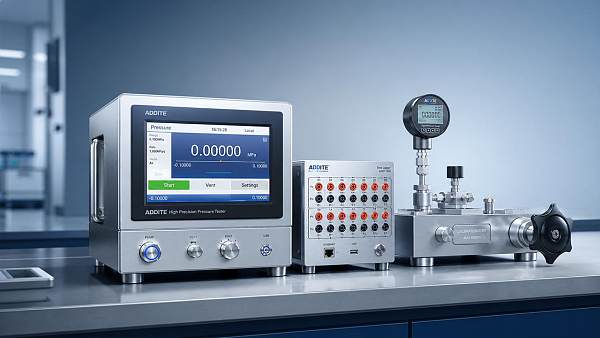
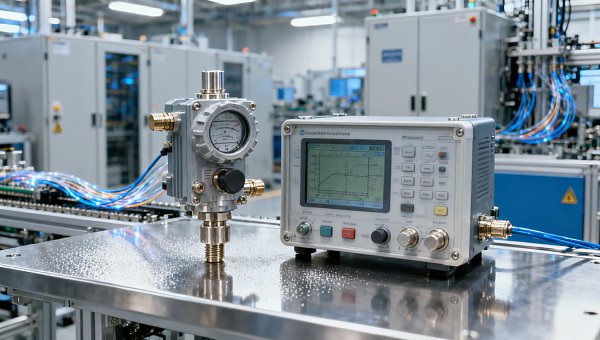
They include visual inspection systems, thermal imagers, ultrasonic testers, pressure gauges, flow meters, gas detectors, thickness gauges, vibration analyzers, and online monitoring equipment.
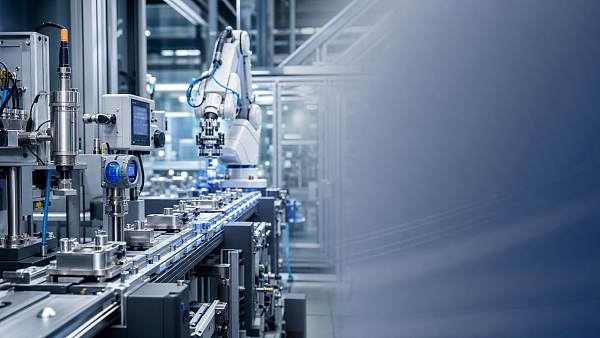
Some industrial inspection devices operate manually during scheduled checks. Others run continuously inside automated lines and send real-time alerts when values drift from normal ranges.
Their importance goes beyond defect detection. They also protect workers, equipment, and the environment by revealing hidden risks early.
For example, a thermal camera can identify overheating electrical panels. An ultrasonic device can detect internal cracks. A gas detector can warn about invisible leaks.
In the instrumentation industry, these devices form the bridge between raw data and safe decisions. Accurate inspection data supports calibration, control, traceability, and smarter maintenance planning.
Where are industrial inspection devices used across the broader industry?
Industrial inspection devices are used wherever product quality and operating safety depend on measurable conditions. Their value appears in both routine production and critical risk control.
Manufacturing lines
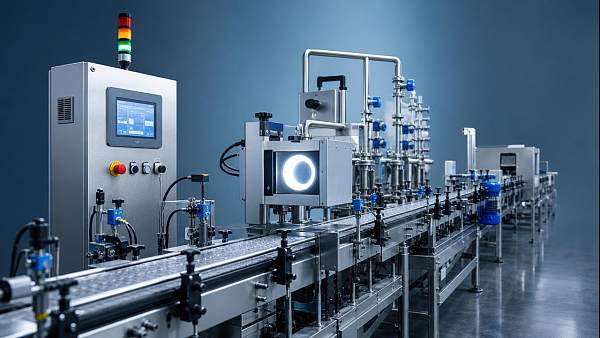
Machine vision systems inspect dimensions, labels, welds, coatings, and assembly accuracy. Sensors verify pressure, temperature, flow, and torque during each production step.
Energy and power facilities
Thermal inspection, insulation testing, oil analysis, and vibration monitoring help prevent electrical faults, rotating equipment damage, and unplanned shutdowns.
Construction and infrastructure
Industrial inspection devices assess concrete strength, coating thickness, pipeline integrity, moisture levels, and structural conditions before visible damage appears.
Environmental and laboratory work
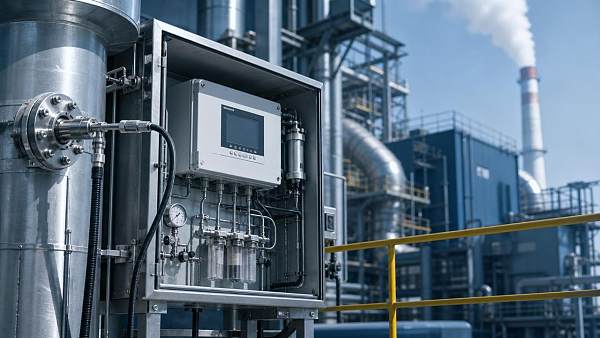
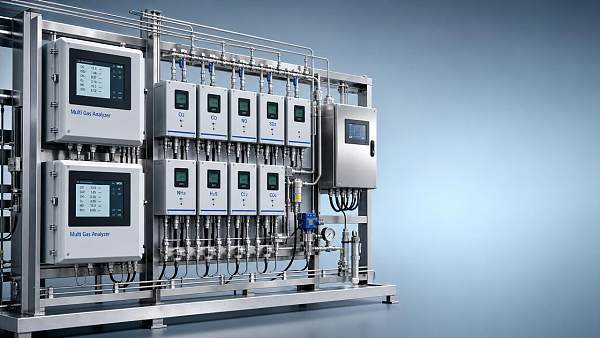
Gas analyzers, particle counters, pH meters, and sampling instruments support pollution control, water quality testing, and accurate laboratory validation.
Automation and process control
Online industrial inspection devices track changing conditions continuously. This allows automated systems to react faster than human inspection alone.
Because applications vary widely, the best device depends on the inspection target, required accuracy, response speed, environment, and reporting needs.
How do you choose the right industrial inspection devices?
Selection should start with the risk or quality problem, not with the device itself. A clear inspection objective prevents overspending and weak coverage.
Ask what must be detected. Is the concern a visible flaw, an internal crack, a temperature rise, a pressure change, or chemical contamination?
Then define the needed sensitivity. Some industrial inspection devices excel at screening large volumes quickly. Others provide precise measurements for critical acceptance decisions.
- Measurement range and accuracy
- Detection speed and sampling frequency
- Environmental resistance to dust, heat, vibration, or moisture
- Portability versus fixed installation
- Calibration requirements and traceability
- Data output, software integration, and alarm functions
- Operator training and maintenance complexity
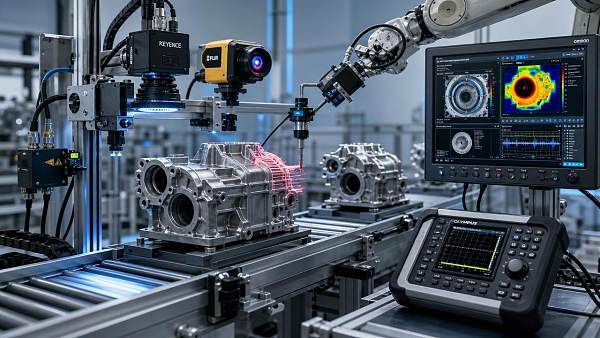
In many facilities, combining devices creates stronger coverage. A camera may find visible defects, while ultrasonic and thermal tools uncover hidden problems.
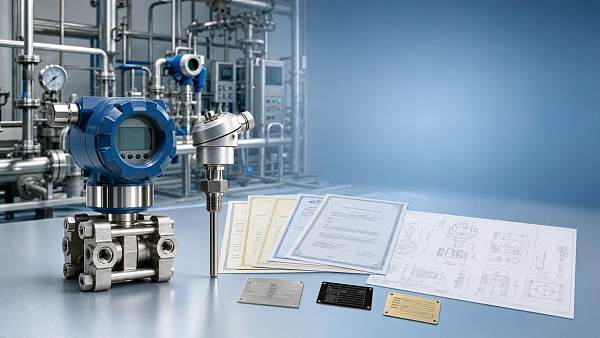
It is also wise to check standards, certification needs, and recordkeeping rules. Inspection data often supports audits, customer claims, and internal quality investigations.
What is the difference between manual, portable, and online inspection solutions?
Not all industrial inspection devices fit the same workflow. The choice depends on inspection frequency, access conditions, and how quickly action must follow detection.
Manual tools
These include calipers, handheld gauges, portable detectors, and simple visual aids. They are flexible and cost-effective for periodic checks.
Portable advanced instruments
Examples include handheld thermal imagers, ultrasonic flaw detectors, portable spectrometers, and vibration analyzers. They deliver strong field capability and faster diagnosis.
Online monitoring systems
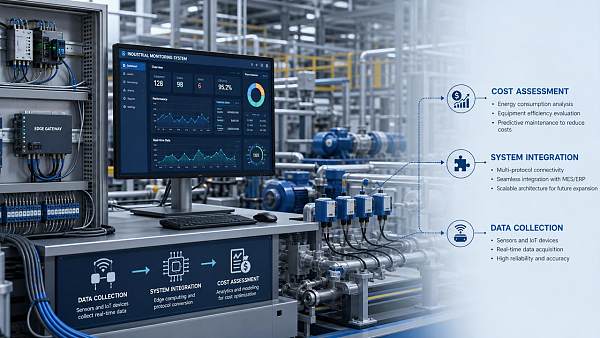
These industrial inspection devices stay connected to equipment or process lines. They collect data continuously and support alarms, dashboards, and predictive maintenance.
Manual methods are useful when defects are rare or inspection points change often. Online systems are better when failure consequences are high or changes happen quickly.
A mixed strategy is common. Continuous sensors watch critical assets, while portable devices investigate abnormal conditions in more detail.
What common mistakes reduce the value of industrial inspection devices?
The first mistake is treating inspection as a final checkpoint only. Quality and safety improve more when devices are used throughout the process.
The second mistake is ignoring calibration. Even high-end industrial inspection devices lose credibility if measurement accuracy is not verified regularly.
Another issue is poor match between device and defect mode. A visible-light camera cannot replace ultrasonic testing for internal flaws.
Some operations also underestimate environmental conditions. Heat, dust, humidity, and electromagnetic interference can affect device performance and sensor life.
Data overload is another hidden problem. Collecting values without alarm logic, trend review, or action rules creates reports, not protection.
Training matters as much as hardware. Misinterpretation of readings can cause missed defects or unnecessary shutdowns.
- Do not skip baseline measurements.
- Do not rely on one method for every risk.
- Do not separate inspection data from maintenance records.
- Do not delay corrective action after repeat alarms.
How should cost, implementation time, and return be evaluated?
The purchase price of industrial inspection devices is only one part of the total decision. Lifecycle value is a more reliable measure.
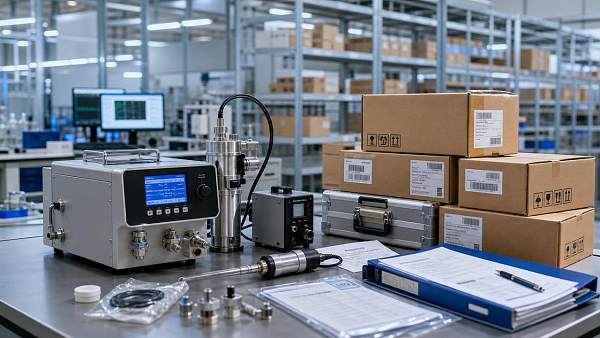
Direct costs include equipment, accessories, calibration, software, training, maintenance, and replacement parts. Integration costs may include networking and data platform setup.
The return often appears through fewer defects, less scrap, lower downtime, improved audit readiness, and reduced safety incidents.
Implementation time varies by complexity. A handheld device can be used quickly. An online system may require installation planning, validation, and operator training.
When comparing options, estimate the cost of one missed defect, one failed audit, or one unscheduled outage. That often clarifies the right investment level.
Which best practices improve long-term inspection performance?
Strong results come from combining reliable industrial inspection devices with disciplined procedures and data review.
- Define acceptance criteria before inspection begins.
- Create calibration schedules and keep traceable records.
- Link inspection findings with maintenance and process adjustments.
- Review trend data, not only pass or fail results.
- Validate device performance after process changes.
- Use layered inspection methods for critical assets.
As digital transformation grows, industrial inspection devices are becoming more connected, more automated, and more predictive. That shift supports faster response and stronger risk prevention.
The most effective next step is to review current inspection gaps, identify high-consequence failure points, and compare them with available device capabilities. A focused evaluation can turn inspection from a routine task into a measurable safety and quality advantage.
Recommended for You
 Industrial Metrology Tools: When Accuracy Impacts OutputIndustrial metrology tools directly shape output, quality, and cost. Learn how accurate measurement reduces scrap, speeds decisions, and improves production performance.
 Process Measurement Devices in Export Compliance UpdatesProcess measurement devices face new export compliance updates that impact classification, documents, lead times, and market access. Learn practical steps to reduce risk and protect growth.
 Quality Control Analyzers Price Shifts in Global SupplyQuality control analyzers prices are shifting with global supply changes. Learn the key cost drivers, compliance risks, and sourcing tips buyers need to reduce total cost.
 Production Line Monitoring: How to Reduce Downtime FastProduction line monitoring helps reduce downtime fast with practical checklists, smarter alarms, and real-time insights. Learn how to improve visibility, response speed, and line reliability.
 Process Optimization Instruments: ROI vs Maintenance CostsProcess optimization instruments: compare ROI, downtime reduction, and accuracy gains against calibration and maintenance costs. Learn how to choose smarter, lower-risk solutions.
 Manufacturing Process Control Trends Shaping 2026 OutputManufacturing process control trends for 2026: explore real-time monitoring, predictive quality, compliance readiness, and smarter automation strategies to boost output and reduce risk.
 Industrial Inspection Devices for Safer Quality ChecksIndustrial inspection devices help deliver safer quality checks by detecting faults early, reducing downtime, and improving compliance across manufacturing, energy, and infrastructure.
 Industrial Control Instruments: Common Selection MistakesIndustrial control instruments selection mistakes can cause downtime, drift, and safety issues. Learn the most common errors and how to choose the right solution with confidence.
 Industrial Monitoring Solutions: Key Cost Factors in 2026Industrial monitoring solutions in 2026 cost far more than hardware alone. Learn the hidden cost drivers, compare vendor proposals wisely, and make smarter ROI-focused investment decisions.
 How to Compare Test and Measurement Equipment for Factory UseTest and measurement equipment for factory use should be compared by real application, not specs alone. Learn how to choose reliable, connected tools that cut downtime and improve control.
 Stack Gas Analyzers: When Maintenance Delays Start Raising RiskStack gas analyzers can look normal while hidden drift raises compliance, efficiency, and reliability risks. Learn the warning signs and smart maintenance checks before delays become costly.
 Industrial Measurement Systems in Export Projects: Key Compliance ChecksIndustrial measurement systems for export projects: learn the key compliance checks for certifications, calibration, safety, and documents to avoid delays and ensure smooth delivery.
 Pharmaceutical Instrumentation Upgrades: What to Evaluate FirstPharmaceutical instrumentation upgrades start with compliance, data integrity, uptime, and ROI. Learn what to evaluate first to reduce risk and make smarter buying decisions.
 Food Processing Analyzers for Compliance and Batch ConsistencyFood processing analyzers help manufacturers improve compliance, reduce batch variation, and verify quality from raw materials to final release with faster, traceable decisions.
 Biogas Analyzers Market Trends: Accuracy, Maintenance, and ROIBiogas analyzers market trends: explore how accuracy, lower maintenance, and stronger ROI help energy and industrial buyers improve gas quality, uptime, and compliance.
 Safety Monitoring Systems: Common Setup Mistakes to AvoidSafety monitoring systems fail fast when setup is wrong. Discover common installation, calibration, and alarm mistakes to avoid for safer operations and more reliable monitoring.
 Industrial Testing Equipment Costs in 2026: What Drives Pricing?Industrial testing equipment costs in 2026 depend on accuracy, compliance, automation, and lifecycle service. Learn what drives pricing and how to reduce total ownership cost.
 Multi-Component Analyzers vs Single-Gas Units: Which Fits Better?Multi-component analyzers vs single-gas units: compare lifecycle cost, compliance, maintenance, and scalability to choose the best fit for safer, smarter industrial projects.
 Petrochemical Analyzers: Key Specs That Affect Safety and UptimePetrochemical analyzers directly affect safety and uptime. Learn which specs—accuracy, response time, compatibility, and maintenance—matter most for reliable plant performance.
 How to Choose Process Monitoring Instruments for Stable Plant PerformanceProcess monitoring instruments are key to stable plant performance. Learn how to choose the right devices for accuracy, compatibility, lower risk, and better efficiency.
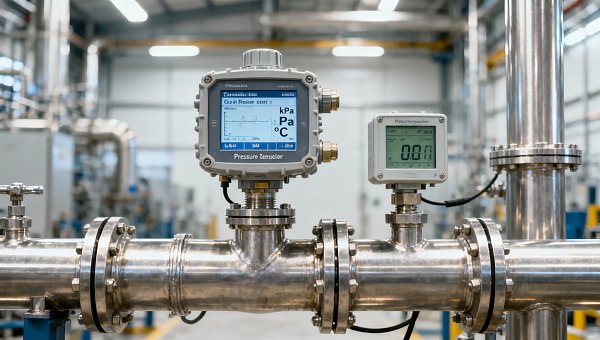
 Brazil INMETRO to Require Portuguese UI and Local Units for Industrial Instruments by 2026Brazil INMETRO mandates Portuguese UI & local units (mbar, kPa, °C) for industrial instruments by Dec 2026—key for exporters, integrators & service providers.
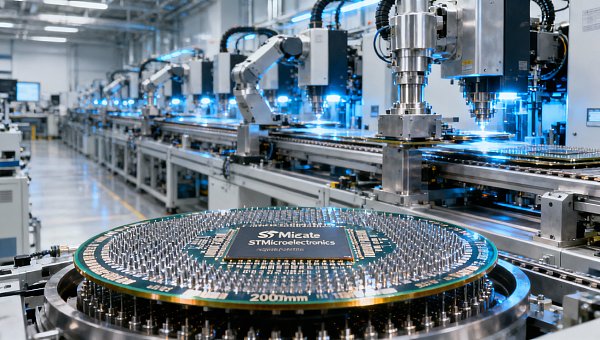
 STMicroelectronics 200mm Line Eases Industrial Sensor Chip ShortageSTMicroelectronics 200mm line eases industrial sensor chip shortage — MCUs & signal-conditioning ICs now ship in 12 weeks. Secure allocation today.
 Southeast Asia Manufacturing Re-shoring Accelerates: Vietnam/Indonesia Industrial Instrument Imports Up 37% YoYSoutheast Asia manufacturing re-shoring accelerates: Vietnam & Indonesia industrial instrument imports up 37% YoY — key insights for suppliers, OEMs & procurement teams.
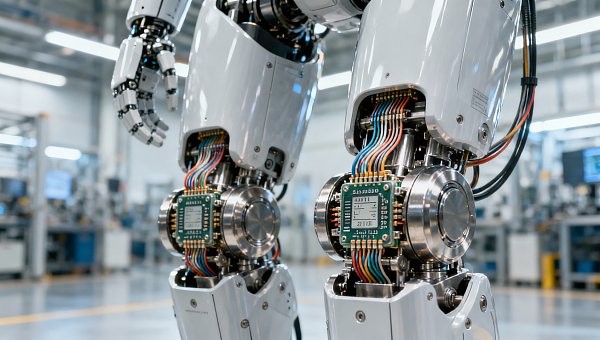
 First Global White Paper on Humanoid Robot Sensor Calibration ReleasedHumanoid robot sensor calibration: First global white paper released—key for ISO/IEC JWG 23 compliance, export readiness & dynamic torque accuracy. Act now.
 SAMR to Upgrade EV Battery Recycling Standard to MandatorySAMR to upgrade EV battery recycling standard GB/T 34015—202X to mandatory by Dec 2026 — critical for exporters, BMS makers & cert labs.
 Saudi SASO Accelerates AI Energy Efficiency Rules for TransmittersSASO AI energy efficiency rules for transmitters take effect 1 June 2026 — mandatory AI simulation, Saudi climate data, and authorized lab validation required. Act now to avoid export delays.
 IEC 63278:2026 Released for Industrial Instrument CybersecurityIEC 63278:2026 is live — the first global standard mandating cybersecurity verification for industrial instruments. Discover compliance impacts, deadlines, and actionable steps for OT/IT convergence.
 Red Sea Crisis Escalates: Gulf of Aden Navigation Ban Extended to June 15, 2026Red Sea Crisis escalates: Gulf of Aden navigation ban extended to June 15, 2026—disrupting industrial instrumentation shipments to the Middle East with 458% air freight spikes and 12–18 day delays.
 US DOE Updates Efficiency Rules for Industrial SensorsUS DOE updates industrial sensor efficiency rules: AI-driven dynamic calibration required by Sept 2026. Ensure AI-Cal Verified compliance now.
 EU Mandates PEF Carbon Footprint Module for Industrial Instruments from June 2026EU mandates PEF carbon footprint module for industrial instruments from June 2026—key for exporters, OEMs & certifiers. Act now to ensure compliance.
 Explosion-Proof Instruments: Compliance Risks Before You OrderExplosion-proof instruments can trigger delays, failed inspections, and safety risks if compliance is overlooked. Learn what to verify before ordering and make safer, smarter purchasing decisions.
 Gas Quality Monitoring Equipment Import Rules to Watch in 2026Gas quality monitoring equipment import rules for 2026 are tightening. Learn the key compliance, certification, and customs risks distributors must manage to avoid delays and protect margins.






Search Categories
Search Categories
Latest Article
- Industrial Metrology Tools: When Accuracy Impacts OutputIndustrial metrology tools directly shape output, quality, and cost. Learn how accurate measurement reduces scrap, speeds decisions, and improves production performance.Posted by:
- Process Measurement Devices in Export Compliance UpdatesProcess measurement devices face new export compliance updates that impact classification, documents, lead times, and market access. Learn practical steps to reduce risk and protect growth.Posted by:
- Quality Control Analyzers Price Shifts in Global SupplyQuality control analyzers prices are shifting with global supply changes. Learn the key cost drivers, compliance risks, and sourcing tips buyers need to reduce total cost.Posted by:
Please give us a message
