
Quality Control Analyzers Price Shifts in Global Supply


Global supply shifts are reshaping how procurement teams evaluate quality control analyzers, from pricing volatility and lead times to compliance, performance, and long-term value. For buyers in today’s instrumentation market, understanding these changes is essential to making cost-effective decisions without compromising reliability. This article explores the key factors behind price movements and what purchasers should watch when sourcing quality control analyzers globally.
Why are quality control analyzers prices changing so quickly?
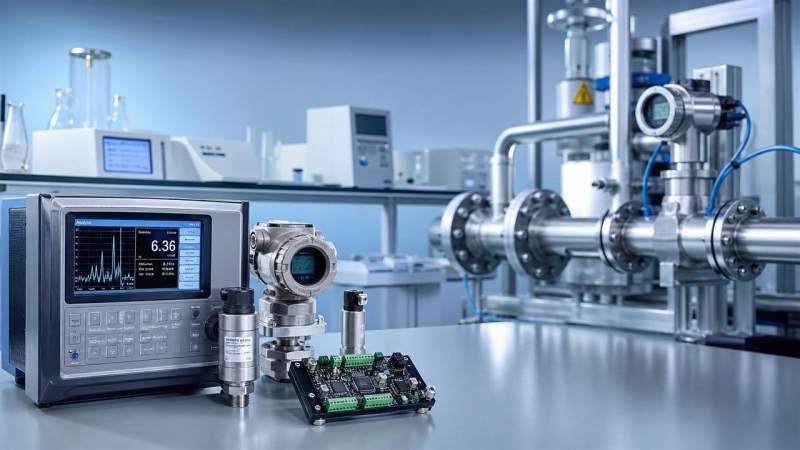
For procurement teams, the price of quality control analyzers is no longer driven by one factor alone. Global freight rates, semiconductor supply, specialty sensor availability, exchange-rate changes, and regional compliance requirements now influence total acquisition cost at the same time.
In the instrumentation industry, analyzers are not generic devices. They often combine sensing elements, data processing boards, calibration functions, industrial communication interfaces, and enclosure designs suited to laboratory, field, or online monitoring use. That complexity makes pricing more sensitive to supply chain disruptions than many buyers expect.
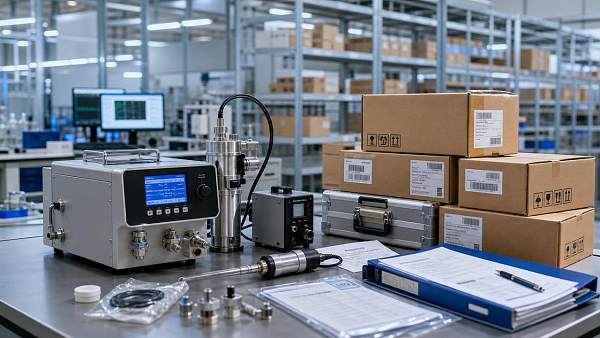
Procurement personnel also face a second challenge: list price and actual procurement cost can differ significantly. Shipping terms, import duties, factory test requirements, packaging standards, spare parts, and after-sales support can shift a budget even when the unit price looks stable.
- Electronic component shortages can increase the cost of controller boards, displays, and communication modules.
- Specialty materials such as corrosion-resistant wetted parts or optical components can add cost when raw material prices rise.
- Compliance-driven redesigns for export markets may increase both engineering cost and lead time.
- Low-volume customization, common in industrial automation and laboratory analysis, often carries a higher price than standard stock units.
Which global supply factors matter most to buyers?
When sourcing quality control analyzers, purchasers need to separate temporary market noise from structural cost drivers. This helps avoid reacting to a short-term quote increase that may not affect long-term supply strategy.
The table below highlights the most common pricing drivers in global procurement and how each one affects analyzer sourcing decisions across manufacturing, environmental monitoring, energy, and laboratory applications.
The key takeaway is simple: price shifts in quality control analyzers are often linked to technical dependencies. A low quote can become expensive if replacement sensors, recalibration, or export documentation are not included in the sourcing plan.
What do quality control analyzers include in real industrial procurement?
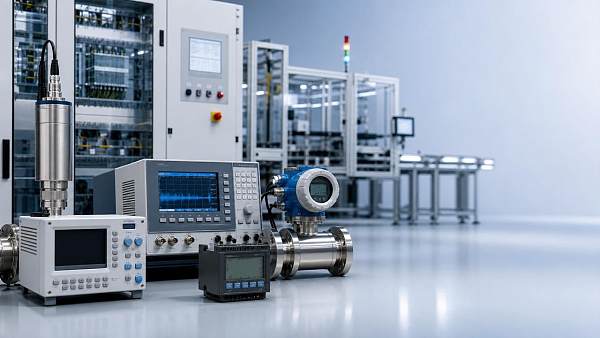
In the broad instrumentation market, quality control analyzers may include composition analyzers, moisture analyzers, gas analyzers, liquid analysis instruments, particle measurement systems, laboratory validation equipment, and online process monitoring devices. Their procurement logic varies by application, but buyers usually evaluate the same core dimensions.
Common buyer evaluation points
- Measurement accuracy and repeatability under real operating conditions, not only laboratory references.
- Stability of calibration intervals, especially where shutdowns are costly or difficult to schedule.
- Compatibility with plant automation systems such as PLC, SCADA, or DCS environments.
- Suitability for harsh environments including dust, vibration, humidity, corrosive media, or outdoor installation.
- Availability of spare parts, technical documents, and service support across the equipment lifecycle.
For procurement personnel, this means the lowest purchase price rarely tells the full story. In process industries, unstable analyzers can trigger scrap, retesting, product inconsistency, or manual inspection costs that exceed the savings from a cheaper unit.
How should buyers compare analyzer options when budgets are tight?
A disciplined comparison framework helps purchasers negotiate better and avoid mismatched specifications. The table below can be used during supplier screening for quality control analyzers across industrial manufacturing, laboratory analysis, and online monitoring projects.
This approach is especially useful when buyers receive quotes from suppliers with different technical assumptions. One supplier may include calibration certificates and communication modules, while another may not. Without a structured comparison, price decisions become misleading.
Which technical specifications influence price the most?
Not every specification affects cost equally. Procurement teams should identify the specifications that genuinely matter in their process and avoid paying premiums for features that will not improve output quality, compliance, or maintenance performance.
High-impact price drivers
- Accuracy class and repeatability. Tighter tolerances usually require better sensing elements, factory calibration, and verification procedures.
- Environmental protection level. Outdoor, high-humidity, washdown, or corrosive installations often require more robust housings and materials.
- Communication protocols. Ethernet, Modbus, analog outputs, or custom integration can increase hardware and commissioning costs.
- Sampling and conditioning requirements. Some process analyzers need filtration, temperature control, or sample preparation accessories.
- Calibration and traceability needs. Buyers in regulated sectors may need documented calibration records or traceable references.
For many quality control analyzers, technical overspecification is a hidden cost. If a process only needs trend monitoring and alarm control, a premium laboratory-grade configuration may not deliver meaningful return. On the other hand, under-specification can create product rejection risk and unstable process control.
How do application scenarios change sourcing priorities?
The instrumentation industry serves very different environments, and procurement priorities should reflect that. A quality control analyzer used in a clean laboratory will be evaluated differently from one installed in a power plant, wastewater system, production line, or construction materials testing environment.
The following table shows how application context changes what buyers should prioritize when comparing quality control analyzers.
This scenario-based view helps procurement teams align budget with operational risk. The right quality control analyzers choice depends less on brochure language and more on where, how, and how often the analyzer will actually be used.
What compliance and certification issues should purchasers check?
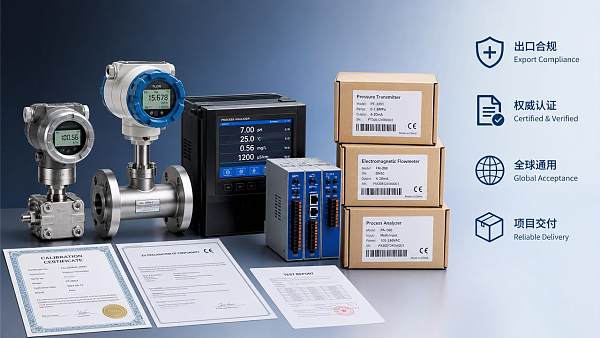
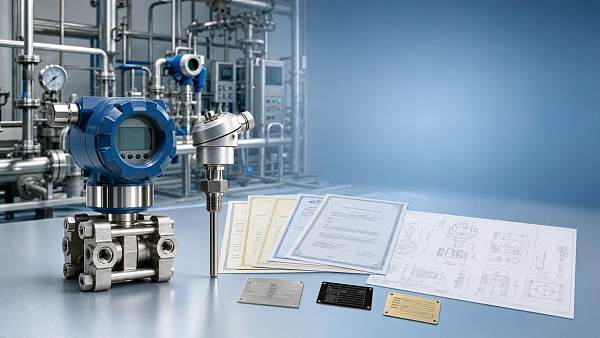
Compliance mistakes can erase any price advantage. For global sourcing, buyers should confirm not only whether quality control analyzers meet regional requirements, but also whether the supplier can provide the documentation needed for import, installation, inspection, and internal audits.
Key compliance checkpoints
- Electrical safety and market access documentation appropriate to the destination country or region.
- Calibration certificates and traceability records where measurement integrity is part of quality management.
- Material compatibility statements for contact parts used with aggressive media, solvents, or contaminated samples.
- Installation and operating manuals that match the shipped configuration, not a generic catalog version.
- Packaging and labeling suitable for export handling and customs inspection.
In sectors such as medical testing, environmental monitoring, and high-value manufacturing, documentation quality can be nearly as important as hardware quality. Purchasers should ask for document samples before final approval, especially for first-time suppliers.
How can procurement teams reduce total cost instead of chasing the lowest quote?
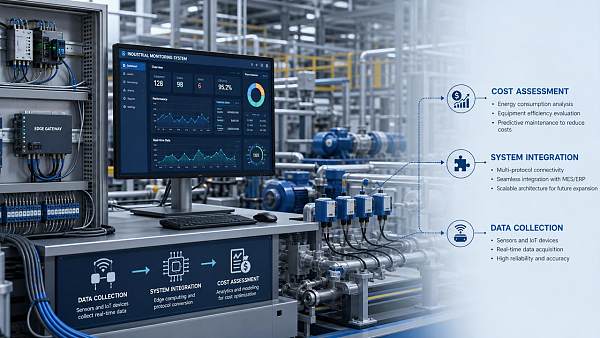
A cost-focused sourcing strategy for quality control analyzers should look beyond invoice price. The real objective is to reduce total cost of ownership while maintaining process reliability and inspection confidence.
Practical cost-control measures
- Standardize specifications across sites when possible, so spare parts and operator training can be shared.
- Bundle accessories, commissioning parts, and calibration items into one quotation to avoid post-order surprises.
- Confirm maintenance intervals and sensor replacement cycles before comparing suppliers.
- Ask whether functionally equivalent configurations are available if premium options are unnecessary for the application.
- Evaluate local or regional support capability, because service delays can create indirect production losses.
In many cases, a slightly higher-priced analyzer with stable support, shorter lead time, and easier calibration management delivers a lower lifetime cost than a cheaper alternative with uncertain service availability.
Common mistakes buyers make when sourcing quality control analyzers
Even experienced procurement teams can miss details when time pressure is high. Most sourcing problems come from gaps between technical expectations, commercial terms, and real operating conditions.
- Comparing quotes without aligning scope, so one offer includes accessories and another excludes them.
- Using nominal lead times rather than confirmed production schedules for customized quality control analyzers.
- Ignoring calibration, installation, or communication integration requirements until after purchase approval.
- Treating laboratory and process applications as technically similar when their maintenance and environmental demands differ sharply.
- Selecting on unit cost alone without accounting for downtime risk, operator training, and lifecycle support.
These mistakes are avoidable when procurement, engineering, and end users review the specification together. Cross-functional review is especially important in automation control and digital transformation projects where analyzer data feeds larger monitoring systems.
FAQ: what do purchasers ask most about quality control analyzers?
How should I choose between a laboratory analyzer and an online analyzer?
Start with process need. Laboratory analyzers are often better for high-precision batch verification and method control. Online quality control analyzers are better when continuous monitoring, fast response, and automation integration are needed. If production adjustments depend on real-time data, online systems usually justify their higher system-level cost.
What lead time should I expect in global sourcing?
Lead time depends on configuration complexity, component availability, documentation needs, and shipping method. Standard models may move faster, while customized quality control analyzers with specific interfaces, enclosures, or calibration requirements often take longer. Buyers should request a breakdown covering production, testing, packing, and transit rather than relying on one total number.
Which documents should be checked before issuing a purchase order?
At minimum, review the final datasheet, commercial quotation scope, accessory list, interface details, calibration or test records if needed, installation conditions, and export-related documents. For critical quality control analyzers, ask for a document index so nothing is omitted during approval.
Is a cheaper analyzer always more expensive in the long run?
Not always. A lower-cost unit can be economical if it truly matches the application, has acceptable maintenance needs, and comes from a supplier with dependable support. The risk appears when low price is achieved by excluding necessary accessories, reducing durability, or offering limited calibration and service capability.
Why work with an instrumentation supplier that understands procurement risk?
In a market shaped by global supply changes, buyers need more than a catalog and a unit price. They need support that connects analyzer performance, compliance, delivery planning, and lifecycle cost. That is especially true in the instrumentation sector, where products support industrial automation, digital upgrading, laboratory analysis, environmental monitoring, and complex process control.
If you are evaluating quality control analyzers, you can contact us for practical procurement support, including parameter confirmation, application-based product selection, delivery cycle review, accessory matching, compliance document checks, sample support options, and quotation comparison assistance. This helps your team make a faster and more informed decision while reducing sourcing risk across global supply channels.
Recommended for You
 Industrial Metrology Tools: When Accuracy Impacts OutputIndustrial metrology tools directly shape output, quality, and cost. Learn how accurate measurement reduces scrap, speeds decisions, and improves production performance.
 Process Measurement Devices in Export Compliance UpdatesProcess measurement devices face new export compliance updates that impact classification, documents, lead times, and market access. Learn practical steps to reduce risk and protect growth.
 Quality Control Analyzers Price Shifts in Global SupplyQuality control analyzers prices are shifting with global supply changes. Learn the key cost drivers, compliance risks, and sourcing tips buyers need to reduce total cost.
 Production Line Monitoring: How to Reduce Downtime FastProduction line monitoring helps reduce downtime fast with practical checklists, smarter alarms, and real-time insights. Learn how to improve visibility, response speed, and line reliability.
 Process Optimization Instruments: ROI vs Maintenance CostsProcess optimization instruments: compare ROI, downtime reduction, and accuracy gains against calibration and maintenance costs. Learn how to choose smarter, lower-risk solutions.
 Manufacturing Process Control Trends Shaping 2026 OutputManufacturing process control trends for 2026: explore real-time monitoring, predictive quality, compliance readiness, and smarter automation strategies to boost output and reduce risk.
 Industrial Inspection Devices for Safer Quality ChecksIndustrial inspection devices help deliver safer quality checks by detecting faults early, reducing downtime, and improving compliance across manufacturing, energy, and infrastructure.
 Industrial Control Instruments: Common Selection MistakesIndustrial control instruments selection mistakes can cause downtime, drift, and safety issues. Learn the most common errors and how to choose the right solution with confidence.
 Industrial Monitoring Solutions: Key Cost Factors in 2026Industrial monitoring solutions in 2026 cost far more than hardware alone. Learn the hidden cost drivers, compare vendor proposals wisely, and make smarter ROI-focused investment decisions.
 How to Compare Test and Measurement Equipment for Factory UseTest and measurement equipment for factory use should be compared by real application, not specs alone. Learn how to choose reliable, connected tools that cut downtime and improve control.
 Stack Gas Analyzers: When Maintenance Delays Start Raising RiskStack gas analyzers can look normal while hidden drift raises compliance, efficiency, and reliability risks. Learn the warning signs and smart maintenance checks before delays become costly.
 Industrial Measurement Systems in Export Projects: Key Compliance ChecksIndustrial measurement systems for export projects: learn the key compliance checks for certifications, calibration, safety, and documents to avoid delays and ensure smooth delivery.
 Pharmaceutical Instrumentation Upgrades: What to Evaluate FirstPharmaceutical instrumentation upgrades start with compliance, data integrity, uptime, and ROI. Learn what to evaluate first to reduce risk and make smarter buying decisions.
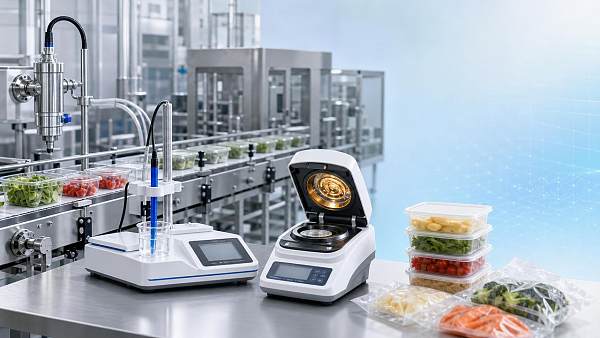
 Food Processing Analyzers for Compliance and Batch ConsistencyFood processing analyzers help manufacturers improve compliance, reduce batch variation, and verify quality from raw materials to final release with faster, traceable decisions.
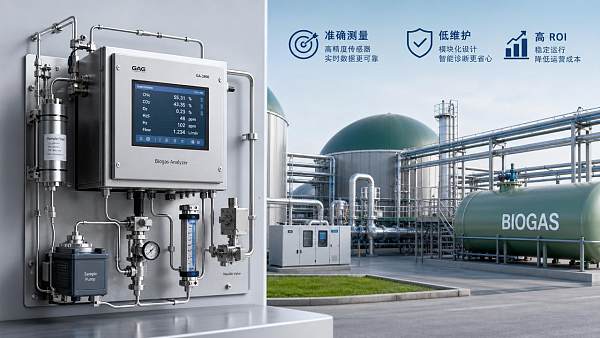
 Biogas Analyzers Market Trends: Accuracy, Maintenance, and ROIBiogas analyzers market trends: explore how accuracy, lower maintenance, and stronger ROI help energy and industrial buyers improve gas quality, uptime, and compliance.
 Safety Monitoring Systems: Common Setup Mistakes to AvoidSafety monitoring systems fail fast when setup is wrong. Discover common installation, calibration, and alarm mistakes to avoid for safer operations and more reliable monitoring.
 Industrial Testing Equipment Costs in 2026: What Drives Pricing?Industrial testing equipment costs in 2026 depend on accuracy, compliance, automation, and lifecycle service. Learn what drives pricing and how to reduce total ownership cost.
 Multi-Component Analyzers vs Single-Gas Units: Which Fits Better?Multi-component analyzers vs single-gas units: compare lifecycle cost, compliance, maintenance, and scalability to choose the best fit for safer, smarter industrial projects.
 Petrochemical Analyzers: Key Specs That Affect Safety and UptimePetrochemical analyzers directly affect safety and uptime. Learn which specs—accuracy, response time, compatibility, and maintenance—matter most for reliable plant performance.
 How to Choose Process Monitoring Instruments for Stable Plant PerformanceProcess monitoring instruments are key to stable plant performance. Learn how to choose the right devices for accuracy, compatibility, lower risk, and better efficiency.
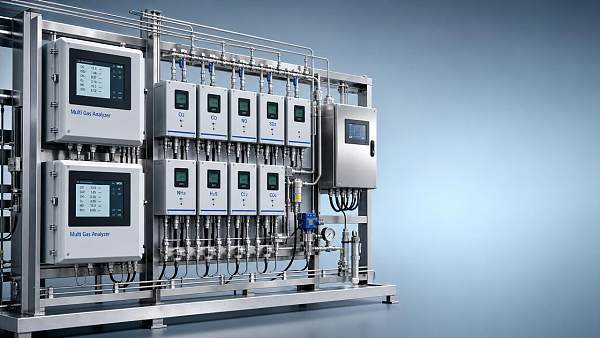
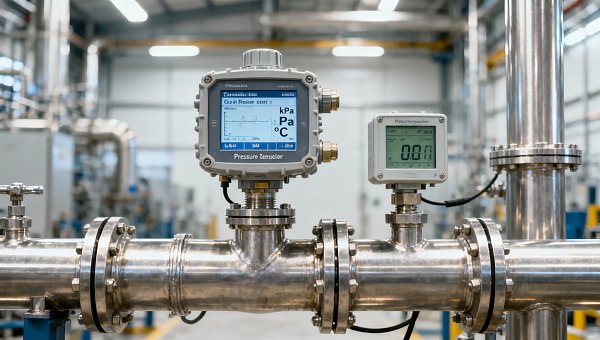
 Brazil INMETRO to Require Portuguese UI and Local Units for Industrial Instruments by 2026Brazil INMETRO mandates Portuguese UI & local units (mbar, kPa, °C) for industrial instruments by Dec 2026—key for exporters, integrators & service providers.
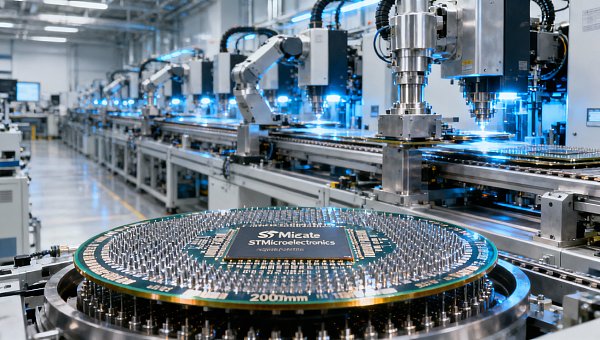
 STMicroelectronics 200mm Line Eases Industrial Sensor Chip ShortageSTMicroelectronics 200mm line eases industrial sensor chip shortage — MCUs & signal-conditioning ICs now ship in 12 weeks. Secure allocation today.
 Southeast Asia Manufacturing Re-shoring Accelerates: Vietnam/Indonesia Industrial Instrument Imports Up 37% YoYSoutheast Asia manufacturing re-shoring accelerates: Vietnam & Indonesia industrial instrument imports up 37% YoY — key insights for suppliers, OEMs & procurement teams.
 First Global White Paper on Humanoid Robot Sensor Calibration ReleasedHumanoid robot sensor calibration: First global white paper released—key for ISO/IEC JWG 23 compliance, export readiness & dynamic torque accuracy. Act now.
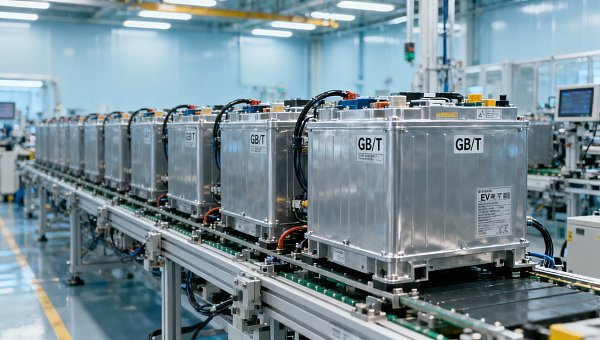
 SAMR to Upgrade EV Battery Recycling Standard to MandatorySAMR to upgrade EV battery recycling standard GB/T 34015—202X to mandatory by Dec 2026 — critical for exporters, BMS makers & cert labs.
 Saudi SASO Accelerates AI Energy Efficiency Rules for TransmittersSASO AI energy efficiency rules for transmitters take effect 1 June 2026 — mandatory AI simulation, Saudi climate data, and authorized lab validation required. Act now to avoid export delays.
 IEC 63278:2026 Released for Industrial Instrument CybersecurityIEC 63278:2026 is live — the first global standard mandating cybersecurity verification for industrial instruments. Discover compliance impacts, deadlines, and actionable steps for OT/IT convergence.
 Red Sea Crisis Escalates: Gulf of Aden Navigation Ban Extended to June 15, 2026Red Sea Crisis escalates: Gulf of Aden navigation ban extended to June 15, 2026—disrupting industrial instrumentation shipments to the Middle East with 458% air freight spikes and 12–18 day delays.
 US DOE Updates Efficiency Rules for Industrial SensorsUS DOE updates industrial sensor efficiency rules: AI-driven dynamic calibration required by Sept 2026. Ensure AI-Cal Verified compliance now.
 EU Mandates PEF Carbon Footprint Module for Industrial Instruments from June 2026EU mandates PEF carbon footprint module for industrial instruments from June 2026—key for exporters, OEMs & certifiers. Act now to ensure compliance.
 Explosion-Proof Instruments: Compliance Risks Before You OrderExplosion-proof instruments can trigger delays, failed inspections, and safety risks if compliance is overlooked. Learn what to verify before ordering and make safer, smarter purchasing decisions.
 Gas Quality Monitoring Equipment Import Rules to Watch in 2026Gas quality monitoring equipment import rules for 2026 are tightening. Learn the key compliance, certification, and customs risks distributors must manage to avoid delays and protect margins.







Search Categories
Search Categories
Latest Article
- Industrial Metrology Tools: When Accuracy Impacts OutputIndustrial metrology tools directly shape output, quality, and cost. Learn how accurate measurement reduces scrap, speeds decisions, and improves production performance.Posted by:
- Process Measurement Devices in Export Compliance UpdatesProcess measurement devices face new export compliance updates that impact classification, documents, lead times, and market access. Learn practical steps to reduce risk and protect growth.Posted by:
- Quality Control Analyzers Price Shifts in Global SupplyQuality control analyzers prices are shifting with global supply changes. Learn the key cost drivers, compliance risks, and sourcing tips buyers need to reduce total cost.Posted by:
Please give us a message
