
Ar Concentration Analyzer Export Trends to Watch


Global demand for gas analysis is reshaping export opportunities, and Ar concentration analyzer trends are becoming a key signal for buyers and suppliers alike. Alongside rising interest in H2S concentration analyzer, HCl concentration analyzer, SF6 concentration analyzer, He concentration analyzer, N2 concentration analyzer, O2 concentration analyzer, H2 concentration analyzer, NH3 concentration analyzer, and NOX concentration analyzer solutions, export markets are increasingly driven by compliance, application fit, and technology reliability.
Why are Ar concentration analyzer export trends changing so quickly?
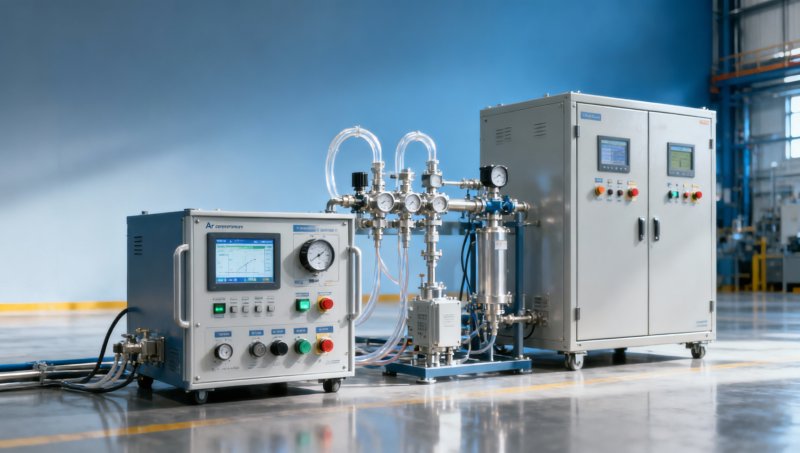
The export outlook for an Ar concentration analyzer is no longer shaped by price alone. In the broader instrumentation industry, buyers now compare measurement stability, integration capability, maintenance interval, and documentation quality before they place an order. This matters across industrial manufacturing, energy and power, environmental monitoring, laboratory analysis, and automation control, where gas composition data often feeds process decisions in real time.
For exporters, the market has become more segmented over the last 2–4 years. Some customers want a compact unit for packaged equipment exports. Others need a process-ready system with sampling, alarm outputs, and communication protocols for continuous operation. That is why demand for Ar concentration analyzer products increasingly overlaps with adjacent gas analysis categories such as O2 concentration analyzer, N2 concentration analyzer, and He concentration analyzer systems.
Decision-makers are also under pressure from shorter project schedules. Typical bid review cycles may run 2–6 weeks, while expected delivery windows can be as tight as 7–15 days for standard configurations and 3–8 weeks for customized systems. When exporters cannot clarify configuration boundaries early, technical approval and financial approval often slow down.
Another reason for rapid change is the shift toward digitalized plants. Users increasingly expect analyzers to connect with PLC, DCS, SCADA, or local HMI interfaces. In this environment, an Ar concentration analyzer is judged not only as a sensor device, but as part of a plant-wide measurement and control architecture.
What is driving export demand across buyer groups?
Different stakeholders evaluate the same analyzer from different angles. Operators care about calibration simplicity and stable readings during long shifts. Technical evaluators focus on detection principle, range, repeatability, and cross-sensitivity. Procurement teams compare lifecycle cost, spare parts, and lead time. Project managers want installation clarity, while finance teams ask whether a higher-spec model reduces downtime risk over 12–36 months.
- Information researchers look for export trend signals, including where gas analyzers are moving from standalone devices to integrated process packages.
- End users and operators usually prioritize response consistency, alarm reliability, and simple service routines every month or quarter.
- Distributors and agents need flexible documentation, multilingual labels, and support for pre-sales technical clarification within 24–72 hours.
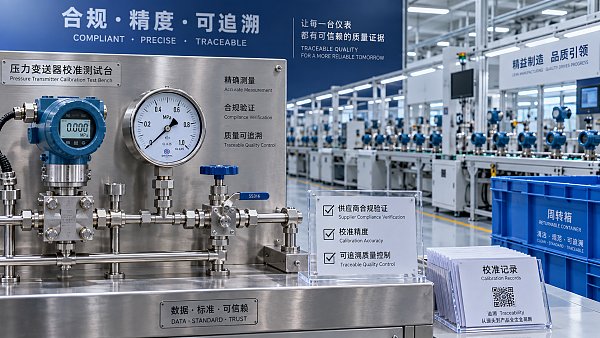
- Quality and safety managers often require traceable calibration records, warning thresholds, and suitable enclosure selection for field conditions.
Because these needs are different, exporters that present only a catalog sheet often lose opportunities. Buyers increasingly favor suppliers that can translate process needs into clear analyzer selection logic, commissioning steps, and compliance-ready documentation.
Which export markets and applications are creating the strongest pull?
Ar concentration analyzer demand is closely tied to sectors where gas purity, gas balance, or inert atmosphere control affects product quality and safety. Typical applications include welding gas management, heat treatment, metal processing, semiconductor-related support systems, specialty gas blending, laboratory gas verification, and industrial process monitoring. In many of these use cases, the analyzer supports either inline control or periodic verification within a defined operating window.
Export buyers also compare the Ar concentration analyzer with analyzers for H2, O2, N2, and SF6 because mixed-gas systems often require more than one measurement point. For example, an operation may need argon concentration confirmation together with oxygen residual monitoring. In energy, electronics, and advanced fabrication settings, this combined demand shapes larger export packages rather than single-instrument orders.
The following table shows how application environment changes the export requirement. This is useful for procurement teams deciding whether a standard analyzer is enough or whether a customized sampling and control arrangement is required.
The main takeaway is that export success depends on matching the analyzer to the process context. A specification that works in a lab may fail in a dusty, vibration-prone plant unless the sampling and installation arrangement is adapted. That is why experienced instrumentation suppliers treat application review as the first step, not the last.
Which sectors are most likely to keep growing?
Sectors linked to automation upgrades and quality traceability are likely to remain active. Industrial manufacturing and laboratory analysis will continue to demand composition monitoring. Environmental and energy projects also create opportunities when gas measurement is tied to reporting, process safety, or system efficiency. These sectors typically involve 3 common buying triggers: process optimization, compliance preparation, and product quality assurance.
For distributors, another growth area is bundled supply. Instead of asking for only one Ar concentration analyzer, buyers increasingly request a package that may include an O2 concentration analyzer, NH3 concentration analyzer, NOX concentration analyzer, or HCl concentration analyzer depending on the process. This increases project value, but it also raises the need for technical consistency across the package.
This cross-category demand highlights a core strength of the instrumentation industry: the ability to provide measurement, testing, monitoring, analysis, and control equipment as a coordinated solution rather than a disconnected list of devices.
What technical and compliance points matter most in export evaluation?
When buyers compare Ar concentration analyzer suppliers, the most common mistake is to focus on the measurement range alone. In practice, export evaluation usually includes at least 5 technical checkpoints: detection principle, sample condition compatibility, response time, calibration method, and communication interface. If any one of these is not aligned with the site requirement, the project may face rework after arrival.
A second critical area is environmental fit. An analyzer installed in a clean indoor laboratory has very different exposure conditions from a unit used near a furnace, compressor room, or process skid. Temperature fluctuation, dust, moisture, vibration, and pressure changes can all affect installation design. For this reason, exporters should confirm at least 3 site variables early: mounting location, sample conditioning needs, and power or signal interface.
Documentation also matters more than many suppliers expect. Procurement and quality teams often ask for wiring information, calibration procedures, packing details, and inspection content before payment approval. Even where no special certification is mandated, clear documentation can shorten technical confirmation by several days and reduce the risk of installation disputes.
The table below summarizes practical evaluation items often used during export reviews for gas analysis instruments. It is especially useful for technical assessors and project managers comparing standard and customized offers.
From a compliance perspective, buyers should request standards and terms in a practical way. Instead of asking for generic statements, ask which operating conditions the analyzer is designed for, what inspection content is included before shipment, and how calibration is handled during factory testing and on-site startup. Clear answers here often separate an export-ready supplier from a catalog-only trader.
How does this apply to adjacent analyzer categories?
The same decision logic applies when evaluating H2S concentration analyzer, H2 concentration analyzer, NOX concentration analyzer, or SF6 concentration analyzer products. Each gas category has its own process risk and measurement challenge, but the export framework is similar: define the gas condition, define the installation condition, define the documentation scope, and define the support expectation. In most projects, these 4 layers matter more than the headline specification alone.
This is where instrumentation expertise becomes valuable. A supplier familiar with pressure, temperature, flow, level, composition analysis, and automatic control can coordinate analyzer selection with the surrounding system. That reduces interface errors and makes the exported solution more usable from day one.
How should buyers compare suppliers, cost, and implementation risk?
A lower initial quotation does not always mean lower project cost. For an Ar concentration analyzer, the real cost picture includes spare parts, calibration gas planning, installation adaptation, startup support, and downtime risk if the analyzer does not fit the sample condition. Procurement teams should therefore evaluate total usable cost over at least the first 12 months, and for critical processes, over 24–36 months.
Financial approvers often ask a simple question: why not choose a cheaper alternative? The answer depends on process consequence. If the analyzer only supports periodic non-critical checks, a standard configuration may be enough. If it protects product quality, process stability, or safety-related operation, then the cost of misreading can easily exceed the price gap between basic and better-matched configurations.
Buyers can reduce implementation risk by following a structured review. This is especially helpful when comparing offers for Ar concentration analyzer systems alongside O2 concentration analyzer or N2 concentration analyzer packages in the same project.
A practical 4-step review process
- Confirm process basics: target gas, expected range, sample pressure, temperature condition, and whether the analyzer will run continuously or intermittently.
- Confirm system interfaces: power supply, analog or digital outputs, alarm requirements, communication protocol, and installation space.
- Confirm delivery scope: analyzer body, sampling components, accessories, manuals, calibration records, packing method, and after-sales support window.
- Confirm commercial boundary: lead time, spare parts plan, warranty understanding, training method, and quotation validity.
This 4-step process works because it aligns technical, procurement, project, and financial review into one checklist. It also helps distributors and agents reduce back-and-forth communication with factories. In export business, saving even 3–5 clarification cycles can materially shorten the path from inquiry to confirmed order.
Common supplier comparison mistakes
- Comparing only unit price without confirming whether sampling, filtering, or signal modules are included.
- Ignoring maintenance interval and calibration routine, which can create higher service cost every quarter.
- Assuming all gas analyzers behave similarly, even though Ar concentration analyzer, HCl concentration analyzer, and NH3 concentration analyzer applications can have very different installation needs.
- Failing to define acceptance criteria before shipment, leading to disputes at commissioning stage.
For project leaders, the most efficient path is to request a configuration recommendation tied to the real process scenario. This gives a stronger basis for internal comparison than a generic brochure, especially when the site has special piping, enclosure, or data communication expectations.
FAQ and practical guidance before you place an export order
Before finalizing an Ar concentration analyzer purchase, many teams still have practical questions about selection, delivery, and support. The answers below address common concerns raised by information researchers, engineers, purchasing staff, safety personnel, and distributors working across industrial and laboratory projects.
How do I choose the right Ar concentration analyzer range?
Start with the actual operating band, not the broadest possible range. If the process normally runs within a narrow concentration window, selecting a configuration optimized for that window often improves usability and decision value. Also confirm whether the gas stream contains O2, N2, H2, moisture, or other components that may affect measurement method or sample handling design.
What delivery time should buyers expect?
A standard analyzer configuration may be available in about 7–15 days, while a project package with panel integration, special interfaces, or added sampling modules may require 3–8 weeks. Delivery timing depends not only on production, but also on how quickly technical details are frozen. Incomplete inquiry information is one of the most common causes of avoidable delay.
What should distributors and agents ask before quoting?
At minimum, ask 5 things: target gas, measuring range, application environment, output requirement, and quantity. If the analyzer is part of a skid, panel, or exported machine, also ask for available installation space and destination documentation needs. This prevents under-quoting and helps you avoid changes after customer approval.
Are Ar concentration analyzers only for one industry?
No. They are relevant across multiple branches of the instrumentation industry, including manufacturing, energy support systems, laboratory analysis, automation projects, and quality monitoring tasks. What changes is not the importance of gas analysis, but the installation mode, operating duty, and data interface expected by the user.
Why do many export projects fail after the technical meeting?
The most common reason is that the process requirement was not translated into a workable analyzer scope. Teams may discuss gas type but forget to confirm pressure, moisture, signal output, alarm logic, or calibration approach. A short pre-order checklist usually prevents this. In many cases, 20–30 minutes of structured technical clarification can save weeks of revision later.
Why choose a supplier with broader instrumentation capability?
Gas analysis projects rarely exist in isolation. A buyer evaluating an Ar concentration analyzer often also needs related measurement and control support, such as pressure, temperature, flow, level, or automation interfaces. Working with a supplier that understands the wider instrumentation landscape helps align analyzer performance with the actual system, rather than treating the analyzer as a standalone box.
This matters for export projects because coordination errors usually appear at the interfaces: sample inlet arrangement, electrical compatibility, signal communication, packaging for shipment, and startup support. A supplier with practical experience in measurement, testing, monitoring, analysis, and control equipment can support these boundaries more effectively and reduce the risk of field modifications.
If you are reviewing Ar concentration analyzer export options, we can help you move from general inquiry to a clearer project decision. You can consult us on parameter confirmation, analyzer selection, output and communication matching, typical delivery cycles, sampling arrangement, documentation expectations, and whether your application needs a standard or customized solution.
You can also discuss bundled needs involving H2S concentration analyzer, HCl concentration analyzer, SF6 concentration analyzer, He concentration analyzer, N2 concentration analyzer, O2 concentration analyzer, H2 concentration analyzer, NH3 concentration analyzer, and NOX concentration analyzer products. For purchasing teams, project managers, and distributors, this makes it easier to compare technical scope, prepare quotations, request sample support where appropriate, and plan the next step with fewer unknowns.
Recommended for You
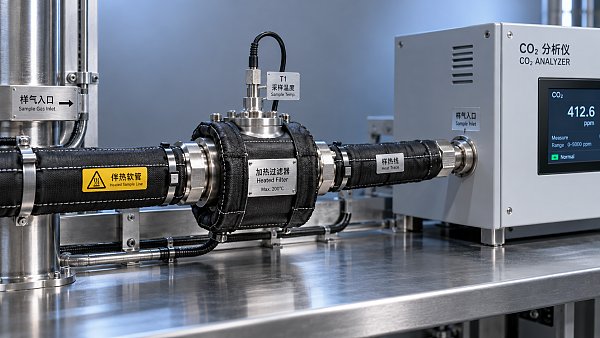
 How to prevent condensation in a CO2 analyzer sampling systemPrevent condensation in your CO2 analyzer sampling system. Learn how to control dew point, eliminate cold spots, and manage moisture for reliable readings and fewer costly disruptions.
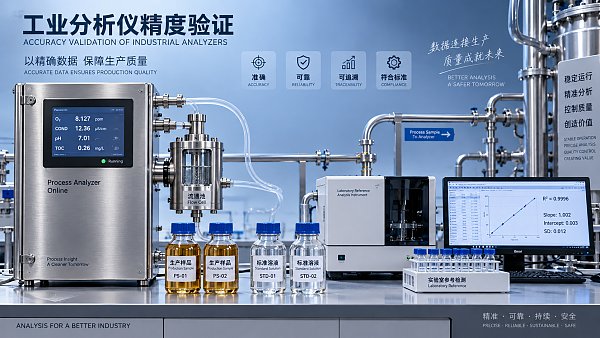
 How to verify accuracy claims for industrial quality analyzersVerify accuracy claims for industrial quality analyzers with calibration checks, independent testing, and clear acceptance criteria. Learn how to reduce risk and buy with confidence.
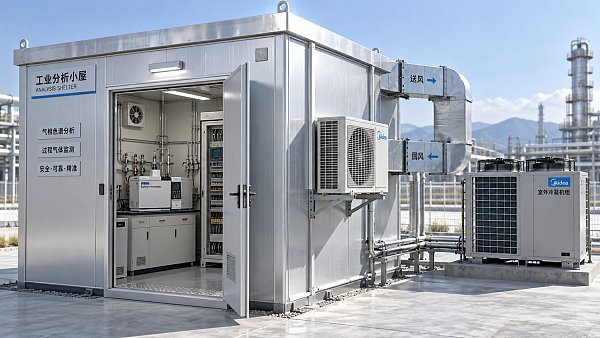
 How to calculate cooling loads for an industrial analyzer shelterSize industrial analyzer shelter cooling with confidence. Learn to calculate equipment heat, solar gains, and ventilation loads, then select HVAC capacity for reliable analyzer performance.
 What Happens When Combustible Gas Sensor Calibration Is Overdue?What happens if combustible gas sensor is not recalibrated on time? Discover the risks of inaccurate readings and missed alarms, plus steps to restore reliable protection.
 Can One Multi-Gas Detector Replace Four Separate Analyzers?Find out: can a single multi-gas detector replace four separate analyzers? Compare accuracy, safety, compliance, and lifetime costs to make a confident buying decision.
 Industrial Safety vs. Emission Monitoring: What Are the Differences?What are the main differences between industrial safety and emission monitoring? Compare goals, sensors, response times, and compliance needs to choose the right systems for your facility.
 Is Remote Monitoring Worth the Cost for Small Emission Sources?Is it worth investing in remote monitoring for small emission sources? Compare costs, compliance needs, and potential savings to choose the right solution for your operation.
 How Do You Handle Analyzer Failure During an Environmental Audit?Learn how to handle analyzer failure during environmental compliance audit procedures. Protect evidence, verify data, and restore monitoring with this practical response guide.
 Do VOC Monitors Require Explosion-Proof Certification?Does VOC monitoring require explosion-proof certification? Learn when approval is needed, compare ATEX and IECEx, and choose the right monitor for your site.
 How sample conditioning affects accuracy in petrochemical analyzersImprove accuracy in petrochemical analyzers with smarter sample conditioning. Discover how phase control, filtration, and transport design prevent bias and deliver reliable process data.
 How to troubleshoot sensor drift in industrial gas detectorsIndustrial gas detectors showing sensor drift? Learn how to verify calibration gas, identify root causes, and determine when sensor replacement is needed for reliable monitoring.
 How to judge whether a competitive price reflects real valueCompetitive Price: learn how to compare scope, compliance, performance, and lifecycle costs to identify real value, reduce risk, and make smarter purchasing decisions.
 When custom gas analysis is the right fit for complex process streamsCustom gas analysis for complex process streams: learn when tailored sampling, interference control, and reliable measurement design deliver confident decisions.
 When does a laser gas analyzer meet stack emissions monitoring needs?Laser gas analyzer for stack emissions: learn when it delivers fast, reliable data, how to assess installation risks, and what to verify for CEMS compliance.
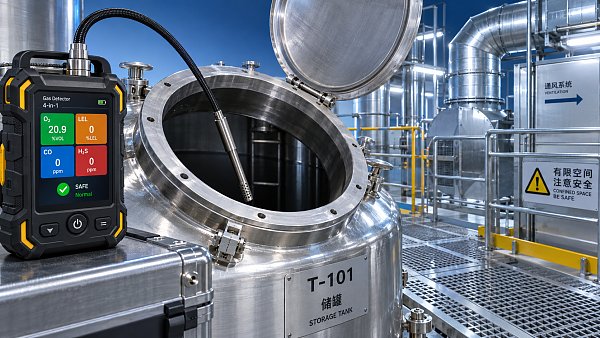
 How to select a hazardous gas analyzer for confined spacesHazardous gas analyzer selection for confined spaces: compare sensors, sampling, certifications, alarms, and maintenance to protect workers and choose with confidence.
 When is a single gas analyzer sufficient for workplace safety monitoring?Discover when a single gas analyzer delivers reliable workplace safety monitoring, and learn the key limits, calibration needs, and risks that require broader detection.
 How to choose an ambient gas analyzer for low-level leak detectionAmbient gas analyzer selection for low-level leak detection: compare sensitivity, cross-sensitivity, sampling design, alarms, and calibration for reliable site performance.
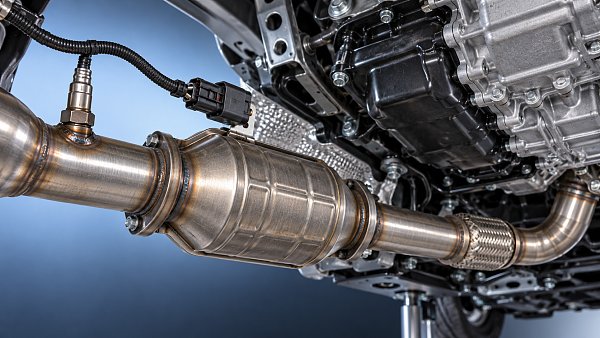
 How to tell when an oxygen sensor needs replacementOxygen sensor replacement signs explained: learn how live data, fault codes, wiring checks, and exhaust inspections pinpoint the real issue before you buy.
 How laser gas analyzers improve combustion control in steel furnacesLaser gas analyzer for steel industry applications delivers fast in-situ O₂ and CO data to optimize furnace combustion, cut fuel waste, and improve steel heating stability.
 How to verify whether explosion proof equipment meets site requirementsExplosion proof equipment verification made practical: match zones, gas or dust groups, temperature classes, certificates, and installation conditions for confident compliance.
 How industrial gas analysis helps detect contamination before releaseIndustrial Gas Analysis helps detect moisture, oil, oxygen, and toxic contaminants before release—protecting processes, ensuring compliance, and reducing costly risks.
 When is electrochemistry detection the right choice for water analysis?Electrochemistry detection for water analysis: learn when fast, reliable monitoring of ions, chlorine, pH, and more delivers actionable results.
 How industrial standards reduce quality risks in supplier selectionIndustrial Standard guidance helps quality and safety managers reduce supplier risks, verify compliance, strengthen traceability, and build resilient instrumentation supply chains.
 When does a multi-component system reduce installation complexity?Multi component systems reduce installation complexity when they eliminate field interfaces, streamline commissioning, and provide proven compatibility. Learn how to assess total cost and supplier accountability.
 How to size an industrial control shelter for outdoor equipmentIndustrial control shelter sizing guide: optimize layout, HVAC, access, safety, and expansion space for reliable outdoor equipment operations.
 How flue analysis helps verify combustion efficiencyFlue analysis verifies combustion efficiency by assessing O2, CO, CO2, and stack temperature to identify excess air, incomplete combustion, and heat losses.
 How to select industrial gas detectors for confined spacesIndustrial gas detectors for confined spaces: learn how to match sensors, sampling methods, alarms, and certifications to real atmospheric hazards.
 When does a laser oxygen analyzer outperform zirconia sensors?Laser oxygen analyzer vs. zirconia sensors: compare speed, selectivity, maintenance, gas chemistry, and installation needs to choose the right oxygen measurement solution.
 How to select a percent range analyzer for process measurementsPercent range analyzer selection made practical: compare accuracy, sample systems, calibration, gas matrix, integration, and lifecycle cost for reliable process measurements.
 How explosion proof analysis verifies safe equipment for hazardous areasExplosion proof analysis verifies hazardous-area equipment by matching certifications, temperature ratings, installation details, and inspection controls for safer compliance.
 When does fixed gas detection need point sensors instead of open-path monitoring?Fixed gas detection: discover when point sensors outperform open-path monitoring for predictable leaks, enclosed zones, local alarms, and safer design decisions.
 How to choose industrial metrology systems for tight-tolerance partsIndustrial metrology guide for tight-tolerance parts: compare CMMs, optical scanners, gauges, uncertainty, workflow, and traceable inspection strategies.



Search Categories
Search Categories
- Smart Meters & Power Quality
- Transformer Gas Analyzers
- BESS Thermal Runaway Detectors
- Energy, Power & Smart Grid Monitoring
- Optical Profilers & CMM
- Ultrasonic & X-Ray NDT
- Calibration Standards
- Precision Metrology & NDT
- Water Quality Analyzers
- CEMS & VOCs Monitors
- Price Trends
- Import & Export Updates
- Market Trends
- Industry News
- Industry Insights
Latest Article
- How to prevent condensation in a CO2 analyzer sampling systemPrevent condensation in your CO2 analyzer sampling system. Learn how to control dew point, eliminate cold spots, and manage moisture for reliable readings and fewer costly disruptions.Posted by:
- How to verify accuracy claims for industrial quality analyzersVerify accuracy claims for industrial quality analyzers with calibration checks, independent testing, and clear acceptance criteria. Learn how to reduce risk and buy with confidence.Posted by:
- How to calculate cooling loads for an industrial analyzer shelterSize industrial analyzer shelter cooling with confidence. Learn to calculate equipment heat, solar gains, and ventilation loads, then select HVAC capacity for reliable analyzer performance.Posted by:
Please give us a message
