
N2 Concentration Analyzer for High Purity Control


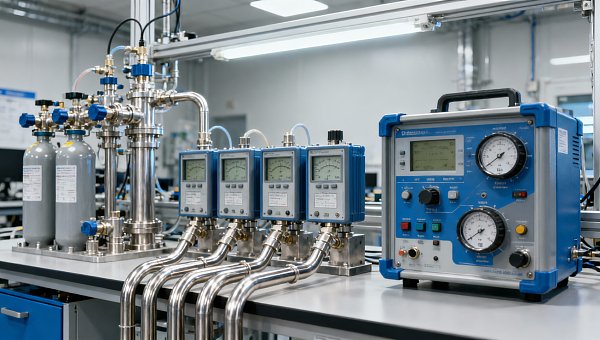
An N2 concentration analyzer is critical for maintaining high purity control in industrial processes where gas quality directly affects safety, efficiency, and product consistency. Alongside solutions such as O2 concentration analyzer, H2 concentration analyzer, Ar concentration analyzer, and He concentration analyzer systems, it helps operators, engineers, and decision-makers achieve reliable monitoring, compliance, and smarter process control.
In the instrumentation industry, gas analysis is more than a measurement task. It is a practical control point tied to production yield, energy consumption, equipment safety, and audit readiness. Whether a plant is operating a nitrogen blanketing system, heat treatment furnace, semiconductor gas line, food packaging process, or laboratory-grade inert environment, even a small deviation in nitrogen concentration can create rework, contamination, or shutdown risk.
For information researchers, this topic matters because analyzer selection influences total lifecycle cost, not only purchase price. For operators and quality teams, the focus is response speed, stability, calibration frequency, and alarm reliability. For procurement, project managers, and financial approvers, the decision often depends on application fit, integration workload, lead time, and maintenance predictability over 3 to 5 years.
Why N2 Concentration Monitoring Matters in High Purity Applications
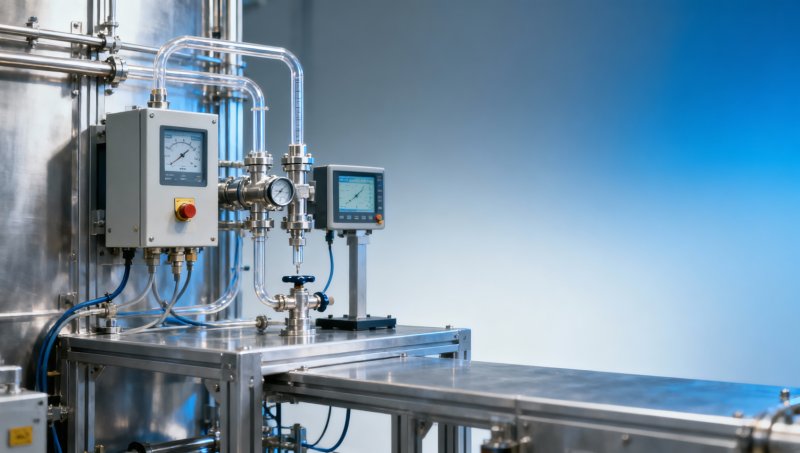
Nitrogen is widely used as an inerting, purging, blanketing, and protective gas across manufacturing, energy, laboratory, and automation environments. In many applications, the target purity is not simply “high”; it is defined by a process threshold such as 95%, 99%, 99.9%, or even higher depending on product sensitivity. An N2 concentration analyzer gives real-time visibility into whether that threshold is being maintained continuously rather than assumed from supply conditions alone.
In practical operations, nitrogen purity can drift because of seal leakage, line contamination, unstable upstream generation, poor regulator performance, or mixing with residual process gas. A deviation of 1% to 3% may look minor on paper, yet in oxidation-sensitive processes it can affect surface finish, batch consistency, and reject rates. This is why plants often install analyzers directly at the point of use, not only at the gas source.
The value also extends to safety and compliance. In enclosed systems, gas composition verification supports hazard control, especially where hydrogen, oxygen, argon, or helium are also part of the process. A well-configured analyzer can trigger alarms, interlocks, or process adjustments within seconds, helping teams reduce operator dependence and improve repeatability across 2-shift or 3-shift production schedules.
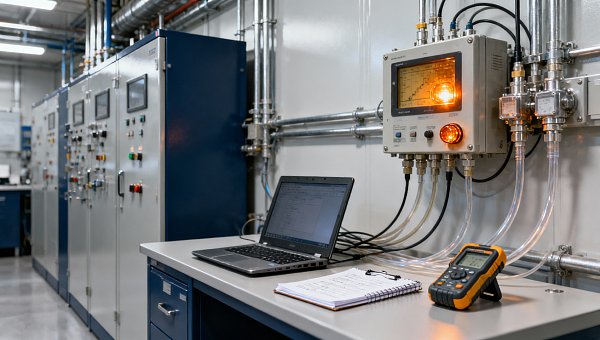
For industrial digitalization projects, analyzers are no longer isolated instruments. They are often connected to PLC, DCS, SCADA, or remote monitoring systems through 4–20 mA, RS485, Modbus, or Ethernet-based communication. This makes N2 concentration data useful for trend analysis, audit records, predictive maintenance, and energy optimization, especially when nitrogen is generated on-site and power consumption must be justified.
Typical use environments
- Heat treatment, soldering, and metal processing where oxidation control is tied to product quality.
- Semiconductor, electronics, and battery production where atmosphere purity can influence yield and contamination risk.
- Food, pharmaceutical, and laboratory processes where controlled inert gas conditions support shelf life, stability, or test accuracy.
- Energy, environmental, and automation systems where gas verification must be logged and integrated into plant control.
Process risks when concentration is not verified
Without continuous monitoring, teams often rely on cylinder labeling, generator setpoints, or periodic handheld checks. That approach may miss transient issues occurring over 5 to 20 minutes, such as purge instability at startup or purity loss during line switching. In high-value production, those short events are often enough to affect an entire batch.
The table below shows how N2 concentration analyzers support different process goals and where monitoring priorities change across industries.
The key takeaway is that “required purity” is application-specific. A suitable analyzer should therefore be chosen by process target, gas background, and control action needed after a deviation, rather than by price alone.
How to Select the Right N2 Concentration Analyzer
Selection starts with the measurement task. Buyers should define at least 4 basics before requesting quotations: concentration range, expected accuracy, response time, and installation environment. For example, a process needing 99.9% nitrogen control may require tighter repeatability and lower drift than a blanket gas application operating around 95% to 98%. If these requirements are not clarified early, comparisons between suppliers become misleading.
The next step is to match sensor principle to process conditions. Different analyzer technologies vary in suitability for continuous online monitoring, trace impurity compensation, moisture impact, and service interval. In some plants, the better decision is not the most advanced analyzer, but the one that remains stable under dust, temperature swings, or frequent startup-stop cycles. Operating conditions such as 0°C to 45°C ambient temperature or fluctuating sample pressure can affect performance more than brochure specifications suggest.
Integration requirements also matter. A standalone display may be enough for a small workshop, but most modern facilities need analog output, relay alarms, event history, and communication with PLC or DCS. Procurement teams should confirm whether the scope includes sample conditioning, panel mounting, enclosure protection, alarm logic, and commissioning support. A lower instrument cost can easily be offset by additional integration work during the 2 to 4 week installation window.
From a financial and project perspective, lifecycle cost should include calibration gas, spare parts, maintenance labor, downtime impact, and expected service cycle over 12 to 24 months. For distributors and system integrators, standardization is equally important because using one analyzer platform across multiple projects can reduce training time and spare inventory complexity.
Core selection criteria
- Define the actual N2 concentration band to be monitored, such as 90%–100% or a narrower purity control window.
- Check response time requirements, especially if alarms or interlocks must react within 5 to 30 seconds.
- Verify compatibility with pressure, flow, moisture, dust, and background gas composition.
- Confirm calibration interval and the skill level required for routine maintenance.
- Review signal output, communication protocol, enclosure suitability, and panel or skid integration needs.
Typical evaluation matrix
The table below can be used by technical evaluators, project managers, and procurement teams to compare analyzer options using practical decision points instead of general marketing claims.
A disciplined evaluation process helps avoid common mismatches, such as buying a high-precision analyzer for a harsh environment where maintenance access is poor, or choosing a basic unit that cannot support required control logic. The best fit is the analyzer that aligns technical performance with operational reality.
Implementation, Integration, and Commissioning in Industrial Systems
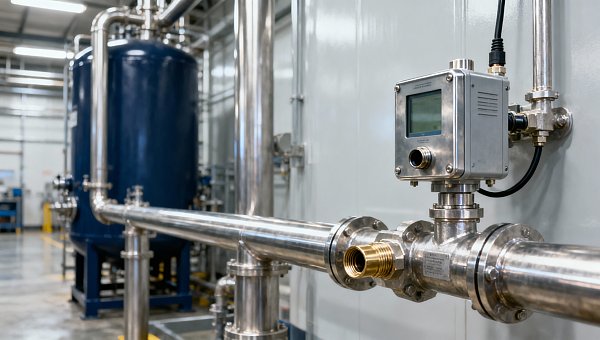
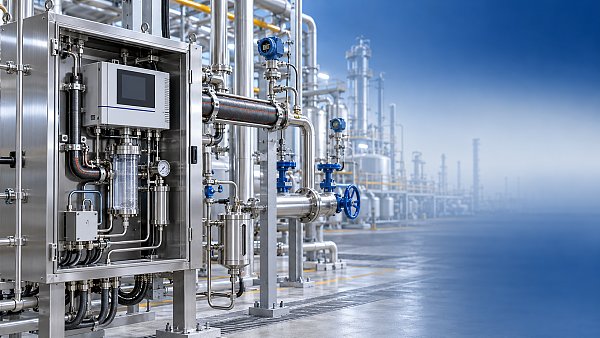
A successful N2 concentration analyzer project depends on more than instrument selection. Implementation should cover sampling design, electrical integration, alarm strategy, operator interface, and acceptance testing. In many facilities, sampling issues cause more measurement error than the analyzer itself. Long sample lines, condensate, fluctuating flow, or delayed transport can add 10 to 60 seconds of lag, reducing the value of fast sensor response.
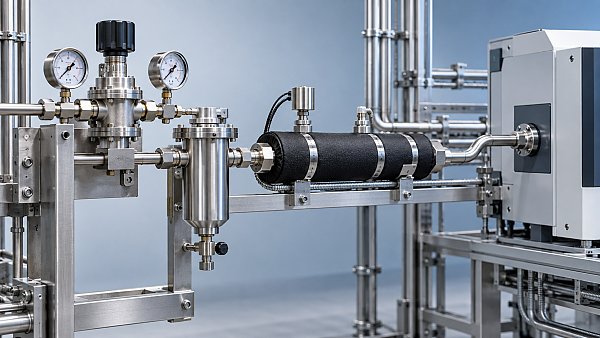
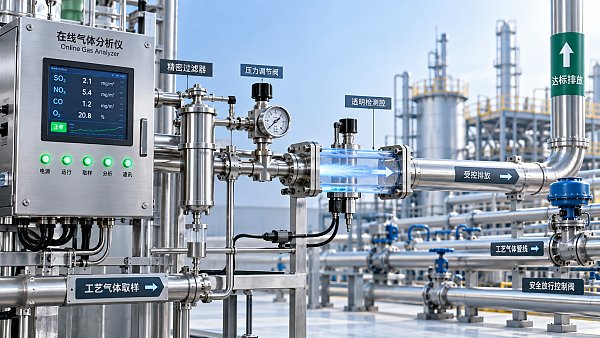
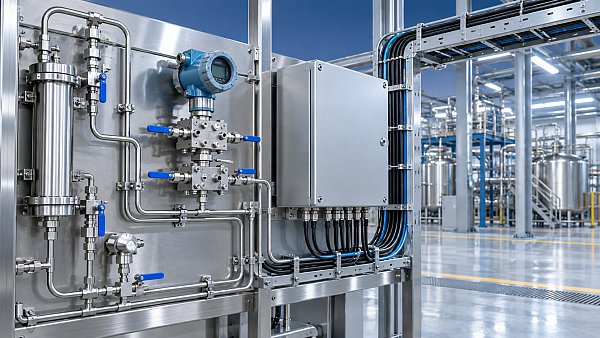
For online monitoring, sample conditioning is often the hidden success factor. Filters, pressure regulation, moisture management, and stable flow control help the analyzer receive a representative sample. In dusty or humid areas, a poorly designed sampling path can create drift, false alarms, or sensor contamination within weeks. This is especially relevant in multi-gas systems where nitrogen is monitored alongside oxygen or hydrogen during process switching.
Control integration should be designed around action thresholds. For example, a plant may use a pre-alarm at 99.5% and a critical alarm at 99.0%, or different values depending on startup versus steady production. Quality managers and safety personnel should be involved in defining these setpoints because the right threshold depends on product sensitivity, purge duration, and process consequences. Alarm design should include delay logic where brief fluctuations are common, but not so long that real events are missed.
Commissioning typically includes loop checks, calibration verification, alarm testing, and trend observation under actual process conditions. A realistic handover period can range from 1 to 3 days for a simple line installation to more than 1 week for integrated skid or multi-point systems. Training should cover not only operation, but also calibration sequence, sensor inspection, and fault interpretation so that the analyzer remains useful after the initial startup team leaves.
Recommended implementation steps
- Confirm measurement point, sample characteristics, and target concentration band.
- Design sample path with appropriate filtration, pressure control, and drain strategy.
- Map outputs to PLC, DCS, or local alarms, including relay logic and event handling.
- Perform calibration and compare readings with process expectations during live operation.
- Train operators, maintenance staff, and quality personnel on routine checks and alarm response.
Common implementation pitfalls
- Installing the analyzer too far from the process point, creating delayed or diluted samples.
- Ignoring moisture or particulate load, which shortens maintenance intervals unexpectedly.
- Using a single alarm threshold for all operating modes instead of defining startup and steady-state logic.
- Failing to document calibration responsibility, resulting in drift being noticed only after quality issues appear.
Plants that address these points early usually see faster stabilization after startup and fewer service calls in the first 90 days. For engineering project leaders, that directly reduces commissioning risk and improves acceptance confidence.
Maintenance, Calibration, and Long-Term Reliability
After installation, analyzer value depends on stable operation over time. Maintenance planning should be based on process contamination level, operating hours, and how critical the measurement is to production. In a clean dry gas application, routine checks may be monthly or quarterly. In a harsher environment, weekly inspection of filters, sample flow, and line condition may be necessary. The key is to set a documented schedule instead of waiting for visible faults.
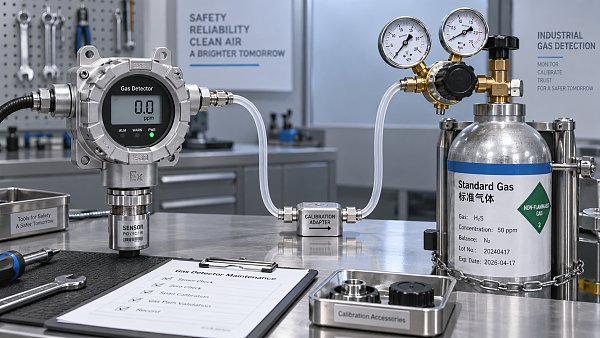
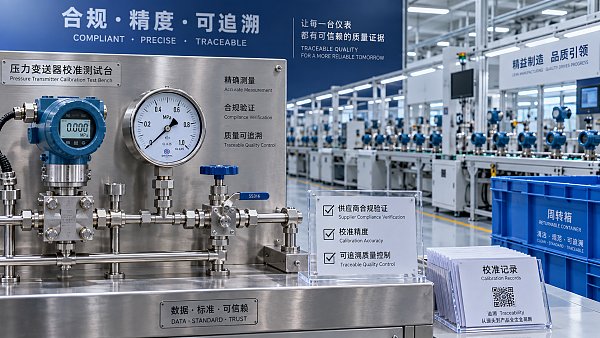
Calibration strategy also deserves attention. Some plants use a fixed interval every 30, 90, or 180 days, while others combine periodic calibration with drift review from historical trends. The right frequency depends on sensor type, required confidence level, and whether analyzer output is used only for indication or directly for interlock decisions. Quality teams should define acceptance limits clearly so that recalibration is triggered before process impact becomes significant.
Long-term reliability is often improved by simple operational habits: keeping sample lines clean, protecting the analyzer from vibration or excessive heat, recording calibration results, and replacing consumables before they fail. In distributor and service networks, spare planning is important as well. Stocking key parts such as filters, seals, and approved calibration accessories can reduce downtime from several days to a few hours depending on site conditions.
For financial approvers, the useful question is not whether maintenance costs exist, but whether they are predictable. An analyzer with a slightly higher purchase price may be easier to justify if it lowers unplanned intervention, reduces production loss, and provides more stable quality documentation over a 12 to 36 month operating period.
Routine maintenance checklist
The following checklist helps operations, maintenance, and quality teams align routine care with process reliability goals.
This type of preventive routine helps transform an analyzer from a passive display into an active process management tool. The more critical the purity target, the more valuable disciplined maintenance becomes.
FAQ for Buyers, Engineers, and End Users
How do I know whether I need an N2 concentration analyzer or another gas analyzer?
The answer depends on what variable determines process success. If nitrogen purity is the direct control target, an N2 concentration analyzer is appropriate. If product quality depends on residual oxygen, hydrogen content, or another impurity, an O2 concentration analyzer, H2 concentration analyzer, Ar concentration analyzer, or He concentration analyzer may be equally important. In many applications, the best solution is a complementary gas analysis strategy rather than a single instrument.
What accuracy should a buyer request?
There is no universal value. Buyers should start from process tolerance, not the most stringent specification available. If a line only needs confirmation that nitrogen remains above 95%, the required accuracy differs from a process controlling around 99.9%. Ask suppliers to explain not only nominal accuracy, but also repeatability, drift, response time, and conditions under which the specification applies.
What is a typical delivery and commissioning timeline?
For standard analyzer configurations, practical lead times are often in the range of 2 to 6 weeks, depending on integration scope, panel assembly, and accessories. On-site installation and commissioning may take 1 to 5 days. Projects requiring custom sampling systems, enclosure adaptation, or multi-signal integration usually need more planning. Procurement teams should confirm what is included in the delivery scope to avoid schedule gaps.
What are the most common mistakes during procurement?
The most frequent mistakes are comparing instruments without a defined measurement task, ignoring sample conditioning, focusing only on unit price, and overlooking training or maintenance support. Another common issue is selecting an analyzer that fits the gas range but not the real installation environment. A strong procurement decision balances 4 areas: technical fit, integration effort, operating cost, and service support.
Is online monitoring worth it for small or mid-sized facilities?
In many cases, yes. If nitrogen quality affects product consistency, rework rate, or safety controls, online monitoring can pay back through reduced waste and fewer manual checks. Even in smaller facilities, a compact analyzer with local alarm output may provide meaningful value if process deviations would otherwise go unnoticed for hours. The decision should be based on the cost of a purity failure, not only on production scale.
An N2 concentration analyzer supports high purity control by turning gas quality from an assumption into a measurable, traceable process variable. For industrial users, quality teams, engineering managers, and procurement stakeholders, the right solution is one that matches concentration target, process conditions, integration needs, and long-term maintenance capability.
If you are evaluating nitrogen monitoring for manufacturing, energy, laboratory, automation, or other instrumentation-driven applications, now is the right time to compare measurement requirements, installation conditions, and lifecycle costs in detail. Contact us to discuss your process, get a tailored analyzer recommendation, or learn more about integrated gas analysis solutions for high purity control.
Recommended for You
 How condensation affects stack detector readings in wet flue gasStack detector readings can drift when wet flue gas condenses. Learn how to identify moisture interference, prevent sample losses, and improve emissions monitoring reliability.
 How to prevent condensation in a CO2 analyzer sampling systemPrevent condensation in your CO2 analyzer sampling system. Learn how to control dew point, eliminate cold spots, and manage moisture for reliable readings and fewer costly disruptions.
 How to verify accuracy claims for industrial quality analyzersVerify accuracy claims for industrial quality analyzers with calibration checks, independent testing, and clear acceptance criteria. Learn how to reduce risk and buy with confidence.
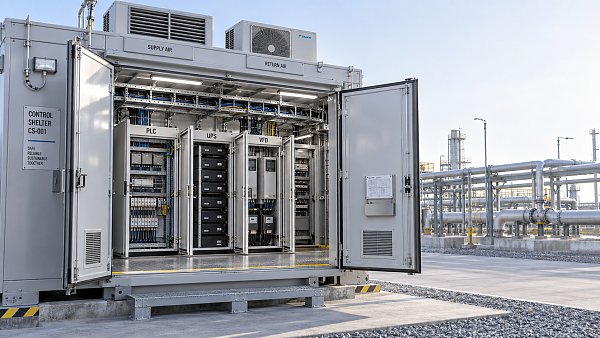
 How to calculate cooling loads for an industrial analyzer shelterSize industrial analyzer shelter cooling with confidence. Learn to calculate equipment heat, solar gains, and ventilation loads, then select HVAC capacity for reliable analyzer performance.
 Do Regulatory Monitoring Systems Need Third-Party Certification?Do regulatory monitoring systems need third-party certification? Learn when it is required, what certificates prove, and how to verify compliance before buying.
 How Do You Choose Wired or Wireless for Stack Monitoring?Learn how to choose between wired and wireless for stack monitoring. Compare reliability, lifecycle costs, and data recovery to find the right CEMS setup for your site.
 What Happens When Combustible Gas Sensor Calibration Is Overdue?What happens if combustible gas sensor is not recalibrated on time? Discover the risks of inaccurate readings and missed alarms, plus steps to restore reliable protection.
 Can One Multi-Gas Detector Replace Four Separate Analyzers?Find out: can a single multi-gas detector replace four separate analyzers? Compare accuracy, safety, compliance, and lifetime costs to make a confident buying decision.
 Industrial Safety vs. Emission Monitoring: What Are the Differences?What are the main differences between industrial safety and emission monitoring? Compare goals, sensors, response times, and compliance needs to choose the right systems for your facility.
 Is Remote Monitoring Worth the Cost for Small Emission Sources?Is it worth investing in remote monitoring for small emission sources? Compare costs, compliance needs, and potential savings to choose the right solution for your operation.
 How Do You Handle Analyzer Failure During an Environmental Audit?Learn how to handle analyzer failure during environmental compliance audit procedures. Protect evidence, verify data, and restore monitoring with this practical response guide.
 Do VOC Monitors Require Explosion-Proof Certification?Does VOC monitoring require explosion-proof certification? Learn when approval is needed, compare ATEX and IECEx, and choose the right monitor for your site.
 How sample conditioning affects accuracy in petrochemical analyzersImprove accuracy in petrochemical analyzers with smarter sample conditioning. Discover how phase control, filtration, and transport design prevent bias and deliver reliable process data.
 How to troubleshoot sensor drift in industrial gas detectorsIndustrial gas detectors showing sensor drift? Learn how to verify calibration gas, identify root causes, and determine when sensor replacement is needed for reliable monitoring.
 How to judge whether a competitive price reflects real valueCompetitive Price: learn how to compare scope, compliance, performance, and lifecycle costs to identify real value, reduce risk, and make smarter purchasing decisions.
 When custom gas analysis is the right fit for complex process streamsCustom gas analysis for complex process streams: learn when tailored sampling, interference control, and reliable measurement design deliver confident decisions.
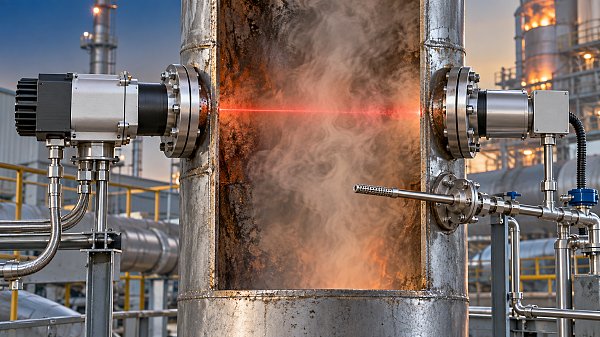
 When does a laser gas analyzer meet stack emissions monitoring needs?Laser gas analyzer for stack emissions: learn when it delivers fast, reliable data, how to assess installation risks, and what to verify for CEMS compliance.
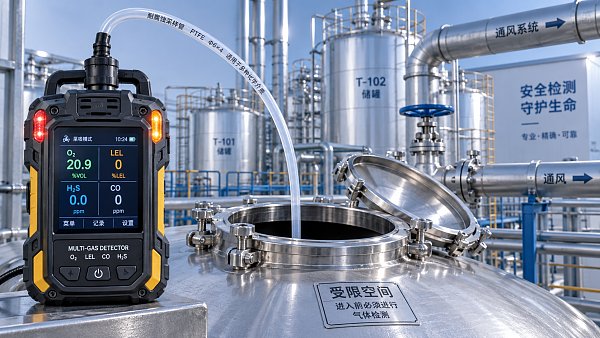
 How to select a hazardous gas analyzer for confined spacesHazardous gas analyzer selection for confined spaces: compare sensors, sampling, certifications, alarms, and maintenance to protect workers and choose with confidence.
 When is a single gas analyzer sufficient for workplace safety monitoring?Discover when a single gas analyzer delivers reliable workplace safety monitoring, and learn the key limits, calibration needs, and risks that require broader detection.
 How to choose an ambient gas analyzer for low-level leak detectionAmbient gas analyzer selection for low-level leak detection: compare sensitivity, cross-sensitivity, sampling design, alarms, and calibration for reliable site performance.
 How to tell when an oxygen sensor needs replacementOxygen sensor replacement signs explained: learn how live data, fault codes, wiring checks, and exhaust inspections pinpoint the real issue before you buy.
 How laser gas analyzers improve combustion control in steel furnacesLaser gas analyzer for steel industry applications delivers fast in-situ O₂ and CO data to optimize furnace combustion, cut fuel waste, and improve steel heating stability.
 How to verify whether explosion proof equipment meets site requirementsExplosion proof equipment verification made practical: match zones, gas or dust groups, temperature classes, certificates, and installation conditions for confident compliance.
 How industrial gas analysis helps detect contamination before releaseIndustrial Gas Analysis helps detect moisture, oil, oxygen, and toxic contaminants before release—protecting processes, ensuring compliance, and reducing costly risks.
 When is electrochemistry detection the right choice for water analysis?Electrochemistry detection for water analysis: learn when fast, reliable monitoring of ions, chlorine, pH, and more delivers actionable results.
 How industrial standards reduce quality risks in supplier selectionIndustrial Standard guidance helps quality and safety managers reduce supplier risks, verify compliance, strengthen traceability, and build resilient instrumentation supply chains.
 When does a multi-component system reduce installation complexity?Multi component systems reduce installation complexity when they eliminate field interfaces, streamline commissioning, and provide proven compatibility. Learn how to assess total cost and supplier accountability.
 How to size an industrial control shelter for outdoor equipmentIndustrial control shelter sizing guide: optimize layout, HVAC, access, safety, and expansion space for reliable outdoor equipment operations.
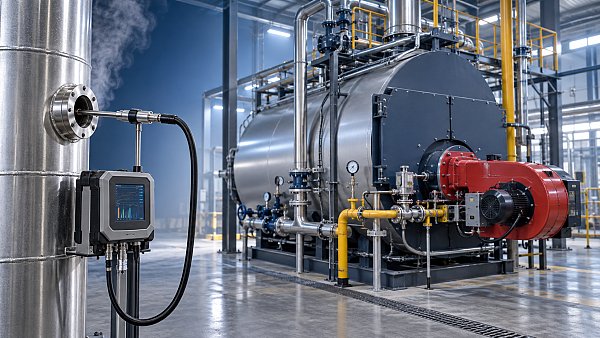
 How flue analysis helps verify combustion efficiencyFlue analysis verifies combustion efficiency by assessing O2, CO, CO2, and stack temperature to identify excess air, incomplete combustion, and heat losses.
 How to select industrial gas detectors for confined spacesIndustrial gas detectors for confined spaces: learn how to match sensors, sampling methods, alarms, and certifications to real atmospheric hazards.
 When does a laser oxygen analyzer outperform zirconia sensors?Laser oxygen analyzer vs. zirconia sensors: compare speed, selectivity, maintenance, gas chemistry, and installation needs to choose the right oxygen measurement solution.
 How to select a percent range analyzer for process measurementsPercent range analyzer selection made practical: compare accuracy, sample systems, calibration, gas matrix, integration, and lifecycle cost for reliable process measurements.
Search Categories
Search Categories
- Smart Meters & Power Quality
- Transformer Gas Analyzers
- BESS Thermal Runaway Detectors
- Energy, Power & Smart Grid Monitoring
- Optical Profilers & CMM
- Ultrasonic & X-Ray NDT
- Calibration Standards
- Precision Metrology & NDT
- Water Quality Analyzers
- CEMS & VOCs Monitors
- Price Trends
- Import & Export Updates
- Market Trends
- Industry News
- Industry Insights
Latest Article
- How condensation affects stack detector readings in wet flue gasStack detector readings can drift when wet flue gas condenses. Learn how to identify moisture interference, prevent sample losses, and improve emissions monitoring reliability.Posted by:
- How to prevent condensation in a CO2 analyzer sampling systemPrevent condensation in your CO2 analyzer sampling system. Learn how to control dew point, eliminate cold spots, and manage moisture for reliable readings and fewer costly disruptions.Posted by:
- How to verify accuracy claims for industrial quality analyzersVerify accuracy claims for industrial quality analyzers with calibration checks, independent testing, and clear acceptance criteria. Learn how to reduce risk and buy with confidence.Posted by:
Please give us a message
