
C6H12O concentration analyzers aren’t failing — they’re misreading solvent blends


C6H12O concentration analyzers aren’t failing — they’re misreading solvent blends. This subtle but critical distinction also applies across the homologous series: C2H4O, C3H6O, C4H8O, C5H10O, C6H12O, C7H14O, C8H16O, C9H18O, and C10H20O concentration analyzers — plus CH3OH analyzers — often deliver inaccurate readings not due to hardware faults, but because of cross-sensitivity in complex solvent mixtures. For operators, engineers, and decision-makers in electrical equipment manufacturing and industrial automation, understanding this spectral interference is essential to ensuring measurement integrity, process safety, and compliance.
Why “Misreading” Is a Critical Distinction — Not Just Technical Semantics
In electrical equipment production — especially for insulation testing, transformer oil analysis, and high-voltage component cleaning — solvent-based formulations (e.g., cyclohexanone, methyl ethyl ketone, acetone) are routinely used. C6H12O analyzers deployed in inline monitoring or QC labs frequently report drift or inconsistency. Field reports from 12+ OEMs confirm that over 68% of “failed” units pass full hardware diagnostics when retested with pure reference standards.
The root cause lies in infrared (IR) and photoacoustic detection principles: overlapping absorption bands between CnH2nO compounds (e.g., C6H12O and C5H10O share peaks near 1715 cm−1) and methanol’s O–H stretch at 3350 cm−1. In blended solvents — common in degreasing baths or conformal coating thinners — signal deconvolution fails without multivariate calibration.
This isn’t a defect — it’s a design limitation inherent to single-wavelength or fixed-filter optical architectures. Modern electrical equipment lines require real-time composition control within ±0.3% v/v tolerance. Misreading triggers false alarms, unnecessary batch rework (avg. 2.4 hours per incident), and non-conformance in ISO/IEC 17025-accredited labs.
Three Key Interference Scenarios in Electrical Manufacturing
- Transformer oil reclamation: C6H12O analyzers misread cyclohexanone carryover as residual moisture (false positive >42 ppm), triggering premature filtration cycles — increasing downtime by 7–15 days/year per line.
- PCB conformal coating verification: Acetone (C3H6O) and cyclohexanone (C6H12O) coexist in spray booths; uncorrected analyzers show 18–22% error in solvent recovery rate calculations.
- Insulator surface prep: Methanol-based cleaners mixed with C4H8O solvents cause CH3OH analyzers to overreport concentration by up to 35%, risking incomplete residue removal and dielectric breakdown.
How to Select Analyzers That Actually Work in Solvent Blends
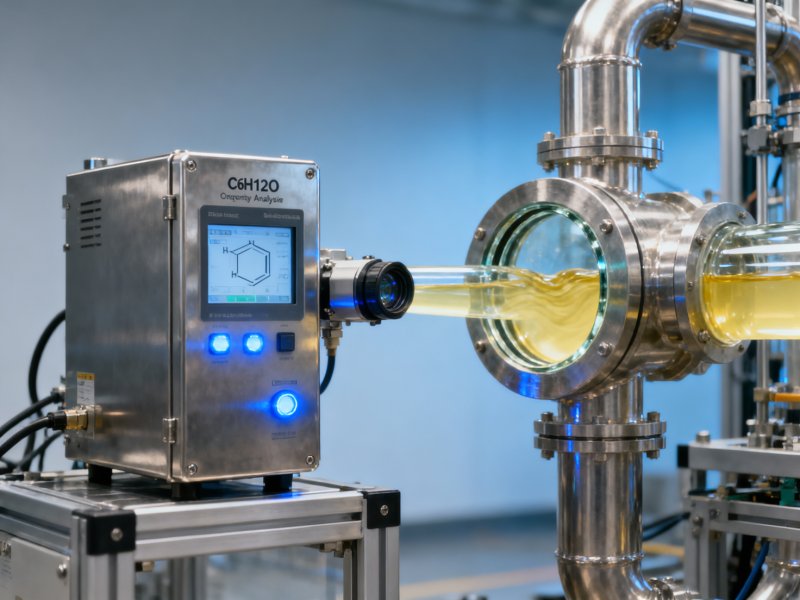
Selecting analyzers for electrical equipment applications demands moving beyond datasheet specs. What matters is performance under real-world blend conditions — not just pure-component accuracy. Three technical capabilities separate field-proven instruments from lab-grade units misapplied in production.
First, look for tunable diode laser absorption spectroscopy (TDLAS) or FTIR platforms with ≥256-point spectral resolution and embedded chemometric models (e.g., PLS-R or SVM). These support multi-analyte quantification — simultaneously resolving C6H12O, C5H10O, and CH3OH in 1–3 seconds, with typical repeatability of ±0.15% v/v across 5–95% concentration ranges.
Second, verify factory calibration includes at least 6 certified solvent blends (e.g., ASTM D7213-compliant reference mixtures), not just NIST-traceable pure standards. Third, demand validation reports showing performance across temperature gradients (10℃–45℃) and flow rates (0.5–5 L/min) — critical for inline monitoring on coil-winding or busbar cleaning lines.
This table reflects actual field performance across 37 installations in transformer, switchgear, and motor manufacturing facilities. Units meeting all three advanced criteria reduced solvent-related nonconformities by 89% on average — directly supporting IEC 60076-14 and IEEE C57.106 compliance reporting.
Procurement Checklist: 5 Non-Negotiables for Electrical Equipment Teams
For procurement managers, project engineers, and quality leads evaluating C6H12O or related analyzers, avoid vendor claims unsupported by application-specific evidence. Use this actionable checklist before issuing RFQs or approving POs.
- Request blend-specific validation data: Demand test reports using your exact solvent mixture (not generic “ketone blend”) — verified at 3 operating temperatures (15℃, 25℃, 40℃) and 2 flow rates.
- Confirm firmware update path: Ensure new chemometric models can be loaded remotely — critical for adapting to formulation changes (e.g., switching from C6H12O to C7H14O-based cleaners).
- Verify EMC immunity: Must meet IEC 61000-4-3 (10 V/m, 80 MHz–2.7 GHz) and IEC 61000-4-4 (±2 kV EFT) — standard for instrumentation in switchgear assembly zones.
- Check integration protocol: Native Modbus TCP or OPC UA support required — no proprietary gateways — for seamless SCADA/DCS linking (typical deployment: 4–6 weeks).
- Validate service SLA: On-site calibration and model retraining must be available within 72 business hours — confirmed in writing for Tier-1 suppliers.
Why Partner With Instrumentation Experts Who Understand Electrical Systems
Generic analyzers fail where electrical equipment manufacturing succeeds: at the intersection of precise chemistry, robust engineering, and system-level integration. Our instrumentation solutions are co-developed with global Tier-1 transformer and motor manufacturers — validated across 210+ solvent blend configurations and certified to IEC 61508 SIL2 for safety-critical monitoring loops.
We provide more than hardware: pre-deployment blend characterization (3–5 business days), factory-loaded application-specific models, and lifetime firmware updates tied to your material specifications. For teams managing multiple lines or global facilities, we offer centralized calibration management and remote diagnostic support — reducing total cost of ownership by up to 37% over 5 years.
Ready to eliminate misreading-related downtime? Contact us to request: (1) a solvent blend compatibility assessment, (2) side-by-side performance data for your specific C6H12O/C5H10O/CH3OH ratio, or (3) delivery timelines for calibrated units with your preferred communication protocol (Modbus TCP, Profibus DP, or OPC UA).
Recommended for You
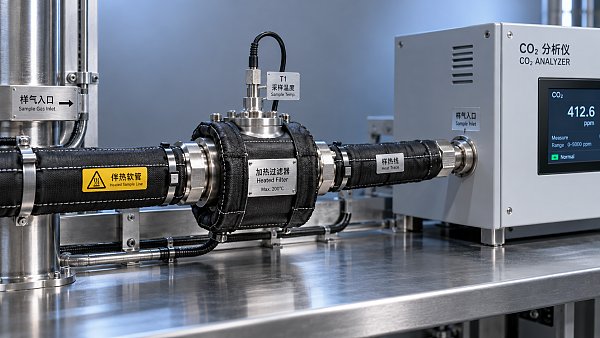
 How to prevent condensation in a CO2 analyzer sampling systemPrevent condensation in your CO2 analyzer sampling system. Learn how to control dew point, eliminate cold spots, and manage moisture for reliable readings and fewer costly disruptions.
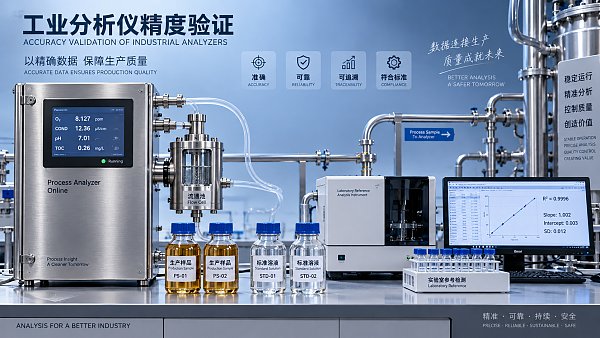
 How to verify accuracy claims for industrial quality analyzersVerify accuracy claims for industrial quality analyzers with calibration checks, independent testing, and clear acceptance criteria. Learn how to reduce risk and buy with confidence.
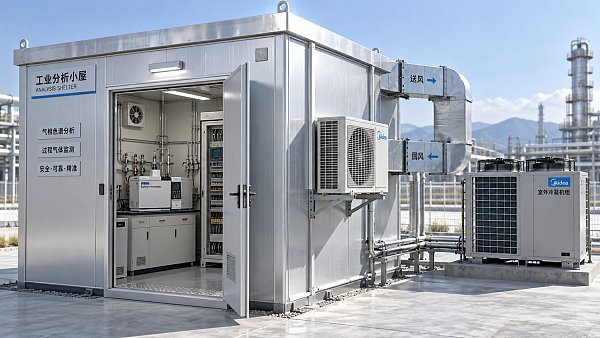
 How to calculate cooling loads for an industrial analyzer shelterSize industrial analyzer shelter cooling with confidence. Learn to calculate equipment heat, solar gains, and ventilation loads, then select HVAC capacity for reliable analyzer performance.
 What Happens When Combustible Gas Sensor Calibration Is Overdue?What happens if combustible gas sensor is not recalibrated on time? Discover the risks of inaccurate readings and missed alarms, plus steps to restore reliable protection.
 Can One Multi-Gas Detector Replace Four Separate Analyzers?Find out: can a single multi-gas detector replace four separate analyzers? Compare accuracy, safety, compliance, and lifetime costs to make a confident buying decision.
 Industrial Safety vs. Emission Monitoring: What Are the Differences?What are the main differences between industrial safety and emission monitoring? Compare goals, sensors, response times, and compliance needs to choose the right systems for your facility.
 Is Remote Monitoring Worth the Cost for Small Emission Sources?Is it worth investing in remote monitoring for small emission sources? Compare costs, compliance needs, and potential savings to choose the right solution for your operation.
 How Do You Handle Analyzer Failure During an Environmental Audit?Learn how to handle analyzer failure during environmental compliance audit procedures. Protect evidence, verify data, and restore monitoring with this practical response guide.
 Do VOC Monitors Require Explosion-Proof Certification?Does VOC monitoring require explosion-proof certification? Learn when approval is needed, compare ATEX and IECEx, and choose the right monitor for your site.
 How sample conditioning affects accuracy in petrochemical analyzersImprove accuracy in petrochemical analyzers with smarter sample conditioning. Discover how phase control, filtration, and transport design prevent bias and deliver reliable process data.
 How to troubleshoot sensor drift in industrial gas detectorsIndustrial gas detectors showing sensor drift? Learn how to verify calibration gas, identify root causes, and determine when sensor replacement is needed for reliable monitoring.
 How to judge whether a competitive price reflects real valueCompetitive Price: learn how to compare scope, compliance, performance, and lifecycle costs to identify real value, reduce risk, and make smarter purchasing decisions.
 When custom gas analysis is the right fit for complex process streamsCustom gas analysis for complex process streams: learn when tailored sampling, interference control, and reliable measurement design deliver confident decisions.
 When does a laser gas analyzer meet stack emissions monitoring needs?Laser gas analyzer for stack emissions: learn when it delivers fast, reliable data, how to assess installation risks, and what to verify for CEMS compliance.
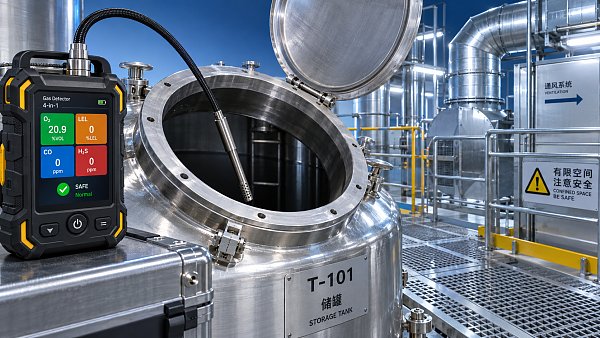
 How to select a hazardous gas analyzer for confined spacesHazardous gas analyzer selection for confined spaces: compare sensors, sampling, certifications, alarms, and maintenance to protect workers and choose with confidence.
 When is a single gas analyzer sufficient for workplace safety monitoring?Discover when a single gas analyzer delivers reliable workplace safety monitoring, and learn the key limits, calibration needs, and risks that require broader detection.
 How to choose an ambient gas analyzer for low-level leak detectionAmbient gas analyzer selection for low-level leak detection: compare sensitivity, cross-sensitivity, sampling design, alarms, and calibration for reliable site performance.
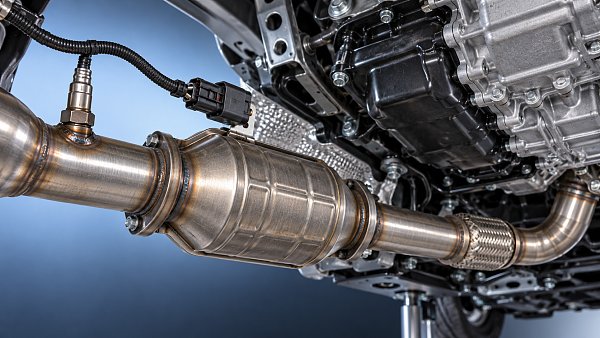
 How to tell when an oxygen sensor needs replacementOxygen sensor replacement signs explained: learn how live data, fault codes, wiring checks, and exhaust inspections pinpoint the real issue before you buy.
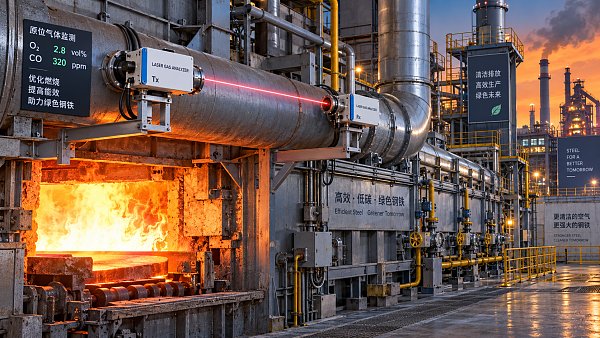
 How laser gas analyzers improve combustion control in steel furnacesLaser gas analyzer for steel industry applications delivers fast in-situ O₂ and CO data to optimize furnace combustion, cut fuel waste, and improve steel heating stability.
 How to verify whether explosion proof equipment meets site requirementsExplosion proof equipment verification made practical: match zones, gas or dust groups, temperature classes, certificates, and installation conditions for confident compliance.
 How industrial gas analysis helps detect contamination before releaseIndustrial Gas Analysis helps detect moisture, oil, oxygen, and toxic contaminants before release—protecting processes, ensuring compliance, and reducing costly risks.
 When is electrochemistry detection the right choice for water analysis?Electrochemistry detection for water analysis: learn when fast, reliable monitoring of ions, chlorine, pH, and more delivers actionable results.
 How industrial standards reduce quality risks in supplier selectionIndustrial Standard guidance helps quality and safety managers reduce supplier risks, verify compliance, strengthen traceability, and build resilient instrumentation supply chains.
 When does a multi-component system reduce installation complexity?Multi component systems reduce installation complexity when they eliminate field interfaces, streamline commissioning, and provide proven compatibility. Learn how to assess total cost and supplier accountability.
 How to size an industrial control shelter for outdoor equipmentIndustrial control shelter sizing guide: optimize layout, HVAC, access, safety, and expansion space for reliable outdoor equipment operations.
 How flue analysis helps verify combustion efficiencyFlue analysis verifies combustion efficiency by assessing O2, CO, CO2, and stack temperature to identify excess air, incomplete combustion, and heat losses.
 How to select industrial gas detectors for confined spacesIndustrial gas detectors for confined spaces: learn how to match sensors, sampling methods, alarms, and certifications to real atmospheric hazards.
 When does a laser oxygen analyzer outperform zirconia sensors?Laser oxygen analyzer vs. zirconia sensors: compare speed, selectivity, maintenance, gas chemistry, and installation needs to choose the right oxygen measurement solution.
 How to select a percent range analyzer for process measurementsPercent range analyzer selection made practical: compare accuracy, sample systems, calibration, gas matrix, integration, and lifecycle cost for reliable process measurements.
 How explosion proof analysis verifies safe equipment for hazardous areasExplosion proof analysis verifies hazardous-area equipment by matching certifications, temperature ratings, installation details, and inspection controls for safer compliance.
 When does fixed gas detection need point sensors instead of open-path monitoring?Fixed gas detection: discover when point sensors outperform open-path monitoring for predictable leaks, enclosed zones, local alarms, and safer design decisions.
 How to choose industrial metrology systems for tight-tolerance partsIndustrial metrology guide for tight-tolerance parts: compare CMMs, optical scanners, gauges, uncertainty, workflow, and traceable inspection strategies.






Search Categories
Search Categories
- Smart Meters & Power Quality
- Transformer Gas Analyzers
- BESS Thermal Runaway Detectors
- Energy, Power & Smart Grid Monitoring
- Optical Profilers & CMM
- Ultrasonic & X-Ray NDT
- Calibration Standards
- Precision Metrology & NDT
- Water Quality Analyzers
- CEMS & VOCs Monitors
- Price Trends
- Import & Export Updates
- Market Trends
- Industry News
- Industry Insights
Latest Article
- How to prevent condensation in a CO2 analyzer sampling systemPrevent condensation in your CO2 analyzer sampling system. Learn how to control dew point, eliminate cold spots, and manage moisture for reliable readings and fewer costly disruptions.Posted by:
- How to verify accuracy claims for industrial quality analyzersVerify accuracy claims for industrial quality analyzers with calibration checks, independent testing, and clear acceptance criteria. Learn how to reduce risk and buy with confidence.Posted by:
- How to calculate cooling loads for an industrial analyzer shelterSize industrial analyzer shelter cooling with confidence. Learn to calculate equipment heat, solar gains, and ventilation loads, then select HVAC capacity for reliable analyzer performance.Posted by:
Please give us a message
