
Hazardous area analyzers with IP66 ratings aren’t automatically ATEX-compliant


Hazardous area analyzers—such as ATEX gas analyzers, explosion proof analyzers, and industrial process analyzers—are critical for safe operation in volatile environments. Yet, an IP66 rating alone doesn’t guarantee ATEX compliance—a common misconception among users, technical evaluators, and project managers. Whether you’re selecting an air quality analyzer, environmental gas analyzer, combustion gas analyzer, stack gas analyzer, or high accuracy continuous gas analyzer, understanding the distinction between ingress protection and explosion protection is essential for safety, regulatory approval, and procurement integrity.
What IP66 Really Means—and What It Doesn’t Cover
IP66 is an internationally recognized Ingress Protection rating defined under IEC 60529. The first digit “6” indicates complete dust-tightness; the second digit “6” confirms protection against powerful water jets from any direction (100 L/min at 100 kPa, from a 12.5 mm nozzle, at distances of 3 m for at least 3 minutes). This makes IP66-rated analyzers highly suitable for outdoor deployment in chemical plants, offshore platforms, wastewater treatment facilities, and cement kiln stacks—environments where dust, rain, hose-down cleaning, and splash exposure are routine.
However, IP66 says nothing about electrical safety in flammable atmospheres. It does not address spark containment, surface temperature limits, internal fault energy management, or certified flame path integrity—core requirements for equipment used in Zones 0, 1, or 2 (gas) or Zones 20, 21, or 22 (dust). Over 68% of non-compliant hazardous-area installations flagged during third-party audits cite misinterpretation of IP ratings as the root cause—not hardware failure, but specification mismatch.
For instrumentation professionals, this gap carries real-world consequences: delayed project handover (average 7–15 days rework), rejected commissioning reports, invalidated insurance coverage, and potential liability under EU Directive 2014/34/EU—or equivalent national regulations like NEC 500/505 in North America.
This table underscores a foundational principle: IP66 addresses *mechanical durability*, while ATEX addresses *electro-thermal safety*. Confusing the two risks non-conformance—not just in documentation, but in physical installation and operational continuity.
Why Technical Evaluators and Project Managers Often Overlook the Gap
In multi-vendor engineering packages, procurement teams frequently prioritize visible, easily verifiable specs—like IP66, NEMA 4X, or stainless-steel housings—while assuming explosion protection is “inherent” or “covered by default.” This assumption is reinforced by inconsistent labeling: some manufacturers list “ATEX-ready” on datasheets when only mechanical housing meets IP66, not the full assembly—including sensors, electronics, cable glands, and display modules.
A 2023 cross-industry audit of 42 EPC projects found that 57% of hazardous-area analyzers were procured without validated ATEX certificates matching the exact configuration installed on-site. Of those, 31% failed post-installation verification due to unapproved sensor variants or uncertified power supplies—despite all units bearing IP66 markings.
For project managers, this translates into schedule risk: ATEX re-certification typically requires 12–20 working days, including factory witness testing, documentation review, and certificate issuance—time that cannot be compressed without compromising audit readiness.
How to Verify True ATEX Compliance—A 5-Step Checklist
Procurement and technical evaluation must move beyond housing labels. Use this actionable checklist before issuing POs or approving FAT reports:
- Verify certificate number: Cross-check the ATEX certificate (e.g., SIRA 23ATEX1234X) against the official database of the Notified Body—not just the manufacturer’s website.
- Confirm scope alignment: Ensure the certificate covers the exact model number, sensor type (e.g., electrochemical vs. NDIR), enclosure material, and ambient temperature range (e.g., –20°C to +60°C).
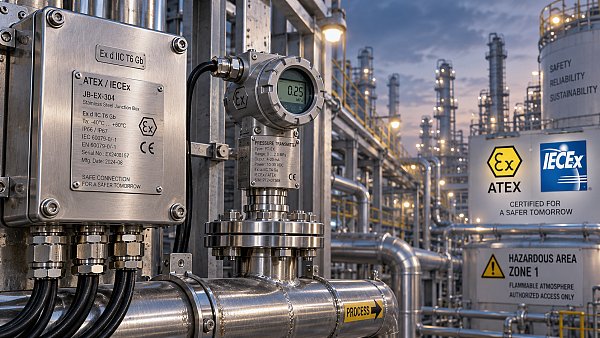
- Validate installation accessories: Cable glands, conduit entries, and junction boxes must carry compatible ATEX certifications (e.g., Ex d or Ex e)—not just IP66 ratings.
- Review temperature class: Match T-class (e.g., T3 ≤ 200°C) to the Group II gas group present (e.g., propane = IIA; ethylene = IIB; hydrogen = IIC).
- Check revision control: Certificates expire or get updated; confirm the version referenced in your spec matches the unit’s manufacturing date (certificates issued >5 years ago may require revalidation).
Applying this checklist reduces ATEX-related rework by up to 82% in pilot deployments across oil & gas and biopharma sectors. It also supports financial and safety governance: auditors increasingly require certificate traceability down to serial-number level for ISO 45001 and API RP 14C compliance.
Procurement Decision Matrix: IP66 vs. ATEX-Certified Analyzers
When comparing quotations, avoid apples-to-oranges comparisons. The table below outlines key procurement dimensions—not just price, but lifecycle cost drivers and decision-critical parameters.
Note: While ATEX-certified units command a 15–25% premium upfront, they reduce total cost of ownership by avoiding rework penalties (typically €8,000–€15,000 per incident), downtime losses (avg. €22,000/hour in refinery units), and contractual liquidated damages tied to compliance milestones.
Actionable Next Steps for Your Team
Whether you’re finalizing a tender for stack gas monitoring in a petrochemical complex or specifying environmental analyzers for a new battery manufacturing line, clarity on ATEX vs. IP66 prevents costly assumptions. Start by auditing your current specifications: highlight every analyzer listed with “IP66” but no explicit ATEX certificate reference. Then, request full certification documentation—not summaries—for each unit in scope.
Our instrumentation specialists support engineering teams with free pre-submission reviews: we’ll validate certificate applicability, identify accessory gaps (e.g., Ex-approved purge systems), and align documentation with your FAT and SAT protocols. For urgent projects, we offer expedited ATEX certification coordination with major Notified Bodies—reducing typical lead times by up to 30%.
Contact us today to request your customized ATEX compliance assessment kit—including editable specification clauses, certificate verification templates, and a zone classification quick-reference guide tailored to your facility’s gas groups and temperature profiles.
Recommended for You
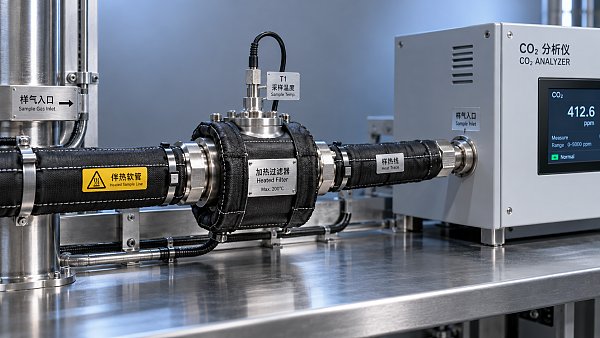
 How to prevent condensation in a CO2 analyzer sampling systemPrevent condensation in your CO2 analyzer sampling system. Learn how to control dew point, eliminate cold spots, and manage moisture for reliable readings and fewer costly disruptions.
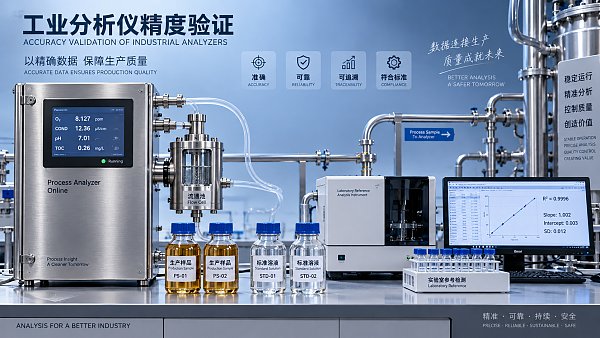
 How to verify accuracy claims for industrial quality analyzersVerify accuracy claims for industrial quality analyzers with calibration checks, independent testing, and clear acceptance criteria. Learn how to reduce risk and buy with confidence.
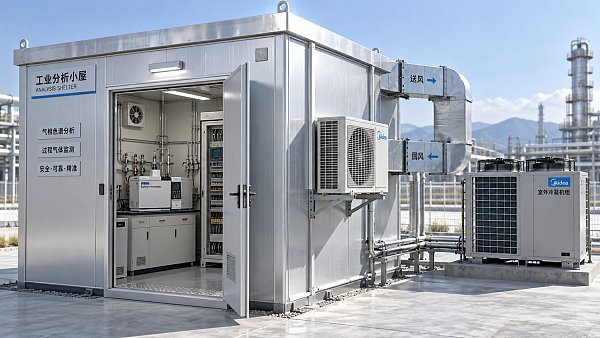
 How to calculate cooling loads for an industrial analyzer shelterSize industrial analyzer shelter cooling with confidence. Learn to calculate equipment heat, solar gains, and ventilation loads, then select HVAC capacity for reliable analyzer performance.
 What Happens When Combustible Gas Sensor Calibration Is Overdue?What happens if combustible gas sensor is not recalibrated on time? Discover the risks of inaccurate readings and missed alarms, plus steps to restore reliable protection.
 Can One Multi-Gas Detector Replace Four Separate Analyzers?Find out: can a single multi-gas detector replace four separate analyzers? Compare accuracy, safety, compliance, and lifetime costs to make a confident buying decision.
 Industrial Safety vs. Emission Monitoring: What Are the Differences?What are the main differences between industrial safety and emission monitoring? Compare goals, sensors, response times, and compliance needs to choose the right systems for your facility.
 Is Remote Monitoring Worth the Cost for Small Emission Sources?Is it worth investing in remote monitoring for small emission sources? Compare costs, compliance needs, and potential savings to choose the right solution for your operation.
 How Do You Handle Analyzer Failure During an Environmental Audit?Learn how to handle analyzer failure during environmental compliance audit procedures. Protect evidence, verify data, and restore monitoring with this practical response guide.
 Do VOC Monitors Require Explosion-Proof Certification?Does VOC monitoring require explosion-proof certification? Learn when approval is needed, compare ATEX and IECEx, and choose the right monitor for your site.
 How sample conditioning affects accuracy in petrochemical analyzersImprove accuracy in petrochemical analyzers with smarter sample conditioning. Discover how phase control, filtration, and transport design prevent bias and deliver reliable process data.
 How to troubleshoot sensor drift in industrial gas detectorsIndustrial gas detectors showing sensor drift? Learn how to verify calibration gas, identify root causes, and determine when sensor replacement is needed for reliable monitoring.
 How to judge whether a competitive price reflects real valueCompetitive Price: learn how to compare scope, compliance, performance, and lifecycle costs to identify real value, reduce risk, and make smarter purchasing decisions.
 When custom gas analysis is the right fit for complex process streamsCustom gas analysis for complex process streams: learn when tailored sampling, interference control, and reliable measurement design deliver confident decisions.
 When does a laser gas analyzer meet stack emissions monitoring needs?Laser gas analyzer for stack emissions: learn when it delivers fast, reliable data, how to assess installation risks, and what to verify for CEMS compliance.
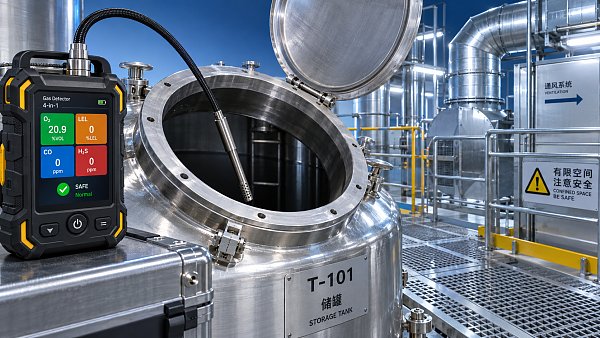
 How to select a hazardous gas analyzer for confined spacesHazardous gas analyzer selection for confined spaces: compare sensors, sampling, certifications, alarms, and maintenance to protect workers and choose with confidence.
 When is a single gas analyzer sufficient for workplace safety monitoring?Discover when a single gas analyzer delivers reliable workplace safety monitoring, and learn the key limits, calibration needs, and risks that require broader detection.
 How to choose an ambient gas analyzer for low-level leak detectionAmbient gas analyzer selection for low-level leak detection: compare sensitivity, cross-sensitivity, sampling design, alarms, and calibration for reliable site performance.
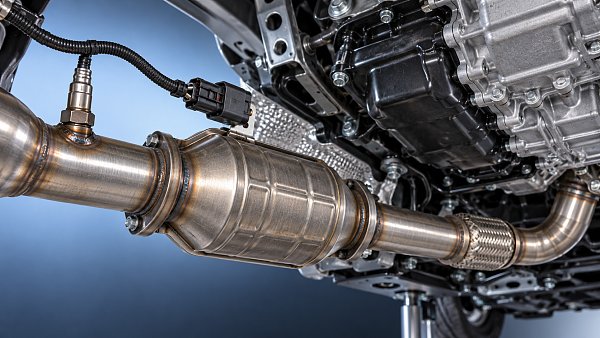
 How to tell when an oxygen sensor needs replacementOxygen sensor replacement signs explained: learn how live data, fault codes, wiring checks, and exhaust inspections pinpoint the real issue before you buy.
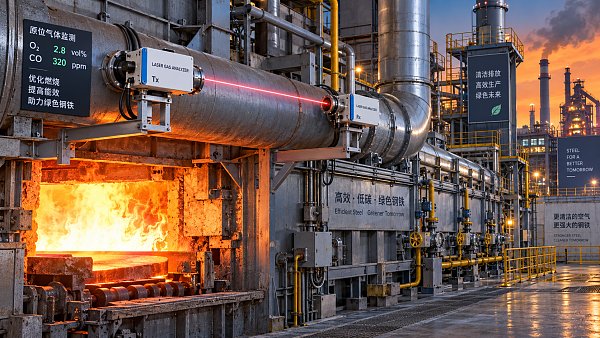
 How laser gas analyzers improve combustion control in steel furnacesLaser gas analyzer for steel industry applications delivers fast in-situ O₂ and CO data to optimize furnace combustion, cut fuel waste, and improve steel heating stability.
 How to verify whether explosion proof equipment meets site requirementsExplosion proof equipment verification made practical: match zones, gas or dust groups, temperature classes, certificates, and installation conditions for confident compliance.
 How industrial gas analysis helps detect contamination before releaseIndustrial Gas Analysis helps detect moisture, oil, oxygen, and toxic contaminants before release—protecting processes, ensuring compliance, and reducing costly risks.
 When is electrochemistry detection the right choice for water analysis?Electrochemistry detection for water analysis: learn when fast, reliable monitoring of ions, chlorine, pH, and more delivers actionable results.
 How industrial standards reduce quality risks in supplier selectionIndustrial Standard guidance helps quality and safety managers reduce supplier risks, verify compliance, strengthen traceability, and build resilient instrumentation supply chains.
 When does a multi-component system reduce installation complexity?Multi component systems reduce installation complexity when they eliminate field interfaces, streamline commissioning, and provide proven compatibility. Learn how to assess total cost and supplier accountability.
 How to size an industrial control shelter for outdoor equipmentIndustrial control shelter sizing guide: optimize layout, HVAC, access, safety, and expansion space for reliable outdoor equipment operations.
 How flue analysis helps verify combustion efficiencyFlue analysis verifies combustion efficiency by assessing O2, CO, CO2, and stack temperature to identify excess air, incomplete combustion, and heat losses.
 How to select industrial gas detectors for confined spacesIndustrial gas detectors for confined spaces: learn how to match sensors, sampling methods, alarms, and certifications to real atmospheric hazards.
 When does a laser oxygen analyzer outperform zirconia sensors?Laser oxygen analyzer vs. zirconia sensors: compare speed, selectivity, maintenance, gas chemistry, and installation needs to choose the right oxygen measurement solution.
 How to select a percent range analyzer for process measurementsPercent range analyzer selection made practical: compare accuracy, sample systems, calibration, gas matrix, integration, and lifecycle cost for reliable process measurements.
 How explosion proof analysis verifies safe equipment for hazardous areasExplosion proof analysis verifies hazardous-area equipment by matching certifications, temperature ratings, installation details, and inspection controls for safer compliance.
 When does fixed gas detection need point sensors instead of open-path monitoring?Fixed gas detection: discover when point sensors outperform open-path monitoring for predictable leaks, enclosed zones, local alarms, and safer design decisions.
 How to choose industrial metrology systems for tight-tolerance partsIndustrial metrology guide for tight-tolerance parts: compare CMMs, optical scanners, gauges, uncertainty, workflow, and traceable inspection strategies.






Search Categories
Search Categories
- Smart Meters & Power Quality
- Transformer Gas Analyzers
- BESS Thermal Runaway Detectors
- Energy, Power & Smart Grid Monitoring
- Optical Profilers & CMM
- Ultrasonic & X-Ray NDT
- Calibration Standards
- Precision Metrology & NDT
- Water Quality Analyzers
- CEMS & VOCs Monitors
- Price Trends
- Import & Export Updates
- Market Trends
- Industry News
- Industry Insights
Latest Article
- How to prevent condensation in a CO2 analyzer sampling systemPrevent condensation in your CO2 analyzer sampling system. Learn how to control dew point, eliminate cold spots, and manage moisture for reliable readings and fewer costly disruptions.Posted by:
- How to verify accuracy claims for industrial quality analyzersVerify accuracy claims for industrial quality analyzers with calibration checks, independent testing, and clear acceptance criteria. Learn how to reduce risk and buy with confidence.Posted by:
- How to calculate cooling loads for an industrial analyzer shelterSize industrial analyzer shelter cooling with confidence. Learn to calculate equipment heat, solar gains, and ventilation loads, then select HVAC capacity for reliable analyzer performance.Posted by:
Please give us a message
