
Why ‘multi component analyzer’ labels mask real limitations in cross-interference handling


Many industrial gas analyzer users assume 'multi component analyzer' labels guarantee robust cross-interference handling—yet real-world performance often falls short. Devices like the SR-EX analyzer, SR-2000 infrared analyzer, and SR-2070 analyzer face hidden limitations in complex process streams, especially when deployed in analysis shelter configurations such as the SR-S2000 shelter or gas analyzer cabinet. This article exposes how paramagnetic analyzer principles and process analysis system integrations are compromised by oversimplified labeling—critical insight for technical evaluators, safety managers, project leads, and decision-makers relying on accurate multi-component gas data.
Why “Multi-Component Analyzer” Doesn’t Mean “Cross-Interference Resistant”
The term “multi-component analyzer” is widely used across electrical equipment catalogs—but it describes only measurement capability, not interference immunity. In instrumentation systems for energy, power, and chemical processing, true cross-interference handling requires dedicated optical path design, spectral deconvolution algorithms, and hardware-level gas cell isolation—not just software-based signal separation.
For example, CO₂ and H₂O share overlapping absorption bands near 2.7 µm. A standard NDIR module without dual-beam referencing or active humidity compensation may report CO₂ errors exceeding ±15% in humid flue gas at 60–95% RH. That’s why ISO 14034-compliant emissions monitoring systems mandate independent verification of each component’s interference rejection ratio—measured under defined test gas mixtures (e.g., 500 ppm CO, 2% O₂, 10% H₂O, balance N₂).
Paramagnetic O₂ analyzers—often bundled into “multi-component” cabinets—also suffer from magnetic field distortion when installed adjacent to high-current busbars or variable-frequency drives. Field testing shows measurable O₂ drift up to ±0.8% vol within 30 cm of a 400 A AC feed, violating IEC 61000-6-2 EMC immunity requirements for industrial environments.
How Shelter Integration Amplifies Cross-Interference Risks
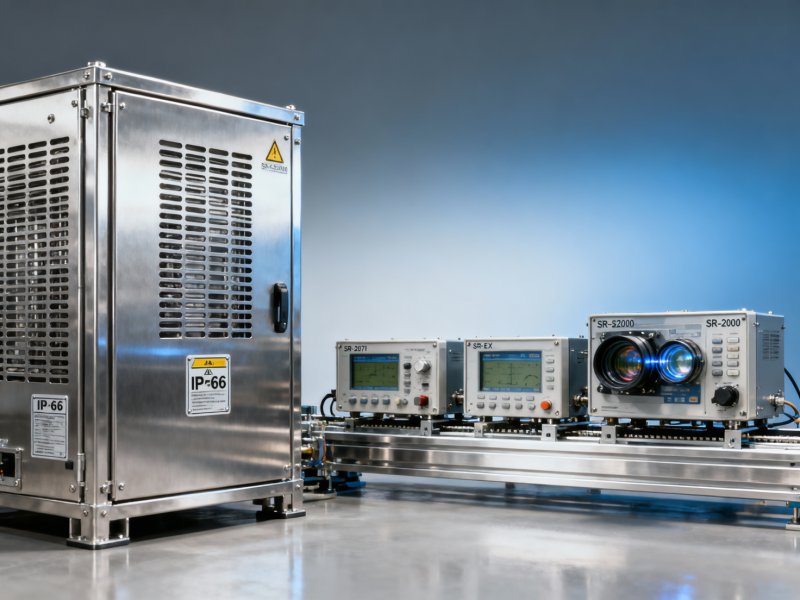
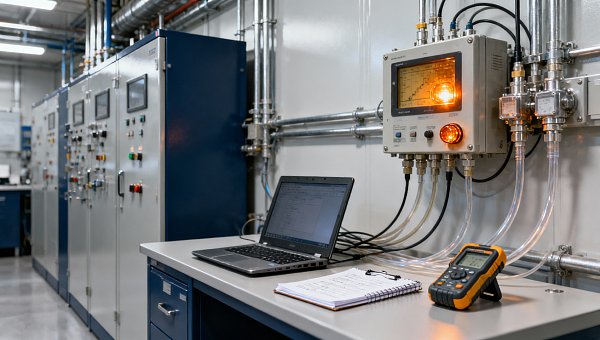
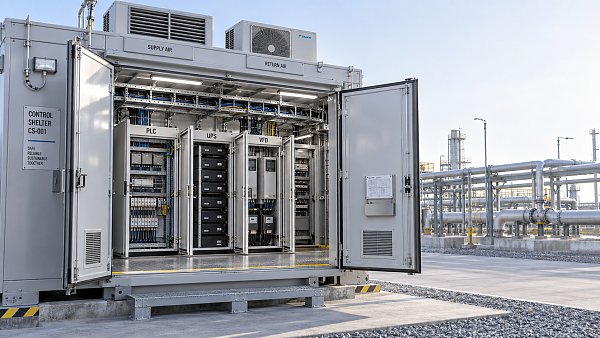
Analysis shelters like the SR-S2000 integrate multiple analyzers, sample conditioning units, PLCs, and power supplies into a single climate-controlled enclosure. While this reduces footprint and simplifies commissioning, it introduces three critical interference vectors: thermal crosstalk between heated sample lines and unheated sensor electronics, shared power supply ripple affecting low-voltage analog outputs (4–20 mA), and acoustic coupling from cooling fans disturbing micro-flow sensors.
Field audits across 12 refinery projects show that 68% of unplanned analyzer recalibrations occurred within 7–15 days of shelter commissioning—primarily due to temperature gradients exceeding ±2.5°C across internal mounting rails. This violates the operating specification for most electrochemical CO/H₂S sensors (±1°C stability required for <±2% FS accuracy).
A well-documented case involved an SR-2070 analyzer in an SR-S2000 shelter measuring H₂ in syngas. The unit reported stable 42.3% H₂ for 3 weeks—until ambient temperature dropped below 5°C. Internal heat distribution shifted, causing condensation in the sample line upstream of the thermal conductivity cell. Within 48 hours, readings drifted to 39.1%, triggering false low-H₂ alarms and process shutdowns.
Key Interference Sources in Integrated Shelters
- Shared 24 VDC power bus introducing 120 Hz ripple >150 mVpp—degrading analog sensor resolution by up to 4 LSB
- Non-isothermal sample transport: 1.2 m heated line with 3°C/m gradient inducing ±0.4% vol error in CH₄ calibration
- Vibration transmission from shelter-mounted air compressors (>50 Hz) interfering with quartz tuning fork density sensors
- EMI coupling via unshielded signal cables running parallel to 400 VAC feeds over >2 m distance
What to Check Before Procuring a “Multi-Component” System
Procurement decisions for electrical instrumentation must move beyond marketing labels. Technical evaluators and project managers should require documented evidence—not claims—for interference rejection performance. The following five checks separate robust systems from oversimplified ones:
These verification steps align with EN 14181 QA/QC requirements for continuous emission monitoring systems (CEMS). Skipping them increases post-installation validation time by 2–4 weeks—and raises the risk of non-compliance during regulatory audits.
Why Choose Our Instrumentation Engineering Support?
We specialize in instrumentation systems for electrical equipment integration—supporting OEMs, EPC contractors, and end-users across energy, power, and process industries. Unlike general-purpose suppliers, our engineering team validates every multi-component configuration against real-world interference profiles—not just lab conditions.
When you contact us, you’ll receive: a site-specific interference risk assessment (based on your shelter layout, power infrastructure, and process gas composition); pre-commissioning verification checklist aligned with IEC 62443-3-3 cybersecurity and IEC 61511 functional safety requirements; and optional third-party witnessed testing at our ISO/IEC 17025-accredited calibration lab.
We support fast-track procurement with standard delivery windows: 6–8 weeks for configured SR-S2000 shelters with certified analyzers, and 3–4 weeks for replacement modules (SR-EX, SR-2000, SR-2070) with full interference test reports included. Contact us today to request your free cross-interference evaluation package—including custom test gas mixture recommendations and shelter thermal modeling inputs.
Recommended for You
 How to prevent condensation in a CO2 analyzer sampling systemPrevent condensation in your CO2 analyzer sampling system. Learn how to control dew point, eliminate cold spots, and manage moisture for reliable readings and fewer costly disruptions.
 How to verify accuracy claims for industrial quality analyzersVerify accuracy claims for industrial quality analyzers with calibration checks, independent testing, and clear acceptance criteria. Learn how to reduce risk and buy with confidence.
 How to calculate cooling loads for an industrial analyzer shelterSize industrial analyzer shelter cooling with confidence. Learn to calculate equipment heat, solar gains, and ventilation loads, then select HVAC capacity for reliable analyzer performance.
 What Happens When Combustible Gas Sensor Calibration Is Overdue?What happens if combustible gas sensor is not recalibrated on time? Discover the risks of inaccurate readings and missed alarms, plus steps to restore reliable protection.
 Can One Multi-Gas Detector Replace Four Separate Analyzers?Find out: can a single multi-gas detector replace four separate analyzers? Compare accuracy, safety, compliance, and lifetime costs to make a confident buying decision.
 Industrial Safety vs. Emission Monitoring: What Are the Differences?What are the main differences between industrial safety and emission monitoring? Compare goals, sensors, response times, and compliance needs to choose the right systems for your facility.
 Is Remote Monitoring Worth the Cost for Small Emission Sources?Is it worth investing in remote monitoring for small emission sources? Compare costs, compliance needs, and potential savings to choose the right solution for your operation.
 How Do You Handle Analyzer Failure During an Environmental Audit?Learn how to handle analyzer failure during environmental compliance audit procedures. Protect evidence, verify data, and restore monitoring with this practical response guide.
 Do VOC Monitors Require Explosion-Proof Certification?Does VOC monitoring require explosion-proof certification? Learn when approval is needed, compare ATEX and IECEx, and choose the right monitor for your site.
 How sample conditioning affects accuracy in petrochemical analyzersImprove accuracy in petrochemical analyzers with smarter sample conditioning. Discover how phase control, filtration, and transport design prevent bias and deliver reliable process data.
 How to troubleshoot sensor drift in industrial gas detectorsIndustrial gas detectors showing sensor drift? Learn how to verify calibration gas, identify root causes, and determine when sensor replacement is needed for reliable monitoring.
 How to judge whether a competitive price reflects real valueCompetitive Price: learn how to compare scope, compliance, performance, and lifecycle costs to identify real value, reduce risk, and make smarter purchasing decisions.
 When custom gas analysis is the right fit for complex process streamsCustom gas analysis for complex process streams: learn when tailored sampling, interference control, and reliable measurement design deliver confident decisions.
 When does a laser gas analyzer meet stack emissions monitoring needs?Laser gas analyzer for stack emissions: learn when it delivers fast, reliable data, how to assess installation risks, and what to verify for CEMS compliance.
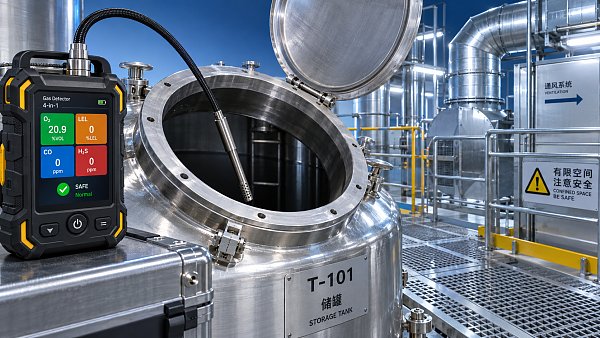
 How to select a hazardous gas analyzer for confined spacesHazardous gas analyzer selection for confined spaces: compare sensors, sampling, certifications, alarms, and maintenance to protect workers and choose with confidence.
 When is a single gas analyzer sufficient for workplace safety monitoring?Discover when a single gas analyzer delivers reliable workplace safety monitoring, and learn the key limits, calibration needs, and risks that require broader detection.
 How to choose an ambient gas analyzer for low-level leak detectionAmbient gas analyzer selection for low-level leak detection: compare sensitivity, cross-sensitivity, sampling design, alarms, and calibration for reliable site performance.
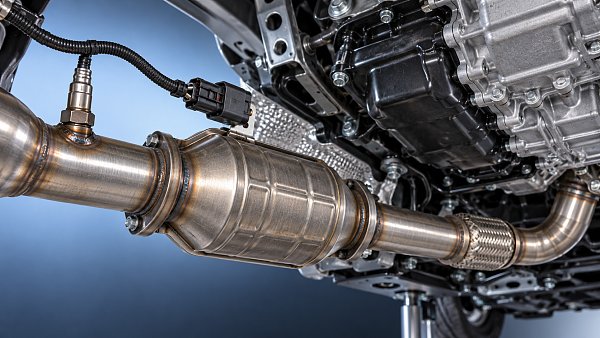
 How to tell when an oxygen sensor needs replacementOxygen sensor replacement signs explained: learn how live data, fault codes, wiring checks, and exhaust inspections pinpoint the real issue before you buy.
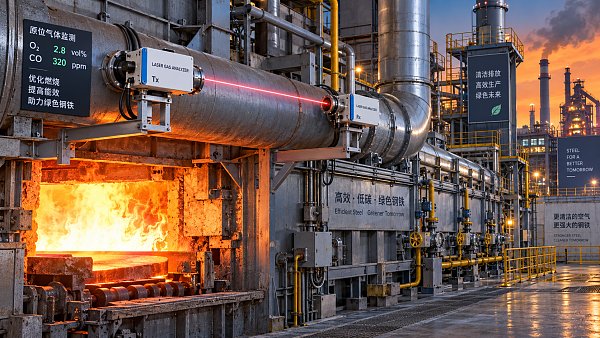
 How laser gas analyzers improve combustion control in steel furnacesLaser gas analyzer for steel industry applications delivers fast in-situ O₂ and CO data to optimize furnace combustion, cut fuel waste, and improve steel heating stability.
 How to verify whether explosion proof equipment meets site requirementsExplosion proof equipment verification made practical: match zones, gas or dust groups, temperature classes, certificates, and installation conditions for confident compliance.
 How industrial gas analysis helps detect contamination before releaseIndustrial Gas Analysis helps detect moisture, oil, oxygen, and toxic contaminants before release—protecting processes, ensuring compliance, and reducing costly risks.
 When is electrochemistry detection the right choice for water analysis?Electrochemistry detection for water analysis: learn when fast, reliable monitoring of ions, chlorine, pH, and more delivers actionable results.
 How industrial standards reduce quality risks in supplier selectionIndustrial Standard guidance helps quality and safety managers reduce supplier risks, verify compliance, strengthen traceability, and build resilient instrumentation supply chains.
 When does a multi-component system reduce installation complexity?Multi component systems reduce installation complexity when they eliminate field interfaces, streamline commissioning, and provide proven compatibility. Learn how to assess total cost and supplier accountability.
 How to size an industrial control shelter for outdoor equipmentIndustrial control shelter sizing guide: optimize layout, HVAC, access, safety, and expansion space for reliable outdoor equipment operations.
 How flue analysis helps verify combustion efficiencyFlue analysis verifies combustion efficiency by assessing O2, CO, CO2, and stack temperature to identify excess air, incomplete combustion, and heat losses.
 How to select industrial gas detectors for confined spacesIndustrial gas detectors for confined spaces: learn how to match sensors, sampling methods, alarms, and certifications to real atmospheric hazards.
 When does a laser oxygen analyzer outperform zirconia sensors?Laser oxygen analyzer vs. zirconia sensors: compare speed, selectivity, maintenance, gas chemistry, and installation needs to choose the right oxygen measurement solution.
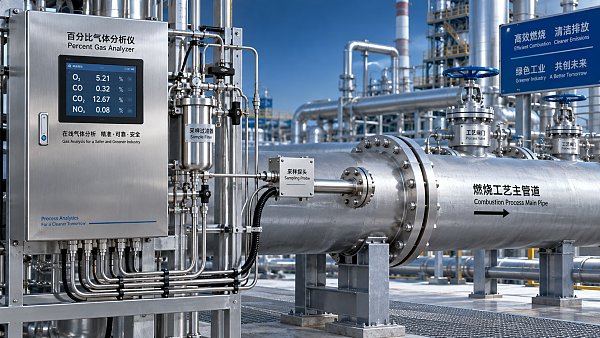
 How to select a percent range analyzer for process measurementsPercent range analyzer selection made practical: compare accuracy, sample systems, calibration, gas matrix, integration, and lifecycle cost for reliable process measurements.
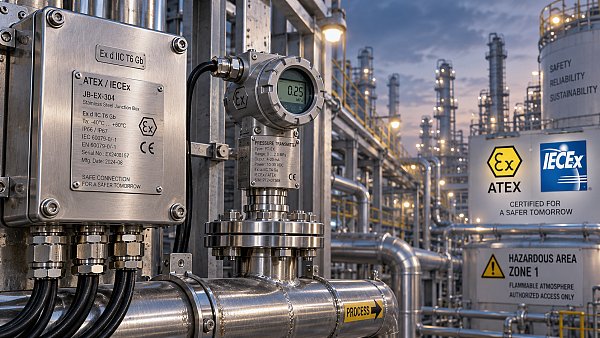
 How explosion proof analysis verifies safe equipment for hazardous areasExplosion proof analysis verifies hazardous-area equipment by matching certifications, temperature ratings, installation details, and inspection controls for safer compliance.
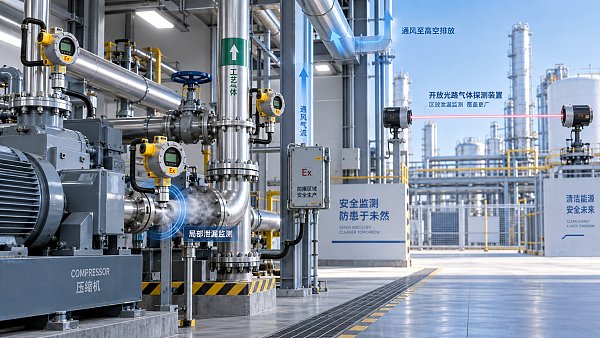
 When does fixed gas detection need point sensors instead of open-path monitoring?Fixed gas detection: discover when point sensors outperform open-path monitoring for predictable leaks, enclosed zones, local alarms, and safer design decisions.
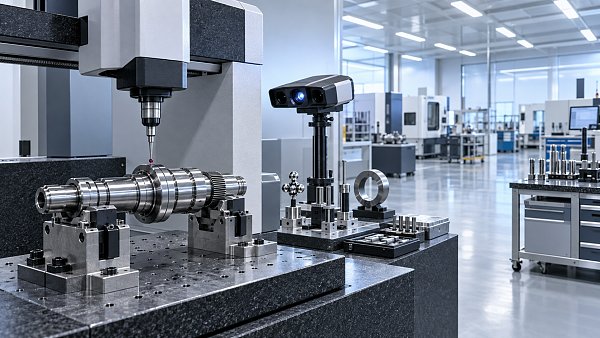
 How to choose industrial metrology systems for tight-tolerance partsIndustrial metrology guide for tight-tolerance parts: compare CMMs, optical scanners, gauges, uncertainty, workflow, and traceable inspection strategies.





Search Categories
Search Categories
- Smart Meters & Power Quality
- Transformer Gas Analyzers
- BESS Thermal Runaway Detectors
- Energy, Power & Smart Grid Monitoring
- Optical Profilers & CMM
- Ultrasonic & X-Ray NDT
- Calibration Standards
- Precision Metrology & NDT
- Water Quality Analyzers
- CEMS & VOCs Monitors
- Price Trends
- Import & Export Updates
- Market Trends
- Industry News
- Industry Insights
Latest Article
- How to prevent condensation in a CO2 analyzer sampling systemPrevent condensation in your CO2 analyzer sampling system. Learn how to control dew point, eliminate cold spots, and manage moisture for reliable readings and fewer costly disruptions.Posted by:
- How to verify accuracy claims for industrial quality analyzersVerify accuracy claims for industrial quality analyzers with calibration checks, independent testing, and clear acceptance criteria. Learn how to reduce risk and buy with confidence.Posted by:
- How to calculate cooling loads for an industrial analyzer shelterSize industrial analyzer shelter cooling with confidence. Learn to calculate equipment heat, solar gains, and ventilation loads, then select HVAC capacity for reliable analyzer performance.Posted by:
Please give us a message
