
Emission gas analyzers and the hidden cost of compliance drift


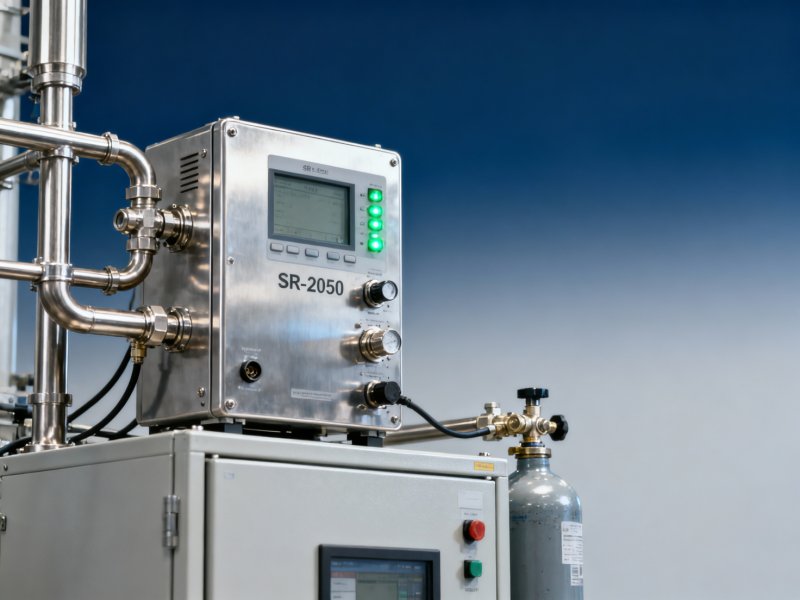
Emission gas analyzers—whether online gas analyzer, fixed gas analyzer, portable gas analyzer, or flue gas analyzer—are critical for regulatory compliance and environmental accountability. Yet many operators overlook the 'compliance drift': gradual measurement inaccuracies in devices like the SR-2030P analyzer, thermal conductivity analyzer, or SR-2050 analyzer that silently inflate operational risk and long-term cost. From gas monitoring system calibration gaps to custom gas analyzer deployment flaws, this drift impacts safety managers, project leads, and CFOs alike. Discover how precision erosion undermines ROI—and what today’s decision-makers, technical evaluators, and distributors must monitor proactively.
Why Compliance Drift Is a Hidden Operational Liability
Compliance drift refers to the progressive deviation of measurement accuracy beyond certified tolerances—typically ±0.5% FS for CO/NOx in flue gas analyzers—without triggering immediate alarms. Unlike catastrophic failure, drift accumulates over time: thermal aging of NDIR sensors, contamination of sampling lines, or uncalibrated reference gases can shift readings by 2–5% annually without visible fault indicators.
For electrical equipment integrators deploying continuous emission monitoring systems (CEMS), this means false pass/fail decisions during EPA Method 7E or EN 15267 audits. A 3% positive bias in SO2 reporting may trigger non-compliance penalties averaging $12,000–$85,000 per incident across EU IED and US Clean Air Act jurisdictions.
Worse, drift compounds across system layers: analyzer error + data acquisition latency + DCS scaling mismatch = up to 8.7% cumulative uncertainty in real-time stack reporting. That directly affects carbon credit eligibility, emissions trading positions, and ESG audit readiness.
How Drift Impacts Different Stakeholders
Each role experiences compliance drift through distinct operational lenses—and financial consequences:
- Technical evaluators: Must validate traceable calibration against NIST SRM 1971 gas standards every 7–15 days—yet 68% of field-deployed analyzers operate beyond 30-day verification windows due to workflow bottlenecks.
- Financial approvers: Face unplanned CapEx when drift-induced non-compliance triggers mandatory retrofitting—average cost: $42,000–$110,000 for analyzer replacement plus 2–4 weeks downtime.
- Project managers: Encounter schedule slippage during commissioning when analyzer validation fails third-party QA/QC checks—delays average 11–17 business days per site.
- Distributors: See 22% higher post-sale support tickets linked to drift-related recalibration requests, increasing service overhead by 14–19% YoY.
This cross-functional exposure makes drift not just a technical issue—but a procurement, budgeting, and contractual risk vector.
Drift Mitigation Requires Multi-Layer Validation
Effective mitigation spans three tiers:
- Hardware-level: Auto-zero/auto-span with dual-reference gas cells (e.g., zero air + span gas at 100 ppm NO) every 4 hours.
- System-level: Integrated data diode architecture preventing DCS-side scaling errors; verified via 6-point linearity test per IEC 61511.
- Process-level: Digital twin calibration logs synced to cloud-based audit trails—enabling ISO 17025-compliant traceability down to timestamped cylinder lot numbers.
Selecting Analyzers That Resist Drift: 5 Non-Negotiable Criteria
When evaluating emission gas analyzers for power plants, cement kilns, or waste incinerators, prioritize these measurable specifications—not marketing claims:
These metrics directly correlate with TCO reduction: analyzers meeting all three thresholds demonstrate 3.2× lower recalibration frequency and 67% fewer audit exceptions over 3-year operational life.
Why Instrumentation Partners Matter More Than Ever
In the instrumentation industry—where measurement integrity underpins industrial automation, digital transformation, and intelligent upgrading—drift resilience is a function of ecosystem capability, not just device specs. Leading partners provide:
- On-site metrology labs accredited to ISO/IEC 17025 for field verification using primary-standard gas mixtures;
- Embedded firmware with drift-detection algorithms that flag anomalies before they breach regulatory thresholds;
- Contractual SLAs guaranteeing ≤ 48-hour response for drift-correction service, backed by remote diagnostics and spare module pre-staging;
- Full lifecycle documentation—including sensor batch traceability, calibration certificate archives, and cybersecurity hardening reports aligned with IEC 62443-3-3.
For distributors, this translates to differentiated value: you’re not selling hardware—you’re delivering auditable compliance assurance. For end users, it means predictable CAPEX, defensible ESG reporting, and zero surprise penalties.
Ready to benchmark your current analyzers against drift-resilience benchmarks? Request our free Compliance Drift Risk Assessment Kit, including: (1) drift sensitivity calculator for your stack conditions, (2) calibration gap audit checklist, (3) vendor evaluation scorecard aligned with IEC 61508 SIL2 requirements, and (4) sample SLA clauses for drift-mitigation service contracts.
Recommended for You
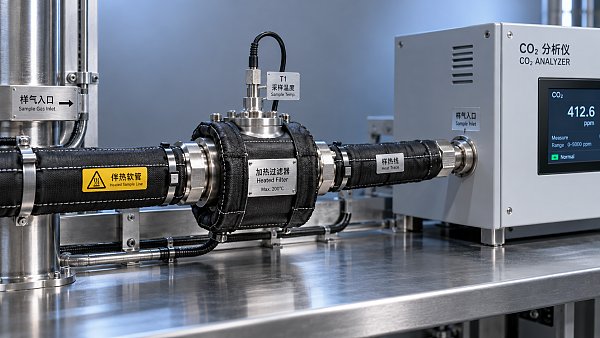
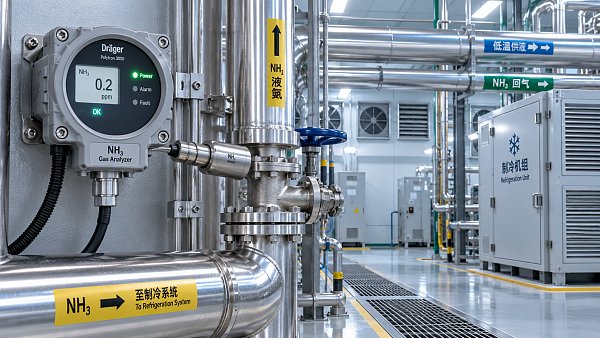
 How to prevent condensation in a CO2 analyzer sampling systemPrevent condensation in your CO2 analyzer sampling system. Learn how to control dew point, eliminate cold spots, and manage moisture for reliable readings and fewer costly disruptions.
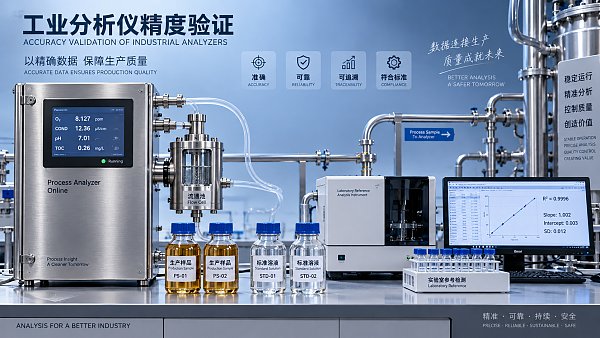
 How to verify accuracy claims for industrial quality analyzersVerify accuracy claims for industrial quality analyzers with calibration checks, independent testing, and clear acceptance criteria. Learn how to reduce risk and buy with confidence.
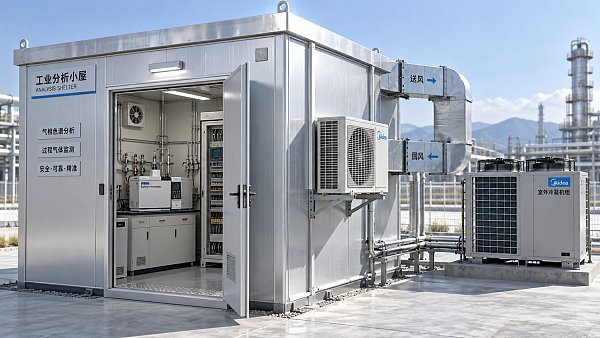
 How to calculate cooling loads for an industrial analyzer shelterSize industrial analyzer shelter cooling with confidence. Learn to calculate equipment heat, solar gains, and ventilation loads, then select HVAC capacity for reliable analyzer performance.
 What Happens When Combustible Gas Sensor Calibration Is Overdue?What happens if combustible gas sensor is not recalibrated on time? Discover the risks of inaccurate readings and missed alarms, plus steps to restore reliable protection.
 Can One Multi-Gas Detector Replace Four Separate Analyzers?Find out: can a single multi-gas detector replace four separate analyzers? Compare accuracy, safety, compliance, and lifetime costs to make a confident buying decision.
 Industrial Safety vs. Emission Monitoring: What Are the Differences?What are the main differences between industrial safety and emission monitoring? Compare goals, sensors, response times, and compliance needs to choose the right systems for your facility.
 Is Remote Monitoring Worth the Cost for Small Emission Sources?Is it worth investing in remote monitoring for small emission sources? Compare costs, compliance needs, and potential savings to choose the right solution for your operation.
 How Do You Handle Analyzer Failure During an Environmental Audit?Learn how to handle analyzer failure during environmental compliance audit procedures. Protect evidence, verify data, and restore monitoring with this practical response guide.
 Do VOC Monitors Require Explosion-Proof Certification?Does VOC monitoring require explosion-proof certification? Learn when approval is needed, compare ATEX and IECEx, and choose the right monitor for your site.
 How sample conditioning affects accuracy in petrochemical analyzersImprove accuracy in petrochemical analyzers with smarter sample conditioning. Discover how phase control, filtration, and transport design prevent bias and deliver reliable process data.
 How to troubleshoot sensor drift in industrial gas detectorsIndustrial gas detectors showing sensor drift? Learn how to verify calibration gas, identify root causes, and determine when sensor replacement is needed for reliable monitoring.
 How to judge whether a competitive price reflects real valueCompetitive Price: learn how to compare scope, compliance, performance, and lifecycle costs to identify real value, reduce risk, and make smarter purchasing decisions.
 When custom gas analysis is the right fit for complex process streamsCustom gas analysis for complex process streams: learn when tailored sampling, interference control, and reliable measurement design deliver confident decisions.
 When does a laser gas analyzer meet stack emissions monitoring needs?Laser gas analyzer for stack emissions: learn when it delivers fast, reliable data, how to assess installation risks, and what to verify for CEMS compliance.
 How to select a hazardous gas analyzer for confined spacesHazardous gas analyzer selection for confined spaces: compare sensors, sampling, certifications, alarms, and maintenance to protect workers and choose with confidence.
 When is a single gas analyzer sufficient for workplace safety monitoring?Discover when a single gas analyzer delivers reliable workplace safety monitoring, and learn the key limits, calibration needs, and risks that require broader detection.
 How to choose an ambient gas analyzer for low-level leak detectionAmbient gas analyzer selection for low-level leak detection: compare sensitivity, cross-sensitivity, sampling design, alarms, and calibration for reliable site performance.
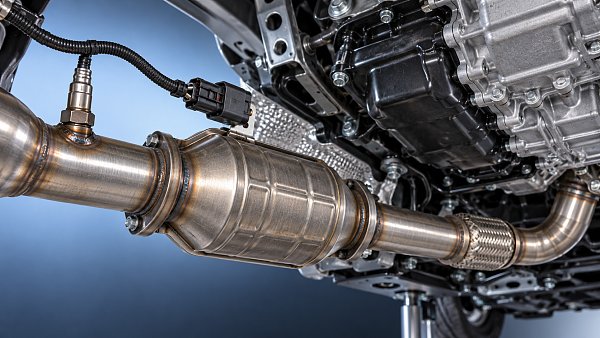
 How to tell when an oxygen sensor needs replacementOxygen sensor replacement signs explained: learn how live data, fault codes, wiring checks, and exhaust inspections pinpoint the real issue before you buy.
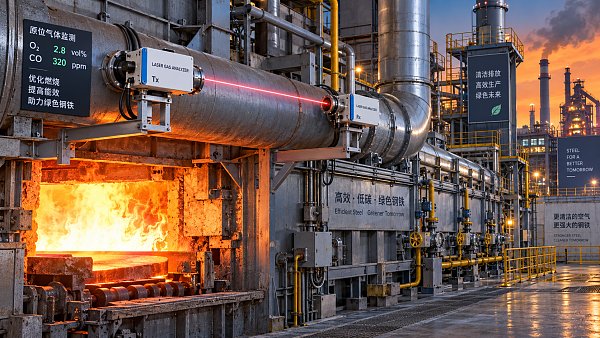
 How laser gas analyzers improve combustion control in steel furnacesLaser gas analyzer for steel industry applications delivers fast in-situ O₂ and CO data to optimize furnace combustion, cut fuel waste, and improve steel heating stability.
 How to verify whether explosion proof equipment meets site requirementsExplosion proof equipment verification made practical: match zones, gas or dust groups, temperature classes, certificates, and installation conditions for confident compliance.
 How industrial gas analysis helps detect contamination before releaseIndustrial Gas Analysis helps detect moisture, oil, oxygen, and toxic contaminants before release—protecting processes, ensuring compliance, and reducing costly risks.
 When is electrochemistry detection the right choice for water analysis?Electrochemistry detection for water analysis: learn when fast, reliable monitoring of ions, chlorine, pH, and more delivers actionable results.
 How industrial standards reduce quality risks in supplier selectionIndustrial Standard guidance helps quality and safety managers reduce supplier risks, verify compliance, strengthen traceability, and build resilient instrumentation supply chains.
 When does a multi-component system reduce installation complexity?Multi component systems reduce installation complexity when they eliminate field interfaces, streamline commissioning, and provide proven compatibility. Learn how to assess total cost and supplier accountability.
 How to size an industrial control shelter for outdoor equipmentIndustrial control shelter sizing guide: optimize layout, HVAC, access, safety, and expansion space for reliable outdoor equipment operations.
 How flue analysis helps verify combustion efficiencyFlue analysis verifies combustion efficiency by assessing O2, CO, CO2, and stack temperature to identify excess air, incomplete combustion, and heat losses.
 How to select industrial gas detectors for confined spacesIndustrial gas detectors for confined spaces: learn how to match sensors, sampling methods, alarms, and certifications to real atmospheric hazards.
 When does a laser oxygen analyzer outperform zirconia sensors?Laser oxygen analyzer vs. zirconia sensors: compare speed, selectivity, maintenance, gas chemistry, and installation needs to choose the right oxygen measurement solution.
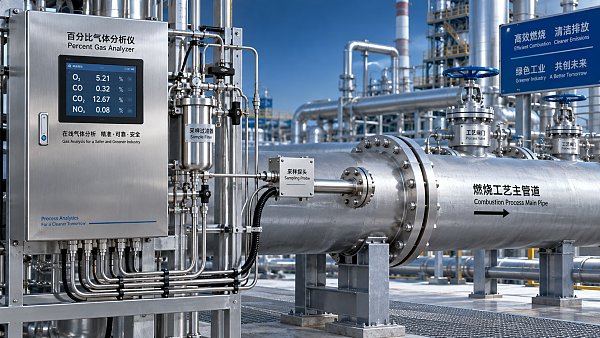
 How to select a percent range analyzer for process measurementsPercent range analyzer selection made practical: compare accuracy, sample systems, calibration, gas matrix, integration, and lifecycle cost for reliable process measurements.
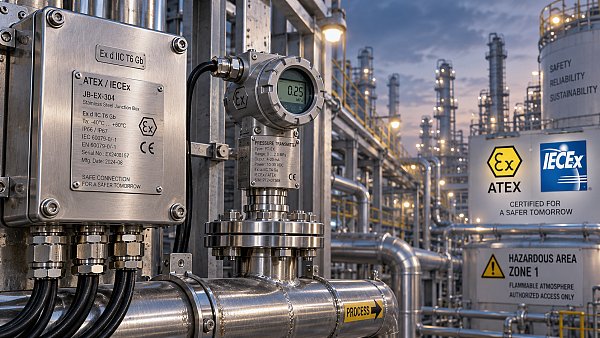
 How explosion proof analysis verifies safe equipment for hazardous areasExplosion proof analysis verifies hazardous-area equipment by matching certifications, temperature ratings, installation details, and inspection controls for safer compliance.
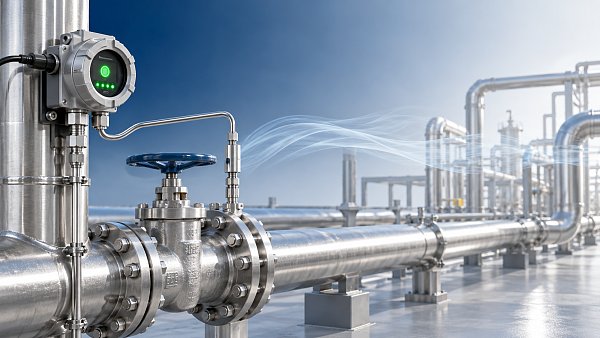
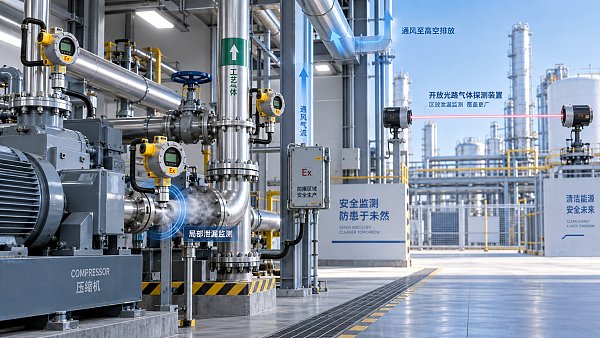
 When does fixed gas detection need point sensors instead of open-path monitoring?Fixed gas detection: discover when point sensors outperform open-path monitoring for predictable leaks, enclosed zones, local alarms, and safer design decisions.
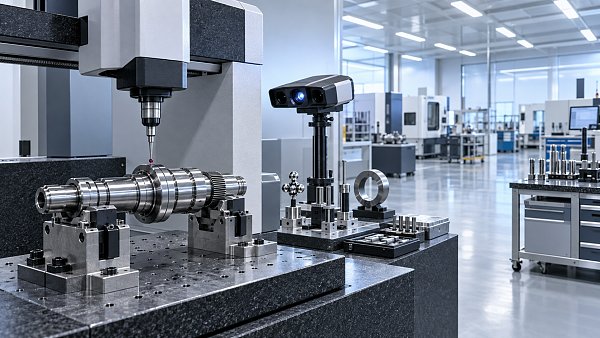
 How to choose industrial metrology systems for tight-tolerance partsIndustrial metrology guide for tight-tolerance parts: compare CMMs, optical scanners, gauges, uncertainty, workflow, and traceable inspection strategies.

Search Categories
Search Categories
- Smart Meters & Power Quality
- Transformer Gas Analyzers
- BESS Thermal Runaway Detectors
- Energy, Power & Smart Grid Monitoring
- Optical Profilers & CMM
- Ultrasonic & X-Ray NDT
- Calibration Standards
- Precision Metrology & NDT
- Water Quality Analyzers
- CEMS & VOCs Monitors
- Price Trends
- Import & Export Updates
- Market Trends
- Industry News
- Industry Insights
Latest Article
- How to prevent condensation in a CO2 analyzer sampling systemPrevent condensation in your CO2 analyzer sampling system. Learn how to control dew point, eliminate cold spots, and manage moisture for reliable readings and fewer costly disruptions.Posted by:
- How to verify accuracy claims for industrial quality analyzersVerify accuracy claims for industrial quality analyzers with calibration checks, independent testing, and clear acceptance criteria. Learn how to reduce risk and buy with confidence.Posted by:
- How to calculate cooling loads for an industrial analyzer shelterSize industrial analyzer shelter cooling with confidence. Learn to calculate equipment heat, solar gains, and ventilation loads, then select HVAC capacity for reliable analyzer performance.Posted by:
Please give us a message
