Paramagnetic Monitor Import Outlook 2026


As global demand for precision gas analysis grows, the paramagnetic monitor market is drawing strong attention from buyers, engineers, and decision-makers. From oxygen monitor systems to explosion proof monitor, laser monitor, thermal conductivity monitor, electrochemical monitor, and infrared monitor solutions, 2026 import trends highlight rising interest in high accuracy detector, fixed detector, and portable detector technologies across industrial and safety applications.
Why are paramagnetic monitor imports gaining attention in 2026?
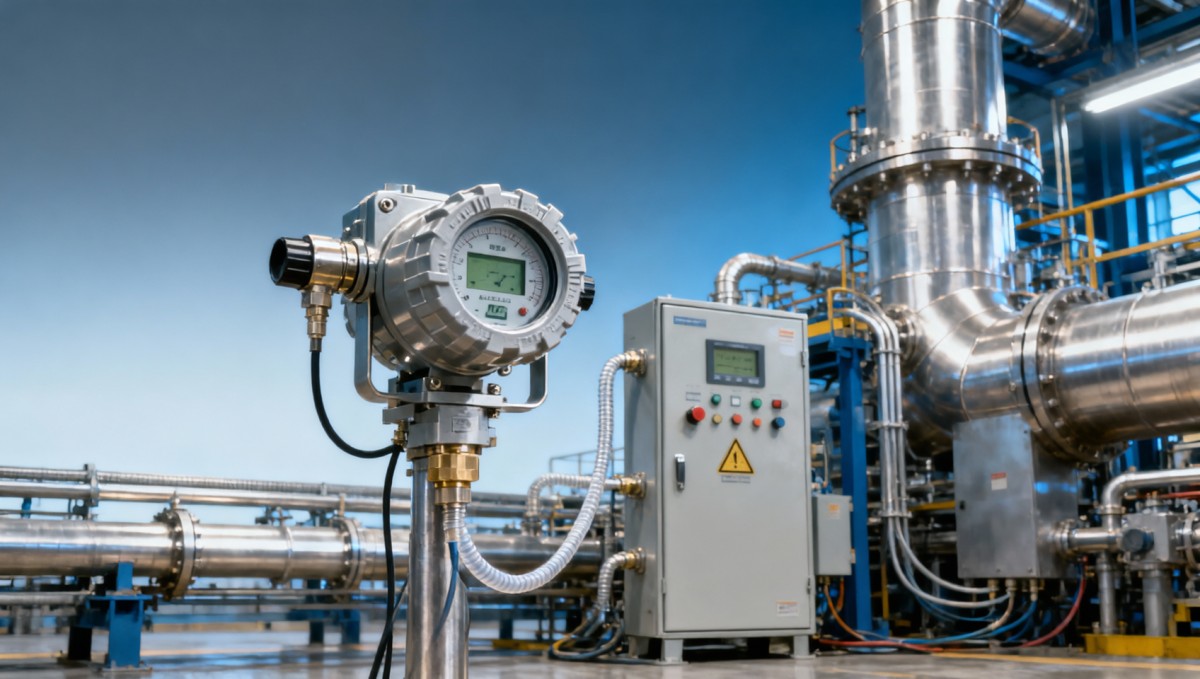
A paramagnetic monitor is mainly used for oxygen measurement in process gas, combustion control, laboratory analysis, safety systems, and environmental applications. In the instrumentation industry, it sits within a broader ecosystem of monitoring and control equipment that supports industrial automation, digital upgrades, and continuous compliance. For importers and project owners, the 2026 outlook matters because procurement decisions are no longer based on price alone. Accuracy stability, lead time, enclosure type, integration method, and maintenance cycle now affect total project performance.
In practical buying scenarios, users compare paramagnetic monitor solutions with infrared monitor, electrochemical monitor, thermal conductivity monitor, and laser monitor options. The choice depends on target gas, response time, installation location, process conditions, and safety level. For example, a fixed detector in a continuous industrial line serves different needs than a portable detector used for inspection rounds every day or every week. This difference directly shapes import specifications, spare parts planning, and after-sales expectations.
For information researchers and purchasing teams, the market is becoming more segmented. Some buyers prioritize high accuracy detector performance for oxygen purity control. Others focus on explosion proof monitor requirements in hazardous areas. Financial approvers often ask whether a higher initial cost can reduce calibration frequency over 12–24 months. Quality and safety managers usually examine analyzer repeatability, alarm logic, and enclosure durability under continuous operation.
Import demand is also influenced by project timing. In many industrial procurement cycles, technical confirmation may take 1–3 weeks, quotation alignment another 3–7 days, and shipping plus customs clearance several more weeks depending on destination. As a result, companies that specify the wrong analyzer principle at the start may lose significant time. That is why paramagnetic monitor import planning in 2026 is increasingly linked to early-stage engineering review rather than last-minute purchasing.
What makes this category important across the instrumentation industry?
The instrumentation sector supports measurement, testing, analysis, and control across manufacturing, power generation, environmental monitoring, laboratories, medical testing, and automation systems. In these environments, oxygen analysis is not just a numeric output. It can influence combustion efficiency, inerting safety, product quality, emissions control, and process consistency. A paramagnetic monitor becomes valuable when users need selective oxygen measurement with stable long-term performance under controlled application conditions.
This relevance explains why distributors, OEM integrators, and end users are all monitoring import conditions. A single analyzer may need to communicate with PLC systems, DCS platforms, local alarm units, sample conditioning assemblies, and calibration gas routines. If the monitor cannot match site architecture, the cost of modification can quickly exceed the purchase discount. In 2026, compatibility is becoming as important as core sensing performance.
Which applications are driving import demand for paramagnetic monitor systems?
Import demand is strongest where oxygen concentration must be measured continuously and where process interruptions are expensive or risky. In industrial manufacturing, paramagnetic monitor systems are often considered for furnace control, protective atmosphere systems, heat treatment, gas generation skids, and package gas verification. In energy and power, they may support combustion optimization and flue-related process analysis. In laboratory and testing environments, they are selected when users need repeatable oxygen readings across batch or routine analysis cycles.
Safety-driven demand is also increasing. In chemical processing, gas storage, and certain enclosed industrial areas, an explosion proof monitor or properly protected fixed detector may be reviewed as part of a wider risk control system. Here, buyers evaluate not only the sensing principle but also housing rating, wiring method, purge or sampling arrangement, and the location of alarms. A portable detector may still be used for spot checking, but it rarely replaces a continuous online monitor in critical process zones.
Another import driver is system modernization. As factories move toward digital operation, they want analyzers that support 4–20 mA output, relay alarms, and common communication options for centralized monitoring. Project managers often prefer solutions that can be commissioned within 1–2 site visits and that fit existing panel layouts. This is especially relevant when replacement projects must be completed during short shutdown windows such as 24–72 hours.
For distributors and resellers, demand is also shaped by serviceability. Products that require very specialized tools or uncommon consumables can be difficult to support locally. As a result, importers often favor models that offer clear maintenance intervals, accessible calibration procedures, and spare part planning for 6–12 months of operation. That decision reduces service delays and improves customer retention after delivery.
Common application priorities by user type
The following breakdown helps different stakeholders identify where a paramagnetic monitor creates the most value and where an alternative detector principle may be more suitable.
This table shows why import discussions are rarely limited to a simple product comparison. A paramagnetic monitor may be technically strong but commercially weak if spare parts, documentation, or local support are not aligned with the user’s operation model. Good procurement starts by matching analyzer capability with the owner’s actual risk profile.
How does a paramagnetic monitor compare with infrared, electrochemical, laser, and thermal conductivity monitor options?
A common mistake in gas analyzer sourcing is choosing by familiarity rather than by measurement principle. Paramagnetic monitor technology is widely associated with oxygen analysis, but other monitor types may serve different gases, installation constraints, or budget expectations. That is why comparison analysis matters for import planning. A lower upfront price may lead to higher recalibration demand, shorter sensor life, or weaker suitability for continuous operation.
Electrochemical monitor solutions are often used where compact size and moderate initial cost are priorities. Infrared monitor systems are typically considered for gases that absorb IR radiation, while laser monitor options may appeal in advanced process applications requiring selective path-based measurement. Thermal conductivity monitor designs can be useful in certain binary or broad-composition gas analysis tasks. The key is not to treat these technologies as direct substitutes without reviewing the process objective.
For many industrial oxygen applications, the main attraction of a paramagnetic monitor is its principle-specific relevance to oxygen and its potential suitability for stable online analysis when properly installed. However, sample conditions, moisture, pressure variation, dust loading, and ambient temperature can all influence practical performance. In other words, the best technology is the one that fits the process, not the one with the most familiar name.
The comparison below offers a procurement-oriented view rather than a purely academic one. It is designed for buyers who need to evaluate import decisions within 3 core dimensions: measurement task, operating environment, and ownership cost over time.
Technology comparison for buyers and project teams
Use this table to narrow down which monitor type deserves a technical review before requesting quotation or sample configuration.
The decision should not stop at the monitor category. Buyers should still confirm sampling method, ambient condition, installation zone, calibration gas availability, and whether a fixed detector or portable detector format is more practical. In many projects, the right answer is a combined architecture: continuous online monitor for process control plus portable verification for maintenance and safety rounds.
Quick decision checklist before comparing quotes
- Confirm the target gas and whether oxygen is the primary measured component or only one part of a mixed-gas analysis requirement.
- Define whether the system will run continuously, intermittently, or only during inspection cycles such as once per shift or once per day.
- Check if the installation area requires explosion proof monitor configuration, weather protection, or panel-mounted indoor installation.
- Estimate ownership cost over at least 12 months, including calibration gas, maintenance labor, spare parts, and downtime risk.
What should buyers check before importing a high accuracy detector or fixed detector?
A successful import decision starts with specification discipline. Many procurement issues come from incomplete RFQs, especially when buyers ask for a paramagnetic monitor without defining gas range, sampling condition, mounting type, or output requirement. In the instrumentation industry, these details determine whether the delivered unit can be installed quickly or whether engineering redesign becomes necessary after arrival. For projects under time pressure, that risk is costly.
Most buyers should evaluate at least 5 key checkpoints: measuring range, response expectation, installation environment, signal interface, and maintenance plan. If the device will work in a hazardous area, explosion protection requirements should be reviewed at the start, not after shipment. If it will be used as a high accuracy detector in quality-sensitive production, calibration routine and zero/span adjustment access should also be discussed before order confirmation.
Project managers often need clarity on implementation timing. A common procurement flow includes 4 steps: requirement confirmation, technical matching, quotation and commercial review, then shipment and commissioning preparation. In standard projects, document review may take 3–5 business days; for customized panel integration or special enclosure requests, review may extend to 1–2 weeks. Early alignment reduces costly revisions later.
Financial reviewers usually ask a different question: why not select a cheaper sensor type? The answer should come from application fit and lifecycle economics. If a fixed detector is installed in a critical line where false readings can affect product quality or safety shutdown logic, then purchase price is only one variable. Reliability under actual process conditions may be the more important approval factor.
Practical procurement evaluation table
The table below can be used as an internal review tool before placing an order or asking suppliers for final commercial terms.
This review structure helps procurement, engineering, and finance teams speak the same language. Instead of debating only unit price, they can compare technical fit, installation effort, and maintenance impact. That leads to faster approval and fewer disputes after equipment arrival.
Common import risks that buyers often overlook
- Ordering a monitor without confirming whether the process requires continuous online analysis or only periodic spot checks.
- Ignoring sample gas conditioning, even though moisture, dust, or pressure fluctuation can affect analyzer stability.
- Assuming every detector can be installed in hazardous zones without verifying enclosure and certification expectations.
- Approving a quotation that does not clearly list accessories, calibration setup, manuals, and commissioning support scope.
What standards, documentation, and delivery factors matter in 2026 imports?
In cross-border sourcing, documentation quality can be as important as the monitor itself. Buyers commonly need commercial documents, packing details, operating manuals, wiring references, and calibration guidance. For some industries, they also review whether the supplied equipment aligns with common electrical safety, hazardous area, or industrial installation expectations. Exact document requirements vary by country and project, so import planning should include local compliance review early.
For an explosion proof monitor or a fixed detector intended for regulated environments, users should confirm the applicable protection concept, marking expectations, and installation conditions with their engineering and compliance teams. It is not enough to ask whether the product is “safe.” The real questions are more specific: which zone, which wiring method, what ambient range, what mounting requirement, and what site acceptance documents are needed before startup.
Delivery planning also affects import success. In many standard configurations, production and dispatch may fit within a common 2–6 week window, while customized assemblies can take longer. Shipping mode, customs documentation, and destination clearance then add extra time. If a project shutdown lasts only 3 days, the buyer should not treat logistics as an afterthought. Packaging, accessory completeness, and pre-shipment verification become part of risk control.
Distributors and EPC teams often benefit from a pre-delivery checklist. This can include 6 practical items: model confirmation, accessory confirmation, signal confirmation, document set review, packing review, and startup planning. These steps are simple, but they reduce common delays that occur after arrival, especially when a replacement analyzer is expected to go online immediately.
FAQ for importers, engineers, and purchasing teams
How do I know whether a paramagnetic monitor is better than an electrochemical monitor?
Start with the application. If you need oxygen analysis in a continuous process and care about stable long-term performance, a paramagnetic monitor may be worth evaluating first. If the task is portable inspection, backup measurement, or cost-sensitive spot checking, an electrochemical monitor may also be practical. The right choice depends on operating pattern, maintenance resources, and process criticality rather than on technology labels alone.
When should I specify an explosion proof monitor?
Specify it when the installation area is classified as hazardous or when site rules require protected equipment. The decision should be confirmed by the project’s electrical and safety teams. Buyers should also verify cable entry, mounting position, ambient limits, and any required supporting hardware before final purchase.
What is a realistic lead-time expectation for imported monitors?
For standard items, buyers often plan in weeks rather than days. Technical clarification may take several business days, production may take 2–6 weeks, and logistics plus customs may add more time depending on route and destination. Customized analyzer panels, special enclosures, or bundled sampling systems usually require a longer schedule.
What documents should be requested before shipment?
At minimum, request the quotation with full configuration, manual, wiring or terminal information, packing list, and calibration or commissioning guidance. If the site has compliance or hazardous-area requirements, ask for the relevant product markings and technical documents before release. This reduces disputes and helps installation teams prepare in advance.
Why choose us for paramagnetic monitor sourcing and project support?
In the instrumentation industry, the value of a supplier is measured not only by product access but by how well the solution fits the process, the schedule, and the operating team. We support buyers, engineers, distributors, and project managers with a practical approach to paramagnetic monitor selection, whether you are comparing a high accuracy detector against alternative technologies or planning a fixed detector solution for continuous industrial use.
Our support can focus on the issues that usually delay approval: parameter confirmation, detector type selection, enclosure choice, signal compatibility, expected delivery cycle, and documentation alignment. If your project also involves infrared monitor, electrochemical monitor, laser monitor, thermal conductivity monitor, or portable detector options, the discussion can be structured around application fit rather than a single product category. That helps avoid overbuying or under-specifying the system.
If you are preparing a 2026 import plan, you can contact us for 5 practical topics: measurement range confirmation, installation environment review, customized solution discussion, certification and document matching, and quotation plus lead-time communication. For distributors and project integrators, we can also discuss spare parts planning, accessory configuration, and sample support where appropriate. The goal is simple: help you move from unclear demand to a usable sourcing decision with fewer revisions.
Contact us when you need a clearer comparison between paramagnetic monitor solutions and other gas analyzer technologies, when your team must shorten technical review from weeks to days, or when your project requires a more reliable balance between compliance, cost, and delivery. A well-matched monitor is not just a purchase item. It is part of a safer, more efficient, and more controllable instrumentation system.
Recommended for You
 Control Sensor Delays Can Undermine Process StabilityControl sensor delays can destabilize operations. Compare paramagnetic detector, electrochemical detector, infrared detector, and oxygen detector options to find a high accuracy sensor for fixed, portable, laboratory, and monitoring sensor needs.
 Laboratory Sensor Repeatability Problems Often Start With SamplingLaboratory sensor repeatability issues often begin with sampling. Compare paramagnetic detector, electrochemical detector, infrared detector, and oxygen detector solutions to improve accuracy.
 Laboratory Sensor Selection Gets Harder With Lower Detection LimitsLaboratory sensor selection gets harder at lower limits. Compare paramagnetic detector, electrochemical detector, infrared detector, oxygen detector, fixed and portable sensor options for high accuracy monitoring and control.
 Portable Sensor Battery Loss Can Distort Long Shift MonitoringPortable sensor battery loss can distort long-shift monitoring. Compare paramagnetic detector, electrochemical detector, infrared detector and oxygen detector options for high accuracy sensor performance.
 Portable Sensor Accuracy in the Field Is Not Always What It SeemsPortable sensor accuracy can differ sharply from lab results. Compare paramagnetic detector, electrochemical detector, infrared detector, and oxygen detector performance to choose a high accuracy sensor for real field use.
 Fixed Sensor vs Portable Checks: Where Results Often DivergeExplore why fixed sensor and portable sensor readings diverge in oxygen detector systems using paramagnetic detector, electrochemical detector, and infrared detector technology.
 Oxygen Detector False Alarms Often Start With Sensor PlacementOxygen detector false alarms often start with sensor placement. Compare paramagnetic detector, electrochemical detector, and infrared detector options to improve accuracy and safety.
 Infrared Detector Response Time Can Change Your ReadingInfrared detector response time shapes alarm accuracy and stable readings. Compare paramagnetic detector, electrochemical detector, and oxygen detector options for every high accuracy sensor need.
 Infrared Detector Limits That Matter in Mixed Gas ApplicationsInfrared detector limits in mixed gas applications: compare paramagnetic detector, electrochemical detector, and oxygen detector options to choose a high accuracy sensor for portable, fixed, laboratory, control, and monitoring sensor use.
 Why Electrochemical Detector Calibration Fails More Often Than ExpectedElectrochemical detector calibration fails more often than expected—learn how a paramagnetic detector, infrared detector, or oxygen detector comparison helps you choose a high accuracy sensor for fixed, portable, laboratory, control, and monitoring sensor applications.
 Electrochemical Detector Lifespan Drops Fast Under These ConditionsElectrochemical detector lifespan can drop fast in heat, humidity, and corrosive gas. Compare paramagnetic detector, infrared detector, and oxygen detector options to choose a high accuracy sensor with lower lifecycle risk.
 Paramagnetic Detector Drift: What Usually Causes It?Paramagnetic detector drift explained: learn what causes oxygen detector errors, how it compares with electrochemical detector and infrared detector options, and how to keep a high accuracy sensor stable.
 Oxygen Monitor Export Trends in 2026Oxygen monitor export trends in 2026: explore explosion proof monitor, laser monitor, portable detector, fixed detector, and high accuracy detector demand shaping smarter buying decisions.
 Infrared Monitor Market Outlook 2026Infrared monitor market outlook 2026: compare explosion proof monitor, laser monitor, oxygen monitor, fixed detector and portable detector solutions for safer, smarter industrial projects.
 Where Electrochemical Monitors Work BestElectrochemical monitor guide: compare explosion proof monitor, infrared monitor, laser monitor, oxygen monitor, fixed detector, and portable detector for safer, smarter gas detection choices.
 Paramagnetic Monitor Import Outlook 2026Paramagnetic monitor import outlook 2026: compare explosion proof monitor, laser monitor, infrared monitor, oxygen monitor, and high accuracy detector solutions to source the right fixed or portable detector.
 Thermal Conductivity Monitor Price ShiftThermal conductivity monitor price trends explained with explosion proof monitor, laser monitor, oxygen monitor, and fixed or portable detector options for smarter, safer buying.
 How Laser Monitor Demand Is ChangingLaser monitor demand is changing as buyers compare explosion proof monitor, infrared, electrochemical, and oxygen monitor options for safer, high accuracy detector solutions.
 Oxygen Measurement System Export Demand in 2026Oxygen measurement system demand in 2026 is rising across industrial control equipment, gas quality measurement, emission control system, and process monitoring system markets. Explore key trends and smarter sourcing insights.
 Industrial Control System Trends to Watch in 2026Industrial control system trends for 2026: explore industrial control equipment, process monitoring system, gas quality measurement, oxygen measurement system, and emission control system upgrades.
 How to Improve Process Monitoring System ResultsImprove process monitoring system results with industrial control equipment, gas quality measurement, and emission measurement system strategies for smarter industrial control system performance.
 Emission Control System Import Risks in 2026Emission control system import risks in 2026: learn how industrial control equipment, gas quality measurement, and process monitoring system buyers can avoid delays, compliance issues, and costly mistakes.
 Gas Quality Control for Safer Plant OperationsGas quality control improves safer plant operations with industrial control equipment, gas quality measurement, and an emission measurement system—boost efficiency, compliance, and process monitoring performance.
 What Buyers Miss in Industrial Measurement SystemsIndustrial measurement system buying guide: compare industrial control equipment, gas quality measurement, and emission measurement system risks beyond specs to reduce downtime, cost, and audit issues.
 Process Measurement System Costs ExplainedProcess measurement system costs explained: compare industrial measurement system, gas quality measurement, oxygen measurement system, and emission measurement system options to cut risk and improve control.
 2026 Emission Measurement System Market ShiftEmission measurement system trends for 2026: discover how industrial control equipment, gas quality measurement, and smarter process monitoring systems improve compliance, efficiency, and ROI.
 Why Gas Quality Measurement Fails in the FieldGas quality measurement issues often come from industrial control equipment setup, not sensor limits. Learn how a process measurement system and emission measurement system can improve gas quality control.
 2026 Industrial Control Equipment Price OutlookIndustrial control equipment price outlook for 2026: explore trends in gas quality measurement, emission measurement system, process measurement system, and industrial control system budgeting.
 How Accurate Should an Oxygen Measurement System Be?Oxygen measurement system accuracy impacts gas quality measurement, emission control system performance, and industrial control equipment ROI—learn how to choose the right level for safer, smarter process monitoring.
 Industrial Control System: Buy New or Retrofit?Industrial control system guide: buy new or retrofit? Compare industrial control equipment, process measurement system, emission control system, and gas quality measurement for smarter ROI.
 Is a Process Monitoring System Worth Upgrading?Process monitoring system upgrade guide for industrial control equipment—improve gas quality measurement, emission measurement system performance, compliance, and smarter industrial control system decisions.
 How to Size an Emission Control SystemLearn how to size an emission control system with industrial control equipment, gas quality measurement, and a process monitoring system to improve compliance, reduce risk, and optimize cost.












Search Categories
Search Categories
Latest Article
- Control Sensor Delays Can Undermine Process StabilityControl sensor delays can destabilize operations. Compare paramagnetic detector, electrochemical detector, infrared detector, and oxygen detector options to find a high accuracy sensor for fixed, portable, laboratory, and monitoring sensor needs.Posted by:
- Laboratory Sensor Repeatability Problems Often Start With SamplingLaboratory sensor repeatability issues often begin with sampling. Compare paramagnetic detector, electrochemical detector, infrared detector, and oxygen detector solutions to improve accuracy.Posted by:
- Laboratory Sensor Selection Gets Harder With Lower Detection LimitsLaboratory sensor selection gets harder at lower limits. Compare paramagnetic detector, electrochemical detector, infrared detector, oxygen detector, fixed and portable sensor options for high accuracy monitoring and control.Posted by:
Please give us a message
