How Laser Monitor Demand Is Changing


Demand for the laser monitor is shifting as industries pursue safer, smarter, and more precise gas detection. Buyers now compare the explosion proof monitor, thermal conductivity monitor, paramagnetic monitor, electrochemical monitor, infrared monitor, and oxygen monitor alongside every high accuracy detector, fixed detector, and portable detector option. This change reflects rising expectations for compliance, efficiency, and long-term value across modern instrumentation applications.
Why laser monitor demand is changing across modern instrumentation projects
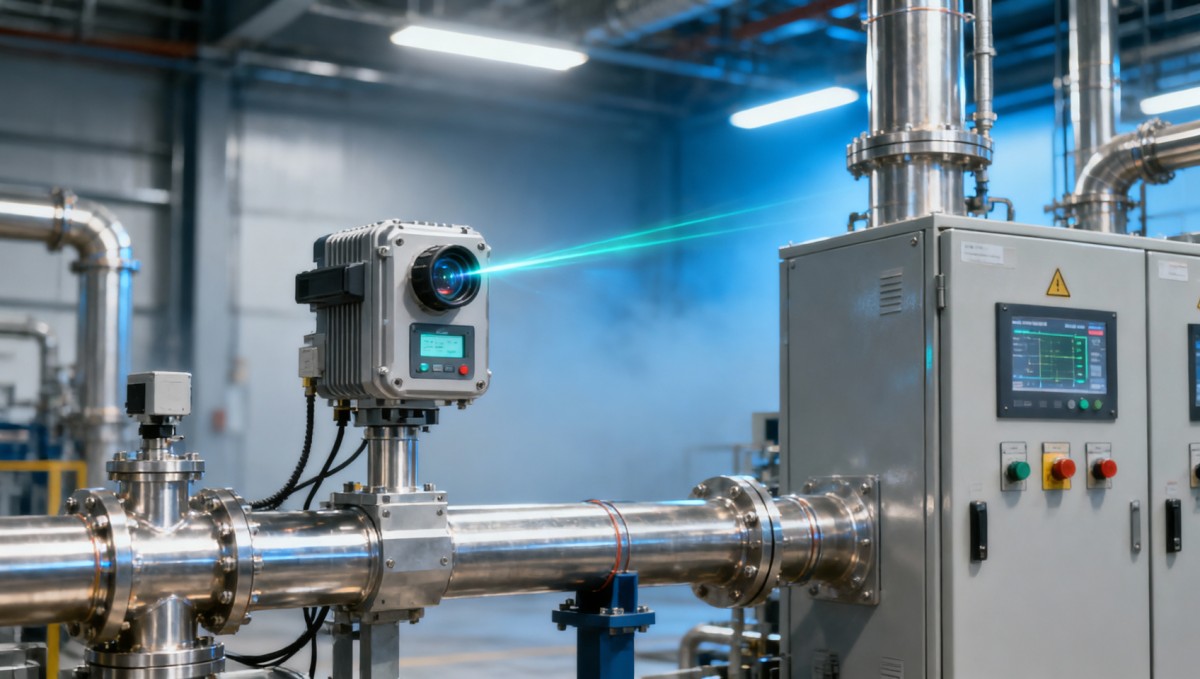
In the instrumentation industry, gas monitoring is no longer treated as a simple box-checking purchase. It now sits inside larger automation, digital transformation, and risk control strategies. Industrial manufacturing, energy and power, environmental monitoring, laboratory analysis, and construction engineering increasingly require faster response, more stable output, and better integration with control systems. As a result, laser monitor demand is rising in projects where users previously relied only on conventional oxygen monitor, infrared monitor, or electrochemical monitor solutions.
One major change is that procurement teams are comparing device value over a 3–5 year operating cycle instead of focusing only on initial price. A high accuracy detector may cost more at the start, but buyers now weigh calibration frequency, sensor drift, maintenance windows, spare parts availability, and downtime risk. For finance approvers, that means total cost of ownership matters more. For safety managers and quality teams, stable long-term monitoring and traceable data matter just as much as the purchase invoice.
Another shift comes from mixed-use environments. Facilities often combine fixed detector networks in continuous process areas with portable detector units for inspection routes, confined space work, and temporary shutdown tasks. That creates more nuanced demand. A plant may need an explosion proof monitor in a hazardous zone, a laser monitor for precise path-based gas analysis, and an oxygen monitor for routine safety verification. The purchasing logic has become scenario-driven rather than category-driven.
Project managers also face tighter implementation windows. A typical procurement cycle may allow 2–4 weeks for technical clarification, 1–3 weeks for approval, and a further 4–8 weeks for delivery depending on configuration and certification requirements. This compresses decision time. Buyers want solutions that reduce uncertainty early, especially when they must align instrument selection with DCS, PLC, SCADA, sampling systems, and plant safety procedures.
What is pushing buyers toward laser-based and higher precision detection
The move is not driven by one single factor. It is shaped by tighter process control, more demanding environmental targets, and growing expectations for measurement reliability in continuous operation. In many applications, a laser monitor is considered when users need selective detection, lower cross-interference, or better consistency over long monitoring intervals. This does not replace every thermal conductivity monitor or paramagnetic monitor, but it changes how comparative evaluation is done.
- Safer operations: hazardous production zones, tank farms, utility rooms, and enclosed process areas require continuous monitoring and faster alarm confidence.
- Smarter integration: users expect 4–20 mA, relay, Modbus, or other common communication options to feed plant control and remote diagnostics.
- More precise compliance: buyers need instruments that support repeatable verification routines, documented maintenance, and stable readings across monthly or quarterly checks.
- Longer asset planning: procurement and finance teams increasingly evaluate service intervals, consumables, and replacement cycles over multi-year deployment plans.
For distributors and engineering partners, this trend creates demand for clearer technical positioning. Customers no longer accept vague claims such as “better accuracy” without understanding response logic, environmental limitations, installation conditions, and maintenance implications. The conversation has shifted from product labels to application fit.
Which monitor type fits which application better?
A laser monitor is part of a wider decision set. Buyers still evaluate infrared monitor, electrochemical monitor, thermal conductivity monitor, paramagnetic monitor, and oxygen monitor technologies depending on gas type, concentration range, process conditions, and installation environment. The right choice depends on what must be measured, how stable the process is, and whether the instrument is used for safety alarm, quality control, process optimization, or emissions-related monitoring.
The table below helps compare common monitor types in a way that is useful for information researchers, procurement teams, and project approvers. It highlights application logic rather than marketing language, making it easier to narrow down a shortlist before technical confirmation and vendor discussion.
This comparison shows why demand is changing rather than simply expanding. Many buyers are not abandoning older technologies. Instead, they are segmenting applications more carefully. A plant may use an infrared monitor for area safety, a paramagnetic monitor for oxygen process control, and a laser monitor where higher selectivity or more demanding analytical performance is needed.
Fixed detector or portable detector: where the decision often goes wrong
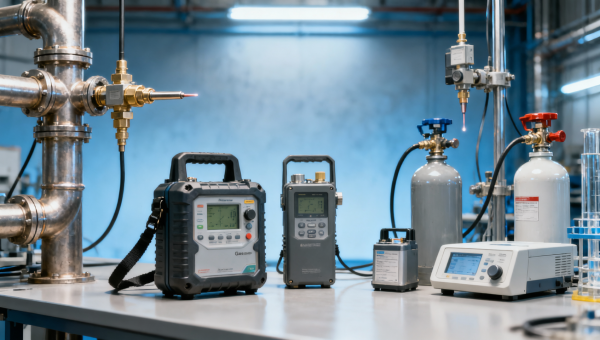
A common mistake is trying to make one instrument category cover every task. Fixed detector systems are designed for continuous monitoring, often 24/7, at known risk points. Portable detector devices are intended for route inspection, maintenance work, temporary operations, and personal safety support. Choosing between them is not only about hardware. It is about duty cycle, alarm responsibility, and record traceability.
In many projects, the better strategy is layered deployment. For example, a facility can install 8–20 fixed detector points in a process area while equipping operators with 2–6 portable detector units for maintenance rounds and confined space entry. This reduces blind spots without over-investing in permanent infrastructure where risk is occasional rather than continuous.
For distributors and system integrators, this is also a margin and service opportunity. Customers value vendors who can translate site conditions into mixed-technology deployment plans rather than pushing a single category. That advisory capability increasingly influences final supplier selection.
What should procurement teams evaluate before buying?
Procurement for a laser monitor or any gas analysis device should begin with a practical evaluation framework. Buyers often lose time when they ask for quotations before confirming the gas, range, installation zone, environmental condition, output signal, and maintenance expectation. A good pre-purchase review can shorten technical clarification by 7–10 working days and reduce later changes that affect cost and delivery.
The next table organizes key selection dimensions that matter to researchers, buyers, finance reviewers, and engineering teams. It is especially useful in the instrumentation industry, where the same monitor may perform very differently depending on sampling layout, hazardous area requirement, and connection to control architecture.
When this framework is used early, supplier comparison becomes more objective. It also helps finance teams understand why two quotations for a “gas detector” can differ significantly. The difference may come from sensing principle, enclosure rating, communication interface, sample handling, or service scope rather than simple markup.
A practical 4-step selection process
- Define the monitoring task: identify gas, concentration range, alarm purpose, and whether the point is for safety, process control, or quality monitoring.
- Confirm site conditions: review hazardous area need, temperature and humidity range, installation height, cable routing, and maintenance accessibility.
- Match technology to lifecycle needs: compare laser monitor, oxygen monitor, infrared monitor, and other options based on stability, response expectation, and service interval.
- Verify commercial fit: confirm lead time, spare parts, documentation package, commissioning support, and sample or demonstration possibilities before final approval.
This 4-step method is especially valuable in projects with multiple stakeholders. Engineers care about fit and integration. Safety teams care about alarm reliability. Financial approvers care about operating cost over 12–36 months. A structured process aligns these priorities before a purchase order is issued.
Common procurement risks that increase project cost
The first risk is selecting by sensor name only. Saying “we need an oxygen monitor” is not enough. The project may actually require process oxygen analysis, room safety warning, or portable inspection support, and each need can point to a different technology or package. The second risk is ignoring future integration. A detector that works as a stand-alone unit may create extra expense if the plant later needs centralized data collection.
The third risk is underestimating service requirements. Some sites can support monthly calibration and frequent checks. Others run with limited maintenance manpower and need lower-intervention configurations. Over a 1–3 year period, this difference can shape the true economic value more than the purchase price itself.
How compliance, safety, and operating cost influence monitor selection
Compliance is one of the strongest reasons laser monitor demand is changing. Industrial users increasingly need instruments that support documented safety procedures, maintenance traceability, and integration into formal control systems. In hazardous locations, an explosion proof monitor or equivalent suitable protection concept may be necessary. In laboratory and environmental applications, data stability, calibration records, and repeatable verification are often equally important.
It is also important to separate purchase cost from operating cost. A lower-cost detector can become expensive if it requires frequent sensor replacement, more calibration gas use, or repeated site visits. A higher accuracy detector with a more stable measurement principle may reduce intervention frequency, especially where access is difficult or shutdown windows are limited to every quarter or every 6 months.
For project leaders and finance reviewers, useful cost comparison often includes 5 items: device price, installation accessories, commissioning time, recurring maintenance, and expected replacement parts. This approach gives a clearer picture than comparing quotation totals alone. It also supports capital planning when multiple fixed detector and portable detector units must be purchased together.
Industry practice varies by site, but common review points include hazardous area suitability, enclosure protection, communication compatibility, calibration procedure, and documentation completeness. These are not abstract details. Missing one of them can delay acceptance by 1–2 weeks or force a redesign after delivery.
Where standards and documentation matter most
In real procurement, documentation can decide whether a device moves smoothly through approval. Buyers often request technical datasheets, wiring information, environmental limits, operating manuals, and any applicable conformity or safety documents. Distributors and EPC teams also look for consistency between quotation scope and final supplied documents, especially in projects that involve multiple instrument packages.
- Hazardous area projects may require confirmation of suitable protection approach and installation conditions before order release.
- Industrial online monitoring projects usually need output mapping, alarm strategy, and maintenance procedures defined before commissioning.
- Laboratory and analytical environments often focus on calibration traceability, sample condition control, and repeatability over repeated runs.
- Construction and engineering projects frequently need drawing coordination, cable schedules, and delivery milestones aligned with the broader project plan.
These requirements help explain why buyers increasingly value suppliers who can provide both technical guidance and document support. The monitor itself is only one part of a successful implementation.
FAQ: what buyers, engineers, and distributors ask most often
How do I know whether a laser monitor is better than an infrared monitor?
Start with the gas, interference conditions, required stability, and installation method. A laser monitor is often considered when selectivity and analytical precision are high priorities, especially in continuous process or path-based monitoring. An infrared monitor remains a strong option for many standard industrial gas detection tasks. The better choice depends on application detail, not trend alone. A technical review of 3–5 site variables usually resolves the decision quickly.
When should I choose a fixed detector instead of a portable detector?
Use a fixed detector when monitoring must be continuous, location-specific, and linked to alarm or control logic. Use a portable detector for temporary work, inspection routes, personal safety, or short-duration checks. Many facilities need both. A common arrangement is permanent coverage at critical points plus portable support for maintenance and confined spaces. This layered strategy often balances safety and budget better than relying on one device type.
What are the most overlooked buying factors?
The most overlooked issues are maintenance workload, spare part cycle, integration requirements, and documentation package. Buyers may compare only sensing principle and price while missing output compatibility, enclosure suitability, or service expectations. Over a 12–24 month period, these details can affect labor cost, downtime, and audit readiness more than the initial quotation difference.
How long is a typical delivery and implementation cycle?
Typical timing depends on configuration depth and certification needs. Simple standard units may move faster, while customized systems with hazardous area requirements, sampling components, or project documentation can take several weeks. In practice, buyers should plan for 2–4 weeks of technical and commercial confirmation plus additional production and shipping time. Commissioning may add another few days to 1–2 weeks depending on site readiness.
Why choose us for laser monitor selection, comparison, and project support
In the instrumentation industry, the real challenge is not finding a monitor category name. It is matching the right sensing principle, configuration, and service plan to a real operating environment. We support buyers and project teams who need practical guidance across industrial manufacturing, energy and power, environmental monitoring, laboratory analysis, construction engineering, and automation control. That includes laser monitor comparison, oxygen monitor selection, fixed detector planning, portable detector matching, and explosion proof monitor review where required.
If you are still comparing options, we can help you confirm 6 key decision points: target gas, concentration range, installation area, communication method, maintenance expectation, and documentation requirement. This saves time for information researchers, gives procurement teams a cleaner RFQ basis, helps finance reviewers understand cost differences, and reduces change orders for engineering managers.
You can contact us for parameter confirmation, product selection, delivery lead time discussion, customized solution review, certification-related questions, sample support availability, and quotation communication. If your project involves mixed scenarios, we can also help compare when a laser monitor, infrared monitor, electrochemical monitor, thermal conductivity monitor, paramagnetic monitor, or oxygen monitor is more suitable instead of forcing a one-size-fits-all recommendation.
For faster evaluation, send your gas type, expected range, installation environment, hazardous area requirement, signal output preference, and project schedule. With these basics, the selection process becomes clearer, supplier comparison becomes fairer, and the final detector choice is more likely to deliver long-term value rather than short-term compromise.
Recommended for You
 Control Sensor Delays Can Undermine Process StabilityControl sensor delays can destabilize operations. Compare paramagnetic detector, electrochemical detector, infrared detector, and oxygen detector options to find a high accuracy sensor for fixed, portable, laboratory, and monitoring sensor needs.
 Laboratory Sensor Repeatability Problems Often Start With SamplingLaboratory sensor repeatability issues often begin with sampling. Compare paramagnetic detector, electrochemical detector, infrared detector, and oxygen detector solutions to improve accuracy.
 Laboratory Sensor Selection Gets Harder With Lower Detection LimitsLaboratory sensor selection gets harder at lower limits. Compare paramagnetic detector, electrochemical detector, infrared detector, oxygen detector, fixed and portable sensor options for high accuracy monitoring and control.
 Portable Sensor Battery Loss Can Distort Long Shift MonitoringPortable sensor battery loss can distort long-shift monitoring. Compare paramagnetic detector, electrochemical detector, infrared detector and oxygen detector options for high accuracy sensor performance.
 Portable Sensor Accuracy in the Field Is Not Always What It SeemsPortable sensor accuracy can differ sharply from lab results. Compare paramagnetic detector, electrochemical detector, infrared detector, and oxygen detector performance to choose a high accuracy sensor for real field use.
 Fixed Sensor vs Portable Checks: Where Results Often DivergeExplore why fixed sensor and portable sensor readings diverge in oxygen detector systems using paramagnetic detector, electrochemical detector, and infrared detector technology.
 Oxygen Detector False Alarms Often Start With Sensor PlacementOxygen detector false alarms often start with sensor placement. Compare paramagnetic detector, electrochemical detector, and infrared detector options to improve accuracy and safety.
 Infrared Detector Response Time Can Change Your ReadingInfrared detector response time shapes alarm accuracy and stable readings. Compare paramagnetic detector, electrochemical detector, and oxygen detector options for every high accuracy sensor need.
 Infrared Detector Limits That Matter in Mixed Gas ApplicationsInfrared detector limits in mixed gas applications: compare paramagnetic detector, electrochemical detector, and oxygen detector options to choose a high accuracy sensor for portable, fixed, laboratory, control, and monitoring sensor use.
 Why Electrochemical Detector Calibration Fails More Often Than ExpectedElectrochemical detector calibration fails more often than expected—learn how a paramagnetic detector, infrared detector, or oxygen detector comparison helps you choose a high accuracy sensor for fixed, portable, laboratory, control, and monitoring sensor applications.
 Electrochemical Detector Lifespan Drops Fast Under These ConditionsElectrochemical detector lifespan can drop fast in heat, humidity, and corrosive gas. Compare paramagnetic detector, infrared detector, and oxygen detector options to choose a high accuracy sensor with lower lifecycle risk.
 Paramagnetic Detector Drift: What Usually Causes It?Paramagnetic detector drift explained: learn what causes oxygen detector errors, how it compares with electrochemical detector and infrared detector options, and how to keep a high accuracy sensor stable.
 Oxygen Monitor Export Trends in 2026Oxygen monitor export trends in 2026: explore explosion proof monitor, laser monitor, portable detector, fixed detector, and high accuracy detector demand shaping smarter buying decisions.
 Infrared Monitor Market Outlook 2026Infrared monitor market outlook 2026: compare explosion proof monitor, laser monitor, oxygen monitor, fixed detector and portable detector solutions for safer, smarter industrial projects.
 Where Electrochemical Monitors Work BestElectrochemical monitor guide: compare explosion proof monitor, infrared monitor, laser monitor, oxygen monitor, fixed detector, and portable detector for safer, smarter gas detection choices.
 Paramagnetic Monitor Import Outlook 2026Paramagnetic monitor import outlook 2026: compare explosion proof monitor, laser monitor, infrared monitor, oxygen monitor, and high accuracy detector solutions to source the right fixed or portable detector.
 Thermal Conductivity Monitor Price ShiftThermal conductivity monitor price trends explained with explosion proof monitor, laser monitor, oxygen monitor, and fixed or portable detector options for smarter, safer buying.
 How Laser Monitor Demand Is ChangingLaser monitor demand is changing as buyers compare explosion proof monitor, infrared, electrochemical, and oxygen monitor options for safer, high accuracy detector solutions.
 Oxygen Measurement System Export Demand in 2026Oxygen measurement system demand in 2026 is rising across industrial control equipment, gas quality measurement, emission control system, and process monitoring system markets. Explore key trends and smarter sourcing insights.
 Industrial Control System Trends to Watch in 2026Industrial control system trends for 2026: explore industrial control equipment, process monitoring system, gas quality measurement, oxygen measurement system, and emission control system upgrades.
 How to Improve Process Monitoring System ResultsImprove process monitoring system results with industrial control equipment, gas quality measurement, and emission measurement system strategies for smarter industrial control system performance.
 Emission Control System Import Risks in 2026Emission control system import risks in 2026: learn how industrial control equipment, gas quality measurement, and process monitoring system buyers can avoid delays, compliance issues, and costly mistakes.
 Gas Quality Control for Safer Plant OperationsGas quality control improves safer plant operations with industrial control equipment, gas quality measurement, and an emission measurement system—boost efficiency, compliance, and process monitoring performance.
 What Buyers Miss in Industrial Measurement SystemsIndustrial measurement system buying guide: compare industrial control equipment, gas quality measurement, and emission measurement system risks beyond specs to reduce downtime, cost, and audit issues.
 Process Measurement System Costs ExplainedProcess measurement system costs explained: compare industrial measurement system, gas quality measurement, oxygen measurement system, and emission measurement system options to cut risk and improve control.
 2026 Emission Measurement System Market ShiftEmission measurement system trends for 2026: discover how industrial control equipment, gas quality measurement, and smarter process monitoring systems improve compliance, efficiency, and ROI.
 Why Gas Quality Measurement Fails in the FieldGas quality measurement issues often come from industrial control equipment setup, not sensor limits. Learn how a process measurement system and emission measurement system can improve gas quality control.
 2026 Industrial Control Equipment Price OutlookIndustrial control equipment price outlook for 2026: explore trends in gas quality measurement, emission measurement system, process measurement system, and industrial control system budgeting.
 How Accurate Should an Oxygen Measurement System Be?Oxygen measurement system accuracy impacts gas quality measurement, emission control system performance, and industrial control equipment ROI—learn how to choose the right level for safer, smarter process monitoring.
 Industrial Control System: Buy New or Retrofit?Industrial control system guide: buy new or retrofit? Compare industrial control equipment, process measurement system, emission control system, and gas quality measurement for smarter ROI.
 Is a Process Monitoring System Worth Upgrading?Process monitoring system upgrade guide for industrial control equipment—improve gas quality measurement, emission measurement system performance, compliance, and smarter industrial control system decisions.
 How to Size an Emission Control SystemLearn how to size an emission control system with industrial control equipment, gas quality measurement, and a process monitoring system to improve compliance, reduce risk, and optimize cost.




Search Categories
Search Categories
Latest Article
- Control Sensor Delays Can Undermine Process StabilityControl sensor delays can destabilize operations. Compare paramagnetic detector, electrochemical detector, infrared detector, and oxygen detector options to find a high accuracy sensor for fixed, portable, laboratory, and monitoring sensor needs.Posted by:
- Laboratory Sensor Repeatability Problems Often Start With SamplingLaboratory sensor repeatability issues often begin with sampling. Compare paramagnetic detector, electrochemical detector, infrared detector, and oxygen detector solutions to improve accuracy.Posted by:
- Laboratory Sensor Selection Gets Harder With Lower Detection LimitsLaboratory sensor selection gets harder at lower limits. Compare paramagnetic detector, electrochemical detector, infrared detector, oxygen detector, fixed and portable sensor options for high accuracy monitoring and control.Posted by:
Please give us a message
