Thermal Conductivity Monitor Price Shift


Thermal conductivity monitor price shifts are increasingly influenced by application demands, compliance needs, and detector technology across industrial sectors. From explosion proof monitor and laser monitor systems to paramagnetic monitor, electrochemical monitor, infrared monitor, and oxygen monitor solutions, buyers are comparing high accuracy detector options in both fixed detector and portable detector formats to balance performance, safety, and budget.
Why Are Thermal Conductivity Monitor Prices Changing Across Industrial Markets?
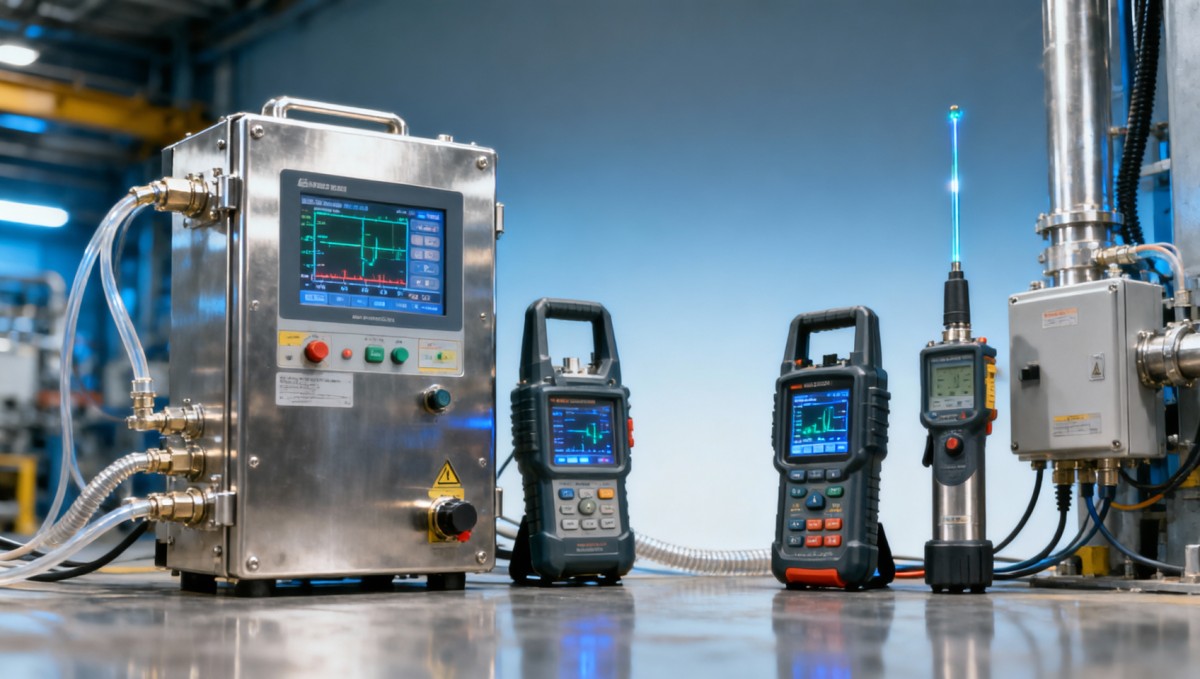
For information researchers and procurement teams, the first challenge is understanding why one thermal conductivity monitor can cost noticeably more than another even when both appear to measure the same gas property. In practice, price movement is driven by at least 4 variables: detector principle, installation environment, compliance level, and integration scope. A portable detector used for spot checks follows a different cost structure from a fixed detector designed for 24/7 process monitoring.
The instrumentation industry serves manufacturing, power, environmental monitoring, laboratory analysis, construction engineering, and automation control. That broad service range matters because thermal conductivity monitor price shift trends do not come from a single market force. A unit specified for hydrogen purity in energy applications, for example, may require faster response, higher sealing performance, and more robust signal output than a general-purpose oxygen monitor used in non-hazardous utility rooms.
Another important factor is compliance. In hazardous areas, an explosion proof monitor may need additional enclosure design, cable gland compatibility, and certification support. Those requirements often affect manufacturing lead times by 2–6 weeks compared with standard indoor models. Financial approvers usually focus on the quoted price, but safety managers and project leaders know that installation class, maintenance interval, and downtime risk can change the real ownership cost over 3–5 years.
Technology substitution also affects pricing. Buyers may compare a thermal conductivity monitor with infrared monitor, electrochemical monitor, paramagnetic monitor, or laser monitor alternatives. These are not interchangeable in every case. The suitable choice depends on gas composition, background interference, required accuracy range, and whether the application needs continuous online monitoring or periodic field inspection.
The 5 most common drivers behind price movement
- Detection technology differences, such as thermal conductivity versus infrared or paramagnetic sensing, which change component cost and application suitability.
- Process environment requirements, including corrosive gas, dust, vibration, humidity, and hazardous area installation.
- Signal and control needs, such as 4–20 mA, relay outputs, Modbus, local display, data logging, or DCS/PLC integration.
- Calibration and maintenance strategy, including sensor replacement frequency, span gas demand, and service accessibility.
- Project delivery conditions, such as small-batch orders, customization, documentation package depth, and lead time urgency of 7–15 days versus 4–8 weeks.
For distributors, agents, and end users, this means price should not be judged as an isolated number. It should be linked to detector life cycle, operating risk, and the cost of incorrect selection. A lower initial price can become a higher total project cost if the monitor requires frequent recalibration, cannot withstand the process gas, or fails to meet site certification requirements.
Which Monitor Type Fits Which Scenario Best?
A thermal conductivity monitor is often selected for binary or near-binary gas mixtures, gas purity analysis, and applications where thermal conductivity differences are meaningful and stable. However, not every plant condition favors this approach. Quality control teams, plant engineers, and project managers usually need a practical comparison before requesting quotations. The table below summarizes common detector types used across industrial instrumentation projects.
This comparison shows why thermal conductivity monitor price shift discussions should always include application matching. If the gas matrix is simple and the process objective is purity or concentration trend monitoring, thermal conductivity can offer a practical balance between cost and performance. If the stream contains multiple interfering gases, a laser monitor or infrared monitor may justify a higher price because it reduces measurement ambiguity.
Fixed detector or portable detector?
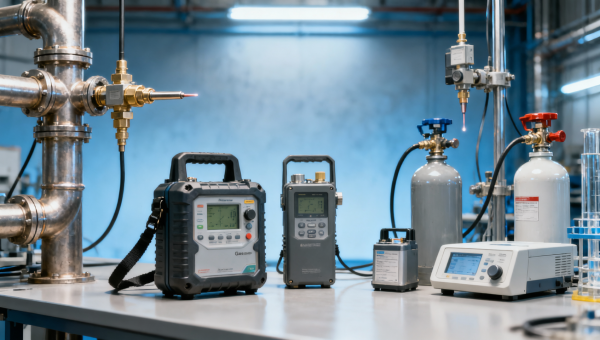
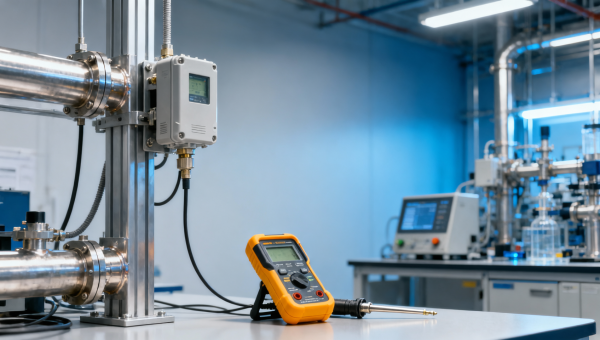
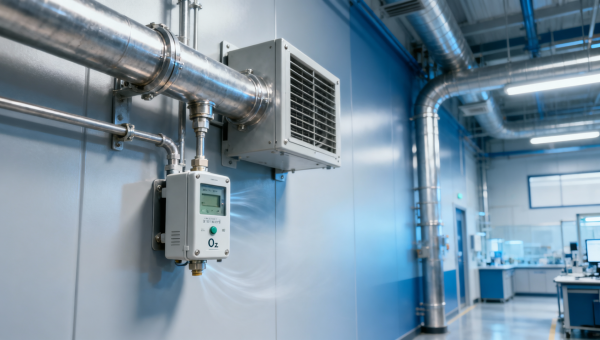
The choice between a fixed detector and a portable detector affects both capital expense and maintenance planning. Fixed detector systems are typically selected for continuous monitoring in process skids, gas cabinets, utility rooms, battery rooms, or storage areas where the instrument runs continuously for 8,000 hours or more per year. Portable detector units are more suitable for inspection rounds, commissioning checks, temporary tasks, and emergency verification.
For procurement teams, fixed systems often require additional line items beyond the sensor itself: mounting hardware, sample conditioning, alarm beacons, junction boxes, and communication modules. Portable units may look simpler, but battery management, bump test needs, and replacement sensor cost should still be reviewed over 12–24 months of use.
In complex plants, the best answer is sometimes a mixed deployment. A fixed detector provides continuous protection in critical zones, while a portable detector supports maintenance crews and confined-space entry procedures. This combined strategy is common in industrial manufacturing, energy and power, and environmental monitoring projects where risk levels vary by area.
Quick scenario checklist
- Choose fixed detector deployment when the process is continuous, alarms must trigger automatically, and data must be sent to PLC or DCS.
- Choose portable detector deployment when mobility matters, multiple locations are tested per shift, or temporary work permits require verification.
- Choose explosion proof monitor design when installed in classified areas with flammable gas or vapor exposure risk.
- Choose high accuracy detector configurations when product quality, emissions control, or process yield depends on narrow tolerance bands.
What Should Buyers Evaluate Before Comparing Prices?
Price comparison works only when technical scope is aligned. Many quotation gaps happen because one supplier includes the analyzer body only, while another includes probe, pump, filtration, calibration accessories, and output modules. To help procurement personnel, enterprise decision-makers, finance reviewers, and safety teams align expectations, the following table lists 6 core evaluation dimensions that should be confirmed before any bid review.
This framework helps decision-makers avoid comparing dissimilar quotations. It is especially useful in large instrumentation projects where one project package may include gas analysis, automatic control, laboratory instruments, and industrial online monitoring. Aligning these 6 dimensions early can shorten internal approval by several days and reduce later change orders.
A practical 4-step procurement process
- Define the gas, concentration range, process objective, and whether the monitor is for safety alarm, process optimization, or quality control.
- Confirm the installation class, including hazardous area, enclosure demand, ambient temperature, and communication requirements.
- Request like-for-like quotations with accessories, calibration scope, lead time, and after-sales terms clearly separated.
- Review total cost over 1 year, 3 years, and 5 years, not just the initial purchase line item.
This process is useful for direct users and for distributors building repeatable product portfolios. It also helps finance approvers understand why two offers with similar sensor labels may have very different implementation and support costs.
How Do Compliance, Accuracy, and Service Affect Total Cost?
A thermal conductivity monitor price shift becomes easier to understand when cost is separated into three layers: acquisition cost, implementation cost, and operating cost. Acquisition includes the analyzer, detector, display, and standard accessories. Implementation includes mounting, cabling, panel work, sampling lines, and commissioning. Operating cost includes calibration gas, replacement parts, technician time, and downtime risk. In many industrial sites, the initial purchase may represent only one part of the 3-year ownership picture.
Compliance can raise cost, but it also prevents hidden project losses. If a site requires an explosion proof monitor or documented compatibility with a hazardous area installation concept, trying to save money on a non-matching unit can create approval delays, rewiring, and safety review issues. In project execution, a 1-week procurement shortcut can lead to a 3–4 week correction cycle once engineering and EHS teams reject the configuration.
Accuracy has a similar effect. A high accuracy detector may cost more because it uses better compensation, tighter component control, or a more stable sensing arrangement. For quality-critical processes, that higher price can be justified if it reduces waste, improves consistency, or supports narrower process windows. For rough trend indication in utilities, however, a simpler monitor may be more economical.
Service design matters most when plants operate continuously. Maintenance teams should ask how often routine checks are recommended, whether field calibration can be completed in 15–30 minutes or takes longer, and whether sensor modules are replaceable on site. These details influence labor planning, especially in facilities with dozens of measurement points.
Common cost levers buyers often miss
- Sampling system complexity, including filters, pressure reducers, moisture handling, and tubing materials.
- Spare parts strategy, especially for sites that require 24/7 uptime and cannot wait 2–4 weeks for replacements.
- Commissioning scope, such as loop testing, signal mapping, alarm setpoint validation, and operator training.
- Documentation package depth, including calibration records, manuals, wiring diagrams, and maintenance instructions.
When alternatives make more sense
If the application needs selective measurement in a multi-gas environment, a laser monitor may outperform a thermal conductivity monitor despite a higher entry cost. If the main target is oxygen concentration with demanding precision, a paramagnetic monitor or dedicated oxygen monitor may provide a better fit. If the requirement is personal safety rather than continuous process control, an electrochemical monitor in portable detector form may be the most cost-effective option.
The key is to match technology to risk, not to assume the lowest quotation is the best value. In instrumentation procurement, the wrong sensing principle often costs more than a premium configuration of the correct one.
FAQ: What Do Buyers and Project Teams Ask Most Often?
The questions below reflect typical concerns from researchers, buyers, project engineers, distributors, and end users comparing thermal conductivity monitor options with other gas analysis technologies. These answers are intentionally practical so they can support early-stage screening and internal discussions.
How do I know whether a thermal conductivity monitor is the right choice?
Start with 3 checks: identify the target gas, confirm whether the gas mixture is simple or multi-component, and define the measurement goal. A thermal conductivity monitor is usually a strong candidate when gas thermal properties differ enough for reliable interpretation and when the background composition is predictable. If the process stream changes frequently or contains several interfering gases, consider whether infrared monitor or laser monitor technology provides a more stable measurement basis.
What is the usual delivery time for a fixed detector system?
For standard configurations, common lead times may fall within 2–4 weeks. Custom sampling systems, added communication modules, or explosion proof monitor requirements can extend that to 4–8 weeks depending on documentation, enclosure preparation, and test scope. Buyers should always ask whether the quotation covers only the analyzer core or the complete system package.
Is a high accuracy detector always worth the extra cost?
Not always. The answer depends on the consequence of error. If the monitor supports process yield, purity release, laboratory verification, or critical safety thresholds, a high accuracy detector may deliver strong return through better control and fewer disputes. If it is used for general trend visibility in a non-critical utility area, mid-level performance may be enough. Match the specification to the operational consequence of drift or misreading.
What are the most common purchasing mistakes?
The most frequent mistakes are comparing unlike configurations, ignoring calibration workload, and overlooking installation class. Another error is treating portable detector and fixed detector pricing as directly comparable without considering alarm logic, wiring, and integration. Buyers should also avoid selecting a monitor solely by sensor name without checking gas matrix compatibility and maintenance requirements.
How often should these monitors be checked or calibrated?
The correct interval depends on technology, process criticality, and site procedures. In many industrial environments, functional checks may be scheduled monthly or quarterly, while full calibration intervals can vary based on operating conditions and manufacturer guidance. Sites with harsh temperature swings, vibration, or contaminating gases often require shorter verification cycles than clean indoor laboratories.
Why Choose Us for Thermal Conductivity Monitor Selection and Quotation Support?
In instrumentation projects, buyers rarely need only a product list. They need clear judgment on monitor type, detector format, installation risk, lead time, and document scope. We support that decision process by combining application analysis with practical procurement logic across industrial manufacturing, energy and power, environmental monitoring, laboratory systems, construction engineering, and automation control.
If you are comparing a thermal conductivity monitor with an oxygen monitor, paramagnetic monitor, electrochemical monitor, infrared monitor, or laser monitor, we can help you narrow the selection based on gas composition, process objective, fixed detector versus portable detector use, and hazardous area requirements. This saves time for researchers, helps procurement prepare comparable RFQs, and gives finance teams a clearer basis for approval.
You can contact us for 6 practical topics: parameter confirmation, application matching, delivery cycle review, customized solution discussion, certification and compliance checks, and sample or quotation communication. If your project includes multiple monitoring points, retrofit work, or distributor planning, we can also help separate standard items from customized scope so budgeting becomes easier.
Send your gas type, concentration range, installation environment, required outputs, and project timeline. With those 5 details, the selection process becomes faster and the quotation more accurate. That is the most reliable way to respond to thermal conductivity monitor price shift questions with a solution that fits performance, safety, and budget.
Recommended for You
 Control Sensor Delays Can Undermine Process StabilityControl sensor delays can destabilize operations. Compare paramagnetic detector, electrochemical detector, infrared detector, and oxygen detector options to find a high accuracy sensor for fixed, portable, laboratory, and monitoring sensor needs.
 Laboratory Sensor Repeatability Problems Often Start With SamplingLaboratory sensor repeatability issues often begin with sampling. Compare paramagnetic detector, electrochemical detector, infrared detector, and oxygen detector solutions to improve accuracy.
 Laboratory Sensor Selection Gets Harder With Lower Detection LimitsLaboratory sensor selection gets harder at lower limits. Compare paramagnetic detector, electrochemical detector, infrared detector, oxygen detector, fixed and portable sensor options for high accuracy monitoring and control.
 Portable Sensor Battery Loss Can Distort Long Shift MonitoringPortable sensor battery loss can distort long-shift monitoring. Compare paramagnetic detector, electrochemical detector, infrared detector and oxygen detector options for high accuracy sensor performance.
 Portable Sensor Accuracy in the Field Is Not Always What It SeemsPortable sensor accuracy can differ sharply from lab results. Compare paramagnetic detector, electrochemical detector, infrared detector, and oxygen detector performance to choose a high accuracy sensor for real field use.
 Fixed Sensor vs Portable Checks: Where Results Often DivergeExplore why fixed sensor and portable sensor readings diverge in oxygen detector systems using paramagnetic detector, electrochemical detector, and infrared detector technology.
 Oxygen Detector False Alarms Often Start With Sensor PlacementOxygen detector false alarms often start with sensor placement. Compare paramagnetic detector, electrochemical detector, and infrared detector options to improve accuracy and safety.
 Infrared Detector Response Time Can Change Your ReadingInfrared detector response time shapes alarm accuracy and stable readings. Compare paramagnetic detector, electrochemical detector, and oxygen detector options for every high accuracy sensor need.
 Infrared Detector Limits That Matter in Mixed Gas ApplicationsInfrared detector limits in mixed gas applications: compare paramagnetic detector, electrochemical detector, and oxygen detector options to choose a high accuracy sensor for portable, fixed, laboratory, control, and monitoring sensor use.
 Why Electrochemical Detector Calibration Fails More Often Than ExpectedElectrochemical detector calibration fails more often than expected—learn how a paramagnetic detector, infrared detector, or oxygen detector comparison helps you choose a high accuracy sensor for fixed, portable, laboratory, control, and monitoring sensor applications.
 Electrochemical Detector Lifespan Drops Fast Under These ConditionsElectrochemical detector lifespan can drop fast in heat, humidity, and corrosive gas. Compare paramagnetic detector, infrared detector, and oxygen detector options to choose a high accuracy sensor with lower lifecycle risk.
 Paramagnetic Detector Drift: What Usually Causes It?Paramagnetic detector drift explained: learn what causes oxygen detector errors, how it compares with electrochemical detector and infrared detector options, and how to keep a high accuracy sensor stable.
 Oxygen Monitor Export Trends in 2026Oxygen monitor export trends in 2026: explore explosion proof monitor, laser monitor, portable detector, fixed detector, and high accuracy detector demand shaping smarter buying decisions.
 Infrared Monitor Market Outlook 2026Infrared monitor market outlook 2026: compare explosion proof monitor, laser monitor, oxygen monitor, fixed detector and portable detector solutions for safer, smarter industrial projects.
 Where Electrochemical Monitors Work BestElectrochemical monitor guide: compare explosion proof monitor, infrared monitor, laser monitor, oxygen monitor, fixed detector, and portable detector for safer, smarter gas detection choices.
 Paramagnetic Monitor Import Outlook 2026Paramagnetic monitor import outlook 2026: compare explosion proof monitor, laser monitor, infrared monitor, oxygen monitor, and high accuracy detector solutions to source the right fixed or portable detector.
 Thermal Conductivity Monitor Price ShiftThermal conductivity monitor price trends explained with explosion proof monitor, laser monitor, oxygen monitor, and fixed or portable detector options for smarter, safer buying.
 How Laser Monitor Demand Is ChangingLaser monitor demand is changing as buyers compare explosion proof monitor, infrared, electrochemical, and oxygen monitor options for safer, high accuracy detector solutions.
 Oxygen Measurement System Export Demand in 2026Oxygen measurement system demand in 2026 is rising across industrial control equipment, gas quality measurement, emission control system, and process monitoring system markets. Explore key trends and smarter sourcing insights.
 Industrial Control System Trends to Watch in 2026Industrial control system trends for 2026: explore industrial control equipment, process monitoring system, gas quality measurement, oxygen measurement system, and emission control system upgrades.
 How to Improve Process Monitoring System ResultsImprove process monitoring system results with industrial control equipment, gas quality measurement, and emission measurement system strategies for smarter industrial control system performance.
 Emission Control System Import Risks in 2026Emission control system import risks in 2026: learn how industrial control equipment, gas quality measurement, and process monitoring system buyers can avoid delays, compliance issues, and costly mistakes.
 Gas Quality Control for Safer Plant OperationsGas quality control improves safer plant operations with industrial control equipment, gas quality measurement, and an emission measurement system—boost efficiency, compliance, and process monitoring performance.
 What Buyers Miss in Industrial Measurement SystemsIndustrial measurement system buying guide: compare industrial control equipment, gas quality measurement, and emission measurement system risks beyond specs to reduce downtime, cost, and audit issues.
 Process Measurement System Costs ExplainedProcess measurement system costs explained: compare industrial measurement system, gas quality measurement, oxygen measurement system, and emission measurement system options to cut risk and improve control.
 2026 Emission Measurement System Market ShiftEmission measurement system trends for 2026: discover how industrial control equipment, gas quality measurement, and smarter process monitoring systems improve compliance, efficiency, and ROI.
 Why Gas Quality Measurement Fails in the FieldGas quality measurement issues often come from industrial control equipment setup, not sensor limits. Learn how a process measurement system and emission measurement system can improve gas quality control.
 2026 Industrial Control Equipment Price OutlookIndustrial control equipment price outlook for 2026: explore trends in gas quality measurement, emission measurement system, process measurement system, and industrial control system budgeting.
 How Accurate Should an Oxygen Measurement System Be?Oxygen measurement system accuracy impacts gas quality measurement, emission control system performance, and industrial control equipment ROI—learn how to choose the right level for safer, smarter process monitoring.
 Industrial Control System: Buy New or Retrofit?Industrial control system guide: buy new or retrofit? Compare industrial control equipment, process measurement system, emission control system, and gas quality measurement for smarter ROI.
 Is a Process Monitoring System Worth Upgrading?Process monitoring system upgrade guide for industrial control equipment—improve gas quality measurement, emission measurement system performance, compliance, and smarter industrial control system decisions.
 How to Size an Emission Control SystemLearn how to size an emission control system with industrial control equipment, gas quality measurement, and a process monitoring system to improve compliance, reduce risk, and optimize cost.



Search Categories
Search Categories
Latest Article
- Control Sensor Delays Can Undermine Process StabilityControl sensor delays can destabilize operations. Compare paramagnetic detector, electrochemical detector, infrared detector, and oxygen detector options to find a high accuracy sensor for fixed, portable, laboratory, and monitoring sensor needs.Posted by:
- Laboratory Sensor Repeatability Problems Often Start With SamplingLaboratory sensor repeatability issues often begin with sampling. Compare paramagnetic detector, electrochemical detector, infrared detector, and oxygen detector solutions to improve accuracy.Posted by:
- Laboratory Sensor Selection Gets Harder With Lower Detection LimitsLaboratory sensor selection gets harder at lower limits. Compare paramagnetic detector, electrochemical detector, infrared detector, oxygen detector, fixed and portable sensor options for high accuracy monitoring and control.Posted by:
Please give us a message
