Oxygen Monitor Export Trends in 2026


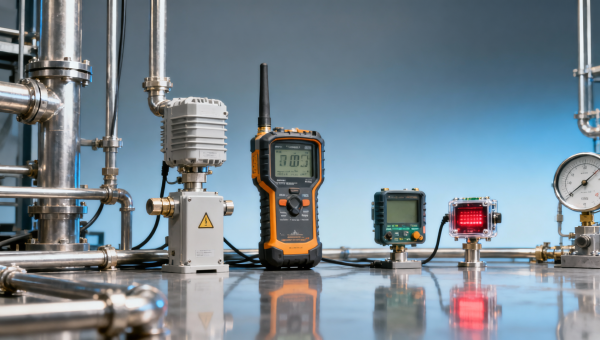
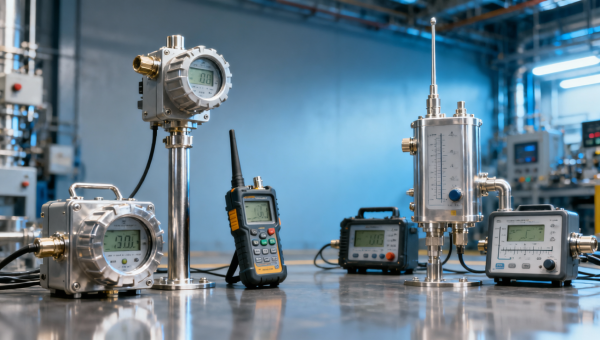
As global demand for safer and smarter gas analysis grows, oxygen monitor export trends in 2026 are drawing attention from buyers, project leaders, and distributors alike. From explosion proof monitor and portable detector solutions to laser monitor, thermal conductivity monitor, paramagnetic monitor, electrochemical monitor, infrared monitor, high accuracy detector, and fixed detector technologies, the market is evolving toward higher precision, compliance, and broader industrial use.
For most readers searching this topic, the core question is not simply whether exports will rise or fall. It is which oxygen monitor categories are gaining traction, what buying criteria are becoming non-negotiable, how regulations and application demands are changing export opportunities, and how to make lower-risk purchasing or channel decisions in 2026. The short answer: export demand is expected to remain solid, but buyers are becoming more selective. Accuracy, certification, long-term stability, integration capability, and supplier reliability now matter more than headline price alone.
What oxygen monitor export trends in 2026 really mean for buyers and suppliers
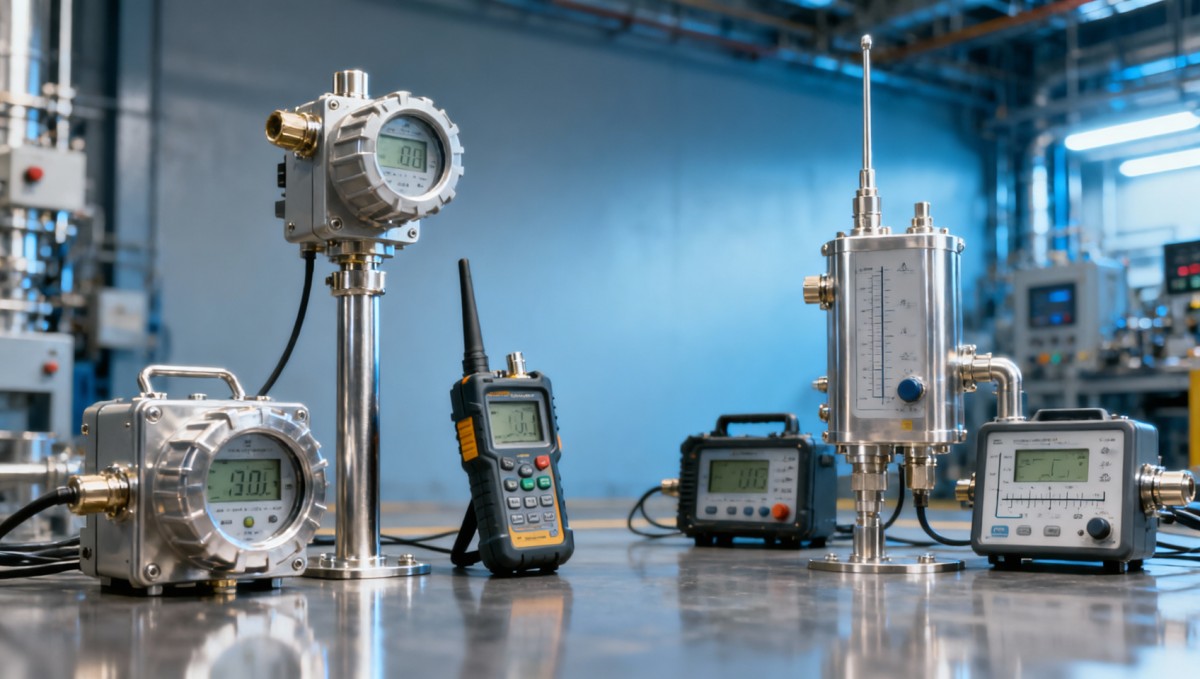
The oxygen monitor export market in 2026 is shaped by a combination of industrial safety upgrades, tighter environmental and workplace compliance, more automated production systems, and broader use of continuous gas analysis in energy, medical, laboratory, and manufacturing settings. This means export growth is no longer driven only by volume. It is increasingly driven by application-specific demand.
For procurement teams and business decision-makers, this shift changes how products should be evaluated. A portable detector for confined space inspection, for example, is judged differently from a fixed detector used in process safety systems. Likewise, a paramagnetic monitor for high-precision oxygen measurement serves very different needs than an electrochemical monitor designed for cost-sensitive routine monitoring.
In practical terms, 2026 export trends suggest several things:
- Demand is moving toward more specialized oxygen monitoring solutions rather than one-size-fits-all products.
- Certified and application-matched devices are winning more export projects than low-cost generic units.
- Distributors and project buyers increasingly favor manufacturers that can support documentation, calibration, integration, and after-sales service.
- Digital features such as remote monitoring, signal output compatibility, and system integration are becoming stronger buying factors.
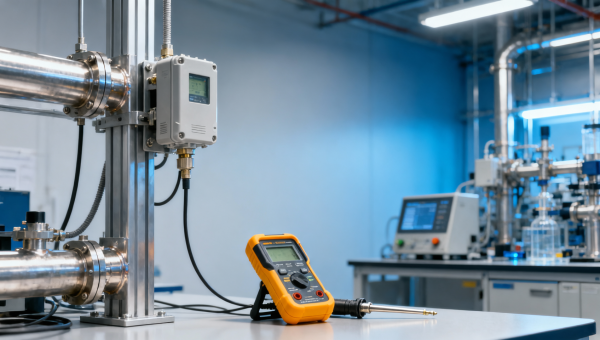
This is especially important in the instrumentation industry, where oxygen monitoring is often part of a broader measurement and control environment. Export success in 2026 is strongly linked to whether a product fits modern industrial automation and safety requirements.
Which oxygen monitor types are seeing stronger export interest
Not all technologies are growing at the same pace. Buyers, distributors, and engineering teams are paying closer attention to performance in real operating conditions, maintenance requirements, and total lifecycle cost.
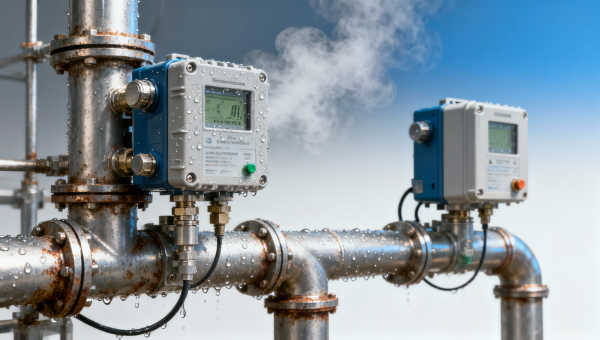
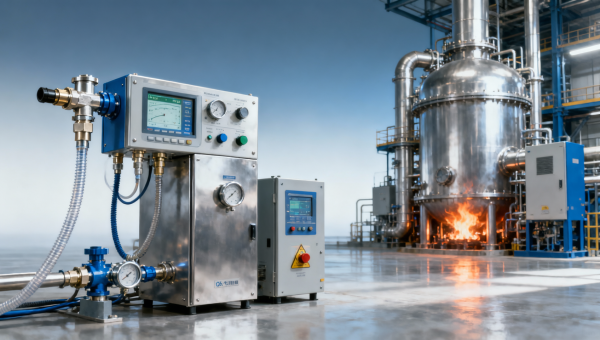
Explosion proof monitor demand remains strong in oil and gas, chemical processing, mining, and hazardous-area industrial plants. Export buyers in these sectors are highly sensitive to certification, enclosure quality, and long-term reliability under harsh conditions. Products without recognized compliance marks may struggle, even if they are competitively priced.
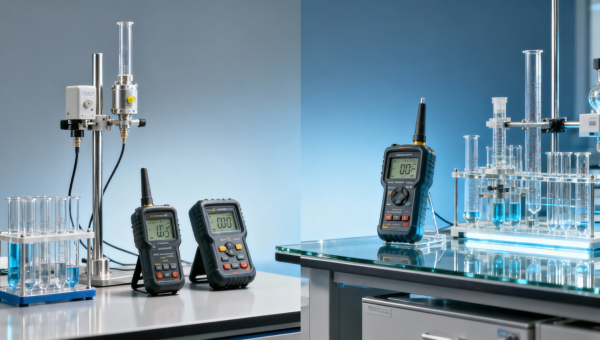
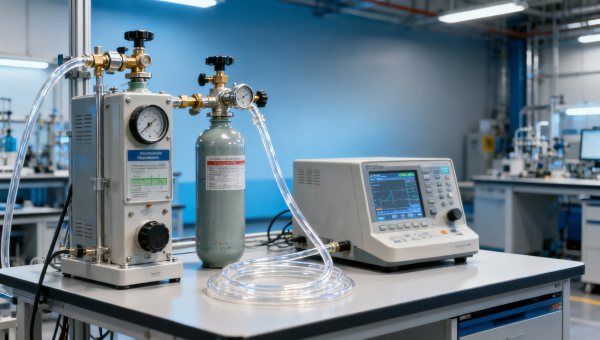
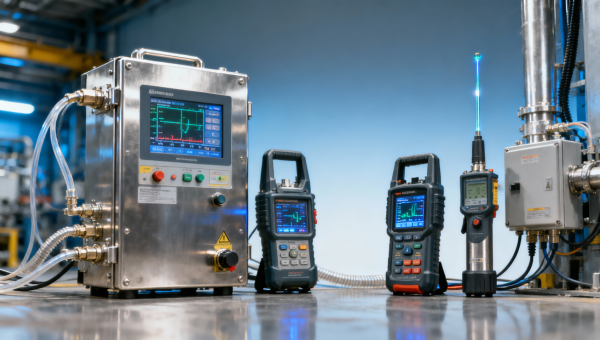
Portable detector exports are likely to remain healthy due to continued focus on worker safety, emergency inspection, maintenance routines, and temporary worksite assessment. End users often care about response time, battery life, portability, alarm clarity, and ease of calibration.
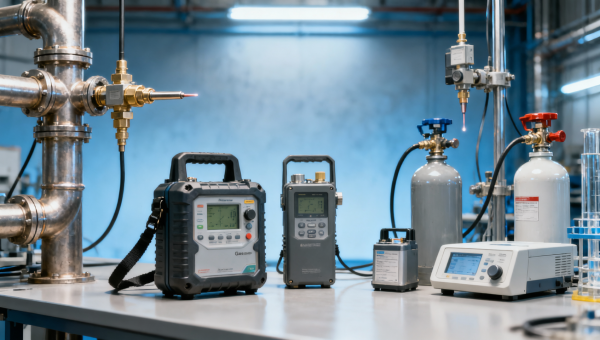
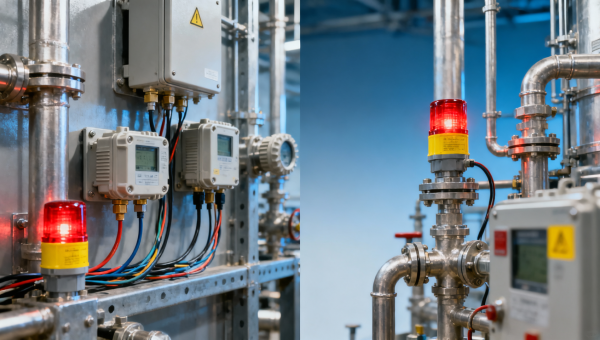
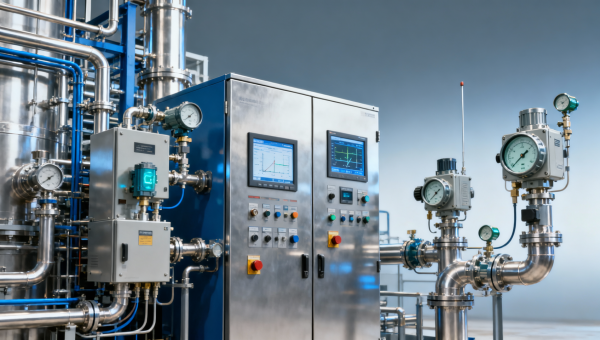
Fixed detector systems are seeing stable to rising demand because more facilities are moving toward continuous monitoring rather than periodic manual checks. This is especially true in industrial automation, utilities, cleanrooms, storage systems, and process environments where uninterrupted monitoring reduces risk.
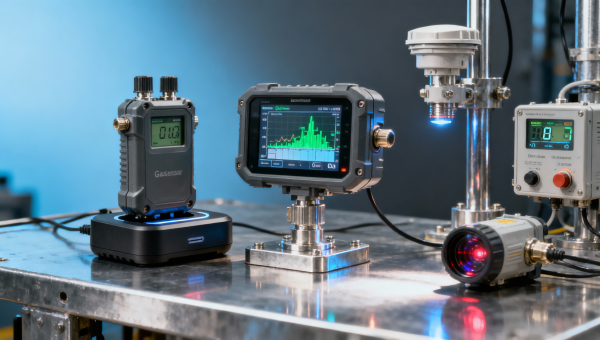
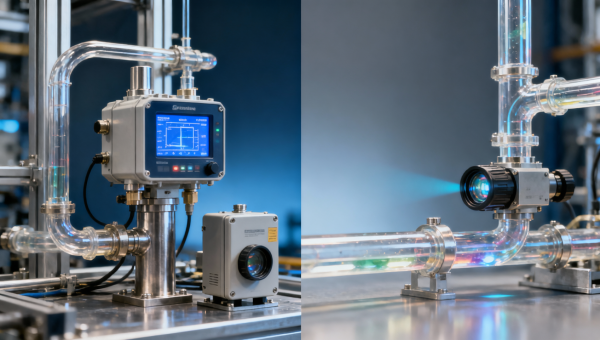
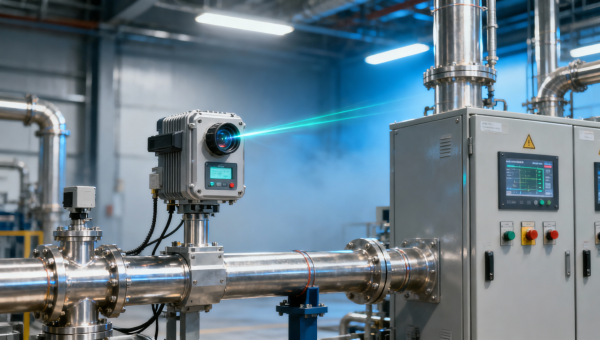
Paramagnetic monitor and laser monitor solutions are attracting attention in higher-end applications that require precision, stability, and advanced process control. These technologies are often favored where measurement quality directly affects production efficiency, product quality, or compliance outcomes.
Electrochemical monitor products continue to hold a large share because they are practical and cost-effective for many standard uses. However, in export markets, buyers are increasingly comparing sensor lifespan, replacement cost, cross-sensitivity behavior, and calibration frequency rather than just upfront price.
Thermal conductivity monitor and infrared monitor demand is more application dependent. Where gas composition analysis involves mixed gases or process-specific measurement logic, these technologies can be highly relevant. Export opportunities often depend on whether suppliers can explain the application fit clearly.
High accuracy detector products are benefiting from growth in laboratory analysis, semiconductor-related processes, specialty manufacturing, medical environments, and advanced industrial quality control. In these segments, data confidence matters enough that buyers are willing to pay more for dependable performance.
What target readers care about most before making a purchase or channel decision
Although the audience includes many roles, their concerns overlap around one central issue: risk reduction. They want to avoid buying the wrong monitor, selecting an unreliable supplier, or approving a system that later fails compliance, performance, or project expectations.
Information researchers want a realistic market picture, not broad claims. They need to understand where demand is growing and which technologies are becoming more relevant.
Procurement personnel usually focus on price-performance balance, certification, lead time, service support, replacement parts, and consistency across batches.
Business decision-makers and financial approvers care about return on investment, operational risk, maintenance cost, product lifespan, and the commercial reliability of the export partner.
Quality control and safety managers are more likely to prioritize measurement stability, compliance alignment, alarm reliability, calibration traceability, and suitability for hazardous or regulated environments.
Project managers and engineering leaders want to know whether the oxygen monitor integrates smoothly into broader systems, whether installation is straightforward, and whether deployment risk is manageable.
Distributors, agents, and resellers need products that are not only competitive but also supportable. They care about documentation, local market fit, training needs, product differentiation, and warranty handling.
End consumers, especially in smaller or simpler use cases, are more likely to focus on usability, accuracy credibility, maintenance burden, and whether the monitor solves a clear safety problem.
How to judge the export value of an oxygen monitor in 2026
A product with export potential in 2026 is not just technically functional. It must also be easy to specify, certify, deploy, maintain, and trust. Buyers can use the following criteria to evaluate real value.
- Application fit: Is the monitor designed for industrial safety, laboratory use, medical support, environmental monitoring, or process control? Good export products clearly match target use cases.
- Measurement performance: Accuracy, repeatability, response time, drift behavior, and stability over time are critical, especially in regulated or precision-sensitive applications.
- Compliance and certification: For many export markets, this is a gatekeeping factor. Hazardous-area approvals, electrical safety compliance, and quality system documentation can directly affect purchasing decisions.
- Maintenance requirements: Buyers increasingly look at calibration intervals, sensor replacement cycles, spare part availability, and service complexity.
- System compatibility: Output signals, communication protocols, controller integration, and compatibility with plant automation systems can make or break a project decision.
- Supplier responsiveness: Export buyers value technical communication, documentation speed, customization support, and after-sales reliability.
In short, the most competitive oxygen monitor exports in 2026 are those that reduce uncertainty for the buyer. That includes technical uncertainty, compliance uncertainty, and operational uncertainty.
Why compliance, documentation, and service are becoming stronger export drivers
One of the most important oxygen monitor export trends in 2026 is that buyers are increasingly rewarding suppliers that make procurement easier, not just cheaper. Many projects now involve internal review from engineering, safety, quality, and finance teams. A supplier that can provide complete documentation often gains an advantage over one offering only a lower quote.
This includes:
- Clear datasheets with realistic specifications
- Calibration and test records
- Certification and compliance documents
- Installation and maintenance manuals
- Spare parts lists and service recommendations
- Application guidance for correct product selection
For distributors and channel partners, this matters even more. A strong product without strong support is harder to sell repeatedly. In many export markets, buyers prefer long-term supply confidence over short-term cost savings. This is especially true for fixed detector systems and high accuracy detector applications where downtime or bad readings can create costly consequences.
Where the best opportunities may be in 2026
The strongest opportunities are likely to appear where safety, automation, and process optimization overlap. These include industrial manufacturing, energy and power, environmental monitoring, medical testing, laboratory analysis, and automated facilities that depend on continuous gas measurement.
Several opportunity patterns are worth watching:
- Industrial upgrading projects: Facilities modernizing older systems often replace basic gas monitoring equipment with more connected and reliable oxygen monitor solutions.
- Safety compliance investments: Hazardous industries continue to invest in explosion proof monitor and fixed detector systems to reduce incident risk.
- Portable safety demand: Construction, service inspection, utilities, and field maintenance continue to support portable detector demand.
- Precision-driven sectors: High-value manufacturing and laboratory environments create room for paramagnetic monitor, laser monitor, and high accuracy detector exports.
- Integrated instrumentation projects: Buyers often prefer vendors that understand broader instrumentation and control environments, not just standalone gas devices.
For suppliers and channel partners, one of the clearest conclusions is that export growth is easier to capture when products are positioned by application value rather than generic product category alone.
Common mistakes buyers should avoid when evaluating oxygen monitor suppliers
Many purchasing problems in this market come from evaluating products too narrowly. A low initial quote can become expensive if the monitor fails to meet technical, compliance, or maintenance expectations.
Common mistakes include:
- Choosing by upfront price without checking sensor life, calibration frequency, and total operating cost
- Ignoring certification requirements until late in the approval process
- Using the wrong sensing technology for the actual gas environment
- Overlooking integration needs with control systems or alarm infrastructure
- Failing to assess supplier documentation quality and after-sales capability
- Assuming all high accuracy claims are equal without reviewing test standards and long-term stability
For buyers managing capital equipment or safety-critical procurement, a better approach is to compare suppliers using a weighted decision framework that includes technical fit, support quality, compliance readiness, lifecycle cost, and delivery reliability.
Conclusion: the 2026 oxygen monitor export market favors precision, fit, and trust
Oxygen monitor export trends in 2026 point to a market that is still growing, but becoming more selective and more professional. Buyers are no longer looking only for available stock or low pricing. They want monitors that fit the application, support compliance, integrate with modern systems, and reduce operational risk over time.
Whether the need is for an explosion proof monitor, portable detector, fixed detector, laser monitor, thermal conductivity monitor, paramagnetic monitor, electrochemical monitor, infrared monitor, or high accuracy detector, the best decisions will come from matching technology to use case and supplier capability to project reality.
For procurement teams, distributors, project managers, and business leaders, the clearest takeaway is this: in 2026, export success in oxygen monitoring will depend less on broad market hype and more on measurable product value, reliable support, and confidence in long-term performance.
Recommended for You
 Monitoring Sensor Data Looks Stable Until These Errors Show UpMonitoring sensor errors can hide behind stable data. Compare paramagnetic detector, electrochemical detector, infrared detector, and oxygen detector options for safer, high accuracy sensor selection.
 What Makes a Control Sensor Reliable in Harsh Environments?Control sensor reliability in harsh environments starts with the right oxygen detector, infrared detector, electrochemical detector, or paramagnetic detector for accurate, dependable monitoring.
 Control Sensor Delays Can Undermine Process StabilityControl sensor delays can destabilize operations. Compare paramagnetic detector, electrochemical detector, infrared detector, and oxygen detector options to find a high accuracy sensor for fixed, portable, laboratory, and monitoring sensor needs.
 Laboratory Sensor Repeatability Problems Often Start With SamplingLaboratory sensor repeatability issues often begin with sampling. Compare paramagnetic detector, electrochemical detector, infrared detector, and oxygen detector solutions to improve accuracy.
 Laboratory Sensor Selection Gets Harder With Lower Detection LimitsLaboratory sensor selection gets harder at lower limits. Compare paramagnetic detector, electrochemical detector, infrared detector, oxygen detector, fixed and portable sensor options for high accuracy monitoring and control.
 Portable Sensor Battery Loss Can Distort Long Shift MonitoringPortable sensor battery loss can distort long-shift monitoring. Compare paramagnetic detector, electrochemical detector, infrared detector and oxygen detector options for high accuracy sensor performance.
 Portable Sensor Accuracy in the Field Is Not Always What It SeemsPortable sensor accuracy can differ sharply from lab results. Compare paramagnetic detector, electrochemical detector, infrared detector, and oxygen detector performance to choose a high accuracy sensor for real field use.
 Fixed Sensor vs Portable Checks: Where Results Often DivergeExplore why fixed sensor and portable sensor readings diverge in oxygen detector systems using paramagnetic detector, electrochemical detector, and infrared detector technology.
 High Accuracy Sensor Claims: Which Specs Actually Prove It?High accuracy sensor selection starts with the right specs. Compare paramagnetic detector, electrochemical detector, infrared detector, and oxygen detector options for fixed, portable, laboratory, control, and monitoring sensor use.
 What Shortens the Service Life of an Oxygen Detector?Oxygen detector service life can drop fast due to heat, moisture, contamination, and poor calibration. Compare paramagnetic detector, electrochemical detector, and infrared detector solutions now.
 Oxygen Detector False Alarms Often Start With Sensor PlacementOxygen detector false alarms often start with sensor placement. Compare paramagnetic detector, electrochemical detector, and infrared detector options to improve accuracy and safety.
 Infrared Detector Response Time Can Change Your ReadingInfrared detector response time shapes alarm accuracy and stable readings. Compare paramagnetic detector, electrochemical detector, and oxygen detector options for every high accuracy sensor need.
 Infrared Detector Limits That Matter in Mixed Gas ApplicationsInfrared detector limits in mixed gas applications: compare paramagnetic detector, electrochemical detector, and oxygen detector options to choose a high accuracy sensor for portable, fixed, laboratory, control, and monitoring sensor use.
 Why Electrochemical Detector Calibration Fails More Often Than ExpectedElectrochemical detector calibration fails more often than expected—learn how a paramagnetic detector, infrared detector, or oxygen detector comparison helps you choose a high accuracy sensor for fixed, portable, laboratory, control, and monitoring sensor applications.
 Electrochemical Detector Lifespan Drops Fast Under These ConditionsElectrochemical detector lifespan can drop fast in heat, humidity, and corrosive gas. Compare paramagnetic detector, infrared detector, and oxygen detector options to choose a high accuracy sensor with lower lifecycle risk.
 Paramagnetic Detector Drift: What Usually Causes It?Paramagnetic detector drift explained: learn what causes oxygen detector errors, how it compares with electrochemical detector and infrared detector options, and how to keep a high accuracy sensor stable.
 Fixed Detector Setup Mistakes to AvoidFixed detector setup mistakes can impact safety and costs. Learn how explosion proof monitor, oxygen monitor, infrared monitor, and portable detector users avoid false readings.
 High Accuracy Detector Selection TipsHigh accuracy detector selection tips for fixed detector and portable detector needs, covering explosion proof monitor, oxygen monitor, infrared monitor, and more for safer, smarter buying.
 Oxygen Monitor Export Trends in 2026Oxygen monitor export trends in 2026: explore explosion proof monitor, laser monitor, portable detector, fixed detector, and high accuracy detector demand shaping smarter buying decisions.
 Infrared Monitor Market Outlook 2026Infrared monitor market outlook 2026: compare explosion proof monitor, laser monitor, oxygen monitor, fixed detector and portable detector solutions for safer, smarter industrial projects.
 Where Electrochemical Monitors Work BestElectrochemical monitor guide: compare explosion proof monitor, infrared monitor, laser monitor, oxygen monitor, fixed detector, and portable detector for safer, smarter gas detection choices.
 Paramagnetic Monitor Import Outlook 2026Paramagnetic monitor import outlook 2026: compare explosion proof monitor, laser monitor, infrared monitor, oxygen monitor, and high accuracy detector solutions to source the right fixed or portable detector.
 Thermal Conductivity Monitor Price ShiftThermal conductivity monitor price trends explained with explosion proof monitor, laser monitor, oxygen monitor, and fixed or portable detector options for smarter, safer buying.
 How Laser Monitor Demand Is ChangingLaser monitor demand is changing as buyers compare explosion proof monitor, infrared, electrochemical, and oxygen monitor options for safer, high accuracy detector solutions.
 Oxygen Measurement System Export Demand in 2026Oxygen measurement system demand in 2026 is rising across industrial control equipment, gas quality measurement, emission control system, and process monitoring system markets. Explore key trends and smarter sourcing insights.
 Industrial Control System Trends to Watch in 2026Industrial control system trends for 2026: explore industrial control equipment, process monitoring system, gas quality measurement, oxygen measurement system, and emission control system upgrades.
 How to Improve Process Monitoring System ResultsImprove process monitoring system results with industrial control equipment, gas quality measurement, and emission measurement system strategies for smarter industrial control system performance.
 Emission Control System Import Risks in 2026Emission control system import risks in 2026: learn how industrial control equipment, gas quality measurement, and process monitoring system buyers can avoid delays, compliance issues, and costly mistakes.
 Gas Quality Control for Safer Plant OperationsGas quality control improves safer plant operations with industrial control equipment, gas quality measurement, and an emission measurement system—boost efficiency, compliance, and process monitoring performance.
 What Buyers Miss in Industrial Measurement SystemsIndustrial measurement system buying guide: compare industrial control equipment, gas quality measurement, and emission measurement system risks beyond specs to reduce downtime, cost, and audit issues.
 Process Measurement System Costs ExplainedProcess measurement system costs explained: compare industrial measurement system, gas quality measurement, oxygen measurement system, and emission measurement system options to cut risk and improve control.
 2026 Emission Measurement System Market ShiftEmission measurement system trends for 2026: discover how industrial control equipment, gas quality measurement, and smarter process monitoring systems improve compliance, efficiency, and ROI.





Search Categories
Search Categories
Latest Article
- Monitoring Sensor Data Looks Stable Until These Errors Show UpMonitoring sensor errors can hide behind stable data. Compare paramagnetic detector, electrochemical detector, infrared detector, and oxygen detector options for safer, high accuracy sensor selection.Posted by:
- What Makes a Control Sensor Reliable in Harsh Environments?Control sensor reliability in harsh environments starts with the right oxygen detector, infrared detector, electrochemical detector, or paramagnetic detector for accurate, dependable monitoring.Posted by:
- Control Sensor Delays Can Undermine Process StabilityControl sensor delays can destabilize operations. Compare paramagnetic detector, electrochemical detector, infrared detector, and oxygen detector options to find a high accuracy sensor for fixed, portable, laboratory, and monitoring sensor needs.Posted by:
Please give us a message
