Electrochemical Detector Lifespan Drops Fast Under These Conditions


Electrochemical detector lifespan often declines faster than users expect not because the sensor is poorly made, but because real operating conditions are harsher than the specification sheet suggests. Heat, humidity, corrosive gases, frequent exposure peaks, poor calibration routines, and weak maintenance discipline can all shorten service life dramatically. For operators, engineers, buyers, and project decision-makers comparing a paramagnetic detector, infrared detector, or oxygen detector, the key question is not only accuracy on day one, but how stable and economical the detector remains over time. This article explains which conditions accelerate aging, how different application environments affect a high accuracy sensor, and what practical steps can extend the working life of a fixed sensor, portable sensor, laboratory sensor, control sensor, or monitoring sensor.
Why does an electrochemical detector fail earlier than expected?
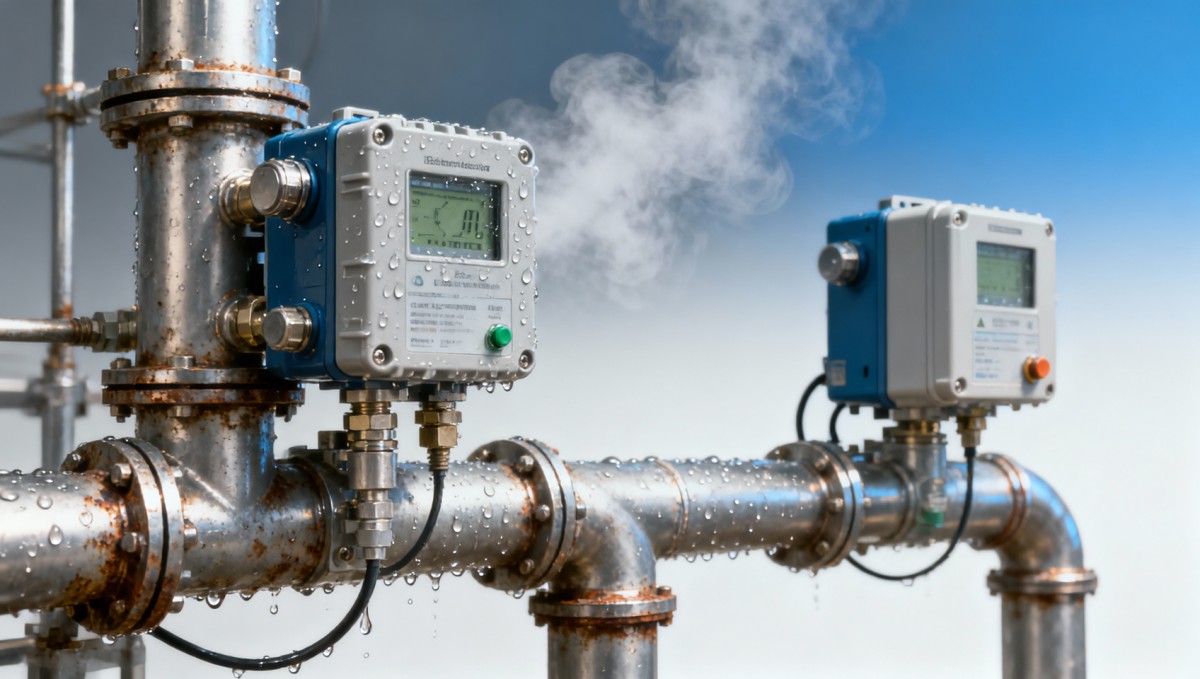
The core search intent behind this topic is practical: readers want to know why an electrochemical detector loses sensitivity, drifts, or needs replacement much earlier than the nominal lifespan promised in product literature. They are also trying to judge whether the problem comes from the sensor type, the site environment, operating habits, or maintenance quality.
In real applications, electrochemical detectors do not age at a constant rate. Their lifespan is highly dependent on exposure conditions. A sensor rated for multiple years in controlled use may decline much sooner in high-temperature plants, humid utility rooms, wastewater stations, chemical storage areas, mobile inspection work, or continuous online monitoring systems with frequent gas challenges.
For most users, the most important conclusion is simple: rapid lifespan loss is usually predictable. If the environment includes heat, moisture, contaminant gases, repeated over-range exposure, or inconsistent calibration, sensor degradation should be expected and planned for in advance.
Which operating conditions make electrochemical detector lifespan drop fast?
Several conditions repeatedly show up in early-failure cases across industrial, environmental, laboratory, and safety-monitoring applications.
1. High temperature
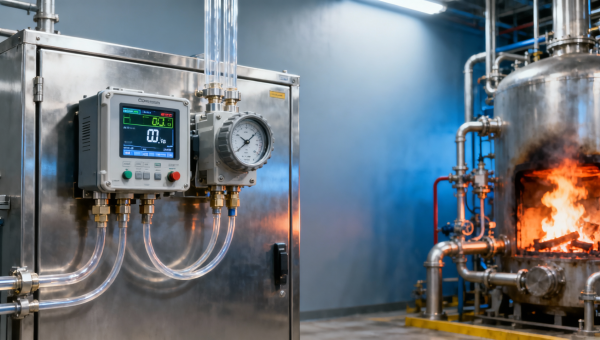
Heat accelerates the chemical reactions inside the sensor. While this may temporarily increase response speed, it also speeds up electrolyte evaporation, membrane stress, electrode aging, and baseline instability. In hot indoor panels, compressor rooms, process skids, or sun-exposed enclosures, the damage can accumulate even when gas concentration remains within the normal measuring range.
For a fixed sensor installed near process equipment, poor thermal placement can reduce usable life far more than many buyers expect. Portable sensor users face a similar problem when instruments are left inside vehicles or carried between air-conditioned and high-heat spaces.
2. High humidity and condensation
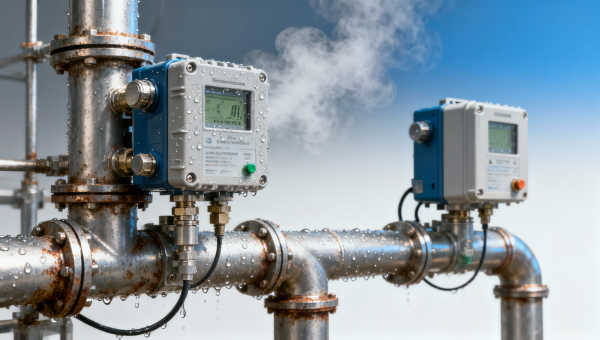
Electrochemical cells are sensitive to moisture imbalance. Very high humidity can affect diffusion behavior and internal chemistry, while condensation can cause signal drift, blocked gas access, corrosion, and electronics damage. Repeated transitions between cold and warm areas are especially harmful because they create hidden moisture cycles.
This is a major concern in environmental monitoring stations, food processing, water treatment, marine applications, and outdoor installations. A high accuracy sensor may still perform well in such areas, but only if enclosure design, drainage, ventilation, and temperature management are properly addressed.
3. Corrosive or cross-interfering gases
Even when the target gas is within specification, unwanted background gases can attack sensor components or produce false loading effects. Acid vapors, solvent fumes, sulfur compounds, cleaning agents, and process off-gases can poison or stress the sensing chemistry. In mixed-gas environments, a detector may appear to be working while silently losing sensitivity over time.
This matters especially for buyers comparing electrochemical technology with a paramagnetic detector or infrared detector. Electrochemical sensing can provide excellent sensitivity and selectivity in the right application, but it is generally more vulnerable to chemical poisoning and consumable aging in aggressive environments.
4. Frequent high-concentration exposure or over-range events
A detector designed for trace or normal-range monitoring can age rapidly if it is repeatedly exposed to concentration spikes. This is common during process upsets, tank purging, leak events, poor sampling design, or startup/shutdown cycles. Heavy-duty service shortens life because the sensor consumes reactive material faster and experiences greater internal stress.
In oxygen detector applications, this issue is especially important where oxygen deficiency and enrichment events alternate. For safety teams and quality managers, reviewing actual exposure history is often more useful than looking only at average concentration.
5. Poor calibration and bump test discipline
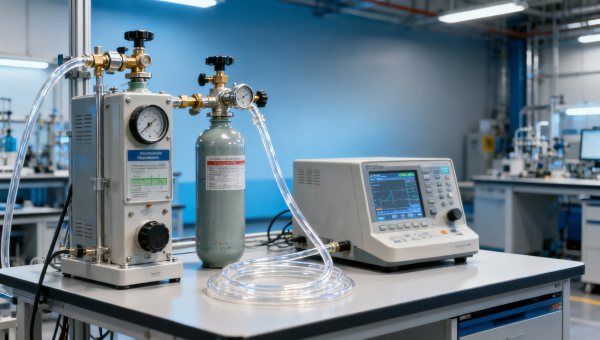
Improper calibration does not just create inaccurate readings; it can also hide the early warning signs of sensor decline. Wrong gas concentration, expired calibration gas, bad regulators, incorrect flow, skipped bump tests, or overly long calibration intervals can lead operators to trust a detector that is already drifting out of health.
From a financial and procurement perspective, this creates hidden cost. A detector may not technically fail, but it may require frequent recalibration, produce nuisance alarms, or compromise compliance performance well before replacement is officially scheduled.
6. Continuous duty with little recovery time
Some detectors are used in demanding online monitoring roles where they are exposed continuously with minimal rest. A control sensor or monitoring sensor in a 24/7 process line can wear out more quickly than a laboratory sensor used intermittently under controlled conditions. Duty cycle matters. The same sensor model can show very different field life depending on whether it is installed in continuous process service, periodic inspection service, or low-frequency safety checks.
How do these risks affect different users and buying decisions?
Different stakeholders care about different consequences, but the underlying concern is the same: service life affects reliability, operating cost, safety, and replacement planning.
For operators and maintenance teams
The priority is dependable readings and fewer surprise failures. Early lifespan drop means more troubleshooting, more recalibration, more downtime, and more uncertainty during critical monitoring tasks.
For technical evaluators and engineers
The main concern is technology fit. They need to know whether an electrochemical detector is appropriate for the actual gas profile and environment, or whether an infrared detector, paramagnetic detector, or another sensing method would provide better long-term stability.
For procurement and finance teams
The issue is total cost of ownership. A lower purchase price can become more expensive if sensor replacement frequency, calibration labor, spare inventory, compliance risk, and unplanned shutdowns are higher than expected.
For safety, quality, and project managers
The focus is operational risk. Shortened detector lifespan increases the chance of drift, false confidence, alarm failure, or noncompliance with internal safety standards and regulatory expectations.
When should you choose electrochemical sensing, and when should you compare other detector types?
Electrochemical detectors remain an excellent choice in many applications because they offer strong sensitivity, compact design, and good performance for toxic gas and oxygen measurement. However, they are not automatically the best long-life option in every environment.
You should strongly evaluate alternatives when the application includes:
- Very hot or highly variable temperatures
- Persistent high humidity or condensation
- Corrosive background vapors
- Continuous high-load exposure
- Long unattended operating periods
- Applications where maintenance access is difficult
In such cases, a paramagnetic detector may be considered for oxygen measurement where non-consumable sensing is valuable, and an infrared detector may be a strong option for certain gases where optical methods provide better resistance to poisoning or long-term drift. The right comparison is not just about sensitivity or initial accuracy. It is about environmental compatibility, maintenance burden, and lifecycle economics.
What practical steps extend electrochemical detector service life?
Most early aging problems can be reduced through better application control and maintenance planning.
Install the detector in the right physical location
Avoid direct heat sources, steam paths, splash zones, vibration points, and dead-air pockets. If the detector must be installed in a harsh area, use shielding, sun covers, sample conditioning, or remote sampling arrangements when appropriate.
Control humidity and condensation
Use weather protection, proper enclosure ratings, drain paths, and temperature management. In sampling systems, make sure moisture is handled before it reaches the sensor where required.
Review exposure peaks, not just average conditions
Sensor life is often shortened by spikes rather than steady normal operation. Process historians, alarm records, and operator observations can reveal whether the detector is being exposed to conditions outside the intended design envelope.
Improve calibration quality
Use correct certified gas, valid expiration dates, proper regulators, trained personnel, and sensible intervals based on actual operating severity. Bump testing should be treated as a health check, not as an administrative task.
Match maintenance intervals to the application
A portable sensor used occasionally in a clean area should not be managed the same way as a fixed sensor in a corrosive process environment. Service schedules should reflect real stress, not only generic manual recommendations.
Track drift and response trends
Do not wait for complete failure. A growing calibration adjustment requirement, slower response, unstable zero, or unusual recovery behavior often signals accelerated aging. Trend-based replacement is safer and more economical than reactive replacement after failure.
How can buyers estimate true lifespan before purchase?
Vendors often provide rated life under standard conditions, but procurement and technical teams should ask deeper questions:
- What temperature and humidity range was used to define expected life?
- How does the sensor perform under continuous exposure versus intermittent use?
- What gases or vapors are known interferents or poisons?
- How often is calibration recommended in harsh environments?
- What field data is available from similar industries or installations?
- What is the replacement interval in comparable real-world duty cycles?
These questions help decision-makers compare sensor technologies more realistically. For many projects, the better purchase is not the detector with the longest quoted lifespan, but the one with the most predictable performance in the actual site conditions.
Final takeaway: lifespan loss is usually an application problem before it becomes a sensor problem
Electrochemical detector lifespan drops fast under conditions such as heat, humidity, corrosive gases, over-range exposure, poor calibration, and heavy-duty use. For users and decision-makers, the most important lesson is that service life should never be judged in isolation from the operating environment. A high accuracy sensor can deliver excellent performance as a fixed sensor, portable sensor, laboratory sensor, control sensor, or monitoring sensor, but only when the application fit is right and maintenance is disciplined.
If long-term stability, lower maintenance burden, and predictable ownership cost are priorities, compare electrochemical technology carefully with a paramagnetic detector, infrared detector, or other sensing methods based on real site conditions. Better technology selection, better installation, and better maintenance planning are the fastest ways to protect detector lifespan and reduce hidden operating risk.
Recommended for You
 What Makes a Control Sensor Reliable in Harsh Environments?Control sensor reliability in harsh environments starts with the right oxygen detector, infrared detector, electrochemical detector, or paramagnetic detector for accurate, dependable monitoring.
 Control Sensor Delays Can Undermine Process StabilityControl sensor delays can destabilize operations. Compare paramagnetic detector, electrochemical detector, infrared detector, and oxygen detector options to find a high accuracy sensor for fixed, portable, laboratory, and monitoring sensor needs.
 Laboratory Sensor Repeatability Problems Often Start With SamplingLaboratory sensor repeatability issues often begin with sampling. Compare paramagnetic detector, electrochemical detector, infrared detector, and oxygen detector solutions to improve accuracy.
 Laboratory Sensor Selection Gets Harder With Lower Detection LimitsLaboratory sensor selection gets harder at lower limits. Compare paramagnetic detector, electrochemical detector, infrared detector, oxygen detector, fixed and portable sensor options for high accuracy monitoring and control.
 Portable Sensor Battery Loss Can Distort Long Shift MonitoringPortable sensor battery loss can distort long-shift monitoring. Compare paramagnetic detector, electrochemical detector, infrared detector and oxygen detector options for high accuracy sensor performance.
 Portable Sensor Accuracy in the Field Is Not Always What It SeemsPortable sensor accuracy can differ sharply from lab results. Compare paramagnetic detector, electrochemical detector, infrared detector, and oxygen detector performance to choose a high accuracy sensor for real field use.
 Fixed Sensor vs Portable Checks: Where Results Often DivergeExplore why fixed sensor and portable sensor readings diverge in oxygen detector systems using paramagnetic detector, electrochemical detector, and infrared detector technology.
 What Shortens the Service Life of an Oxygen Detector?Oxygen detector service life can drop fast due to heat, moisture, contamination, and poor calibration. Compare paramagnetic detector, electrochemical detector, and infrared detector solutions now.
 Oxygen Detector False Alarms Often Start With Sensor PlacementOxygen detector false alarms often start with sensor placement. Compare paramagnetic detector, electrochemical detector, and infrared detector options to improve accuracy and safety.
 Infrared Detector Response Time Can Change Your ReadingInfrared detector response time shapes alarm accuracy and stable readings. Compare paramagnetic detector, electrochemical detector, and oxygen detector options for every high accuracy sensor need.
 Infrared Detector Limits That Matter in Mixed Gas ApplicationsInfrared detector limits in mixed gas applications: compare paramagnetic detector, electrochemical detector, and oxygen detector options to choose a high accuracy sensor for portable, fixed, laboratory, control, and monitoring sensor use.
 Why Electrochemical Detector Calibration Fails More Often Than ExpectedElectrochemical detector calibration fails more often than expected—learn how a paramagnetic detector, infrared detector, or oxygen detector comparison helps you choose a high accuracy sensor for fixed, portable, laboratory, control, and monitoring sensor applications.
 Electrochemical Detector Lifespan Drops Fast Under These ConditionsElectrochemical detector lifespan can drop fast in heat, humidity, and corrosive gas. Compare paramagnetic detector, infrared detector, and oxygen detector options to choose a high accuracy sensor with lower lifecycle risk.
 Paramagnetic Detector Drift: What Usually Causes It?Paramagnetic detector drift explained: learn what causes oxygen detector errors, how it compares with electrochemical detector and infrared detector options, and how to keep a high accuracy sensor stable.
 High Accuracy Detector Selection TipsHigh accuracy detector selection tips for fixed detector and portable detector needs, covering explosion proof monitor, oxygen monitor, infrared monitor, and more for safer, smarter buying.
 Oxygen Monitor Export Trends in 2026Oxygen monitor export trends in 2026: explore explosion proof monitor, laser monitor, portable detector, fixed detector, and high accuracy detector demand shaping smarter buying decisions.
 Infrared Monitor Market Outlook 2026Infrared monitor market outlook 2026: compare explosion proof monitor, laser monitor, oxygen monitor, fixed detector and portable detector solutions for safer, smarter industrial projects.
 Where Electrochemical Monitors Work BestElectrochemical monitor guide: compare explosion proof monitor, infrared monitor, laser monitor, oxygen monitor, fixed detector, and portable detector for safer, smarter gas detection choices.
 Paramagnetic Monitor Import Outlook 2026Paramagnetic monitor import outlook 2026: compare explosion proof monitor, laser monitor, infrared monitor, oxygen monitor, and high accuracy detector solutions to source the right fixed or portable detector.
 Thermal Conductivity Monitor Price ShiftThermal conductivity monitor price trends explained with explosion proof monitor, laser monitor, oxygen monitor, and fixed or portable detector options for smarter, safer buying.
 How Laser Monitor Demand Is ChangingLaser monitor demand is changing as buyers compare explosion proof monitor, infrared, electrochemical, and oxygen monitor options for safer, high accuracy detector solutions.
 Oxygen Measurement System Export Demand in 2026Oxygen measurement system demand in 2026 is rising across industrial control equipment, gas quality measurement, emission control system, and process monitoring system markets. Explore key trends and smarter sourcing insights.
 Industrial Control System Trends to Watch in 2026Industrial control system trends for 2026: explore industrial control equipment, process monitoring system, gas quality measurement, oxygen measurement system, and emission control system upgrades.
 How to Improve Process Monitoring System ResultsImprove process monitoring system results with industrial control equipment, gas quality measurement, and emission measurement system strategies for smarter industrial control system performance.
 Emission Control System Import Risks in 2026Emission control system import risks in 2026: learn how industrial control equipment, gas quality measurement, and process monitoring system buyers can avoid delays, compliance issues, and costly mistakes.
 Gas Quality Control for Safer Plant OperationsGas quality control improves safer plant operations with industrial control equipment, gas quality measurement, and an emission measurement system—boost efficiency, compliance, and process monitoring performance.
 What Buyers Miss in Industrial Measurement SystemsIndustrial measurement system buying guide: compare industrial control equipment, gas quality measurement, and emission measurement system risks beyond specs to reduce downtime, cost, and audit issues.
 Process Measurement System Costs ExplainedProcess measurement system costs explained: compare industrial measurement system, gas quality measurement, oxygen measurement system, and emission measurement system options to cut risk and improve control.
 2026 Emission Measurement System Market ShiftEmission measurement system trends for 2026: discover how industrial control equipment, gas quality measurement, and smarter process monitoring systems improve compliance, efficiency, and ROI.
 Why Gas Quality Measurement Fails in the FieldGas quality measurement issues often come from industrial control equipment setup, not sensor limits. Learn how a process measurement system and emission measurement system can improve gas quality control.
 2026 Industrial Control Equipment Price OutlookIndustrial control equipment price outlook for 2026: explore trends in gas quality measurement, emission measurement system, process measurement system, and industrial control system budgeting.
 How Accurate Should an Oxygen Measurement System Be?Oxygen measurement system accuracy impacts gas quality measurement, emission control system performance, and industrial control equipment ROI—learn how to choose the right level for safer, smarter process monitoring.
Search Categories
Search Categories
Latest Article
- What Makes a Control Sensor Reliable in Harsh Environments?Control sensor reliability in harsh environments starts with the right oxygen detector, infrared detector, electrochemical detector, or paramagnetic detector for accurate, dependable monitoring.Posted by:
- Control Sensor Delays Can Undermine Process StabilityControl sensor delays can destabilize operations. Compare paramagnetic detector, electrochemical detector, infrared detector, and oxygen detector options to find a high accuracy sensor for fixed, portable, laboratory, and monitoring sensor needs.Posted by:
- Laboratory Sensor Repeatability Problems Often Start With SamplingLaboratory sensor repeatability issues often begin with sampling. Compare paramagnetic detector, electrochemical detector, infrared detector, and oxygen detector solutions to improve accuracy.Posted by:
Please give us a message
