Where Electrochemical Monitors Work Best


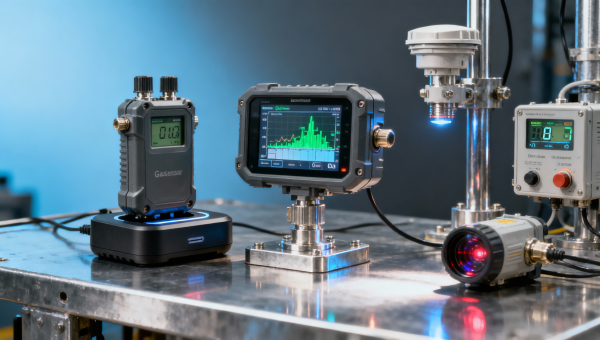
In complex industrial environments, choosing the right gas detection technology is critical for safety, compliance, and cost control. An electrochemical monitor works best where precise toxic gas and oxygen monitor performance are required, while options like infrared monitor, laser monitor, thermal conductivity monitor, and paramagnetic monitor support different applications. Whether you need an explosion proof monitor, fixed detector, portable detector, or high accuracy detector, understanding the best-fit scenario helps buyers and decision-makers reduce risk and improve efficiency.
For most buyers, the short answer is this: an electrochemical monitor is the best choice when you need selective, accurate, and practical detection of toxic gases or oxygen in real working conditions, especially at low concentrations. It is widely used because it balances sensitivity, response speed, footprint, and cost better than many alternatives. But it is not the right fit for every gas, every environment, or every maintenance strategy. The real decision depends on gas type, concentration range, installation conditions, compliance requirements, and lifecycle cost.
When is an electrochemical monitor the best option?
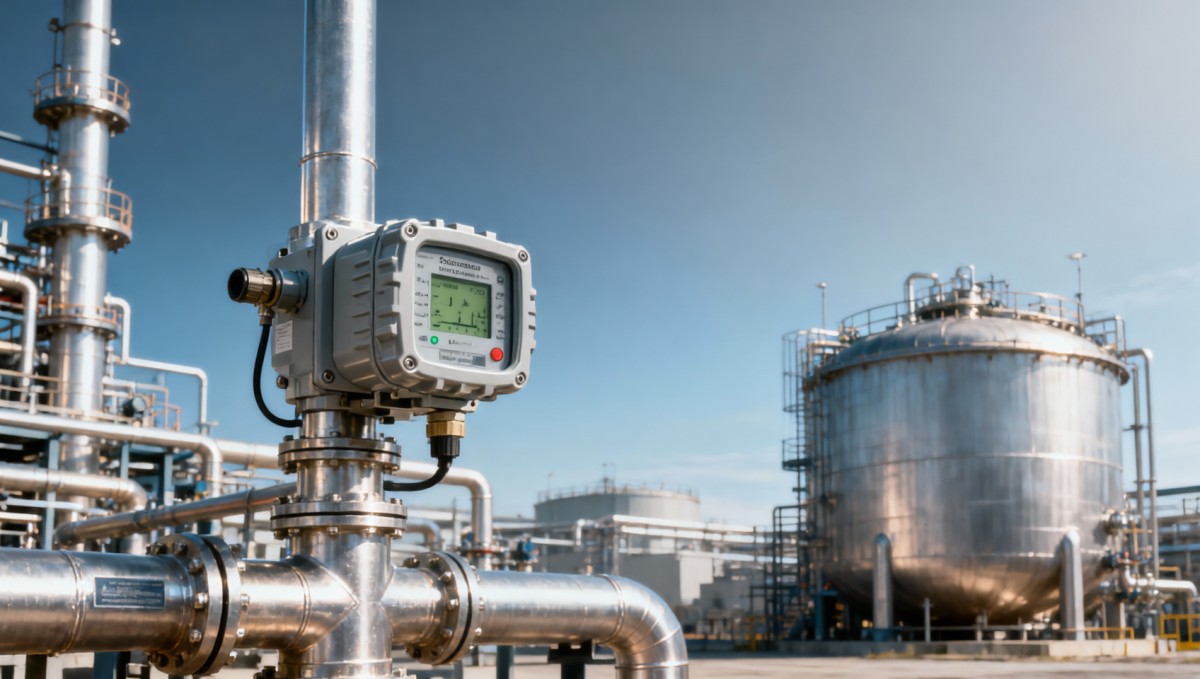
An electrochemical monitor performs best in applications where the main goal is to detect toxic gases or oxygen accurately and reliably, often at ppm-level concentrations. This is the reason it is commonly selected for oxygen monitor systems and for gases such as carbon monoxide, hydrogen sulfide, sulfur dioxide, chlorine, ammonia, and nitrogen dioxide.
Typical best-fit scenarios include:
- Confined space entry: portable detector units using electrochemical sensors are ideal for checking oxygen deficiency, oxygen enrichment, and toxic gas exposure before and during entry.
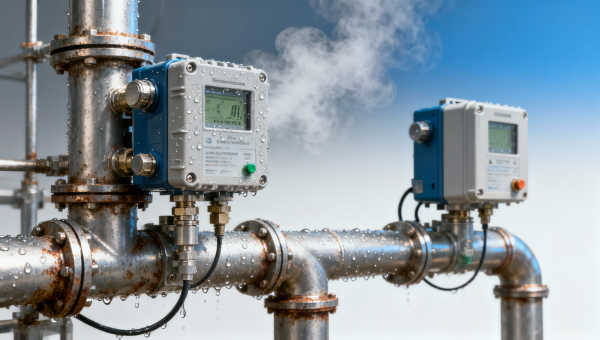
- Wastewater treatment plants: hydrogen sulfide, chlorine, and oxygen levels often need continuous monitoring for worker safety and process control.
- Chemical plants and storage areas: where low-level toxic gas leaks must be identified early before they become a personnel or compliance issue.
- Boiler rooms, power facilities, and combustion areas: especially for carbon monoxide monitoring and oxygen safety checks.
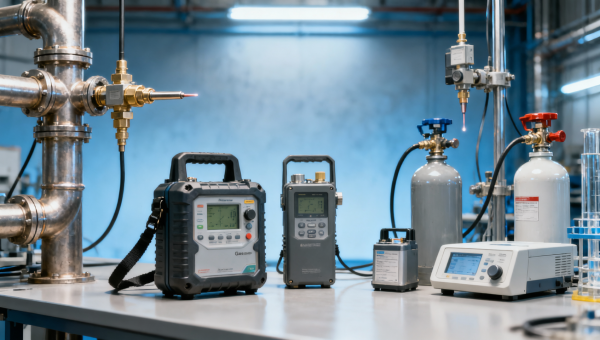
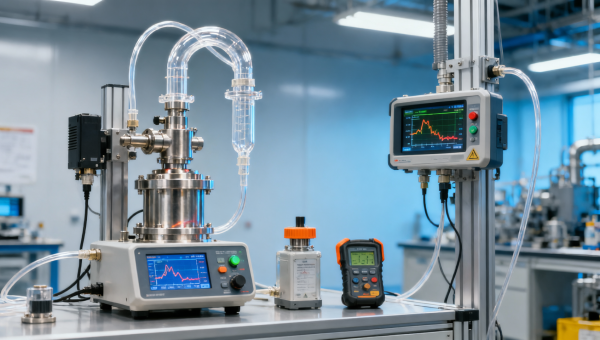
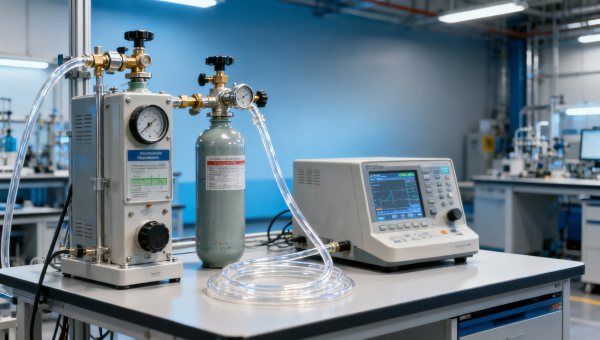
- Laboratories and specialty gas handling: where selective gas detection matters and concentration ranges are relatively low.
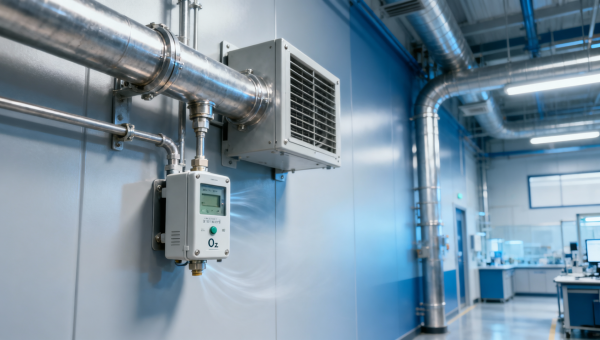
- Food, beverage, and inerting systems: oxygen monitor applications are essential where nitrogen or carbon dioxide can displace breathable air.
In these environments, electrochemical technology is valued because it offers strong sensitivity to specific target gases without requiring the higher investment associated with some advanced analytical systems.
Why do many buyers choose electrochemical technology over other monitor types?
Procurement teams and engineering managers usually do not ask only which sensor works. They ask which solution is accurate enough, practical enough, safe enough, and economical enough for the site. Electrochemical monitors are often preferred because they meet all four criteria in common toxic gas applications.
Key advantages include:
- High sensitivity at low concentrations: useful when regulations or internal safety standards require early warning at low ppm levels.
- Good selectivity: especially important when multiple gases may be present and false alarms create operational disruption.
- Compact design: suitable for both fixed detector installations and portable detector products.
- Lower upfront cost: compared with some optical or highly specialized analytical technologies.
- Fast field usability: many systems are straightforward to deploy, calibrate, and integrate into facility safety routines.
For decision-makers, this usually translates into a practical business benefit: acceptable cost with strong safety coverage in applications where missing a toxic gas leak would create operational, legal, and financial risk.
Where does an electrochemical monitor not perform best?
This is where many purchase decisions go wrong. An electrochemical monitor is excellent in the right application, but it is not a universal answer.
It may not be the best choice when:
- The target gas concentration is very high: some applications require technologies better suited to percentage-level gas measurement rather than ppm-level toxic gas detection.
- The gas is better detected by infrared principles: many hydrocarbons and carbon dioxide applications are often better served by an infrared monitor.
- The environment is extremely harsh: heavy contamination, temperature extremes, or long-term poisoning exposure can shorten sensor life.
- Very low maintenance is the top priority: electrochemical sensors are consumable components and need periodic calibration and replacement.
- The application requires non-contact or long-path measurement: in these cases, laser monitor technology may be more suitable.
- The measured variable is gas thermal property or magnetic behavior: thermal conductivity monitor and paramagnetic monitor systems can outperform electrochemical types in those specialized uses.
In simple terms, electrochemical technology is usually best for toxic gas and oxygen monitor duties, not for every combustible gas, bulk gas composition, or harsh analytical environment.
How does it compare with infrared, laser, thermal conductivity, and paramagnetic monitors?
Buyers often need a fast comparison before moving into technical review. The most useful way to compare is by application fit, not by assuming one technology is more advanced than another.
- Electrochemical monitor: best for toxic gases and oxygen at low concentrations; common in safety monitoring, fixed detector systems, and portable detector devices.
- Infrared monitor: often best for hydrocarbons, carbon dioxide, and some combustible gas applications; useful when optical measurement offers better stability or gas compatibility.
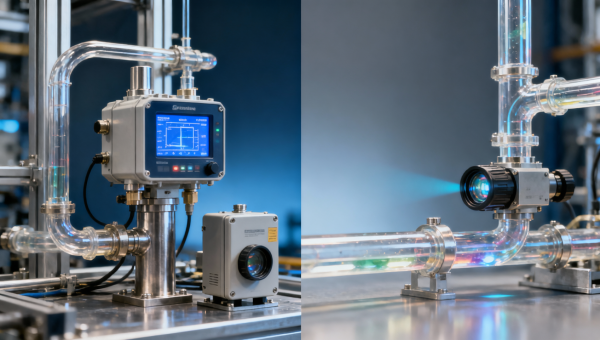
- Laser monitor: preferred when high selectivity, fast response, or open-path/remote sensing is required in advanced industrial settings.
- Thermal conductivity monitor: suitable for binary gas mixtures or applications involving gas composition measurement at higher concentrations.
- Paramagnetic monitor: widely recognized as a strong option for high-accuracy oxygen measurement in process analysis environments.
This comparison matters because many organizations start with a broad request such as “high accuracy detector” or “explosion proof monitor,” but these descriptions do not identify the correct sensing principle on their own. The right question is always: what gas, what concentration, what environment, and what operating objective?
What do safety managers and project teams need to evaluate before selecting one?
The best purchasing decisions are made with a structured checklist. For electrochemical monitor selection, the following factors usually matter most:
- Target gas and interference risk
Confirm exactly which gas must be monitored, what other gases may be present, and whether cross-sensitivity could affect performance. - Required measurement range
Check whether the expected concentration is in ppm or percentage range. This single point can determine whether electrochemical sensing is appropriate. - Installation type
Decide between fixed detector and portable detector formats based on whether the hazard is continuous, area-based, task-based, or mobile. - Area classification
If the site has hazardous zones, an explosion proof monitor or certified safe design may be mandatory. - Environmental conditions
Temperature, humidity, dust, corrosive vapors, washdown, and vibration all influence product life and signal stability. - Maintenance capability
Teams should realistically assess whether they can support bump testing, calibration, sensor replacement, and routine inspection. - Compliance requirements
Local workplace safety rules, industry codes, and customer audit standards may define detector performance and recordkeeping expectations. - Total cost of ownership
Do not compare only purchase price. Include calibration gas, labor, spare sensors, downtime risk, and expected service life.
For project managers and financial approvers, this framework is especially useful because it connects technical selection with operational and budget outcomes.
What business value does the right electrochemical monitor deliver?
For enterprise buyers, value is not limited to detection accuracy. A well-matched monitor supports broader operational goals.
- Reduced safety incidents: early detection lowers exposure risk for workers and contractors.
- Improved compliance readiness: documented monitoring supports audits, inspections, and internal governance.
- Lower false alarm disruption: a sensor matched to the application can reduce unnecessary shutdowns or emergency responses.
- Better asset protection: toxic gas events can damage equipment, trigger evacuation, and interrupt production.
- Stronger cost control: selecting the correct technology from the beginning avoids replacement, redesign, and re-approval costs later.
This is why experienced distributors, EPC teams, and plant operators do not evaluate gas detection products only by headline specifications. They evaluate how well the monitor fits the actual risk profile and maintenance reality of the site.
How can buyers tell if they should choose electrochemical or another technology?
A simple decision rule can help:
Choose an electrochemical monitor if:
- you need toxic gas detection or oxygen monitor capability,
- the target concentration is relatively low,
- you need practical field deployment in fixed detector or portable detector form,
- you want a strong balance of sensitivity, selectivity, and cost.
Consider another technology if:
- the gas is better measured optically or physically by another principle,
- the concentration range is outside normal electrochemical strengths,
- maintenance limitations make consumable sensors impractical,
- the application requires specialized process analysis rather than personnel safety monitoring.
In many industrial sites, the smartest solution is not choosing one technology for everything. It is combining technologies. For example, a facility may use an electrochemical monitor for toxic gas protection, an infrared monitor for hydrocarbon detection, and a paramagnetic monitor for process oxygen analysis.
Conclusion: where electrochemical monitors work best
Electrochemical monitors work best in applications that require accurate, selective monitoring of toxic gases and oxygen, especially at low concentrations and in real-world industrial safety environments. They are often the right answer for fixed detector and portable detector use in wastewater plants, chemical facilities, utilities, laboratories, confined spaces, and inert gas risk areas.
However, the best buying decision comes from matching the sensing technology to the gas, concentration, environment, maintenance plan, and compliance goal. If your priority is reliable toxic gas or oxygen monitor performance with practical deployment and controlled cost, an electrochemical monitor is often the most effective choice. If your application involves other gas properties or harsher process conditions, technologies such as infrared monitor, laser monitor, thermal conductivity monitor, or paramagnetic monitor may provide a better fit.
For buyers, engineers, and safety teams, the takeaway is clear: do not ask which gas detector is best in general. Ask where each technology works best. That is the decision that improves safety, protects budget, and supports long-term operational reliability.
Recommended for You
 Control Sensor Delays Can Undermine Process StabilityControl sensor delays can destabilize operations. Compare paramagnetic detector, electrochemical detector, infrared detector, and oxygen detector options to find a high accuracy sensor for fixed, portable, laboratory, and monitoring sensor needs.
 Laboratory Sensor Repeatability Problems Often Start With SamplingLaboratory sensor repeatability issues often begin with sampling. Compare paramagnetic detector, electrochemical detector, infrared detector, and oxygen detector solutions to improve accuracy.
 Laboratory Sensor Selection Gets Harder With Lower Detection LimitsLaboratory sensor selection gets harder at lower limits. Compare paramagnetic detector, electrochemical detector, infrared detector, oxygen detector, fixed and portable sensor options for high accuracy monitoring and control.
 Portable Sensor Battery Loss Can Distort Long Shift MonitoringPortable sensor battery loss can distort long-shift monitoring. Compare paramagnetic detector, electrochemical detector, infrared detector and oxygen detector options for high accuracy sensor performance.
 Portable Sensor Accuracy in the Field Is Not Always What It SeemsPortable sensor accuracy can differ sharply from lab results. Compare paramagnetic detector, electrochemical detector, infrared detector, and oxygen detector performance to choose a high accuracy sensor for real field use.
 Fixed Sensor vs Portable Checks: Where Results Often DivergeExplore why fixed sensor and portable sensor readings diverge in oxygen detector systems using paramagnetic detector, electrochemical detector, and infrared detector technology.
 Oxygen Detector False Alarms Often Start With Sensor PlacementOxygen detector false alarms often start with sensor placement. Compare paramagnetic detector, electrochemical detector, and infrared detector options to improve accuracy and safety.
 Infrared Detector Response Time Can Change Your ReadingInfrared detector response time shapes alarm accuracy and stable readings. Compare paramagnetic detector, electrochemical detector, and oxygen detector options for every high accuracy sensor need.
 Infrared Detector Limits That Matter in Mixed Gas ApplicationsInfrared detector limits in mixed gas applications: compare paramagnetic detector, electrochemical detector, and oxygen detector options to choose a high accuracy sensor for portable, fixed, laboratory, control, and monitoring sensor use.
 Why Electrochemical Detector Calibration Fails More Often Than ExpectedElectrochemical detector calibration fails more often than expected—learn how a paramagnetic detector, infrared detector, or oxygen detector comparison helps you choose a high accuracy sensor for fixed, portable, laboratory, control, and monitoring sensor applications.
 Electrochemical Detector Lifespan Drops Fast Under These ConditionsElectrochemical detector lifespan can drop fast in heat, humidity, and corrosive gas. Compare paramagnetic detector, infrared detector, and oxygen detector options to choose a high accuracy sensor with lower lifecycle risk.
 Paramagnetic Detector Drift: What Usually Causes It?Paramagnetic detector drift explained: learn what causes oxygen detector errors, how it compares with electrochemical detector and infrared detector options, and how to keep a high accuracy sensor stable.
 Oxygen Monitor Export Trends in 2026Oxygen monitor export trends in 2026: explore explosion proof monitor, laser monitor, portable detector, fixed detector, and high accuracy detector demand shaping smarter buying decisions.
 Infrared Monitor Market Outlook 2026Infrared monitor market outlook 2026: compare explosion proof monitor, laser monitor, oxygen monitor, fixed detector and portable detector solutions for safer, smarter industrial projects.
 Where Electrochemical Monitors Work BestElectrochemical monitor guide: compare explosion proof monitor, infrared monitor, laser monitor, oxygen monitor, fixed detector, and portable detector for safer, smarter gas detection choices.
 Paramagnetic Monitor Import Outlook 2026Paramagnetic monitor import outlook 2026: compare explosion proof monitor, laser monitor, infrared monitor, oxygen monitor, and high accuracy detector solutions to source the right fixed or portable detector.
 Thermal Conductivity Monitor Price ShiftThermal conductivity monitor price trends explained with explosion proof monitor, laser monitor, oxygen monitor, and fixed or portable detector options for smarter, safer buying.
 How Laser Monitor Demand Is ChangingLaser monitor demand is changing as buyers compare explosion proof monitor, infrared, electrochemical, and oxygen monitor options for safer, high accuracy detector solutions.
 Oxygen Measurement System Export Demand in 2026Oxygen measurement system demand in 2026 is rising across industrial control equipment, gas quality measurement, emission control system, and process monitoring system markets. Explore key trends and smarter sourcing insights.
 Industrial Control System Trends to Watch in 2026Industrial control system trends for 2026: explore industrial control equipment, process monitoring system, gas quality measurement, oxygen measurement system, and emission control system upgrades.
 How to Improve Process Monitoring System ResultsImprove process monitoring system results with industrial control equipment, gas quality measurement, and emission measurement system strategies for smarter industrial control system performance.
 Emission Control System Import Risks in 2026Emission control system import risks in 2026: learn how industrial control equipment, gas quality measurement, and process monitoring system buyers can avoid delays, compliance issues, and costly mistakes.
 Gas Quality Control for Safer Plant OperationsGas quality control improves safer plant operations with industrial control equipment, gas quality measurement, and an emission measurement system—boost efficiency, compliance, and process monitoring performance.
 What Buyers Miss in Industrial Measurement SystemsIndustrial measurement system buying guide: compare industrial control equipment, gas quality measurement, and emission measurement system risks beyond specs to reduce downtime, cost, and audit issues.
 Process Measurement System Costs ExplainedProcess measurement system costs explained: compare industrial measurement system, gas quality measurement, oxygen measurement system, and emission measurement system options to cut risk and improve control.
 2026 Emission Measurement System Market ShiftEmission measurement system trends for 2026: discover how industrial control equipment, gas quality measurement, and smarter process monitoring systems improve compliance, efficiency, and ROI.
 Why Gas Quality Measurement Fails in the FieldGas quality measurement issues often come from industrial control equipment setup, not sensor limits. Learn how a process measurement system and emission measurement system can improve gas quality control.
 2026 Industrial Control Equipment Price OutlookIndustrial control equipment price outlook for 2026: explore trends in gas quality measurement, emission measurement system, process measurement system, and industrial control system budgeting.
 How Accurate Should an Oxygen Measurement System Be?Oxygen measurement system accuracy impacts gas quality measurement, emission control system performance, and industrial control equipment ROI—learn how to choose the right level for safer, smarter process monitoring.
 Industrial Control System: Buy New or Retrofit?Industrial control system guide: buy new or retrofit? Compare industrial control equipment, process measurement system, emission control system, and gas quality measurement for smarter ROI.
 Is a Process Monitoring System Worth Upgrading?Process monitoring system upgrade guide for industrial control equipment—improve gas quality measurement, emission measurement system performance, compliance, and smarter industrial control system decisions.
 How to Size an Emission Control SystemLearn how to size an emission control system with industrial control equipment, gas quality measurement, and a process monitoring system to improve compliance, reduce risk, and optimize cost.
Search Categories
Search Categories
Latest Article
- Control Sensor Delays Can Undermine Process StabilityControl sensor delays can destabilize operations. Compare paramagnetic detector, electrochemical detector, infrared detector, and oxygen detector options to find a high accuracy sensor for fixed, portable, laboratory, and monitoring sensor needs.Posted by:
- Laboratory Sensor Repeatability Problems Often Start With SamplingLaboratory sensor repeatability issues often begin with sampling. Compare paramagnetic detector, electrochemical detector, infrared detector, and oxygen detector solutions to improve accuracy.Posted by:
- Laboratory Sensor Selection Gets Harder With Lower Detection LimitsLaboratory sensor selection gets harder at lower limits. Compare paramagnetic detector, electrochemical detector, infrared detector, oxygen detector, fixed and portable sensor options for high accuracy monitoring and control.Posted by:
Please give us a message
