Control Sensor Delays Can Undermine Process Stability


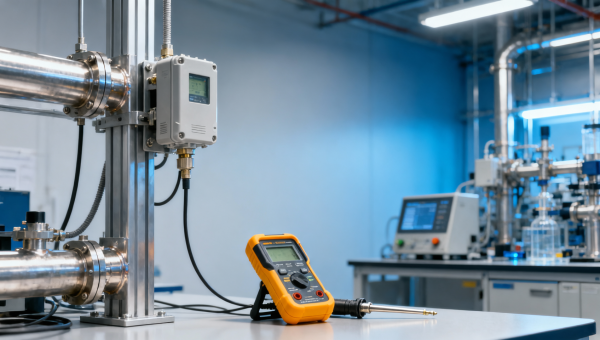
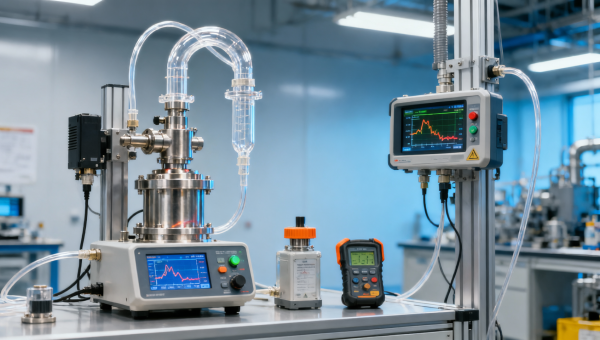
Even the most advanced control sensor can become a hidden risk when signal delays distort real-time decisions and undermine process stability. For teams evaluating a paramagnetic detector, electrochemical detector, infrared detector, or oxygen detector, response speed matters as much as accuracy. In fixed sensor, portable sensor, laboratory sensor, and monitoring sensor applications, delay is not a minor specification detail. It directly affects control quality, alarm reliability, safety margins, and the total cost of ownership. The key takeaway is simple: if your process depends on timely feedback, a high accuracy sensor that responds too slowly can still cause unstable control, false confidence, and poor operating decisions.
Why sensor delay matters more than many buyers expect
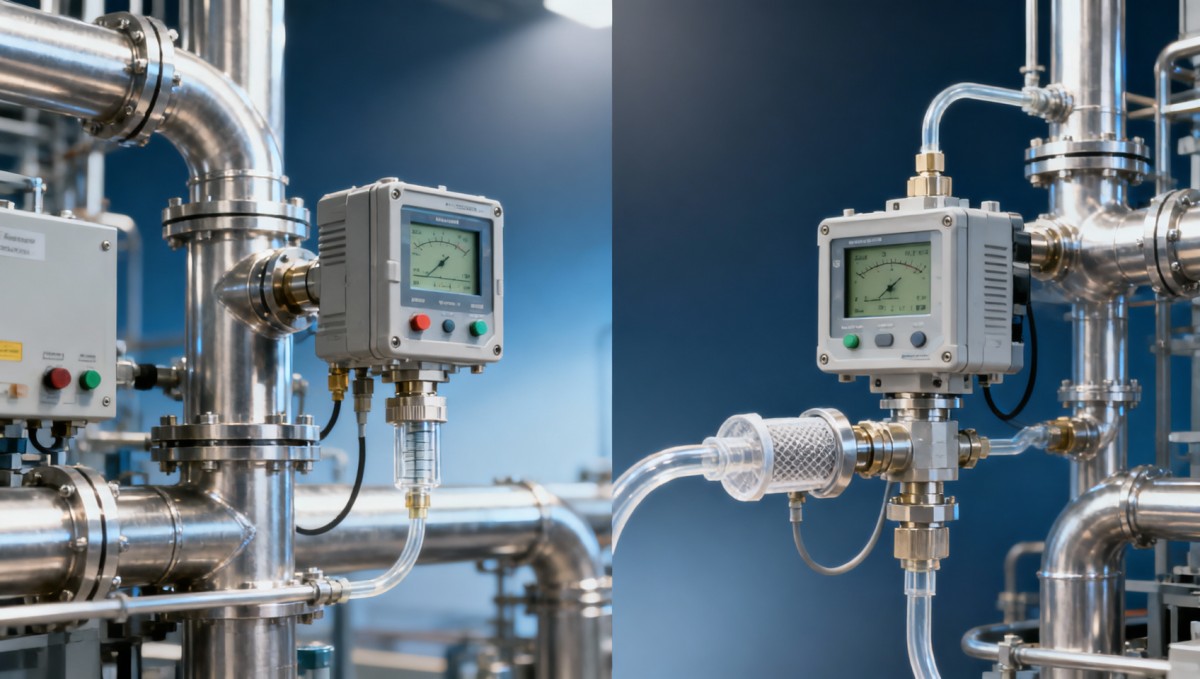
When users search for information about control sensor delays, they are usually not looking for theory alone. They want to know whether delay can create real operational problems, how to recognize it, and what to check before selecting or approving a device. That concern is well founded. In process environments, the control system only reacts to the information it receives. If the sensor signal arrives late, the controller may correct too late, overcorrect, or keep acting on outdated conditions.
This is why process stability is not determined by measurement accuracy alone. A sensor can be highly precise in steady-state conditions and still perform poorly in a dynamic process if its response time is too slow. In gas analysis, oxygen monitoring, combustion control, environmental measurement, and industrial automation, even modest delay can reduce control quality, increase variability, and raise safety risk.
For operators, the issue is practical: unstable readings can lead to unnecessary interventions or delayed reactions. For engineering evaluators, delay affects loop tuning, process performance, and integration choices. For procurement and finance teams, overlooking delay can result in hidden costs such as more downtime, more waste, and more troubleshooting after installation. For quality and safety managers, delay can weaken alarm effectiveness and reduce confidence in compliance-related monitoring.
What actually causes delay in a control sensor system
Sensor delay is rarely caused by only one factor. In most real systems, the total delay comes from several stages working together:
- Sensing element response time: the time required for the detector itself to react to a process change.
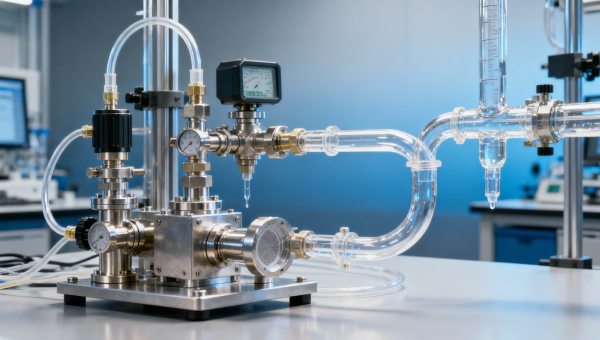
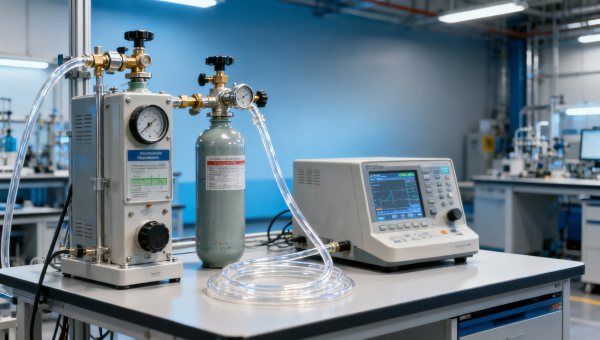
- Sampling path delay: tubing length, dead volume, filters, pumps, and conditioning components can all slow the arrival of the sample.
- Signal processing delay: digital filtering, averaging, damping, and data conversion can smooth noise but also slow response.
- Communication and control delay: transmission intervals, PLC scan cycles, and control logic execution add more lag.
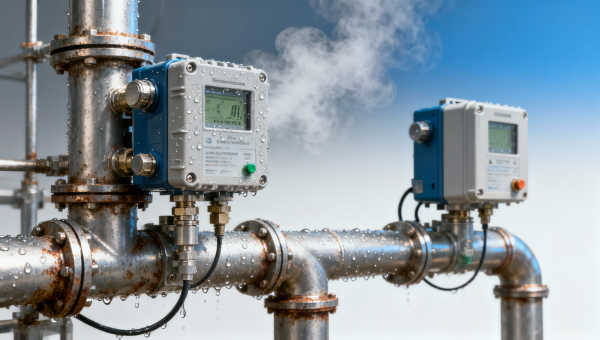
- Installation-related delay: poor probe location, slow flow over the sensing point, or thermal mass effects can delay the actual measurement.
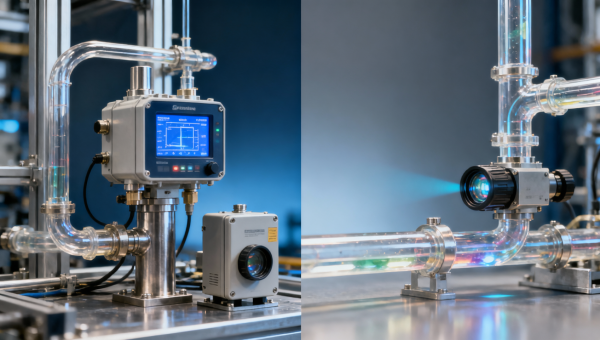
This is why a datasheet response time should never be treated as the full system response. A paramagnetic detector, electrochemical detector, infrared detector, or oxygen detector may perform well in lab conditions but respond differently once installed in a real process line. Evaluators should always distinguish between detector response and full measurement-system delay.
How delay undermines process stability in real applications
Delayed measurement weakens control in several ways. First, it reduces the controller’s ability to react at the right moment. In a fast-changing process, by the time the reading reaches the controller, the actual process may already have moved further. The result can be oscillation, overshoot, or slow recovery.
Second, delay can create a false impression of stable operation. A smooth delayed signal may look cleaner, but that does not mean the process is actually under control. In some cases, filtering and lag hide meaningful changes until they become larger and more expensive to correct.
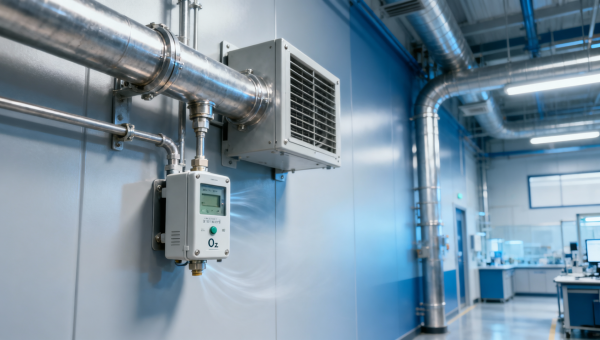
Third, delay can degrade safety functions. In oxygen monitoring or gas detection, a late response may reduce available reaction time for alarms, ventilation, shutdowns, or operator intervention. This concern is especially important in confined spaces, combustion systems, chemical processing, and emissions monitoring.
Fourth, delay can affect product quality and consistency. In manufacturing processes where atmosphere composition, temperature-related reactions, or feed conditions must stay within a narrow range, slow feedback can increase variation, scrap, and rework.
Typical symptoms include:
- Control loops that are difficult to tune or keep oscillating
- Alarm events that seem late compared with field conditions
- Frequent manual corrections by operators
- Good calibration results but poor dynamic performance
- Mismatch between lab readings and online monitoring behavior
What different detector types mean for response speed
Different technologies have different strengths, and buyers should not assume that all detectors behave the same in dynamic control applications.
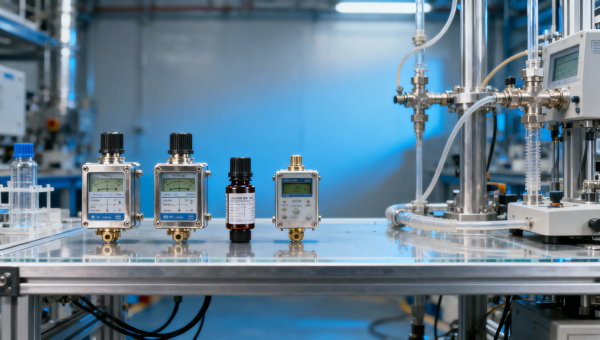
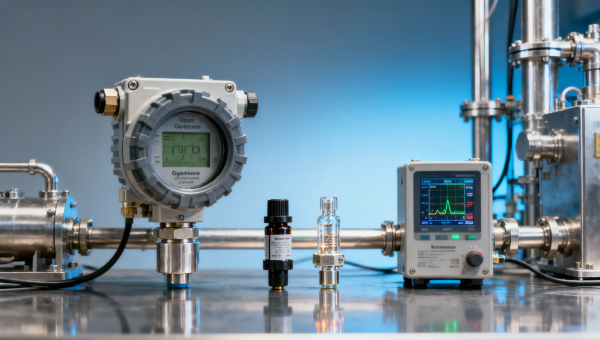
Paramagnetic detector: often used for oxygen measurement where strong selectivity and good analytical performance are required. In the right setup, it can provide strong performance, but total response still depends on sample handling and system design.
Electrochemical detector: common in portable sensor and fixed sensor products because of compact size and practical field use. However, response characteristics can vary by gas, membrane design, environmental conditions, and sensor age.
Infrared detector: widely used for many gas measurements due to non-contact optical principles and broad industrial applicability. Response can be strong, but sampling, optical path design, and signal processing remain critical factors.
Oxygen detector: this is often a functional category rather than a single sensing principle. Buyers should verify the actual detection technology, expected T90 response time, operating conditions, and whether the published value reflects the complete installed system or just the sensing module.
For applications requiring high accuracy sensor performance, the best choice is usually not the sensor with the lowest quoted accuracy error alone. It is the one that balances accuracy, repeatability, stability, and response speed under actual field conditions.
How to evaluate delay before purchase or project approval
If the application affects process control, safety, or quality, evaluation should go beyond basic datasheet comparison. The following questions are far more useful than simply asking whether the sensor is “fast”:
- What is the stated response time, such as T50 or T90, and under what test conditions?
- Does the value include sample transport, conditioning, and signal filtering?
- How does performance change with temperature, pressure, humidity, or low flow conditions?
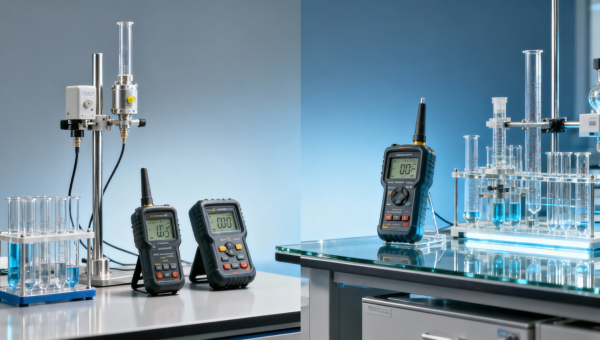
- Is the device intended for laboratory sensor use, field monitoring sensor use, portable sensor use, or continuous fixed sensor installation?
- What installation practices are required to maintain the expected response speed?
- Can the supplier provide dynamic testing data rather than only steady-state accuracy data?
- What happens to response time as the sensor ages or maintenance intervals extend?
For project managers and technical reviewers, a simple trial under realistic conditions is often the most reliable approach. Simulate a known process change and measure how long the full system takes to show a stable, actionable reading. This is much more valuable than relying on isolated brochure claims.
How operators and engineers can reduce delay in existing systems
Not every delay problem requires a full equipment replacement. In many installations, system improvements can significantly reduce lag:
- Shorten sample lines where possible
- Reduce dead volume in tubing and fittings
- Check filters, pumps, and conditioning units for restriction or slow transport
- Review excessive digital damping or smoothing settings
- Relocate the sensor or sampling point closer to the true process change location
- Verify calibration and maintenance status, especially for aging electrochemical detector systems
- Retune the control loop based on actual measurement delay
In some cases, process stability improves not because the sensor becomes faster, but because the control logic is adjusted to work with known delay. Still, if the delay is too large for the process dynamics, tuning alone may not be enough. Then a different sensing technology, improved installation design, or a better-matched analyzer is the right long-term solution.
What this means for procurement, compliance, and long-term value
From a purchasing perspective, delay should be treated as a business and risk issue, not only a technical detail. A lower-cost sensor that introduces unstable control may lead to higher energy use, lower yield, more operator time, and greater safety exposure. Over the life of the system, these indirect costs can outweigh the initial savings.
For compliance and quality teams, delayed response can affect record credibility, alarm effectiveness, and confidence in monitored data. For distributors and integrators, helping customers understand response behavior creates stronger technical trust and reduces post-sale dissatisfaction.
The most defensible buying decision usually comes from evaluating sensors against the real application: process speed, control criticality, safety impact, maintenance capability, and integration conditions. A laboratory sensor may be excellent for precise analysis but unsuitable for fast inline control. A portable sensor may be ideal for spot checks but insufficient for continuous control. A fixed sensor or monitoring sensor may be better for continuous process protection, but only if its installed response meets the actual demand.
Conclusion: fast enough is not optional when stability depends on timing
Control sensor delays can quietly undermine process stability even when measurement accuracy looks impressive on paper. For users assessing a paramagnetic detector, electrochemical detector, infrared detector, or oxygen detector, the real question is not just “How accurate is it?” but “How quickly and reliably does the full system reflect reality?”
If process control, safety, product quality, or compliance depends on timely feedback, response speed must be part of the selection and approval criteria. The best sensor choice is the one that delivers accurate data at the right time, in the real operating environment, with a delay profile your process can safely tolerate. That is what turns measurement into reliable control, and equipment cost into long-term value.
Recommended for You
 Monitoring Sensor Data Looks Stable Until These Errors Show UpMonitoring sensor errors can hide behind stable data. Compare paramagnetic detector, electrochemical detector, infrared detector, and oxygen detector options for safer, high accuracy sensor selection.
 What Makes a Control Sensor Reliable in Harsh Environments?Control sensor reliability in harsh environments starts with the right oxygen detector, infrared detector, electrochemical detector, or paramagnetic detector for accurate, dependable monitoring.
 Control Sensor Delays Can Undermine Process StabilityControl sensor delays can destabilize operations. Compare paramagnetic detector, electrochemical detector, infrared detector, and oxygen detector options to find a high accuracy sensor for fixed, portable, laboratory, and monitoring sensor needs.
 Laboratory Sensor Repeatability Problems Often Start With SamplingLaboratory sensor repeatability issues often begin with sampling. Compare paramagnetic detector, electrochemical detector, infrared detector, and oxygen detector solutions to improve accuracy.
 Laboratory Sensor Selection Gets Harder With Lower Detection LimitsLaboratory sensor selection gets harder at lower limits. Compare paramagnetic detector, electrochemical detector, infrared detector, oxygen detector, fixed and portable sensor options for high accuracy monitoring and control.
 Portable Sensor Battery Loss Can Distort Long Shift MonitoringPortable sensor battery loss can distort long-shift monitoring. Compare paramagnetic detector, electrochemical detector, infrared detector and oxygen detector options for high accuracy sensor performance.
 Portable Sensor Accuracy in the Field Is Not Always What It SeemsPortable sensor accuracy can differ sharply from lab results. Compare paramagnetic detector, electrochemical detector, infrared detector, and oxygen detector performance to choose a high accuracy sensor for real field use.
 Fixed Sensor vs Portable Checks: Where Results Often DivergeExplore why fixed sensor and portable sensor readings diverge in oxygen detector systems using paramagnetic detector, electrochemical detector, and infrared detector technology.
 High Accuracy Sensor Claims: Which Specs Actually Prove It?High accuracy sensor selection starts with the right specs. Compare paramagnetic detector, electrochemical detector, infrared detector, and oxygen detector options for fixed, portable, laboratory, control, and monitoring sensor use.
 What Shortens the Service Life of an Oxygen Detector?Oxygen detector service life can drop fast due to heat, moisture, contamination, and poor calibration. Compare paramagnetic detector, electrochemical detector, and infrared detector solutions now.
 Oxygen Detector False Alarms Often Start With Sensor PlacementOxygen detector false alarms often start with sensor placement. Compare paramagnetic detector, electrochemical detector, and infrared detector options to improve accuracy and safety.
 Infrared Detector Response Time Can Change Your ReadingInfrared detector response time shapes alarm accuracy and stable readings. Compare paramagnetic detector, electrochemical detector, and oxygen detector options for every high accuracy sensor need.
 Infrared Detector Limits That Matter in Mixed Gas ApplicationsInfrared detector limits in mixed gas applications: compare paramagnetic detector, electrochemical detector, and oxygen detector options to choose a high accuracy sensor for portable, fixed, laboratory, control, and monitoring sensor use.
 Why Electrochemical Detector Calibration Fails More Often Than ExpectedElectrochemical detector calibration fails more often than expected—learn how a paramagnetic detector, infrared detector, or oxygen detector comparison helps you choose a high accuracy sensor for fixed, portable, laboratory, control, and monitoring sensor applications.
 Electrochemical Detector Lifespan Drops Fast Under These ConditionsElectrochemical detector lifespan can drop fast in heat, humidity, and corrosive gas. Compare paramagnetic detector, infrared detector, and oxygen detector options to choose a high accuracy sensor with lower lifecycle risk.
 Paramagnetic Detector Drift: What Usually Causes It?Paramagnetic detector drift explained: learn what causes oxygen detector errors, how it compares with electrochemical detector and infrared detector options, and how to keep a high accuracy sensor stable.
 Fixed Detector Setup Mistakes to AvoidFixed detector setup mistakes can impact safety and costs. Learn how explosion proof monitor, oxygen monitor, infrared monitor, and portable detector users avoid false readings.
 High Accuracy Detector Selection TipsHigh accuracy detector selection tips for fixed detector and portable detector needs, covering explosion proof monitor, oxygen monitor, infrared monitor, and more for safer, smarter buying.
 Oxygen Monitor Export Trends in 2026Oxygen monitor export trends in 2026: explore explosion proof monitor, laser monitor, portable detector, fixed detector, and high accuracy detector demand shaping smarter buying decisions.
 Infrared Monitor Market Outlook 2026Infrared monitor market outlook 2026: compare explosion proof monitor, laser monitor, oxygen monitor, fixed detector and portable detector solutions for safer, smarter industrial projects.
 Where Electrochemical Monitors Work BestElectrochemical monitor guide: compare explosion proof monitor, infrared monitor, laser monitor, oxygen monitor, fixed detector, and portable detector for safer, smarter gas detection choices.
 Paramagnetic Monitor Import Outlook 2026Paramagnetic monitor import outlook 2026: compare explosion proof monitor, laser monitor, infrared monitor, oxygen monitor, and high accuracy detector solutions to source the right fixed or portable detector.
 Thermal Conductivity Monitor Price ShiftThermal conductivity monitor price trends explained with explosion proof monitor, laser monitor, oxygen monitor, and fixed or portable detector options for smarter, safer buying.
 How Laser Monitor Demand Is ChangingLaser monitor demand is changing as buyers compare explosion proof monitor, infrared, electrochemical, and oxygen monitor options for safer, high accuracy detector solutions.
 Oxygen Measurement System Export Demand in 2026Oxygen measurement system demand in 2026 is rising across industrial control equipment, gas quality measurement, emission control system, and process monitoring system markets. Explore key trends and smarter sourcing insights.
 Industrial Control System Trends to Watch in 2026Industrial control system trends for 2026: explore industrial control equipment, process monitoring system, gas quality measurement, oxygen measurement system, and emission control system upgrades.
 How to Improve Process Monitoring System ResultsImprove process monitoring system results with industrial control equipment, gas quality measurement, and emission measurement system strategies for smarter industrial control system performance.
 Emission Control System Import Risks in 2026Emission control system import risks in 2026: learn how industrial control equipment, gas quality measurement, and process monitoring system buyers can avoid delays, compliance issues, and costly mistakes.
 Gas Quality Control for Safer Plant OperationsGas quality control improves safer plant operations with industrial control equipment, gas quality measurement, and an emission measurement system—boost efficiency, compliance, and process monitoring performance.
 What Buyers Miss in Industrial Measurement SystemsIndustrial measurement system buying guide: compare industrial control equipment, gas quality measurement, and emission measurement system risks beyond specs to reduce downtime, cost, and audit issues.
 Process Measurement System Costs ExplainedProcess measurement system costs explained: compare industrial measurement system, gas quality measurement, oxygen measurement system, and emission measurement system options to cut risk and improve control.
 2026 Emission Measurement System Market ShiftEmission measurement system trends for 2026: discover how industrial control equipment, gas quality measurement, and smarter process monitoring systems improve compliance, efficiency, and ROI.
Search Categories
Search Categories
Latest Article
- Monitoring Sensor Data Looks Stable Until These Errors Show UpMonitoring sensor errors can hide behind stable data. Compare paramagnetic detector, electrochemical detector, infrared detector, and oxygen detector options for safer, high accuracy sensor selection.Posted by:
- What Makes a Control Sensor Reliable in Harsh Environments?Control sensor reliability in harsh environments starts with the right oxygen detector, infrared detector, electrochemical detector, or paramagnetic detector for accurate, dependable monitoring.Posted by:
- Control Sensor Delays Can Undermine Process StabilityControl sensor delays can destabilize operations. Compare paramagnetic detector, electrochemical detector, infrared detector, and oxygen detector options to find a high accuracy sensor for fixed, portable, laboratory, and monitoring sensor needs.Posted by:
Please give us a message
