What Makes a Control Sensor Reliable in Harsh Environments?


In harsh environments, a reliable control sensor must deliver stable performance despite dust, moisture, vibration, temperature swings, and corrosive gases. Whether it is an oxygen detector, infrared detector, electrochemical detector, or paramagnetic detector, users need high accuracy sensor solutions for continuous monitoring, safety compliance, and process control. This article explores what makes fixed sensor, portable sensor, laboratory sensor, and monitoring sensor systems dependable in demanding industrial applications.
Why harsh environments expose weak points in control sensor performance
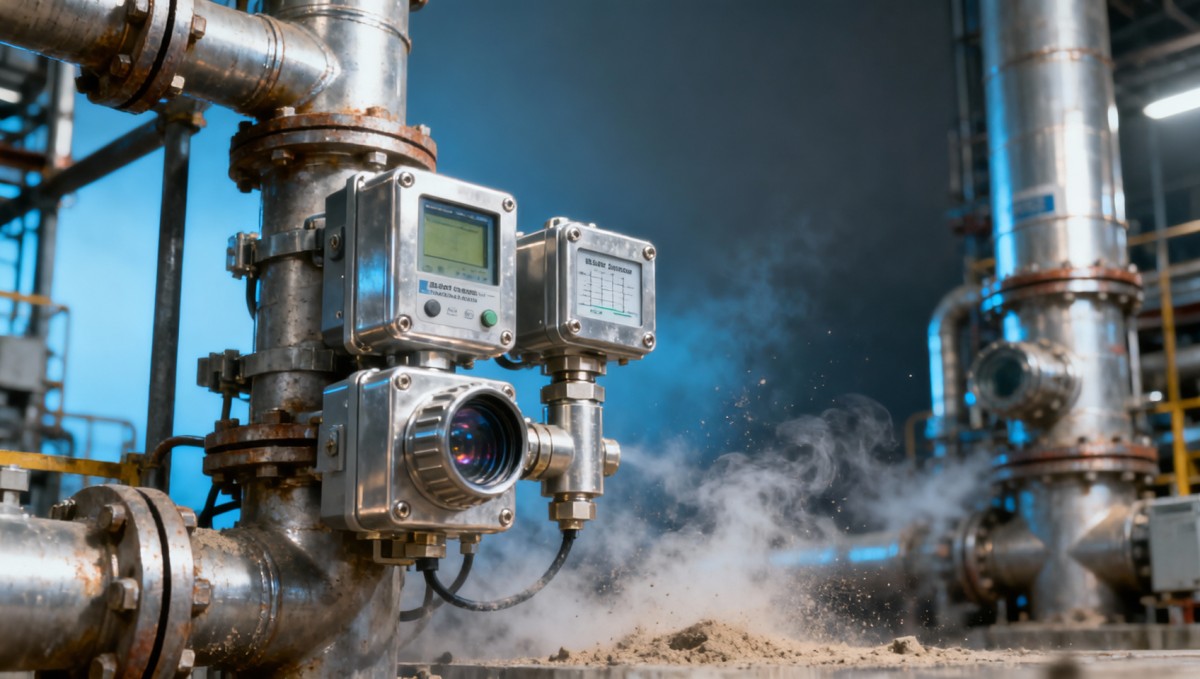
In the instrumentation industry, reliability is not only about whether a control sensor can detect a signal on day one. It is about whether the sensor can keep measuring accurately after 6–12 months of continuous operation in dust, humidity, washdown conditions, thermal cycling, or corrosive process gas. For industrial manufacturing, power generation, environmental monitoring, and automation control, sensor drift or false alarms can interrupt production, trigger safety events, or distort process decisions.
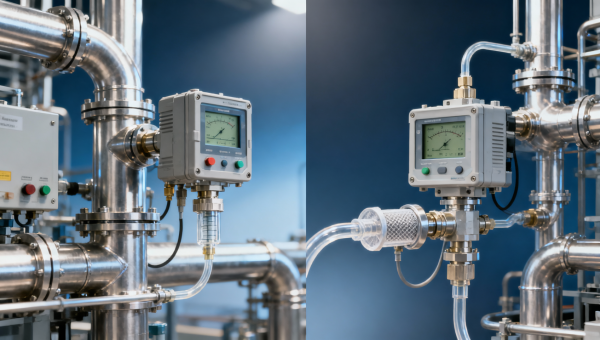
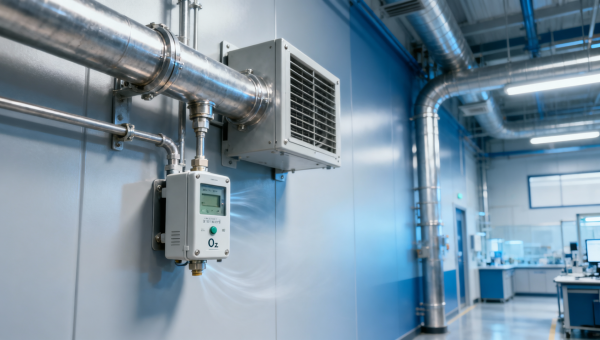
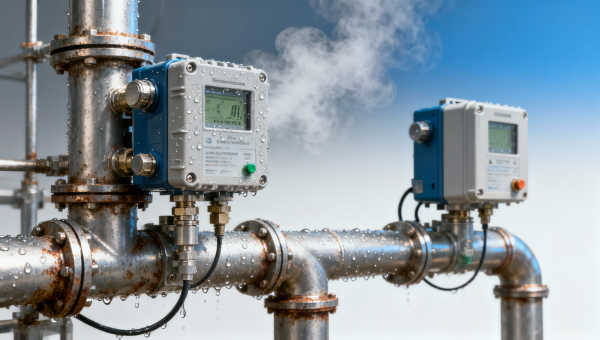
A harsh environment usually combines more than one stress factor. A fixed sensor in a chemical area may face 0°C to 50°C ambient shifts, high condensation risk, and low-level corrosive vapors at the same time. A portable sensor used by operators may also be dropped, exposed to vibration, and recharged frequently. Laboratory sensor systems appear more controlled, yet they can still be challenged by reagent vapor, calibration frequency, and contamination from repeated sampling.
For technical evaluators and quality or safety managers, reliability means predictable behavior across the full measurement chain: sensing element, electronics, enclosure, signal output, calibration stability, and maintenance interval. For procurement and finance teams, reliable control sensor selection also affects total lifecycle cost over 2–5 years, not just the initial purchase price. Lower downtime, fewer replacements, and reduced recalibration workload often matter more than a small upfront saving.
This is why harsh-environment sensor evaluation should focus on application fit rather than broad marketing claims. An oxygen detector for confined space safety, an infrared detector for hydrocarbon monitoring, an electrochemical detector for toxic gas tracking, and a paramagnetic detector for high-accuracy oxygen analysis each have different strengths. The right choice depends on operating range, contamination load, response expectation, and required maintenance discipline.
The 4 environmental stress categories buyers should check first
- Mechanical stress: continuous vibration, shock during transport, cable movement, and mounting instability that can loosen terminals or affect internal alignment.
- Atmospheric stress: dust loading, moisture ingress, condensation, salt mist, solvent vapor, and corrosive gas exposure that degrade sensing surfaces and connections.
- Thermal stress: daily cycling, local hot spots, cold starts, and rapid temperature changes that influence zero point, response time, and enclosure sealing.
- Operational stress: long runtime, frequent calibration, intermittent power issues, operator handling, and cleaning procedures that can accelerate wear in real applications.
Which technical factors make a control sensor truly reliable?
A reliable control sensor starts with measurement stability, but stability alone is not enough. In practical B2B use, buyers should assess at least 5 core dimensions: sensing principle suitability, enclosure and ingress protection, output integrity, calibration behavior, and maintainability. If one of these is weak, the entire monitoring sensor system can become unreliable even if the datasheet looks attractive under ideal laboratory conditions.
Sensing principle is the first filter. Electrochemical detectors are widely used for toxic gases and oxygen monitoring because they can provide good sensitivity, but they may require closer attention to temperature, humidity, and consumable life. Infrared detectors are often preferred for hydrocarbon gases because they are less affected by sensor poisoning and can support longer service intervals in many fixed sensor applications. Paramagnetic detectors are often selected when oxygen measurement accuracy and long-term analytical performance are critical in process or laboratory sensor settings.
Physical protection is the second filter. A control sensor installed near pumps, ducts, furnaces, or outdoor skids should be reviewed for sealing level, corrosion resistance, cable gland integrity, and connector durability. In many industrial environments, IP65, IP66, or IP67 level enclosure selection may be relevant depending on splash exposure, dust level, and washdown routine. Material compatibility also matters; stainless steel, coated aluminum, or engineered polymers each fit different exposure profiles.
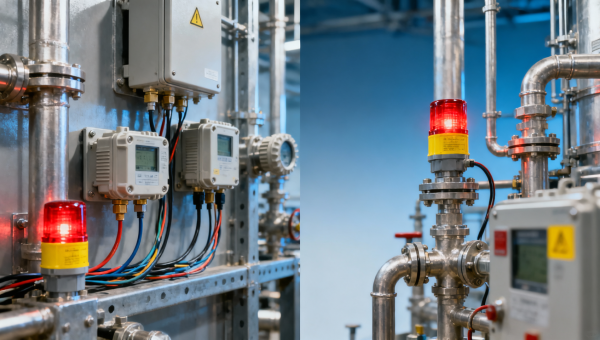
Signal reliability is the third filter. A strong sensor design should maintain stable output through 4–20 mA, relay, digital communication, or integrated controller interfaces without introducing noise, drift, or communication loss. In automation control projects, sensor output must remain usable across PLC, DCS, BMS, or distributed monitoring platforms. A sensor that measures well but integrates poorly can still fail the project.
Key performance indicators that deserve closer review
Before comparing brands or models, it helps to translate reliability into practical evaluation items. The table below summarizes how users, engineers, and purchasers can judge a control sensor in demanding environments.
This comparison helps teams avoid a common mistake: treating sensor accuracy as the only purchase criterion. In harsh environments, reliability comes from the balance between analytical performance and survivability. A slightly lower-cost unit can become more expensive within 12–24 months if recalibration, replacement, or downtime occurs too often.
A practical reliability checklist for engineering review
- Confirm the gas, media, or process variable, including concentration range, exposure pattern, and possible interfering substances.
- Match the sensor technology to the application rather than forcing one detector type into all scenarios.
- Review installation conditions such as vibration, washdown, outdoor temperature swings, and cable routing before final model selection.
- Ask for calibration and maintenance guidance over a realistic 12-month operating cycle, not only startup conditions.
How do fixed, portable, laboratory, and monitoring sensor systems differ?
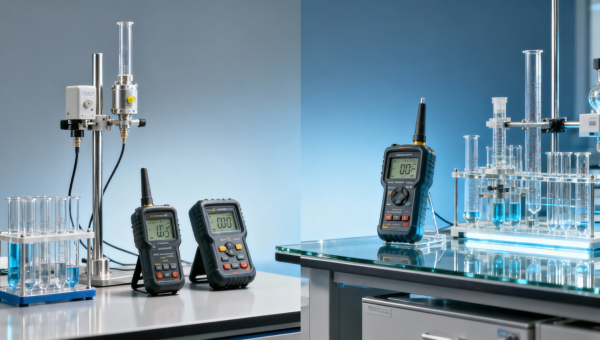
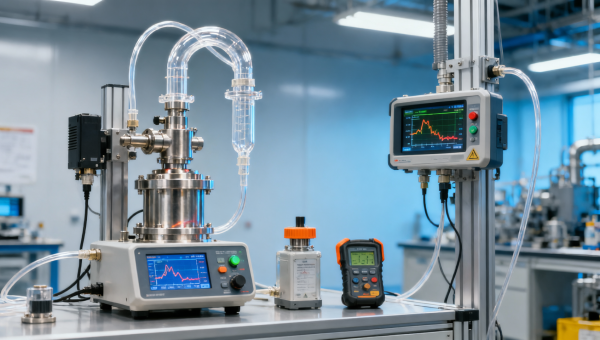
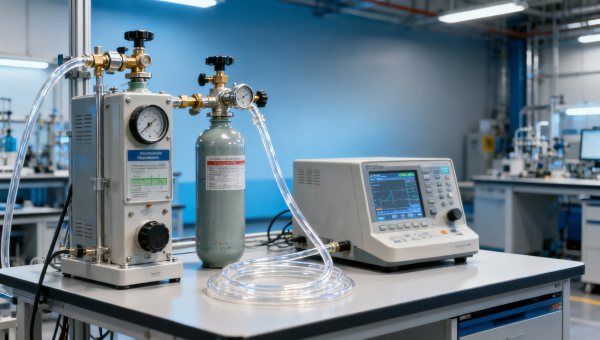
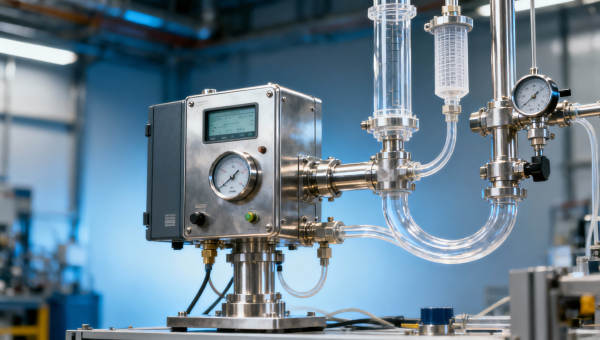
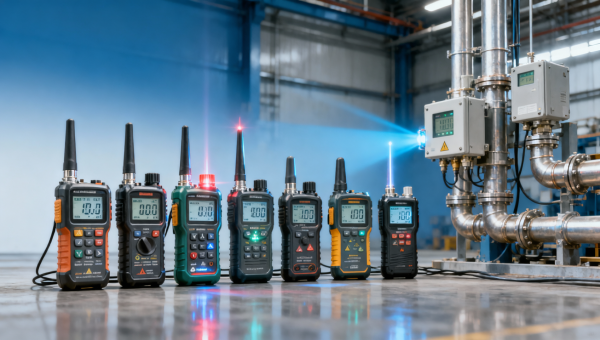
Different applications require different reliability priorities. A fixed sensor often emphasizes 24/7 operation, stable output transmission, and robust enclosure performance. A portable sensor must tolerate handling shock, battery charging cycles, and rapid field use. A laboratory sensor usually prioritizes analytical precision, contamination control, and calibration traceability. A monitoring sensor integrated into a broader system must support communication stability and alarm logic coordination.
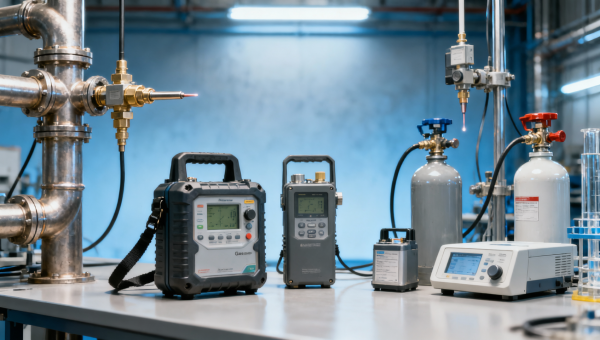
For project managers and engineering teams, this means one universal selection rule rarely works. The correct control sensor should fit the process architecture, operator workflow, and maintenance resources available on site. In many industrial programs, a mixed deployment is common: fixed sensor units for area monitoring, portable sensor units for inspection rounds, and laboratory sensor systems for validation or reference analysis.
The table below provides a structured view for comparing solution types across typical industrial and instrumentation use cases. It is useful for early-stage specification work, distributor discussions, and internal procurement reviews that need a clear selection path in 3–5 decision steps.
For buyers, the main takeaway is simple: reliability is context-specific. A portable sensor with strong mobility features may not be ideal for permanent fixed installation, while a high-precision laboratory sensor may be excessive or impractical for rough field deployment. Matching the solution type to the exposure profile usually shortens decision time and improves return on investment.
Typical application scenarios in the instrumentation industry
In industrial manufacturing, control sensors are often installed near furnaces, compressed air systems, exhaust lines, and chemical dosing zones where dust, vibration, and thermal variation are common. In energy and power facilities, sensors may work outdoors for long periods and must tolerate weather changes, generator vibration, and maintenance windows that can stretch from monthly checks to quarterly service cycles.
In environmental monitoring, stable low-level detection and long-term signal consistency are especially important because trend data may be reviewed over weeks or months. In medical testing and laboratory analysis, reliability depends more on contamination control, repeatability, and calibration traceability. In construction engineering and automation control, rugged integration, wiring stability, and commissioning speed often become key decision factors.
What should procurement, quality, and finance teams evaluate before buying?
Procurement decisions for control sensors often fail when teams compare only list price and delivery date. In reality, a complete evaluation should cover 6 purchase checkpoints: technical fit, environmental suitability, compliance needs, maintenance burden, integration effort, and lifecycle cost. This approach is particularly important in the instrumentation industry, where monitoring and control devices support broader automation, digitalization, and safety programs.
For purchasing and finance departments, lifecycle cost can be broken into three layers over a common 2–3 year planning window: initial acquisition cost, operating cost, and interruption cost. Operating cost includes calibration gas, spare parts, service labor, and planned replacement items. Interruption cost includes shutdown risk, false alarm investigation, and the labor required to troubleshoot unstable readings. Even one avoidable shutdown can outweigh a lower unit purchase price.
Quality and safety managers should also confirm whether the sensor supports the documentation and inspection practices required by the site. Depending on the application, that may include calibration records, alarm verification routines, maintenance logs, or general conformity to accepted industrial safety and electrical installation practices. If the operating area is hazardous, additional review of applicable explosion protection requirements may be necessary.
Distributors and project contractors often need one more layer of clarity: serviceability after delivery. Ask practical questions early. Can field teams replace sensing elements quickly? Is remote technical support available during commissioning? Is sample support possible for pilot testing? Can the supplier explain typical lead times such as 2–4 weeks for standard configurations or longer for customized enclosures and signal interfaces? These details reduce project delay risk.
A concise procurement checklist for B2B buyers
- Define the operating range, ambient conditions, and installation position before requesting a quotation.
- Request clarity on calibration frequency, spare parts, and expected field maintenance tasks within the first 12 months.
- Check output options and communication compatibility with PLC, DCS, SCADA, or local alarm panels.
- Review whether standard units are sufficient or whether the project needs customized materials, mounting, or certification support.
- Include operator usability, replacement time, and training needs in the final comparison, not just technical specification sheets.
Common mistakes, compliance concerns, and practical implementation advice
One common mistake is placing a reliable control sensor in the wrong location. Even a high accuracy sensor can underperform if it is mounted too far from the leak path, too close to heat sources, or in an area with airflow patterns that dilute the target gas. Installation review should therefore be treated as part of reliability design, not as a final mechanical step after purchase.
Another mistake is ignoring maintenance reality. A sensor that requires frequent calibration may be acceptable in a staffed laboratory, but it can become a burden in a remote outdoor installation visited only every 30–90 days. Reliability should always be matched to the site’s maintenance capacity. If field access is limited, choose configurations that simplify routine checks, replacement, and verification.
Compliance should be considered in a practical way. Depending on the application, buyers may need to review electrical safety expectations, enclosure protection, process documentation, or industry-accepted installation and calibration practices. In hazardous areas, the project team should verify applicable explosion protection requirements and ensure that sensor selection, cable entry, mounting, and system integration are aligned with site rules and local regulations.
Implementation also benefits from a staged approach. Many projects work well with a 4-step path: application review, model selection, pilot or sample validation, and full deployment. For larger monitoring sensor programs, adding a final review stage for alarm logic and maintenance training helps prevent avoidable issues after commissioning. This is especially useful when multiple stakeholders, from operators to finance approvers, must sign off on the same project.
FAQ: questions buyers and users ask most often
How do I choose between an infrared detector and an electrochemical detector?
Start with the target gas and the operating environment. Infrared detector technology is commonly selected for many hydrocarbon gas applications and can be attractive where poisoning resistance and longer maintenance intervals are important. Electrochemical detector technology is often used for toxic gases and oxygen monitoring where sensitivity is critical, but users should check temperature, humidity, and consumable life expectations before final selection.
How often should a control sensor be calibrated in harsh environments?
The answer depends on technology, exposure severity, and site procedures. In practice, many facilities review sensor function monthly or quarterly and perform calibration according to the manufacturer’s guidance and internal safety rules. A harsh environment with contamination, shock, or frequent exposure can justify shorter intervals. The key is to establish a realistic maintenance plan before purchase, not after installation.
Are portable sensors enough for industrial safety compliance?
Portable sensor units are valuable for inspections, confined space checks, and task-based monitoring, but they do not automatically replace fixed sensor systems for continuous area protection. In many sites, the most reliable strategy is layered deployment: fixed sensor coverage for permanent risk zones, portable sensor support for operators, and laboratory or reference analysis where higher validation accuracy is needed.
What is the usual delivery and implementation timeline?
Standard configurations may move faster than customized systems, and actual timing depends on interfaces, enclosure materials, and compliance requirements. As a general planning guide, sample confirmation and technical review may take several working days, while standard supply can often fit within 2–4 weeks. Complex integrated monitoring sensor projects may require additional time for panel design, testing, and commissioning coordination.
Why choose us for harsh-environment control sensor selection and project support?
In the instrumentation industry, reliable measurement is not a single product feature. It is a system decision that links sensing technology, field conditions, maintenance planning, compliance awareness, and integration with automation or monitoring platforms. That is why effective support should begin with application analysis and continue through model selection, implementation planning, and after-sales technical communication.
We can help you evaluate fixed sensor, portable sensor, laboratory sensor, and monitoring sensor options based on your real operating conditions. You can discuss target gas or media, temperature and humidity range, enclosure needs, signal output, installation location, and calibration expectations. If your team is balancing technical requirements with budget pressure, we can also help compare standard and customized configurations in a practical way.
For procurement teams, project managers, distributors, and engineering reviewers, the most useful starting points usually include 5 topics: parameter confirmation, product selection, expected lead time, certification or compliance considerations, and sample or pilot support. This makes internal approval easier because technical and commercial questions are addressed together rather than in separate rounds.
If you are planning a new project or replacing an unstable control sensor in a harsh environment, contact us with your application details. We can support selection discussions, quote preparation, delivery schedule review, and customized solution evaluation based on your monitoring goal, installation conditions, and maintenance resources.
Recommended for You
 Monitoring Sensor Prices in 2026: What Is Changing and WhyMonitoring sensor prices in 2026: compare portable sensor, fixed sensor, oxygen detector, infrared detector, electrochemical detector and paramagnetic detector options to choose a high accuracy sensor with better lifecycle value.
 Monitoring Sensor Data Looks Stable Until These Errors Show UpMonitoring sensor errors can hide behind stable data. Compare paramagnetic detector, electrochemical detector, infrared detector, and oxygen detector options for safer, high accuracy sensor selection.
 What Makes a Control Sensor Reliable in Harsh Environments?Control sensor reliability in harsh environments starts with the right oxygen detector, infrared detector, electrochemical detector, or paramagnetic detector for accurate, dependable monitoring.
 Control Sensor Delays Can Undermine Process StabilityControl sensor delays can destabilize operations. Compare paramagnetic detector, electrochemical detector, infrared detector, and oxygen detector options to find a high accuracy sensor for fixed, portable, laboratory, and monitoring sensor needs.
 Laboratory Sensor Repeatability Problems Often Start With SamplingLaboratory sensor repeatability issues often begin with sampling. Compare paramagnetic detector, electrochemical detector, infrared detector, and oxygen detector solutions to improve accuracy.
 Laboratory Sensor Selection Gets Harder With Lower Detection LimitsLaboratory sensor selection gets harder at lower limits. Compare paramagnetic detector, electrochemical detector, infrared detector, oxygen detector, fixed and portable sensor options for high accuracy monitoring and control.
 Portable Sensor Battery Loss Can Distort Long Shift MonitoringPortable sensor battery loss can distort long-shift monitoring. Compare paramagnetic detector, electrochemical detector, infrared detector and oxygen detector options for high accuracy sensor performance.
 Portable Sensor Accuracy in the Field Is Not Always What It SeemsPortable sensor accuracy can differ sharply from lab results. Compare paramagnetic detector, electrochemical detector, infrared detector, and oxygen detector performance to choose a high accuracy sensor for real field use.
 Fixed Sensor vs Portable Checks: Where Results Often DivergeExplore why fixed sensor and portable sensor readings diverge in oxygen detector systems using paramagnetic detector, electrochemical detector, and infrared detector technology.
 Why a High Accuracy Sensor May Still Miss Critical ChangesHigh accuracy sensor limits explained: compare paramagnetic detector, electrochemical detector, infrared detector and oxygen detector options to choose the right fixed, portable, laboratory or monitoring sensor.
 High Accuracy Sensor Claims: Which Specs Actually Prove It?High accuracy sensor selection starts with the right specs. Compare paramagnetic detector, electrochemical detector, infrared detector, and oxygen detector options for fixed, portable, laboratory, control, and monitoring sensor use.
 What Shortens the Service Life of an Oxygen Detector?Oxygen detector service life can drop fast due to heat, moisture, contamination, and poor calibration. Compare paramagnetic detector, electrochemical detector, and infrared detector solutions now.
 Oxygen Detector False Alarms Often Start With Sensor PlacementOxygen detector false alarms often start with sensor placement. Compare paramagnetic detector, electrochemical detector, and infrared detector options to improve accuracy and safety.
 Infrared Detector Response Time Can Change Your ReadingInfrared detector response time shapes alarm accuracy and stable readings. Compare paramagnetic detector, electrochemical detector, and oxygen detector options for every high accuracy sensor need.
 Infrared Detector Limits That Matter in Mixed Gas ApplicationsInfrared detector limits in mixed gas applications: compare paramagnetic detector, electrochemical detector, and oxygen detector options to choose a high accuracy sensor for portable, fixed, laboratory, control, and monitoring sensor use.
 Why Electrochemical Detector Calibration Fails More Often Than ExpectedElectrochemical detector calibration fails more often than expected—learn how a paramagnetic detector, infrared detector, or oxygen detector comparison helps you choose a high accuracy sensor for fixed, portable, laboratory, control, and monitoring sensor applications.
 Electrochemical Detector Lifespan Drops Fast Under These ConditionsElectrochemical detector lifespan can drop fast in heat, humidity, and corrosive gas. Compare paramagnetic detector, infrared detector, and oxygen detector options to choose a high accuracy sensor with lower lifecycle risk.
 Paramagnetic Detector Drift: What Usually Causes It?Paramagnetic detector drift explained: learn what causes oxygen detector errors, how it compares with electrochemical detector and infrared detector options, and how to keep a high accuracy sensor stable.
 Portable Detector Trends to WatchPortable detector trends: explore explosion proof monitor, laser monitor, infrared monitor, oxygen monitor, and high accuracy detector solutions that integrate with fixed detector systems.
 Fixed Detector Setup Mistakes to AvoidFixed detector setup mistakes can impact safety and costs. Learn how explosion proof monitor, oxygen monitor, infrared monitor, and portable detector users avoid false readings.
 High Accuracy Detector Selection TipsHigh accuracy detector selection tips for fixed detector and portable detector needs, covering explosion proof monitor, oxygen monitor, infrared monitor, and more for safer, smarter buying.
 Oxygen Monitor Export Trends in 2026Oxygen monitor export trends in 2026: explore explosion proof monitor, laser monitor, portable detector, fixed detector, and high accuracy detector demand shaping smarter buying decisions.
 Infrared Monitor Market Outlook 2026Infrared monitor market outlook 2026: compare explosion proof monitor, laser monitor, oxygen monitor, fixed detector and portable detector solutions for safer, smarter industrial projects.
 Where Electrochemical Monitors Work BestElectrochemical monitor guide: compare explosion proof monitor, infrared monitor, laser monitor, oxygen monitor, fixed detector, and portable detector for safer, smarter gas detection choices.
 Paramagnetic Monitor Import Outlook 2026Paramagnetic monitor import outlook 2026: compare explosion proof monitor, laser monitor, infrared monitor, oxygen monitor, and high accuracy detector solutions to source the right fixed or portable detector.
 Thermal Conductivity Monitor Price ShiftThermal conductivity monitor price trends explained with explosion proof monitor, laser monitor, oxygen monitor, and fixed or portable detector options for smarter, safer buying.
 How Laser Monitor Demand Is ChangingLaser monitor demand is changing as buyers compare explosion proof monitor, infrared, electrochemical, and oxygen monitor options for safer, high accuracy detector solutions.
 Oxygen Measurement System Export Demand in 2026Oxygen measurement system demand in 2026 is rising across industrial control equipment, gas quality measurement, emission control system, and process monitoring system markets. Explore key trends and smarter sourcing insights.
 Industrial Control System Trends to Watch in 2026Industrial control system trends for 2026: explore industrial control equipment, process monitoring system, gas quality measurement, oxygen measurement system, and emission control system upgrades.
 How to Improve Process Monitoring System ResultsImprove process monitoring system results with industrial control equipment, gas quality measurement, and emission measurement system strategies for smarter industrial control system performance.
 Emission Control System Import Risks in 2026Emission control system import risks in 2026: learn how industrial control equipment, gas quality measurement, and process monitoring system buyers can avoid delays, compliance issues, and costly mistakes.
 Gas Quality Control for Safer Plant OperationsGas quality control improves safer plant operations with industrial control equipment, gas quality measurement, and an emission measurement system—boost efficiency, compliance, and process monitoring performance.

Search Categories
Search Categories
Latest Article
- Monitoring Sensor Prices in 2026: What Is Changing and WhyMonitoring sensor prices in 2026: compare portable sensor, fixed sensor, oxygen detector, infrared detector, electrochemical detector and paramagnetic detector options to choose a high accuracy sensor with better lifecycle value.Posted by:
- Monitoring Sensor Data Looks Stable Until These Errors Show UpMonitoring sensor errors can hide behind stable data. Compare paramagnetic detector, electrochemical detector, infrared detector, and oxygen detector options for safer, high accuracy sensor selection.Posted by:
- What Makes a Control Sensor Reliable in Harsh Environments?Control sensor reliability in harsh environments starts with the right oxygen detector, infrared detector, electrochemical detector, or paramagnetic detector for accurate, dependable monitoring.Posted by:
Please give us a message
