
Common Process Gas Measurement Errors and How to Prevent Them


Why small process gas errors become major operating problems
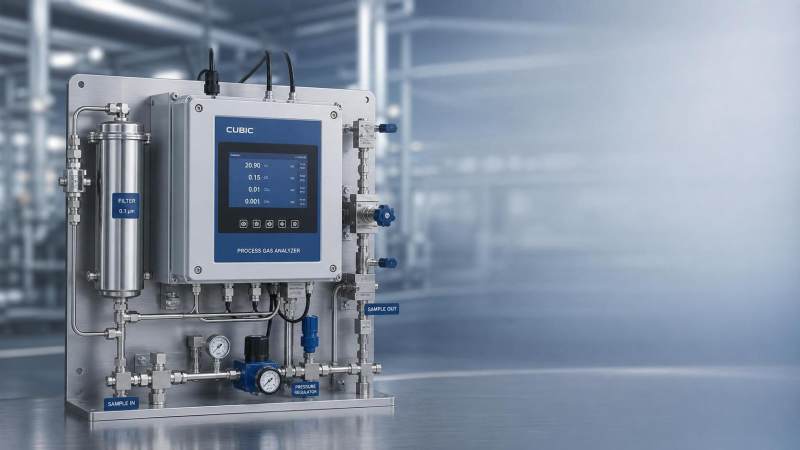
Process gas measurement rarely fails in dramatic ways at first. It usually drifts quietly, then shows up as unstable control, off-spec product, or unexplained alarms.
That is why process gas performance matters across manufacturing, energy, environmental monitoring, laboratories, and utility systems.
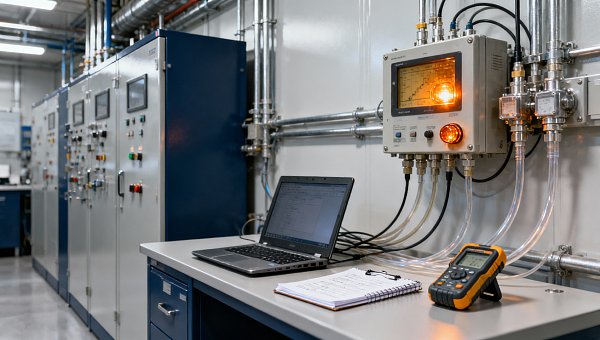
A gas analyzer may look healthy on the panel while the sampling path is wet, contaminated, leaking, or thermally unstable.
In real facilities, the same process gas problem creates different consequences. A refinery may see combustion instability. A semiconductor line may see purity loss. An emissions stack may risk compliance deviation.
This is also where the broader GIH perspective becomes useful. Accurate measurement is not only an instrument issue. It connects process control, calibration discipline, standards, maintenance practice, and supplier quality.
Actual field conditions change what “accurate” process gas measurement means
The most common mistake is assuming similar gases behave the same in every installation. They do not.
A dry utility gas in a clean indoor skid is easier to measure than a hot, corrosive process gas with pressure swings and entrained droplets.
Response time expectations also differ. Some loops need fast trend fidelity. Others care more about long-term repeatability and defensible traceability.
In practice, the right judgment starts with four questions: what is in the gas, how stable is the process, what happens after a bad reading, and how maintainable is the sampling system.
When those questions are skipped, teams often overfocus on analyzer specifications and underfocus on the real source of process gas error.
Where process gas measurement errors usually begin
- Sample extraction points placed in dead zones or turbulent zones
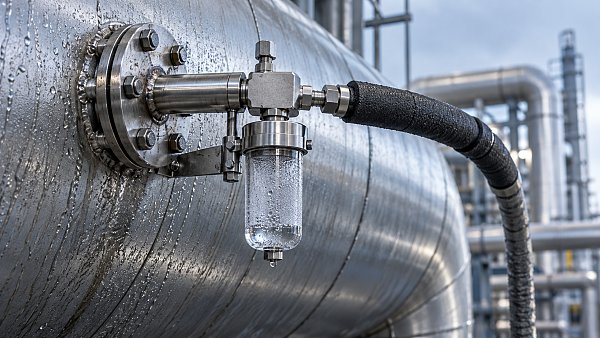
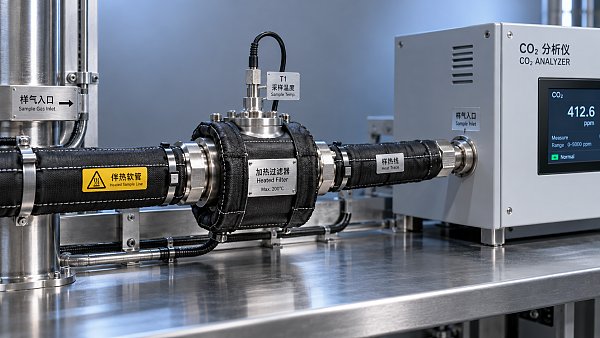
- Condensation caused by poor temperature control in lines and cabinets
- Pressure reduction that changes gas composition or delays transport
- Calibration gas mismatch with actual process gas matrix
- Sensor contamination, aging, or cross-sensitivity left unchecked
- Leaks that dilute the sample or pull in ambient moisture
In combustion and energy systems, response stability often matters more than headline accuracy
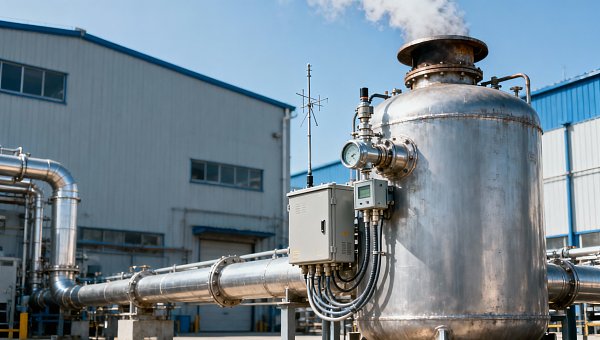
Boilers, turbines, furnaces, and hydrogen blending systems rely on process gas data for immediate control action.
Here, lag is often more damaging than a small static bias. If oxygen or fuel gas readings arrive late, the control loop corrects yesterday’s condition.
A common field issue is long sample tubing added for convenience. The analyzer still works, but the process gas signal arrives too slowly for meaningful control.
Another frequent problem appears after maintenance. Filters are replaced, but flow is not restored to the original design value, so readings become sluggish.
In these settings, prevention usually means short heated runs, stable flow regulation, fast-loop validation, and routine verification of transport delay.
In emissions and environmental monitoring, traceability is the deciding factor
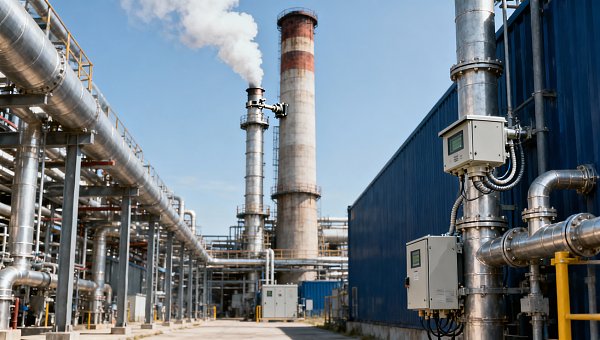
CEMS and related process gas applications face a different pressure. The reading must not only be technically correct. It must also stand up to audit review.
That changes the maintenance priority. Drift history, calibration records, zero and span checks, and sample conditioning become as important as analyzer technology.
Moisture handling is a classic source of trouble. One installation may need hot-wet extraction to preserve the gas phase. Another may require controlled drying to protect the instrument.
Treating those two process gas situations as equivalent creates reporting bias. The error may remain hidden until reconciliation or inspection.
This is where standards awareness matters. GIH often highlights how compliance frameworks, calibration traceability, and supplier documentation affect measurement credibility over time.
High-purity and laboratory-linked applications fail for different reasons
In specialty gas, life science support systems, electronics manufacturing, and research environments, contamination risk usually outweighs ruggedness concerns.
The process gas may be clean, but the sampling assembly introduces the error through seals, tubing surface effects, dead volume, or poor purge practice.
At low concentration levels, adsorption and desorption become serious. The analyzer may indicate drift even when the process is stable.
A frequent misjudgment is selecting materials for pressure rating only. Surface finish, inertness, and cleaning protocol can matter just as much.
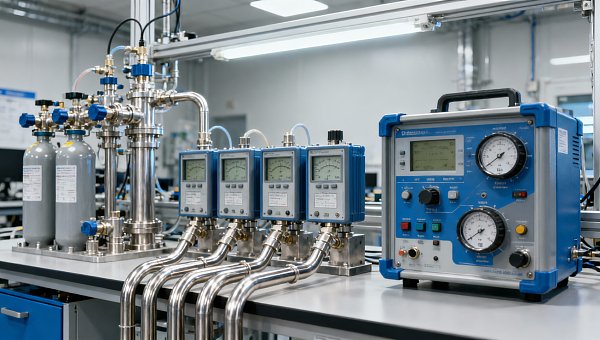
For this kind of process gas work, prevention depends on material compatibility, controlled purge sequences, low-dead-leg design, and calibration intervals matched to actual sensitivity demands.
Different process gas settings need different checks
Sampling systems cause more process gas trouble than the analyzer itself
This pattern appears across industries. The instrument gets blamed, but the real weakness sits upstream.
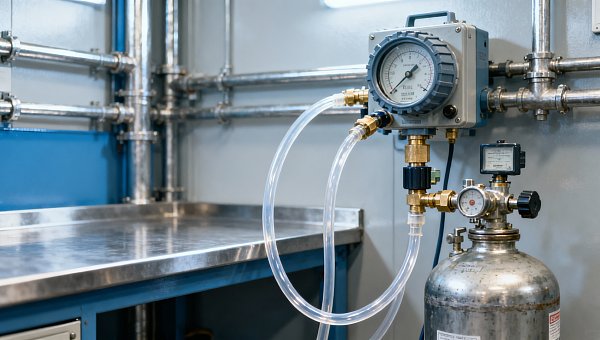
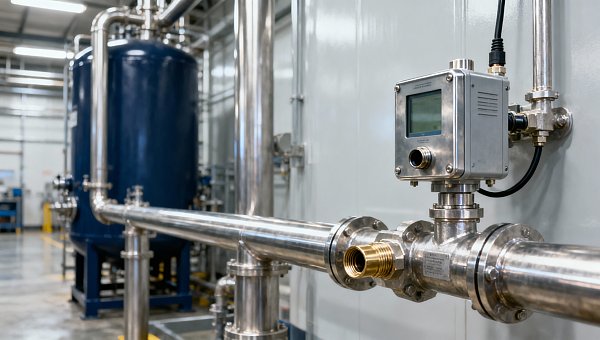
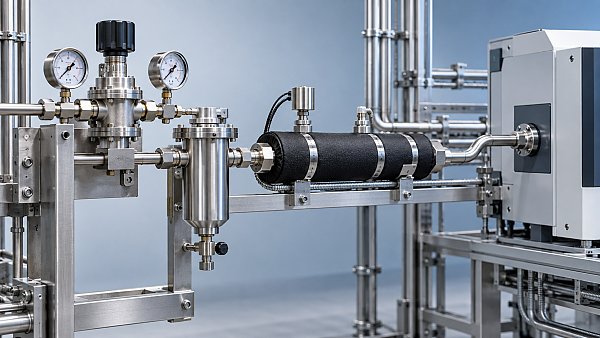
A badly located probe can collect an unrepresentative sample. An oversized filter can trap condensate. A pressure regulator can create cooling that shifts the process gas condition.
Even simple fittings matter. Tiny leaks may not trigger safety alarms, yet they can distort low-level oxygen, moisture, or impurity measurement.
The practical approach is to inspect the sample path as a measurement system, not as a set of isolated components.
- Map the full process gas path from tap to analyzer inlet
- Check where temperature or pressure changes alter sample behavior
- Confirm flow regime under normal and upset conditions
- Test leak tightness after every intervention, not only during commissioning
The easiest misjudgments to avoid before drift turns into downtime
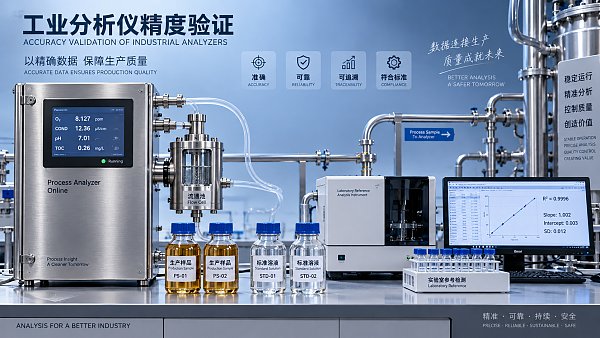
One misjudgment is trusting calibration alone. A well-calibrated analyzer can still report bad process gas data if the sample never arrives in the same condition.
Another is using maintenance intervals copied from a different unit. Two similar installations may foul at very different rates because of humidity, dust, sulfur, or cycling intensity.
A third is choosing based on purchase price while ignoring serviceability. If routine checks require shutdown access or rare parts, process gas reliability will eventually fall.
There is also a digital blind spot. Many plants trend the analyzer output but do not trend cabinet temperature, sample flow, pressure, and valve state together.
Without that context, a process gas deviation looks random even when the root cause is repetitive and visible.
A practical prevention routine
- Review whether the extraction point still represents current operating conditions
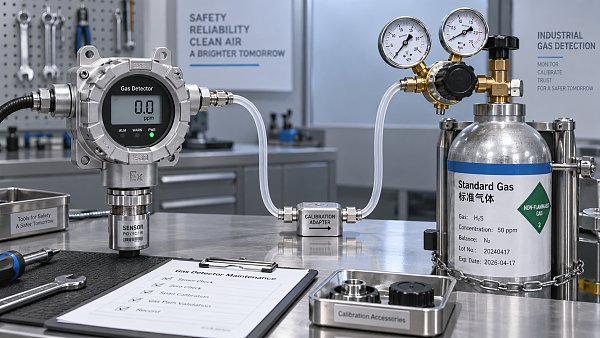
- Match calibration gases to the actual process gas matrix and expected ranges
- Verify transport time after tubing, filter, or regulator changes
- Trend supporting variables, not only the final concentration value
- Set maintenance frequency from fouling behavior, not from generic schedules
- Document recurring failures to refine site-specific fit criteria
A better next step is to judge process gas risk by application, not by catalog data
Reliable process gas measurement comes from matching the instrument, the sample system, and the operating context.
The strongest results usually come from a simple review: define the real gas condition, identify what error matters most, and confirm whether the full chain preserves sample integrity.
That approach fits the wider GIH view of instrumentation. Good decisions are built on measurement science, field realities, compliance discipline, and long-term maintainability together.
Before the next upgrade or troubleshooting cycle, compare process gas conditions across units, list the hidden assumptions in each sampling design, and rank the highest-impact failure points first.
Once those differences are visible, prevention becomes far more practical than reacting after alarms, drift, or downtime already appear.
Recommended for You
 How to set industrial calibration intervals based on equipment riskSet industrial calibration intervals based on equipment risk, drift, and as-found data. Learn when to shorten or extend schedules to improve reliability and avoid unnecessary costs.
 How to choose electrochemical analyzers for low-current measurementsCompare electrochemical analyzers for precise low-current measurements. Learn how noise, leakage, bandwidth, and real-cell testing help you choose the right instrument.
 What tolerance does a custom gas mixture need for calibration?Choose the right custom gas tolerance for calibration. Learn how blending tolerance, certified uncertainty, and stability affect accuracy—and avoid paying for precision you don’t need.
 How condensation affects stack detector readings in wet flue gasStack detector readings can drift when wet flue gas condenses. Learn how to identify moisture interference, prevent sample losses, and improve emissions monitoring reliability.
 How to prevent condensation in a CO2 analyzer sampling systemPrevent condensation in your CO2 analyzer sampling system. Learn how to control dew point, eliminate cold spots, and manage moisture for reliable readings and fewer costly disruptions.
 How to verify accuracy claims for industrial quality analyzersVerify accuracy claims for industrial quality analyzers with calibration checks, independent testing, and clear acceptance criteria. Learn how to reduce risk and buy with confidence.
 How to calculate cooling loads for an industrial analyzer shelterSize industrial analyzer shelter cooling with confidence. Learn to calculate equipment heat, solar gains, and ventilation loads, then select HVAC capacity for reliable analyzer performance.
 Where to Place CO Analyzers for Effective Parking Garage VentilationOptimize your CO analyzer for parking garage ventilation with practical placement tips. Learn how sensor height, airflow, and zone coverage support timely detection and effective fan control.
 NDIR vs. FTIR Gas Analyzers: Which Fits Your Environmental Research?Find the right infrared gas analyzer for environmental research. Compare NDIR vs. FTIR on sensitivity, gas coverage, sampling needs, and cost to choose confidently for your study.
 Oxygen Analyzers for Diving: Calibration Checks Before Nitrox BlendingUsing an oxygen analyzer for diving applications? Discover essential calibration, sensor, and sampling checks before nitrox blending to support reliable readings.
 How Paramagnetic Oxygen Analyzers Work and Why Sample Pressure MattersLearn how a paramagnetic oxygen analyzer works, why sample pressure affects accuracy, and what to check in compensation and calibration before choosing your system.
 How Much Does a Complete CEMS Integration Project Typically Cost?How much does a complete CEMS integration project typically cost? Explore budget ranges, hidden installation costs, and compliance needs to compare quotes and plan confidently.
 What Is the Typical Response Time for Industrial Air Monitors?What is the typical response time for industrial air monitors? Explore T90, sampling delays, and alarm settings to compare performance and choose the right monitor with confidence.
 Do Regulatory Monitoring Systems Need Third-Party Certification?Do regulatory monitoring systems need third-party certification? Learn when it is required, what certificates prove, and how to verify compliance before buying.
 How Do You Choose Wired or Wireless for Stack Monitoring?Learn how to choose between wired and wireless for stack monitoring. Compare reliability, lifecycle costs, and data recovery to find the right CEMS setup for your site.
 What Happens When Combustible Gas Sensor Calibration Is Overdue?What happens if combustible gas sensor is not recalibrated on time? Discover the risks of inaccurate readings and missed alarms, plus steps to restore reliable protection.
 Can One Multi-Gas Detector Replace Four Separate Analyzers?Find out: can a single multi-gas detector replace four separate analyzers? Compare accuracy, safety, compliance, and lifetime costs to make a confident buying decision.
 Industrial Safety vs. Emission Monitoring: What Are the Differences?What are the main differences between industrial safety and emission monitoring? Compare goals, sensors, response times, and compliance needs to choose the right systems for your facility.
 Is Remote Monitoring Worth the Cost for Small Emission Sources?Is it worth investing in remote monitoring for small emission sources? Compare costs, compliance needs, and potential savings to choose the right solution for your operation.
 How Do You Handle Analyzer Failure During an Environmental Audit?Learn how to handle analyzer failure during environmental compliance audit procedures. Protect evidence, verify data, and restore monitoring with this practical response guide.
 Do VOC Monitors Require Explosion-Proof Certification?Does VOC monitoring require explosion-proof certification? Learn when approval is needed, compare ATEX and IECEx, and choose the right monitor for your site.
 How sample conditioning affects accuracy in petrochemical analyzersImprove accuracy in petrochemical analyzers with smarter sample conditioning. Discover how phase control, filtration, and transport design prevent bias and deliver reliable process data.
 How to troubleshoot sensor drift in industrial gas detectorsIndustrial gas detectors showing sensor drift? Learn how to verify calibration gas, identify root causes, and determine when sensor replacement is needed for reliable monitoring.
 How to judge whether a competitive price reflects real valueCompetitive Price: learn how to compare scope, compliance, performance, and lifecycle costs to identify real value, reduce risk, and make smarter purchasing decisions.
 When custom gas analysis is the right fit for complex process streamsCustom gas analysis for complex process streams: learn when tailored sampling, interference control, and reliable measurement design deliver confident decisions.
 When does a laser gas analyzer meet stack emissions monitoring needs?Laser gas analyzer for stack emissions: learn when it delivers fast, reliable data, how to assess installation risks, and what to verify for CEMS compliance.
 How to select a hazardous gas analyzer for confined spacesHazardous gas analyzer selection for confined spaces: compare sensors, sampling, certifications, alarms, and maintenance to protect workers and choose with confidence.
 When is a single gas analyzer sufficient for workplace safety monitoring?Discover when a single gas analyzer delivers reliable workplace safety monitoring, and learn the key limits, calibration needs, and risks that require broader detection.
 How to choose an ambient gas analyzer for low-level leak detectionAmbient gas analyzer selection for low-level leak detection: compare sensitivity, cross-sensitivity, sampling design, alarms, and calibration for reliable site performance.
 How to tell when an oxygen sensor needs replacementOxygen sensor replacement signs explained: learn how live data, fault codes, wiring checks, and exhaust inspections pinpoint the real issue before you buy.
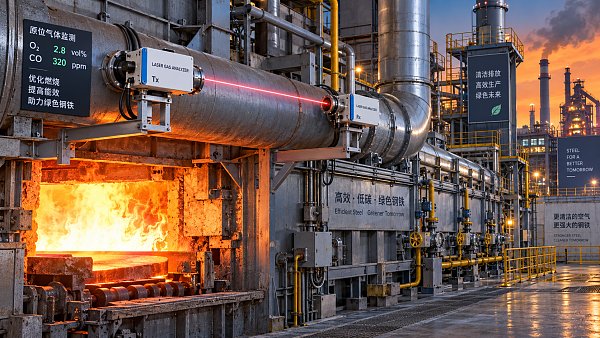
 How laser gas analyzers improve combustion control in steel furnacesLaser gas analyzer for steel industry applications delivers fast in-situ O₂ and CO data to optimize furnace combustion, cut fuel waste, and improve steel heating stability.
 How to verify whether explosion proof equipment meets site requirementsExplosion proof equipment verification made practical: match zones, gas or dust groups, temperature classes, certificates, and installation conditions for confident compliance.
Search Categories
Search Categories
- Smart Meters & Power Quality
- Transformer Gas Analyzers
- BESS Thermal Runaway Detectors
- Energy, Power & Smart Grid Monitoring
- Optical Profilers & CMM
- Ultrasonic & X-Ray NDT
- Calibration Standards
- Precision Metrology & NDT
- Water Quality Analyzers
- CEMS & VOCs Monitors
- Price Trends
- Import & Export Updates
- Market Trends
- Industry News
- Industry Insights
Latest Article
- How to set industrial calibration intervals based on equipment riskSet industrial calibration intervals based on equipment risk, drift, and as-found data. Learn when to shorten or extend schedules to improve reliability and avoid unnecessary costs.Posted by:
- How to choose electrochemical analyzers for low-current measurementsCompare electrochemical analyzers for precise low-current measurements. Learn how noise, leakage, bandwidth, and real-cell testing help you choose the right instrument.Posted by:
- What tolerance does a custom gas mixture need for calibration?Choose the right custom gas tolerance for calibration. Learn how blending tolerance, certified uncertainty, and stability affect accuracy—and avoid paying for precision you don’t need.Posted by:
Please give us a message
