
Plant Safety Analyzer Checklist for Safer Daily Operations


Why a Plant Safety Analyzer Checklist Matters in Daily Operations

A plant safety analyzer supports far more than periodic compliance reviews.
In daily operations, it helps verify whether protective systems still match real process conditions.
That difference matters when production runs continuously, loads shift, and environmental stress gradually changes instrument behavior.
A useful checklist turns scattered inspection tasks into a structured decision tool.
It helps identify weak signals early, before a nuisance alarm becomes a shutdown or a maintenance delay becomes a safety event.
For a platform like Global Instrument Hub, this is a familiar pattern across industries.
Reliable measurement sits at the center of safe manufacturing, energy systems, environmental monitoring, and laboratory-linked production control.
A plant safety analyzer checklist therefore works best when it connects instrumentation data, operating context, and maintenance decisions.
The value is practical: fewer blind spots, clearer priorities, and more consistent daily risk control.
Actual Site Conditions Change What the Checklist Should Emphasize
Not every site asks the same questions from a plant safety analyzer.
A high-pressure chemical loop, a food processing line, and a power distribution room all face different failure patterns.
In practice, the inspection logic changes with process criticality, sensor density, environmental exposure, and response time requirements.
Some sites need sharp focus on gas detection, loop integrity, and explosion-proof compatibility.
Others care more about calibration drift, alarm fatigue, backup power stability, or communication gaps between analyzers and control platforms.
The better approach is not to copy a generic checklist.
It is to decide which measurements directly affect safe operation, which failures escalate fastest, and which devices are hardest to validate under real conditions.
A practical baseline before comparing scenarios
- Confirm analyzer measurement range against actual operating peaks, not nameplate assumptions.
- Review alarm thresholds against present process variability and seasonal load changes.
- Check sensor response time where fast pressure or temperature excursions are possible.
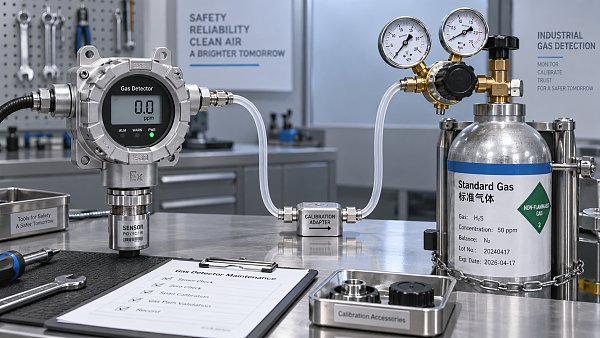
- Verify calibration traceability for instruments tied to safety interlocks or regulated reporting.
- Inspect communication reliability between analyzer outputs, PLC/DCS layers, and event logging systems.
Where Continuous Process Lines Need Tighter Judgment
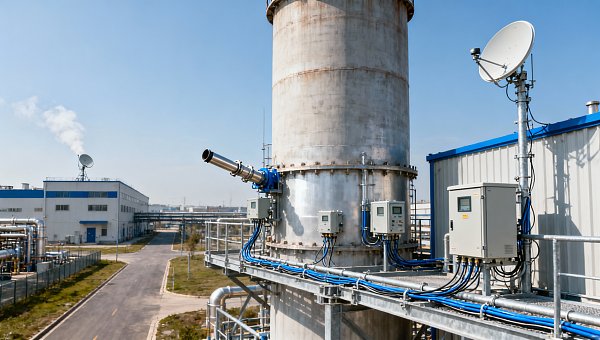
In continuous process environments, a plant safety analyzer often becomes part of the operating rhythm rather than a separate audit tool.
Here, the checklist should focus on stable measurement under heat, vibration, corrosive media, and long duty cycles.
Minor drift can have outsized consequences when flow, pressure, and composition readings drive control adjustments every minute.
A common oversight is assuming that acceptable calibration history guarantees present reliability.
It does not, especially when process chemistry changes or upstream maintenance affects signal quality.
This is where the plant safety analyzer should be checked against response consistency, not only against absolute accuracy.
More often than not, recurring false alarms point to unstable installation conditions, contaminated sensing points, or poor shielding.
The right checklist asks whether the analyzer still reflects process truth under stress.
What deserves closer review on these lines
- Sensor exposure to condensate, dust, or aggressive cleaning cycles.
- Analyzer housing integrity in hot or corrosive zones.
- Latency between measured deviation and alarm registration.
- Consistency between local readings and central control displays.
- Maintenance access without disrupting critical containment or insulation.
Batch Operations Usually Reveal Different Safety Priorities
Batch production does not stress a plant safety analyzer in the same way.
The main challenge is transition: charging, heating, mixing, holding, cleaning, and restarting.
Each step may alter acceptable thresholds, sampling frequency, and operator interaction with alarms.
Because conditions are less uniform, checklists should pay closer attention to mode-specific logic.
A plant safety analyzer that performs well during steady mixing may still miss rapid deviations during charging or solvent addition.
This is also where procedural mismatch appears.
If analyzer settings, cleaning intervals, and batch recipes are updated separately, safety verification becomes fragmented.
A stronger checklist aligns analyzer review with actual batch steps and deviation history.
Utilities, Energy Rooms, and Support Systems Are Often Undervalued
Many safety reviews emphasize production equipment first.
Yet a plant safety analyzer is equally important around boilers, compressed air systems, cooling loops, battery storage, and electrical distribution assets.
These areas support process continuity, and their failures often cascade quickly.
In smart grid and energy monitoring environments, early warning quality matters more than raw data volume.
Temperature anomalies, insulation decline, pressure instability, and power quality distortion should be easy to distinguish from noise.
The checklist should therefore ask whether the analyzer highlights actionable deviations fast enough for intervention.
This aligns with the wider instrumentation view advanced by GIH: measurement is valuable only when it improves control confidence.
Useful checks in support-system environments
- Validate analyzer performance during power transitions and backup switchover events.
- Check whether warning thresholds reflect equipment aging, not only design conditions.
- Review trend storage quality for identifying slow thermal or pressure deterioration.
- Confirm compatibility with existing SCADA, PLC, or DCS architecture.
Environmental and Regulated Areas Need Better Traceability, Not Just More Alarms
Another common scenario involves emissions control, water treatment, clean utilities, and laboratory-linked verification points.
Here, a plant safety analyzer supports both operational safety and defensible records.
That creates a different priority set.
Sampling integrity, calibration traceability, and standard alignment may matter as much as alarm function.
Where ISO/IEC 17025, ATEX, IECEx, or sector-specific regulatory frameworks apply, checklist quality should extend beyond device status.
It should capture whether measurement conditions, maintenance records, and verification intervals still support trustworthy decisions.
This is especially relevant when analyzer data feeds cross-border reporting, supplier audits, or internal process validation.
A clean report is useful, but a traceable report is safer.
Common Misjudgments That Weaken a Plant Safety Analyzer Program
Some mistakes appear in almost every industry.
The first is treating product specifications as a substitute for site validation.
A plant safety analyzer may look ideal on paper, then underperform in vibration, moisture, heat, or mixed-signal environments.
Another misjudgment is focusing on purchase cost while ignoring recalibration effort, spare availability, and downtime during replacement.
There is also a tendency to group similar operations together.
In reality, a packaging hall, solvent recovery unit, and wastewater skid may all require different checklist priorities.
One more issue is alarm overload.
If every deviation receives equal attention, the plant safety analyzer stops guiding action and starts generating noise.
Good checklist design separates critical intervention points from routine observation points.
How to Adapt the Checklist Before the Next Review Cycle
A stronger plant safety analyzer checklist starts with mapping the most exposed operating conditions.
Then compare those conditions with actual measurement paths, alarm logic, and maintenance evidence.
Where the process changes often, keep checklist items tied to operating modes.
Where the environment is harsh, emphasize installation quality, enclosure durability, and signal integrity.
Where traceability is critical, tighten documentation around calibration and intervention history.
This is usually more effective than simply adding more checkpoints.
A practical next step is to rank checklist items by risk escalation speed, verification difficulty, and operational impact.
That ranking makes the plant safety analyzer a better daily control instrument, not just a periodic inspection record.
When checklist design reflects real site differences, safety decisions become clearer, maintenance becomes more targeted, and instrumentation data becomes easier to trust.
Recommended for You
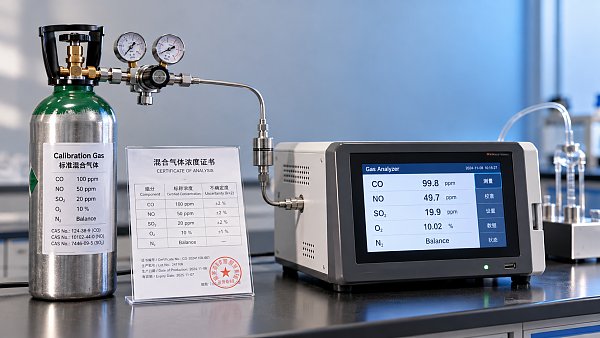
 What tolerance does a custom gas mixture need for calibration?Choose the right custom gas tolerance for calibration. Learn how blending tolerance, certified uncertainty, and stability affect accuracy—and avoid paying for precision you don’t need.
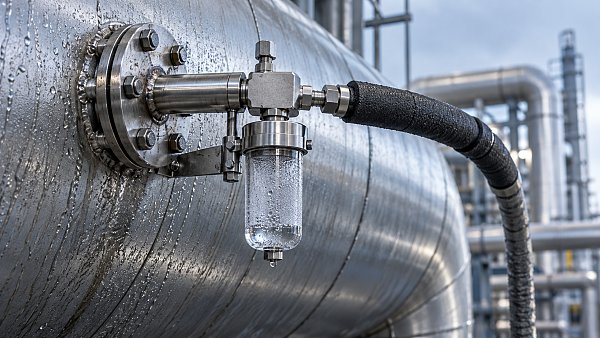
 How condensation affects stack detector readings in wet flue gasStack detector readings can drift when wet flue gas condenses. Learn how to identify moisture interference, prevent sample losses, and improve emissions monitoring reliability.
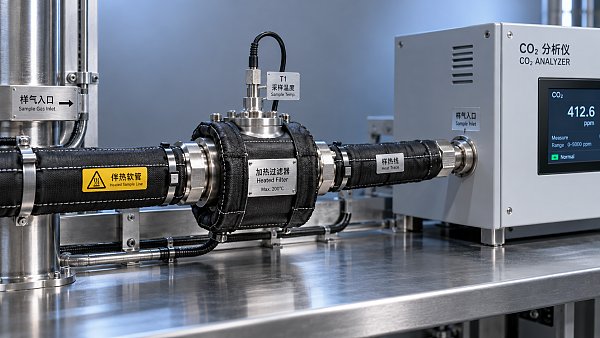
 How to prevent condensation in a CO2 analyzer sampling systemPrevent condensation in your CO2 analyzer sampling system. Learn how to control dew point, eliminate cold spots, and manage moisture for reliable readings and fewer costly disruptions.
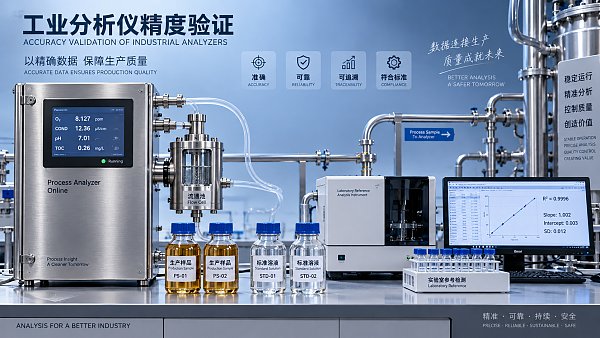
 How to verify accuracy claims for industrial quality analyzersVerify accuracy claims for industrial quality analyzers with calibration checks, independent testing, and clear acceptance criteria. Learn how to reduce risk and buy with confidence.
 How to calculate cooling loads for an industrial analyzer shelterSize industrial analyzer shelter cooling with confidence. Learn to calculate equipment heat, solar gains, and ventilation loads, then select HVAC capacity for reliable analyzer performance.
 How Much Does a Complete CEMS Integration Project Typically Cost?How much does a complete CEMS integration project typically cost? Explore budget ranges, hidden installation costs, and compliance needs to compare quotes and plan confidently.
 What Is the Typical Response Time for Industrial Air Monitors?What is the typical response time for industrial air monitors? Explore T90, sampling delays, and alarm settings to compare performance and choose the right monitor with confidence.
 Do Regulatory Monitoring Systems Need Third-Party Certification?Do regulatory monitoring systems need third-party certification? Learn when it is required, what certificates prove, and how to verify compliance before buying.
 How Do You Choose Wired or Wireless for Stack Monitoring?Learn how to choose between wired and wireless for stack monitoring. Compare reliability, lifecycle costs, and data recovery to find the right CEMS setup for your site.
 What Happens When Combustible Gas Sensor Calibration Is Overdue?What happens if combustible gas sensor is not recalibrated on time? Discover the risks of inaccurate readings and missed alarms, plus steps to restore reliable protection.
 Can One Multi-Gas Detector Replace Four Separate Analyzers?Find out: can a single multi-gas detector replace four separate analyzers? Compare accuracy, safety, compliance, and lifetime costs to make a confident buying decision.
 Industrial Safety vs. Emission Monitoring: What Are the Differences?What are the main differences between industrial safety and emission monitoring? Compare goals, sensors, response times, and compliance needs to choose the right systems for your facility.
 Is Remote Monitoring Worth the Cost for Small Emission Sources?Is it worth investing in remote monitoring for small emission sources? Compare costs, compliance needs, and potential savings to choose the right solution for your operation.
 How Do You Handle Analyzer Failure During an Environmental Audit?Learn how to handle analyzer failure during environmental compliance audit procedures. Protect evidence, verify data, and restore monitoring with this practical response guide.
 Do VOC Monitors Require Explosion-Proof Certification?Does VOC monitoring require explosion-proof certification? Learn when approval is needed, compare ATEX and IECEx, and choose the right monitor for your site.
 How sample conditioning affects accuracy in petrochemical analyzersImprove accuracy in petrochemical analyzers with smarter sample conditioning. Discover how phase control, filtration, and transport design prevent bias and deliver reliable process data.
 How to troubleshoot sensor drift in industrial gas detectorsIndustrial gas detectors showing sensor drift? Learn how to verify calibration gas, identify root causes, and determine when sensor replacement is needed for reliable monitoring.
 How to judge whether a competitive price reflects real valueCompetitive Price: learn how to compare scope, compliance, performance, and lifecycle costs to identify real value, reduce risk, and make smarter purchasing decisions.
 When custom gas analysis is the right fit for complex process streamsCustom gas analysis for complex process streams: learn when tailored sampling, interference control, and reliable measurement design deliver confident decisions.
 When does a laser gas analyzer meet stack emissions monitoring needs?Laser gas analyzer for stack emissions: learn when it delivers fast, reliable data, how to assess installation risks, and what to verify for CEMS compliance.
 How to select a hazardous gas analyzer for confined spacesHazardous gas analyzer selection for confined spaces: compare sensors, sampling, certifications, alarms, and maintenance to protect workers and choose with confidence.
 When is a single gas analyzer sufficient for workplace safety monitoring?Discover when a single gas analyzer delivers reliable workplace safety monitoring, and learn the key limits, calibration needs, and risks that require broader detection.
 How to choose an ambient gas analyzer for low-level leak detectionAmbient gas analyzer selection for low-level leak detection: compare sensitivity, cross-sensitivity, sampling design, alarms, and calibration for reliable site performance.
 How to tell when an oxygen sensor needs replacementOxygen sensor replacement signs explained: learn how live data, fault codes, wiring checks, and exhaust inspections pinpoint the real issue before you buy.
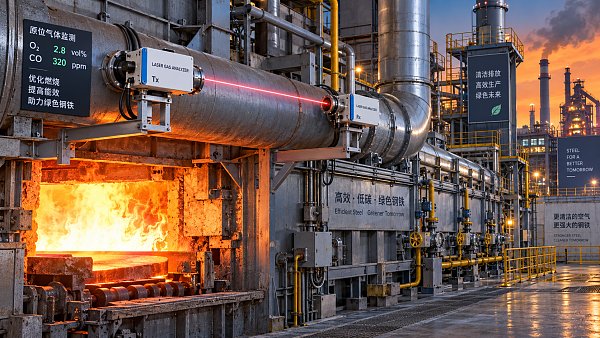
 How laser gas analyzers improve combustion control in steel furnacesLaser gas analyzer for steel industry applications delivers fast in-situ O₂ and CO data to optimize furnace combustion, cut fuel waste, and improve steel heating stability.
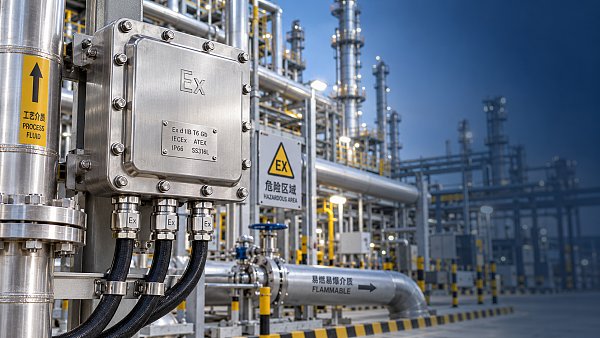
 How to verify whether explosion proof equipment meets site requirementsExplosion proof equipment verification made practical: match zones, gas or dust groups, temperature classes, certificates, and installation conditions for confident compliance.
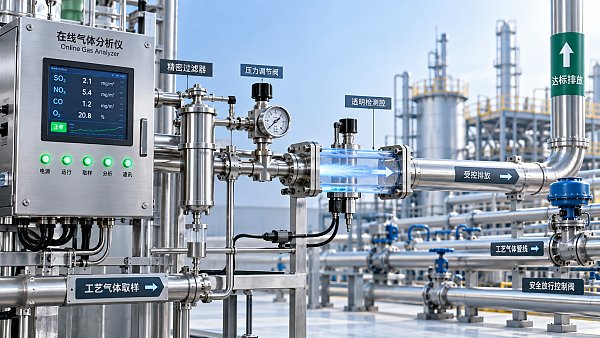
 How industrial gas analysis helps detect contamination before releaseIndustrial Gas Analysis helps detect moisture, oil, oxygen, and toxic contaminants before release—protecting processes, ensuring compliance, and reducing costly risks.
 When is electrochemistry detection the right choice for water analysis?Electrochemistry detection for water analysis: learn when fast, reliable monitoring of ions, chlorine, pH, and more delivers actionable results.
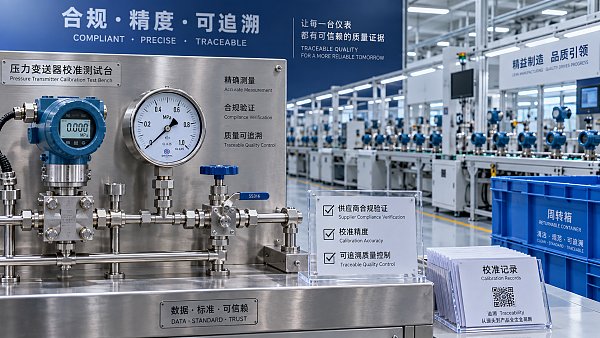
 How industrial standards reduce quality risks in supplier selectionIndustrial Standard guidance helps quality and safety managers reduce supplier risks, verify compliance, strengthen traceability, and build resilient instrumentation supply chains.
 When does a multi-component system reduce installation complexity?Multi component systems reduce installation complexity when they eliminate field interfaces, streamline commissioning, and provide proven compatibility. Learn how to assess total cost and supplier accountability.
 How to size an industrial control shelter for outdoor equipmentIndustrial control shelter sizing guide: optimize layout, HVAC, access, safety, and expansion space for reliable outdoor equipment operations.
 How flue analysis helps verify combustion efficiencyFlue analysis verifies combustion efficiency by assessing O2, CO, CO2, and stack temperature to identify excess air, incomplete combustion, and heat losses.

Search Categories
Search Categories
- Smart Meters & Power Quality
- Transformer Gas Analyzers
- BESS Thermal Runaway Detectors
- Energy, Power & Smart Grid Monitoring
- Optical Profilers & CMM
- Ultrasonic & X-Ray NDT
- Calibration Standards
- Precision Metrology & NDT
- Water Quality Analyzers
- CEMS & VOCs Monitors
- Price Trends
- Import & Export Updates
- Market Trends
- Industry News
- Industry Insights
Latest Article
- What tolerance does a custom gas mixture need for calibration?Choose the right custom gas tolerance for calibration. Learn how blending tolerance, certified uncertainty, and stability affect accuracy—and avoid paying for precision you don’t need.Posted by:
- How condensation affects stack detector readings in wet flue gasStack detector readings can drift when wet flue gas condenses. Learn how to identify moisture interference, prevent sample losses, and improve emissions monitoring reliability.Posted by:
- How to prevent condensation in a CO2 analyzer sampling systemPrevent condensation in your CO2 analyzer sampling system. Learn how to control dew point, eliminate cold spots, and manage moisture for reliable readings and fewer costly disruptions.Posted by:
Please give us a message
