
Process Measurement Shelter: Key Specs Before Installation


Before a process measurement shelter reaches the site, technical evaluators must verify far more than footprint and enclosure rating. The shelter directly affects instrument accuracy, uptime, safety compliance, and long-term maintainability in demanding process environments. From HVAC capacity and hazardous-area certification to cable routing, analyzer layout, grounding, and service access, each specification influences measurement reliability and lifecycle cost. This article outlines the key technical checks and decision points to review before installation, helping teams reduce commissioning risks and select a shelter configuration aligned with process conditions and operational priorities.
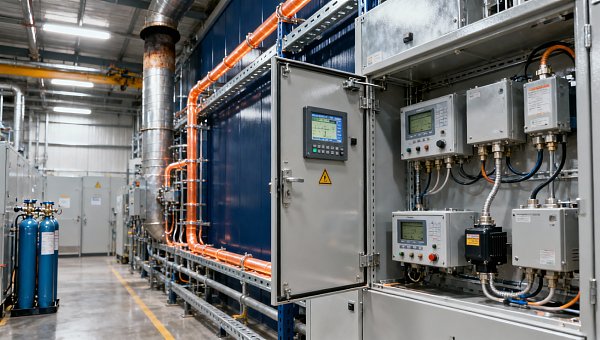
For refineries, chemical plants, power stations, water facilities, and environmental monitoring sites, the shelter is not just a protective room. It is a controlled measurement environment.
Technical evaluators must connect process conditions, instrument sensitivity, maintenance routines, and compliance obligations before approving the final design package.
Define the Measurement Mission Before Freezing the Shelter Design
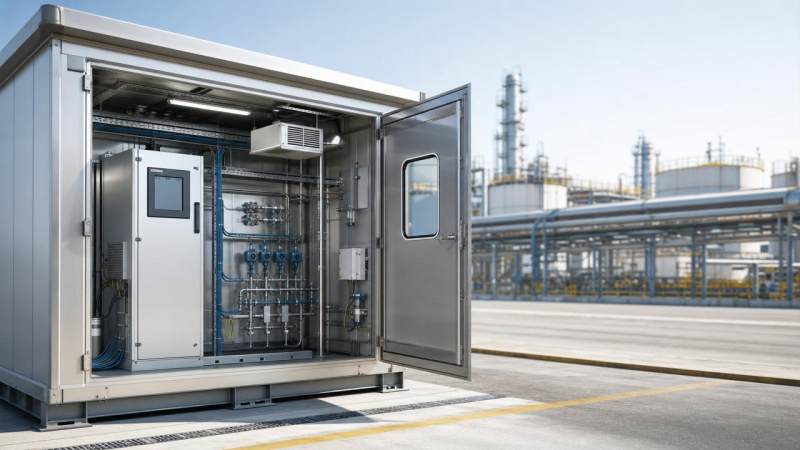
A process measurement shelter should be specified around the measurement task, not only around available space. Analyzer type, sample conditioning, and response time shape every detail.
In many projects, late design changes occur because the initial shelter package ignored calibration gases, heat load, condensate handling, or technician access.
Match the Shelter to Process Variables
The first step is to list all measured variables: pressure, temperature, flow, level, composition, moisture, oxygen, pH, conductivity, or emissions concentration.
A shelter supporting 2 gas chromatographs has different requirements from one housing 12 transmitters, 4 sample panels, and continuous emission monitoring equipment.
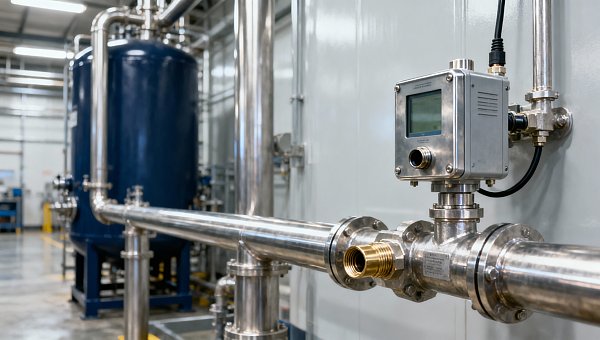
Where sample transport is involved, line length, temperature tracing, and dead volume can affect response time by seconds or minutes.
Clarify Site Conditions and Operating Envelope
Before procurement, evaluators should confirm ambient temperature range, wind load, dust exposure, corrosive atmosphere, seismic category, and access limitations.
Typical outdoor shelters may need to withstand temperatures from -20°C to 50°C, with internal control often maintained near 20°C to 25°C.
For offshore or coastal installations, corrosion protection, stainless fasteners, sealed penetrations, and coating systems become more important than standard enclosure labels.
The table below summarizes early scoping checks that should be completed before layout drawings and electrical calculations are locked.
The main conclusion is simple: early scoping must be measurement-led. A process measurement shelter that fits the task lowers commissioning rework and lifecycle cost.
Verify HVAC, Power, and Hazardous-Area Compliance
Environmental control is often the specification that decides whether instruments stay accurate for years or require frequent field intervention.
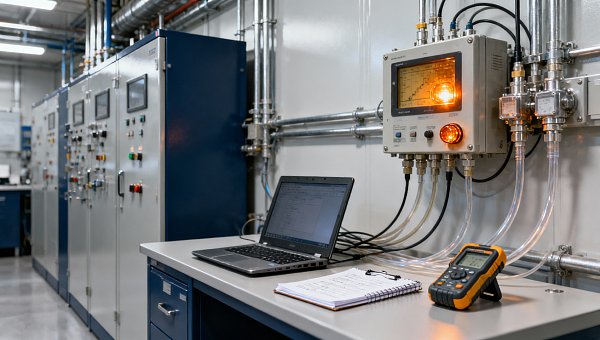
A process measurement shelter may contain analyzers with narrow temperature tolerances, sensitive electronics, carrier gas systems, and safety-related detection devices.
HVAC Capacity and Air Management
HVAC sizing should consider total equipment heat load, local ambient extremes, door-opening frequency, insulation value, and redundancy expectations.
Small shelters may require 3kW to 8kW of cooling, while analyzer houses with multiple cabinets may exceed 15kW.
Where uptime is critical, N+1 air-conditioning or dual HVAC units can keep the shelter operational during maintenance or single-unit failure.
Air distribution matters as much as total capacity. Hot spots near power supplies or chromatograph ovens can distort measurements.
Electrical Power and UPS Strategy
Evaluators should verify voltage, phase, breaker coordination, cable segregation, UPS autonomy, and power quality before installation drawings are approved.
A 15-minute UPS may be enough for orderly shutdown, but 30 to 60 minutes may be required for critical monitoring continuity.
- Separate instrument power, HVAC power, lighting, and utility outlets to simplify fault isolation.
- Use dedicated circuits for analyzers with high inrush current or stable power requirements.
- Confirm cable glands, penetrations, and conduit systems match area classification.
- Document spare breaker capacity, typically 10% to 20%, for future modifications.
Hazardous-Area and Safety Requirements
For classified areas, the process measurement shelter must align with applicable hazardous-area philosophy, such as pressurization, gas detection, or explosion-proof equipment.
Common references include IECEx, ATEX, NFPA 496, IEC 60079, and local electrical codes, depending on project location.
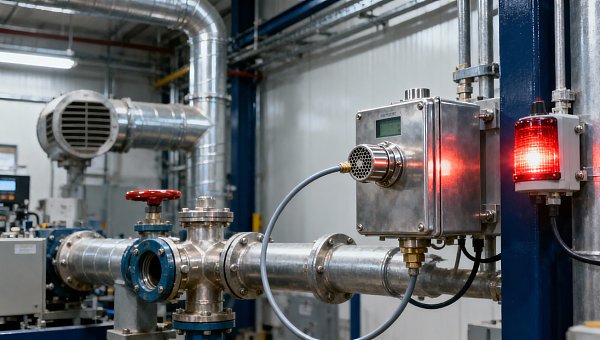
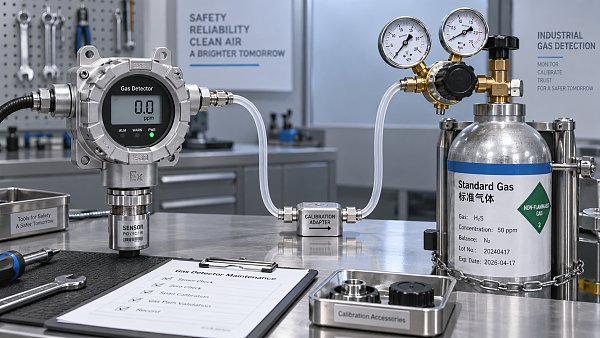
Gas detectors, emergency shutdown interfaces, purge alarms, ventilation rates, and door interlocks should be reviewed as an integrated safety layer.
Red-Flag Questions for Compliance Review
- Is the area classification drawing current and approved by the responsible safety team?
- Does the purge system provide documented pressure monitoring and alarm outputs?
- Are ventilation exhaust points routed away from air intakes and personnel zones?
- Are all penetrations sealed to maintain the designed safety concept?
These checks reduce the risk of passing mechanical inspection but failing electrical, safety, or operational acceptance during commissioning.
Review Layout, Cable Routing, and Maintainability
A process measurement shelter can meet ratings on paper yet remain difficult to maintain if the internal layout is poorly organized.
The best layouts reduce technician movement, keep high-risk utilities separated, and make calibration or replacement possible without dismantling adjacent systems.
Analyzer and Cabinet Arrangement
Instrument cabinets should be placed according to heat generation, sample flow direction, calibration frequency, and required front or rear access.
A practical arrangement usually keeps frequently serviced filters, regulators, and valves between 900mm and 1500mm from floor level.
Large gas cylinders, if located inside or adjacent to the shelter, need restraints, ventilation review, and enough trolley clearance.
Cable Segregation and Signal Integrity
Signal reliability depends on cable routing. Low-level analog signals, digital communication, power circuits, and grounding conductors should not be treated equally.
As a common practice, instrumentation cables should be separated from power cables by physical distance or barriers where required.
For 4–20mA loops, fieldbus networks, and analyzer outputs, shield termination strategy should be defined before cable pulling begins.
The following table translates common layout topics into practical approval criteria for technical evaluators and procurement teams.
The key lesson is that maintainability must be visible in drawings. If service access is not shown, it is often compromised during construction.
Grounding, Bonding, and Noise Control
Grounding errors can create intermittent faults that are difficult to diagnose after startup. They also damage confidence in measurement data.
A process measurement shelter should include a clear bonding network for structure, panels, cable shields, and surge protection devices.
For sensitive analytical equipment, evaluators should request grounding diagrams and verify they match the plant philosophy before factory acceptance testing.
Plan Factory Testing, Installation, and Commissioning Handover
A process measurement shelter should not arrive on site as an unverified assembly. Factory testing reduces field surprises and schedule pressure.
A structured factory acceptance test can take 2 to 5 days, depending on analyzer count, safety systems, and documentation depth.
Factory Acceptance Test Priorities
FAT should verify mechanical completion, electrical continuity, instrument power-up, HVAC performance, alarm logic, communication links, and safety interlocks.
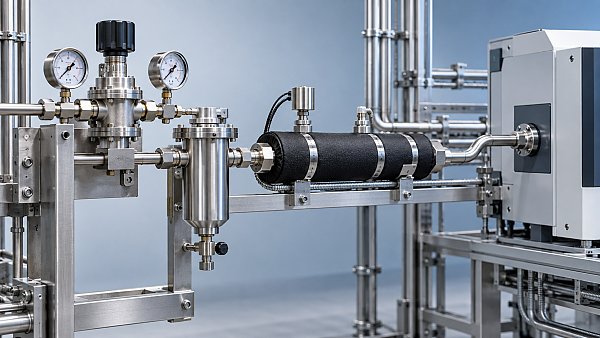
For analyzer shelters, sample system leak testing and calibration gas checks should be included where practical and safe.
- Confirm tag numbers against the instrument index and loop drawings.
- Record HVAC temperature stabilization under simulated heat load.
- Test door alarms, gas alarms, purge alarms, and shutdown signals.
- Verify network communication to PLC, DCS, or remote monitoring systems.
- Review punch-list closure rules before shipment approval.
Site Installation Readiness
Before delivery, confirm foundation dimensions, lifting points, transport route, crane access, earthing connection, and utility availability.
A dimensional mismatch of even 50mm at conduit openings can delay cable termination and create field rework.
For remote industrial sites, spare filters, fuses, detector sensors, and consumables should be shipped with the first installation package.
A Practical 5-Step Handover Sequence
- Complete mechanical placement and verify level, anchoring, and weather sealing.
- Connect power, grounding, signal cables, sample lines, vents, and drains.
- Energize HVAC and safety devices before sensitive instruments are stabilized.
- Perform loop checks, analyzer validation, alarm tests, and communication verification.
- Close documentation, training, spare parts, and maintenance schedule sign-off.
This sequence protects measurement quality and helps operations teams accept the shelter as a maintainable asset, not merely a project deliverable.
Procurement Questions Technical Evaluators Should Ask
Procurement decisions should compare technical completeness, documentation quality, supplier responsiveness, and lifecycle support, not only initial shelter price.
A low-cost process measurement shelter can become expensive if it increases commissioning labor, false alarms, or analyzer downtime.
Supplier Documentation and Engineering Depth
Request layout drawings, electrical schematics, HVAC calculations, area-classification assumptions, grounding diagrams, bill of materials, and FAT procedures.
Strong suppliers usually respond with engineering clarifications within 3 to 7 working days during the technical review stage.
For international projects, documentation language, standard references, material traceability, and inspection records should be clarified before purchase order release.
Lifecycle Cost and Maintainability
Evaluators should estimate the cost of filters, detector sensors, HVAC service, calibration gas, sample conditioning parts, and technician hours.
A shelter requiring monthly access to poorly located components creates repeated safety exposure and avoidable downtime across a 10-year lifecycle.
Common Mistakes to Avoid
- Approving footprint before confirming analyzer heat load and service clearance.
- Treating hazardous-area certification as a single label rather than an integrated design concept.
- Ignoring sample disposal, vent routing, and drain handling until site commissioning.
- Leaving grounding, shielding, and cable segregation to field interpretation.
- Buying a shelter without a defined FAT checklist and punch-list closure process.
Global Instrument Hub supports technical evaluators by organizing supplier intelligence, instrumentation categories, compliance context, and practical sourcing criteria.
For teams comparing a process measurement shelter across multiple vendors, structured technical review improves decision confidence and reduces information asymmetry.
The right shelter protects data integrity, safety compliance, and maintenance efficiency from the first day of operation. It should be selected as part of the measurement system, not as a late-stage enclosure item.
If your team is evaluating configurations, supplier capabilities, or specification gaps for a process measurement shelter, contact Global Instrument Hub to discuss technical requirements, sourcing priorities, and suitable solution pathways.
Recommended for You
 How to set industrial calibration intervals based on equipment riskSet industrial calibration intervals based on equipment risk, drift, and as-found data. Learn when to shorten or extend schedules to improve reliability and avoid unnecessary costs.
 How to choose electrochemical analyzers for low-current measurementsCompare electrochemical analyzers for precise low-current measurements. Learn how noise, leakage, bandwidth, and real-cell testing help you choose the right instrument.
 What tolerance does a custom gas mixture need for calibration?Choose the right custom gas tolerance for calibration. Learn how blending tolerance, certified uncertainty, and stability affect accuracy—and avoid paying for precision you don’t need.
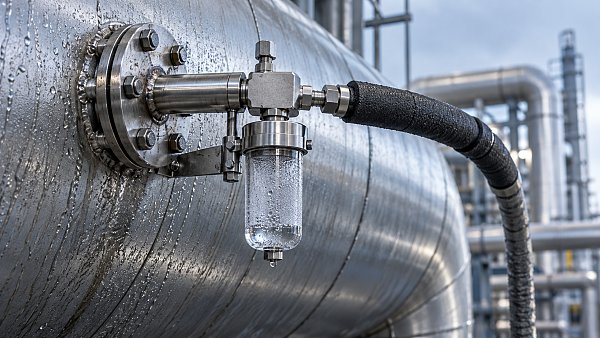
 How condensation affects stack detector readings in wet flue gasStack detector readings can drift when wet flue gas condenses. Learn how to identify moisture interference, prevent sample losses, and improve emissions monitoring reliability.
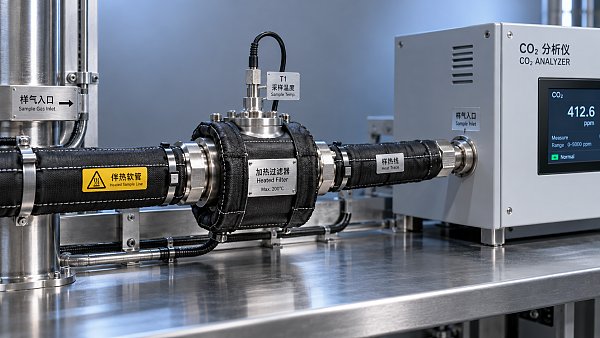
 How to prevent condensation in a CO2 analyzer sampling systemPrevent condensation in your CO2 analyzer sampling system. Learn how to control dew point, eliminate cold spots, and manage moisture for reliable readings and fewer costly disruptions.
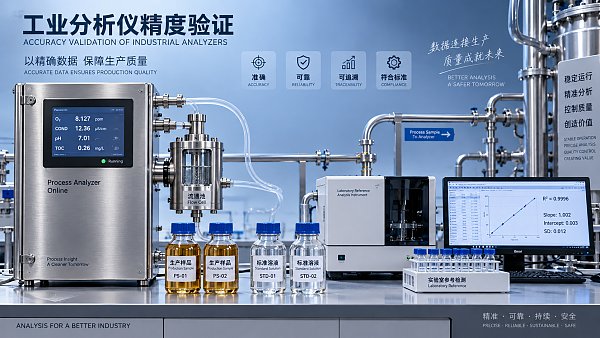
 How to verify accuracy claims for industrial quality analyzersVerify accuracy claims for industrial quality analyzers with calibration checks, independent testing, and clear acceptance criteria. Learn how to reduce risk and buy with confidence.
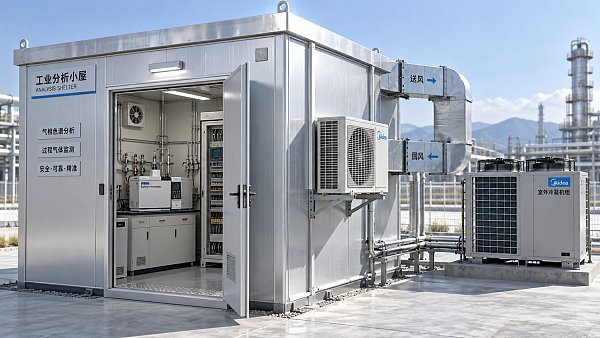
 How to calculate cooling loads for an industrial analyzer shelterSize industrial analyzer shelter cooling with confidence. Learn to calculate equipment heat, solar gains, and ventilation loads, then select HVAC capacity for reliable analyzer performance.
 Where to Place CO Analyzers for Effective Parking Garage VentilationOptimize your CO analyzer for parking garage ventilation with practical placement tips. Learn how sensor height, airflow, and zone coverage support timely detection and effective fan control.
 NDIR vs. FTIR Gas Analyzers: Which Fits Your Environmental Research?Find the right infrared gas analyzer for environmental research. Compare NDIR vs. FTIR on sensitivity, gas coverage, sampling needs, and cost to choose confidently for your study.
 Oxygen Analyzers for Diving: Calibration Checks Before Nitrox BlendingUsing an oxygen analyzer for diving applications? Discover essential calibration, sensor, and sampling checks before nitrox blending to support reliable readings.
 How Paramagnetic Oxygen Analyzers Work and Why Sample Pressure MattersLearn how a paramagnetic oxygen analyzer works, why sample pressure affects accuracy, and what to check in compensation and calibration before choosing your system.
 How Much Does a Complete CEMS Integration Project Typically Cost?How much does a complete CEMS integration project typically cost? Explore budget ranges, hidden installation costs, and compliance needs to compare quotes and plan confidently.
 What Is the Typical Response Time for Industrial Air Monitors?What is the typical response time for industrial air monitors? Explore T90, sampling delays, and alarm settings to compare performance and choose the right monitor with confidence.
 Do Regulatory Monitoring Systems Need Third-Party Certification?Do regulatory monitoring systems need third-party certification? Learn when it is required, what certificates prove, and how to verify compliance before buying.
 How Do You Choose Wired or Wireless for Stack Monitoring?Learn how to choose between wired and wireless for stack monitoring. Compare reliability, lifecycle costs, and data recovery to find the right CEMS setup for your site.
 What Happens When Combustible Gas Sensor Calibration Is Overdue?What happens if combustible gas sensor is not recalibrated on time? Discover the risks of inaccurate readings and missed alarms, plus steps to restore reliable protection.
 Can One Multi-Gas Detector Replace Four Separate Analyzers?Find out: can a single multi-gas detector replace four separate analyzers? Compare accuracy, safety, compliance, and lifetime costs to make a confident buying decision.
 Industrial Safety vs. Emission Monitoring: What Are the Differences?What are the main differences between industrial safety and emission monitoring? Compare goals, sensors, response times, and compliance needs to choose the right systems for your facility.
 Is Remote Monitoring Worth the Cost for Small Emission Sources?Is it worth investing in remote monitoring for small emission sources? Compare costs, compliance needs, and potential savings to choose the right solution for your operation.
 How Do You Handle Analyzer Failure During an Environmental Audit?Learn how to handle analyzer failure during environmental compliance audit procedures. Protect evidence, verify data, and restore monitoring with this practical response guide.
 Do VOC Monitors Require Explosion-Proof Certification?Does VOC monitoring require explosion-proof certification? Learn when approval is needed, compare ATEX and IECEx, and choose the right monitor for your site.
 How sample conditioning affects accuracy in petrochemical analyzersImprove accuracy in petrochemical analyzers with smarter sample conditioning. Discover how phase control, filtration, and transport design prevent bias and deliver reliable process data.
 How to troubleshoot sensor drift in industrial gas detectorsIndustrial gas detectors showing sensor drift? Learn how to verify calibration gas, identify root causes, and determine when sensor replacement is needed for reliable monitoring.
 How to judge whether a competitive price reflects real valueCompetitive Price: learn how to compare scope, compliance, performance, and lifecycle costs to identify real value, reduce risk, and make smarter purchasing decisions.
 When custom gas analysis is the right fit for complex process streamsCustom gas analysis for complex process streams: learn when tailored sampling, interference control, and reliable measurement design deliver confident decisions.
 When does a laser gas analyzer meet stack emissions monitoring needs?Laser gas analyzer for stack emissions: learn when it delivers fast, reliable data, how to assess installation risks, and what to verify for CEMS compliance.
 How to select a hazardous gas analyzer for confined spacesHazardous gas analyzer selection for confined spaces: compare sensors, sampling, certifications, alarms, and maintenance to protect workers and choose with confidence.
 When is a single gas analyzer sufficient for workplace safety monitoring?Discover when a single gas analyzer delivers reliable workplace safety monitoring, and learn the key limits, calibration needs, and risks that require broader detection.
 How to choose an ambient gas analyzer for low-level leak detectionAmbient gas analyzer selection for low-level leak detection: compare sensitivity, cross-sensitivity, sampling design, alarms, and calibration for reliable site performance.
 How to tell when an oxygen sensor needs replacementOxygen sensor replacement signs explained: learn how live data, fault codes, wiring checks, and exhaust inspections pinpoint the real issue before you buy.
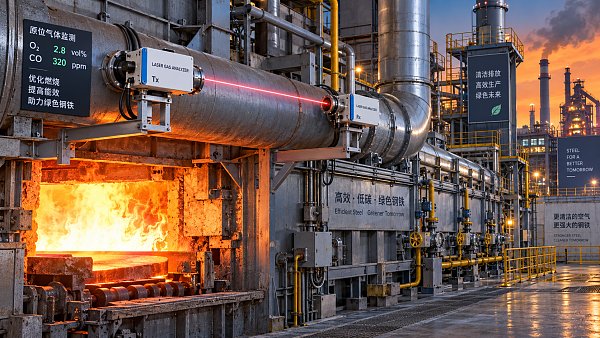
 How laser gas analyzers improve combustion control in steel furnacesLaser gas analyzer for steel industry applications delivers fast in-situ O₂ and CO data to optimize furnace combustion, cut fuel waste, and improve steel heating stability.
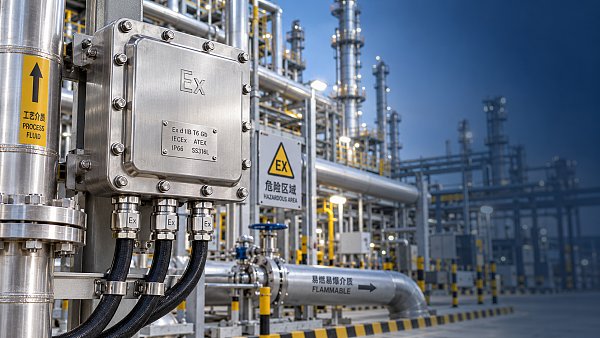
 How to verify whether explosion proof equipment meets site requirementsExplosion proof equipment verification made practical: match zones, gas or dust groups, temperature classes, certificates, and installation conditions for confident compliance.



Search Categories
Search Categories
- Smart Meters & Power Quality
- Transformer Gas Analyzers
- BESS Thermal Runaway Detectors
- Energy, Power & Smart Grid Monitoring
- Optical Profilers & CMM
- Ultrasonic & X-Ray NDT
- Calibration Standards
- Precision Metrology & NDT
- Water Quality Analyzers
- CEMS & VOCs Monitors
- Price Trends
- Import & Export Updates
- Market Trends
- Industry News
- Industry Insights
Latest Article
- How to set industrial calibration intervals based on equipment riskSet industrial calibration intervals based on equipment risk, drift, and as-found data. Learn when to shorten or extend schedules to improve reliability and avoid unnecessary costs.Posted by:
- How to choose electrochemical analyzers for low-current measurementsCompare electrochemical analyzers for precise low-current measurements. Learn how noise, leakage, bandwidth, and real-cell testing help you choose the right instrument.Posted by:
- What tolerance does a custom gas mixture need for calibration?Choose the right custom gas tolerance for calibration. Learn how blending tolerance, certified uncertainty, and stability affect accuracy—and avoid paying for precision you don’t need.Posted by:
Please give us a message
