
Why wholesale price changes often lag behind market signals


In the instrumentation industry, shifts in Wholesale Price rarely happen the moment market signals change. From gas monitoring devices to broader industrial equipment, factors like Stable Supply, Long Term Supply, Bulk Order planning, Logistics Support, Worldwide Shipping, Timely Delivery, and Fast Delivery all influence pricing decisions. Understanding this delay helps buyers, distributors, and project teams make smarter sourcing and inventory strategies.
For procurement teams, this pricing lag is not a minor inconvenience. It affects budget approvals, tender timing, distributor inventory, maintenance planning, and project delivery risk. In sectors such as industrial manufacturing, environmental monitoring, laboratory analysis, medical testing, and automation control, even a 2% to 5% shift in instrument cost can change total project economics when hundreds of units or complete system packages are involved.
The reason is simple: instrumentation products are rarely priced only by spot demand. Sensors, transmitters, analyzers, calibrators, control modules, and gas monitoring devices move through longer planning cycles, multi-stage sourcing, and compliance checks. In many cases, the wholesale market reacts after 4 to 12 weeks, not after 4 to 12 days.
This article explains why wholesale price changes often lag behind market signals, what that means for technical evaluators and purchasing managers, and how distributors, project leaders, quality teams, and financial approvers can reduce cost risk without sacrificing stable supply or delivery performance.
Why market signals do not immediately change instrumentation wholesale prices
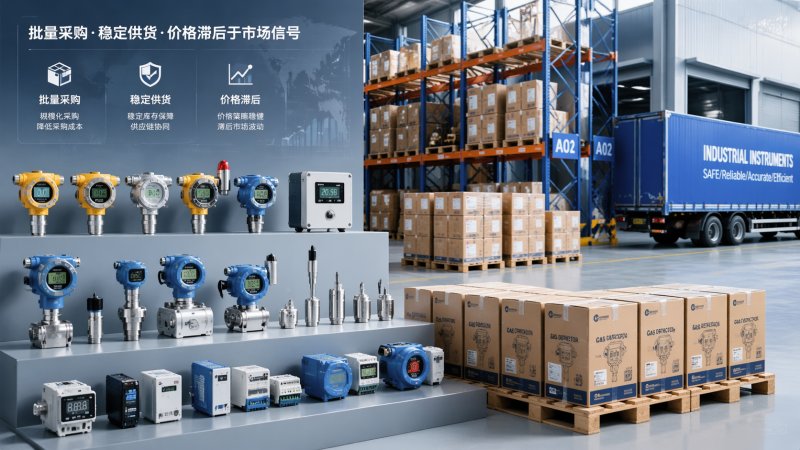
In fast-moving markets, people often expect wholesale pricing to follow raw material changes, exchange rate swings, or sudden shifts in demand. That assumption works better in simple commodity markets than in instrumentation. Industrial instruments are built from multiple components, often sourced across 3 to 6 supplier layers, with lead times that may range from 2 weeks for standard parts to 20 weeks for specialized electronics or sensing elements.
A manufacturer of pressure transmitters or gas detectors usually does not revise its wholesale price every time a market signal appears. Instead, it must consider existing inventory, supplier purchase agreements, production scheduling, channel commitments, and customer contracts. If a company still holds 8 to 10 weeks of component stock bought at earlier rates, the market signal may not immediately affect outgoing wholesale quotes.
Another reason is channel stability. Many instrumentation suppliers support distributors, EPC contractors, and OEM customers through quarterly or semiannual pricing frameworks. Sudden price swings can damage long-term supply relationships, especially when projects require fixed commercial terms over 3 to 12 months. Stable supply often matters more than rapid price reaction.
Technical approval also slows pricing response. Instruments used in energy, environmental monitoring, pharmaceutical labs, or process automation may require specification review, calibration support, documentation packages, and compliance checks. A price change is not just a number. It can trigger quote revisions, approval workflows, and contract adjustments across procurement, engineering, and finance teams.
Four layers of delay in wholesale pricing
- Component cost carryover: Existing stock buffers cost change for 30 to 90 days.
- Production planning: Batch manufacturing may lock cost assumptions for 4 to 8 weeks.
- Channel contracts: Distributor pricing is often reviewed monthly, quarterly, or by project stage.
- Logistics and shipping: Freight costs may move weekly, but landed cost updates are slower when orders are consolidated.
The table below shows common market signals and why their impact on Wholesale Price is often delayed in instrumentation supply chains.
The key takeaway is that price lag is structural, not accidental. Buyers who understand this can avoid reacting too late or assuming that a flat quote means market pressure has disappeared. In many cases, it simply has not fully passed through the supply chain yet.
Supply chain mechanics that create delayed pricing
Instrumentation products are not purchased and sold in isolation. A gas monitoring system, for example, may include sensors, controllers, enclosures, wiring accessories, calibration components, software interfaces, and certification-related documents. Even if one input cost changes today, the finished wholesale price reflects total assembled cost, not just one volatile factor.
Stable Supply and Long Term Supply commitments are especially important in process industries and infrastructure projects. If an environmental monitoring contractor wins a 6-month installation package, it needs predictable pricing and delivery windows. Suppliers therefore often absorb short-term cost movement rather than change every quote immediately. This reduces disruption but creates a lag between market signals and Wholesale Price updates.
Bulk Order planning also matters. A distributor buying 50 gas detectors per month is treated differently from a project buyer ordering 500 units in one phase. Volume forecasts can lock procurement terms for a given cycle. In practice, many suppliers update pricing after demand visibility improves, not at the exact moment the market starts moving.
Logistics Support adds another layer. Worldwide Shipping, customs processing, export packaging, and regional stock allocation can account for 5% to 18% of landed cost depending on destination and urgency. If delivery must remain timely, suppliers may protect shipping performance first and adjust pricing later, especially during route congestion or seasonal freight peaks.
Common supply chain drivers behind price lag
Inventory buffering
Manufacturers and distributors often carry safety stock for critical items such as transmitters, sensors, and analyzers. A buffer of 30 to 60 days can delay visible price movement. This is why end users may still receive unchanged quotations even after upstream suppliers have already announced cost increases.
Batch purchasing and production cycles
Many instrumentation firms purchase electronics, housings, and sensing elements in batches rather than daily. If procurement contracts are set every month or every quarter, cost changes enter the system in stages. Finished goods pricing often follows the next production or quote review cycle.
Delivery service commitments
Fast Delivery and Timely Delivery are commercial promises, not just operational functions. Suppliers may choose to hold wholesale pricing steady for high-priority customers while working internally to preserve shipment lead times of 7 to 15 days for standard models and 3 to 6 weeks for customized systems.
The following comparison helps buyers see how different supply chain conditions affect pricing speed.
For decision-makers, the lesson is practical: do not judge market direction only by one quotation. Evaluate stock position, supply commitment, shipment method, and quote validity together. That is where real landed cost visibility comes from.
What buyers, engineers, and distributors should watch when prices seem stable
A stable quote does not always mean a stable market. In instrumentation procurement, there is often a hidden adjustment window. Technical teams may still be working with old budgets while procurement teams are about to face new supplier terms. This gap can affect control panels, laboratory instruments, calibration tools, online analyzers, and site monitoring packages across the same project.
For technical evaluators, the first risk is over-specifying equipment during a price lag period. A design team may request features that look affordable today but become difficult to justify after a pending 3% to 8% price update. That is why specification review should include alternatives, acceptable ranges, and modular options rather than a single fixed configuration.
For procurement personnel and financial approvers, the second risk is timing. If a supplier quote is valid for only 14 or 30 days, delayed internal approval can push the order into the next pricing cycle. On large projects, that may affect not just unit cost but also freight mode, delivery commitment, and installation sequence.
For distributors and agents, the third risk is margin compression. If channel selling prices stay fixed but replacement cost rises later, stock purchased under older assumptions may not be replenished at the same profit level. This is common when distributors focus only on current sales velocity and ignore incoming supply signals.
A practical checklist during a price-lag period
- Check quote validity, ideally in exact days rather than vague wording.
- Ask whether pricing is based on existing stock, incoming production, or future procurement.
- Confirm MOQ, batch pricing thresholds, and whether accessories are included.
- Separate product value from freight, export packing, and on-site service cost.
- Review whether key components have long lead times of more than 8 weeks.
Teams that do these 5 checks usually make better sourcing decisions than teams that compare only the face value of two quotations. In instrumentation, technical suitability and supply security often matter as much as the immediate number.
Common buyer misreadings
Mistaking unchanged price for long-term affordability
A distributor may see the same wholesale figure for 6 weeks and assume the market is calm. But if the supplier is protecting old stock or honoring earlier contracts, the next replenishment quote may be different. Buying plans should therefore look at 1 to 2 future cycles, not only the current one.
Comparing quotes without delivery context
A lower quote with a 10-week lead time may be less useful than a slightly higher quote with stock and Fast Delivery. For shutdown maintenance, environmental compliance deadlines, or lab commissioning, delayed availability can cost more than a modest price difference.
Ignoring calibration, service, and documentation costs
Instrumentation procurement often includes calibration certificates, inspection reports, software setup, or field support. These items may represent 3% to 12% of project cost. When wholesale prices seem stable, service costs may still be moving underneath due to labor or logistics pressure.
How to build a better sourcing strategy when wholesale prices lag
The best response to delayed Wholesale Price changes is not guesswork. It is a structured sourcing strategy that balances technical fit, delivery urgency, and future cost exposure. This is particularly important for instrumentation categories with recurring demand, such as pressure measurement, temperature control, flow metering, gas detection, process analysis, and laboratory testing equipment.
First, segment purchases into three groups: standard stock items, configured products, and project-specific systems. Standard items can often be secured with shorter quote cycles and stock commitments. Configured products need closer review of component availability. Project-specific systems require commercial clauses for phased delivery, price review points, and substitution rules where technically acceptable.
Second, plan around lead time rather than unit price alone. If an analyzer package has a 10 to 14 week lead time, waiting for a lower price signal may create more risk than savings. In contrast, for common switches, indicators, or handheld test instruments available from local inventory, buyers may have more flexibility to time replenishment.
Third, use multi-role approval early. Procurement, engineering, operations, quality, and finance should review high-value instrumentation purchases together. A 45-minute alignment meeting before RFQ release can reduce later change orders, avoid urgent freight upgrades, and improve contract timing.
Recommended sourcing actions by buyer type
Different roles should focus on different controls. The table below can be used as a practical reference during vendor evaluation and internal approval.
This approach reduces surprises. Instead of asking whether prices will move tomorrow, better buyers ask which part of the supply chain is already under pressure and how long current commercial terms are likely to hold.
A 3-step framework for risk-controlled purchasing
- Map demand over the next 30, 60, and 90 days by product category.
- Separate urgent operational needs from forecast-based restocking.
- Negotiate delivery windows, stock reservation, or phased release instead of chasing only the lowest immediate quote.
When buyers apply this framework, they often improve both continuity and cost control. The benefit is strongest where downtime, compliance deadlines, or project penalties are expensive, such as gas monitoring, industrial automation, energy systems, and environmental measurement networks.
FAQ: practical questions about delayed wholesale price movement
How long does wholesale price lag usually last in instrumentation?
For standard instruments, the lag can be as short as 2 to 4 weeks when stock is low. For products with strong inventory cover or long-term supply agreements, the lag may reach 8 to 12 weeks. Custom systems and imported components can behave differently, especially when freight, certification, or semiconductor availability changes.
Does a stable quote mean I should delay purchasing?
Not automatically. If the quote is backed by current stock and your project needs delivery within 7 to 21 days, delaying may increase risk. If the item is widely available and non-critical, there may be room to compare options. The right choice depends on stock status, quote validity, and installation schedule, not the price line alone.
Which instrumentation categories are most sensitive to delayed price pass-through?
Products with imported sensing elements, specialized electronics, or multi-part assemblies are usually more sensitive. Gas detection systems, process analyzers, laboratory instruments, calibrated measurement devices, and integrated control packages often show more noticeable lag because their cost structure is broader than simple metal content.
What should distributors do when replacement cost may rise?
Distributors should classify inventory into fast-moving, project-driven, and slow-moving groups. For fast-moving items, review replenishment every 2 to 4 weeks. For project-driven products, secure customer commitments earlier. For slow-moving specialty stock, avoid overbuying unless long lead time and customer demand clearly justify the position.
How can project teams protect budgets during uncertain pricing periods?
Use phased procurement, approved alternatives, and delivery-linked contract milestones. It is also wise to include a small contingency band for instrumentation packages, often around 3% to 7% depending on complexity and imported content. This gives finance and project management more flexibility without disrupting approval flow.
Wholesale Price in the instrumentation industry often lags behind market signals because pricing is shaped by inventory buffers, batch purchasing, long-term supply commitments, technical review cycles, and logistics strategy. For buyers, engineers, distributors, and decision-makers, the smartest move is not to wait passively for obvious price changes, but to understand what sits behind the quote: stock status, lead time, supply continuity, freight terms, and replacement cost pressure.
If you are sourcing gas monitoring devices, process instruments, laboratory equipment, or broader industrial measurement and control products, a structured procurement approach can reduce both budget risk and delivery disruption. Contact us to discuss your application, get a tailored supply plan, or explore a more reliable wholesale sourcing strategy for your next project.
Recommended for You
 IEC Approves China-Led Smart Sensor Semantic Interoperability GuideSmart sensor semantic interoperability takes a leap: IEC TR 63382—China-led, globally approved—sets the first semantic guide for IoT sensor data modeling, ontology, and APIs.
 SABIC Launches 'Smart Factory 2030' with China Sourcing PrioritySABIC's 'Smart Factory 2030' prioritizes China sourcing for AI-driven process analyzers — discover how ISA-88/95 compliance and Saudi data sovereignty unlock new market access.
 China Leads Global Offshore Wind Installations for 5th Consecutive YearChina leads global offshore wind installations for the 5th year — discover how domestic submarine cable monitoring, corrosion robots & FBG sensors drive export growth to UK, Vietnam, Brazil.
 Germany Enforces New EMC Standard EN IEC 61000-6-4:2026 for AI Edge DevicesEN IEC 61000-6-4:2026 is now mandatory in Germany for AI edge devices — discover radiated emission limits (1–6 GHz), CE impact, and urgent compliance actions.
 FDA Updates IVD Software Guidance for AI Diagnostic ToolsFDA updates IVD software guidance for AI diagnostic tools—new data transparency & bias assessment rules impact global manufacturers. Act now to align.
 MIIT Launches Enforcement Campaign on EV Battery RecyclingMIIT Launches EV Battery Recycling Enforcement: Key for compliance, data security & global exports. Act now to avoid delays and seize market advantage.
 Released") Guidelines for Domestic Trade Transactions (Trial) ReleasedGuidelines for Domestic Trade Transactions (Trial) released—key for instrumentation, automation & global procurement teams navigating quality, IP, data & dispute clauses.
Guidelines for Domestic Trade Transactions (Trial) ReleasedGuidelines for Domestic Trade Transactions (Trial) released—key for instrumentation, automation & global procurement teams navigating quality, IP, data & dispute clauses. China's Shipbuilding Industry Sees 195.2% YOY Growth in Q1 New OrdersChina's shipbuilding industry surges 195.2% YoY in Q1 2026 new orders — driving demand for marine survey instruments, LNG bunkering ships & integrated sensor systems.
 China Releases AI Terminal Intelligence Grading StandardChina's new AI Terminal Intelligence Grading Standard (GB/Z 177—2026) defines L1–L5 AI capabilities for smart sensors, automotive cockpits & edge controllers—key for EU/SEA market access.
 China-Europe Railway Express Hits 130,000 Trains, $520B Cargo ValueChina-Europe Railway Express hits 130,000 trains & $520B cargo value — discover how CERX boosts supply chain resilience, cuts carbon, and outperforms sea freight for high-value, time-sensitive shipments.
 Plant Automation Instruments: Upgrade Signals You Should Not IgnorePlant automation instruments show upgrade signals before costly failures happen. Learn the warning signs, business value, and smart replacement steps to improve uptime, safety, and control.
 How Industrial Quality Analyzers Reduce Rework and ScrapIndustrial quality analyzers help manufacturers detect defects early, reduce rework and scrap, improve compliance, and boost process efficiency with faster, data-driven control.
 Industrial Process Analyzers: What to Check Before ImportingIndustrial process analyzers: learn what to check before importing, from certifications and technical fit to maintenance and supplier support, to reduce risk and buy with confidence.
 Real-Time Analyzers vs Lab Testing for Faster Process ControlReal-time analyzers vs lab testing: learn how faster process data improves control, cuts delays, and boosts quality while lab methods ensure validation and compliance.
 Smart Measurement Devices in 2026: Where Adoption Is Growing FastSmart measurement devices are seeing rapid 2026 adoption across manufacturing, energy, labs, and environmental monitoring. Discover where demand is rising fastest and why buyers are acting now.
 Industrial Detection Systems: Common Selection Mistakes to AvoidIndustrial detection systems selection mistakes can trigger delays, compliance risks, and higher lifecycle costs. Learn how to choose smarter, integrate better, and avoid costly rework.
 When High-Accuracy Instruments Justify the Extra CostHigh-accuracy instruments justify extra cost when precision reduces waste, strengthens compliance, and improves ROI. Learn when premium accuracy delivers measurable business value.
 Utility Monitoring Equipment Costs: What Shapes 2026 BudgetsUtility monitoring equipment costs in 2026 are shaped by accuracy, integration, cybersecurity, and lifecycle service. See what drives budgets and how to plan smarter investments.
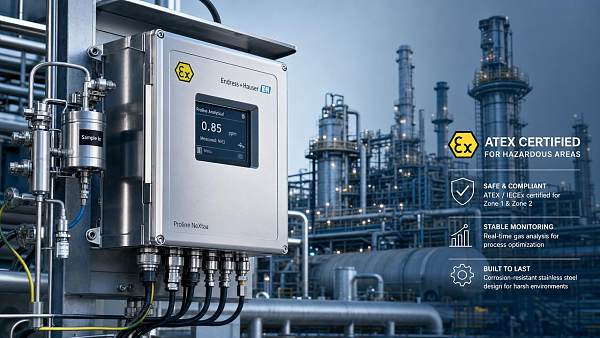
 ATEX Certified Analyzers: Key Specs That Matter in Hazardous PlantsATEX certified analyzers: discover the key specs that impact safety, accuracy, uptime, and maintenance in hazardous plants—essential guidance for smarter selection.
 How to Choose Plant Safety Instruments for High-Risk AreasPlant safety instruments selection for high-risk areas starts with the right standards, durability, and integration. Learn how to compare options, avoid costly mistakes, and improve plant safety.
 China's New Oil & Gas Discoveries Boost Export Demand for Analytical InstrumentsChina's new oil & gas discoveries drive export demand for analytical instruments—boosting global opportunities for chromatographic analyzers, gas detectors, and downhole sensors.
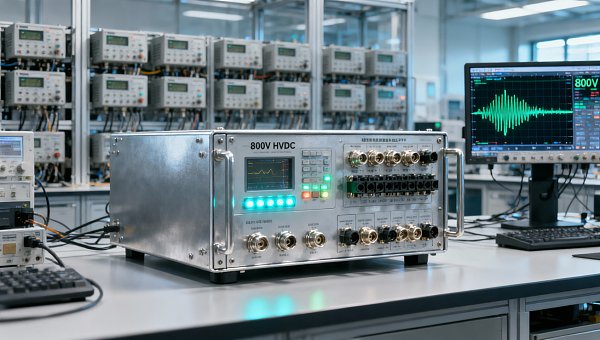
 China Academy Launches 800V HVDC Power-Computing Validation PlatformChina Academy launches 800V HVDC power-computing validation platform for IEC-compliant DC metering — accelerate CE/UL/SASO certification by 30%.
 MIIT Launches 'AI + Software' InitiativeAI + Software initiative by MIIT boosts intelligent programming tools, compute optimization & domestic industrial software—key for instrumentation, lab systems & monitoring platforms.
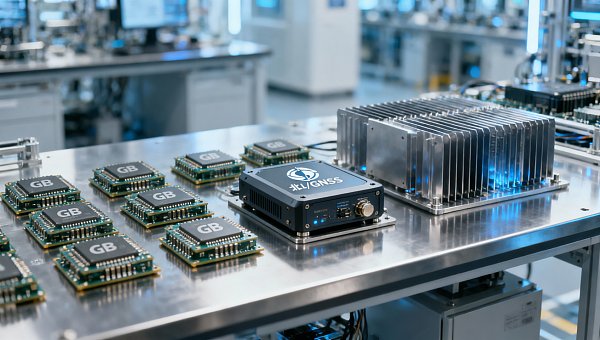
 China Approves New National Standards for AI, Chip, and GNSSChina's new national standards for AI, chips, and GNSS—effective Nov 2026—reshape global export compliance. Discover key impacts & actionable steps now.
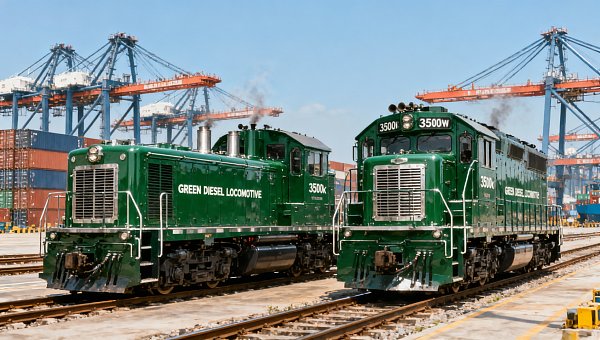
 Guangzhou Port Launches Tender for 3500kW Green Diesel LocomotivesGuangzhou Port's tender for 3500kW green diesel locomotives signals urgent demand for turnkey, eco-compliant rail solutions — act now to align with China’s port decarbonization timeline.
 Industrial Metrology Tools: When Accuracy Impacts OutputIndustrial metrology tools directly shape output, quality, and cost. Learn how accurate measurement reduces scrap, speeds decisions, and improves production performance.
 Process Measurement Devices in Export Compliance UpdatesProcess measurement devices face new export compliance updates that impact classification, documents, lead times, and market access. Learn practical steps to reduce risk and protect growth.
 Quality Control Analyzers Price Shifts in Global SupplyQuality control analyzers prices are shifting with global supply changes. Learn the key cost drivers, compliance risks, and sourcing tips buyers need to reduce total cost.
 Production Line Monitoring: How to Reduce Downtime FastProduction line monitoring helps reduce downtime fast with practical checklists, smarter alarms, and real-time insights. Learn how to improve visibility, response speed, and line reliability.
 Process Optimization Instruments: ROI vs Maintenance CostsProcess optimization instruments: compare ROI, downtime reduction, and accuracy gains against calibration and maintenance costs. Learn how to choose smarter, lower-risk solutions.
 Manufacturing Process Control Trends Shaping 2026 OutputManufacturing process control trends for 2026: explore real-time monitoring, predictive quality, compliance readiness, and smarter automation strategies to boost output and reduce risk.
 Industrial Inspection Devices for Safer Quality ChecksIndustrial inspection devices help deliver safer quality checks by detecting faults early, reducing downtime, and improving compliance across manufacturing, energy, and infrastructure.
























Search Categories
Search Categories
Latest Article
- IEC Approves China-Led Smart Sensor Semantic Interoperability GuideSmart sensor semantic interoperability takes a leap: IEC TR 63382—China-led, globally approved—sets the first semantic guide for IoT sensor data modeling, ontology, and APIs.Posted by:
- SABIC Launches 'Smart Factory 2030' with China Sourcing PrioritySABIC's 'Smart Factory 2030' prioritizes China sourcing for AI-driven process analyzers — discover how ISA-88/95 compliance and Saudi data sovereignty unlock new market access.Posted by:
- China Leads Global Offshore Wind Installations for 5th Consecutive YearChina leads global offshore wind installations for the 5th year — discover how domestic submarine cable monitoring, corrosion robots & FBG sensors drive export growth to UK, Vietnam, Brazil.Posted by:
Please give us a message
