
ATEX Certified Analyzers: Key Specs That Matter in Hazardous Plants


Selecting ATEX certified analyzers for hazardous plants requires more than reading a nameplate. In explosive atmospheres, analyzer choice affects safety, uptime, maintenance effort, and data quality.
Across process industries, instrumentation supports measurement, testing, monitoring, analysis, and control. In hazardous areas, analyzers must combine legal compliance with stable performance under heat, vibration, dust, gas, and corrosive conditions.
This guide explains which specifications deserve close review. It also shows how ATEX certified analyzers fit broader automation, digitalization, and risk reduction goals in modern industrial plants.
Core Definition and Protection Scope
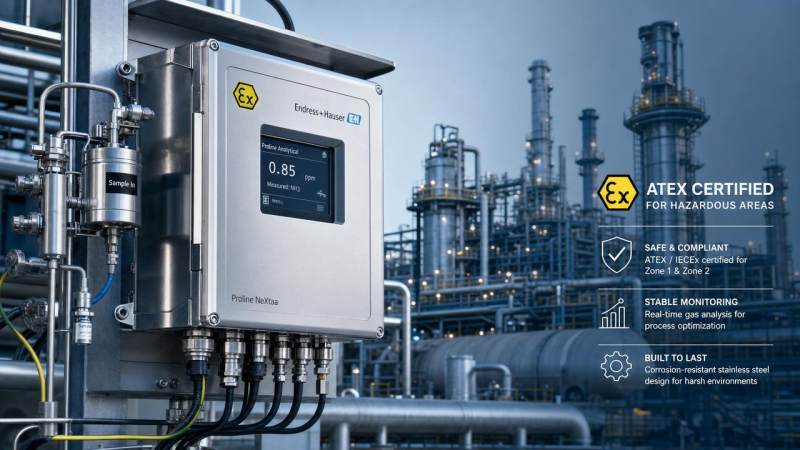
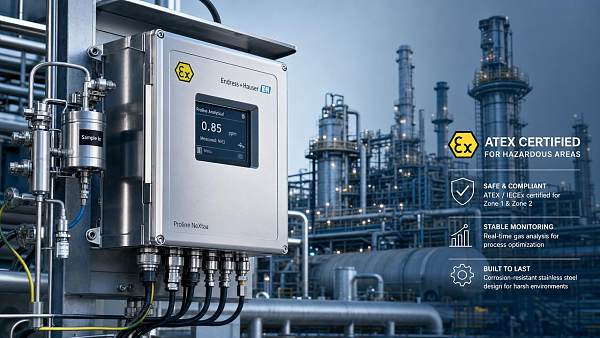
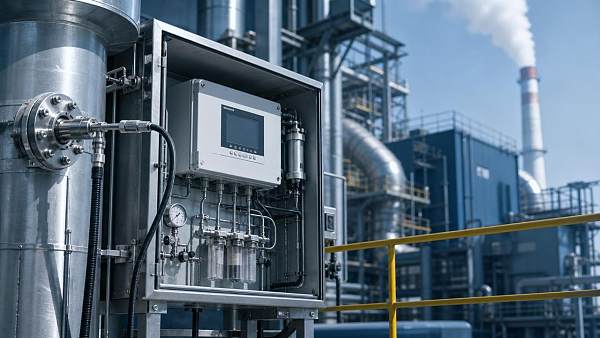
ATEX certified analyzers are analytical instruments approved for use in potentially explosive atmospheres within the European regulatory framework. Certification confirms that the device design matches specific protection concepts and hazardous area classifications.
The label alone is not enough. Technical teams should verify equipment group, category, zone suitability, temperature class, gas or dust marking, and ambient limits before installation.
Common analyzer technologies include oxygen analyzers, gas chromatographs, moisture analyzers, pH systems, conductivity instruments, and process spectrometers. Each technology may require different enclosure, purge, intrinsic safety, or flameproof strategies.
Key marking elements to review
- Zone rating for gas or dust areas
- Equipment category and protection type
- Temperature class or maximum surface temperature
- Ambient operating temperature range
- Ingress protection and enclosure material
Industry Drivers Behind Specification Focus
Hazardous plants now expect analyzers to do more than survive in dangerous areas. They must also deliver continuous data for automation systems, emissions tracking, quality control, and predictive maintenance.
This shift makes specification review more detailed. Plants compare total lifecycle value, not only purchase price or certification status.
Performance Specifications That Directly Affect Results
Measurement performance should be judged alongside safety. Many ATEX certified analyzers meet area classification rules, yet differ greatly in analytical quality and operational stability.
Measurement range and sensitivity
The range must match real process conditions, including upset scenarios. Overly wide ranges can reduce useful resolution. Very narrow ranges may fail during startup or abnormal events.
Accuracy, repeatability, and drift
Accuracy indicates closeness to true value. Repeatability shows consistency. Drift reveals long-term stability. In hazardous plants, drift often drives maintenance cost more than initial error specification.
Response time
Fast response can be critical for combustion control, leak detection, inerting verification, and process optimization. Review whether response time includes sample transport delay or sensor-only behavior.
Cross-sensitivity and sample compatibility
Hydrocarbons, sulfur compounds, moisture, dust, and solvents may distort readings. Good specification sheets describe interference effects, material compatibility, and pretreatment requirements.
- Check detection limit against safety or quality threshold
- Compare drift over realistic maintenance intervals
- Confirm sample pressure and temperature limitations
- Review failure mode during sensor contamination
Installation, Interface, and Environmental Constraints
Many analyzer issues appear after installation, not during specification review. A suitable hazardous area analyzer must align with enclosure space, utilities, cabling practice, and maintenance access.
Protection concept and mounting design
Some ATEX certified analyzers use intrinsic safety for signals, while others depend on flameproof housings or purge systems. Each option affects wiring, shutdown logic, and field service procedures.
Power and communication
Modern plants often require 4-20 mA, HART, Modbus, Profibus, or Ethernet connectivity. Diagnostic data and event logs can reduce fault-finding time in remote hazardous locations.
Ambient conditions
Outdoor analyzers may face solar loading, winter cold, salt spray, washdown, and vibration. Verify stated performance across the full ambient range, not only survival limits.
Operational Value Across Typical Hazardous Plant Applications
ATEX certified analyzers support multiple sectors linked to the wider instrumentation industry. They help transform raw process conditions into actionable data for control systems and compliance records.
Representative application categories
In each case, the best choice balances compliance, analytical performance, and maintenance practicality. The most advanced analyzer is not always the most effective field solution.
Lifecycle Support, Documentation, and Practical Selection Steps
Lifecycle factors strongly influence long-term value. Hazardous area instruments are harder to service, so documentation quality and spare parts planning should be treated as core specifications.
Support items worth confirming
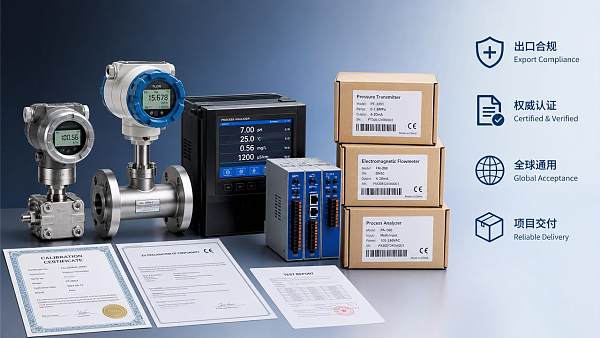
- Availability of ATEX certificates and installation drawings
- Calibration procedures and recommended intervals
- Field-replaceable sensors or modular assemblies
- Local service capability and spare parts lead time
- Firmware support and cybersecurity provisions for digital analyzers
A practical evaluation sequence
- Define hazardous zone, gas group, dust risk, and ambient conditions.
- Match measurement technology to process chemistry and required response.
- Review analyzer performance under real sampling conditions.
- Check power, interfaces, purge needs, and maintenance access.
- Compare documentation, support, and total lifecycle cost.
Well-chosen ATEX certified analyzers improve process visibility, reduce unplanned shutdowns, and support safer plant operation. They also strengthen the data foundation for industrial automation and digital transformation.
Next-Step Evaluation Framework
When shortlisting ATEX certified analyzers, build a comparison sheet using safety marking, analytical performance, environmental suitability, interface needs, and service support as equal decision columns.
Request complete technical files, not summary brochures. Installation drawings, sample system details, and calibration requirements often reveal the true fit for hazardous plant use.
A disciplined review process leads to analyzers that are compliant, maintainable, and accurate in real operating conditions. That is the standard that matters most in hazardous industrial environments.
Recommended for You
 Plant Automation Instruments: Upgrade Signals You Should Not IgnorePlant automation instruments show upgrade signals before costly failures happen. Learn the warning signs, business value, and smart replacement steps to improve uptime, safety, and control.
 How Industrial Quality Analyzers Reduce Rework and ScrapIndustrial quality analyzers help manufacturers detect defects early, reduce rework and scrap, improve compliance, and boost process efficiency with faster, data-driven control.
 Industrial Process Analyzers: What to Check Before ImportingIndustrial process analyzers: learn what to check before importing, from certifications and technical fit to maintenance and supplier support, to reduce risk and buy with confidence.
 Real-Time Analyzers vs Lab Testing for Faster Process ControlReal-time analyzers vs lab testing: learn how faster process data improves control, cuts delays, and boosts quality while lab methods ensure validation and compliance.
 Smart Measurement Devices in 2026: Where Adoption Is Growing FastSmart measurement devices are seeing rapid 2026 adoption across manufacturing, energy, labs, and environmental monitoring. Discover where demand is rising fastest and why buyers are acting now.
 Industrial Detection Systems: Common Selection Mistakes to AvoidIndustrial detection systems selection mistakes can trigger delays, compliance risks, and higher lifecycle costs. Learn how to choose smarter, integrate better, and avoid costly rework.
 When High-Accuracy Instruments Justify the Extra CostHigh-accuracy instruments justify extra cost when precision reduces waste, strengthens compliance, and improves ROI. Learn when premium accuracy delivers measurable business value.
 Utility Monitoring Equipment Costs: What Shapes 2026 BudgetsUtility monitoring equipment costs in 2026 are shaped by accuracy, integration, cybersecurity, and lifecycle service. See what drives budgets and how to plan smarter investments.
 ATEX Certified Analyzers: Key Specs That Matter in Hazardous PlantsATEX certified analyzers: discover the key specs that impact safety, accuracy, uptime, and maintenance in hazardous plants—essential guidance for smarter selection.
 How to Choose Plant Safety Instruments for High-Risk AreasPlant safety instruments selection for high-risk areas starts with the right standards, durability, and integration. Learn how to compare options, avoid costly mistakes, and improve plant safety.
 China's New Oil & Gas Discoveries Boost Export Demand for Analytical InstrumentsChina's new oil & gas discoveries drive export demand for analytical instruments—boosting global opportunities for chromatographic analyzers, gas detectors, and downhole sensors.
 China Academy Launches 800V HVDC Power-Computing Validation PlatformChina Academy launches 800V HVDC power-computing validation platform for IEC-compliant DC metering — accelerate CE/UL/SASO certification by 30%.
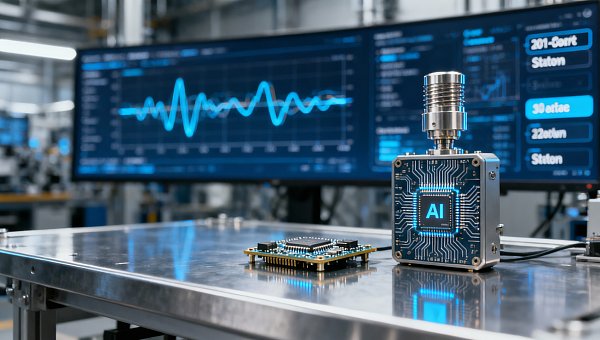
 MIIT Launches 'AI + Software' InitiativeAI + Software initiative by MIIT boosts intelligent programming tools, compute optimization & domestic industrial software—key for instrumentation, lab systems & monitoring platforms.
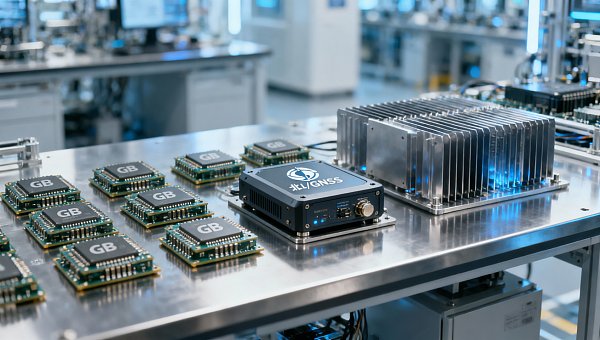
 China Approves New National Standards for AI, Chip, and GNSSChina's new national standards for AI, chips, and GNSS—effective Nov 2026—reshape global export compliance. Discover key impacts & actionable steps now.
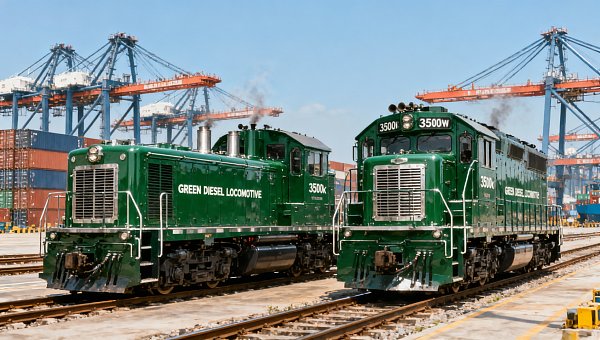
 Guangzhou Port Launches Tender for 3500kW Green Diesel LocomotivesGuangzhou Port's tender for 3500kW green diesel locomotives signals urgent demand for turnkey, eco-compliant rail solutions — act now to align with China’s port decarbonization timeline.
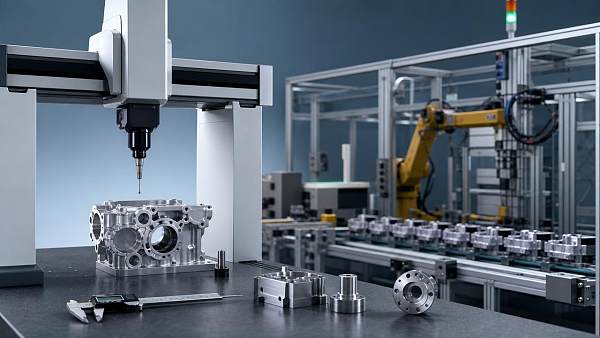
 Industrial Metrology Tools: When Accuracy Impacts OutputIndustrial metrology tools directly shape output, quality, and cost. Learn how accurate measurement reduces scrap, speeds decisions, and improves production performance.
 Process Measurement Devices in Export Compliance UpdatesProcess measurement devices face new export compliance updates that impact classification, documents, lead times, and market access. Learn practical steps to reduce risk and protect growth.
 Quality Control Analyzers Price Shifts in Global SupplyQuality control analyzers prices are shifting with global supply changes. Learn the key cost drivers, compliance risks, and sourcing tips buyers need to reduce total cost.
 Production Line Monitoring: How to Reduce Downtime FastProduction line monitoring helps reduce downtime fast with practical checklists, smarter alarms, and real-time insights. Learn how to improve visibility, response speed, and line reliability.
 Process Optimization Instruments: ROI vs Maintenance CostsProcess optimization instruments: compare ROI, downtime reduction, and accuracy gains against calibration and maintenance costs. Learn how to choose smarter, lower-risk solutions.
 Manufacturing Process Control Trends Shaping 2026 OutputManufacturing process control trends for 2026: explore real-time monitoring, predictive quality, compliance readiness, and smarter automation strategies to boost output and reduce risk.
 Industrial Inspection Devices for Safer Quality ChecksIndustrial inspection devices help deliver safer quality checks by detecting faults early, reducing downtime, and improving compliance across manufacturing, energy, and infrastructure.
 Industrial Control Instruments: Common Selection MistakesIndustrial control instruments selection mistakes can cause downtime, drift, and safety issues. Learn the most common errors and how to choose the right solution with confidence.
 Industrial Monitoring Solutions: Key Cost Factors in 2026Industrial monitoring solutions in 2026 cost far more than hardware alone. Learn the hidden cost drivers, compare vendor proposals wisely, and make smarter ROI-focused investment decisions.
 How to Compare Test and Measurement Equipment for Factory UseTest and measurement equipment for factory use should be compared by real application, not specs alone. Learn how to choose reliable, connected tools that cut downtime and improve control.
 Stack Gas Analyzers: When Maintenance Delays Start Raising RiskStack gas analyzers can look normal while hidden drift raises compliance, efficiency, and reliability risks. Learn the warning signs and smart maintenance checks before delays become costly.
 Industrial Measurement Systems in Export Projects: Key Compliance ChecksIndustrial measurement systems for export projects: learn the key compliance checks for certifications, calibration, safety, and documents to avoid delays and ensure smooth delivery.
 Pharmaceutical Instrumentation Upgrades: What to Evaluate FirstPharmaceutical instrumentation upgrades start with compliance, data integrity, uptime, and ROI. Learn what to evaluate first to reduce risk and make smarter buying decisions.
 Food Processing Analyzers for Compliance and Batch ConsistencyFood processing analyzers help manufacturers improve compliance, reduce batch variation, and verify quality from raw materials to final release with faster, traceable decisions.
 Biogas Analyzers Market Trends: Accuracy, Maintenance, and ROIBiogas analyzers market trends: explore how accuracy, lower maintenance, and stronger ROI help energy and industrial buyers improve gas quality, uptime, and compliance.
 Safety Monitoring Systems: Common Setup Mistakes to AvoidSafety monitoring systems fail fast when setup is wrong. Discover common installation, calibration, and alarm mistakes to avoid for safer operations and more reliable monitoring.
 Industrial Testing Equipment Costs in 2026: What Drives Pricing?Industrial testing equipment costs in 2026 depend on accuracy, compliance, automation, and lifecycle service. Learn what drives pricing and how to reduce total ownership cost.


Search Categories
Search Categories
Latest Article
- Plant Automation Instruments: Upgrade Signals You Should Not IgnorePlant automation instruments show upgrade signals before costly failures happen. Learn the warning signs, business value, and smart replacement steps to improve uptime, safety, and control.Posted by:
- How Industrial Quality Analyzers Reduce Rework and ScrapIndustrial quality analyzers help manufacturers detect defects early, reduce rework and scrap, improve compliance, and boost process efficiency with faster, data-driven control.Posted by:
- Industrial Process Analyzers: What to Check Before ImportingIndustrial process analyzers: learn what to check before importing, from certifications and technical fit to maintenance and supplier support, to reduce risk and buy with confidence.Posted by:
Please give us a message
