
Industrial Detection Systems: Common Selection Mistakes to Avoid


Choosing the right industrial detection systems can determine whether a project stays efficient, compliant, and scalable—or faces costly delays and rework. For project managers and engineering leaders, common selection mistakes often stem from focusing too narrowly on price, specs, or short-term needs. Understanding these risks early helps ensure better system performance, smoother integration, and stronger long-term value across complex industrial applications.
Why do industrial detection systems often get selected the wrong way?
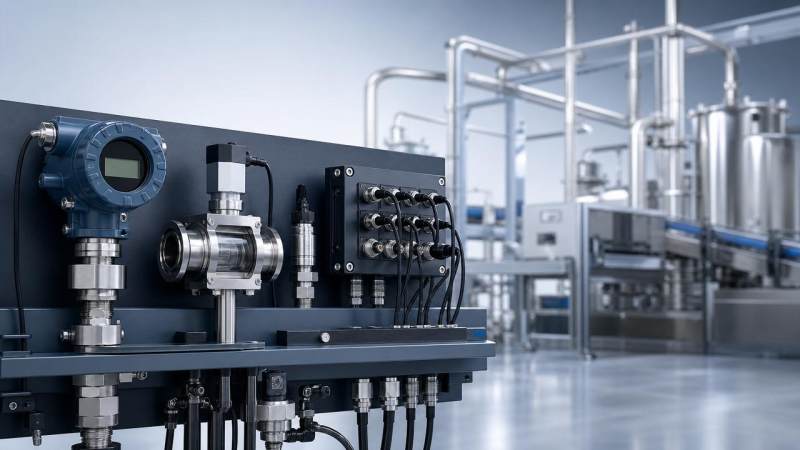
In many projects, industrial detection systems are treated as isolated devices instead of core infrastructure for measurement, monitoring, analysis, and control. That mistake usually appears early, during bidding, scope definition, or technical review.
For project managers, the pressure is familiar: limited budget, compressed delivery schedules, high compliance requirements, and multiple stakeholders with different priorities. Procurement may push for lower unit cost, while operations need reliability and maintenance teams need standardization.
The instrumentation sector supports industrial manufacturing, energy, environmental monitoring, laboratory analysis, medical testing, construction engineering, and automation control. Because these environments vary widely, a system that looks acceptable on paper may underperform once exposed to actual process conditions.
- Selection is based only on datasheet values, without matching installation conditions, process media, signal interfaces, and environmental stress.
- Teams compare detector hardware but ignore calibration strategy, software integration, spare parts planning, and future expansion.
- Short-term savings receive more weight than downtime risk, false alarms, compliance exposure, or later retrofit costs.
A better approach starts with project context. Industrial detection systems should be judged by process fit, accuracy stability, communication compatibility, lifecycle support, and implementation risk—not only by purchase price or nominal performance.
Common selection mistakes project teams should avoid
The most expensive errors are usually not technical failures at the factory. They happen during specification and supplier evaluation. The following mistakes repeatedly affect schedule, compliance, and total ownership cost.
1. Choosing by initial price instead of lifecycle value
A lower quotation can look attractive in procurement meetings, but industrial detection systems also create downstream costs. Frequent recalibration, short sensor life, difficult maintenance access, or poor data reliability can quickly erase the initial savings.
2. Ignoring the real operating environment
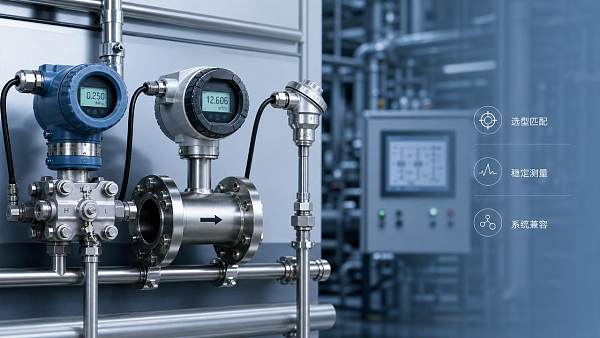
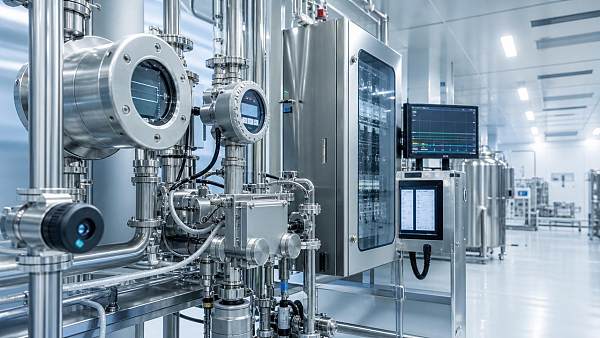
Temperature range, humidity, vibration, dust, corrosive media, electromagnetic interference, hazardous areas, and washdown requirements all affect detector performance. A device that performs well in a clean lab may fail in a power plant, wastewater station, or heavy industrial line.
3. Over-focusing on accuracy while missing process suitability
Higher accuracy is not always better if response time, repeatability, chemical compatibility, or signal stability do not match the application. In many projects, the practical question is not “What is the tightest spec?” but “What spec supports stable process decisions?”
4. Underestimating integration complexity
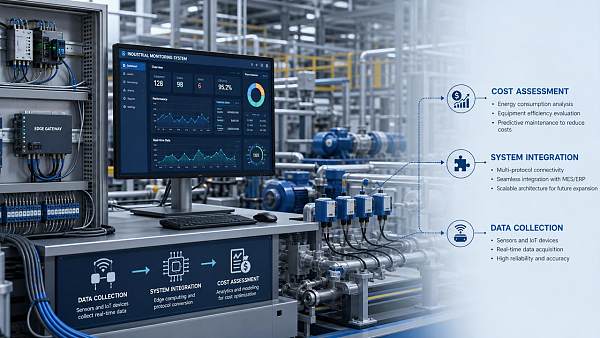
Industrial detection systems rarely work alone. They connect with PLC, DCS, SCADA, historian platforms, alarm logic, edge gateways, and maintenance systems. Protocol mismatch, insufficient I/O planning, or missing software support can delay commissioning.
5. Skipping compliance and documentation checks
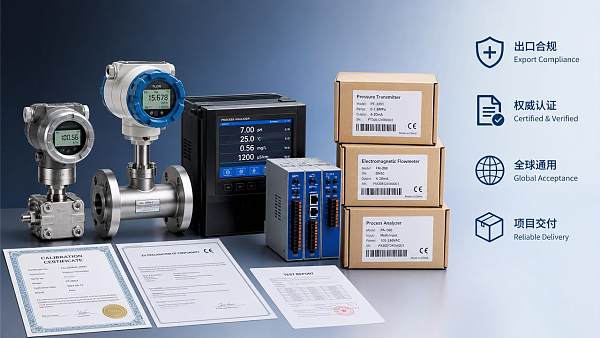
Many project teams review performance first and compliance later. That sequence is risky. Depending on the site, documentation for calibration, traceability, electrical safety, environmental suitability, or hazardous-area use may be mandatory before approval or handover.
6. Buying for current scope only
Digital transformation is pushing plants toward smarter monitoring and tighter data visibility. If a system cannot scale to more channels, remote diagnostics, or higher data integration requirements, today’s acceptable choice may become tomorrow’s bottleneck.
What should you evaluate before selecting industrial detection systems?
Before requesting quotations, teams should align technical, operational, and project criteria. This prevents internal rework and improves supplier comparison quality. The table below summarizes key selection dimensions for industrial detection systems across mixed industrial environments.
This evaluation structure helps project leaders move beyond brand comparison. It also creates a shared decision framework between engineering, procurement, QA, and operations, which is essential when industrial detection systems support critical monitoring or closed-loop control.
Which system type fits which application scenario?
Selection mistakes often come from using a familiar solution in the wrong context. Different industrial detection systems serve different project goals, response requirements, and regulatory expectations. A scenario-based view makes comparison more practical.
The key lesson is simple: industrial detection systems should be selected around mission-critical outcomes. A manufacturing line may prioritize response time and repeatability, while an environmental project may care more about traceable calibration and long-term reporting continuity.
How can project managers build a safer procurement process?
A strong procurement process reduces technical ambiguity before the purchase order is issued. It also lowers the chance of supplier misunderstanding, field modification, and commissioning delay. The process should be structured, cross-functional, and documented.
- Define the operating envelope clearly. Include media properties, process range, ambient conditions, signal requirements, mounting method, and service expectations.
- Separate mandatory requirements from preferred features. This helps compare industrial detection systems fairly and prevents overbuying on non-essential specifications.
- Request documentation early. Ask for drawings, manuals, calibration approach, material compatibility information, and communication details before final approval.
- Involve maintenance and controls teams. Their input often reveals issues that procurement and project engineering may miss, especially around access, interfaces, and spare parts.
- Review lifecycle support. Check lead time for consumables, sensor replacement options, field service expectations, and future expandability.
For multi-site organizations, standardization matters as much as unit performance. Using aligned industrial detection systems across projects can simplify training, spare inventory, software integration, and service planning.
A practical pre-award checklist
- Has the team confirmed process medium compatibility and expected contamination or fouling behavior?
- Are output type, protocol, power supply, and cabinet interface requirements fully matched?
- Are required certificates, test records, or calibration documents identified before manufacturing starts?
- Has installation space, service access, and cable routing been checked against actual site conditions?
- Is there a defined acceptance method for factory test, site commissioning, and performance verification?
What about standards, certification, and compliance risk?
Compliance should never be the last question. In instrumentation-heavy projects, industrial detection systems may need to align with safety, calibration, electrical, environmental, or industry-specific documentation practices. Exact requirements vary by geography and application.
Common review areas include electrical safety documentation, ingress protection level, electromagnetic compatibility, calibration traceability, material suitability, hazardous-area applicability where relevant, and records needed for project turnover or audit review.
For project leaders, the risk is not only regulatory rejection. Missing documents can hold up FAT, site acceptance, owner approval, or operating permit milestones. That is why compliance planning should be integrated into the selection schedule from the start.
FAQ: practical questions about industrial detection systems
How do I compare two industrial detection systems with similar specifications?
Look beyond nominal accuracy and range. Compare response stability, maintenance intervals, communication options, documentation quality, environmental tolerance, and ease of replacement. Two products may look equal on a datasheet but differ significantly in field reliability and lifecycle effort.
Which industrial detection systems are better for future digital integration?
Systems that support reliable digital communication, diagnostics visibility, event logging, and integration with control or monitoring platforms generally offer better long-term value. For projects tied to automation upgrades, data accessibility is often as important as sensing performance.
What is the biggest mistake during procurement?
The biggest mistake is selecting industrial detection systems before defining the real use condition. Without a clear process profile, teams may buy a technically acceptable device that is operationally wrong, causing rework during installation or early operation.
How early should compliance documents be reviewed?
Ideally before vendor finalization. Document gaps discovered after order placement can affect lead time, approval workflow, and even product suitability. Early review is especially important for regulated environments, safety-related monitoring, and owner-controlled specifications.
Why choosing the right partner matters
Industrial detection systems are part of a bigger instrumentation strategy. Projects succeed when measurement, testing, monitoring, analysis, and control are treated as connected capabilities rather than separate purchases. That is especially true in complex environments where automation, digitalization, and intelligent upgrades are underway.
A capable support team should help you clarify process conditions, confirm key parameters, compare suitable detection technologies, review integration paths, and identify documentation needs before procurement risk turns into project delay.
Why choose us for your industrial detection systems planning
We support project managers and engineering teams with practical guidance across instrumentation applications, from process measurement and industrial online monitoring to laboratory analysis and automation control. Our focus is to help you reduce selection errors before they affect schedule, compliance, and operating cost.
- Parameter confirmation: review process range, media characteristics, ambient conditions, installation constraints, and control interface needs.
- Product selection support: compare suitable industrial detection systems for pressure, temperature, flow, level, composition analysis, and related monitoring tasks.
- Delivery planning: discuss lead time, documentation sequence, commissioning preparation, and spare strategy for project execution.
- Custom solution discussion: align system architecture with plant automation, data collection, and intelligent upgrade goals.
- Certification and documentation review: identify likely compliance requirements and prepare the right technical information for approval.
- Sample and quotation communication: evaluate feasibility early and build a clearer budget basis for procurement decisions.
If you are evaluating industrial detection systems for a new project, retrofit, or multi-site standardization plan, contact us with your application details. We can help you confirm specifications, narrow options, and build a more reliable path from selection to implementation.
Recommended for You
 Plant Automation Instruments: Upgrade Signals You Should Not IgnorePlant automation instruments show upgrade signals before costly failures happen. Learn the warning signs, business value, and smart replacement steps to improve uptime, safety, and control.
 How Industrial Quality Analyzers Reduce Rework and ScrapIndustrial quality analyzers help manufacturers detect defects early, reduce rework and scrap, improve compliance, and boost process efficiency with faster, data-driven control.
 Industrial Process Analyzers: What to Check Before ImportingIndustrial process analyzers: learn what to check before importing, from certifications and technical fit to maintenance and supplier support, to reduce risk and buy with confidence.
 Real-Time Analyzers vs Lab Testing for Faster Process ControlReal-time analyzers vs lab testing: learn how faster process data improves control, cuts delays, and boosts quality while lab methods ensure validation and compliance.
 Smart Measurement Devices in 2026: Where Adoption Is Growing FastSmart measurement devices are seeing rapid 2026 adoption across manufacturing, energy, labs, and environmental monitoring. Discover where demand is rising fastest and why buyers are acting now.
 Industrial Detection Systems: Common Selection Mistakes to AvoidIndustrial detection systems selection mistakes can trigger delays, compliance risks, and higher lifecycle costs. Learn how to choose smarter, integrate better, and avoid costly rework.
 When High-Accuracy Instruments Justify the Extra CostHigh-accuracy instruments justify extra cost when precision reduces waste, strengthens compliance, and improves ROI. Learn when premium accuracy delivers measurable business value.
 Utility Monitoring Equipment Costs: What Shapes 2026 BudgetsUtility monitoring equipment costs in 2026 are shaped by accuracy, integration, cybersecurity, and lifecycle service. See what drives budgets and how to plan smarter investments.
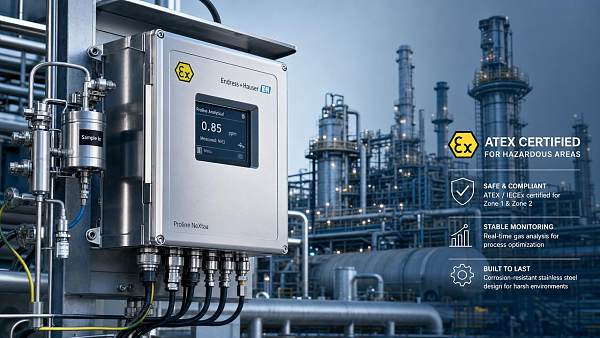
 ATEX Certified Analyzers: Key Specs That Matter in Hazardous PlantsATEX certified analyzers: discover the key specs that impact safety, accuracy, uptime, and maintenance in hazardous plants—essential guidance for smarter selection.
 How to Choose Plant Safety Instruments for High-Risk AreasPlant safety instruments selection for high-risk areas starts with the right standards, durability, and integration. Learn how to compare options, avoid costly mistakes, and improve plant safety.
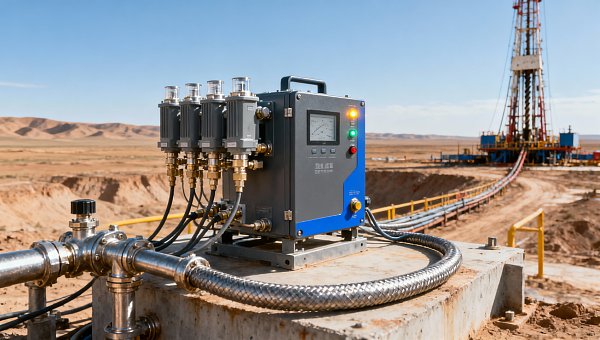
 China's New Oil & Gas Discoveries Boost Export Demand for Analytical InstrumentsChina's new oil & gas discoveries drive export demand for analytical instruments—boosting global opportunities for chromatographic analyzers, gas detectors, and downhole sensors.
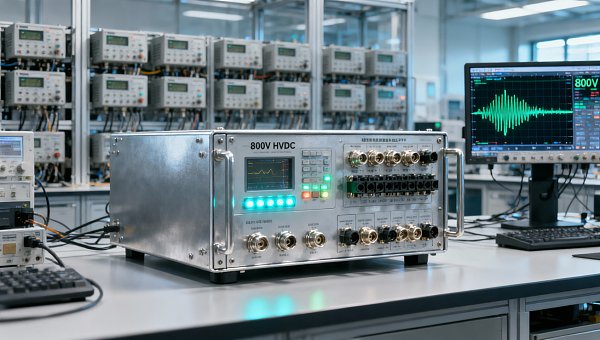
 China Academy Launches 800V HVDC Power-Computing Validation PlatformChina Academy launches 800V HVDC power-computing validation platform for IEC-compliant DC metering — accelerate CE/UL/SASO certification by 30%.
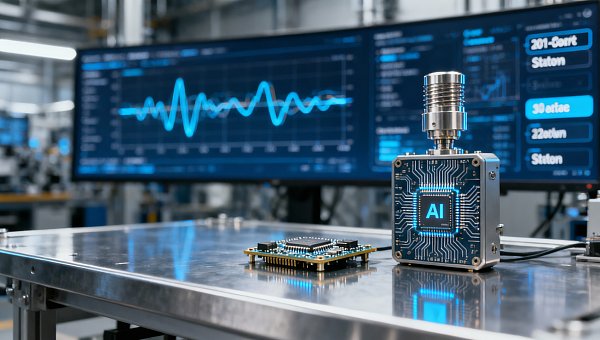
 MIIT Launches 'AI + Software' InitiativeAI + Software initiative by MIIT boosts intelligent programming tools, compute optimization & domestic industrial software—key for instrumentation, lab systems & monitoring platforms.
 China Approves New National Standards for AI, Chip, and GNSSChina's new national standards for AI, chips, and GNSS—effective Nov 2026—reshape global export compliance. Discover key impacts & actionable steps now.
 Guangzhou Port Launches Tender for 3500kW Green Diesel LocomotivesGuangzhou Port's tender for 3500kW green diesel locomotives signals urgent demand for turnkey, eco-compliant rail solutions — act now to align with China’s port decarbonization timeline.
 Industrial Metrology Tools: When Accuracy Impacts OutputIndustrial metrology tools directly shape output, quality, and cost. Learn how accurate measurement reduces scrap, speeds decisions, and improves production performance.
 Process Measurement Devices in Export Compliance UpdatesProcess measurement devices face new export compliance updates that impact classification, documents, lead times, and market access. Learn practical steps to reduce risk and protect growth.
 Quality Control Analyzers Price Shifts in Global SupplyQuality control analyzers prices are shifting with global supply changes. Learn the key cost drivers, compliance risks, and sourcing tips buyers need to reduce total cost.
 Production Line Monitoring: How to Reduce Downtime FastProduction line monitoring helps reduce downtime fast with practical checklists, smarter alarms, and real-time insights. Learn how to improve visibility, response speed, and line reliability.
 Process Optimization Instruments: ROI vs Maintenance CostsProcess optimization instruments: compare ROI, downtime reduction, and accuracy gains against calibration and maintenance costs. Learn how to choose smarter, lower-risk solutions.
 Manufacturing Process Control Trends Shaping 2026 OutputManufacturing process control trends for 2026: explore real-time monitoring, predictive quality, compliance readiness, and smarter automation strategies to boost output and reduce risk.
 Industrial Inspection Devices for Safer Quality ChecksIndustrial inspection devices help deliver safer quality checks by detecting faults early, reducing downtime, and improving compliance across manufacturing, energy, and infrastructure.
 Industrial Control Instruments: Common Selection MistakesIndustrial control instruments selection mistakes can cause downtime, drift, and safety issues. Learn the most common errors and how to choose the right solution with confidence.
 Industrial Monitoring Solutions: Key Cost Factors in 2026Industrial monitoring solutions in 2026 cost far more than hardware alone. Learn the hidden cost drivers, compare vendor proposals wisely, and make smarter ROI-focused investment decisions.
 How to Compare Test and Measurement Equipment for Factory UseTest and measurement equipment for factory use should be compared by real application, not specs alone. Learn how to choose reliable, connected tools that cut downtime and improve control.
 Stack Gas Analyzers: When Maintenance Delays Start Raising RiskStack gas analyzers can look normal while hidden drift raises compliance, efficiency, and reliability risks. Learn the warning signs and smart maintenance checks before delays become costly.
 Industrial Measurement Systems in Export Projects: Key Compliance ChecksIndustrial measurement systems for export projects: learn the key compliance checks for certifications, calibration, safety, and documents to avoid delays and ensure smooth delivery.
 Pharmaceutical Instrumentation Upgrades: What to Evaluate FirstPharmaceutical instrumentation upgrades start with compliance, data integrity, uptime, and ROI. Learn what to evaluate first to reduce risk and make smarter buying decisions.
 Food Processing Analyzers for Compliance and Batch ConsistencyFood processing analyzers help manufacturers improve compliance, reduce batch variation, and verify quality from raw materials to final release with faster, traceable decisions.
 Biogas Analyzers Market Trends: Accuracy, Maintenance, and ROIBiogas analyzers market trends: explore how accuracy, lower maintenance, and stronger ROI help energy and industrial buyers improve gas quality, uptime, and compliance.
 Safety Monitoring Systems: Common Setup Mistakes to AvoidSafety monitoring systems fail fast when setup is wrong. Discover common installation, calibration, and alarm mistakes to avoid for safer operations and more reliable monitoring.
 Industrial Testing Equipment Costs in 2026: What Drives Pricing?Industrial testing equipment costs in 2026 depend on accuracy, compliance, automation, and lifecycle service. Learn what drives pricing and how to reduce total ownership cost.



Search Categories
Search Categories
Latest Article
- Plant Automation Instruments: Upgrade Signals You Should Not IgnorePlant automation instruments show upgrade signals before costly failures happen. Learn the warning signs, business value, and smart replacement steps to improve uptime, safety, and control.Posted by:
- How Industrial Quality Analyzers Reduce Rework and ScrapIndustrial quality analyzers help manufacturers detect defects early, reduce rework and scrap, improve compliance, and boost process efficiency with faster, data-driven control.Posted by:
- Industrial Process Analyzers: What to Check Before ImportingIndustrial process analyzers: learn what to check before importing, from certifications and technical fit to maintenance and supplier support, to reduce risk and buy with confidence.Posted by:
Please give us a message
