
How Industrial Quality Analyzers Reduce Rework and Scrap


In modern production environments, even small quality deviations can lead to costly rework, material waste, and safety risks. Industrial quality analyzers help quality control and safety managers detect defects earlier, verify process stability, and make faster data-driven decisions. By improving accuracy across inspection and monitoring, these instruments play a critical role in reducing scrap, protecting compliance, and supporting more efficient industrial operations.
Across manufacturing, energy, laboratory operations, environmental monitoring, and automated process industries, product quality is no longer judged only at final inspection. It is increasingly controlled in real time, often at multiple checkpoints, with measurement data feeding directly into production decisions.
For quality control teams and safety managers, the challenge is practical: reduce scrap rates, limit rework hours, prevent nonconforming batches, and maintain documentation that can stand up to customer audits or regulatory review. That is where industrial quality analyzers create measurable value.
Why Industrial Quality Analyzers Matter in Modern Production
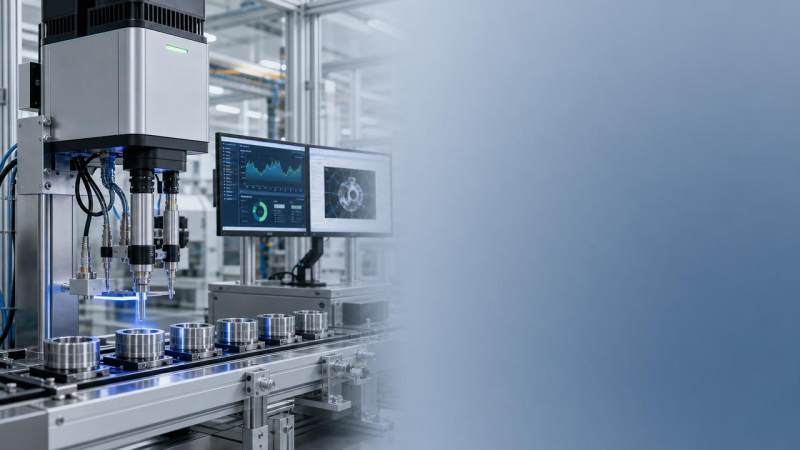
Industrial quality analyzers are instruments used to measure composition, physical properties, contamination levels, dimensional accuracy, or process consistency. Depending on the application, they may be installed online, at-line, or in a laboratory, with update intervals ranging from continuous readings to 5-minute, 30-minute, or per-batch checks.
In a typical plant, quality losses often originate from three points: unstable raw materials, process drift, and delayed detection. If an out-of-spec condition remains unnoticed for even 20 to 40 minutes on a high-throughput line, the result can be dozens or hundreds of defective units instead of a small, isolated correction.
The Direct Link Between Detection Speed and Scrap Reduction
The faster a deviation is detected, the smaller the quality loss window becomes. For example, if a composition analyzer identifies off-ratio blending within 2 minutes instead of after end-of-shift testing, operators can isolate the issue before it affects an entire batch or downstream packaging process.
This matters in sectors where raw material values are high, process temperatures are tightly controlled, or product traceability is mandatory. In these environments, a single rejected lot may trigger not just material loss, but additional retesting, storage segregation, cleaning downtime, and safety review.
Common Quality Risks Faced by QC and Safety Teams
Quality and safety managers usually monitor more than one risk category at the same time. A dimensional error may create assembly failures, while a chemical concentration drift may create corrosion, emissions, or operator exposure concerns. The impact is operational as well as compliance-related.
- Undetected process drift over 1 to 3 production hours
- Batch inconsistency caused by raw material variation
- False pass or false fail decisions from outdated instruments
- Manual sampling delays that extend response time by 15 to 60 minutes
- Incomplete audit records for customer, internal, or regulatory review
Industrial quality analyzers reduce these risks by turning quality control into a repeatable measurement system rather than a reactive inspection activity. That shift supports better containment decisions, more stable output, and fewer emergency interventions.
Where These Instruments Deliver the Most Value
The strongest return typically appears in processes with high throughput, strict tolerances, or expensive rework. Examples include flow and composition control in chemical processing, temperature and pressure verification in energy systems, contamination checks in laboratory workflows, and online monitoring in automated production lines.
The table below outlines how different analyzer deployment models affect scrap, response speed, and operational control in industrial settings.
The key conclusion is that analyzer value depends not only on precision, but also on placement. A very accurate instrument still allows excess scrap if data arrives too late. In many facilities, combining online screening with laboratory confirmation gives the best balance of speed and confidence.
How Quality Analyzers Reduce Rework Across Industrial Applications
Rework is expensive because it consumes labor, machine availability, utilities, and often additional validation steps. In some operations, a reworked batch may require 2 to 3 extra inspections before release. In others, the part cannot be safely reworked at all and must be scrapped.
Industrial quality analyzers reduce rework by identifying nonconformities before value-adding steps accumulate. Catching an issue before coating, curing, assembly, sterilization, or packaging is significantly cheaper than correcting it after completion.
1. Verifying Incoming Materials Before They Enter Production
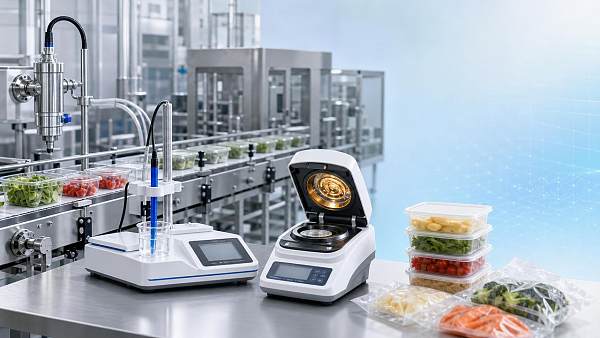
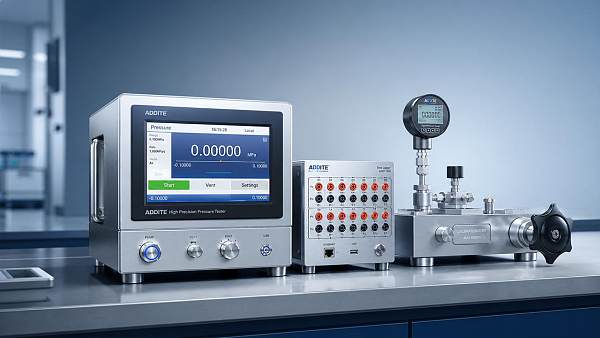
Many recurring defects start with inconsistent raw materials. Composition analyzers, moisture analyzers, pH meters, conductivity instruments, and calibration tools help confirm whether incoming supplies fall within accepted limits such as purity bands, concentration windows, or temperature ranges.
If raw material variability is detected at receiving or pre-mix stages, the plant can quarantine the lot, adjust the recipe, or request supplier correction. This prevents hidden variation from moving downstream and reduces the chance of multiple nonconforming batches in a 24-hour cycle.
2. Monitoring Process Stability During Production
Process drift is one of the most common causes of scrap in automated and semi-automated operations. Variables such as flow rate, pressure, temperature, level, and composition can gradually move outside target limits even when machinery appears to be running normally.
An analyzer integrated with alarms or control logic can trigger action when a value exceeds a tolerance threshold, such as ±0.5%, ±1.0°C, or a set conductivity limit. That means operators respond to measured conditions rather than waiting for customer complaints or final inspection failures.
Examples of in-process control points
- Flow and density checks in blending or dosing operations
- Gas or liquid composition analysis in chemical and energy systems
- Temperature verification during curing, treatment, or storage
- Particle or contamination monitoring in lab and clean production environments
- Pressure and level consistency in closed-loop automation systems
3. Supporting Faster Root-Cause Analysis After a Deviation
When a defect occurs, the ability to reconstruct the event matters. Time-stamped measurement history allows teams to determine whether the issue began with material input, a calibration shift, operator intervention, or an equipment control problem. This can shorten investigation time from several hours to a single review cycle.
For safety managers, this record is also important when quality events overlap with exposure, emissions, or process integrity concerns. Reliable analyzer data supports containment, reporting, and corrective action decisions with less uncertainty.
How to Select the Right Industrial Quality Analyzer
Not every instrument that measures accurately is suitable for plant conditions. Selection should consider the measured variable, process environment, sampling method, operator skill level, integration needs, and maintenance burden. A poor fit can create data gaps, nuisance alarms, or underused equipment.
For most B2B buyers, the evaluation process becomes clearer when it is organized around five practical questions: what must be measured, how fast results are needed, how precise the decision must be, where the analyzer will operate, and how the data will be used.
Key Selection Criteria for QC and Safety Buyers
The table below summarizes common decision factors used when comparing industrial quality analyzers across broad instrumentation applications.
In many cases, buyers focus too much on instrument sensitivity and not enough on usability. If calibration takes 45 minutes and requires scarce technical staff, the analyzer may be bypassed during peak production. Selection should balance laboratory-grade confidence with plant-floor practicality.
Questions to Ask Before Purchase
- What defect or process deviation are we trying to prevent?
- How much scrap is created if detection is delayed by 15, 30, or 60 minutes?
- Will the analyzer be used for release decisions, trend monitoring, or alarm control?
- Do operators need one-button workflows, or can the site support specialist users?
- How will data connect to existing control, SCADA, or quality record systems?
These questions help procurement teams avoid overbuying features that add cost without reducing risk. They also clarify whether the better investment is a single high-precision analyzer, multiple distributed checkpoints, or a staged deployment over 2 to 4 implementation phases.
Implementation, Maintenance, and Long-Term Performance
Even the right analyzer needs the right implementation plan. The most effective projects define measurement points, alarm thresholds, sampling routines, calibration intervals, escalation procedures, and acceptance criteria before full commissioning. Without this structure, valuable data may not lead to action.
A Practical 5-Step Rollout Approach
- Map the process and identify the top 3 to 5 defect drivers.
- Choose analyzer locations where detection can stop or isolate defects early.
- Define operating limits, alarm levels, and response ownership by shift.
- Validate readings against reference methods over 7 to 14 days.
- Train operators, QC staff, and safety personnel on routine checks and escalation.
This approach keeps analyzer deployment tied to business outcomes. Instead of installing instrumentation as a standalone technology project, it makes the system part of daily quality control and process safety practice.
Maintenance Practices That Protect Data Integrity
Industrial quality analyzers support reduction of rework only when the readings remain trustworthy. Routine checks often include zero verification, span checks, cleaning of sampling paths, sensor inspection, and periodic comparison against certified reference standards or established lab methods.
Depending on the instrument and process, maintenance may be daily, weekly, or monthly. Harsh environments with dust, vibration, condensate, or corrosive media usually require shorter intervals. Plants should document who performs each task and what deviation threshold triggers service or recalibration.
Common implementation mistakes to avoid
- Installing the analyzer too far from the real point of variation
- Using one generic alarm limit for all products or batches
- Skipping operator training after initial commissioning
- Ignoring sample conditioning needs in temperature-sensitive or contaminated media
- Failing to connect analyzer data with corrective action records
Avoiding these mistakes improves both measurement value and internal adoption. In practice, reliable use matters more than a long list of advanced functions that operators do not trust or cannot maintain consistently.
What Quality and Safety Managers Should Prioritize Next
If your operation is seeing repeated rework, unstable process capability, or unexplained scrap spikes, the first priority is not necessarily more inspection at the end. It is better visibility at the stage where variation first appears. Industrial quality analyzers provide that visibility when they are matched to the real process risk.
For quality control personnel, the value lies in faster verification, stronger traceability, and more consistent release decisions. For safety managers, the benefit includes earlier warning of abnormal process conditions, improved documentation, and better control over quality events that may also affect operational safety.
A well-selected analyzer program can reduce waste, limit avoidable rework, and support more stable industrial performance across manufacturing, energy, laboratory, environmental, and automation-driven applications. If you are reviewing analyzer options, planning a monitoring upgrade, or comparing deployment models, now is a good time to get a tailored assessment.
Contact us to discuss your process conditions, inspection goals, and integration needs. Get a customized solution, review product details, and explore more industrial instrumentation options designed to improve quality control and reduce scrap in demanding production environments.
Recommended for You
 Plant Automation Instruments: Upgrade Signals You Should Not IgnorePlant automation instruments show upgrade signals before costly failures happen. Learn the warning signs, business value, and smart replacement steps to improve uptime, safety, and control.
 How Industrial Quality Analyzers Reduce Rework and ScrapIndustrial quality analyzers help manufacturers detect defects early, reduce rework and scrap, improve compliance, and boost process efficiency with faster, data-driven control.
 Industrial Process Analyzers: What to Check Before ImportingIndustrial process analyzers: learn what to check before importing, from certifications and technical fit to maintenance and supplier support, to reduce risk and buy with confidence.
 Real-Time Analyzers vs Lab Testing for Faster Process ControlReal-time analyzers vs lab testing: learn how faster process data improves control, cuts delays, and boosts quality while lab methods ensure validation and compliance.
 Smart Measurement Devices in 2026: Where Adoption Is Growing FastSmart measurement devices are seeing rapid 2026 adoption across manufacturing, energy, labs, and environmental monitoring. Discover where demand is rising fastest and why buyers are acting now.
 Industrial Detection Systems: Common Selection Mistakes to AvoidIndustrial detection systems selection mistakes can trigger delays, compliance risks, and higher lifecycle costs. Learn how to choose smarter, integrate better, and avoid costly rework.
 When High-Accuracy Instruments Justify the Extra CostHigh-accuracy instruments justify extra cost when precision reduces waste, strengthens compliance, and improves ROI. Learn when premium accuracy delivers measurable business value.
 Utility Monitoring Equipment Costs: What Shapes 2026 BudgetsUtility monitoring equipment costs in 2026 are shaped by accuracy, integration, cybersecurity, and lifecycle service. See what drives budgets and how to plan smarter investments.
 ATEX Certified Analyzers: Key Specs That Matter in Hazardous PlantsATEX certified analyzers: discover the key specs that impact safety, accuracy, uptime, and maintenance in hazardous plants—essential guidance for smarter selection.
 How to Choose Plant Safety Instruments for High-Risk AreasPlant safety instruments selection for high-risk areas starts with the right standards, durability, and integration. Learn how to compare options, avoid costly mistakes, and improve plant safety.
 China's New Oil & Gas Discoveries Boost Export Demand for Analytical InstrumentsChina's new oil & gas discoveries drive export demand for analytical instruments—boosting global opportunities for chromatographic analyzers, gas detectors, and downhole sensors.
 China Academy Launches 800V HVDC Power-Computing Validation PlatformChina Academy launches 800V HVDC power-computing validation platform for IEC-compliant DC metering — accelerate CE/UL/SASO certification by 30%.
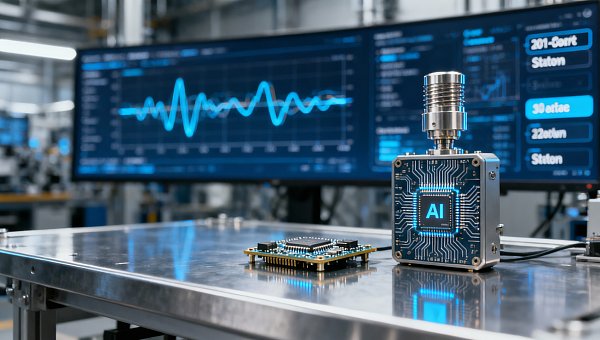
 MIIT Launches 'AI + Software' InitiativeAI + Software initiative by MIIT boosts intelligent programming tools, compute optimization & domestic industrial software—key for instrumentation, lab systems & monitoring platforms.
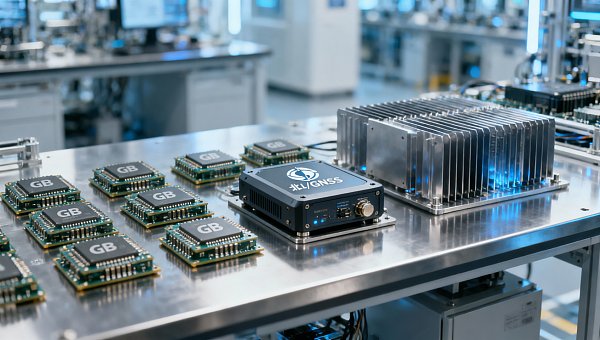
 China Approves New National Standards for AI, Chip, and GNSSChina's new national standards for AI, chips, and GNSS—effective Nov 2026—reshape global export compliance. Discover key impacts & actionable steps now.
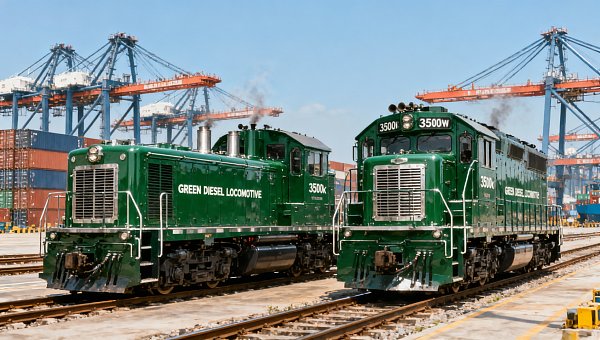
 Guangzhou Port Launches Tender for 3500kW Green Diesel LocomotivesGuangzhou Port's tender for 3500kW green diesel locomotives signals urgent demand for turnkey, eco-compliant rail solutions — act now to align with China’s port decarbonization timeline.
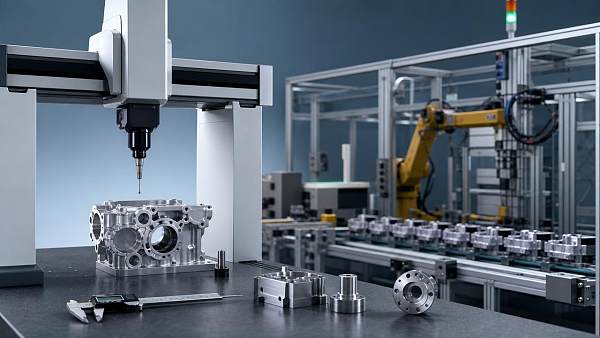
 Industrial Metrology Tools: When Accuracy Impacts OutputIndustrial metrology tools directly shape output, quality, and cost. Learn how accurate measurement reduces scrap, speeds decisions, and improves production performance.
 Process Measurement Devices in Export Compliance UpdatesProcess measurement devices face new export compliance updates that impact classification, documents, lead times, and market access. Learn practical steps to reduce risk and protect growth.
 Quality Control Analyzers Price Shifts in Global SupplyQuality control analyzers prices are shifting with global supply changes. Learn the key cost drivers, compliance risks, and sourcing tips buyers need to reduce total cost.
 Production Line Monitoring: How to Reduce Downtime FastProduction line monitoring helps reduce downtime fast with practical checklists, smarter alarms, and real-time insights. Learn how to improve visibility, response speed, and line reliability.
 Process Optimization Instruments: ROI vs Maintenance CostsProcess optimization instruments: compare ROI, downtime reduction, and accuracy gains against calibration and maintenance costs. Learn how to choose smarter, lower-risk solutions.
 Manufacturing Process Control Trends Shaping 2026 OutputManufacturing process control trends for 2026: explore real-time monitoring, predictive quality, compliance readiness, and smarter automation strategies to boost output and reduce risk.
 Industrial Inspection Devices for Safer Quality ChecksIndustrial inspection devices help deliver safer quality checks by detecting faults early, reducing downtime, and improving compliance across manufacturing, energy, and infrastructure.
 Industrial Control Instruments: Common Selection MistakesIndustrial control instruments selection mistakes can cause downtime, drift, and safety issues. Learn the most common errors and how to choose the right solution with confidence.
 Industrial Monitoring Solutions: Key Cost Factors in 2026Industrial monitoring solutions in 2026 cost far more than hardware alone. Learn the hidden cost drivers, compare vendor proposals wisely, and make smarter ROI-focused investment decisions.
 How to Compare Test and Measurement Equipment for Factory UseTest and measurement equipment for factory use should be compared by real application, not specs alone. Learn how to choose reliable, connected tools that cut downtime and improve control.
 Stack Gas Analyzers: When Maintenance Delays Start Raising RiskStack gas analyzers can look normal while hidden drift raises compliance, efficiency, and reliability risks. Learn the warning signs and smart maintenance checks before delays become costly.
 Industrial Measurement Systems in Export Projects: Key Compliance ChecksIndustrial measurement systems for export projects: learn the key compliance checks for certifications, calibration, safety, and documents to avoid delays and ensure smooth delivery.
 Pharmaceutical Instrumentation Upgrades: What to Evaluate FirstPharmaceutical instrumentation upgrades start with compliance, data integrity, uptime, and ROI. Learn what to evaluate first to reduce risk and make smarter buying decisions.
 Food Processing Analyzers for Compliance and Batch ConsistencyFood processing analyzers help manufacturers improve compliance, reduce batch variation, and verify quality from raw materials to final release with faster, traceable decisions.
 Biogas Analyzers Market Trends: Accuracy, Maintenance, and ROIBiogas analyzers market trends: explore how accuracy, lower maintenance, and stronger ROI help energy and industrial buyers improve gas quality, uptime, and compliance.
 Safety Monitoring Systems: Common Setup Mistakes to AvoidSafety monitoring systems fail fast when setup is wrong. Discover common installation, calibration, and alarm mistakes to avoid for safer operations and more reliable monitoring.
 Industrial Testing Equipment Costs in 2026: What Drives Pricing?Industrial testing equipment costs in 2026 depend on accuracy, compliance, automation, and lifecycle service. Learn what drives pricing and how to reduce total ownership cost.

Search Categories
Search Categories
Latest Article
- Plant Automation Instruments: Upgrade Signals You Should Not IgnorePlant automation instruments show upgrade signals before costly failures happen. Learn the warning signs, business value, and smart replacement steps to improve uptime, safety, and control.Posted by:
- How Industrial Quality Analyzers Reduce Rework and ScrapIndustrial quality analyzers help manufacturers detect defects early, reduce rework and scrap, improve compliance, and boost process efficiency with faster, data-driven control.Posted by:
- Industrial Process Analyzers: What to Check Before ImportingIndustrial process analyzers: learn what to check before importing, from certifications and technical fit to maintenance and supplier support, to reduce risk and buy with confidence.Posted by:
Please give us a message
