
When High-Accuracy Instruments Justify the Extra Cost


In measurement-driven industries, the difference between acceptable performance and costly failure often comes down to precision. High-accuracy instruments may require a larger upfront investment, but for business decision-makers, they can deliver stronger process control, better compliance, reduced waste, and more reliable data for long-term growth. Understanding when high-accuracy instruments justify the extra cost is essential to making smarter capital and operational decisions.
Across manufacturing, energy, laboratory testing, environmental monitoring, construction, and automation, instrumentation decisions affect operating stability, product quality, and risk exposure. For leadership teams, the real question is not whether precision matters, but where tighter tolerances produce measurable financial and operational returns.
In many plants and testing environments, a small deviation such as ±0.1% versus ±1% can influence batch consistency, safety thresholds, compliance records, or maintenance intervals. The value of high-accuracy instruments becomes clearer when error costs are recurring, regulated, or difficult to reverse after the fact.
Why Accuracy Becomes a Strategic Business Issue
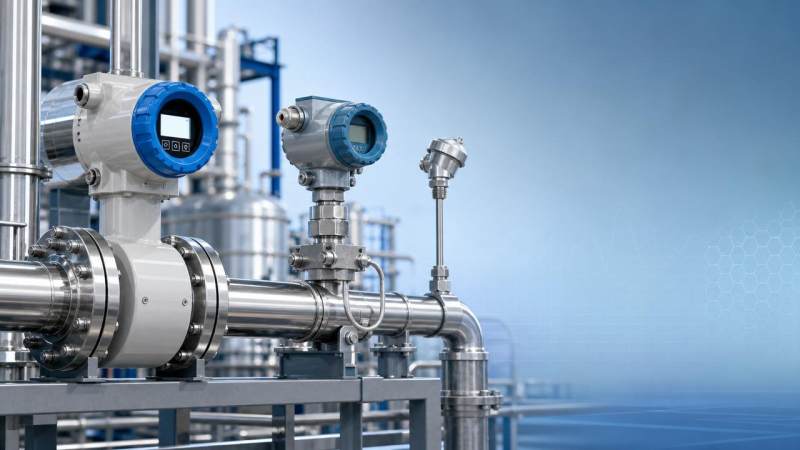
For enterprise decision-makers, instrumentation is rarely just a technical purchase. It is a business control layer that supports throughput, traceability, and predictable outcomes. When measurement quality is weak, operations may still run, but hidden losses often accumulate over 6 to 24 months.
High-accuracy instruments are most valuable where one measurement influences multiple downstream decisions. A pressure transmitter, flow meter, gas analyzer, temperature sensor, or laboratory balance can shape production recipes, alarm thresholds, energy efficiency, and final acceptance criteria at the same time.
The Cost of “Good Enough” Measurement
A lower-cost instrument may look attractive during procurement, especially when the price gap is 15% to 40%. However, if that device requires more frequent recalibration, creates 1% to 3% material loss, or causes unplanned retesting, the lifetime cost can exceed the initial savings within a single budget cycle.
In regulated sectors, poor measurement quality can also increase audit risk. Environmental monitoring, medical testing, metrology, and industrial emissions control often demand documented accuracy, repeatability, and traceable calibration intervals such as every 6 or 12 months.
Common areas where precision protects profit
- Batch production where dosage or mix ratio drift above 0.5% affects quality consistency
- Energy systems where flow or temperature error changes consumption calculations over 24/7 operation
- Laboratories where repeatability and uncertainty directly affect release decisions
- Process safety loops where false readings delay intervention during abnormal conditions
- Construction and engineering surveys where measurement deviations compound across multiple stages
The table below shows how the business impact of measurement accuracy changes by application type. This comparison helps identify where high-accuracy instruments create meaningful returns rather than unnecessary specification inflation.
The key takeaway is straightforward: the more a measurement affects product release, safety, compliance, or cost accounting, the more likely high-accuracy instruments are to justify their premium. Not every point needs the tightest tolerance, but critical points often do.
Where Decision-Makers Should Look First
A practical review usually starts with 4 questions. First, does this measurement control money, safety, or compliance? Second, how often is the data used in operational decisions? Third, what is the cost of a bad reading over 30, 90, or 365 days? Fourth, can errors be corrected later, or are they embedded into product, reporting, or asset performance?
These questions often reveal that only 20% to 30% of instrument points require premium precision, while the rest can remain in a standard performance class. That targeted approach improves capital efficiency without underengineering the process.
When High-Accuracy Instruments Clearly Justify the Extra Cost
The business case becomes strongest when accuracy has a direct link to measurable loss prevention or measurable gain. In these conditions, the purchase decision should be based on total cost of ownership over 3 to 7 years rather than purchase price alone.
1. Tight Process Windows and High-Value Output
In continuous production or complex batch operations, a narrow operating band may define acceptable quality. If a temperature loop must stay within ±0.3°C, or a flow rate must remain within 0.5% of setpoint, low-resolution measurement can create frequent correction cycles and unstable control.
This is especially relevant in chemical processing, food production, precision manufacturing, and specialty materials. A single drift event may affect dozens or hundreds of units before detection. In these settings, high-accuracy instruments help reduce scrap, startup losses, and operator intervention.
2. Regulated Reporting and Audit Readiness
If data must stand up to external review, instrument quality becomes part of governance. Environmental emissions, laboratory records, calibration results, pharmaceutical support testing, and utility accountability all depend on defensible measurement chains.
In these cases, high-accuracy instruments do more than improve readings. They simplify documentation, reduce disputes during review, and support traceability through scheduled calibration, uncertainty records, and stable long-term performance across 12-month cycles or longer.
3. Expensive Downtime or Hard-to-Reach Assets
For remote pumping stations, energy assets, hazardous process zones, offshore equipment, and critical infrastructure, a poor instrument decision can create hidden maintenance costs. If access requires shutdown permits, lifting equipment, or safety isolation, one avoidable replacement may outweigh the original price difference.
Instruments with better stability, lower drift, and longer recalibration intervals often reduce site visits from 4 times per year to 1 or 2. That matters when labor, safety controls, and production interruption all carry substantial cost.
4. Data Used for Automation and Optimization
As plants move toward digital transformation, poor input data weakens every downstream layer. Control systems, predictive maintenance models, SPC analysis, and energy dashboards all depend on measurement confidence. If the data foundation is unstable, analytics become less actionable.
This is where high-accuracy instruments support not only operations but strategic modernization. Better signal quality improves tuning, anomaly detection, and asset benchmarking across multiple lines, shifts, or facilities.
Typical trigger conditions for upgrading accuracy
- Recurring quality loss above 1% of output value
- Recalibration frequency shorter than every 3 months
- Audit findings related to traceability or unstable readings
- Measurement points used for custody, billing, or compliance reporting
- Critical loops where process deviation causes shutdown or safety response
How to Evaluate ROI Without Overbuying
Not every operation needs the most advanced device on the market. The goal is to match instrument performance to business risk. A disciplined evaluation framework helps procurement, engineering, and finance teams avoid both underspecification and unnecessary overspending.
A 5-Factor Evaluation Framework
Before approving a premium specification, compare the instrument point against 5 factors: process criticality, error cost, compliance exposure, maintenance burden, and data usage depth. This creates a balanced decision instead of relying on technical preference alone.
The table below can be used during capital planning or plant upgrades to classify whether high-accuracy instruments are essential, beneficial, or optional.
If 3 or more factors fall into the high-priority column, the premium for high-accuracy instruments is often justified. If only 1 factor applies, a standard instrument may be sufficient, provided it meets environmental and durability requirements.
Focus on Lifecycle Cost, Not Purchase Cost
A strong ROI review should include at least 6 cost categories: purchase price, installation, calibration, maintenance labor, downtime impact, and quality loss. In many industrial settings, the device itself represents only a fraction of total ownership cost over 5 years.
For example, paying 25% more for a stable instrument may be economical if it extends recalibration from every 3 months to every 12 months, lowers retesting frequency, or prevents one shutdown event during a 12- to 18-month period.
Common buying mistakes to avoid
- Choosing by catalog accuracy alone without considering drift, repeatability, and operating conditions
- Applying premium specifications to non-critical measurement points
- Ignoring calibration infrastructure and service turnaround, often 7 to 15 working days
- Overlooking integration needs with PLC, DCS, SCADA, or laboratory information systems
- Failing to define acceptance criteria before installation and commissioning
Implementation, Service, and Procurement Considerations
Even the right instrument can underperform if deployment is weak. Decision-makers should treat specification, installation, calibration, and service support as one continuous value chain rather than separate purchases. This is particularly important in cross-functional projects involving operations, engineering, quality, and procurement.
Build a Controlled Rollout Plan
A practical rollout typically follows 4 stages: critical point identification, technical selection, validation testing, and ongoing maintenance review. For larger sites, piloting 5 to 10 critical points before a wider upgrade can reduce risk and generate internal performance evidence.
During implementation, confirm not just nominal accuracy but also installation effects. Vibration, ambient temperature swings, process contamination, cabling quality, and mounting position can all reduce achievable performance in real-world use.
What to Ask Suppliers Before Purchase
Supplier evaluation should go beyond product brochures. Ask for calibration options, recommended service intervals, environmental limits, lead time ranges such as 2 to 6 weeks, and support for commissioning or verification. These details affect uptime as much as the specification sheet does.
It is also useful to clarify spare parts availability, local service capability, and expected stability over time. A device with excellent bench performance but weak after-sales support can become an operational liability in less than a year.
Procurement checklist for high-accuracy instruments
- Define the required tolerance under actual operating conditions, not only in laboratory conditions
- Match the instrument range to normal operating band, preferably avoiding oversized range selection
- Confirm calibration method, interval, and turnaround time
- Review communication compatibility and documentation needs
- Estimate total 3-year or 5-year ownership cost before final approval
For business leaders, the strongest procurement strategy is selective precision. Invest in high-accuracy instruments where error is expensive, visibility matters, and operations depend on trusted data. Use standard instruments where measurement serves only general observation and the risk of deviation remains low.
When properly selected, high-accuracy instruments support better control, stronger compliance, lower waste, and more dependable digital transformation outcomes. If you are reviewing instrumentation for a plant upgrade, laboratory expansion, environmental program, or automation project, now is the right time to map critical points and compare lifecycle value. Contact us to discuss your application, get a tailored recommendation, or explore more instrumentation solutions for your operation.
Recommended for You
 Plant Automation Instruments: Upgrade Signals You Should Not IgnorePlant automation instruments show upgrade signals before costly failures happen. Learn the warning signs, business value, and smart replacement steps to improve uptime, safety, and control.
 How Industrial Quality Analyzers Reduce Rework and ScrapIndustrial quality analyzers help manufacturers detect defects early, reduce rework and scrap, improve compliance, and boost process efficiency with faster, data-driven control.
 Industrial Process Analyzers: What to Check Before ImportingIndustrial process analyzers: learn what to check before importing, from certifications and technical fit to maintenance and supplier support, to reduce risk and buy with confidence.
 Real-Time Analyzers vs Lab Testing for Faster Process ControlReal-time analyzers vs lab testing: learn how faster process data improves control, cuts delays, and boosts quality while lab methods ensure validation and compliance.
 Smart Measurement Devices in 2026: Where Adoption Is Growing FastSmart measurement devices are seeing rapid 2026 adoption across manufacturing, energy, labs, and environmental monitoring. Discover where demand is rising fastest and why buyers are acting now.
 Industrial Detection Systems: Common Selection Mistakes to AvoidIndustrial detection systems selection mistakes can trigger delays, compliance risks, and higher lifecycle costs. Learn how to choose smarter, integrate better, and avoid costly rework.
 When High-Accuracy Instruments Justify the Extra CostHigh-accuracy instruments justify extra cost when precision reduces waste, strengthens compliance, and improves ROI. Learn when premium accuracy delivers measurable business value.
 Utility Monitoring Equipment Costs: What Shapes 2026 BudgetsUtility monitoring equipment costs in 2026 are shaped by accuracy, integration, cybersecurity, and lifecycle service. See what drives budgets and how to plan smarter investments.
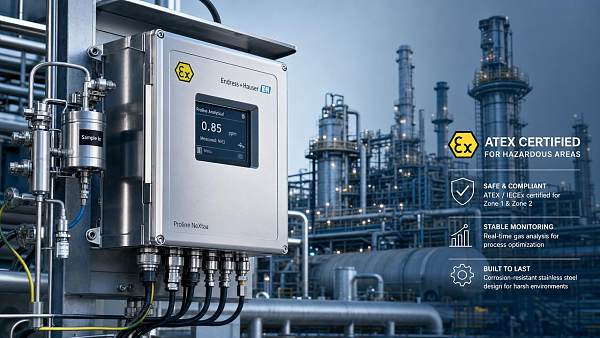
 ATEX Certified Analyzers: Key Specs That Matter in Hazardous PlantsATEX certified analyzers: discover the key specs that impact safety, accuracy, uptime, and maintenance in hazardous plants—essential guidance for smarter selection.
 How to Choose Plant Safety Instruments for High-Risk AreasPlant safety instruments selection for high-risk areas starts with the right standards, durability, and integration. Learn how to compare options, avoid costly mistakes, and improve plant safety.
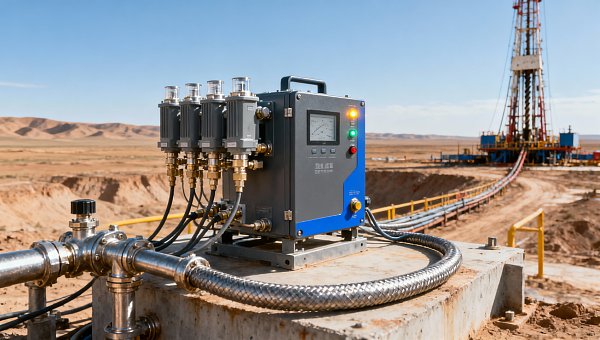
 China's New Oil & Gas Discoveries Boost Export Demand for Analytical InstrumentsChina's new oil & gas discoveries drive export demand for analytical instruments—boosting global opportunities for chromatographic analyzers, gas detectors, and downhole sensors.
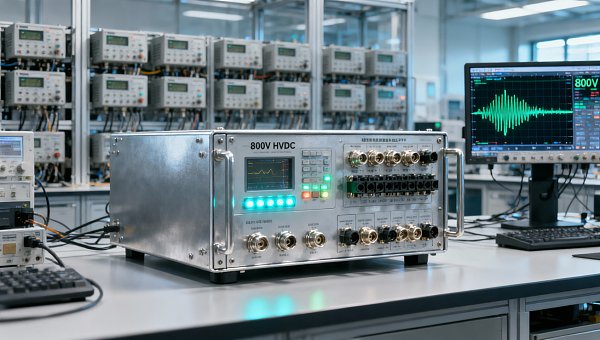
 China Academy Launches 800V HVDC Power-Computing Validation PlatformChina Academy launches 800V HVDC power-computing validation platform for IEC-compliant DC metering — accelerate CE/UL/SASO certification by 30%.
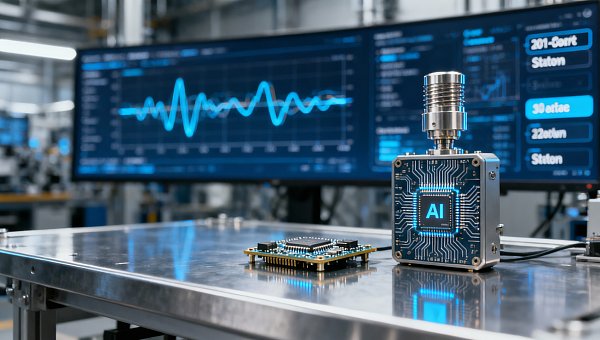
 MIIT Launches 'AI + Software' InitiativeAI + Software initiative by MIIT boosts intelligent programming tools, compute optimization & domestic industrial software—key for instrumentation, lab systems & monitoring platforms.
 China Approves New National Standards for AI, Chip, and GNSSChina's new national standards for AI, chips, and GNSS—effective Nov 2026—reshape global export compliance. Discover key impacts & actionable steps now.
 Guangzhou Port Launches Tender for 3500kW Green Diesel LocomotivesGuangzhou Port's tender for 3500kW green diesel locomotives signals urgent demand for turnkey, eco-compliant rail solutions — act now to align with China’s port decarbonization timeline.
 Industrial Metrology Tools: When Accuracy Impacts OutputIndustrial metrology tools directly shape output, quality, and cost. Learn how accurate measurement reduces scrap, speeds decisions, and improves production performance.
 Process Measurement Devices in Export Compliance UpdatesProcess measurement devices face new export compliance updates that impact classification, documents, lead times, and market access. Learn practical steps to reduce risk and protect growth.
 Quality Control Analyzers Price Shifts in Global SupplyQuality control analyzers prices are shifting with global supply changes. Learn the key cost drivers, compliance risks, and sourcing tips buyers need to reduce total cost.
 Production Line Monitoring: How to Reduce Downtime FastProduction line monitoring helps reduce downtime fast with practical checklists, smarter alarms, and real-time insights. Learn how to improve visibility, response speed, and line reliability.
 Process Optimization Instruments: ROI vs Maintenance CostsProcess optimization instruments: compare ROI, downtime reduction, and accuracy gains against calibration and maintenance costs. Learn how to choose smarter, lower-risk solutions.
 Manufacturing Process Control Trends Shaping 2026 OutputManufacturing process control trends for 2026: explore real-time monitoring, predictive quality, compliance readiness, and smarter automation strategies to boost output and reduce risk.
 Industrial Inspection Devices for Safer Quality ChecksIndustrial inspection devices help deliver safer quality checks by detecting faults early, reducing downtime, and improving compliance across manufacturing, energy, and infrastructure.
 Industrial Control Instruments: Common Selection MistakesIndustrial control instruments selection mistakes can cause downtime, drift, and safety issues. Learn the most common errors and how to choose the right solution with confidence.
 Industrial Monitoring Solutions: Key Cost Factors in 2026Industrial monitoring solutions in 2026 cost far more than hardware alone. Learn the hidden cost drivers, compare vendor proposals wisely, and make smarter ROI-focused investment decisions.
 How to Compare Test and Measurement Equipment for Factory UseTest and measurement equipment for factory use should be compared by real application, not specs alone. Learn how to choose reliable, connected tools that cut downtime and improve control.
 Stack Gas Analyzers: When Maintenance Delays Start Raising RiskStack gas analyzers can look normal while hidden drift raises compliance, efficiency, and reliability risks. Learn the warning signs and smart maintenance checks before delays become costly.
 Industrial Measurement Systems in Export Projects: Key Compliance ChecksIndustrial measurement systems for export projects: learn the key compliance checks for certifications, calibration, safety, and documents to avoid delays and ensure smooth delivery.
 Pharmaceutical Instrumentation Upgrades: What to Evaluate FirstPharmaceutical instrumentation upgrades start with compliance, data integrity, uptime, and ROI. Learn what to evaluate first to reduce risk and make smarter buying decisions.
 Food Processing Analyzers for Compliance and Batch ConsistencyFood processing analyzers help manufacturers improve compliance, reduce batch variation, and verify quality from raw materials to final release with faster, traceable decisions.
 Biogas Analyzers Market Trends: Accuracy, Maintenance, and ROIBiogas analyzers market trends: explore how accuracy, lower maintenance, and stronger ROI help energy and industrial buyers improve gas quality, uptime, and compliance.
 Safety Monitoring Systems: Common Setup Mistakes to AvoidSafety monitoring systems fail fast when setup is wrong. Discover common installation, calibration, and alarm mistakes to avoid for safer operations and more reliable monitoring.
 Industrial Testing Equipment Costs in 2026: What Drives Pricing?Industrial testing equipment costs in 2026 depend on accuracy, compliance, automation, and lifecycle service. Learn what drives pricing and how to reduce total ownership cost.



Search Categories
Search Categories
Latest Article
- Plant Automation Instruments: Upgrade Signals You Should Not IgnorePlant automation instruments show upgrade signals before costly failures happen. Learn the warning signs, business value, and smart replacement steps to improve uptime, safety, and control.Posted by:
- How Industrial Quality Analyzers Reduce Rework and ScrapIndustrial quality analyzers help manufacturers detect defects early, reduce rework and scrap, improve compliance, and boost process efficiency with faster, data-driven control.Posted by:
- Industrial Process Analyzers: What to Check Before ImportingIndustrial process analyzers: learn what to check before importing, from certifications and technical fit to maintenance and supplier support, to reduce risk and buy with confidence.Posted by:
Please give us a message
