
How to Choose Plant Safety Instruments for High-Risk Areas


Choosing the right plant safety instruments for high-risk areas is critical for protecting people, equipment, and operations. For quality control and safety managers, the challenge is not only meeting compliance requirements but also ensuring reliable performance in harsh industrial environments. This guide explains the key factors to evaluate, helping you select instruments that improve safety, accuracy, and long-term operational confidence.
What are plant safety instruments and why do they matter in high-risk areas?
Plant safety instruments are devices used to detect, measure, alarm, and control hazardous conditions in industrial facilities.
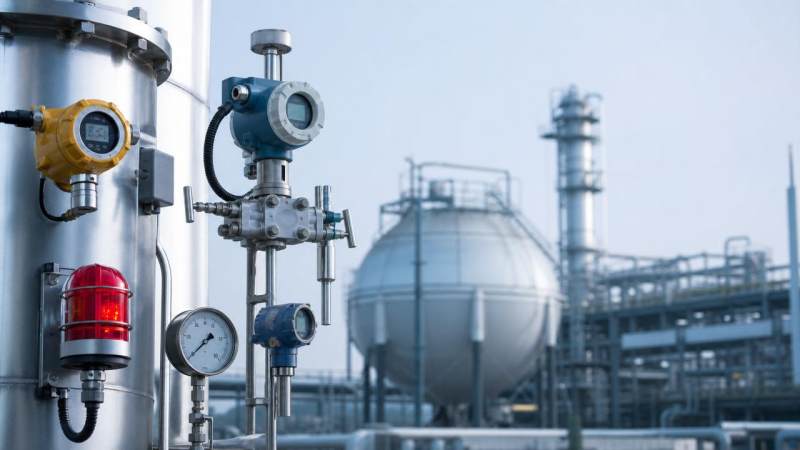
They support safe operations in sectors such as energy, chemical processing, water treatment, manufacturing, construction engineering, and automation control.
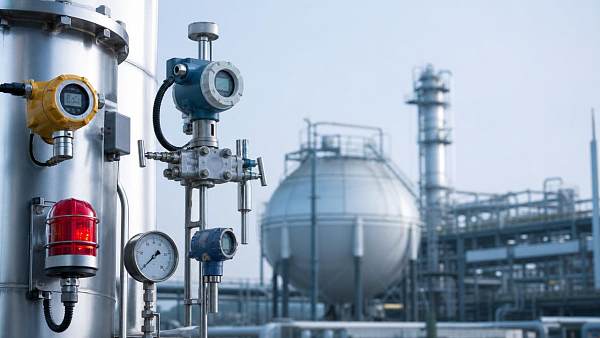
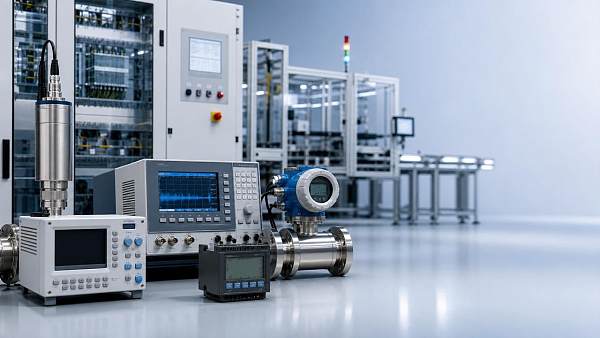
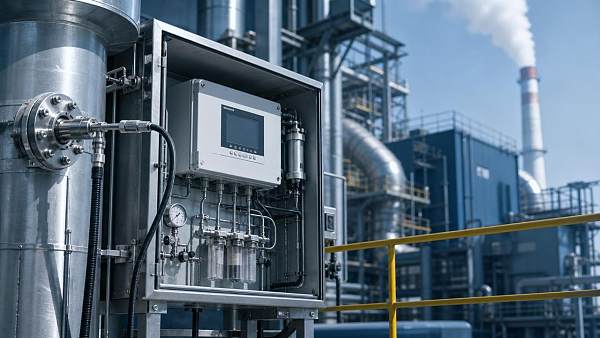
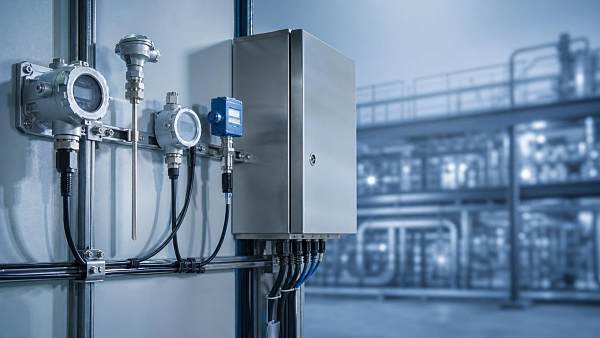
Typical plant safety instruments include gas detectors, pressure transmitters, temperature sensors, level switches, flow meters, emergency shutdown devices, and alarm systems.
In high-risk areas, failure is not just inconvenient. It can trigger fire, explosion, toxic release, production loss, or regulatory penalties.
That is why plant safety instruments must deliver stable readings, fast response, and dependable communication with control systems.
Good selection also supports digital transformation. Reliable instruments provide trustworthy data for monitoring platforms, predictive maintenance, and intelligent plant management.
How do you identify which high-risk area requirements apply?
Start with hazard classification. Not every dangerous location has the same ignition risk, contamination exposure, or process instability.
Review whether the area contains flammable gases, combustible dust, corrosive chemicals, steam, vibration, washdown exposure, or extreme temperatures.
Then match the environment to recognized standards. Common references include ATEX, IECEx, NEC, SIL, and IP or NEMA enclosure ratings.
Key questions to ask during classification
- Is the hazard continuous, occasional, or abnormal?
- Will the instrument contact corrosive media or airborne particles?
- Is the area exposed to vibration, shock, or aggressive cleaning?
- Does the installation need intrinsic safety or explosion-proof protection?
- What power, signal, and communication limits exist on site?
This step prevents costly mismatch. A standard instrument may work in a clean room but fail quickly in a hazardous process zone.
The best plant safety instruments are selected after a documented review of area classification, process conditions, and maintenance accessibility.
Which technical specifications matter most when choosing plant safety instruments?
Accuracy matters, but it should never be the only criterion. High-risk environments demand a broader technical review.
1. Measurement performance
Check range, repeatability, response time, drift, and stability. Fast-changing processes need instruments that react without delayed alarms.
2. Material compatibility
Wetted parts must resist the process media. Stainless steel, Hastelloy, PTFE, and special coatings may be necessary.
3. Environmental durability
Review operating temperature, ingress protection, corrosion resistance, UV stability, and tolerance to shock or vibration.
4. Safety certification
For plant safety instruments, certification is essential. Confirm area approvals, functional safety ratings, and traceable calibration support.
5. Signal integration
Make sure outputs fit the control architecture. Common options include 4-20 mA, HART, Modbus, Profibus, relay outputs, and digital diagnostics.
Strong integration reduces blind spots. It allows plant safety instruments to feed alarms, shutdown logic, historians, and maintenance software.
How can you compare different types of plant safety instruments for the same application?
Many high-risk applications have several acceptable technologies. The right choice depends on process behavior and installation realities.
When comparing plant safety instruments, avoid choosing only by purchase price. Lifecycle fit is more important than initial cost.
A cheaper detector with frequent calibration issues may cost more than a premium model over three years.
What common mistakes reduce safety and reliability?
One frequent mistake is selecting general-purpose devices for hazardous zones. This creates compliance and performance risks immediately.
Another mistake is ignoring installation conditions. Poor cable routing, wrong mounting height, and inaccessible placement weaken even excellent instruments.
Typical selection and implementation errors
- Using incompatible materials with corrosive process media
- Overlooking calibration intervals and spare part availability
- Ignoring sensor poisoning, drift, or fouling risk
- Choosing complex features that operators do not need
- Failing to verify system compatibility before purchase
Plant safety instruments should also be reviewed as part of the full safety loop, not as isolated hardware.
Sensors, barriers, controllers, alarms, shutdown logic, and maintenance procedures must work together under real operating conditions.
How do maintenance, calibration, and total cost affect the final choice?
The most suitable plant safety instruments are not always the most advanced. They are the ones that remain reliable over time.
Evaluate how often calibration is required, how easily the instrument can be isolated, and whether diagnostics simplify troubleshooting.
Also check lead time, local support, documentation quality, and availability of certified replacement components.
A practical cost review should include
- Purchase price and installation accessories
- Commissioning and integration labor
- Calibration equipment and service frequency
- Downtime risk during maintenance or failure
- Expected service life in harsh environments
This broader view often changes decisions. A durable instrument with easier verification can reduce operational interruptions significantly.
FAQ: how should plant safety instruments be evaluated before purchase?
A strong evaluation process combines technical data, site conditions, safety standards, and long-term service planning.
That approach helps plant safety instruments perform as expected when risk is highest and response time matters most.
Conclusion: what is the smartest next step?
Choosing plant safety instruments for high-risk areas requires more than checking a datasheet. It requires matching safety, process, environment, and lifecycle needs.
Begin with a structured site review. Confirm hazards, required certifications, process media, communication needs, and maintenance limits.
Then compare plant safety instruments by total reliability, not just cost. Focus on durability, support, calibration practicality, and system compatibility.
A careful decision today strengthens compliance, operational continuity, and confidence across the entire facility. Use this checklist-based approach before your next instrument selection.
Recommended for You
 Plant Automation Instruments: Upgrade Signals You Should Not IgnorePlant automation instruments show upgrade signals before costly failures happen. Learn the warning signs, business value, and smart replacement steps to improve uptime, safety, and control.
 How Industrial Quality Analyzers Reduce Rework and ScrapIndustrial quality analyzers help manufacturers detect defects early, reduce rework and scrap, improve compliance, and boost process efficiency with faster, data-driven control.
 Industrial Process Analyzers: What to Check Before ImportingIndustrial process analyzers: learn what to check before importing, from certifications and technical fit to maintenance and supplier support, to reduce risk and buy with confidence.
 Real-Time Analyzers vs Lab Testing for Faster Process ControlReal-time analyzers vs lab testing: learn how faster process data improves control, cuts delays, and boosts quality while lab methods ensure validation and compliance.
 Smart Measurement Devices in 2026: Where Adoption Is Growing FastSmart measurement devices are seeing rapid 2026 adoption across manufacturing, energy, labs, and environmental monitoring. Discover where demand is rising fastest and why buyers are acting now.
 Industrial Detection Systems: Common Selection Mistakes to AvoidIndustrial detection systems selection mistakes can trigger delays, compliance risks, and higher lifecycle costs. Learn how to choose smarter, integrate better, and avoid costly rework.
 When High-Accuracy Instruments Justify the Extra CostHigh-accuracy instruments justify extra cost when precision reduces waste, strengthens compliance, and improves ROI. Learn when premium accuracy delivers measurable business value.
 Utility Monitoring Equipment Costs: What Shapes 2026 BudgetsUtility monitoring equipment costs in 2026 are shaped by accuracy, integration, cybersecurity, and lifecycle service. See what drives budgets and how to plan smarter investments.
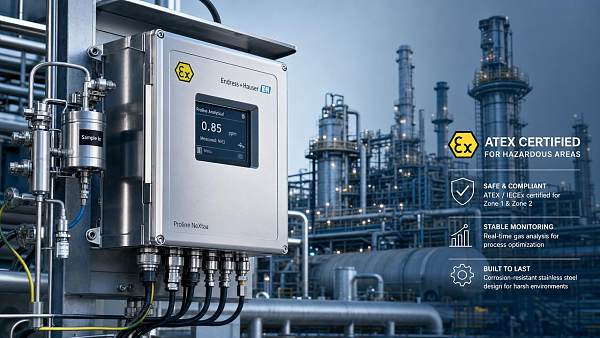
 ATEX Certified Analyzers: Key Specs That Matter in Hazardous PlantsATEX certified analyzers: discover the key specs that impact safety, accuracy, uptime, and maintenance in hazardous plants—essential guidance for smarter selection.
 How to Choose Plant Safety Instruments for High-Risk AreasPlant safety instruments selection for high-risk areas starts with the right standards, durability, and integration. Learn how to compare options, avoid costly mistakes, and improve plant safety.
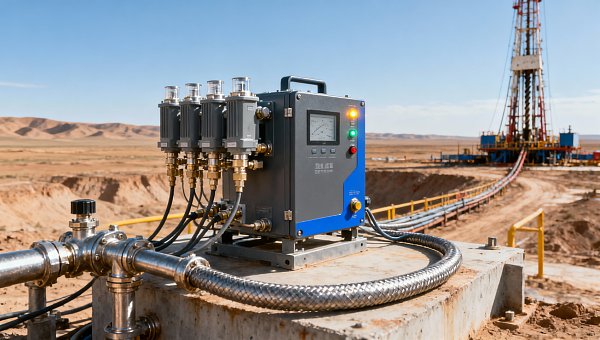
 China's New Oil & Gas Discoveries Boost Export Demand for Analytical InstrumentsChina's new oil & gas discoveries drive export demand for analytical instruments—boosting global opportunities for chromatographic analyzers, gas detectors, and downhole sensors.
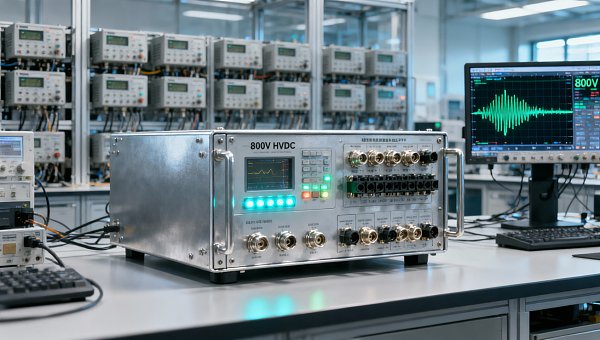
 China Academy Launches 800V HVDC Power-Computing Validation PlatformChina Academy launches 800V HVDC power-computing validation platform for IEC-compliant DC metering — accelerate CE/UL/SASO certification by 30%.
 MIIT Launches 'AI + Software' InitiativeAI + Software initiative by MIIT boosts intelligent programming tools, compute optimization & domestic industrial software—key for instrumentation, lab systems & monitoring platforms.
 China Approves New National Standards for AI, Chip, and GNSSChina's new national standards for AI, chips, and GNSS—effective Nov 2026—reshape global export compliance. Discover key impacts & actionable steps now.
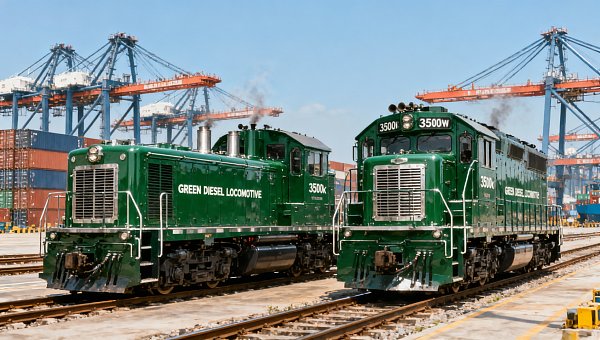
 Guangzhou Port Launches Tender for 3500kW Green Diesel LocomotivesGuangzhou Port's tender for 3500kW green diesel locomotives signals urgent demand for turnkey, eco-compliant rail solutions — act now to align with China’s port decarbonization timeline.
 Industrial Metrology Tools: When Accuracy Impacts OutputIndustrial metrology tools directly shape output, quality, and cost. Learn how accurate measurement reduces scrap, speeds decisions, and improves production performance.
 Process Measurement Devices in Export Compliance UpdatesProcess measurement devices face new export compliance updates that impact classification, documents, lead times, and market access. Learn practical steps to reduce risk and protect growth.
 Quality Control Analyzers Price Shifts in Global SupplyQuality control analyzers prices are shifting with global supply changes. Learn the key cost drivers, compliance risks, and sourcing tips buyers need to reduce total cost.
 Production Line Monitoring: How to Reduce Downtime FastProduction line monitoring helps reduce downtime fast with practical checklists, smarter alarms, and real-time insights. Learn how to improve visibility, response speed, and line reliability.
 Process Optimization Instruments: ROI vs Maintenance CostsProcess optimization instruments: compare ROI, downtime reduction, and accuracy gains against calibration and maintenance costs. Learn how to choose smarter, lower-risk solutions.
 Manufacturing Process Control Trends Shaping 2026 OutputManufacturing process control trends for 2026: explore real-time monitoring, predictive quality, compliance readiness, and smarter automation strategies to boost output and reduce risk.
 Industrial Inspection Devices for Safer Quality ChecksIndustrial inspection devices help deliver safer quality checks by detecting faults early, reducing downtime, and improving compliance across manufacturing, energy, and infrastructure.
 Industrial Control Instruments: Common Selection MistakesIndustrial control instruments selection mistakes can cause downtime, drift, and safety issues. Learn the most common errors and how to choose the right solution with confidence.
 Industrial Monitoring Solutions: Key Cost Factors in 2026Industrial monitoring solutions in 2026 cost far more than hardware alone. Learn the hidden cost drivers, compare vendor proposals wisely, and make smarter ROI-focused investment decisions.
 How to Compare Test and Measurement Equipment for Factory UseTest and measurement equipment for factory use should be compared by real application, not specs alone. Learn how to choose reliable, connected tools that cut downtime and improve control.
 Stack Gas Analyzers: When Maintenance Delays Start Raising RiskStack gas analyzers can look normal while hidden drift raises compliance, efficiency, and reliability risks. Learn the warning signs and smart maintenance checks before delays become costly.
 Industrial Measurement Systems in Export Projects: Key Compliance ChecksIndustrial measurement systems for export projects: learn the key compliance checks for certifications, calibration, safety, and documents to avoid delays and ensure smooth delivery.
 Pharmaceutical Instrumentation Upgrades: What to Evaluate FirstPharmaceutical instrumentation upgrades start with compliance, data integrity, uptime, and ROI. Learn what to evaluate first to reduce risk and make smarter buying decisions.
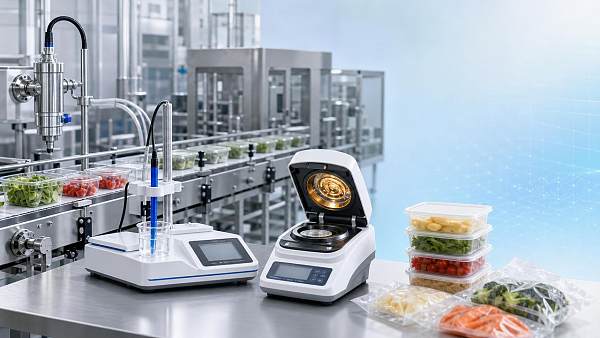
 Food Processing Analyzers for Compliance and Batch ConsistencyFood processing analyzers help manufacturers improve compliance, reduce batch variation, and verify quality from raw materials to final release with faster, traceable decisions.
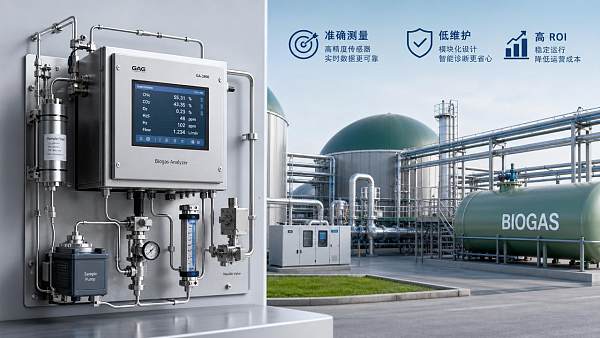
 Biogas Analyzers Market Trends: Accuracy, Maintenance, and ROIBiogas analyzers market trends: explore how accuracy, lower maintenance, and stronger ROI help energy and industrial buyers improve gas quality, uptime, and compliance.
 Safety Monitoring Systems: Common Setup Mistakes to AvoidSafety monitoring systems fail fast when setup is wrong. Discover common installation, calibration, and alarm mistakes to avoid for safer operations and more reliable monitoring.
 Industrial Testing Equipment Costs in 2026: What Drives Pricing?Industrial testing equipment costs in 2026 depend on accuracy, compliance, automation, and lifecycle service. Learn what drives pricing and how to reduce total ownership cost.

Search Categories
Search Categories
Latest Article
- Plant Automation Instruments: Upgrade Signals You Should Not IgnorePlant automation instruments show upgrade signals before costly failures happen. Learn the warning signs, business value, and smart replacement steps to improve uptime, safety, and control.Posted by:
- How Industrial Quality Analyzers Reduce Rework and ScrapIndustrial quality analyzers help manufacturers detect defects early, reduce rework and scrap, improve compliance, and boost process efficiency with faster, data-driven control.Posted by:
- Industrial Process Analyzers: What to Check Before ImportingIndustrial process analyzers: learn what to check before importing, from certifications and technical fit to maintenance and supplier support, to reduce risk and buy with confidence.Posted by:
Please give us a message
